
Jizzakh Uzbekistan travel guide to Zaamin
Jizzakh, Uzbekistan
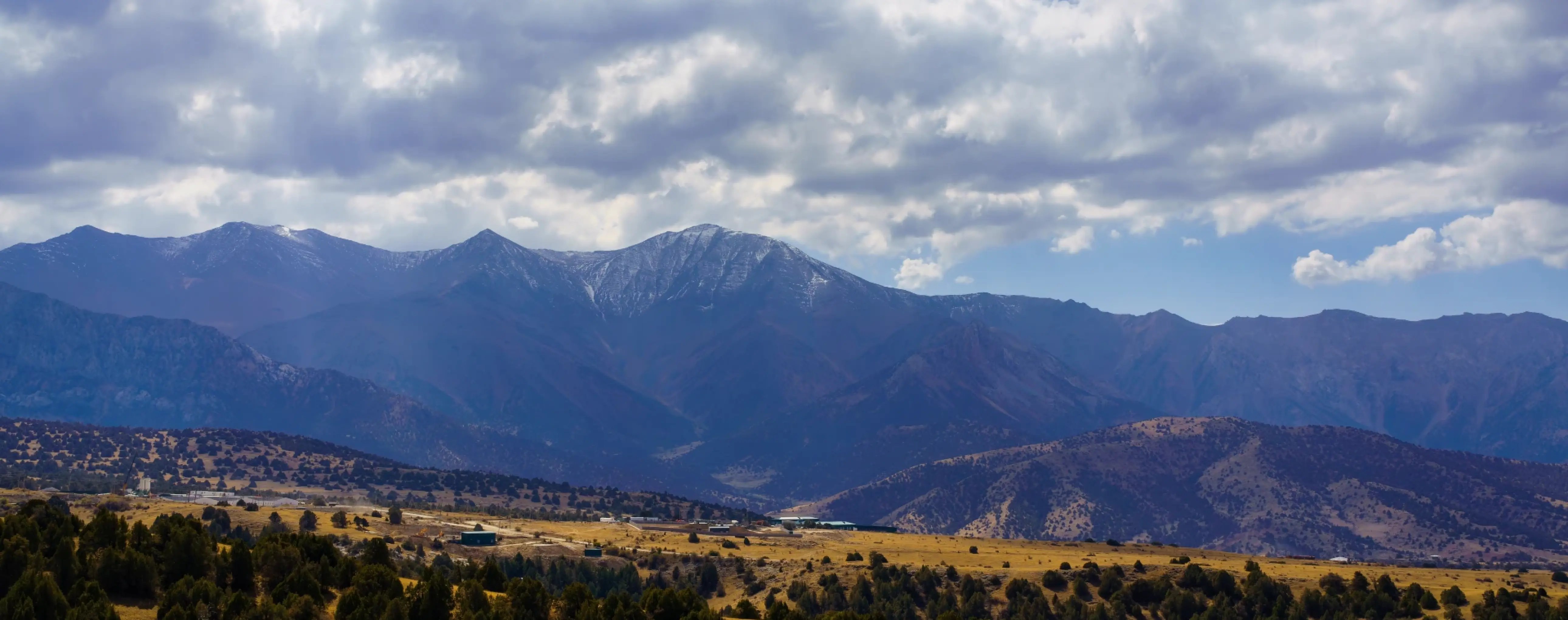
Jizzakh sits in Jizzakh Region in central-eastern Uzbekistan. It is an inland city, with no coastal setting or body of water identified in the source facts. The landscape around it is varied, moving from steppe and plain toward the foothills of the Turkestan mountain system, which provides the area's main natural backdrop.
The city has a long historical identity as an important settlement on routes linking the settled oases of Transoxiana with the steppe zones to the north and east. In Uzbek history, it is also associated with the 1916 Jizzakh uprising against Russian imperial conscription policies. In today's city, however, the most visible historical layer is Soviet and post-Soviet: broad streets and administrative buildings define the urban scene more than an extensive preserved old town, so the sense of place comes from a regional capital shaped by later development rather than surviving monument clusters.
What Jizzakh offers is a mix of regional urban context, straightforward overland access, and easy reach to nearby natural landscapes. That makes it well suited to short holidays or a practical vacation stop built around walking, local atmosphere, and excursions to Zaamin and other nature areas. Most people use the city for transit convenience, regional context, or as a base for brief exploration rather than for a long city stay.
The visitor experience centers on broad streets, administrative districts, and Jizzakh's wider role as a gateway to regional nature trips. The city stands on the main transport corridor between Tashkent and Samarkand and is linked to other major Uzbek cities by both road and rail. Most travelers arrive overland from Tashkent or Samarkand rather than through a major local airport.
Jizzakh has a continental climate. Spring and autumn are the most comfortable times for walking and day trips. Summer is typically hot and dry, which can make daytime sightseeing less comfortable, while winter can be cold, especially for onward journeys toward higher ground in the region.
Jizzakh on the map
Jizzakh: Attractions, interesting places for excursions
Zaamin National Park
What to do in Jizzakh, from city streets to Zaamin trips
Broad avenues, Uzbek meals, and foothill day trips
City streets, local history, and the road to Zaamin
In Jizzakh, the urban landscape is defined by broad streets and administrative buildings, reflecting a Soviet and post-Soviet character rather than an extensive preserved old town. The city's clearest historical associations lie in its place on older route networks linking Transoxiana with the northern and eastern steppe zones, as well as in the 1916 Jizzakh uprising against Russian imperial conscription policies. In practical terms, what there is to see is rooted in the experience of the regional center itself, not in a dense concentration of surviving monuments.
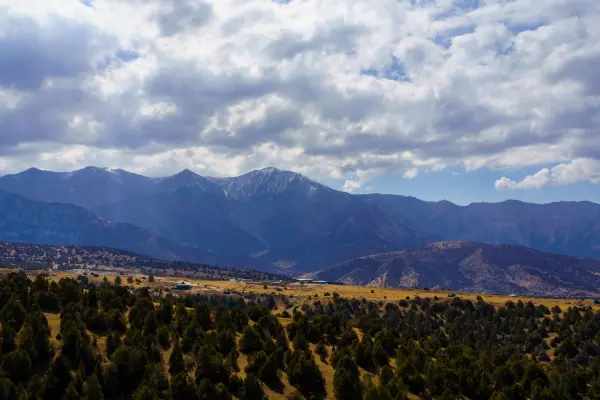
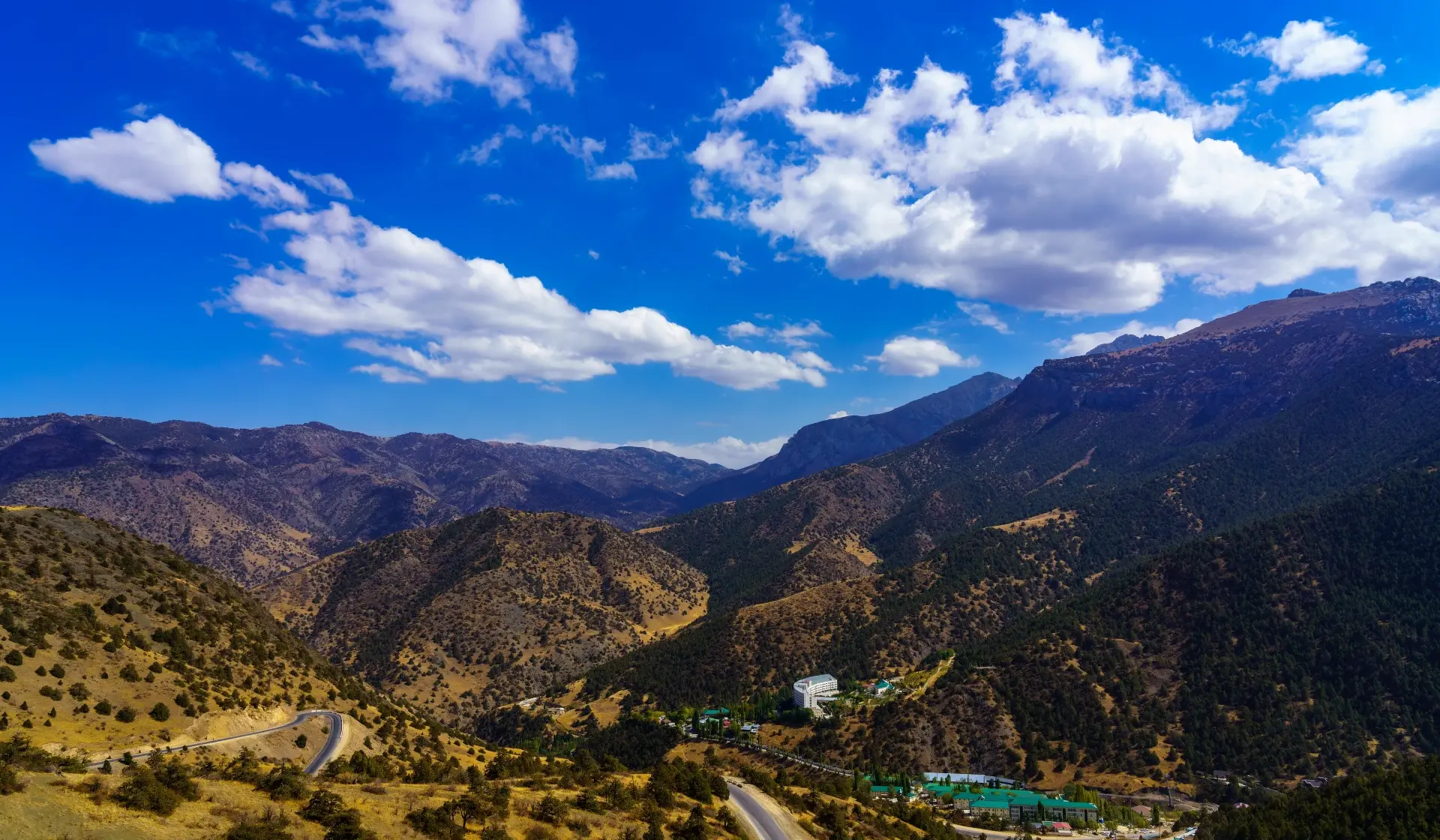
The source facts include local history and regional cultural sites as part of the visitor experience, but they do not name a specific museum or describe any collection. The area's best-known natural draw is Zaamin National Nature Park. Around Jizzakh, the terrain gradually shifts from steppe and plain toward the foothills of the Turkestan mountain system, and the city serves as a gateway for excursions into these landscapes.
Beyond basic sightseeing, Jizzakh works mainly as a base for trips to Zaamin, a place to walk central streets, and a convenient stop on overland journeys between Tashkent and Samarkand. Common things to do also include trying everyday Uzbek dining in the city. Food is centered on Uzbek cuisine, including plov, shashlik, samsa, and non bread.
City Details
City overview – facts & data for travelers
Best tours and travel experiences across the continent
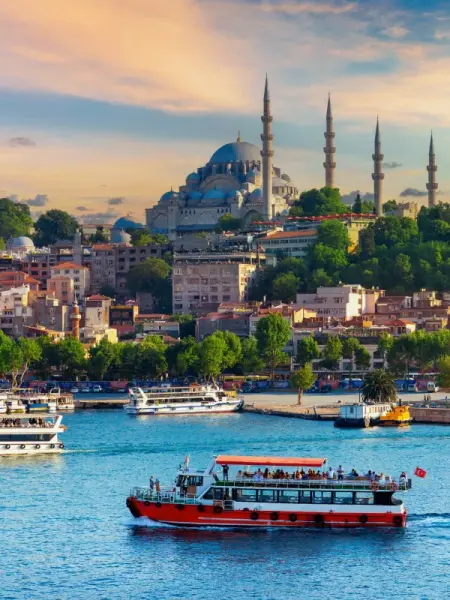
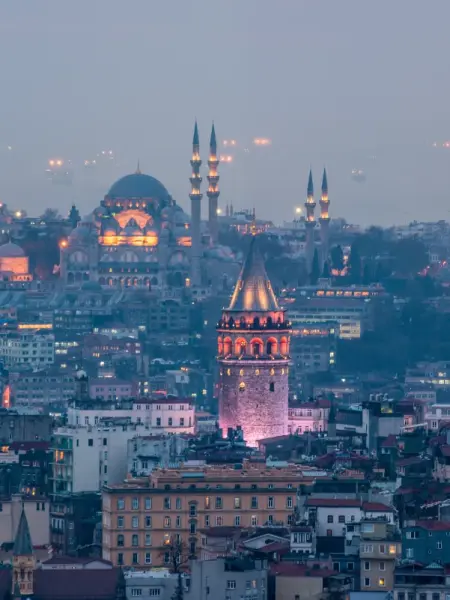

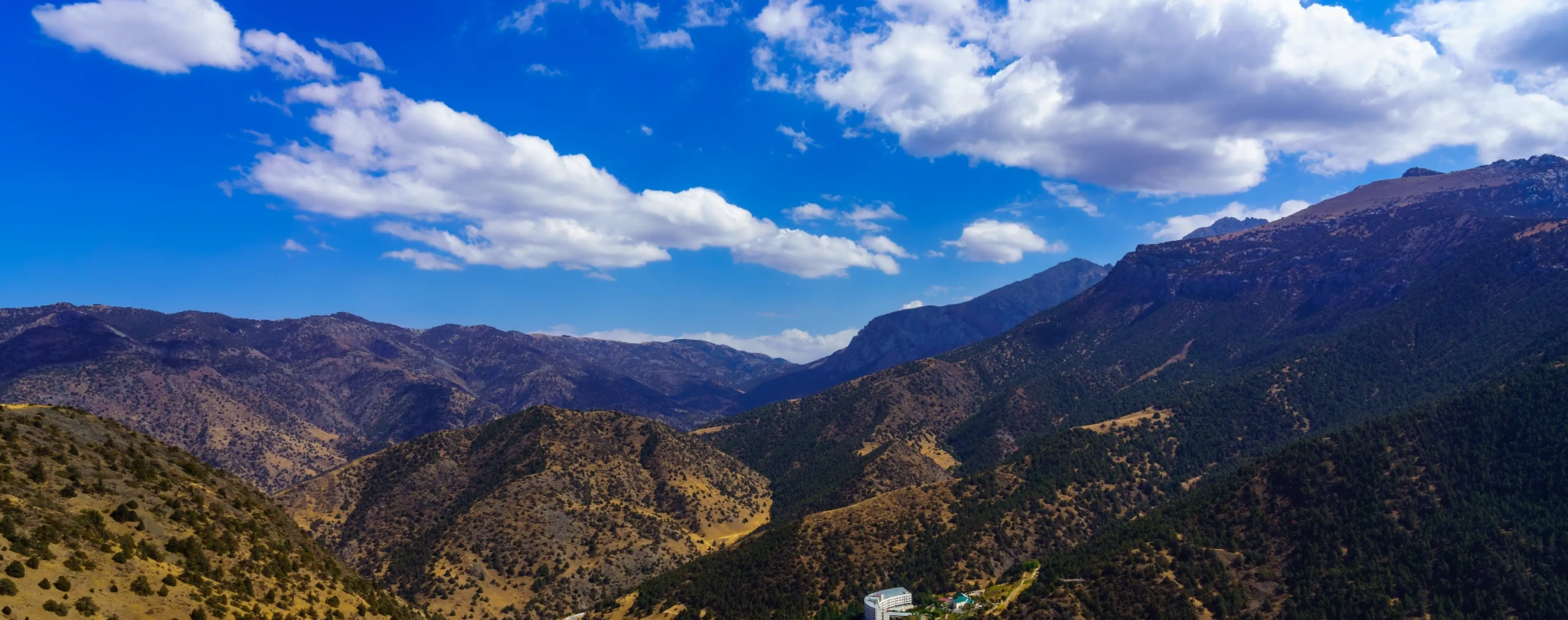
Jizzakh views
Guided tours, popular attractions, and top-rated hotels across the continent


