Karakol Kyrgyzstan travel guide Ski Base
Karakol, Kyrgyzstan
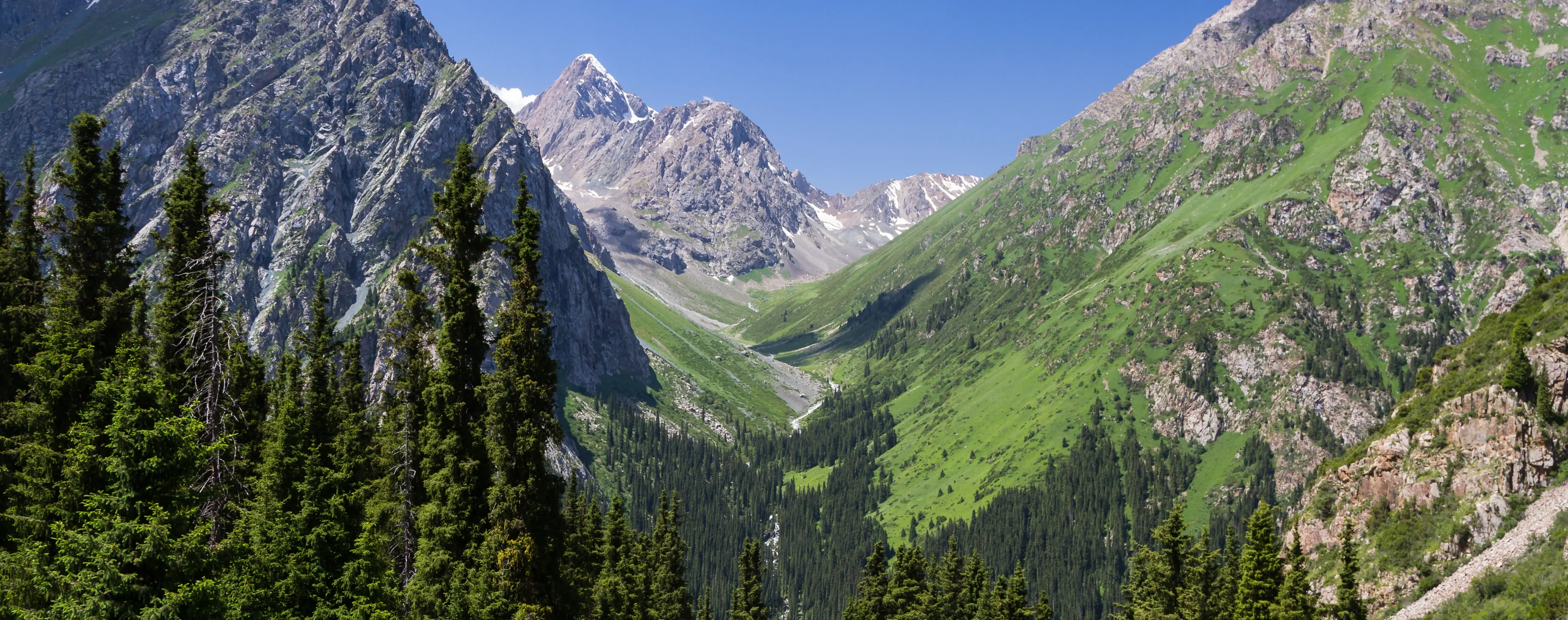
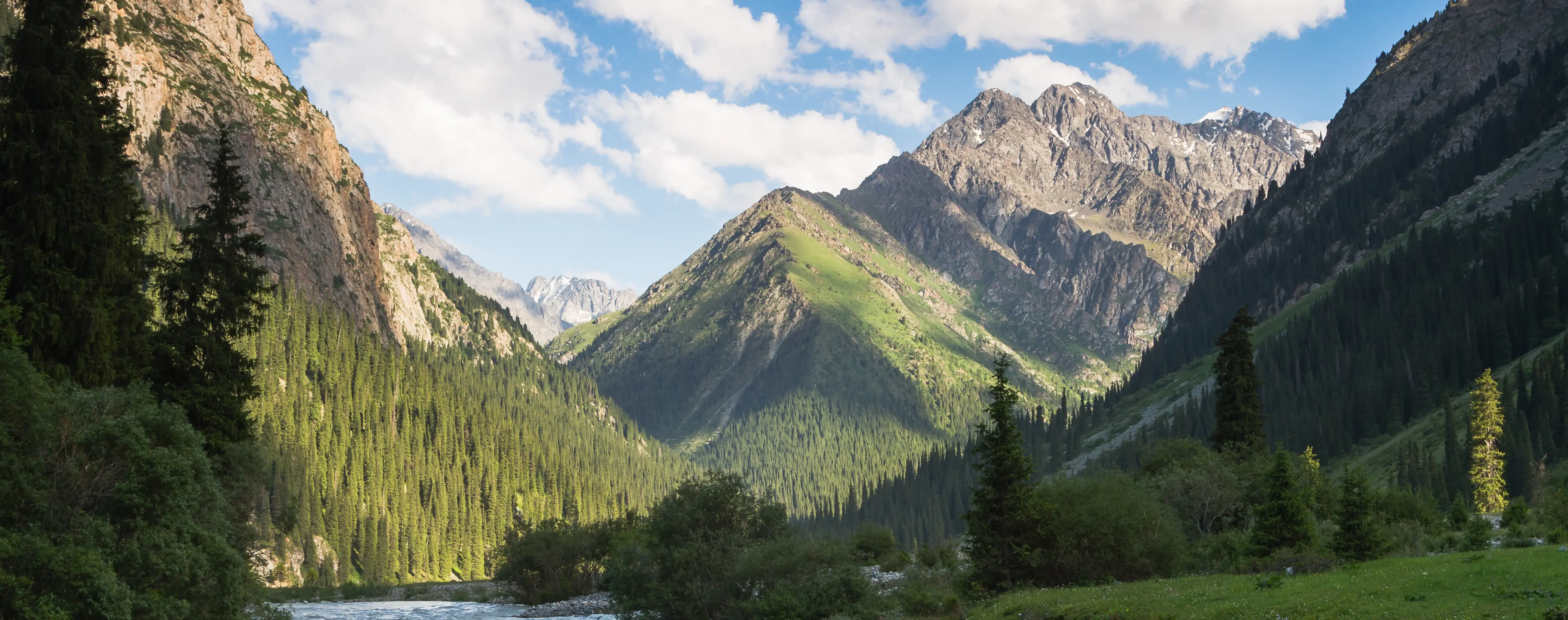
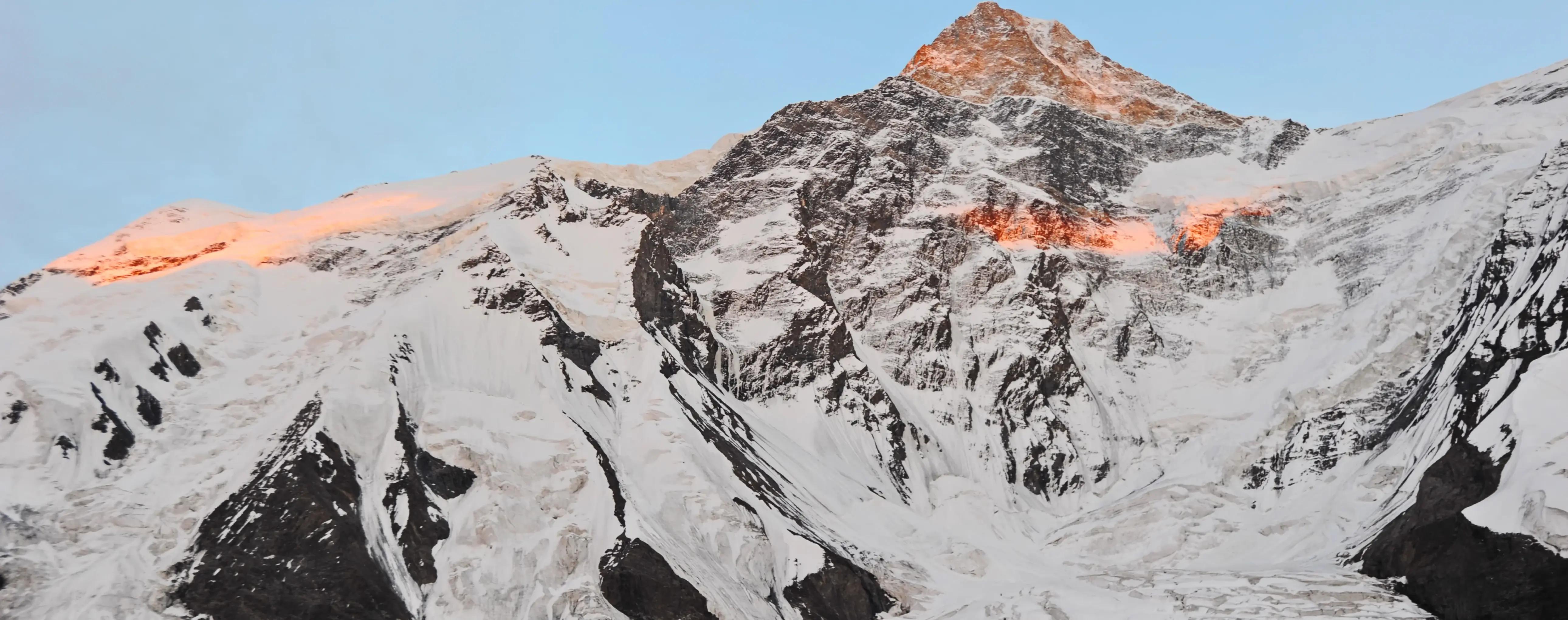
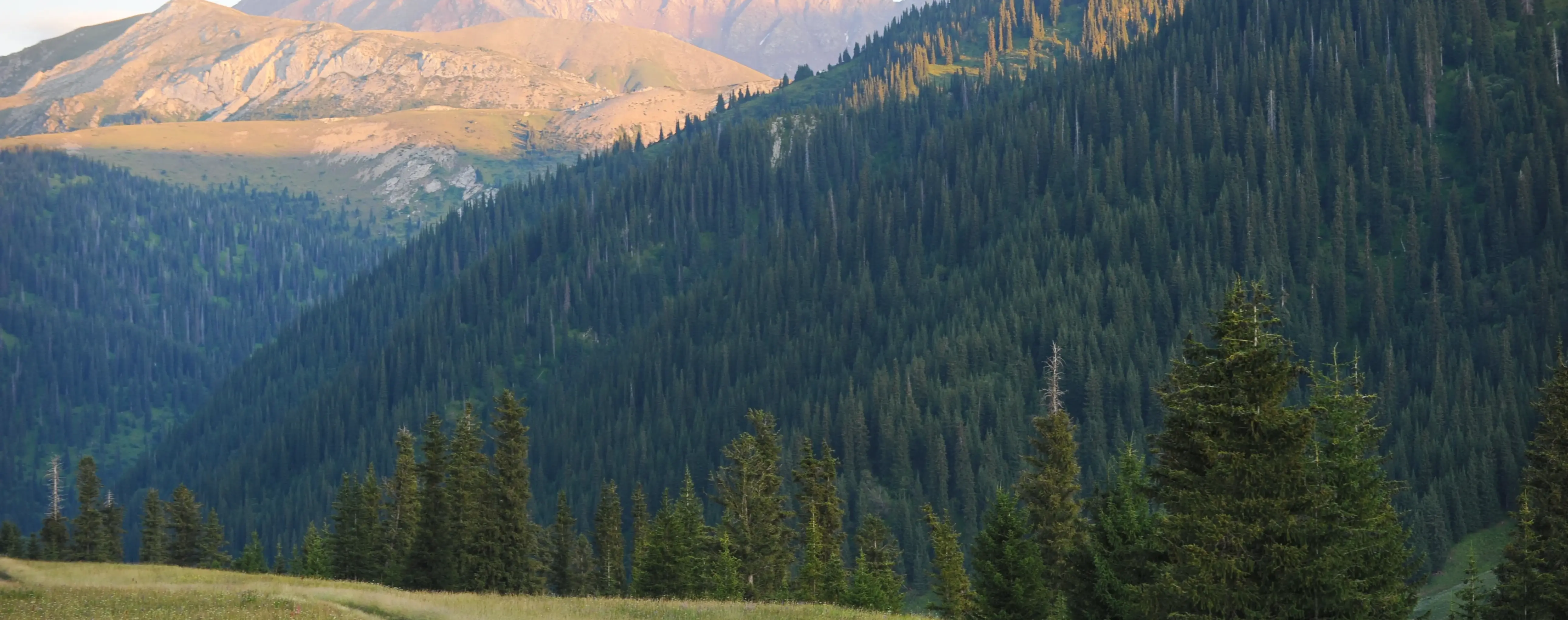
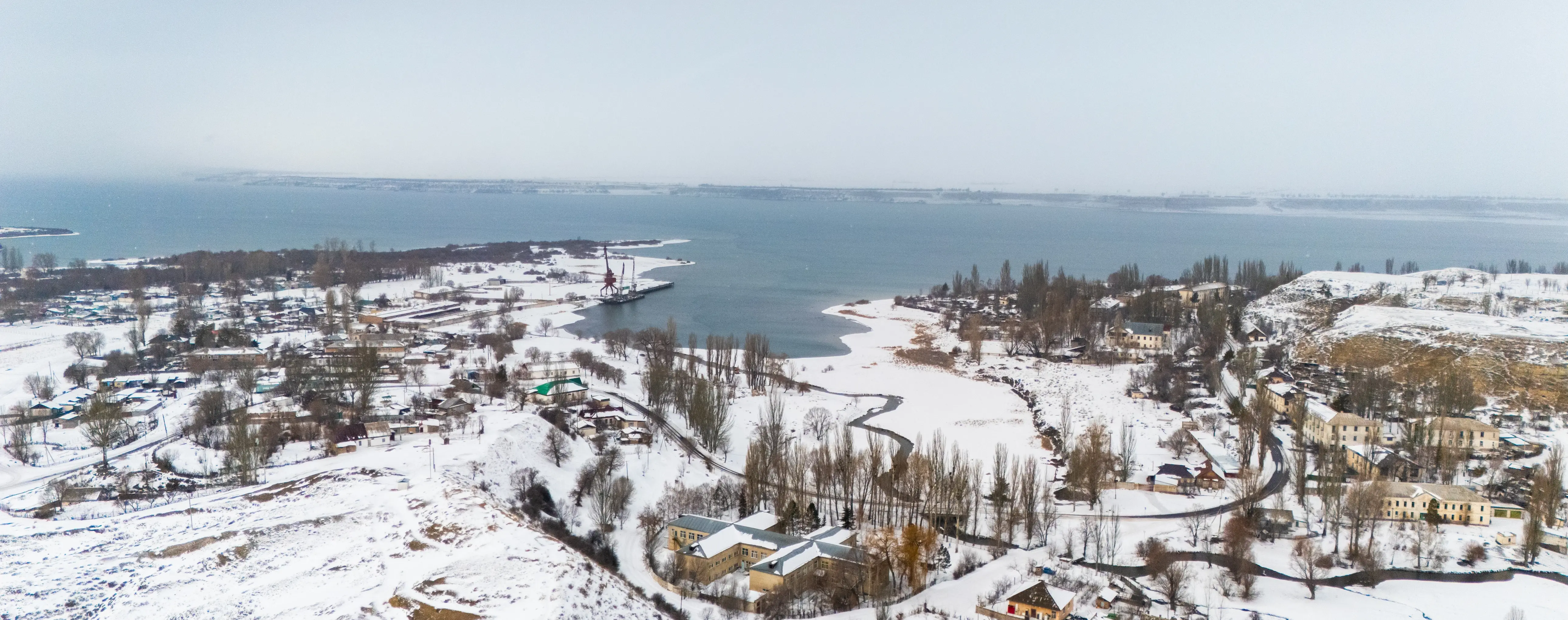
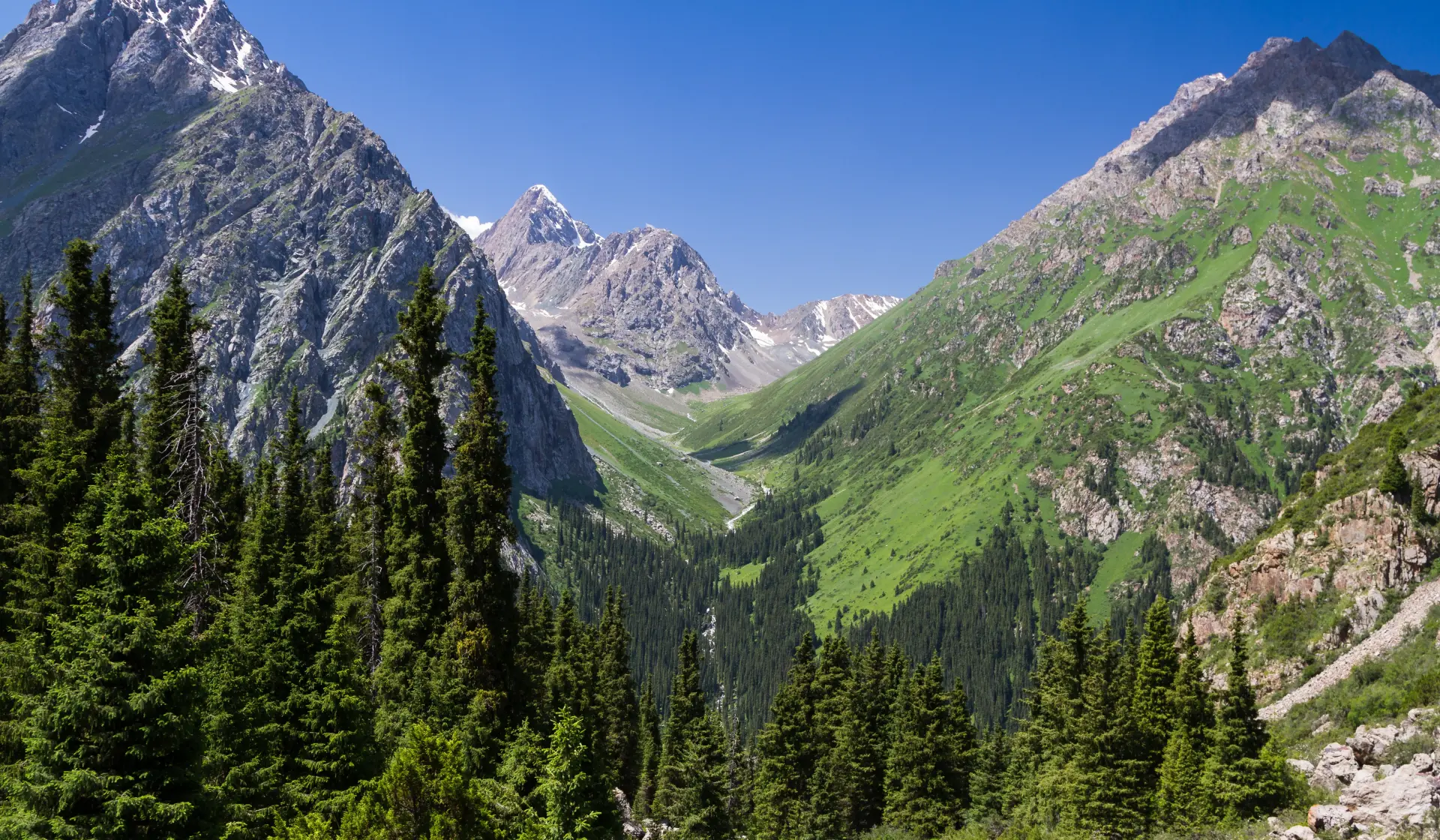
Karakol, in Kyrgyzstan, is the main city in the eastern part of Issyk-Kul Region. Near the eastern end of Lake Issyk-Kul, it is a lakeside city rather than an inland one, with the Tian Shan rising behind it in a distinctly mountainous setting.
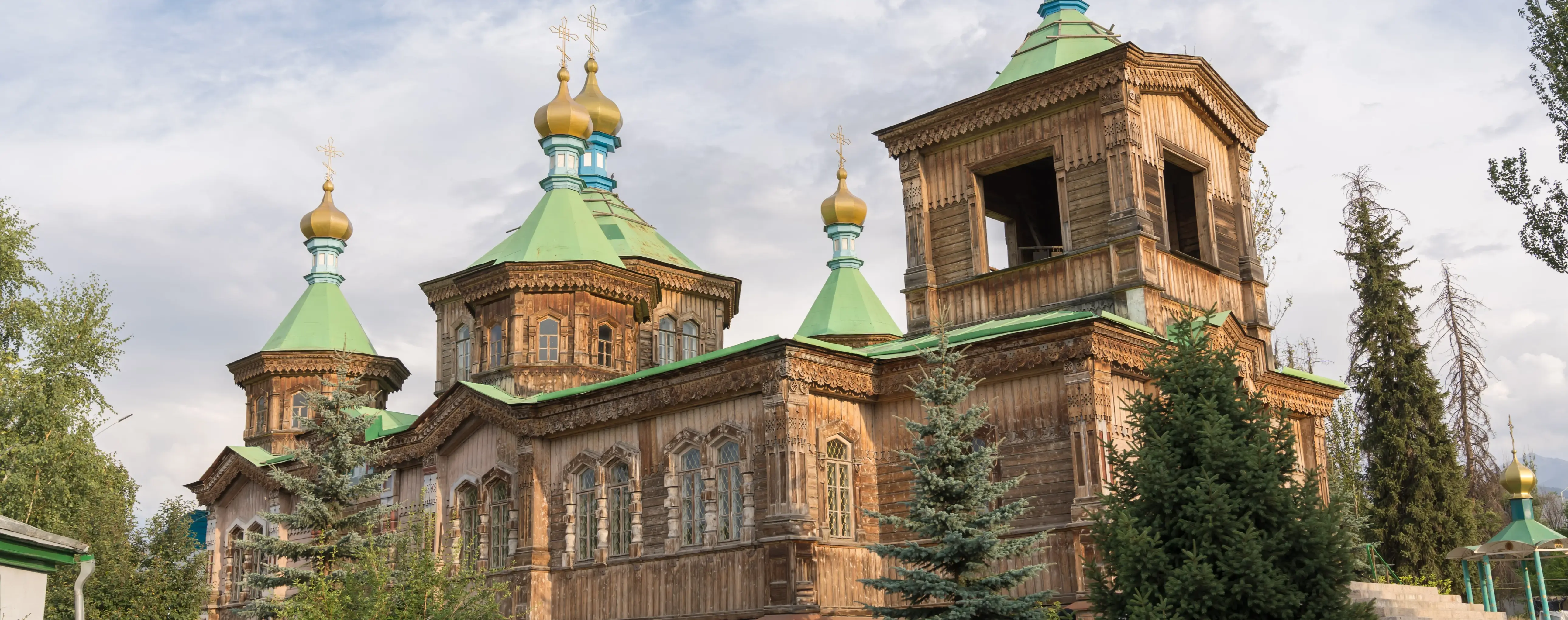
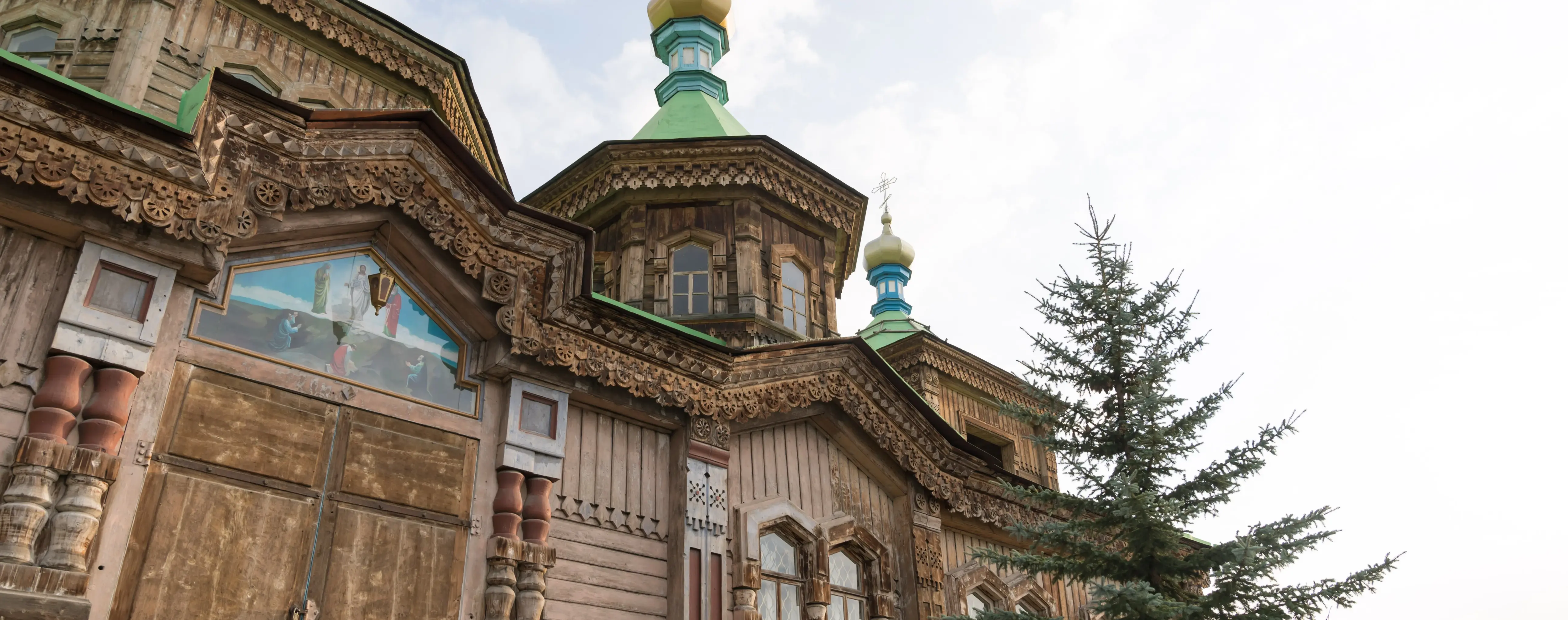
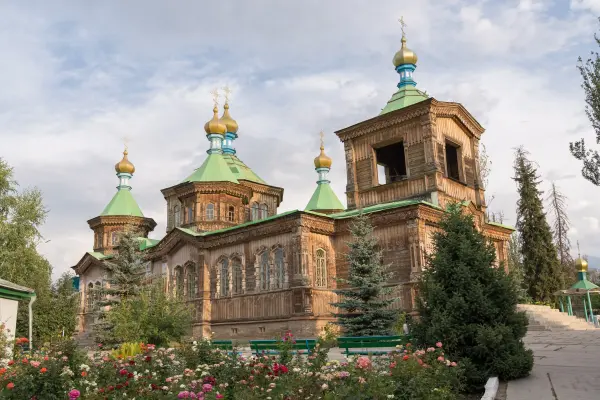
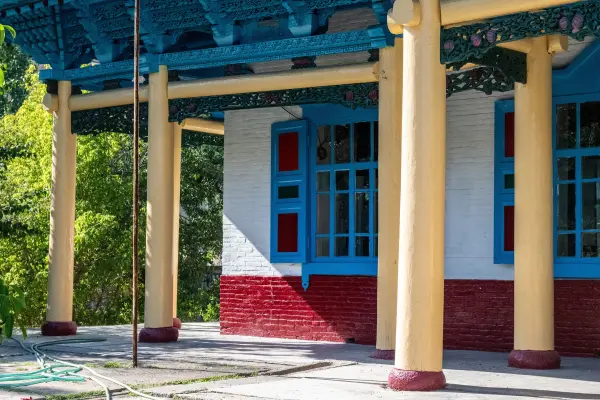
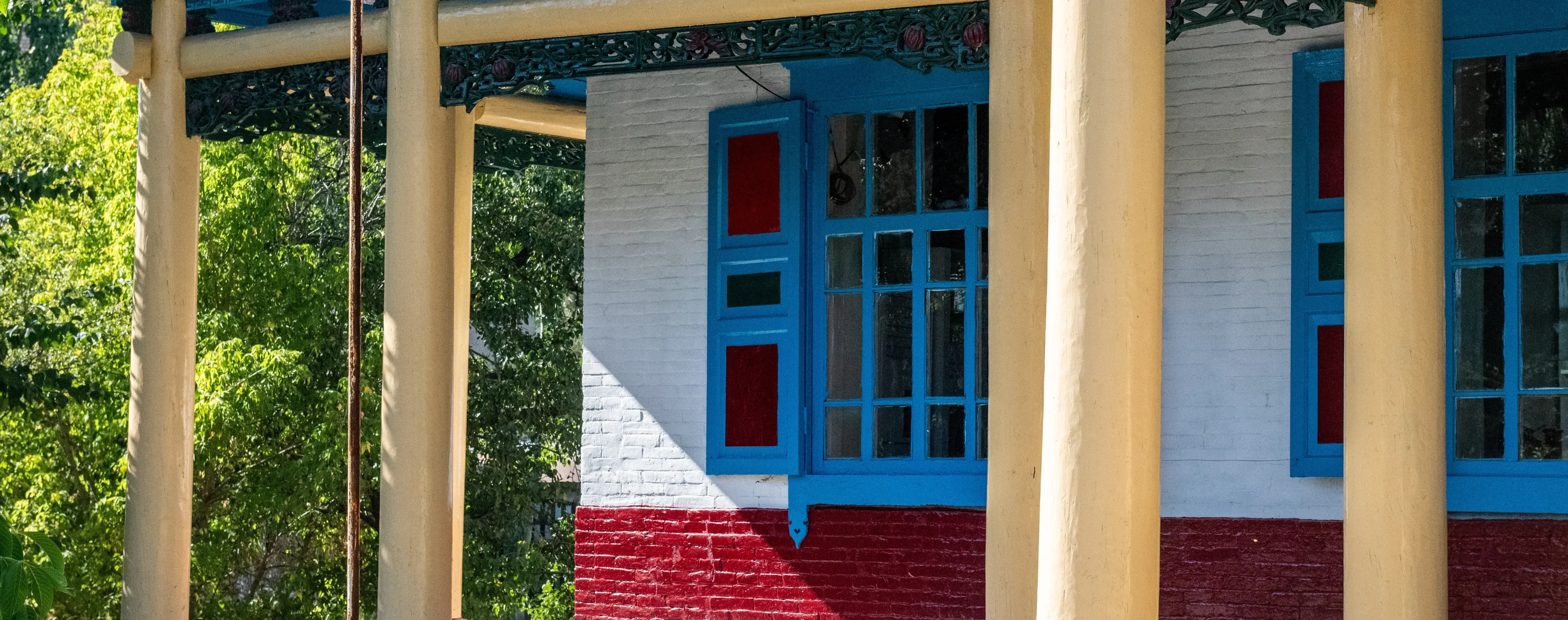
Founded in the 19th century as a Russian military and administrative settlement, Karakol still reflects that history in its planned, grid-like center. The Holy Trinity Russian Orthodox Cathedral marks the Russian imperial and Orthodox presence, while the Dungan Mosque adds a different architectural layer through its Chinese-influenced wooden design and traditional construction without nails. Together, they show a city shaped by Russian, Dungan, and Kyrgyz cultural influences.
Karakol brings together mountain access, winter sports, trekking, and cultural heritage in one place. That mix makes it well suited to multi-day holidays or to a travel guide stop focused on both outdoor activity and urban sightseeing. Compared with the resort settlements on the north shore of Issyk-Kul, it is less oriented toward the beach and more toward mountain routes and historic landmarks.
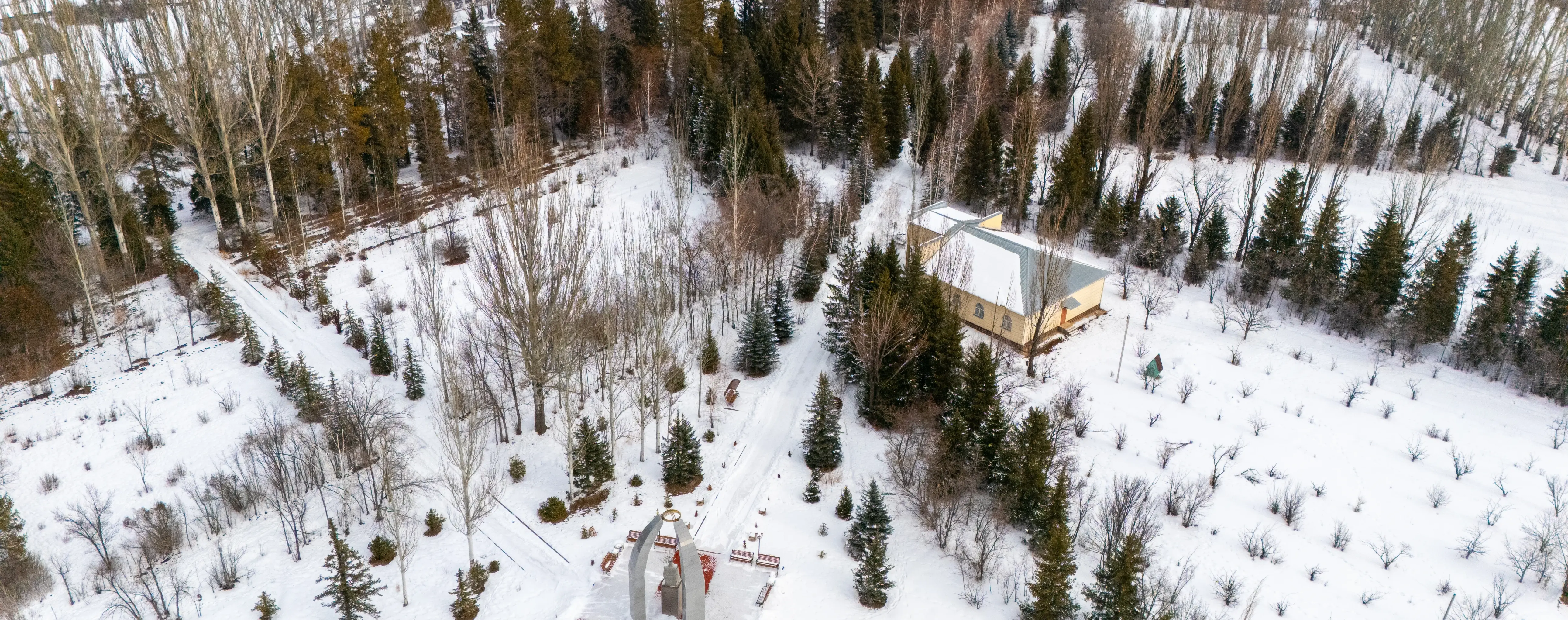
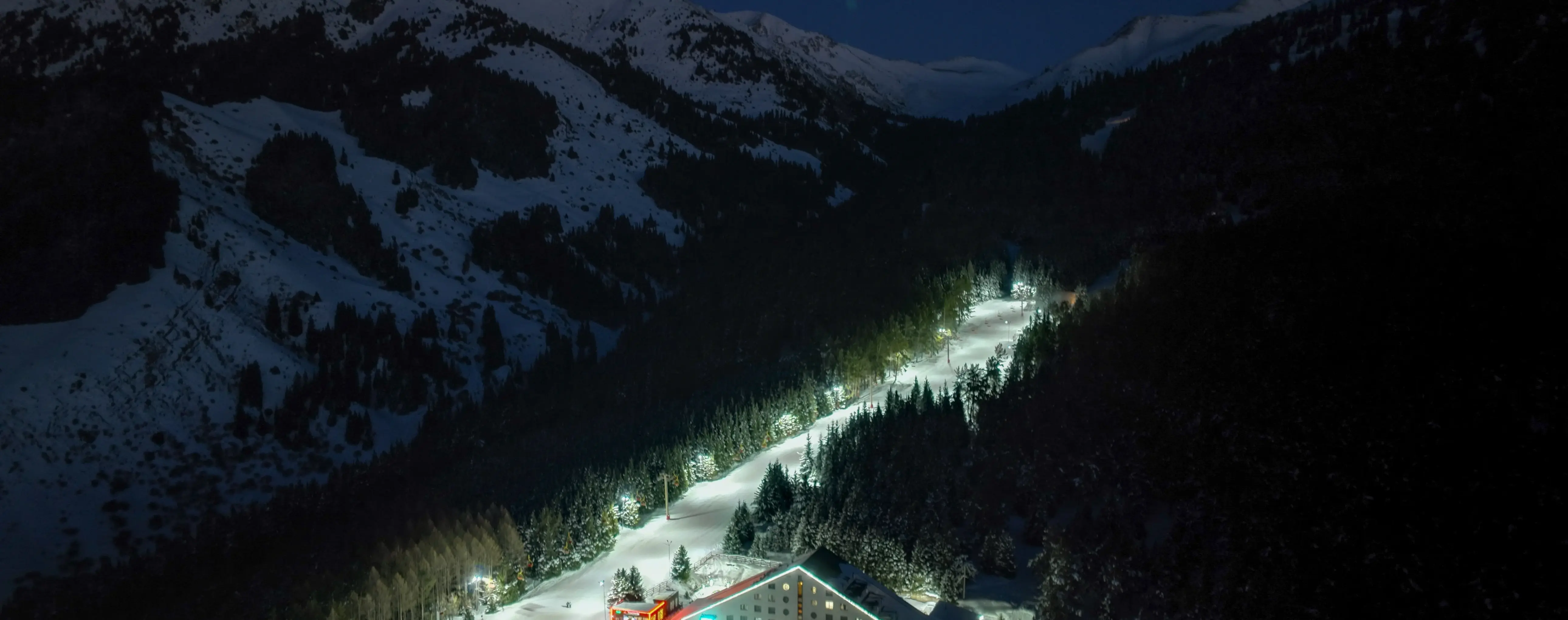
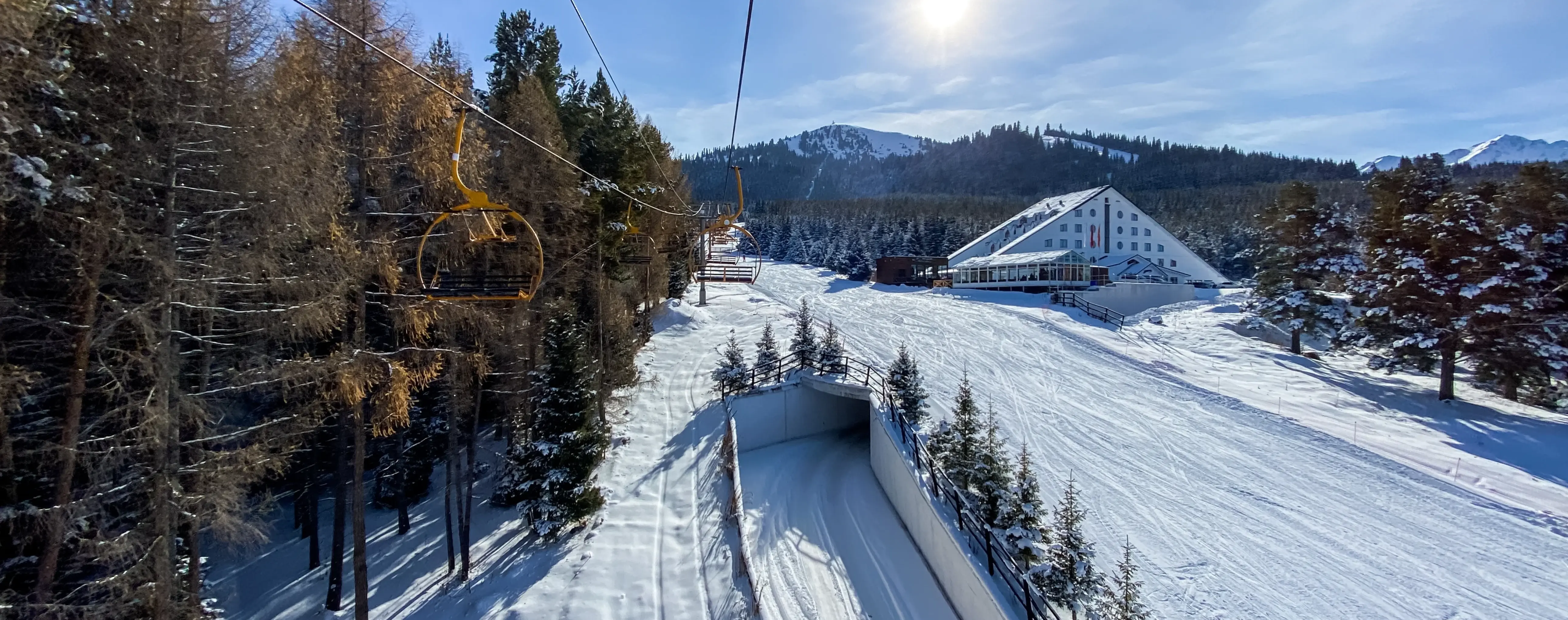
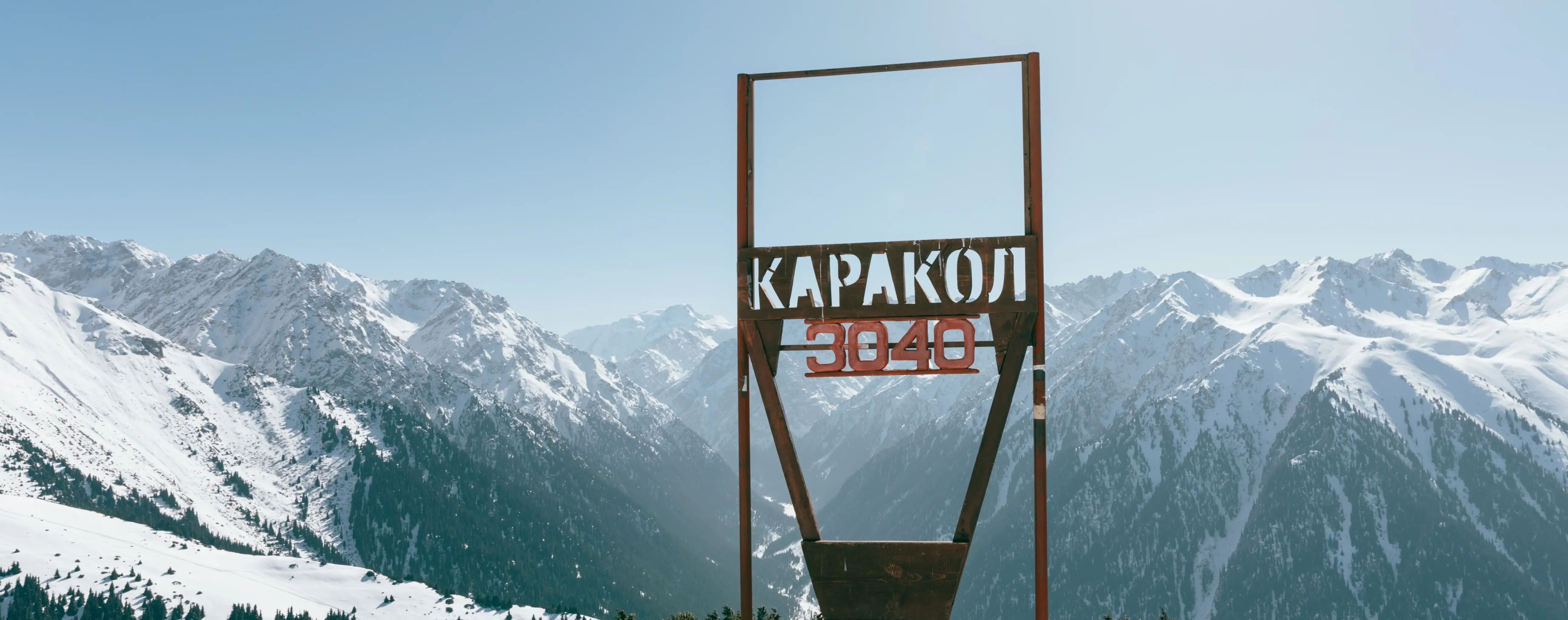
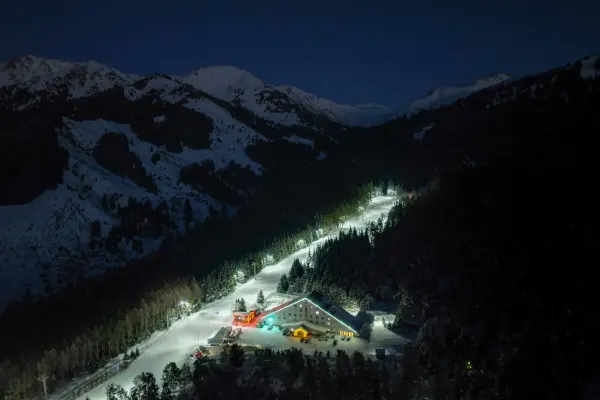
The main visitor areas are the compact city center and the mountain zone above town. In the center, the grid-pattern streets lead to major cultural landmarks including the cathedral and the Dungan Mosque, while Karakol Ski Base above the town is the main winter sports area. Karakol International Airport exists, but many visitors arrive overland from Bishkek or from other settlements around Issyk-Kul.
Karakol follows a mountain climate pattern, with cold, snowy winters and warmer summers. Winter is the ski season; summer is the main period for trekking and horse-based excursions; and early autumn also works well for mountain trips. Late autumn is the weaker time to visit, as outdoor activity options are fewer and colder weather arrives before the full ski season.
Karakol on the map
Karakol: Attractions, interesting places for excursions
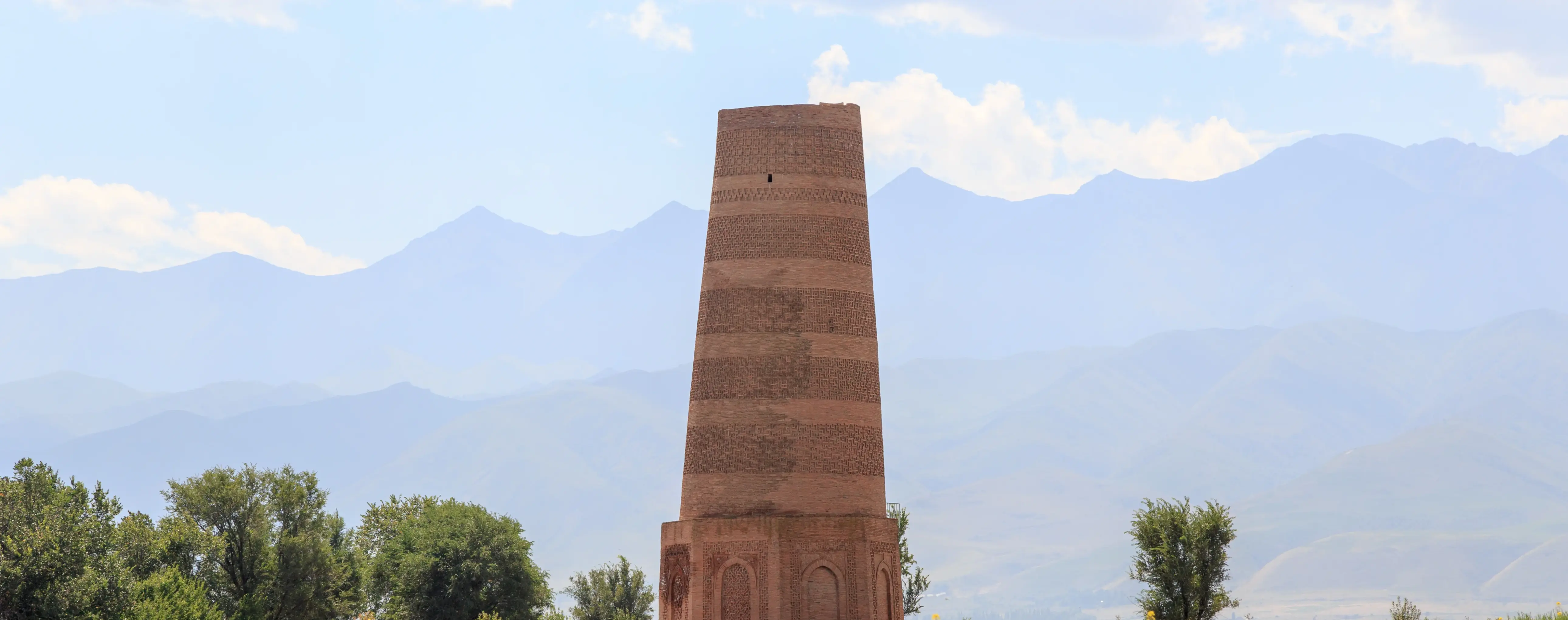
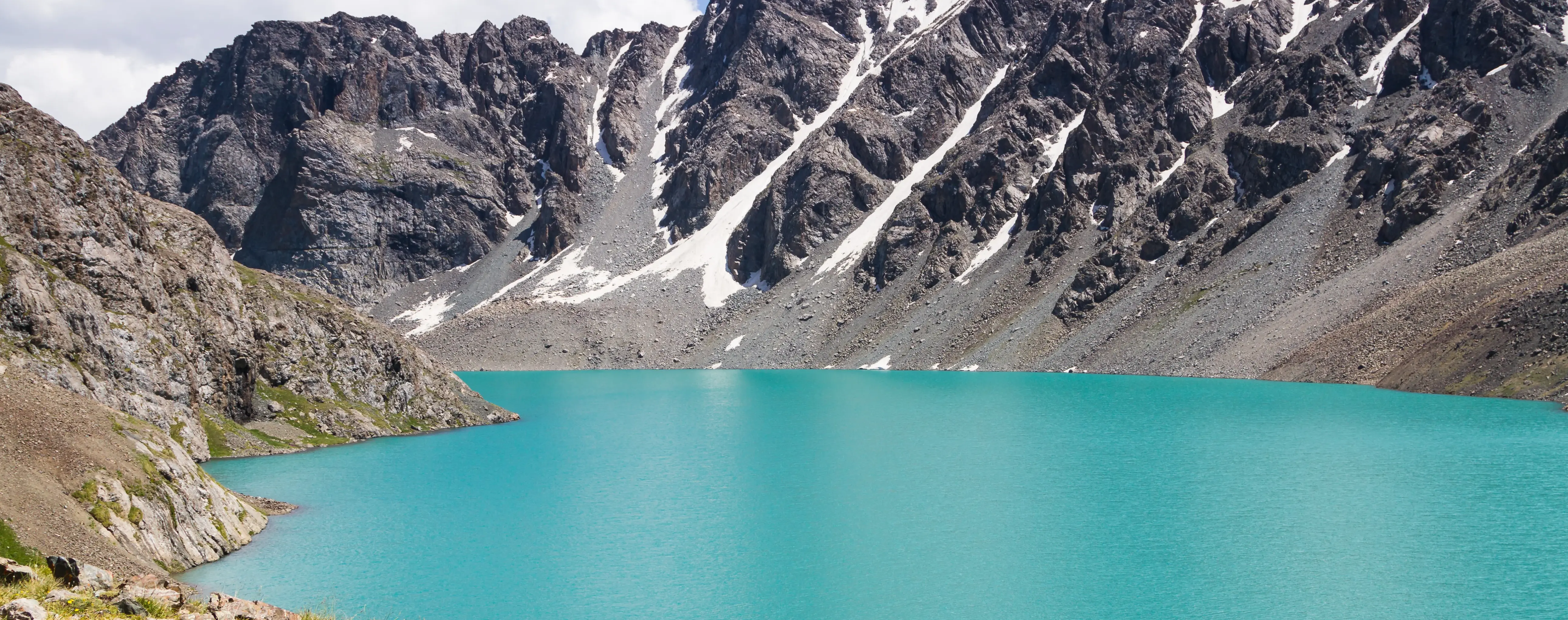
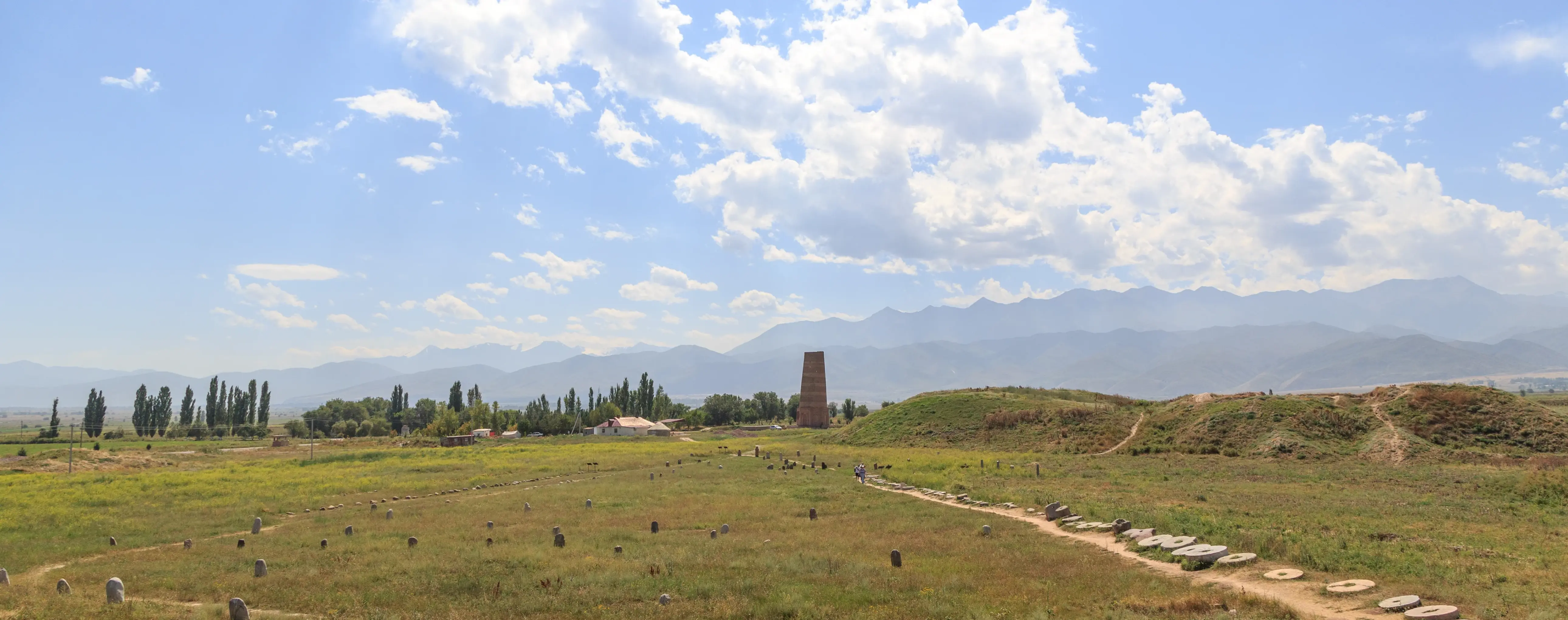
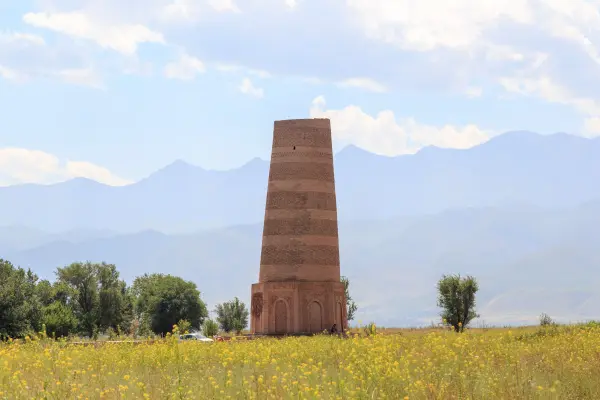
Karakol Ski Resort, Ala-Kul Lake, Holy Trinity Cathedral, Burana Tower
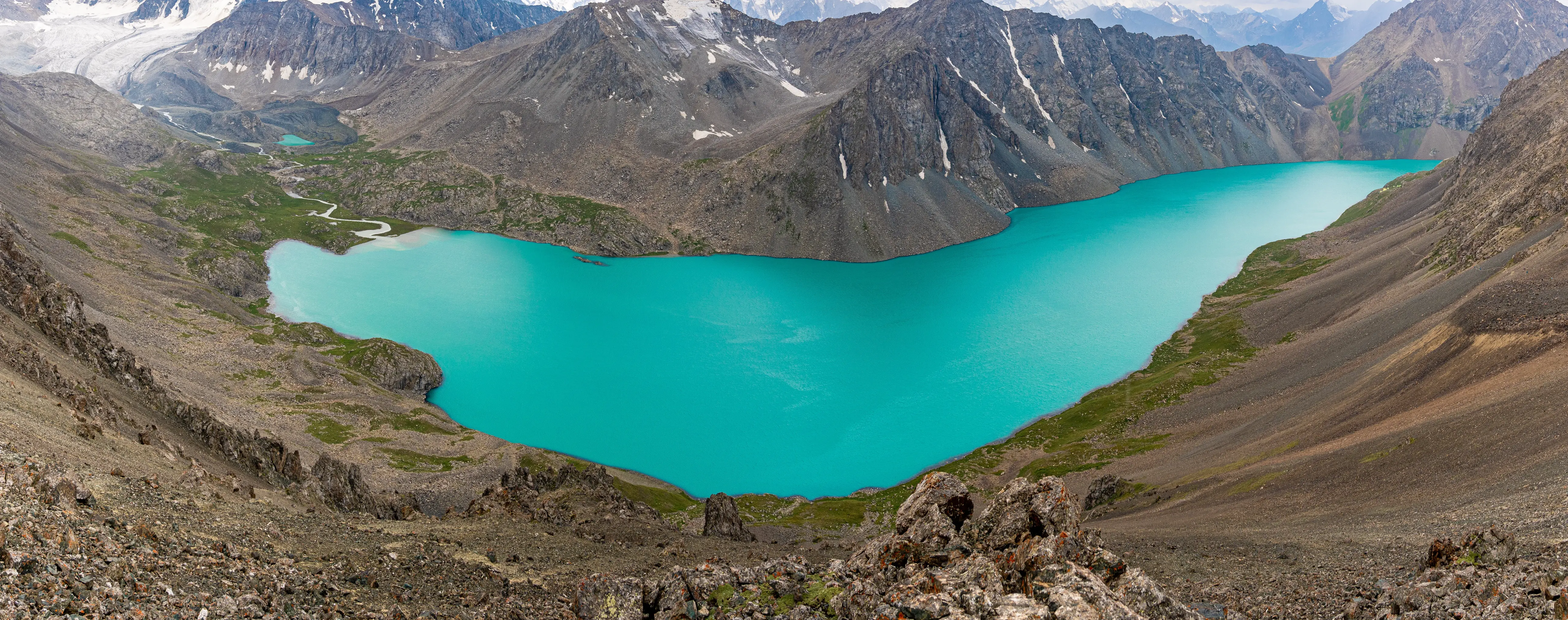
What to see in Karakol, from Dungan Mosque to Ala-Kol routes
Cathedral domes, wooden mosque, and mountain trails above the grid
Karakol's center, cathedral, and Dungan Mosque
In central Karakol, a relatively compact grid of streets reflects planned expansion during the Russian imperial period. The historic core points back to the city's 19th-century foundation as a Russian military and administrative settlement, and the Holy Trinity Russian Orthodox Cathedral remains one of its best-known surviving landmarks. The Dungan Mosque is the other major monument, notable for its Chinese-influenced wooden architecture and traditional construction without nails, and together these are the key places to visit within the city.
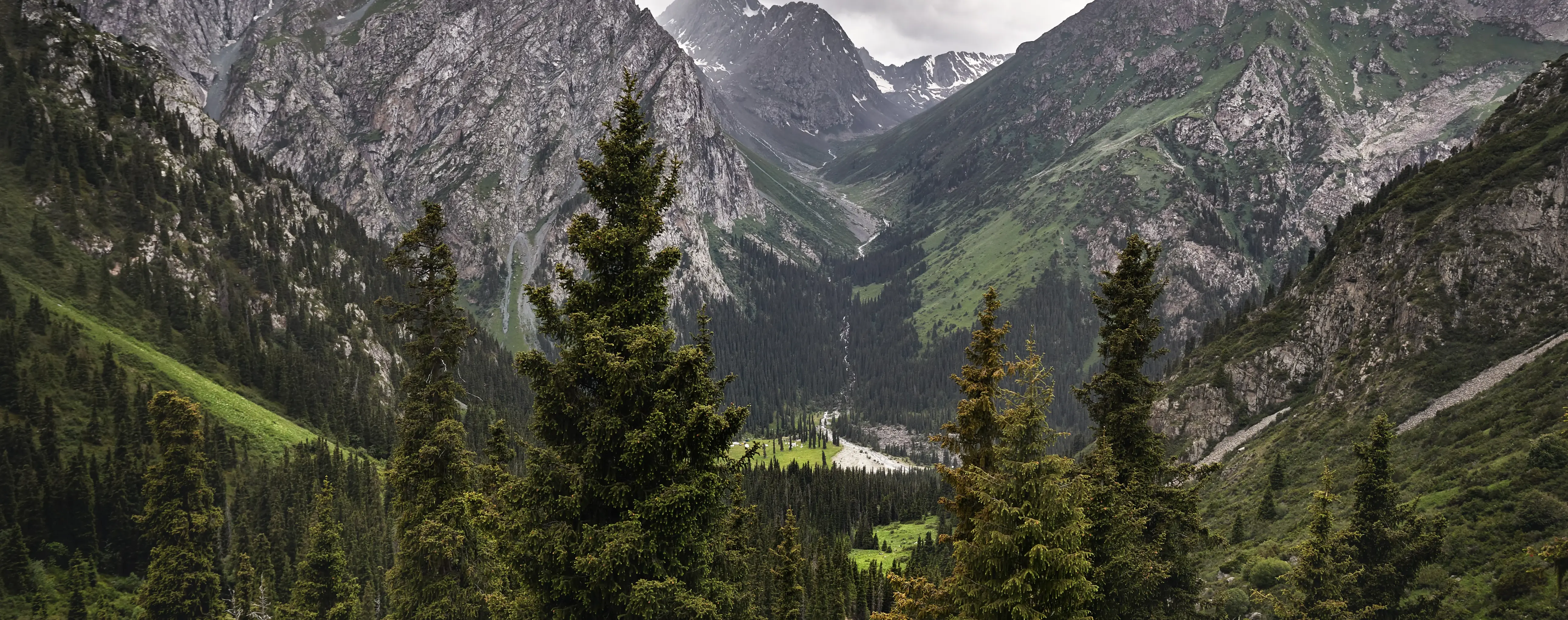
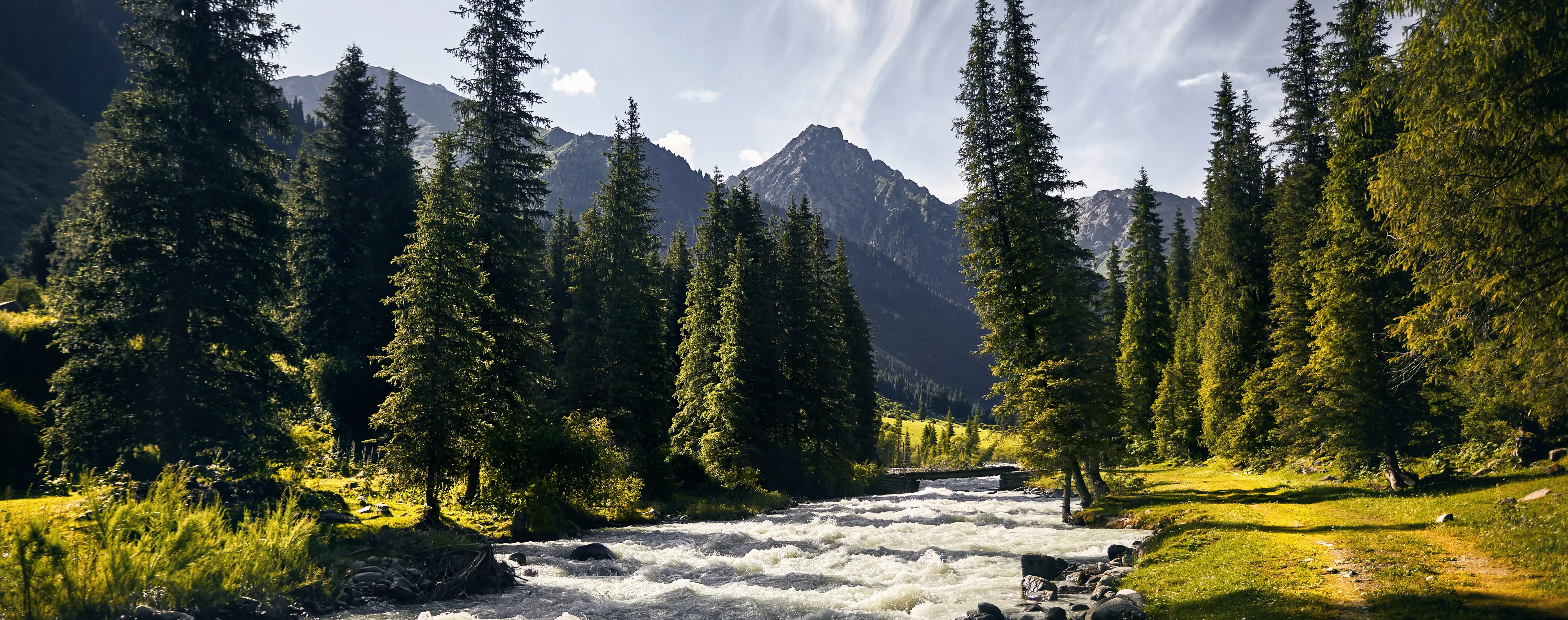
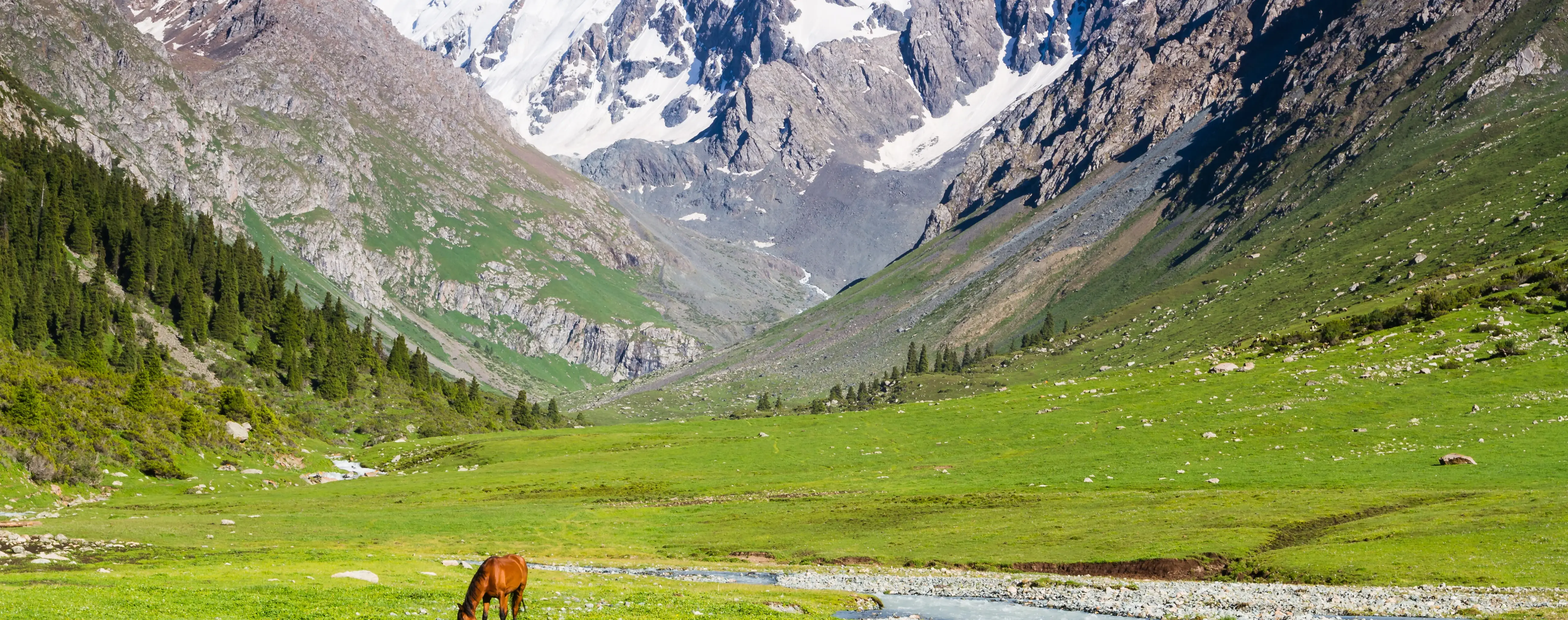
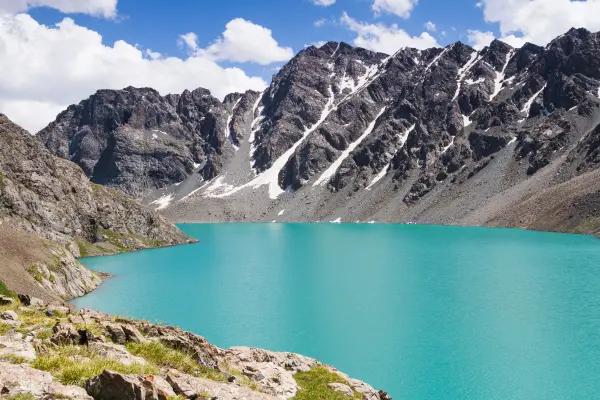
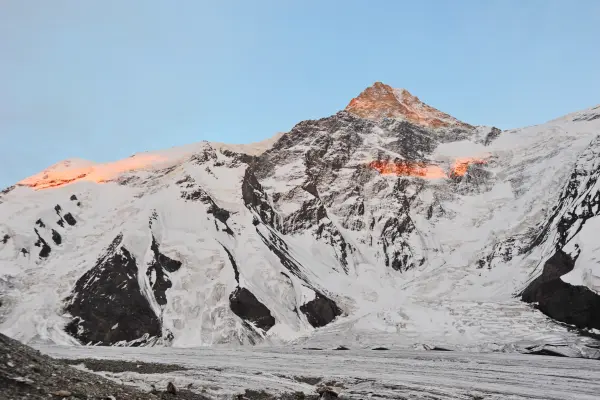
Close to the city, the museum and memorial linked to explorer Nikolay Przhevalsky are the main museum site associated with Karakol. Beyond the urban area, the surrounding landscape is defined by the Tian Shan backdrop, the routes toward Ala-Kol and other alpine areas, and Jeti-Oguz Gorge with its red rock formations and mountain scenery. Karakol also lies near the eastern end of Lake Issyk-Kul, giving it lakeside access, though the city is more strongly oriented toward mountain excursions than waterfront activity.
Away from the landmarks, the main things to do are downhill skiing and snowboarding at Karakol Ski Base in winter, and trekking or horse-based excursions in summer. Day trips to Jeti-Oguz Gorge and routes toward Ala-Kol are among the principal options from the city. For dining, ashlyan-fu, a cold spicy noodle dish of Dungan origin, is the food most strongly associated with Karakol.
City Details
City overview – facts & data for travelers
Best tours and travel experiences across the continent

Karakol views
Guided tours, popular attractions, and top-rated hotels across the continent