
Tours and Travel in Fergana Region
Fergana Region
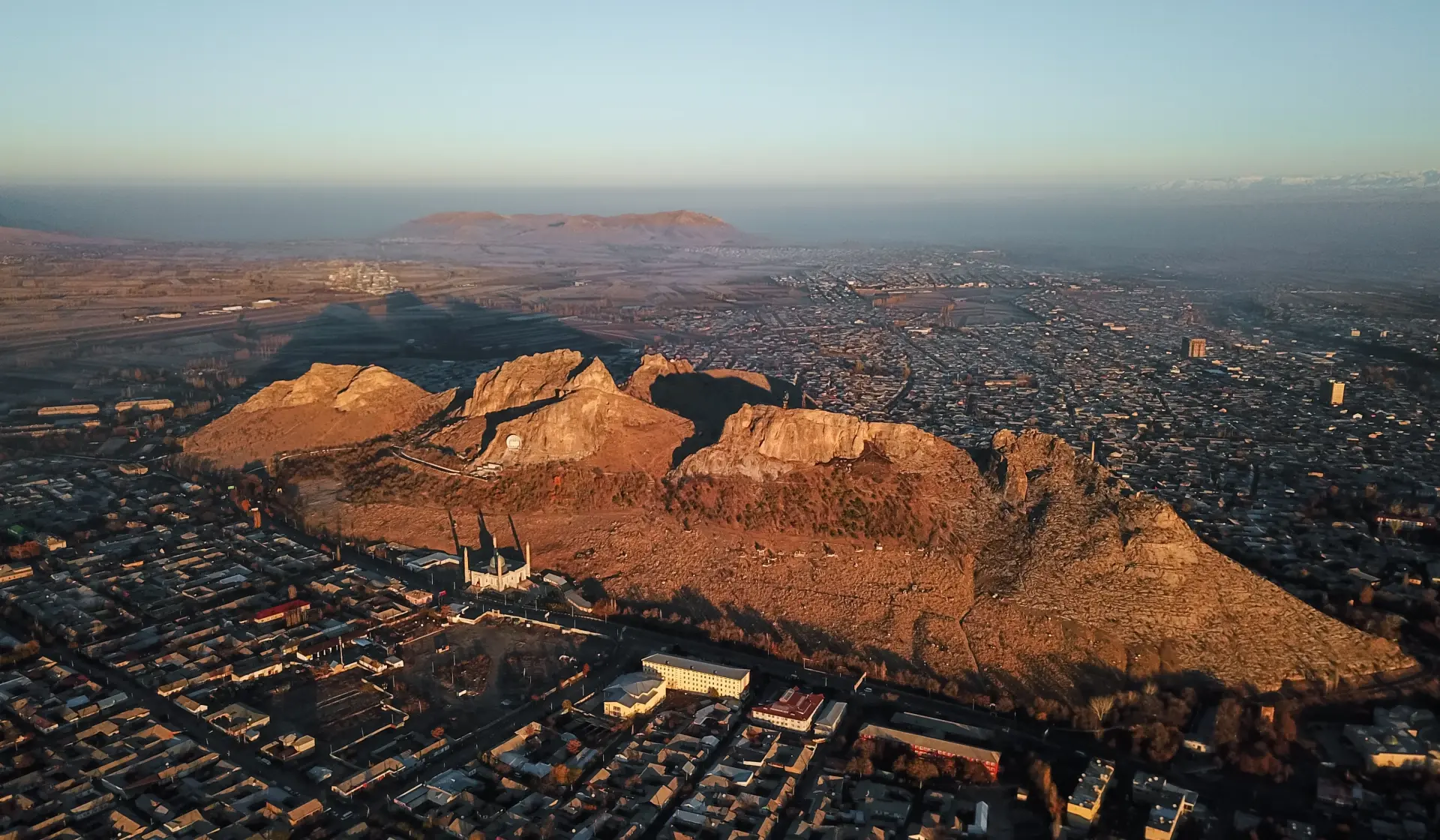
Fergana Region is located in eastern Uzbekistan, within the Fergana Valley. It is one of the country’s most populous regions, where cities, farmland, and craft centers lie relatively close to one another. The region borders other parts of the valley and plays an important role in the economic and cultural life of eastern Uzbekistan.
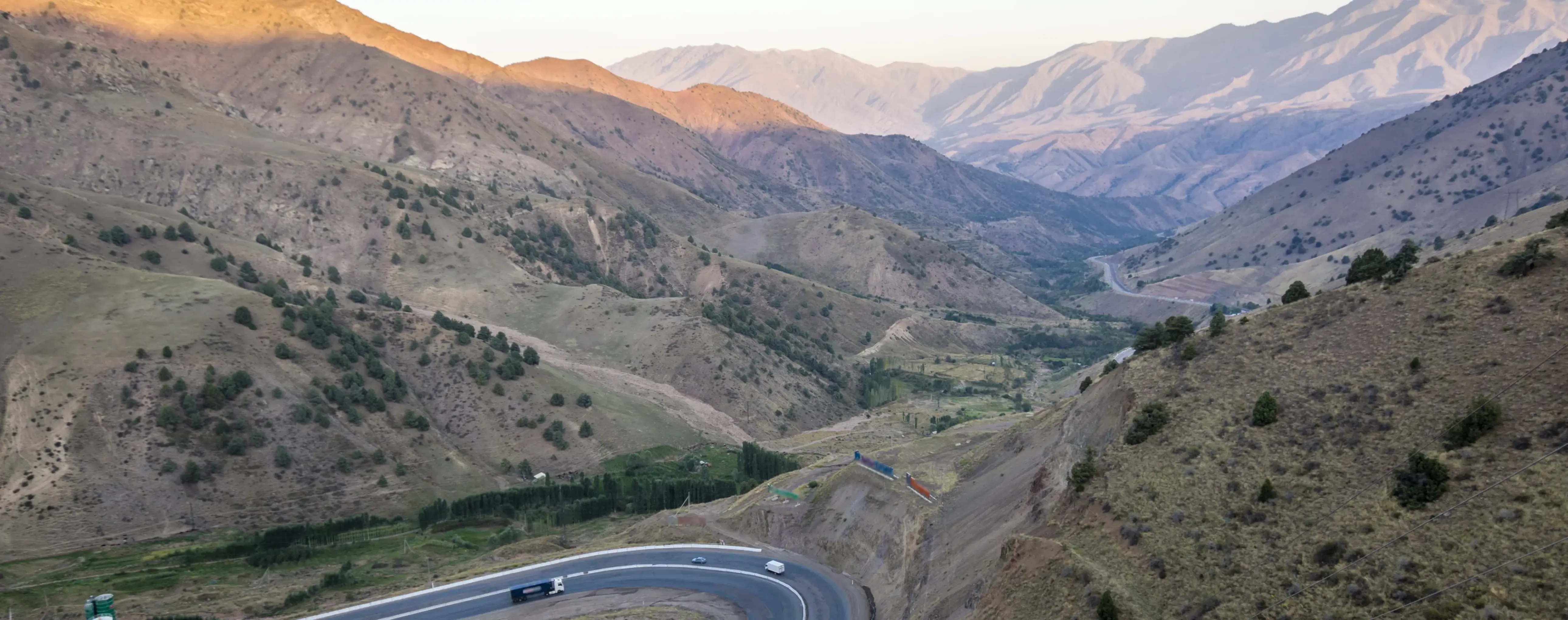
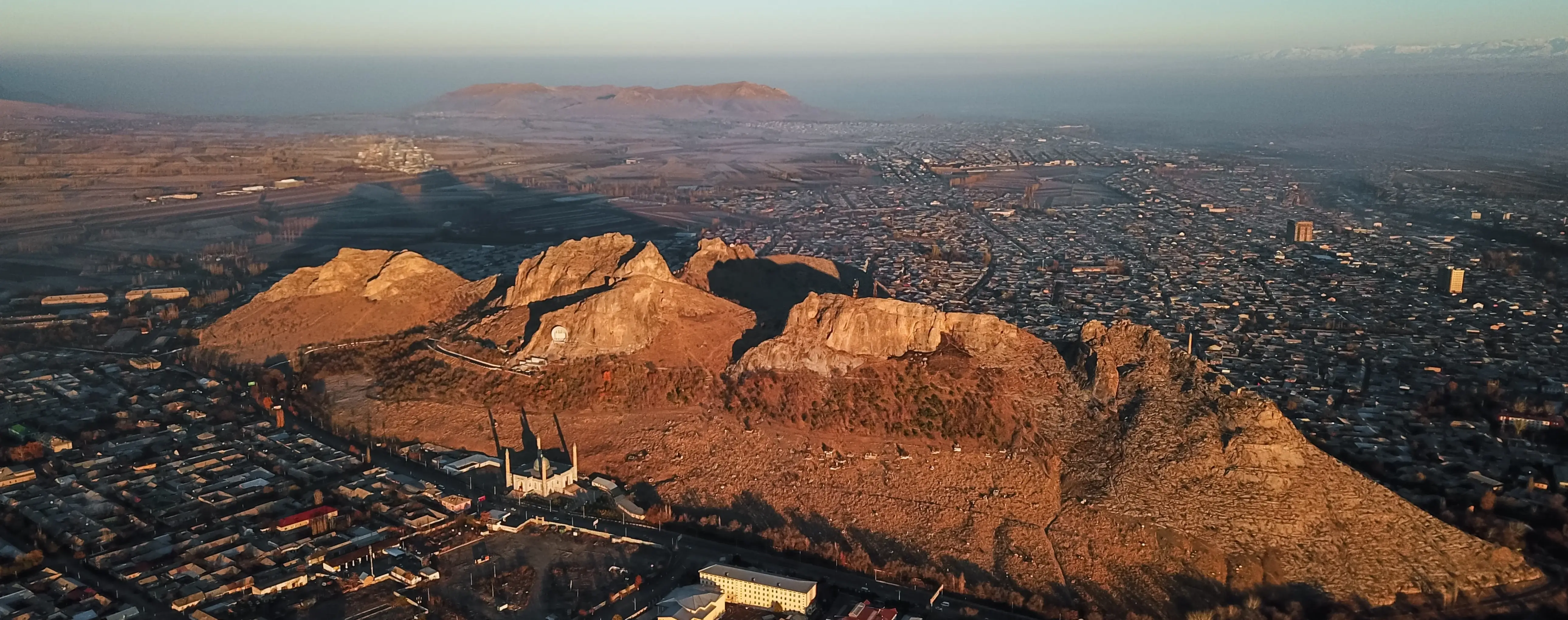
The territory includes flat areas of the valley as well as foothill zones near the Alay Range. The landscape is generally convenient for travel between cities, but as you move closer to the mountains, it changes: greener foothills, orchards, and seasonal routes for day trips into nature begin to appear. Thanks to irrigated agriculture, the region is known for its orchards, vineyards, and fertile farmland.
The climate is sharply continental: summers are hot and dry, while winters are noticeably colder than in the southern regions of Uzbekistan. Spring and autumn are the best seasons for tourists, when daytime temperatures are easier to handle and it is more comfortable to explore cities, workshops, and natural areas. In spring, blooming orchards and the lively atmosphere of the bazaars are especially noticeable.
Historically, the region is linked to the development of the cities of the Fergana Valley, trade routes, and handicrafts. Kokand is especially important as the former center of the Kokand Khanate, with preserved monuments from the khanate period. Margilan is known as one of the main silk-weaving centers in Uzbekistan, while Rishtan is a major ceramics center with long-standing pottery traditions. The administrative center, Fergana, represents a later urban environment and serves as a convenient starting point for trips around the region.
The main cities of interest for tourists are Fergana, Kokand, Margilan, Rishtan, and Kuvasay. Kokand is notable for its historic architecture and museums, Margilan for its workshops and handmade textiles, Rishtan for its ceramic schools and studios, and the foothill areas for travelers who want to combine a cultural program with short outings into nature. Special attention should be given to the route to Shahimardan, which is associated with mountain scenery and summer recreation.
Fergana Region is well suited to cultural, educational, and gastronomic tourism. Visitors come here for historic cities, craft workshops, handmade goods, and trips to the foothills. For family travel, the region is convenient thanks to short transfers between key points and an itinerary that is rich but not too demanding.
Fergana Region on the map
Historic cities, crafts, and the foothills of the Fergana Valley
Silk, ceramics, and the history of the valley
Fergana Region: the land of silk, ceramics, and historic Kokand
The main tourist routes in the region are usually linked to Kokand, Margilan, and Rishtan. In Kokand, you will find the Khudayar Khan Palace, one of the region’s best-known architectural landmarks, evoking the era of the Kokand Khanate. The city is also interesting for its historic streets, religious monuments, and museums, which help visitors better understand the history of eastern Uzbekistan.
Margilan is famous for silk production and its tradition of hand weaving. Here, tourists visit workshops where they can see different stages of fabric making and learn about Uzbek dyeing techniques and patterned textiles. Rishtan, located west of Fergana, attracts visitors with its pottery studios: the local ceramics school is recognizable by its distinctive blue glaze, and the trip is especially appealing to those who want to buy изделия directly from the мастера.
For nature outings, the mountain route to Shahimardan is the most common choice. It is known for its cooler climate during the hot season and its foothill landscapes. This area is ideal for a peaceful break, walks, and short nature trips from the valley cities. There are no UNESCO World Heritage sites in the region, but its cities are among the most interesting historical and craft centers in Uzbekistan.
Local cuisine is closely connected to the valley’s agricultural culture. In the bazaars and teahouses of the region, it is worth trying seasonal fruits, grapes, pomegranates, Uzbek dishes, and home-made products. Handicrafts remain an important part of local traditions: silk weaving, ceramics, wood carving, and textile production continue to play a visible role in everyday life and in the region’s appeal to tourists.
Fergana Region is convenient for independent travel: you can move between Fergana, Kokand, Margilan, and Rishtan by rail and road. Fergana serves as one of the region’s main transport hubs, making it easy to plan trips to the cities and foothill areas.
Best tours and travel experiences across the continent

Region photos
Guided tours, popular attractions, and top-rated hotels across the continent


