
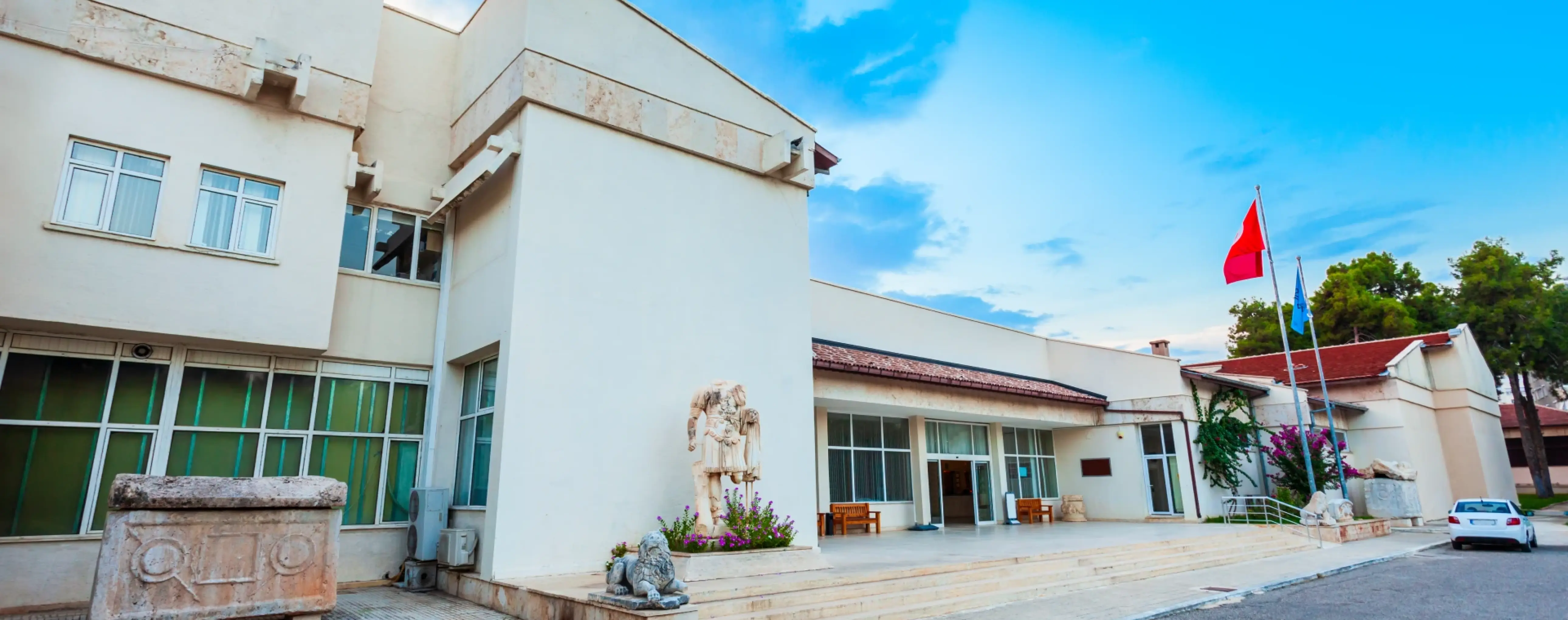
Antalya Archaeological Museum
Antalya Archaeological Museum in Antalya, Turkey
The Antalya Archaeological Museum is located west of central Antalya, next to the Konyaalti district and not far from the seafront. It is one of the largest archaeological museums in Turkey, where visitors can gain a comprehensive understanding of the history of the southern Anatolian coast - from the earliest settlements to late antiquity and subsequent eras.
The museum was founded in the early 20th century, when systematic efforts to preserve archaeological finds began in the region. Its collection was formed thanks to objects discovered in Antalya and in the historical regions of Pamphylia, Lycia, and Pisidia. Over time, the collection grew significantly, and the museum moved into its current spacious building.
The exhibition includes themed halls and an open-air section with large stone monuments. Among the most notable sections are materials from Karain Cave, Roman sculpture from Perge, sarcophagi, mosaics, inscriptions, coins, ceramics, and objects of daily life. The exhibits help visitors understand how the region changed during different historical periods and which cultures left their mark here.
The museum will be especially interesting for those who want to complement a seaside holiday with an introduction to the history of Antalya and the surrounding ancient cities. It is convenient to visit independently: the route through the halls is arranged in a logical sequence, and the main explanations are usually provided in Turkish and English.
Antalya Archaeological Museum on the map
Antalya Archaeological Museum - exhibition and key finds
The collection spans the period from prehistory to late antiquity.
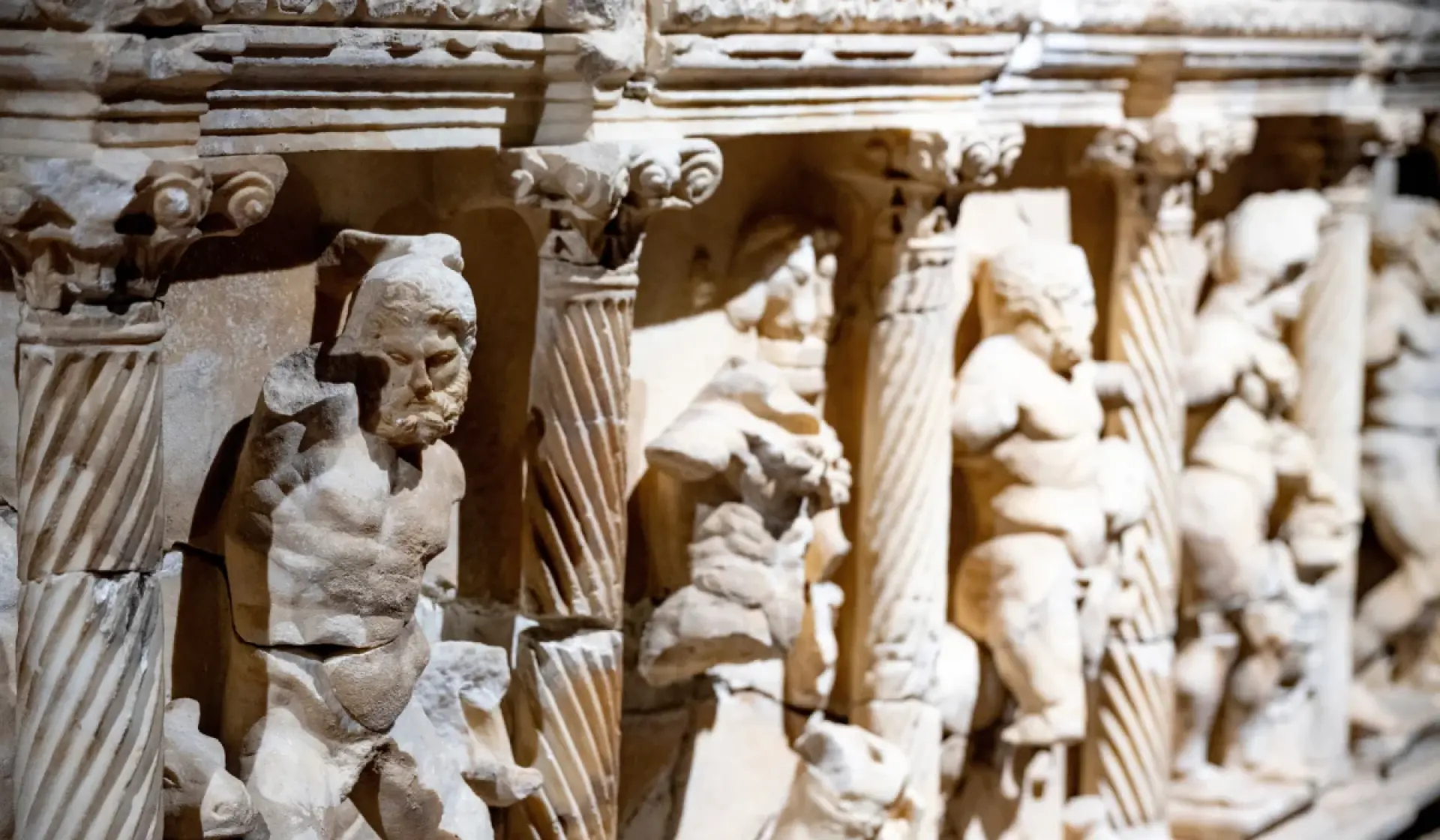
Roman statues, sarcophagi, and finds from ancient cities
Inside, the museum is organized according to both chronological and thematic principles, making it easy to structure a visit as a последовательное journey through the ages. The halls display objects from the prehistoric period, the Archaic era, the Hellenistic and Roman periods, as well as later centuries. Particular attention is usually drawn to the Roman-period sculptures found during excavations at Perge and other ancient centers of the region.
One of the museum's strengths is the diversity of its collection. Here you can see funerary monuments, sarcophagi with reliefs, portrait busts, architectural details, statues of gods and emperors, mosaics, jewelry, glass, ceramics, and coins. Finds from Karain Cave help illustrate the earlier stages of settlement in these lands, while epigraphic monuments provide insight into urban life and religious cults in ancient Antalya.
A visit usually takes from one to two hours, depending on your interest in archaeology. The museum has spacious halls, and some of the large stone exhibits are displayed outdoors. Nearby are Konyaalti Beach and Park, the Antalya Museum, and the city's historic center with Hadrian's Gate and the old Kaleici district, so the visit can easily be combined with a walk through the western part of central Antalya.
You can get here by public transport or taxi from central Antalya and the Konyaalti district; the museum is located along one of the city's main thoroughfares and is usually easy to find by following the signs.
Best tours and travel experiences across the continent




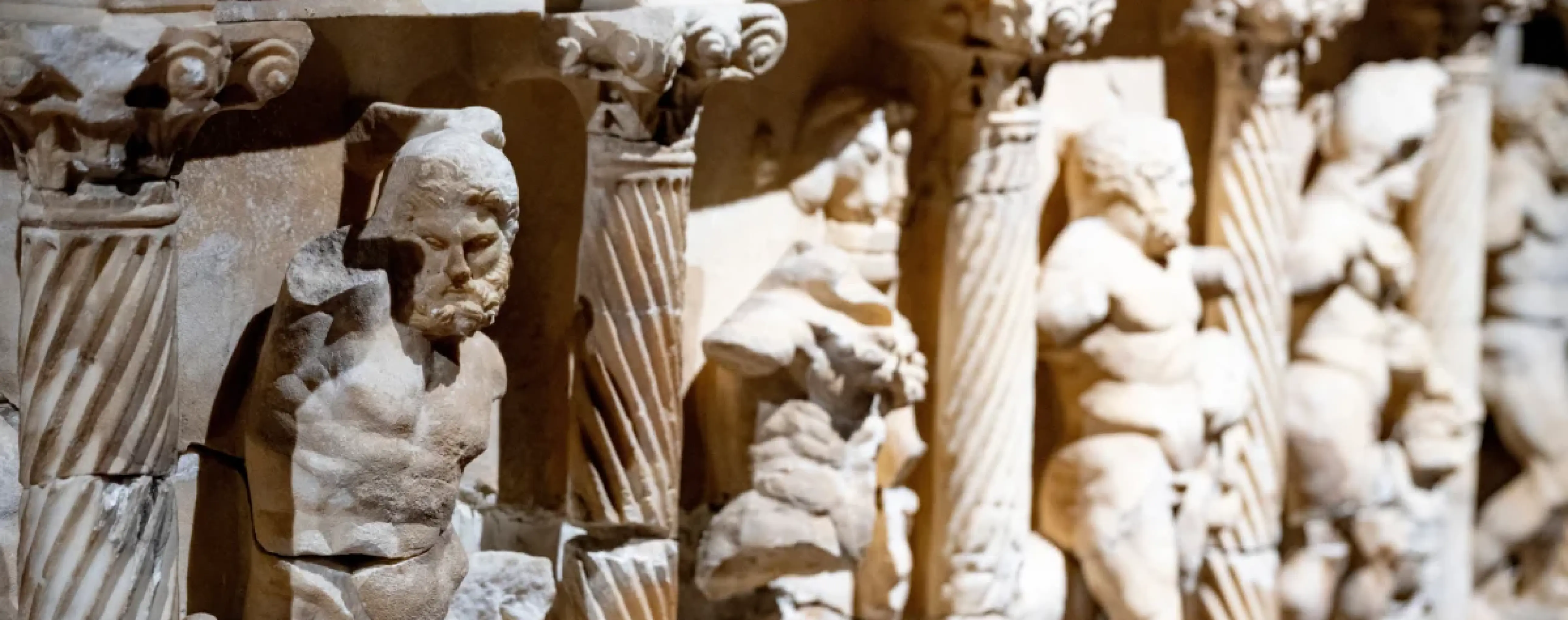
Photos of the museum exhibits
Guided tours, popular attractions, and top-rated hotels across the continent


