
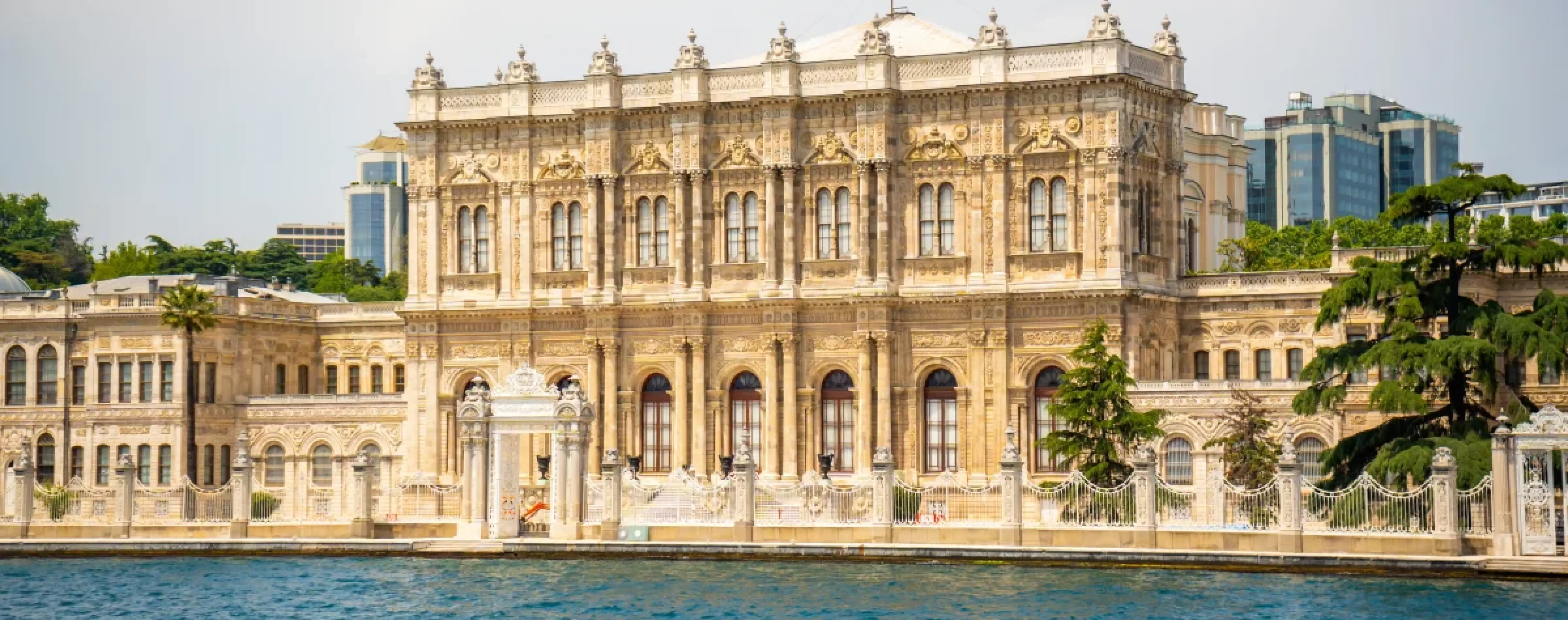
Dolmabahce Palace
Dolmabahce Palace in Istanbul, Turkey, residence of the late Ottoman era
Dolmabahce Palace is located in the Besiktas district on the European shore of the Bosphorus, near the waterfront and piers. It is one of the most famous palace residences in Istanbul, associated with the final period of the Ottoman Empire. Its waterside location and monumental facade immediately set the complex apart from other historic buildings in the city.
The palace was built in the mid-19th century by order of Sultan Abdulmejid I and became the new official residence of the Ottoman rulers. Architects from the Balyan family worked on the project. The appearance of the building combines features of Baroque, Rococo, and Neoclassicism, while the layout and interior decoration clearly reflect the influence of European palace architecture of that time.
The name Dolmabahce (literally meaning "filled garden") is connected with the history of the area: there was once a bay here, which was gradually filled in and turned into a garden area by the shore. Later, the palace complex appeared on this site. After the foundation of the Turkish Republic, the palace was used as a state residence. It was here that the first President of Turkey, Mustafa Kemal Ataturk, spent the last days of his life. In memory of this, the clocks in the palace are stopped at 9:05 (the time of death), and a memorial room has been arranged in his room.
Today, Dolmabahce functions as a museum and is of interest to those who want to see the ceremonial architecture of the late Ottoman era, the official halls, and the living quarters of the sultan's court. A visit makes it possible to better understand how Istanbul changed in the 19th century and how imperial traditions were combined here with European influences.
Dolmabahce Palace on the map
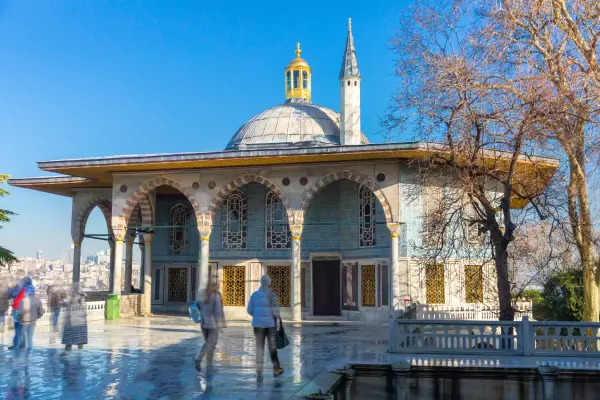
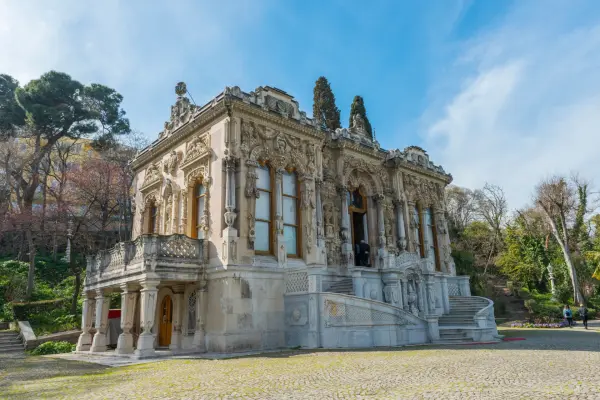
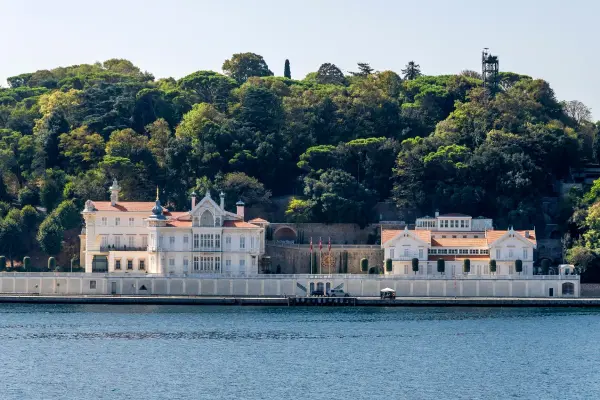
Istanbul: Palaces and residences
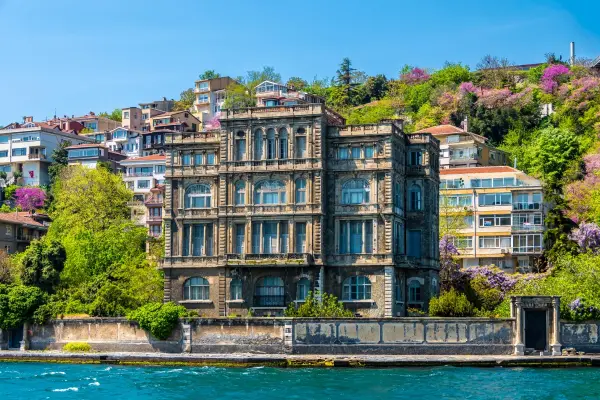
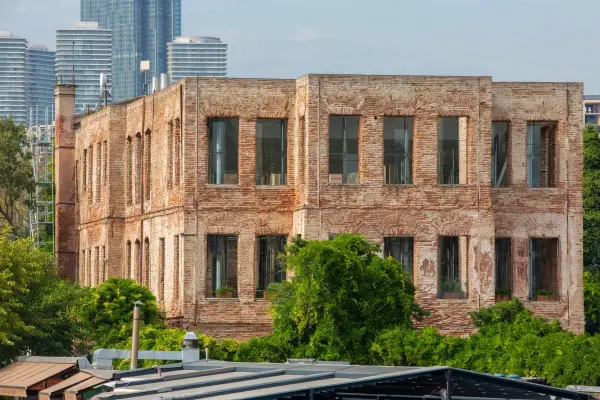
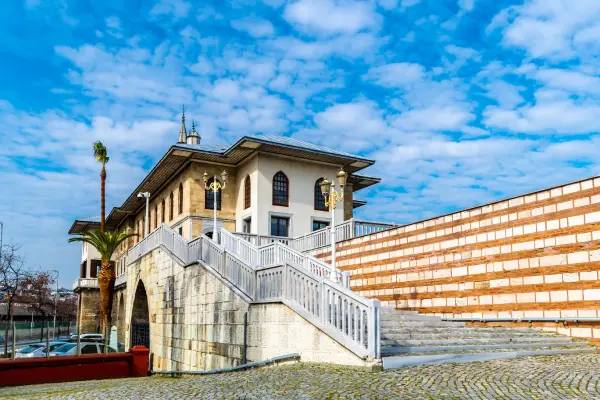
Baghdad Pavilion, Ihlamur Palace, Huber Mansion, Zeki Pasha Mansion
Dolmabahce Palace - tours, exhibitions, and access to the Bosphorus
The visit follows a museum route with restrictions on photography
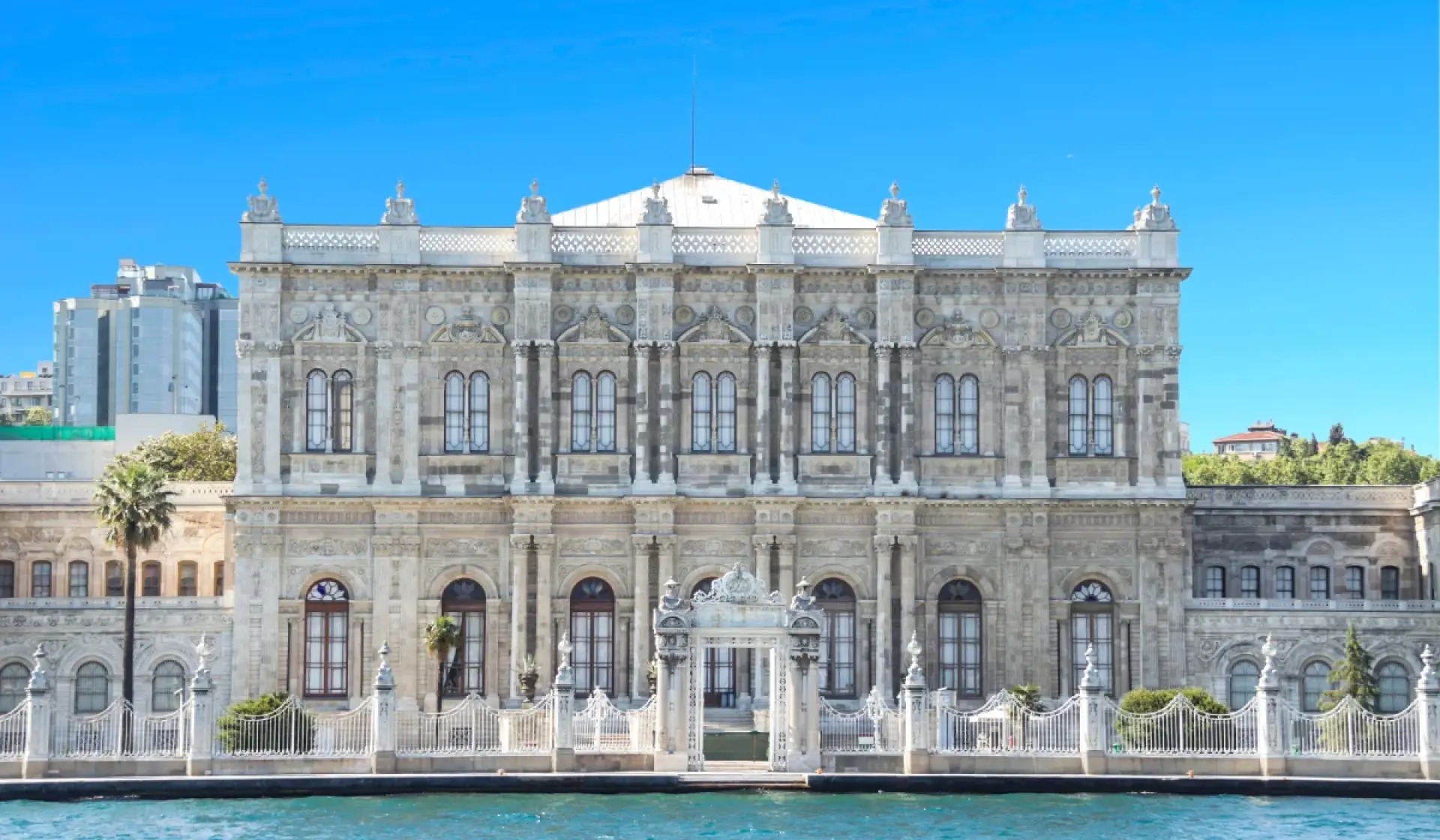
Ceremonial halls by the Bosphorus and interiors of the late Ottoman era
During a visit to the palace, visitors usually see the ceremonial rooms, the sultan's apartments, and parts of the harem, if they are included in the route. Inside, attention is drawn to the staircases, crystal chandeliers, ceiling paintings, gilded decor, and large reception halls created for official events. Many visitors especially remember the spacious Ceremonial Hall and the picturesque views of the Bosphorus from the palace windows.
The complex grounds include not only the main building, but also well-kept courtyards, gates on the waterfront side, decorative objects, and additional pavilions. The visit usually follows an established museum route, so it is most convenient to check the ticket format, opening hours, and visiting rules in advance. Photography may be restricted in some halls.
For many guests, the republican history of the palace is also important: Mustafa Kemal Ataturk stayed here during his visits to Istanbul, and in one of the rooms an exhibition recalls the last days of his life. Nearby are the Naval Museum, the Besiktas club stadium, and Kabatas Square, from where it is easy to continue a walk along the Bosphorus.
The palace is easy to reach by tram and funicular via Kabatas, as well as by ferry to the nearest piers on the European side. From the waterfront, the walk usually takes only a few minutes.
Best tours and travel experiences across the continent
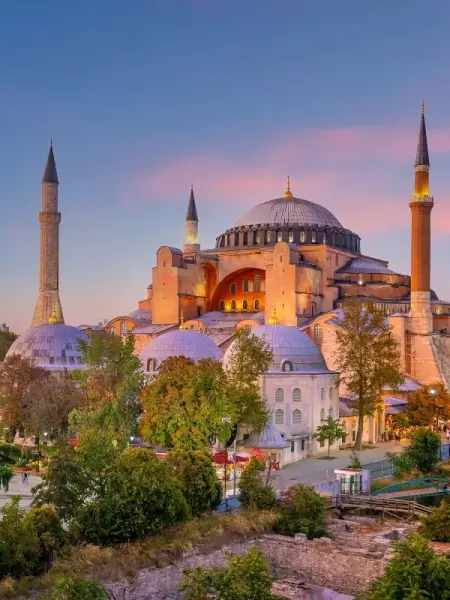
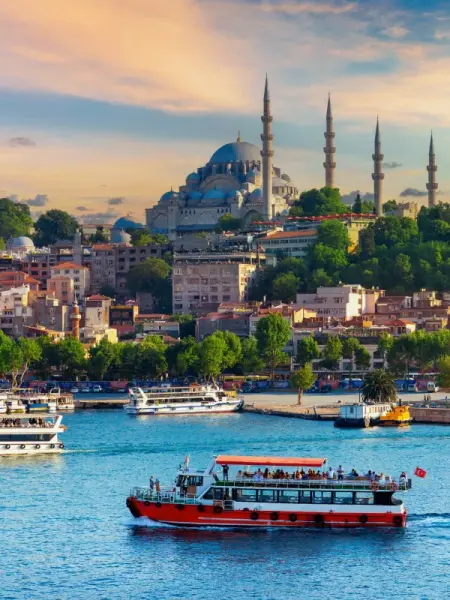
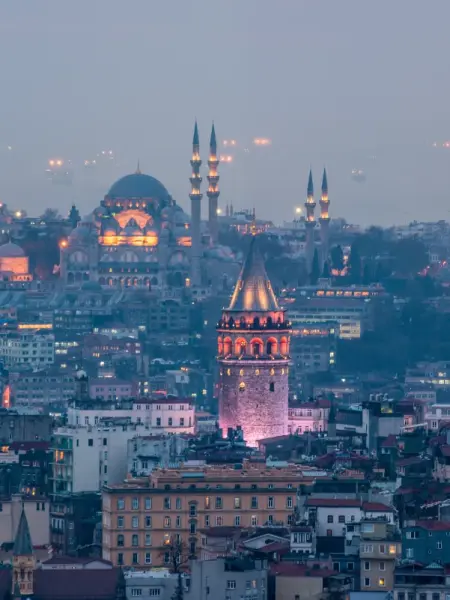

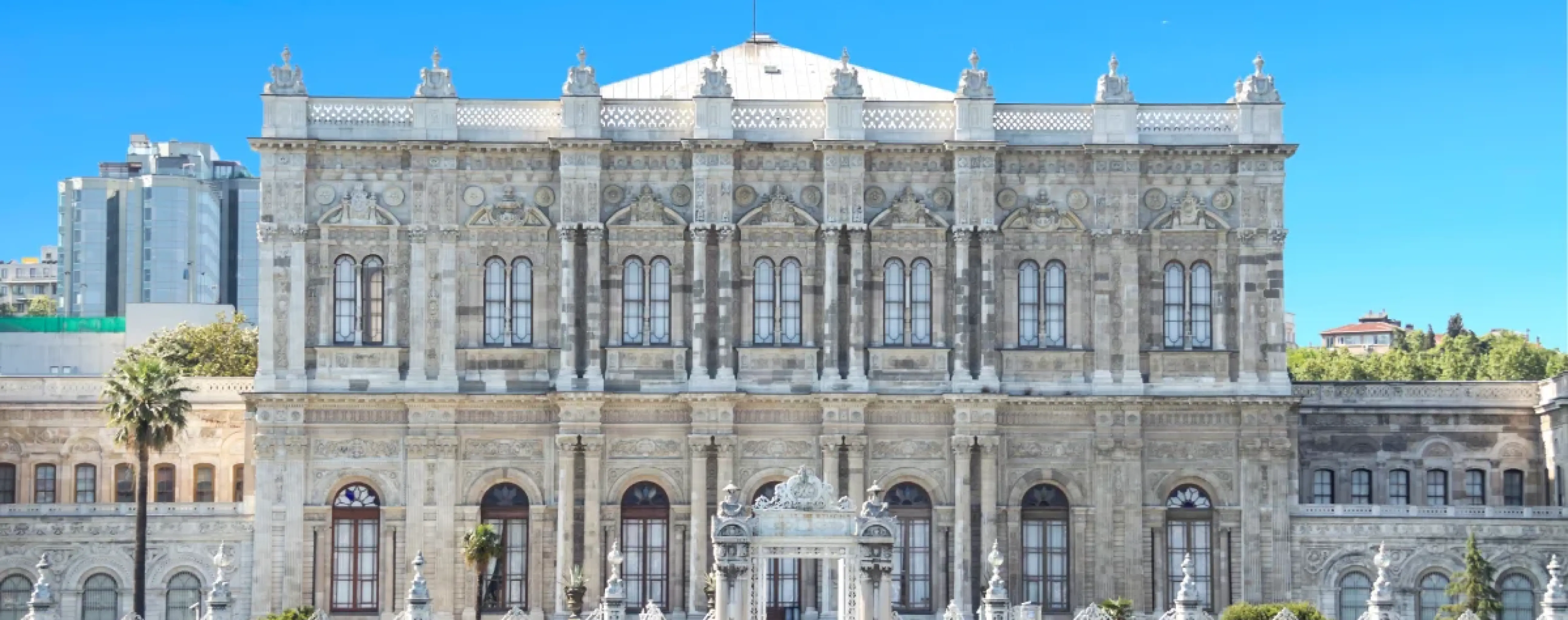
Photos of Dolmabahce Palace
Guided tours, popular attractions, and top-rated hotels across the continent


