

Sultanahmet Hippodrome Square
Sultanahmet Hippodrome Square in Istanbul, Turkey
Sultanahmet Hippodrome Square is located in the historic center of Istanbul, in the Sultanahmet district, between Hagia Sophia and the Blue Mosque. Today, this elongated public space occupies the site of the ancient Hippodrome of Constantinople - one of the main venues of the Byzantine capital. For tourists, it is a convenient part of a walking route through the old city, where ancient monuments stand alongside Ottoman architecture.
The first hippodrome appeared here in the Roman era and was significantly expanded under Emperor Constantine I after Constantinople became the new capital of the empire in the 4th century. For many centuries, chariot races, ceremonies, public gatherings, and state announcements took place here. This site is also connected with the Nika Revolt of 532, which played an important role in the history of Byzantium.
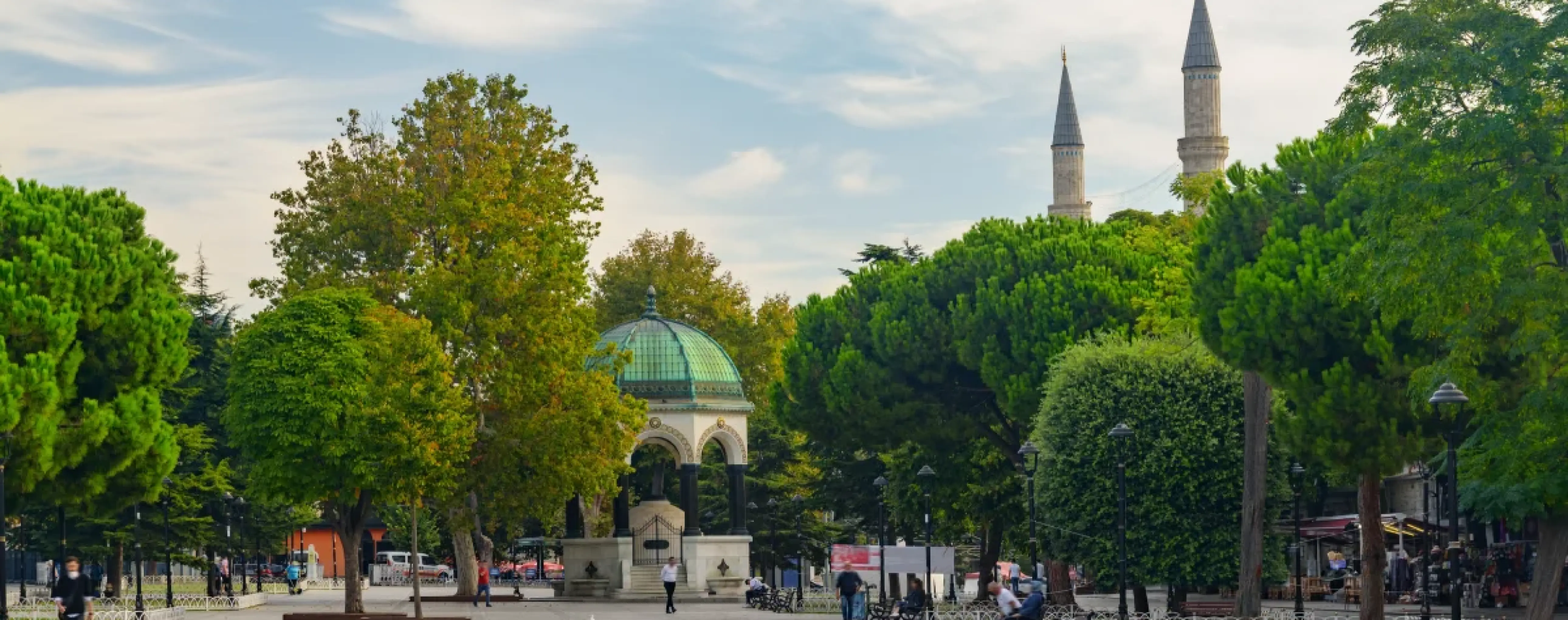
From the huge ancient structure, what has survived to the present day is not the stands and arena, but individual surviving elements and monuments installed along the central axis of the former hippodrome. Here you can see the Obelisk of Theodosius, brought from Egypt, the Serpent Column from Delphi, and the Walled Obelisk, also known as the Obelisk of Constantine. In the northern part of the square stands the early 20th-century German Fountain, adding another historical accent to the Byzantine layer.
The square is open for free visits at any time and is well suited for a leisurely walk with stops at the monuments. This place is interesting not only as part of the Sultanahmet tourist district, but also as a rare opportunity to see the layout of one of the most important public spaces of ancient Constantinople directly within the urban setting of modern Istanbul.
Sultanahmet Hippodrome Square on the map
Istanbul: Architectural and historical complexes
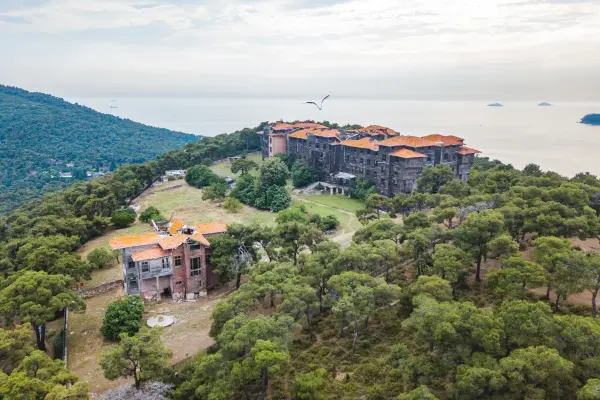
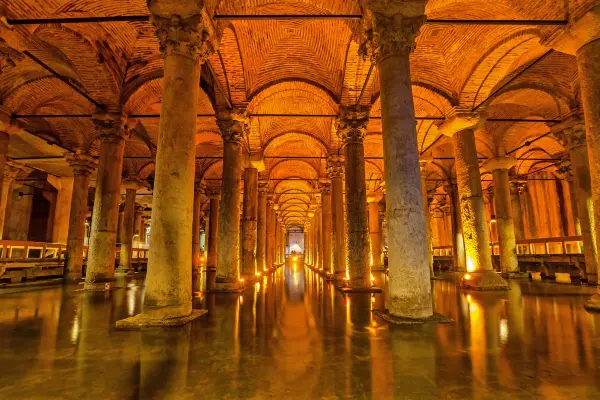
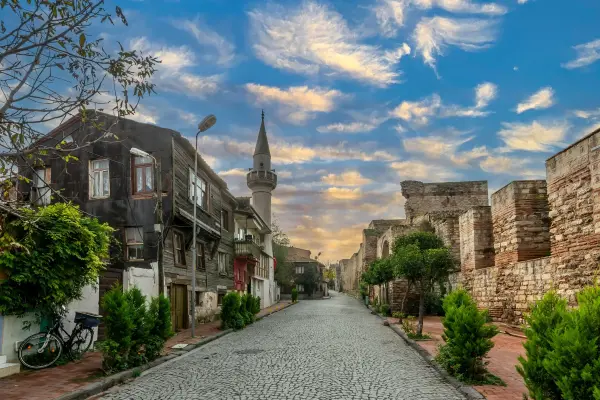
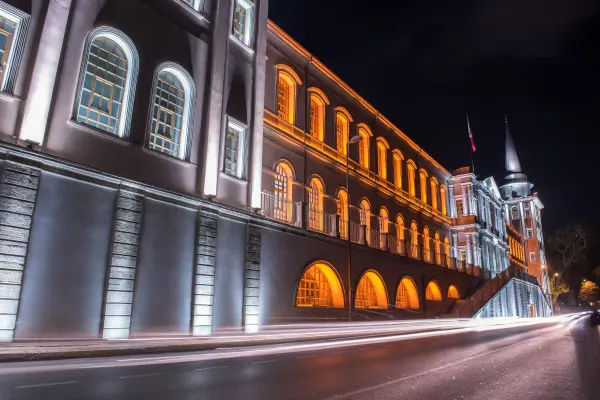
The Greek Orphanage Building, Basilica Cistern, Fatih District, Kuleli Military School
Sultanahmet Hippodrome Square - monuments and historic layout
The space of the former hippodrome preserves traces of the ancient and Ottoman eras.
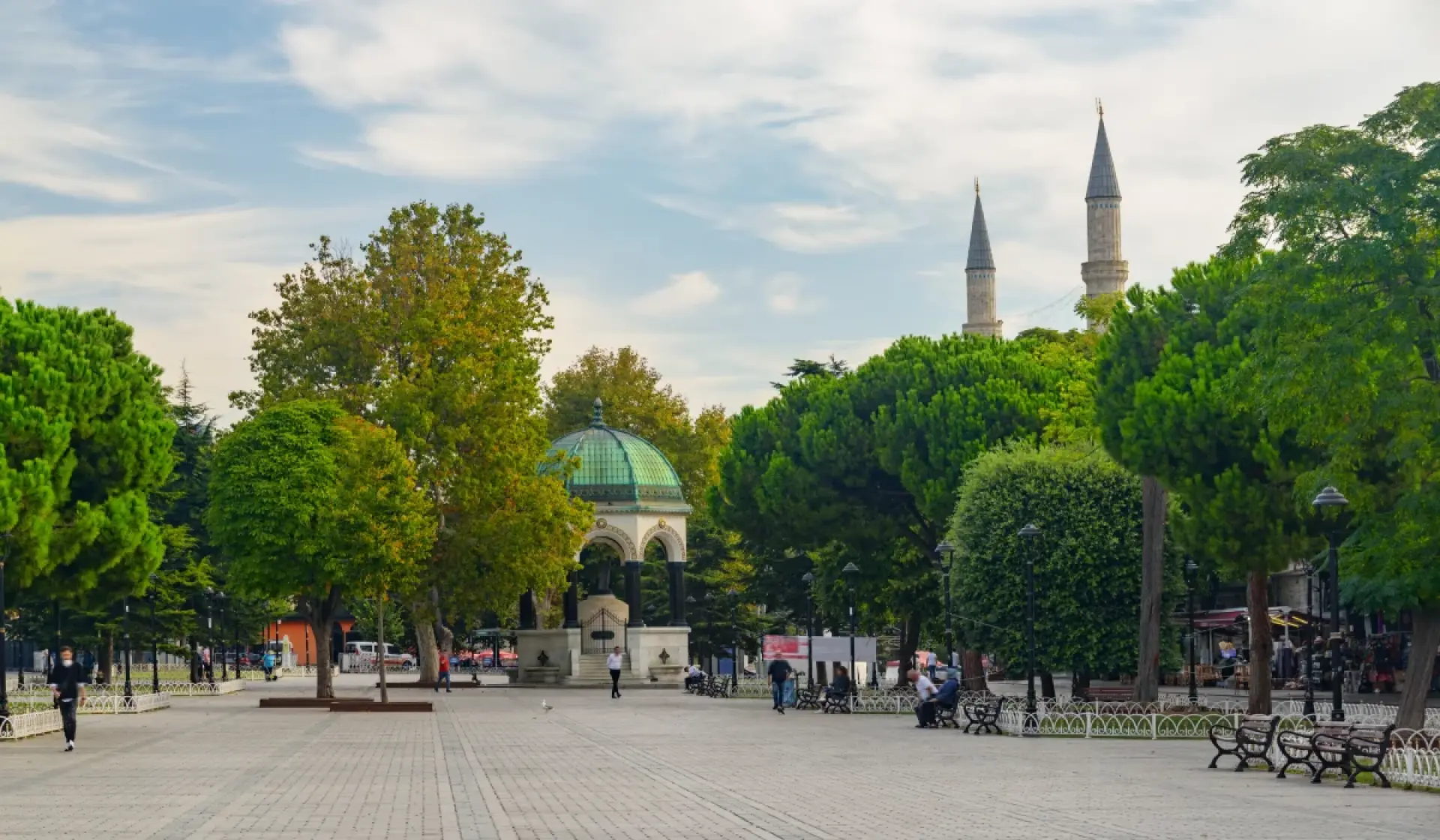
The ancient arena, legible in the layout of the modern square
Today, the space of the former hippodrome is arranged as a long promenade with paths, trees, benches, and open areas for viewing the monuments. Although the structure itself has barely survived above ground, the shape of the square helps convey the scale of the ancient arena. It is especially convenient to come here in the morning or toward evening, when it is easier to examine the details of the obelisks and reliefs without dense crowds.
The main objects in the square are arranged in sequence along its central section. The Obelisk of Theodosius stands on a marble pedestal with reliefs from the late Roman period, the Serpent Column is noticeably lower in height but important as a monument of ancient Greece, and the Walled Obelisk retains its significance as one of the oldest landmarks of the former hippodrome. In the northern part, you can see the German Fountain with its domed canopy and mosaic decoration.
The square is convenient for exploring on foot: here you can calmly walk the entire former arena, view the monuments from different sides, and then continue to neighboring attractions. Nearby are the Blue Mosque, Hagia Sophia, the Basilica Cistern, and the Museum of Turkish and Islamic Arts. If you are interested in the archaeological context, it is also worth paying attention to the southern part of the district, where the remains of the sphendone - the curved end of the ancient hippodrome - are preserved.
The easiest way to get here is by taking the T1 tram to the Sultanahmet stop, from which the square is a few minutes away on foot. Due to the open nature of the space, a separate ticket is not required for the visit, but for nearby monuments it is better to check opening hours and entry rules in advance.
Best tours and travel experiences across the continent
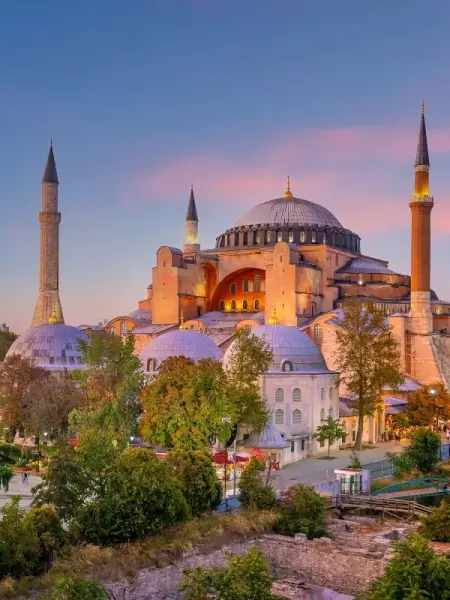
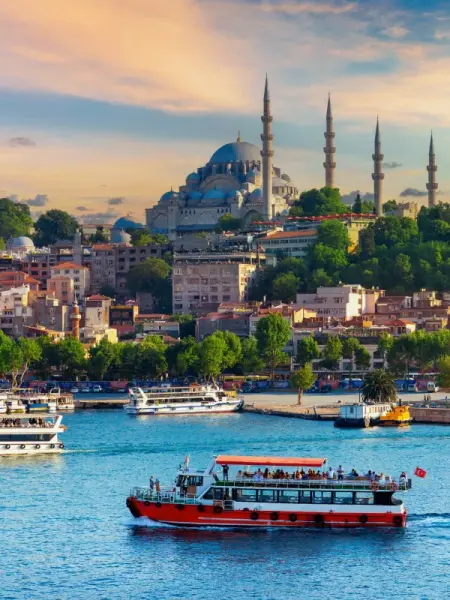
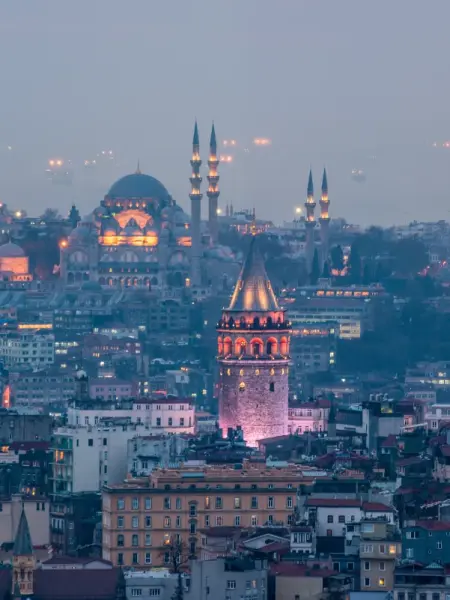

Photos of the square and monuments
Guided tours, popular attractions, and top-rated hotels across the continent


