
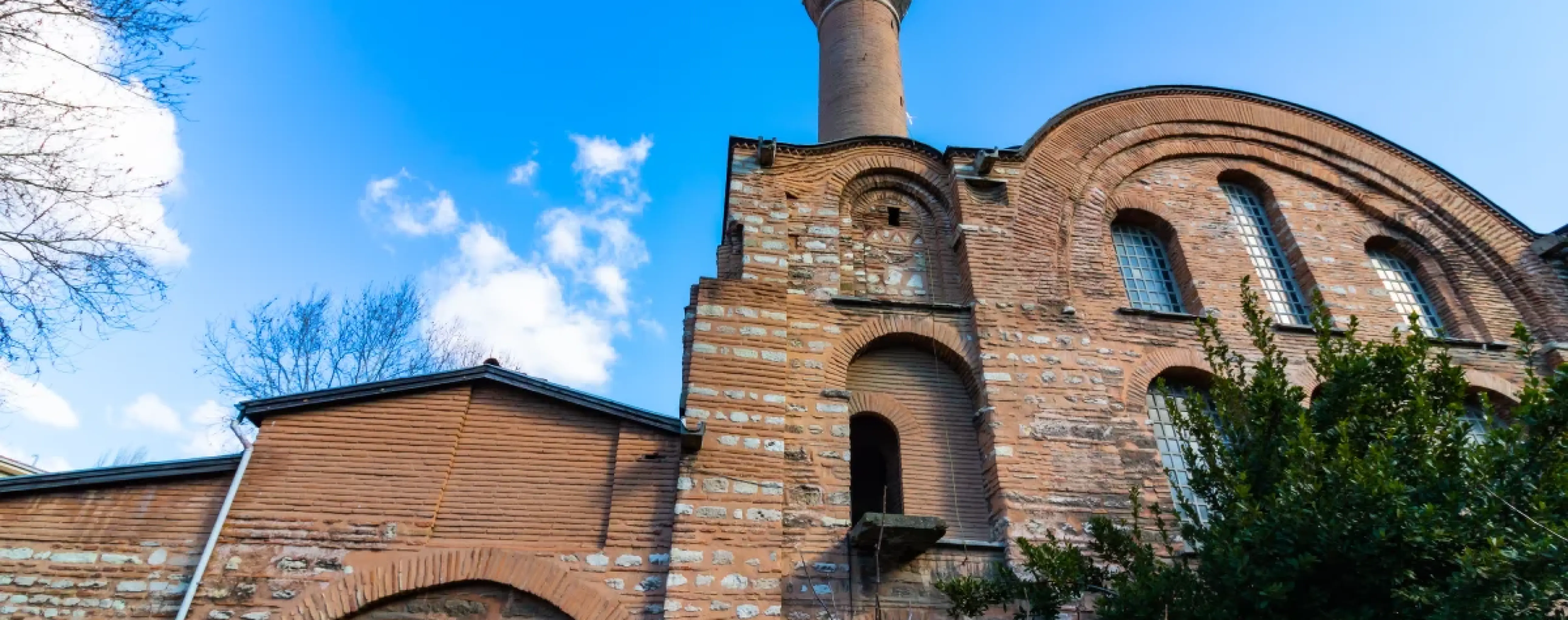
Kalenderhane Mosque
Kalenderhane Mosque in the historic center of Istanbul
Kalenderhane Mosque is located in the historic center of Istanbul, between the Vefa and Laleli districts, near the Aqueduct of Valens and the Istanbul University campus. It is one of those monuments in the city where the change of eras is especially clear: the building originated as a Byzantine church, was later used during the Latin period, and after the Ottoman conquest it was adapted for Muslim worship.
The structure is usually dated to the Byzantine period of the 12th century, although archaeological research has shown that earlier buildings also existed on this site. After 1453, the building passed to the dervishes of the Kalenderi order, from whom its modern name derives, and later became a mosque. Over the centuries it repeatedly suffered from fires and earthquakes, so its present appearance combines a Byzantine foundation with later Ottoman elements.
For visitors, Kalenderhane is interesting above all as a rare example of a former Byzantine church preserved within an active Muslim place of worship. Inside, characteristic features of medieval church architecture are visible - arches, columns, the structure of the space, and traces of old decorative elements discovered during the 20th-century restoration. It is worth lingering here for those who want to see in Istanbul not only the famous imperial mosques, but also less prominent monuments with a layered history.
Today it is an active mosque, open to visitors outside prayer times. Tourists should follow the usual rules for religious places: choose modest clothing, behave quietly, and check whether entry is possible during worship hours. Thanks to its location in the city center, a visit to Kalenderhane can easily be combined with a walk through the old quarters of Fatih and a look at nearby historic monuments.
Kalenderhane Mosque on the map
Istanbul: Mosques
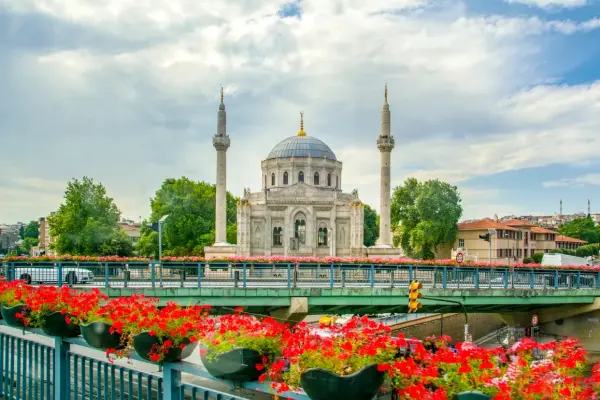
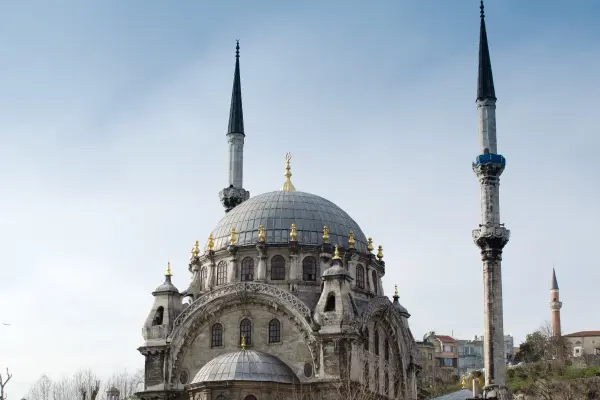
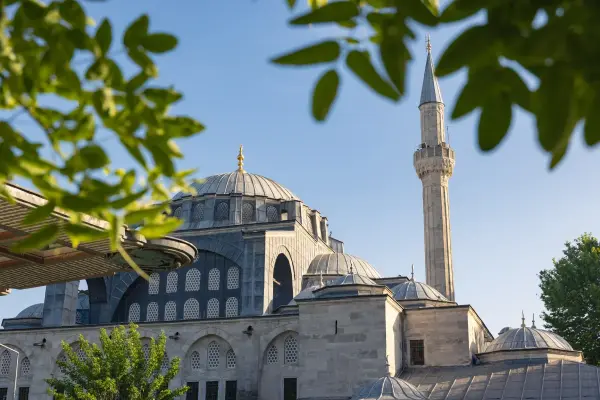
Valide Sultan Mosque, Nusretiye Mosque, Kilic Ali Pasha Mosque, Fatih Mosque
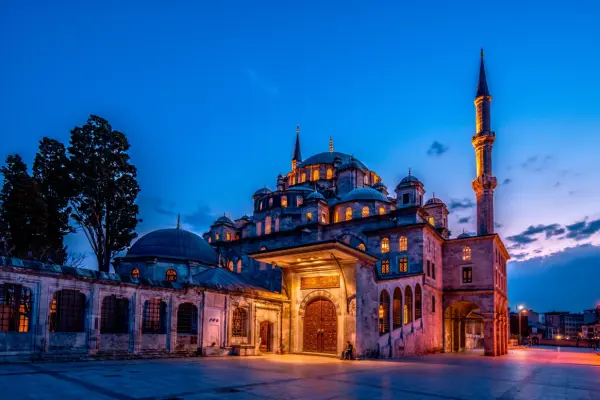
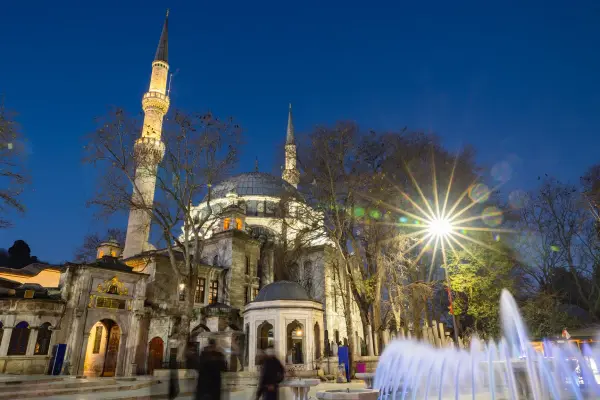
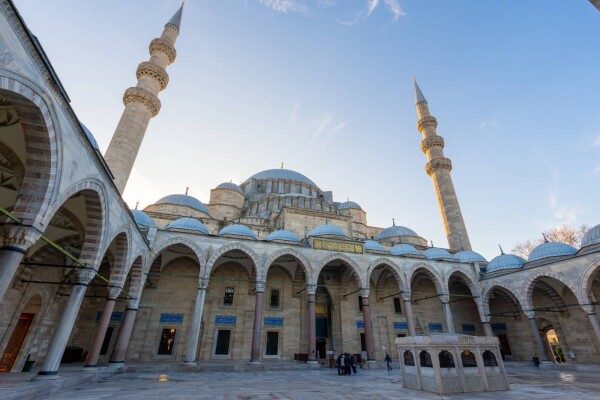
Kalenderhane Mosque and the features of its interior layout
An intimate space reflecting the Byzantine layout and later changes.
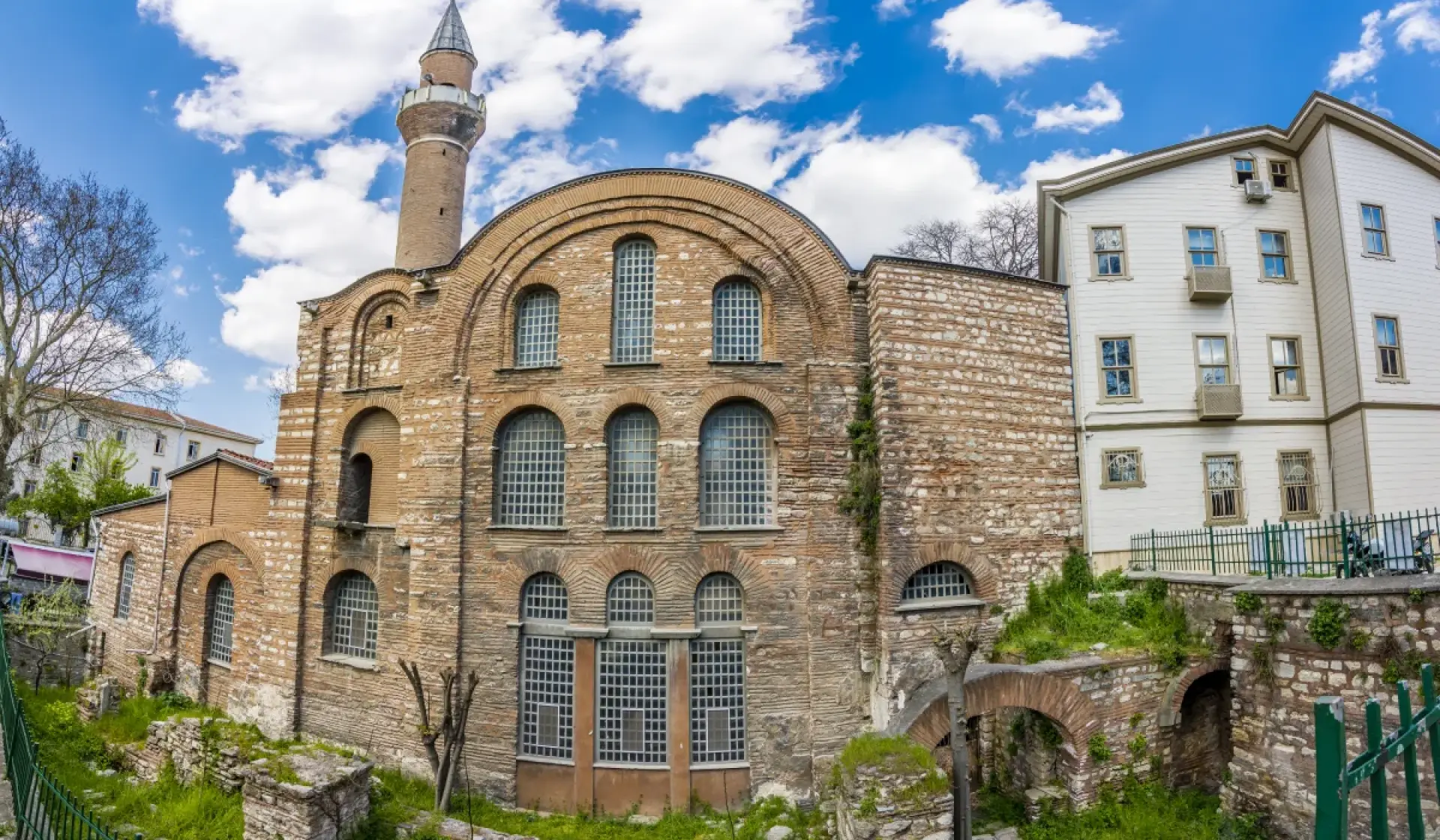
A Byzantine church that became part of Ottoman Istanbul
The main thing to notice inside is the layout, unusual for a mosque, inherited from the Byzantine church. The space feels more intimate than in the great sultans' mosques, and for that very reason it is easier here to examine the construction of the vaults, supports, and transitions between the parts of the building. After scholarly restoration in the 20th century, valuable remains of Christian decoration were revealed, including fragments of wall paintings.
From the outside, the building makes a more restrained impression than many of Istanbul's famous monuments, but its architectural value is connected not with scale, but with historical complexity. Here you can see how the Byzantine foundation was adapted for Ottoman religious use: elements necessary for a mosque were added, while a significant part of the old structure was preserved. This transition is especially interesting for those who study the history of Constantinople and Istanbul through architecture.
A visit usually takes little time, so Kalenderhane is easy to include in an itinerary through the historic quarters. Nearby are the Aqueduct of Valens, Sehzade Mosque, the Vefa district, and several streets with old urban development. The easiest way to get here is by taking the T1 tram line, getting off in the Laleli or Beyazit area, and walking the rest of the way.
Before entering, it is worth checking whether prayer is in progress, and remembering that this is first and foremost an active religious site, not a museum. Inside, visitors are usually asked to keep quiet, and clothing should cover the shoulders and knees; if necessary, shoes are removed at the entrance. This format of visit allows you to see the monument in its current function, not only as a historic structure.
Best tours and travel experiences across the continent

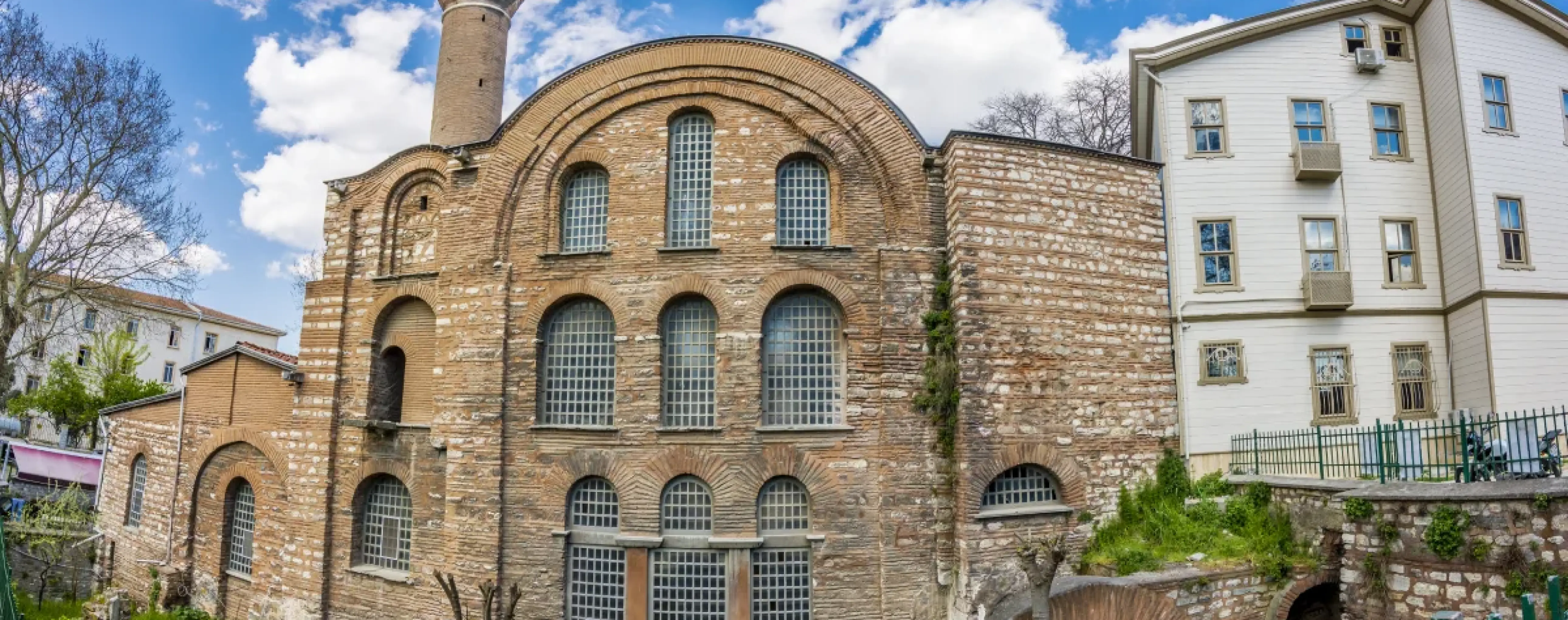
Photos of Kalenderhane
Guided tours, popular attractions, and top-rated hotels across the continent


