
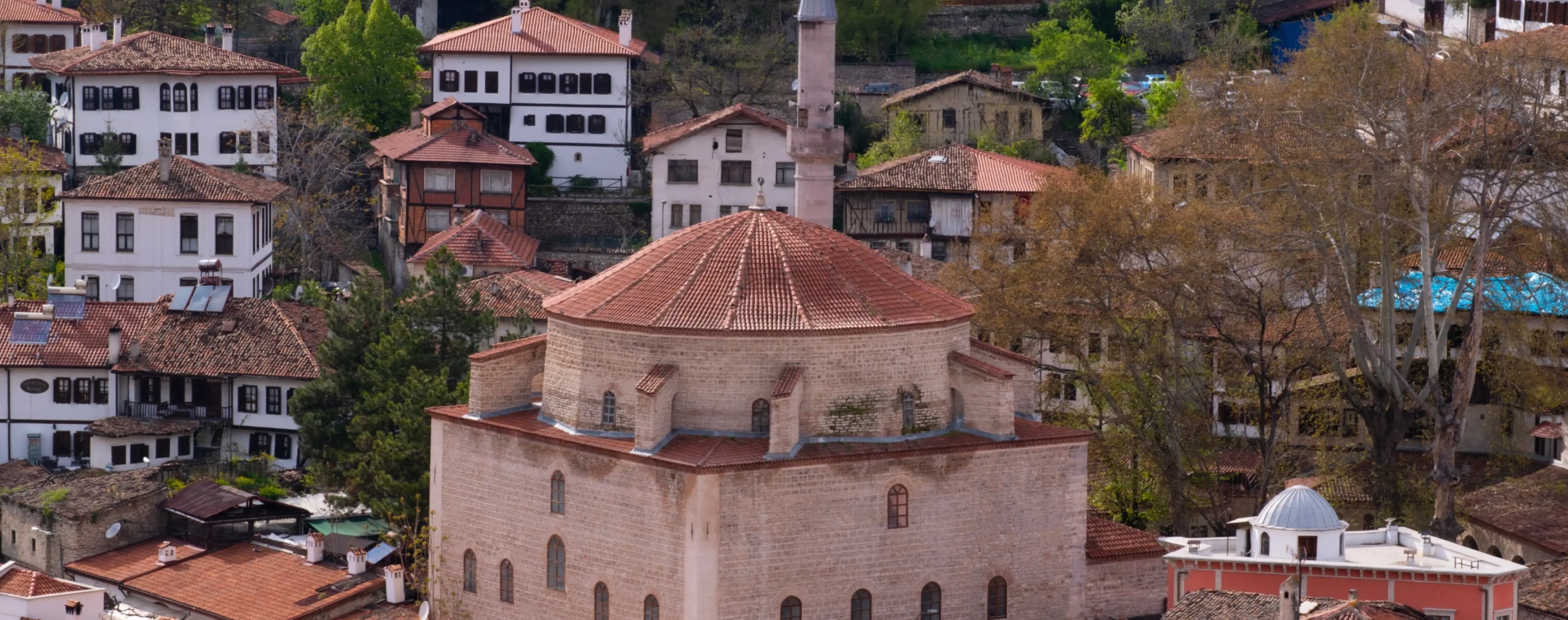
Koprulu Mehmet Pasha Mosque
Koprulu Mehmet Pasha Mosque in Safranbolu, Turkey
Koprulu Mehmet Pasha Mosque is located in the center of Safranbolu, in the historic district for which the town is known far beyond the borders of Turkey. It is a 17th-century Ottoman monument associated with the era of Grand Vizier Koprulu Mehmet Pasha. The mosque was opened for worship in 1661-1662 and still remains a prominent part of the urban landscape.
The building was designed in the restrained forms of Ottoman architecture of its time. Its plan is close to square, and its overall appearance is distinguished by clear proportions and the absence of excessive decoration. For tourists, this is an opportunity to see not only a separate religious monument, but also an example of what urban mosques looked like in Anatolian trading centers during the Ottoman period.
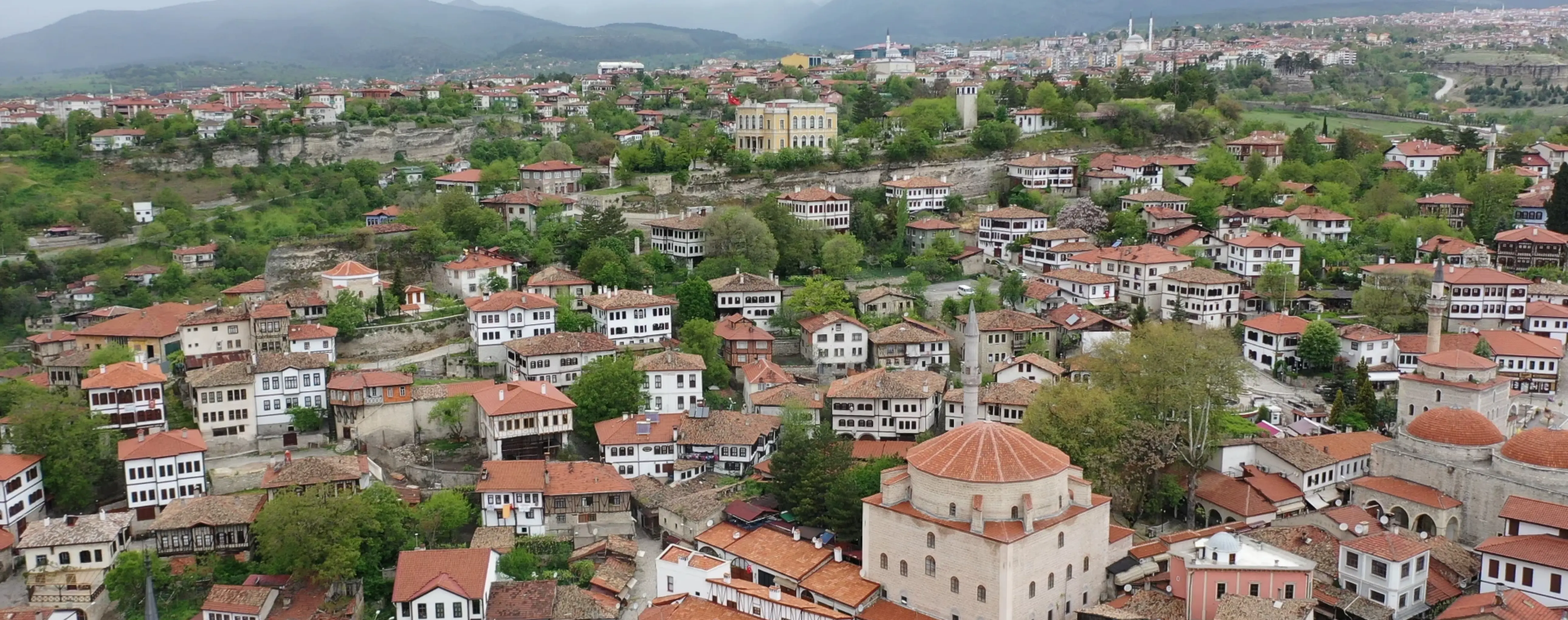
The mosque stands among the traditional houses of Safranbolu, which is included on the UNESCO World Heritage List thanks to its well-preserved historic setting. In the courtyard and near the complex, you can notice characteristic elements of old urban infrastructure, including a fountain and a sundial. This makes the visit especially interesting for those who want to better understand the structure of an Ottoman town and its everyday life.
For travelers, the mosque is interesting not only as an active place of prayer, but also as a landmark during a walk through old Safranbolu. It is easy to include in a route through the historic center, combining the exploration of religious architecture with a walk along streets lined with traditional mansions, shops, and small public buildings from past centuries.
Koprulu Mehmet Pasha Mosque on the map
Koprulu Mehmet Pasha Mosque and the historic setting of Safranbolu
The mosque continues to serve as an active monument in the old town.
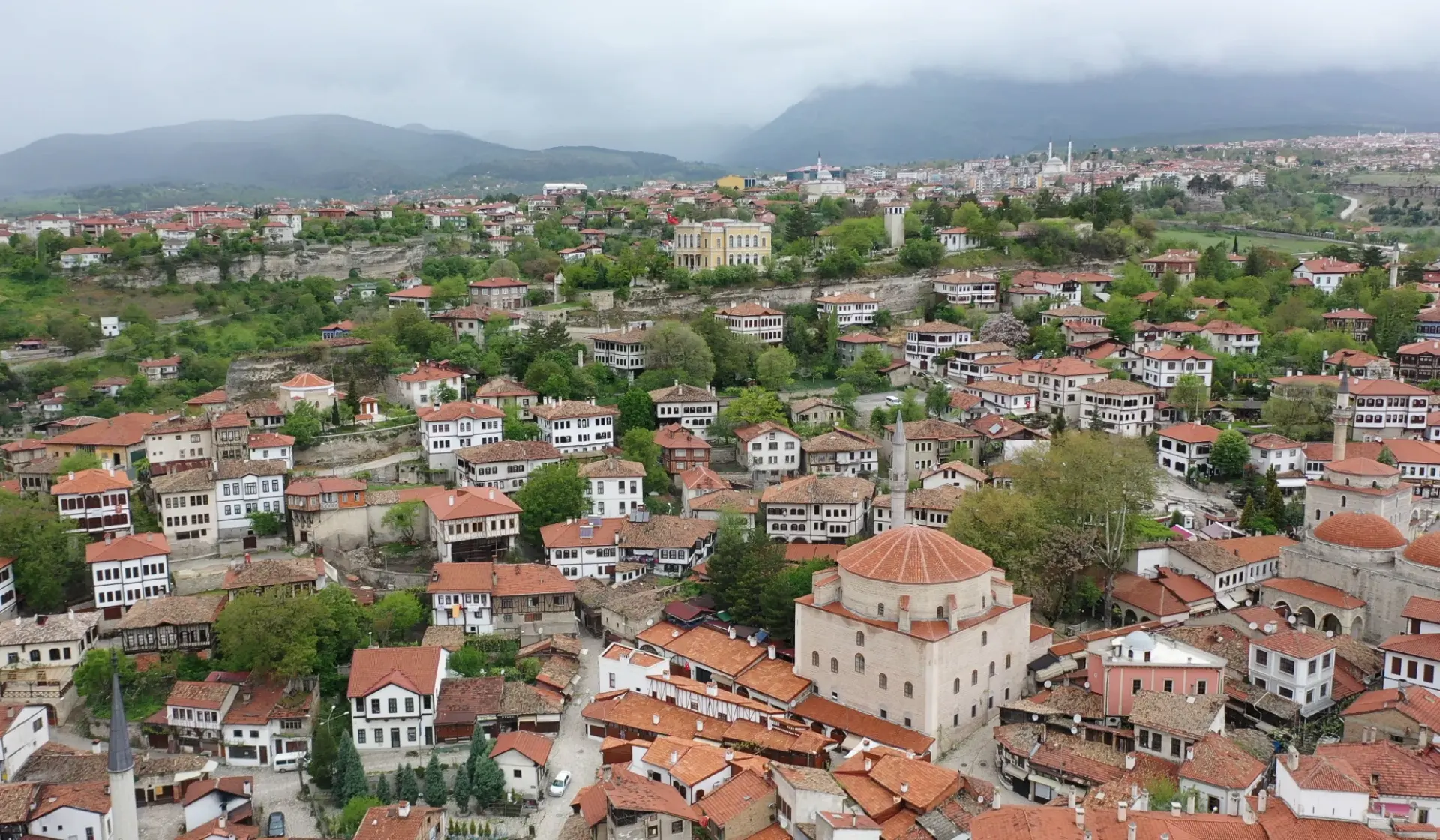
17th-century Ottoman mosque in the old quarter of Safranbolu
When visiting, it is worth paying attention to the overall volume of the building, the строгую composition of the facades, and the traditional organization of the courtyard. Such details are best appreciated precisely in Safranbolu, where the mosque has been preserved within its historic urban setting rather than as an isolated monument outside its context. In the courtyard, you can see a fountain for ablutions and a sundial, which recall the practical side of life in a religious complex.
Inside, visitors usually come to observe the prayer hall, its calm space, and the characteristic features of the Ottoman interior, although access may depend on prayer times. When entering, the usual rules for active mosques should be observed: dress modestly, speak quietly, and keep in mind that at certain times worship takes priority. Women may need a headscarf to visit the interior space.
Nearby are the old streets of Safranbolu with traditional Ottoman houses, small craft shops, and other historic structures, so a visit to the mosque can easily be combined with a walk through the town center. Not far away there is also the town market and several well-known house museums dedicated to everyday life in the Ottoman period.
The mosque is usually reached on foot through the historic center of Safranbolu, as it is located in a part of town that is convenient for walking. If you are arriving from the modern part of Safranbolu or from Karabuk, it is more convenient to first reach the old town district and then continue on foot along the narrow streets.
Best tours and travel experiences across the continent


Photos of the mosque
Guided tours, popular attractions, and top-rated hotels across the continent


