
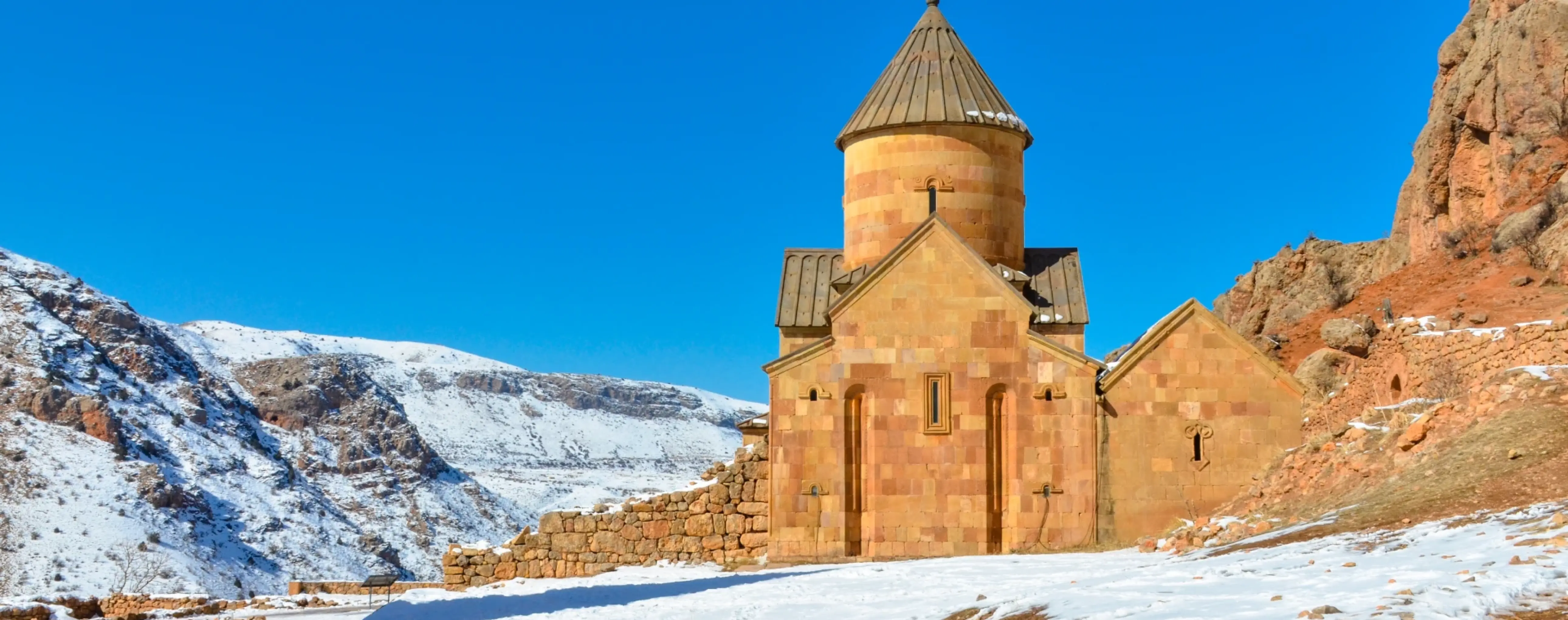
Msho Sultan Cathedral
Msho Sultan Cathedral in Kars, Turkey
Msho Sultan Cathedral, better known in historical sources as the Surb Karapet Monastery, is connected with the Armenian religious heritage of Eastern Anatolia. Despite the stated association with Kars, the monument itself is traditionally linked to the vicinity of Mus, where it stood on a hill near the village of Chengeli. For travelers, this place is of interest primarily as a ruined yet significant monument of the region's medieval spiritual culture.
According to church tradition, the monastery was founded by Gregory the Illuminator on the site of an earlier sanctuary. Over the centuries, Surb Karapet was regarded as one of the most revered Armenian monasteries. Pilgrims came here, and the complex itself played a notable role not only in church life but also in preserving manuscript culture and learning.
The monastery was a fortified complex with massive walls, resembling a fortress. Today, its ruins, isolated masonry fragments, and carved stones remain. Even in this condition, the site helps convey the scale of the former monastery and its importance to the history of the Armenian community in this region of Turkey.
A visit to the ruins is usually of interest to those studying the history of Armenian monasteries, architecture, and the cultural heritage of Eastern Anatolia. This is not a museum site with restored buildings, but rather a historical location where context, careful attention to the surviving remains, and an understanding of the monument's complex fate are important.
Msho Sultan Cathedral on the map
Msho Sultan Cathedral and the ruins of Surb Karapet Monastery
The remains of the monastic complex and stone carvings have survived on the hill.
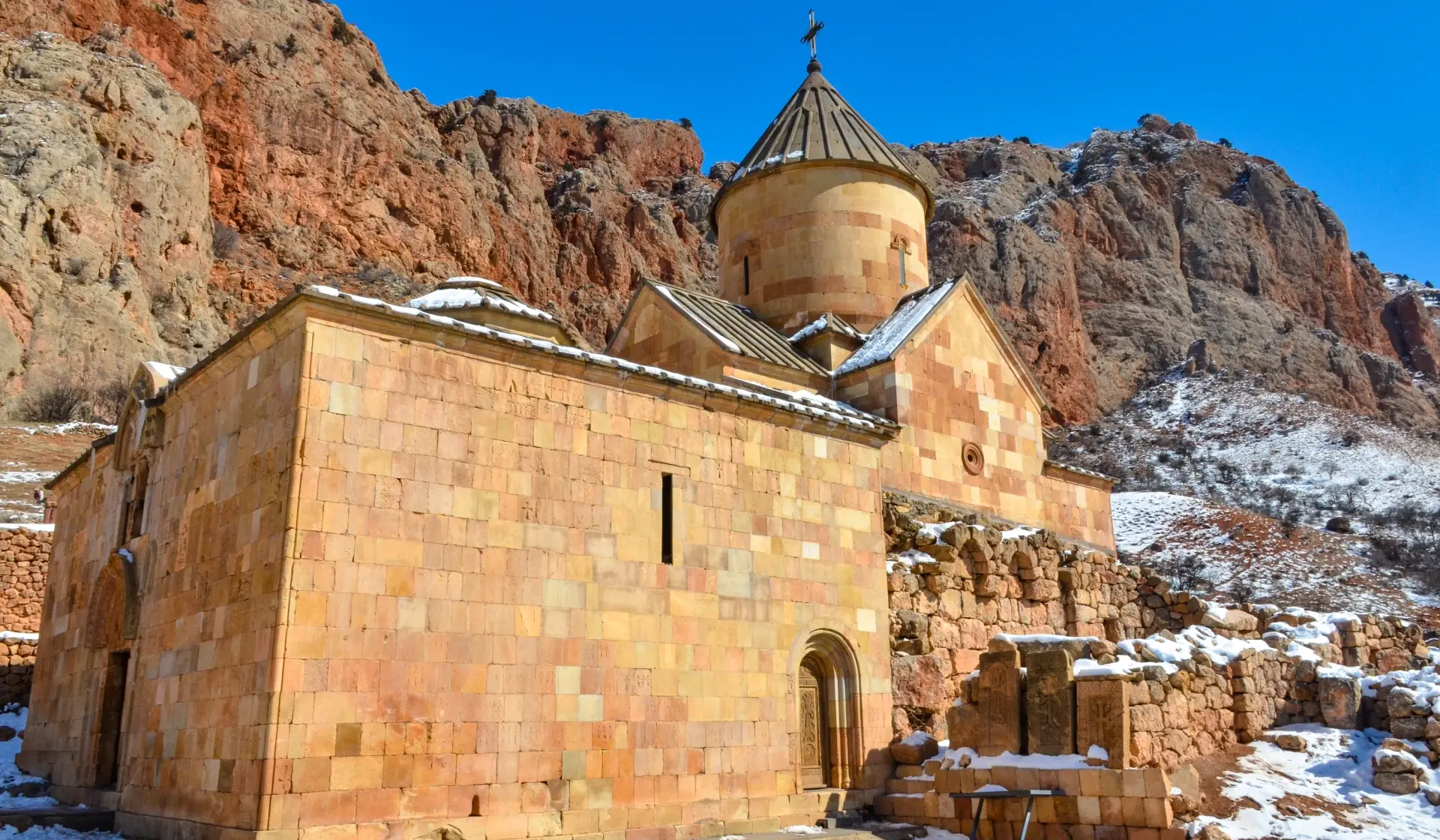
Ruins of a major Armenian monastic complex
At the site of the former monastery, visitors can see the remains of walls, sections of foundations, and individual carved stones that reveal features of the former architecture. It is best to come here with the understanding that this is not a preserved cathedral, but the ruins of a historic monastery, where the main impressions come from exploring the terrain and the surviving fragments.
For those interested in religious history, this location is important as a former center of Armenian pilgrimage and manuscript tradition. During a visit, it is worth paying attention to the hill's terrain, the layout of the building remains, and the surviving details of the stone carving, which help to imagine the structure of the monastic complex and its defensive character.
Infrastructure for extended tourist visits here is generally limited, so it is best to plan the trip in advance and take local road conditions into account. Nearby historical destinations that are usually included in regional itineraries are connected with the monuments of Mus and other Armenian and medieval sites of Eastern Anatolia.
It is usually most convenient to reach the site by car from Mus along local roads toward the village of Chengeli. Before the trip, it is helpful to confirm the route locally, since the site is outside the urban area and may not be easy to find without local landmarks.
Best tours and travel experiences across the continent
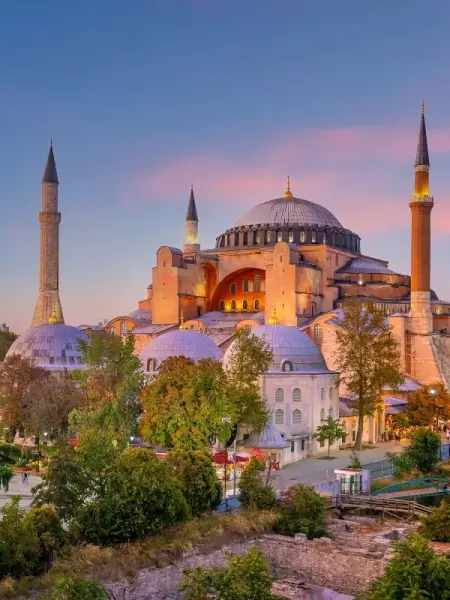
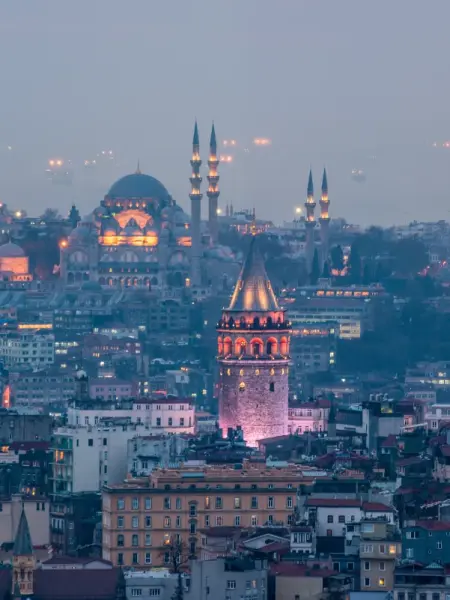

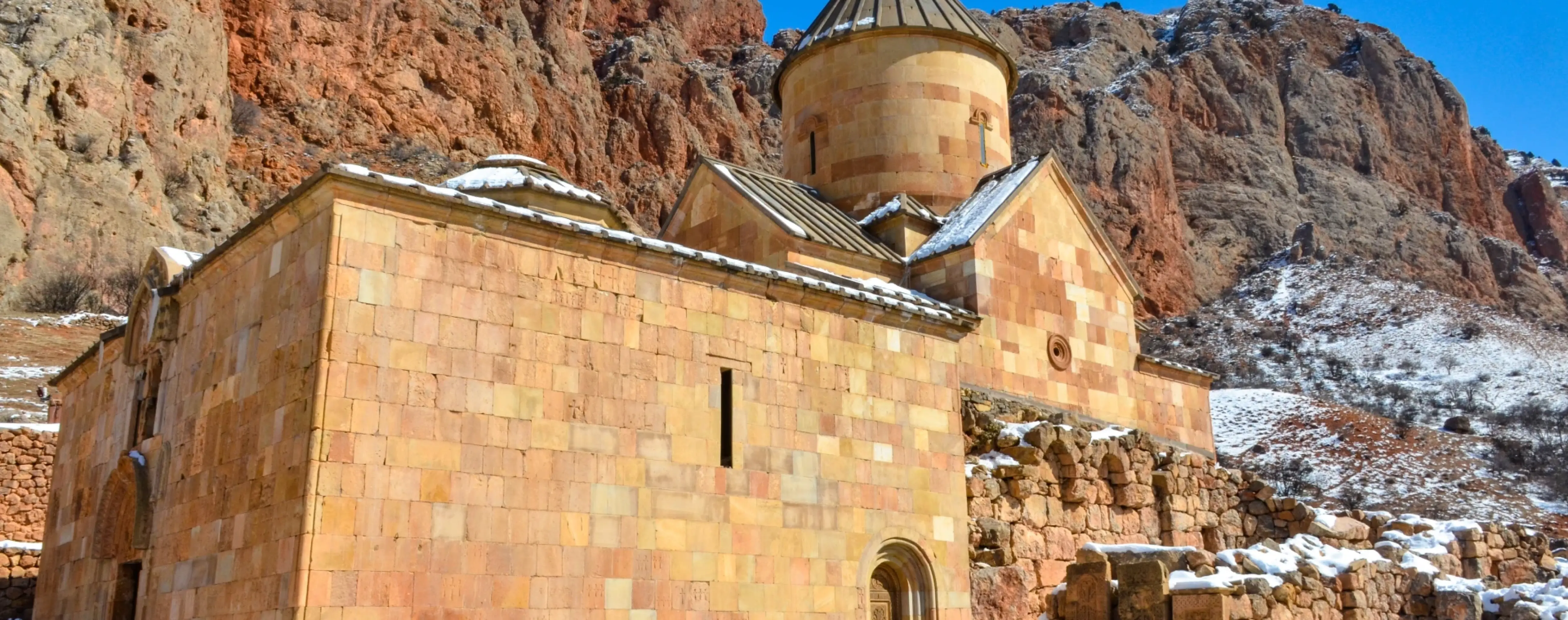
Photos of the ruins
Guided tours, popular attractions, and top-rated hotels across the continent


