
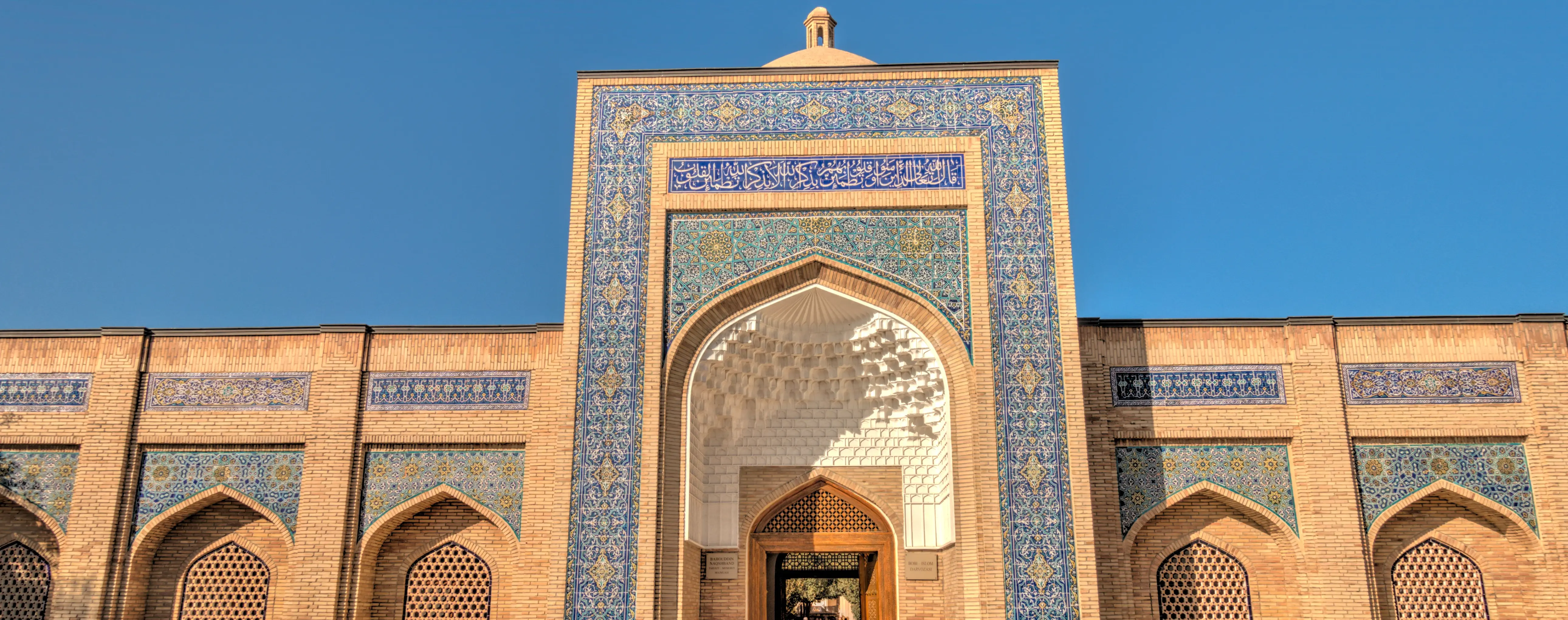
Naqshbandi Complex
Naqshbandi Complex in Bukhara, Uzbekistan
The Naqshbandi Complex is located in Qasri Orifon, east of the center of Bukhara. It is associated with Bahauddin Naqshband, a 14th-century Sufi master whose name was given to one of the most famous spiritual paths in the Islamic world. For believers, this is an important pilgrimage site, and for travelers, it is an opportunity to see Bukhara not only as a city of madrasas and bazaars, but also as a major religious center.
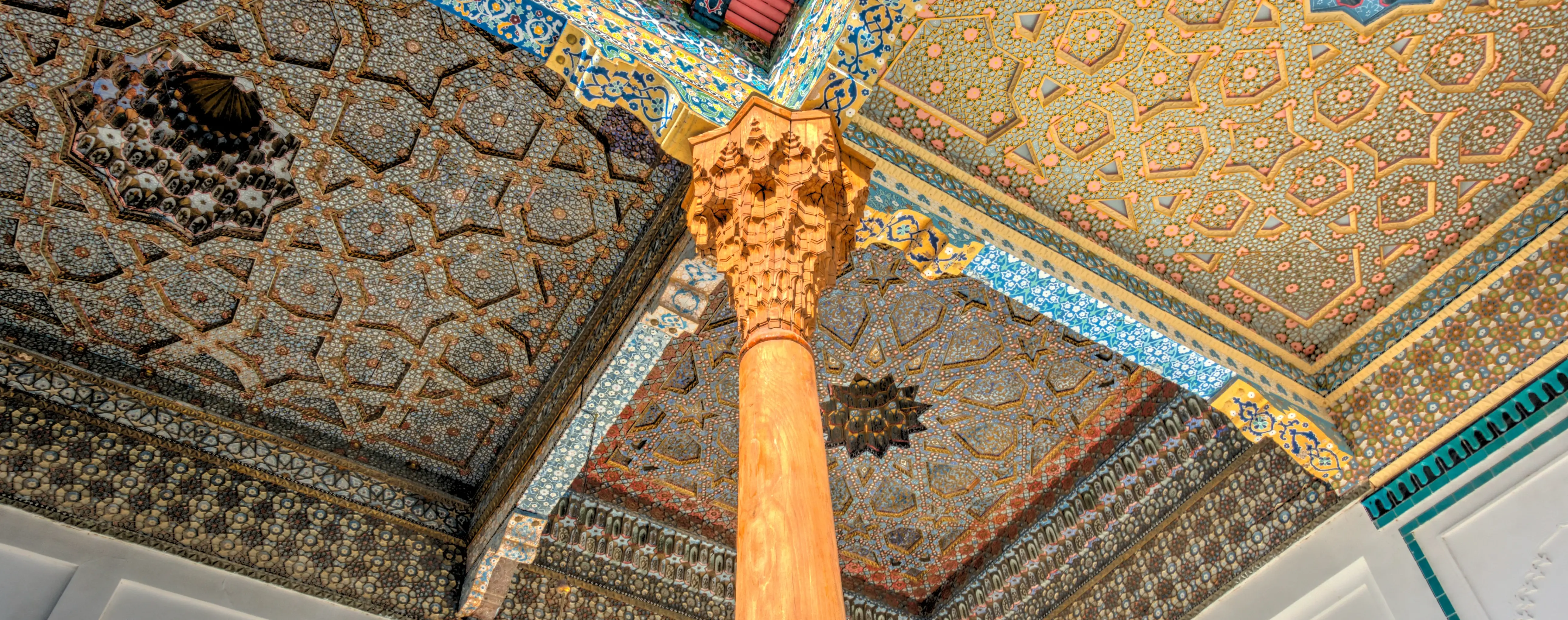
The ensemble took shape gradually and includes a mausoleum, mosques, a khanqah, a minaret, courtyards, and sections of the necropolis. The main part of the surviving buildings dates to later centuries, when the memorial site was expanded and rebuilt. As a result, a whole religious complex was formed here, in which different stages of the development of Bukhara’s architecture and sacred environment can be seen.
The main significance of the site is connected not so much with individual buildings as with its spiritual role. People come here to honor the memory of the sheikh, become acquainted with the Naqshbandi Sufi tradition, and see how a revered ensemble functions outside a museum setting. During a visit, it is worth remembering that this is прежде всего a shrine: calm behavior, modest clothing, and respect for local customs are appropriate.
The complex is of interest to those who want to gain a deeper understanding of the history of Bukhara and its religious traditions. A trip here can conveniently be included in an itinerary around the city’s surroundings together with other monuments outside the historic center, if you want to see the broader cultural context of the region.
Naqshbandi Complex on the map
The Naqshbandi Complex and Its Pilgrimage Grounds
This is where the memory of Bahauddin Naqshband and the tradition of veneration are preserved.
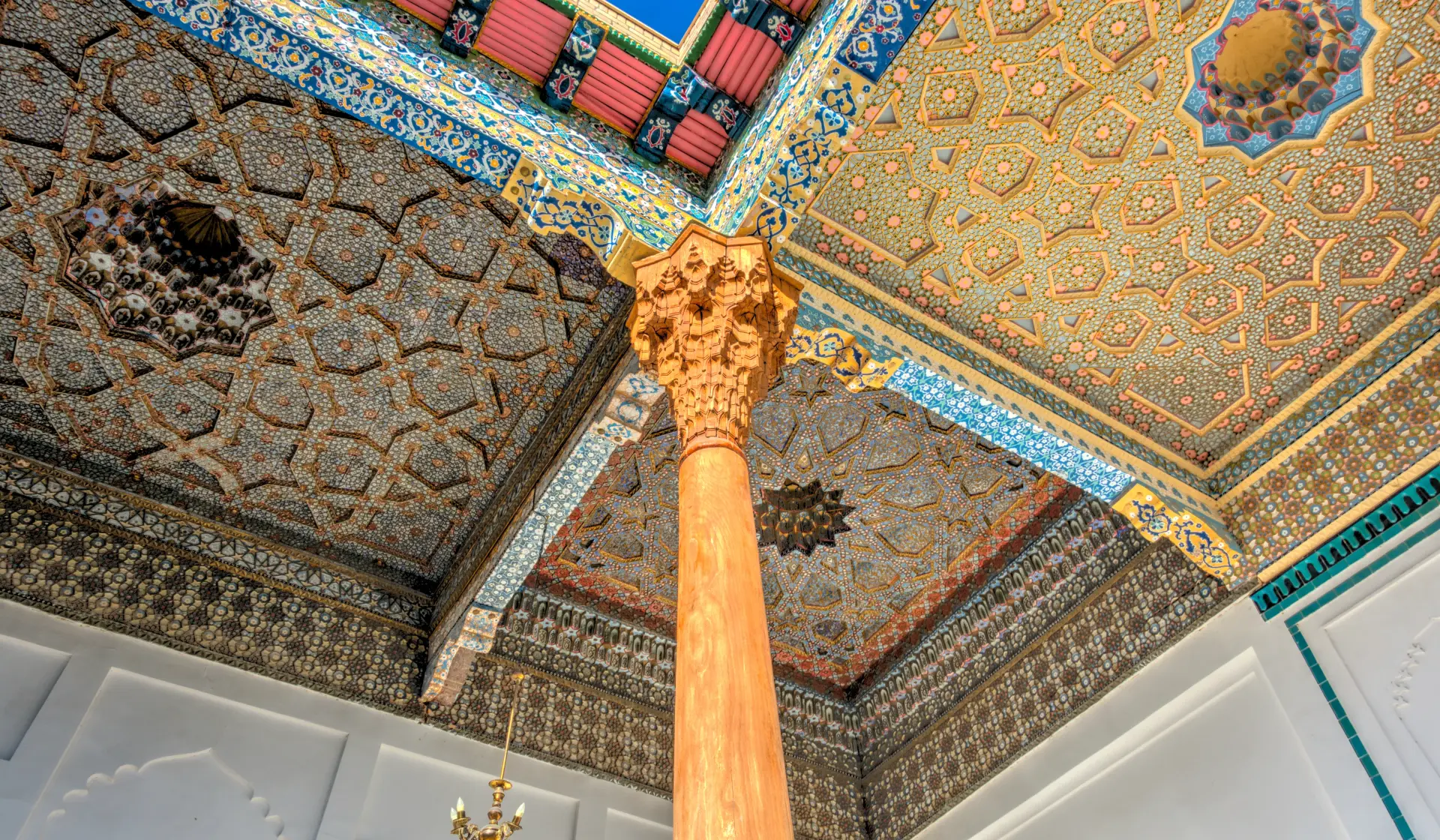
A pilgrimage ensemble with a mausoleum and old necropolis
On the grounds of the complex, visitors pass through several courtyards and buildings connected with memorial and religious practice. Here you can see the mausoleum of Bahauddin Naqshband, mosque spaces, a khanqah for spiritual gatherings, and burial areas that emphasize the memorial character of the site. The architecture is restrained compared with the ceremonial ensembles in the center of Bukhara, but this very quality helps to better understand the purpose of the complex and its everyday religious life.
Many people come here not for a long inspection of individual decorative details, but to walk calmly through the grounds, observe the layout of the ensemble, and feel the difference between the city’s tourist center and an active place of veneration. During a visit, it is important not to disturb worshippers, not to photograph people without permission, and to keep in mind that some parts of the complex may be used for religious rites.
For a visit, it is better to choose a time outside major religious gatherings if you want to explore the grounds without haste. Near the complex, you can continue discovering the monuments around Bukhara, including suburban historical and memorial sites. You can usually get here by taxi or car from the center of Bukhara in a short time.
Best tours and travel experiences across the continent


Photos of the complex
Guided tours, popular attractions, and top-rated hotels across the continent


