
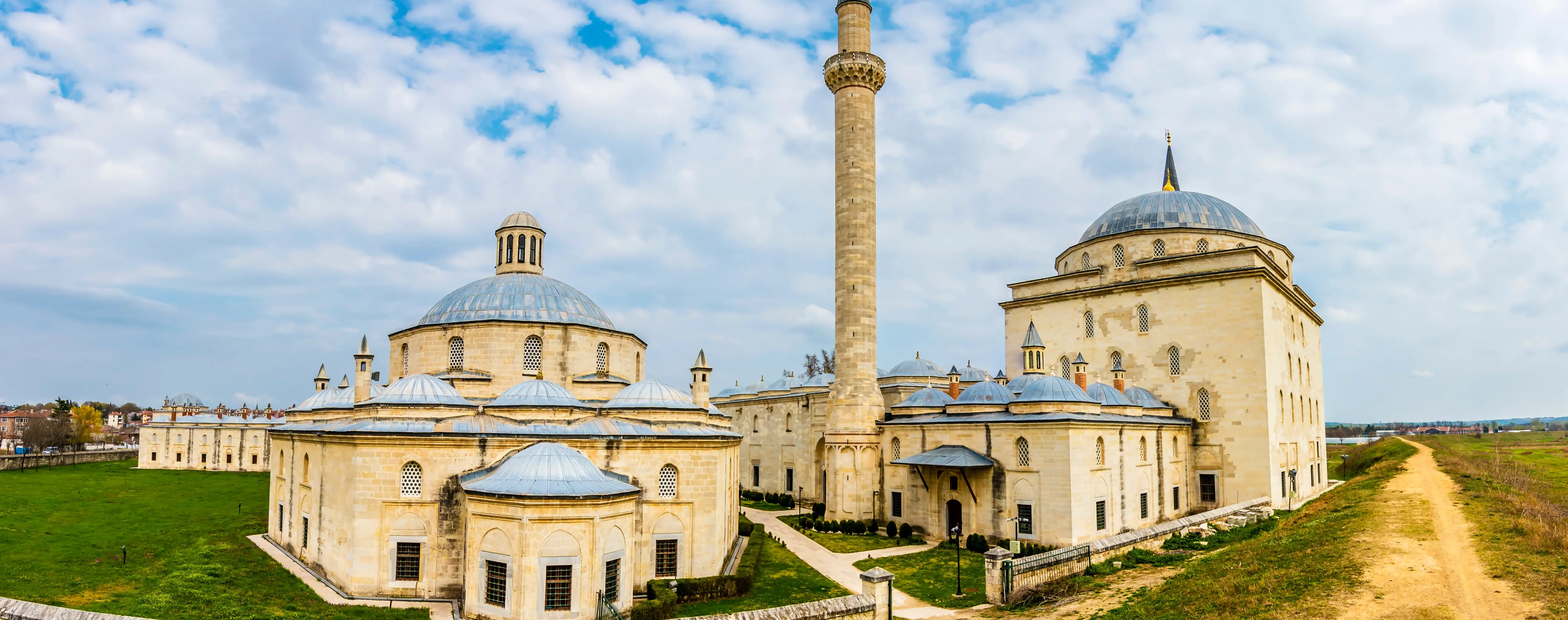
Sultan Bayezid II Complex
Sultan Bayezid II Complex in Edirne, Turkey
The Sultan Bayezid II Complex is located in Edirne, northwest of the city center, near the Meric River. It is a large Ottoman complex, a unified architectural ensemble in which religious, educational, and charitable institutions were brought together on one site. The complex was built at the end of the 15th century by order of Sultan Bayezid II, and today it remains one of the most important monuments of Ottoman urban infrastructure in Edirne.
The ensemble included a mosque, a hospital, a madrasa, an imaret, a kitchen for distributing food to those in need, as well as auxiliary buildings. This layout clearly shows how the system of public assistance was organized during the Ottoman period, where religious life, education, treatment, and charity existed side by side. For visitors, it is not only an architectural monument, but also a vivid example of how a major public complex functioned several centuries ago.
The complex is best known for its darussifa, a hospital where treatment methods characteristic of its time were used, including music, the sound of water, and a calm environment as part of therapy. Today, part of the complex is associated with the Museum of the History of Medicine, which helps visitors better understand Ottoman-era ideas about health, patient care, and the organization of treatment.
A visit to the complex is especially interesting for those who want to see not just a single building, but a complete historical ensemble with a clear internal logic. The domed spaces, inner courtyards, passages between the buildings, and the calm grounds, slightly set apart from the busier streets of Edirne, are particularly noteworthy.
Sultan Bayezid II Complex on the map
Sultan Bayezid II Complex and the Museum of the History of Medicine
Ottoman architecture, treatment, education, and charity come together here.
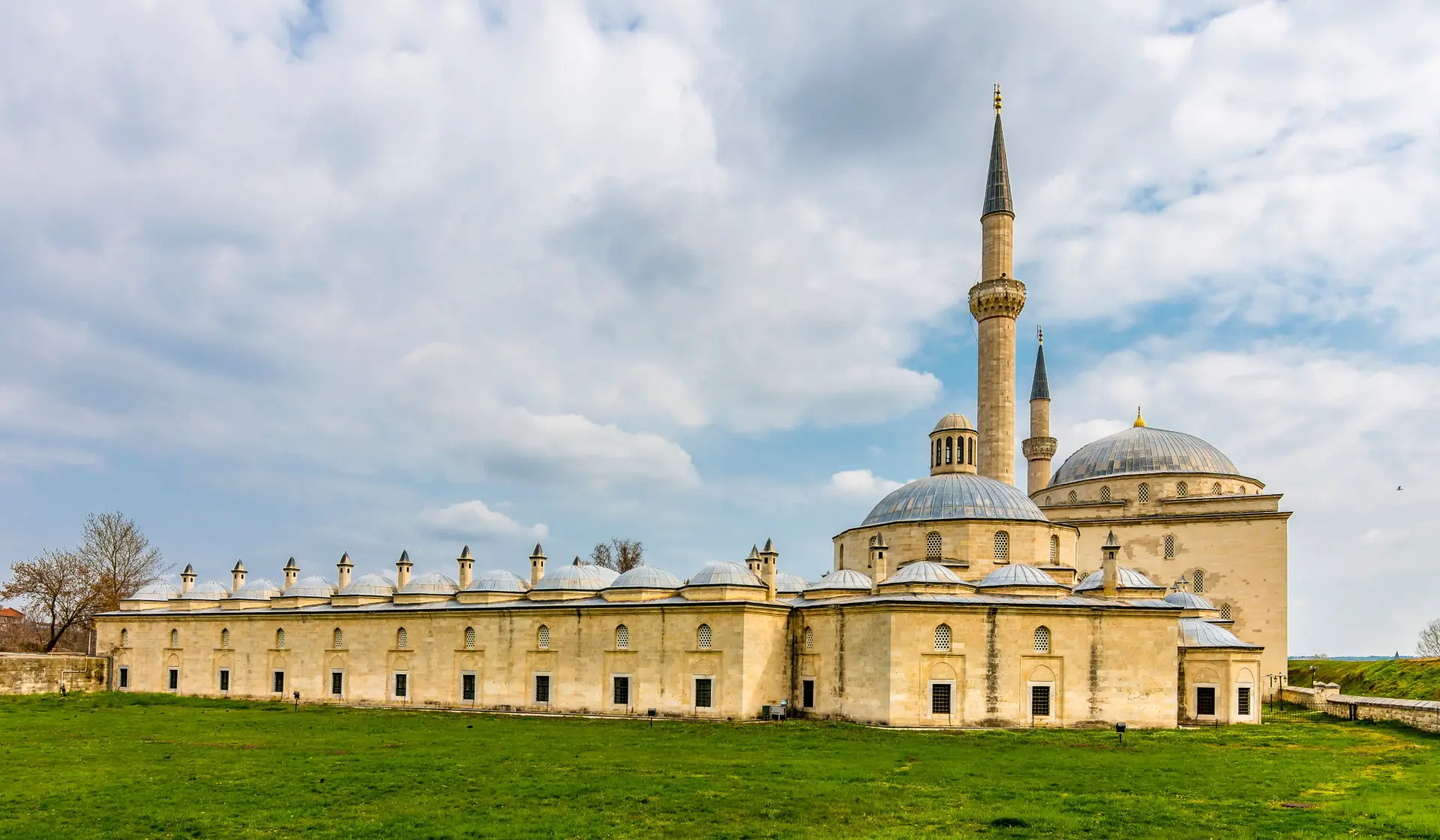
Ottoman hospital, mosque, and Museum of the History of Medicine
While exploring the complex, it is worth paying attention to the hospital spaces and courtyards, where the thoughtful organization of the area is clearly visible. The architecture here is guided by practical needs: the separate buildings are connected to one another, while the open inner spaces provide light, air, and a calmer atmosphere. The museum section presents materials dedicated to the history of Ottoman medicine, the structure of the hospital, and the daily work of this institution.
Visitors can see the complex mosque, arcades, domed halls, and spaces connected with education and charitable activities. What makes it interesting is not only the outward appearance of the buildings, but also the very idea of a multifunctional ensemble where prayer, treatment, education, and aid to those in need were concentrated in one place. This makes a walk through the grounds especially easy to understand even for those unfamiliar with Ottoman architecture.
The complex is located away from the main tourist routes in central Edirne, so people often come here for a quieter visit. Nearby are the Meric River and several well-known bridges of Edirne, which can be included in the same walk. It can usually be reached by taxi, public transport, or on foot from the city center if a longer route is planned.
Best tours and travel experiences across the continent

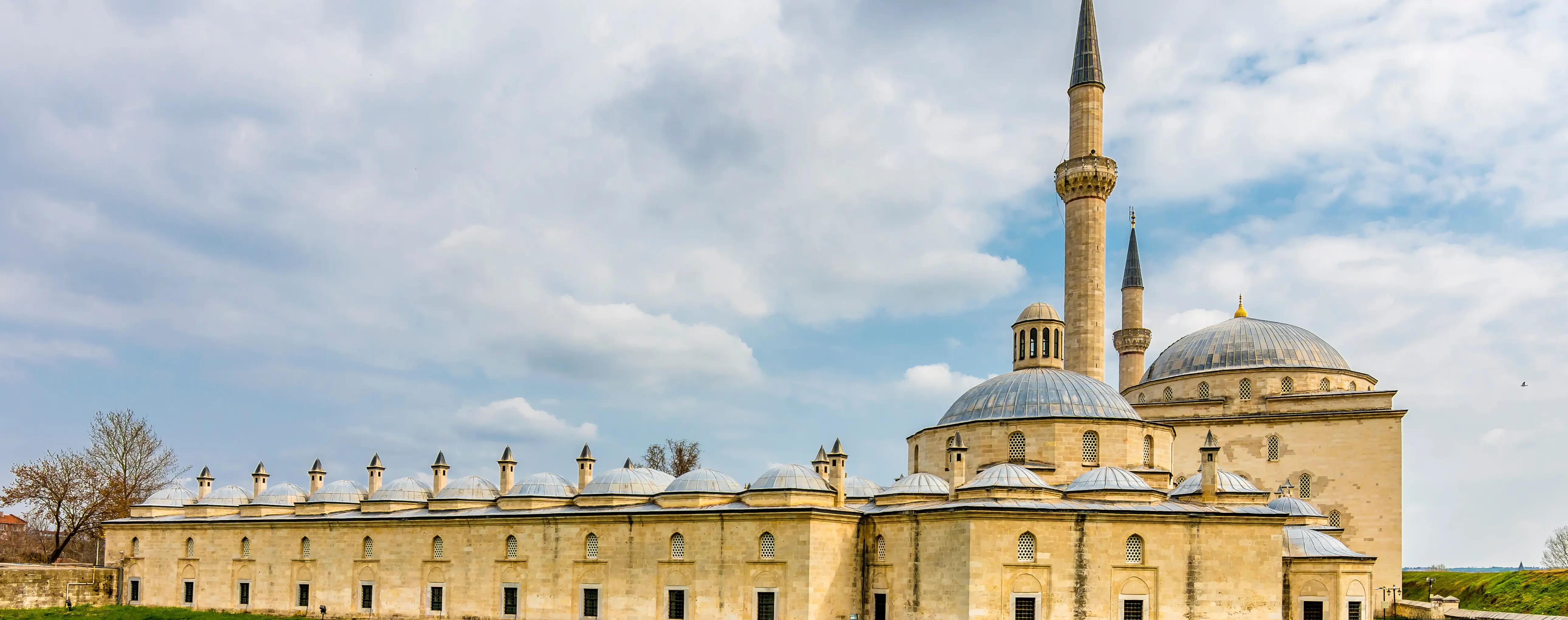
Photos of the complex
Guided tours, popular attractions, and top-rated hotels across the continent


