
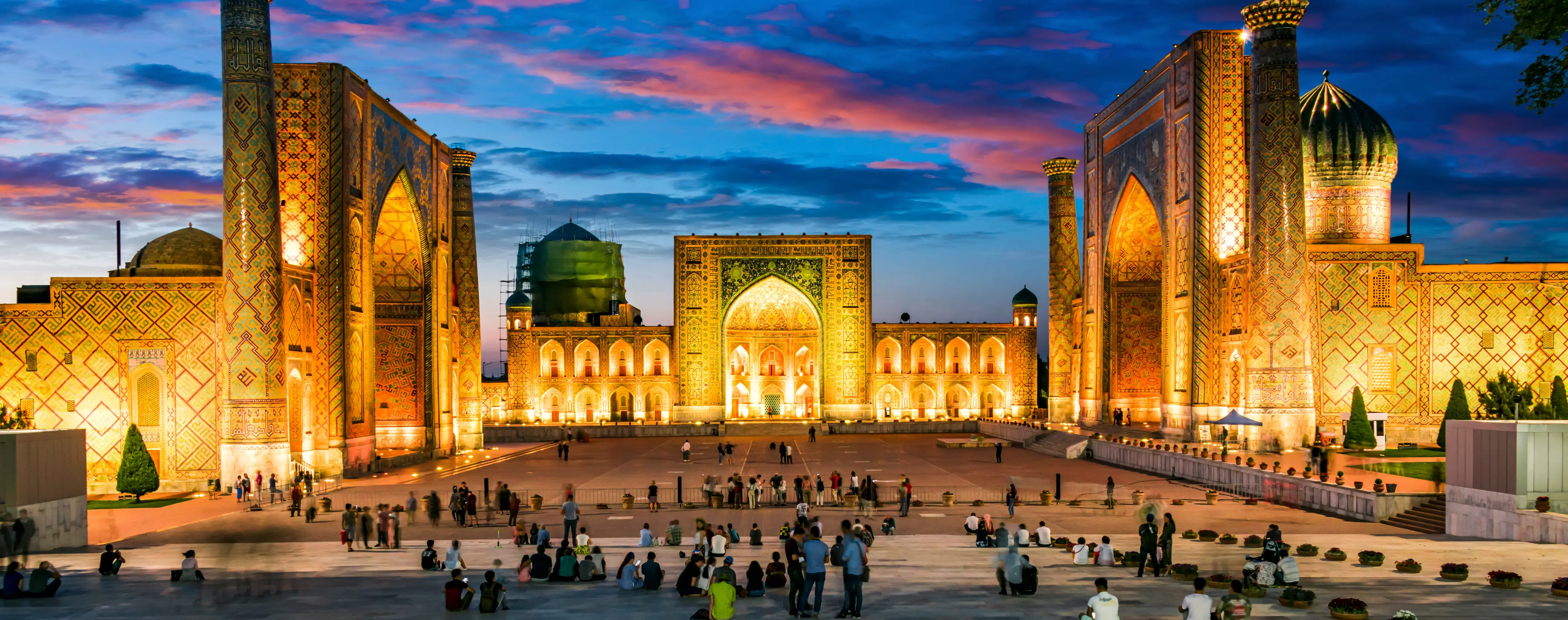
Tourism and Travel in the Samarkand Region
Samarkand Region
The Samarkand Region is located in the south-central part of Uzbekistan and occupies a significant part of the Zeravshan Valley. The region combines fertile plains, hilly foothills, and some desert areas, creating a variety of landscapes within a relatively small territory.
The center of the region is the city of Samarkand — one of the oldest cities in Central Asia, and nearby are other significant settlements such as Kattakurgan and Urgut. These cities historically served as hubs on the Great Silk Road and have preserved a rich architectural and cultural heritage.
The region's climate is continental with hot, dry summers and cool winters; the best time to visit is spring and autumn when the weather is mild and the scenery is especially picturesque. During these seasons it is more comfortable to sightsee and take walks around the surroundings.
The region is known for its historical significance, craftsmanship, and agricultural traditions, including the cultivation of grains and fruits in the Zeravshan Valley. The local landscape allows combining cultural sightseeing with active outdoor recreation.
Tourism in the Samarkand Region is diverse: cultural routes to architectural monuments, nature excursions in the valley and foothills, family programs in towns, and active hikes around the area. Wellness and gastronomic offerings immersed in local traditions are also developing.
Administratively, the region includes several districts and centers, each offering its own features — from the craft markets of Urgut to the agricultural landscapes around Kattakurgan, making the region interesting for different types of travelers.
Samarkand Region on the map
Fascinating cities for travel, tours, and sightseeing
Culture, nature, and unique routes of the Samarkand Region
Interweaving history and living tradition
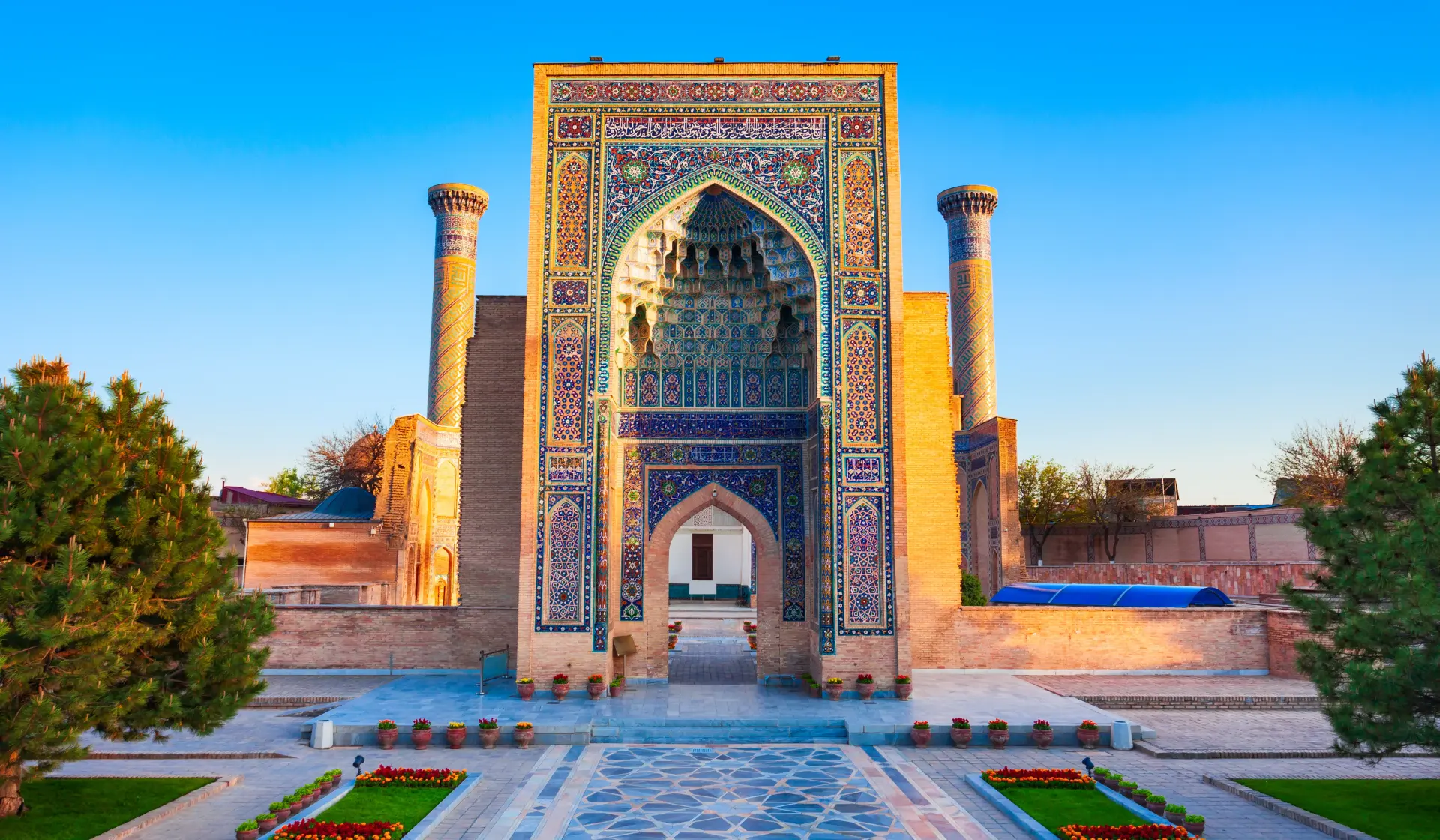
Samarkand Region and its greatest treasure — the architecture of Samarkand
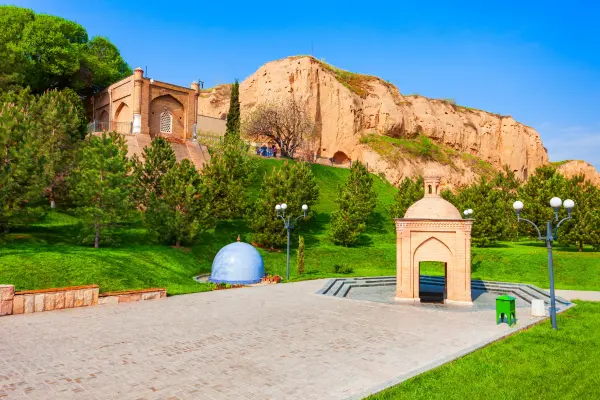
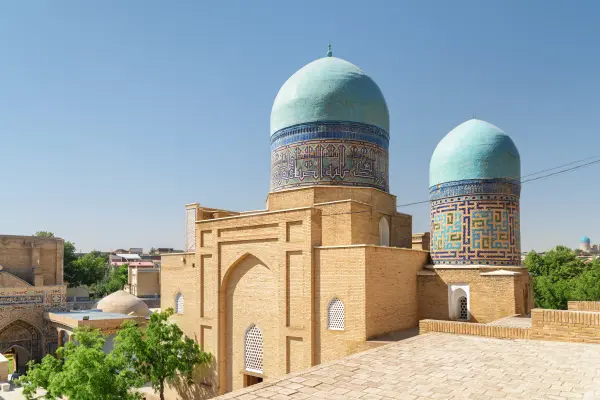
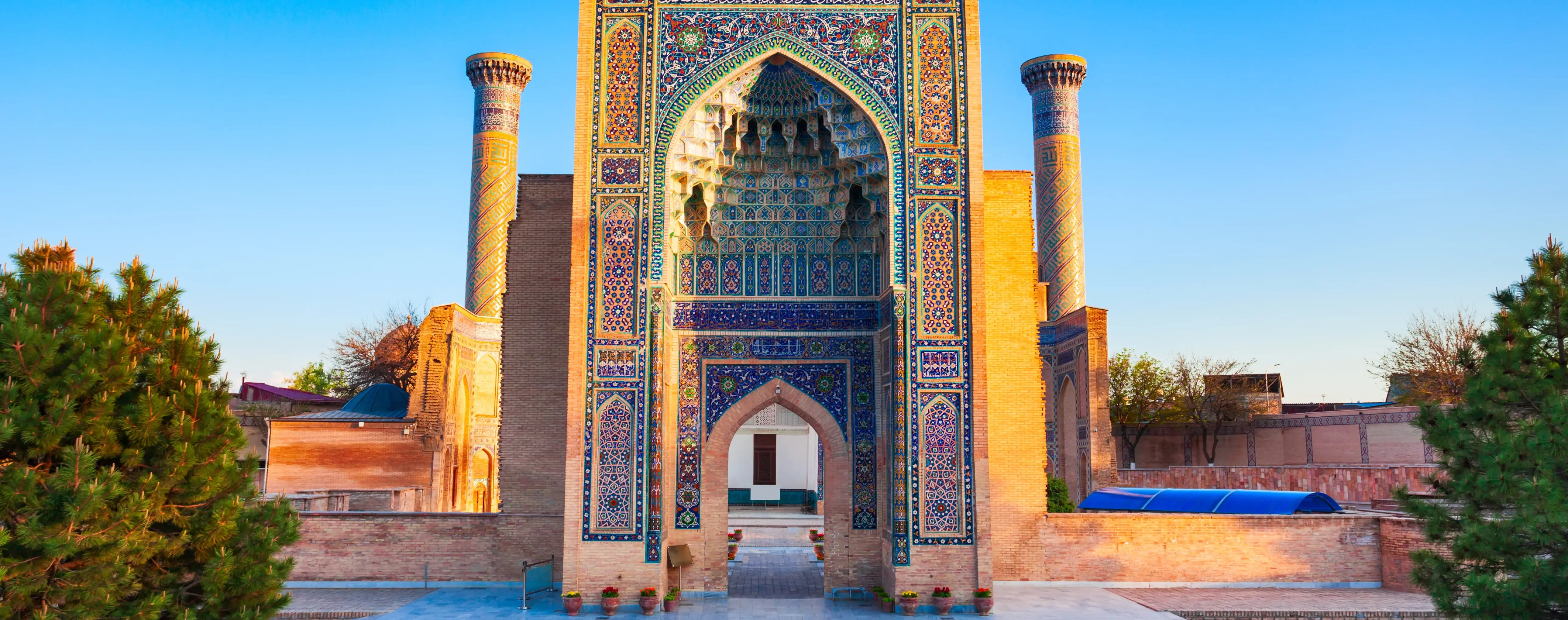
The main attractions are concentrated in Samarkand: the Registan complex, the Gur-e-Amir mausoleum, the Bibi-Khanym Mosque, and the Shah-i-Zinda necropolis form a unique architectural ensemble recognized by the international community. Samarkand's historic center is protected by UNESCO as a World Heritage Site.
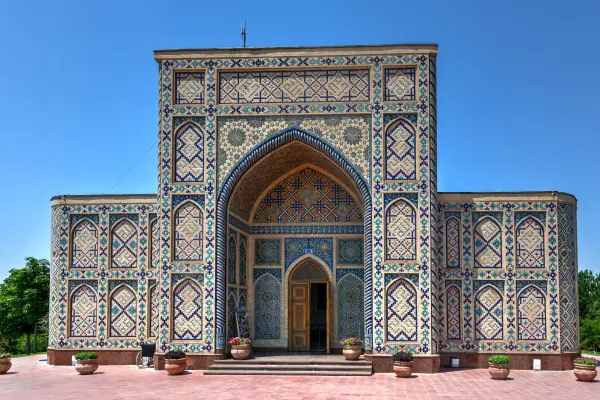
In addition to urban monuments, the region features archaeological excavations of Afrasiyab, museums of history and astronomy, including exhibits dedicated to Ulugh Beg and his observatory. Museums and exhibitions provide an opportunity to better understand the region's cultural layers and its role on the Great Silk Road.
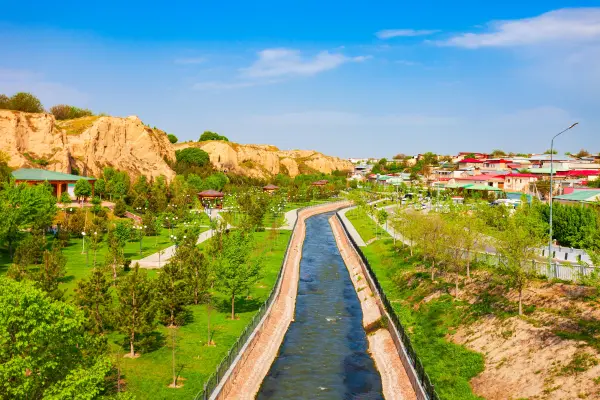
Natural routes offer walks through the Zeravshan Valley, observations of rural landscapes, and trips to the foothills where traditional villages and terraces can be seen. Festivals and cultural events take place in the surroundings, including the international music festival Shark Taranalari and Nowruz celebrations.
Local cuisine reflects a diversity of cultures: hearty plov with aromatic spices, fresh samsa, flatbread (nan), sweet halva pastries, and the tea ceremony remain an important part of hospitality. Crafts, including carpet weaving and silk production, thrive in the workshops of Urgut and other towns.
The region is well accessible: Samarkand International Airport serves regular flights, and high-speed and conventional rail connections link Samarkand with Tashkent, Bukhara, and other major cities of Uzbekistan, making travel convenient for tourists.
Popular Locations of the Region
Fascinating places for excursions and travel
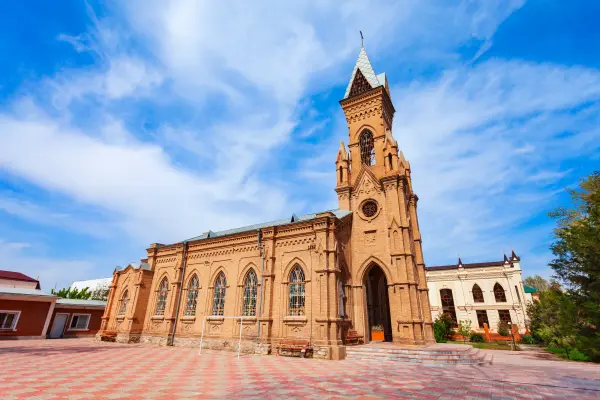
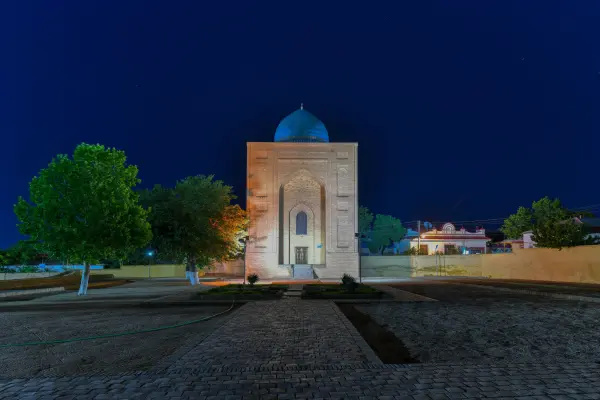
Best tours and travel experiences across the continent

Landscapes and Cities
Guided tours, popular attractions, and top-rated hotels across the continent


