
Kirsehir Turkey travel guide Cacabey Medresesi
Kirsehir, Turkey
Kirsehir is a city in Turkey's Central Anatolia region. Set inland in central Turkey between Ankara and Kayseri, it has no coast and no body of water shaping its setting. Instead, the city sits within mixed terrain against the broader backdrop of the Central Anatolian steppe zone.
Kirsehir brings together Seljuk, Ottoman, and modern provincial layers. Its key surviving monuments include Cacabey Medresesi, a 13th-century Seljuk monument associated with astronomy; Ahi Evran Mosque and Tomb, a major heritage site tied to the Ahi tradition; Kirsehir Castle, a historic hilltop reference point; and Melikgazi Tomb, a medieval monument. Together, they place scattered religious architecture and medieval historic points within a compact urban setting of modern streets.
The city suits a visit built around culture and walking, with an emphasis on central monuments, local historical memory, and a quieter urban atmosphere. That makes Kirsehir better suited to short holidays or a one-day cultural stop than to a long urban vacation. The basic rhythm of a visit is simple: move on foot between heritage sites and experience a more local historic center in Central Anatolia.
The main visitor areas are the city center, where modern provincial streets meet Seljuk and Ottoman religious architecture; the castle area, used for historic reference and views; and the Ahi Evran area, one of the city's principal sites of cultural memory. Walking between the main central monuments is practical. Kirsehir does not have a major commercial airport, so many visitors arrive by road from Ankara or other Central Anatolian cities, with intercity bus travel a standard way in.
Kirsehir has a continental Central Anatolian climate, with hot dry summers and cold winters. Spring and autumn are generally the most comfortable seasons for sightseeing on foot. Midwinter is less favorable because of colder conditions, while peak summer afternoons can be uncomfortable in the heat.
Kirsehir on the map
What to see in Kirsehir, from Cacabey Medresesi to the castle
Seljuk stonework, castle views, and Ahi heritage on quiet streets
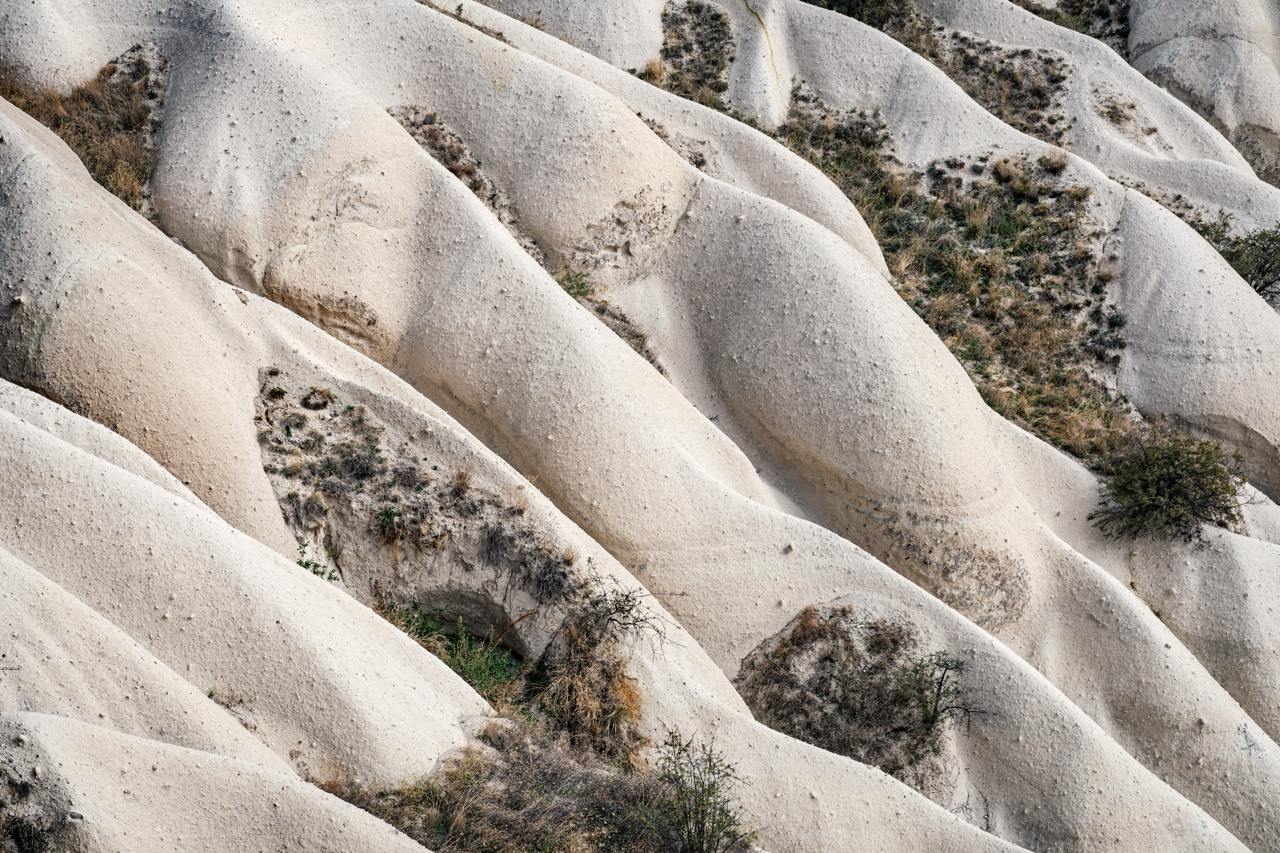
Walking Kirsehir's core landmarks
Broad central streets run through a modern provincial center where Seljuk and Ottoman religious architecture appears in scattered form among everyday urban blocks. The key sights are Cacabey Medresesi, a 13th-century Seljuk monument noted for its association with astronomy; Ahi Evran Mosque and Tomb, an important heritage site and place of cultural memory; Melikgazi Tomb, an established medieval monument; and Kirsehir Castle, which rises on its hill as a major historic reference point and viewpoint. For anyone exploring the historic core on foot, these are the principal places to see.
The main museum identified in the city profile is the Ahi Evran Museum. Kirsehir's natural setting is not defined by a coastline or forest landscape but by the Central Anatolian steppe zone, and the main elevated natural-urban feature used by visitors is the hill of Kirsehir Castle for city views. Because the city is inland, there is no waterfront or marina function here.
What to do in Kirsehir centers on visiting Seljuk and Ottoman monuments, walking between central historic sites, exploring Ahi heritage locations, and taking in views from the castle area. The city is also associated with the cultural memory of Neset Ertas. Food is based on straightforward Anatolian cooking rather than destination fine dining, and Cullama is a specific local dish associated with Kirsehir.
City Details
City overview – facts & data for travelers
Best tours and travel experiences across the continent



Guided tours, popular attractions, and top-rated hotels across the continent


