

Tourism and travel in Central Anatolia
Central Anatolia
Central Anatolia occupies a large internal plateau-like massif in the heart of Turkey, where wide steppes, volcanic elevations and scenic canyons come together. The region stretches from the outskirts of Ankara in the west to Aksaray and the Nevşehir area in the south, forming a transitional zone between the western and eastern parts of the country.
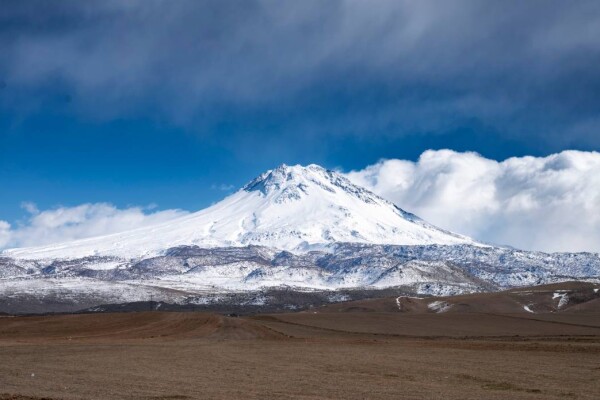
The landscape of the region is diverse: here you will find fertile valleys, salt lakes such as Tuzgöl (Lake Tuz), and rocky landforms created by ancient eruptions and erosion. Separate mountain ranges, including Mount Erciyes near Kayseri, offer opportunities for mountain and winter tourism.
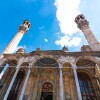
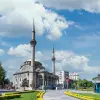
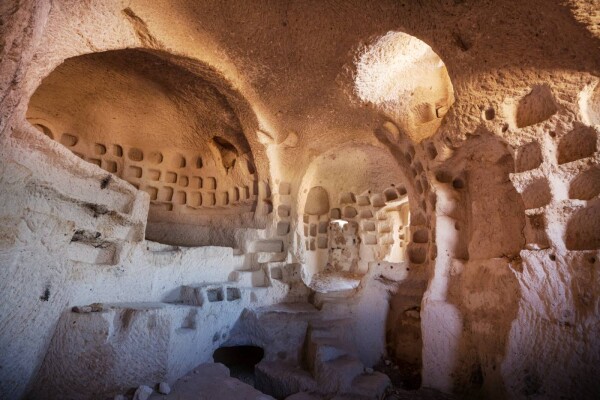
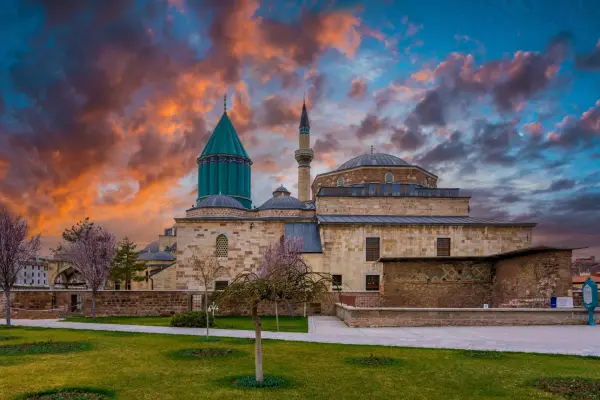
The largest cities of the region — Ankara, Konya, Kayseri and Nevşehir — serve as centers of history, culture and transport. Konya is known for its Sufi tradition and the Mevlana Museum, Ankara as the capital with numerous museums, and Cappadocia (the surroundings of Nevşehir and Ürgüp) attracts with its unique landscapes and underground cities.
The climate of Central Anatolia is typically continental: warm dry summers and cold snowy winters; the best seasons to visit are spring and autumn, when weather conditions are most comfortable for excursions and walks. Summers can be hot, and winters — severely cold with snow.
The region is known for rich archaeological monuments, traditional rural life and cultural festivals. Various types of recreation are available to tourists: cultural excursions, nature hikes, active programs (mountain climbs, skiing), family routes and wellness options in agritourism complexes.
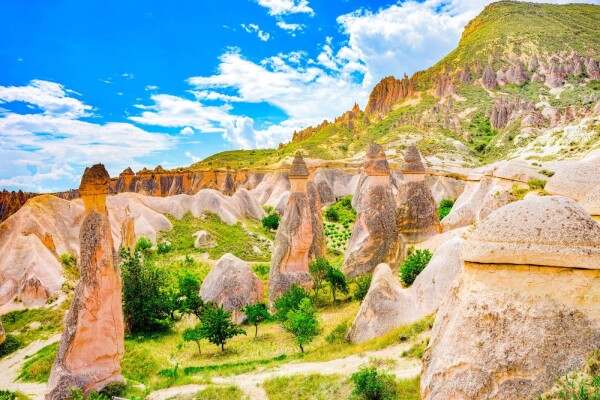
Special attention is drawn to areas such as Cappadocia with its "fairy chimneys", the plateau around Lake Tuz and the historic centers of Konya and Kayseri, where ancient and Ottoman traditions intertwine.
Central Anatolia on the map
Fascinating cities for travel, tours, and sightseeing

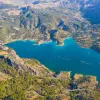
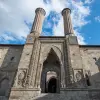
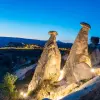
Nature, culture and travel routes in Central Anatolia
Plateau of history and natural beauty
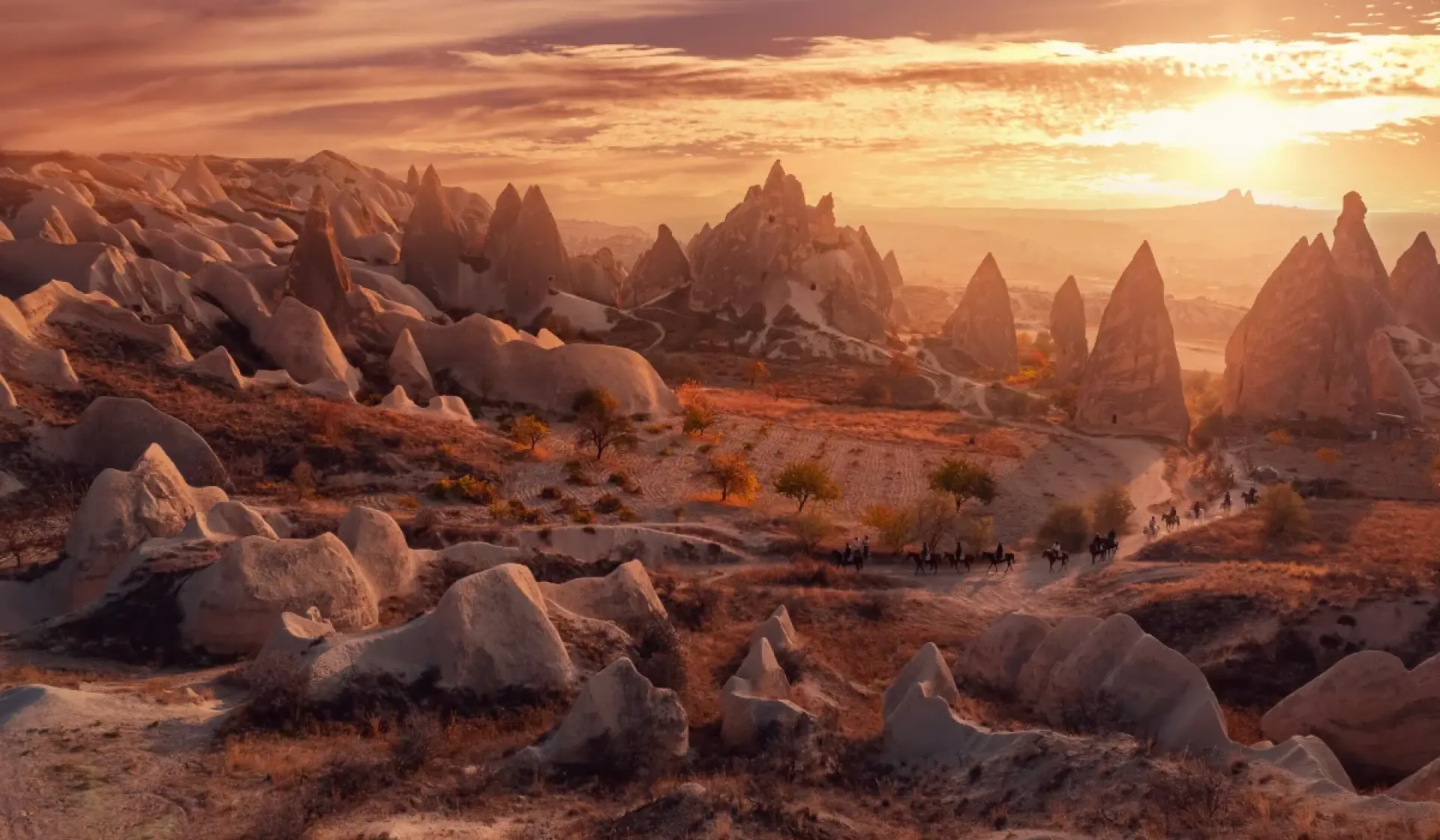
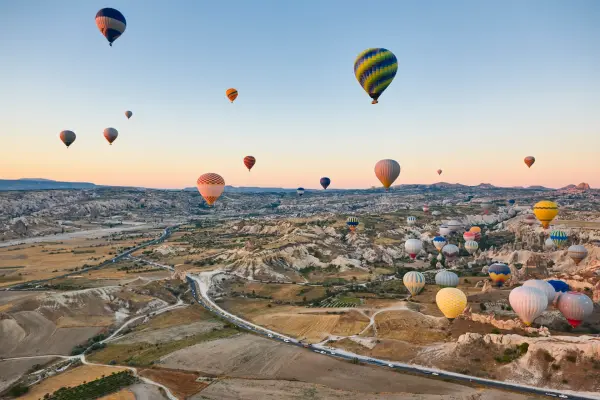
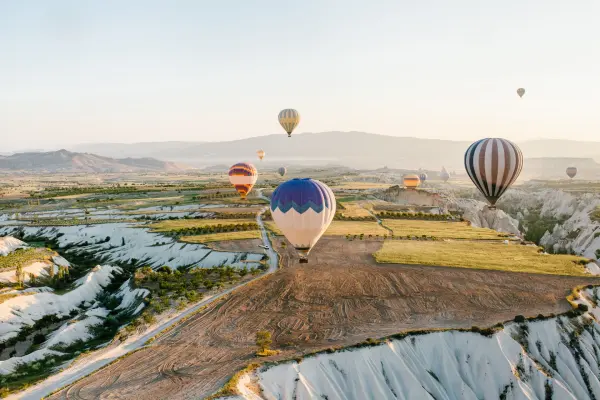
Central Anatolia and its most famous attraction — Cappadocia
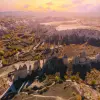
Cappadocia, which includes national parks and unique volcanic landforms, is the heart of the region's tourist appeal: here are the open-air museums in Göreme and numerous trails among the "fantastic stone sculptures".
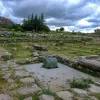
Among the sites of world significance and historical monuments are the Göreme Open-Air Museum, the underground cities of Derinkuyu and Kaymaklı, as well as the Hittite center Hattusa (Boğazköy) in Çorum Province. National parks and protected areas offer routes for hiking, rock climbing and birdwatching.
The cultural life of the region is rich: the Mevlana festival is held annually in Konya, featuring Sufi music and ceremonies in dervish robes; in Cappadocia art and music forums are organized, such as the Cappadox festival. In Ankara visitors can explore museums of history and archaeology, including the Museum of Anatolian Civilizations and the Atatürk Memorial — Anıtkabir.
The local cuisine is hearty and authentic: here you should try Kayseri manti, Konya etli ekmek and lamb dishes cooked in clay pots, as well as a variety of baked goods and local honey. Traditions of hospitality and craft workshops preserve folk crafts and ceramics.
The region is easily accessible by land and air: the international hub is Ankara Airport, and regular flights and buses to Kayseri and Nevşehir provide convenient starting points for exploring the sights.
Major international airports – full list
Popular Locations of the Region
Fascinating places for excursions and travel
Best tours and travel experiences across the continent


Landscapes and cities
Guided tours, popular attractions, and top-rated hotels across the continent


