Nukus Uzbekistan travel guide Savitsky Museum
Nukus, Uzbekistan
Nukus is the regional capital of the Republic of Karakalpakstan in Uzbekistan. It stands inland in northwestern Uzbekistan, on flat terrain near the lower Amu Darya delta. Close to a river setting and the former Aral Sea region, the city has a desert-edge backdrop.
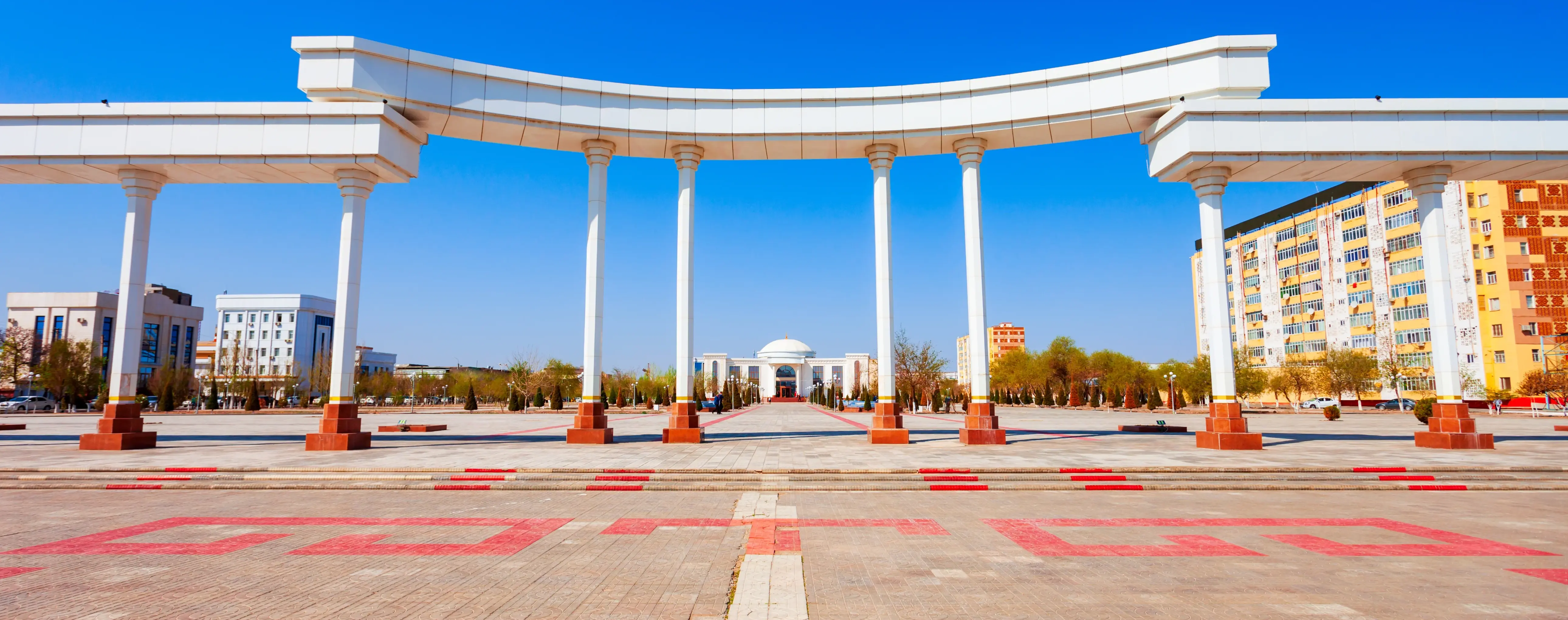
What defines Nukus is less an older monumental urban fabric than its Soviet-planned form and its present-day regional role. Broad avenues, civic buildings, and cultural institutions tied to the administrative and cultural development of Karakalpakstan shape its most visible historical identity. The result is a city understood through Soviet-era planning and contemporary regional institutions rather than through a landmark-by-landmark historic core.
Nukus brings together regional culture, museums, and practical access to wider expedition routes across Karakalpakstan. A stay here can focus on art, local identity, walks through a planned civic cityscape, and using the city as a base for archaeological travel and journeys into the former Aral Sea region. It suits culture-led trips or a travel guide itinerary centered on museums and overland excursions rather than resort leisure.
Most visitor activity is concentrated in the city center, the museum quarter, and the bazaar area. These parts of the city give access to the principal museums, cultural institutions, and everyday commercial life. For many travelers arriving from Tashkent, Nukus Airport is the fastest practical route in, while rail and road connections are also available, though overland journeys are long because of the city's remote position in Uzbekistan.
Nukus has a dry continental climate, with very hot summers and cold winters. Spring and autumn are generally the most comfortable seasons for museum visits and regional excursions. Peak summer heat and midwinter cold spells are the least favorable times to plan a trip.
Nukus on the map
Nukus: Attractions, interesting places for excursions
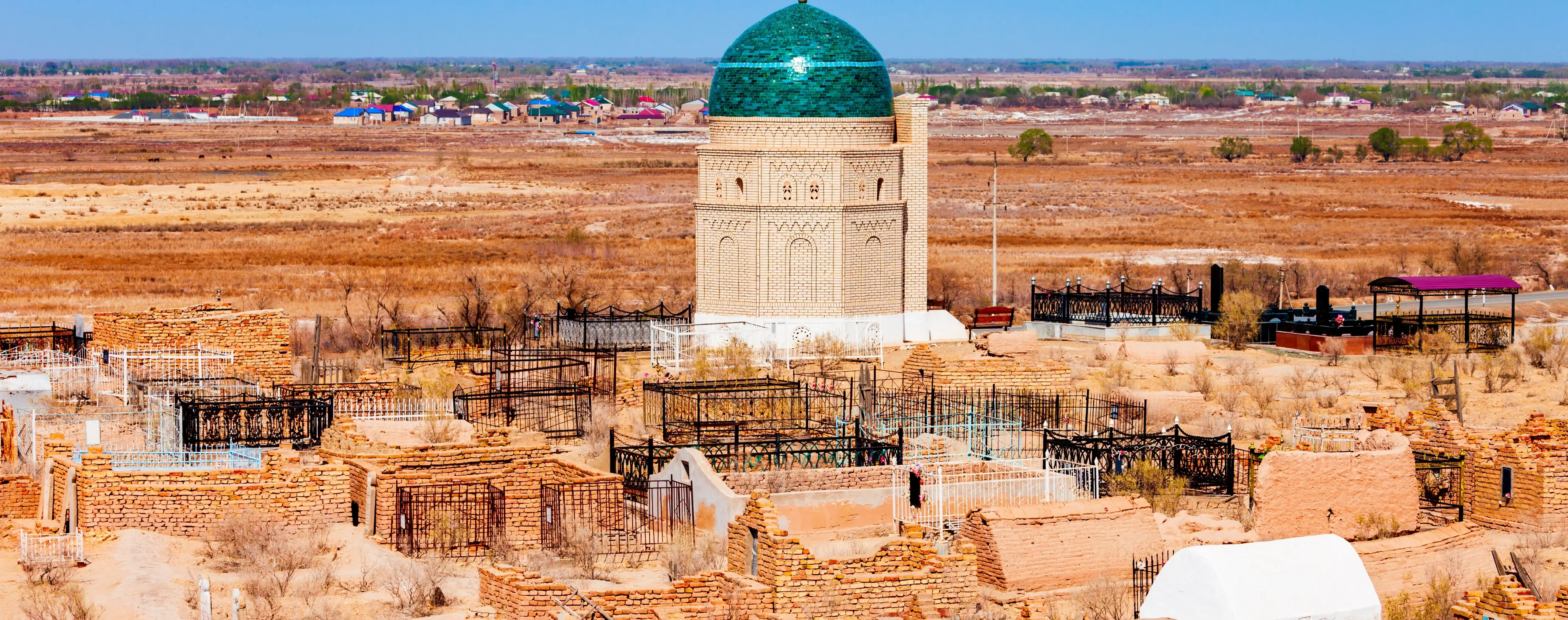
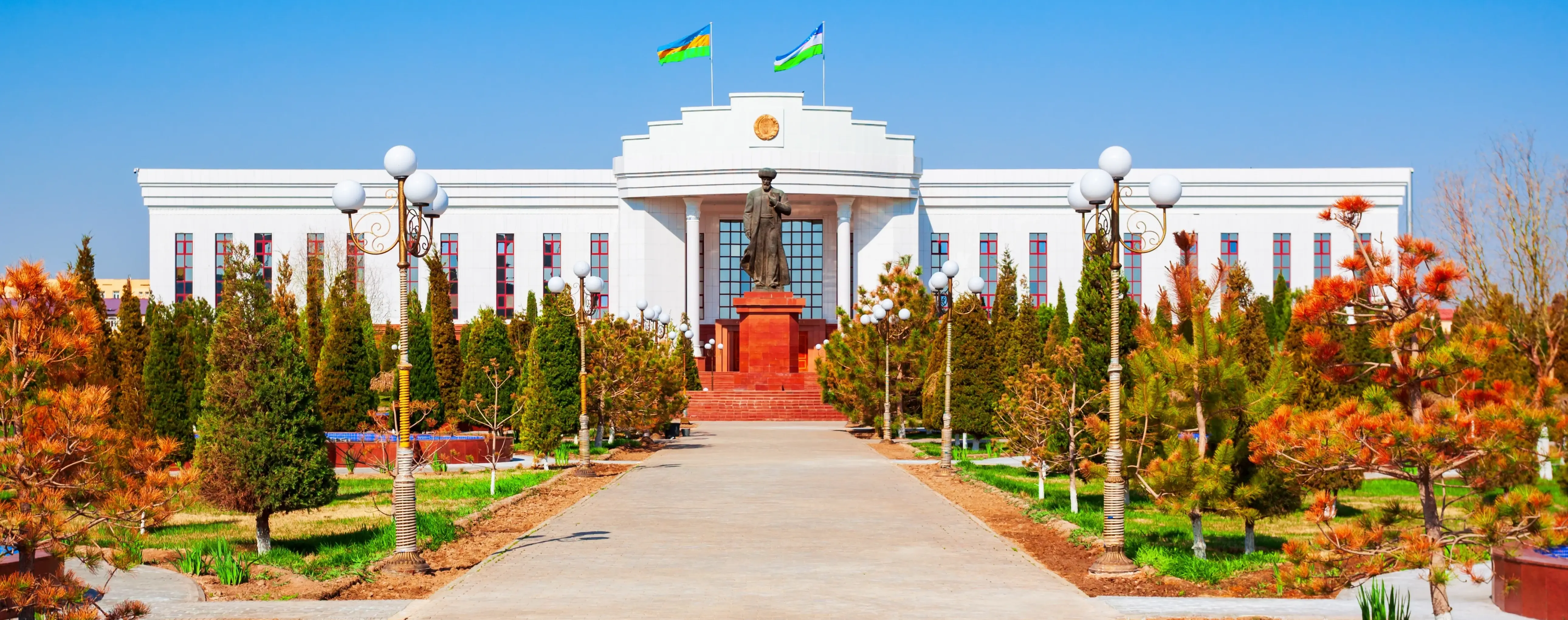
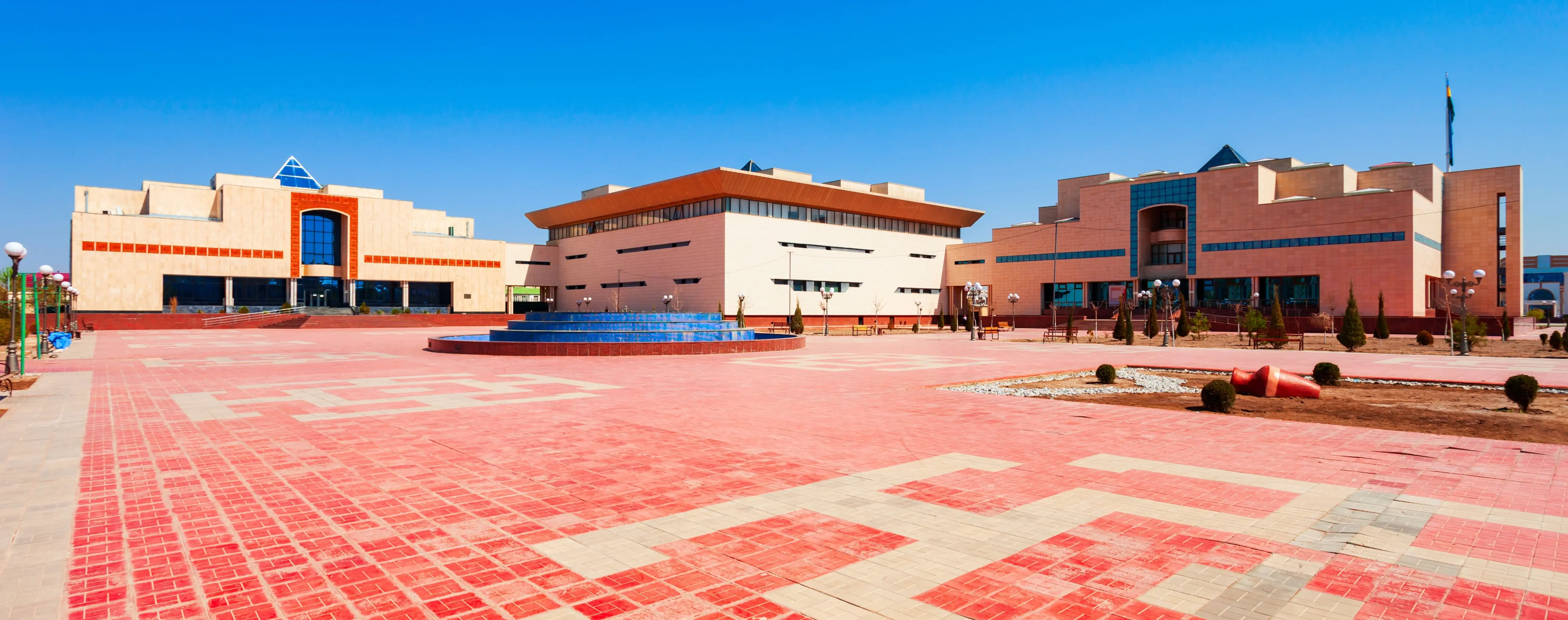
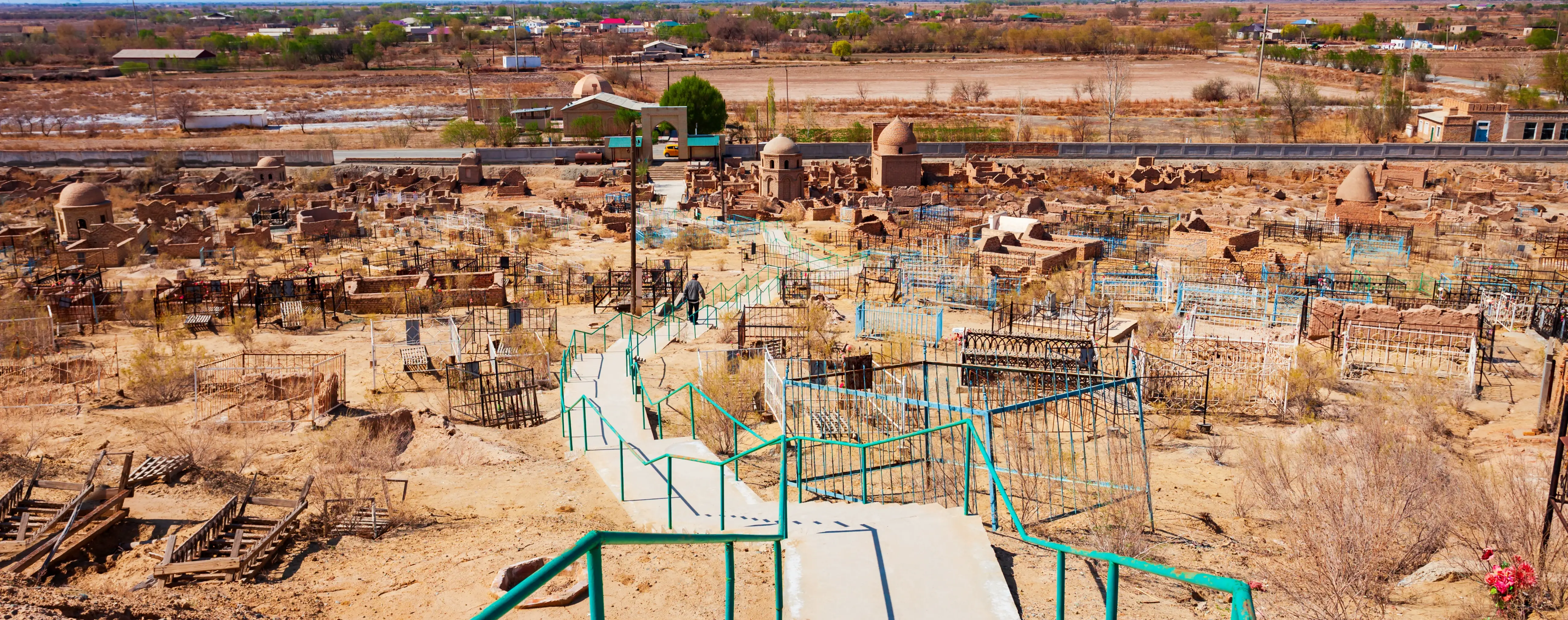
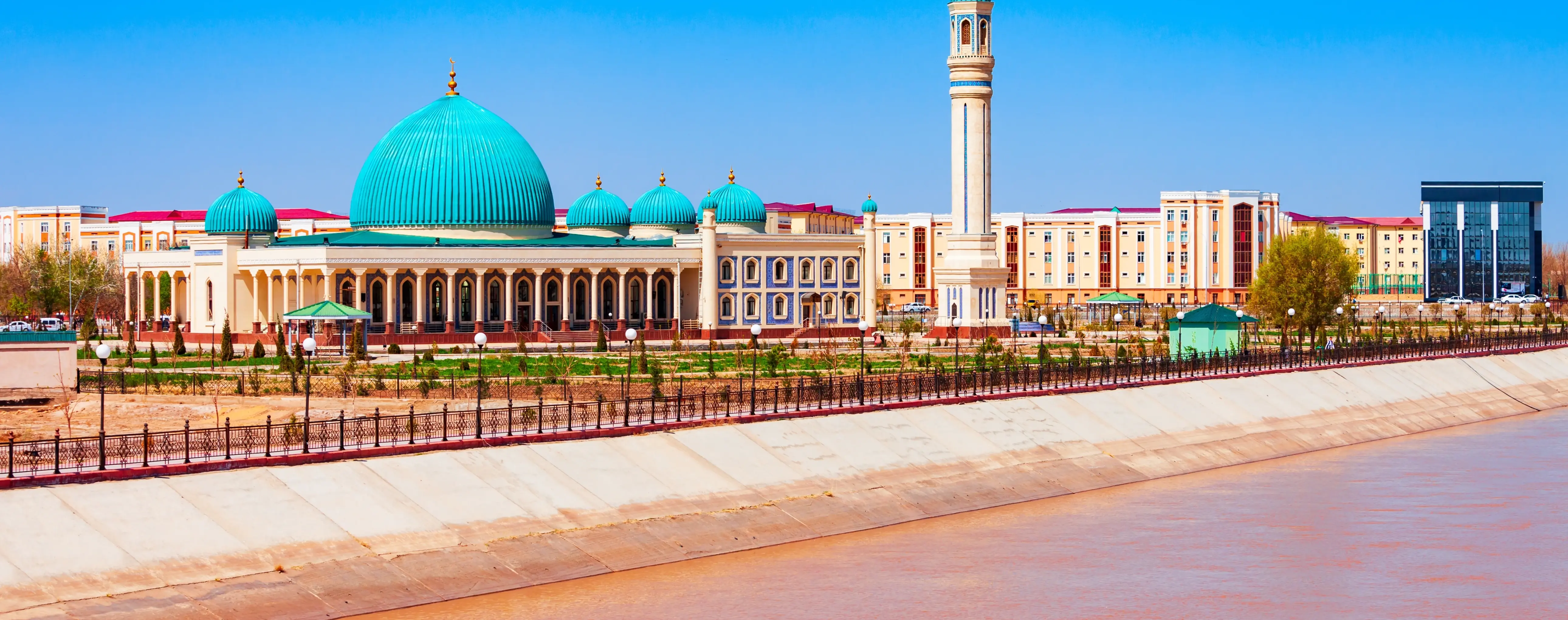
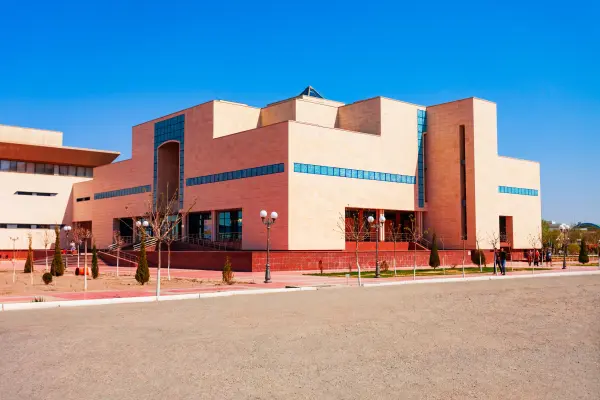
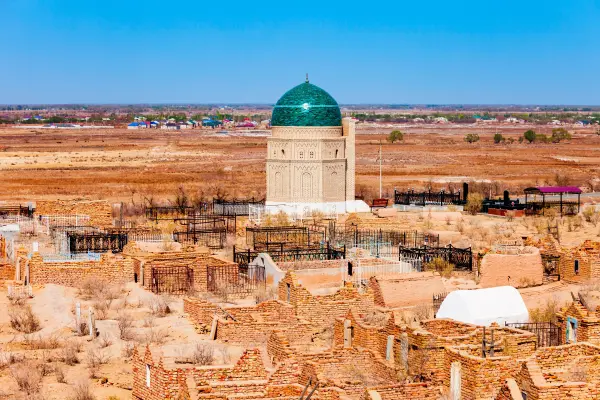
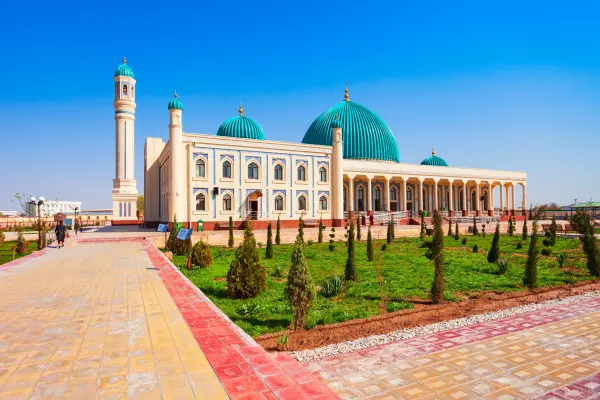
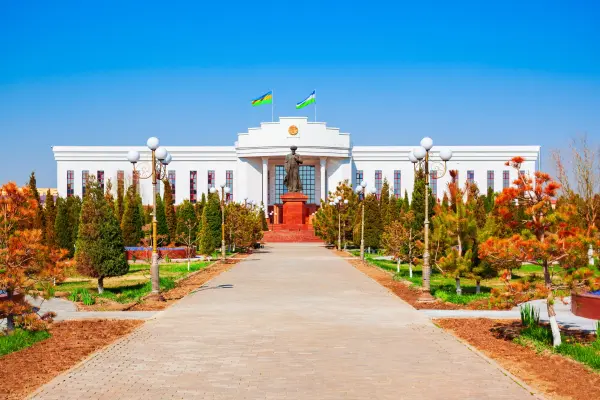
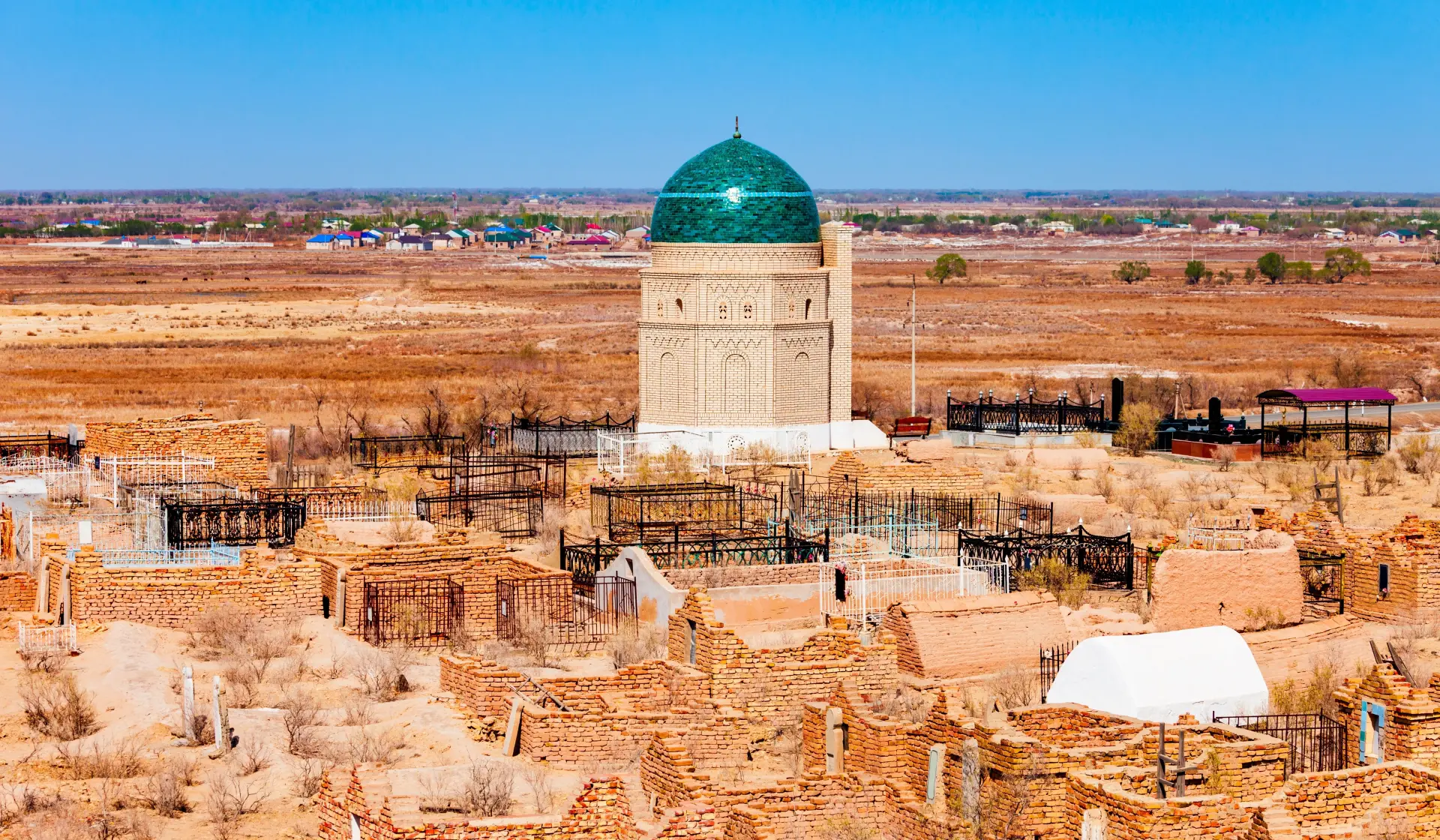
I. V. Savitsky State Museum of Arts, Mizdakhan Settlement, Muhammad Imam Ishan Mosque, Building of the Parliament of Karakalpakstan
What to see in Nukus beyond the Savitsky Museum
Broad avenues, bazaars, and museum halls by the desert-edge delta
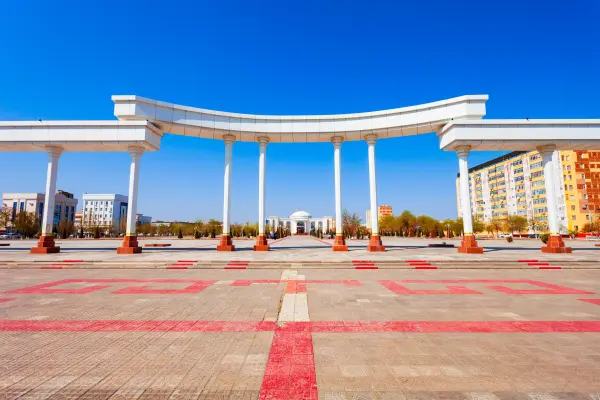
Broad avenues, museums, and Nukus landmarks
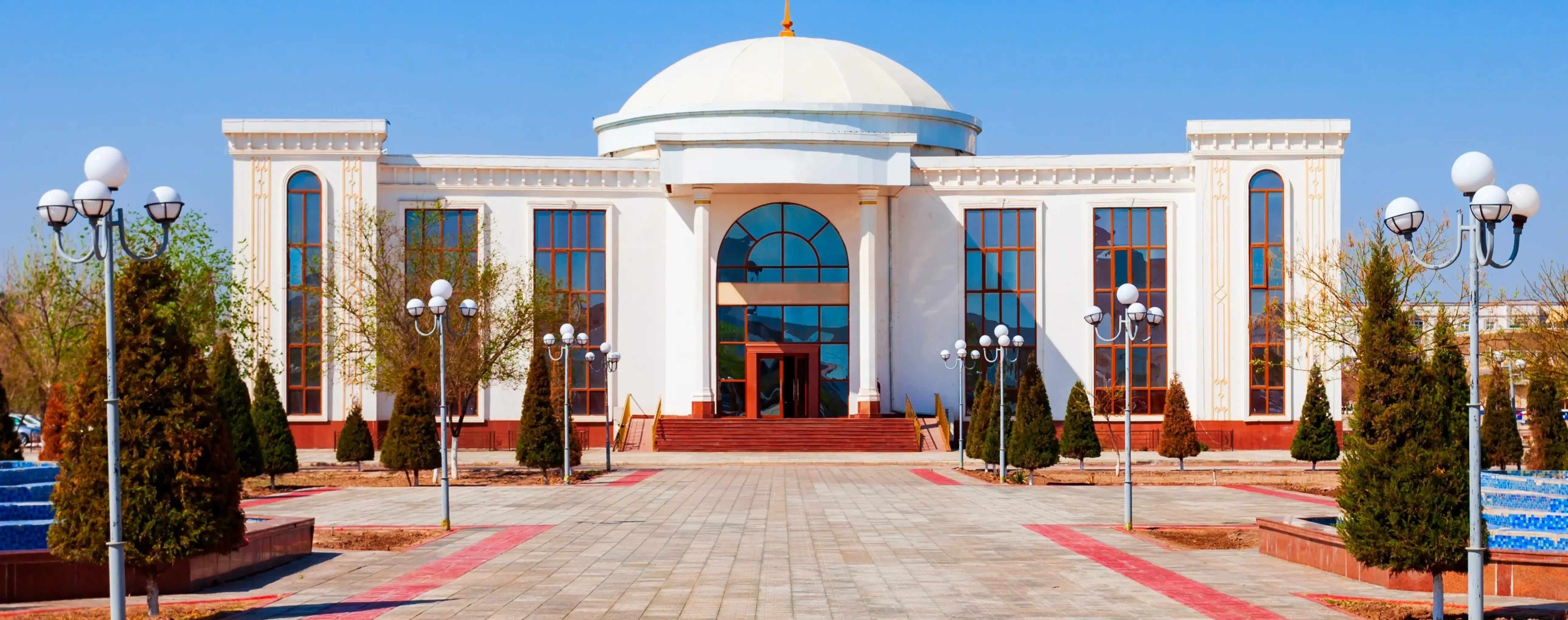
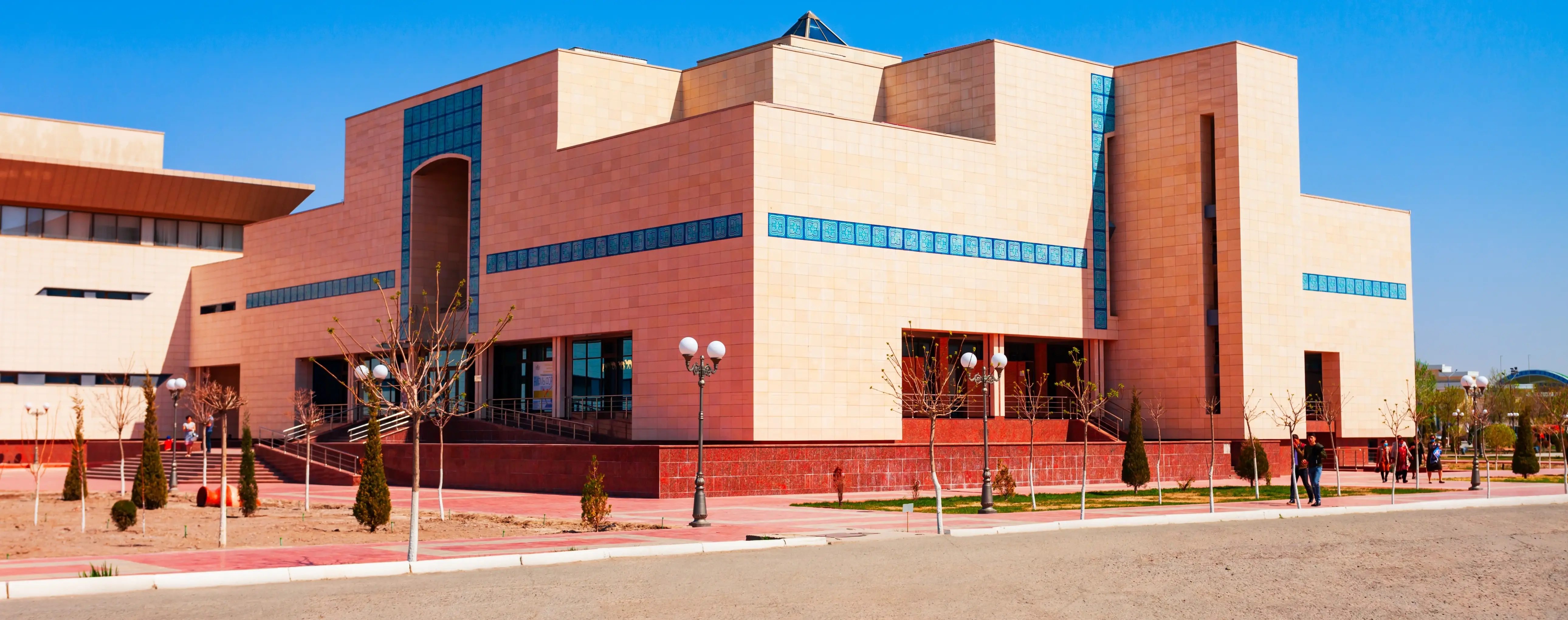
Walking through Nukus means moving through broad avenues, civic buildings, and a relatively regular Soviet-planned street layout rather than a dense historic core. The cityscape reflects Nukus's role as the administrative, educational, and cultural center of Karakalpakstan, with monuments and institutional architecture shaping much of the urban experience. Among the principal named landmarks are the State Museum of Arts of the Republic of Karakalpakstan named after I. V. Savitsky and Berdakh State Academic Musical Theater.
The Savitsky Museum is the city's best-known landmark and the clearest answer to what to see in Nukus. It is internationally recognized for its holdings of Russian avant-garde art and Karakalpak folk and applied art. The Karakalpak State Museum of Local Lore broadens the picture with material on regional history, ethnography, and the natural environment, while the city's position near the lower Amu Darya delta and the former Aral Sea region gives that museum experience a wider natural context.
Apart from museum visits, people spend time walking the central avenues, using Nukus as a starting point for excursions to ancient Khorezm fortresses such as Toprak Kala and Ayaz Kala, and continuing toward the former Aral Sea region. These are among the main things to do here, since tourism focuses on regional culture and expedition-style travel rather than nightlife. Dining is straightforward, with Uzbek and Karakalpak cuisine served in cafes and casual restaurants, including dishes such as plov.
City Details
City overview – facts & data for travelers
Major international airports – full list
Best tours and travel experiences across the continent

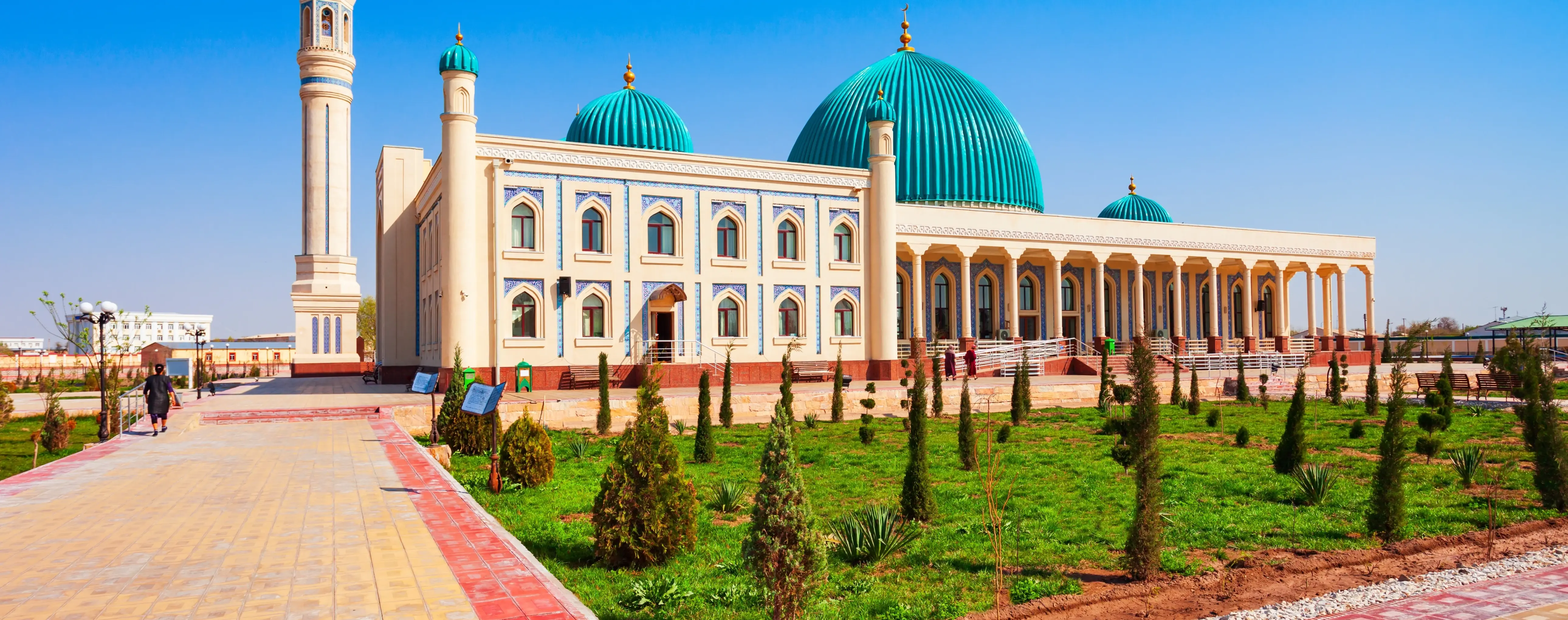
Nukus views
Guided tours, popular attractions, and top-rated hotels across the continent