Afrasiab Travel Guide, Samarkand
Afrasiab, Samarkand
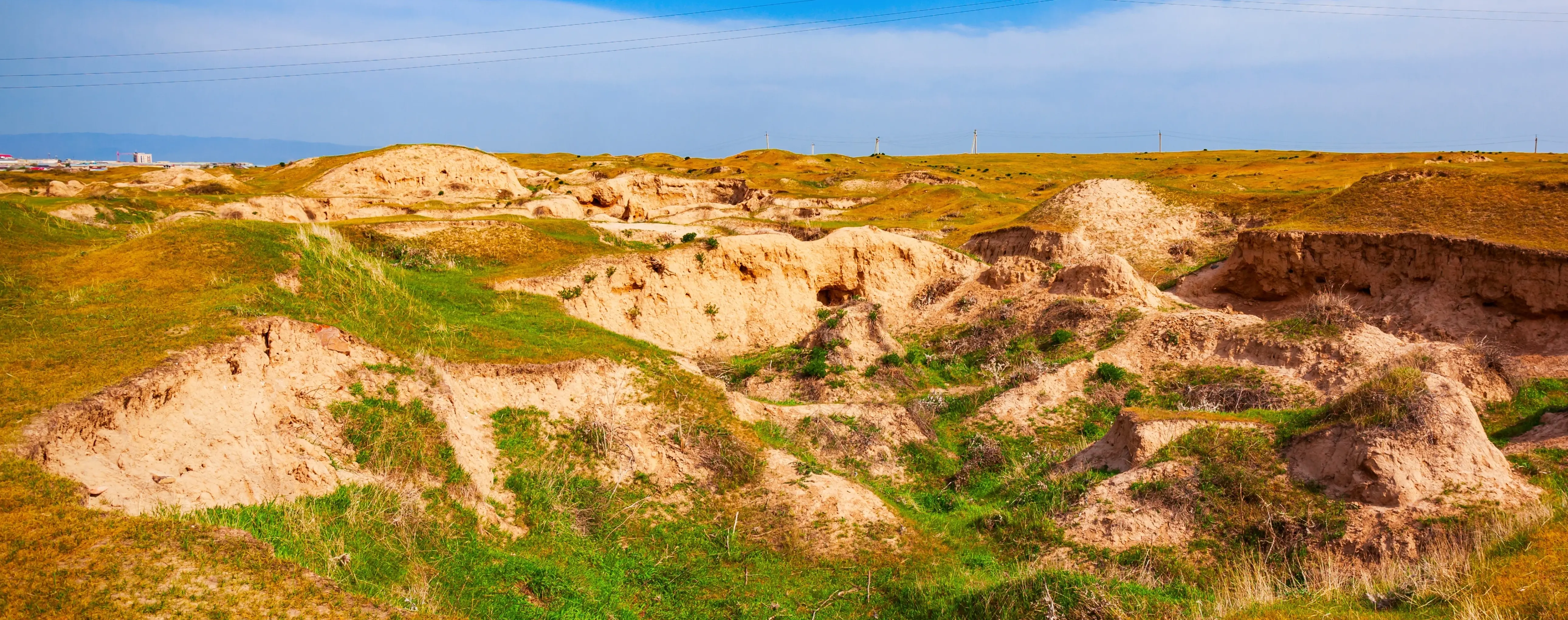
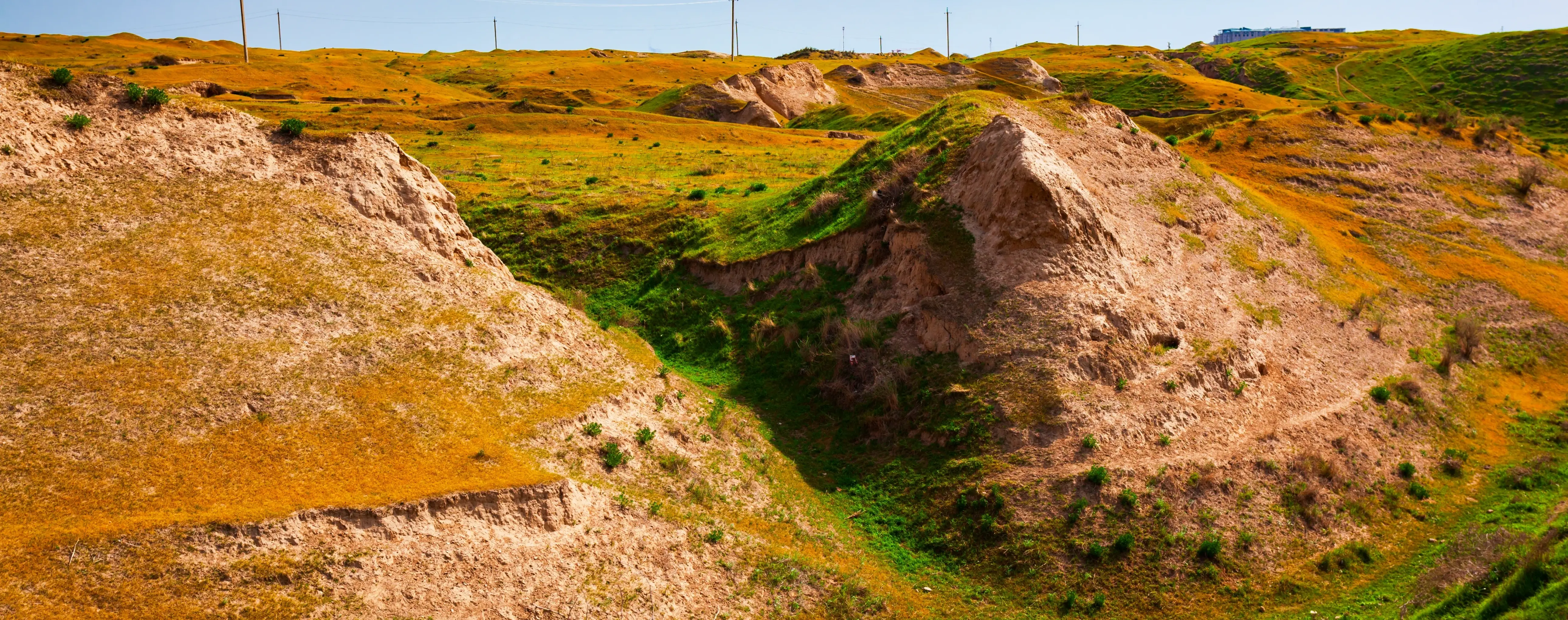
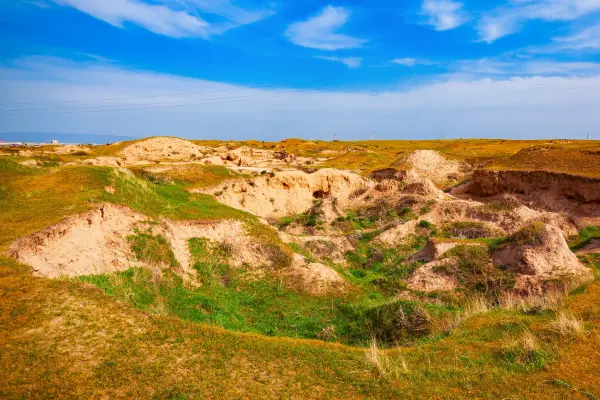
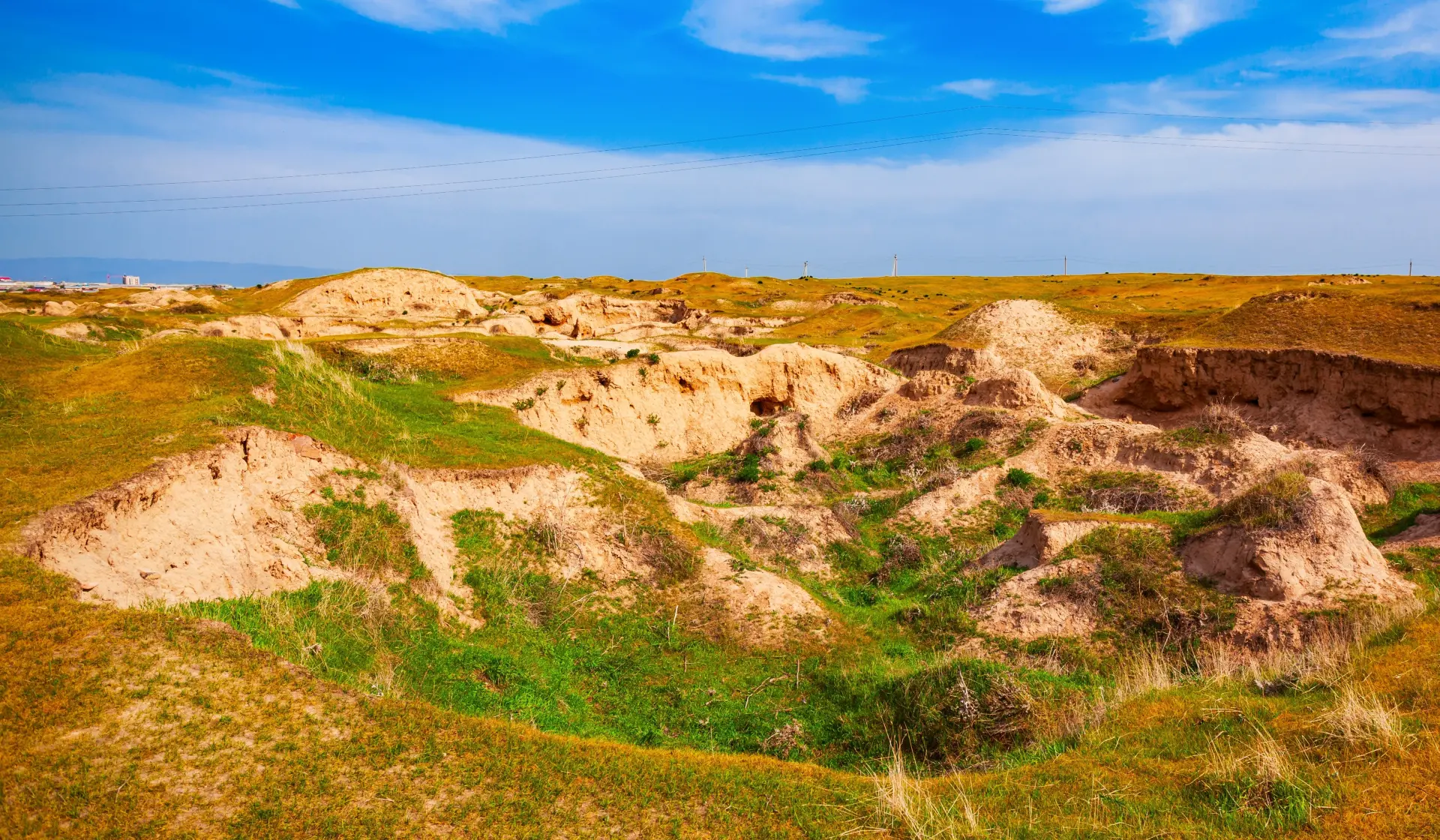
Afrasiab is a district of Samarkand in the Samarkand Region of Uzbekistan. On the northern side of the modern historic core, around 2-3 km from Registan Square, it occupies a hilly archaeological zone near several major old-city monuments. Rather than a conventional street district, the area is defined by earthen mounds and open excavation grounds.
Afrasiab is best known as the archaeological site of ancient Samarkand and is closely tied to the pre-Mongol city that stood here before the Mongol destruction of the 13th century. Many visitors come for the Afrasiab Museum of Samarkand, the main place to understand the site and especially noted for the Afrasiab wall paintings. The area is also often visited together with nearby Shah-i-Zinda, Hazrat Khizr Mosque, and Bibi-Khanym Mosque, making it an important stop on a broader Samarkand trip focused on history and culture.
Walking is the most practical way to experience the site itself. Visitors usually arrive by taxi, ride-hailing where available, or city transport serving the wider old-city area, often coming from central Samarkand or nearby hotels. Taxis are useful for reaching Afrasiab from other parts of the city, while getting around within the area is generally done on foot and often combined with visits to nearby monuments.
Afrasiab on the map
Afrasiab: Attractions, interesting places for excursions
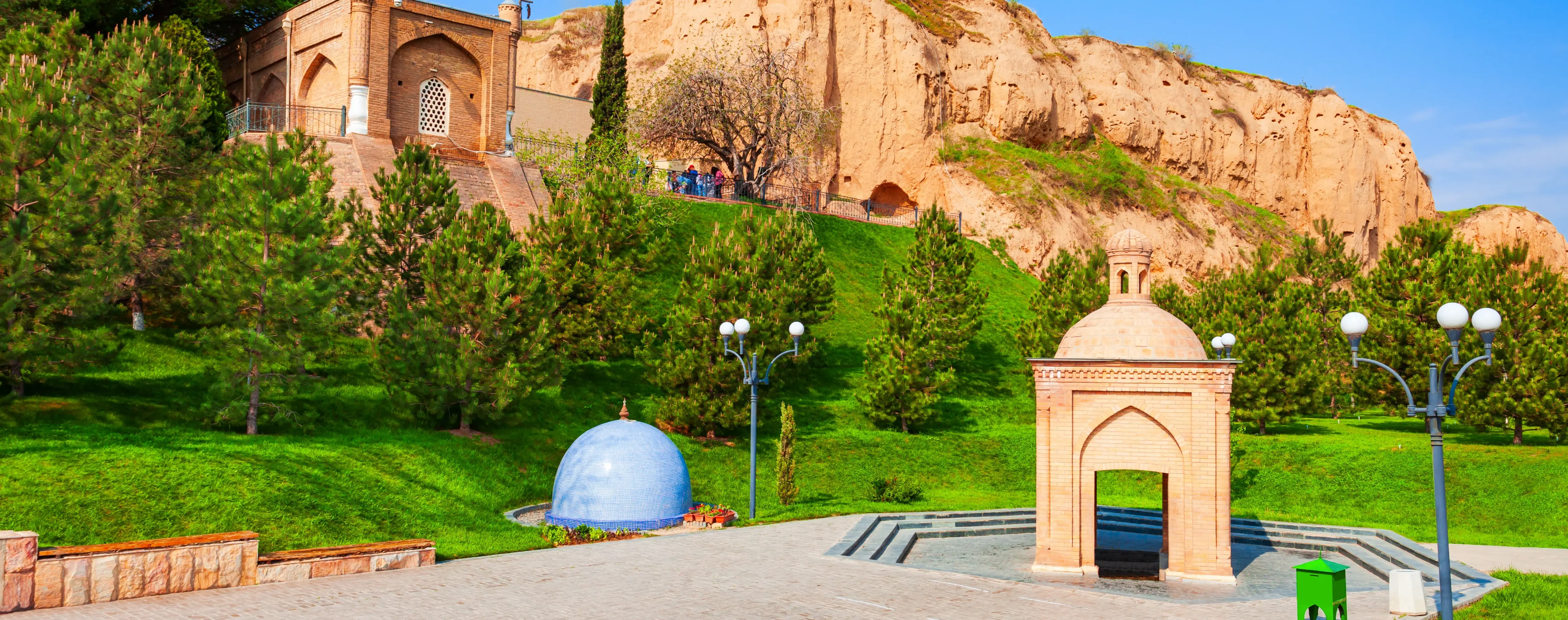
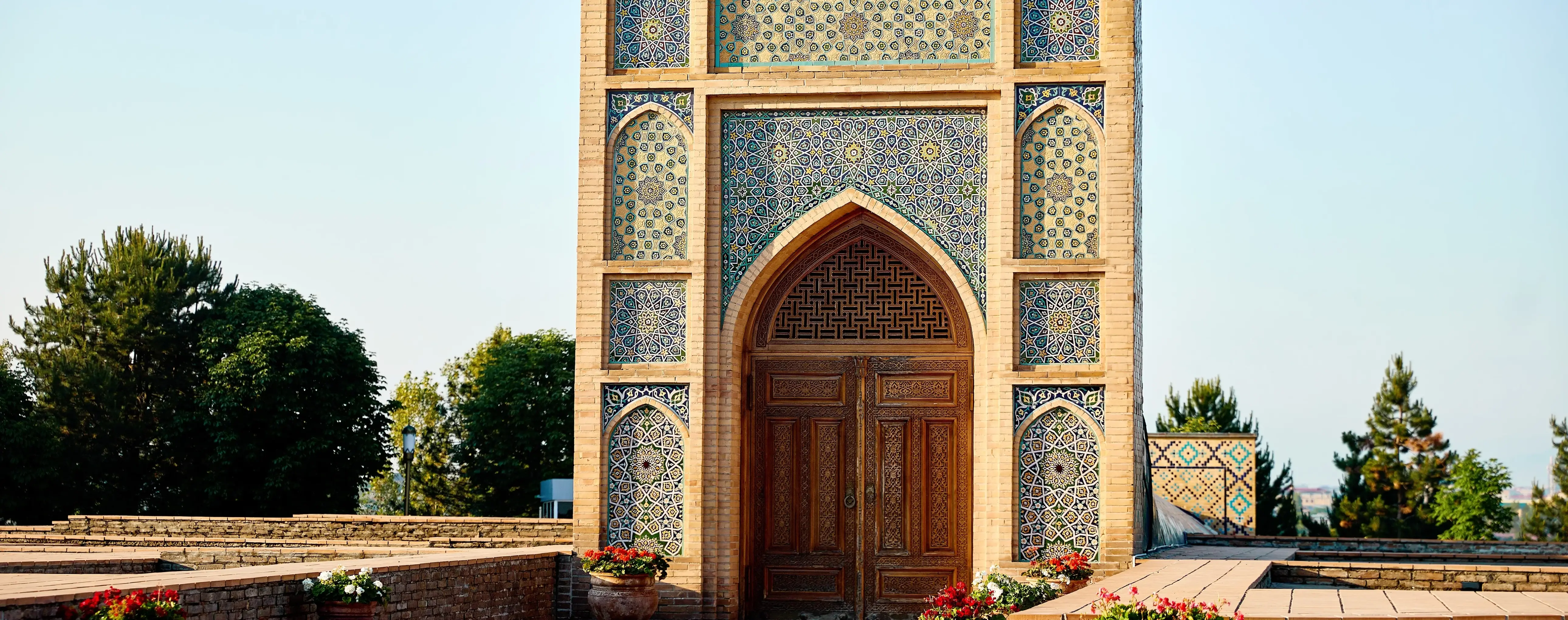
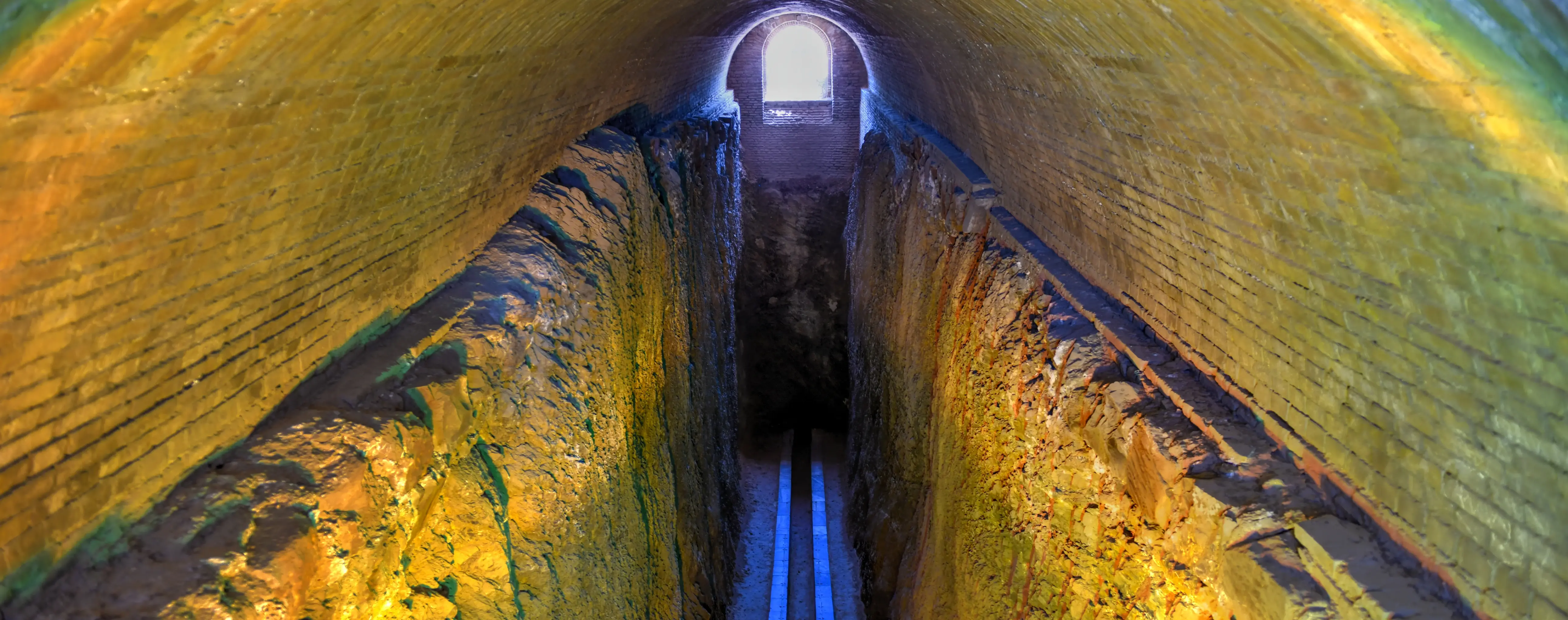
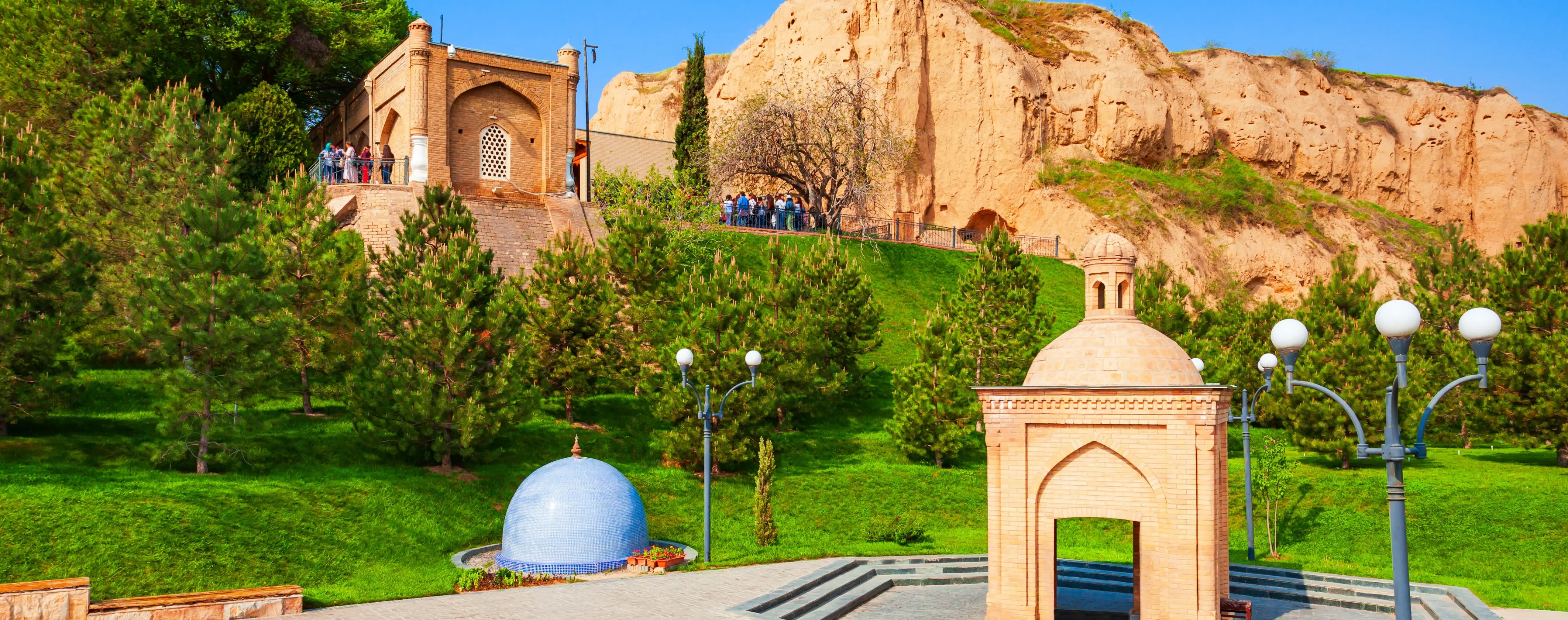
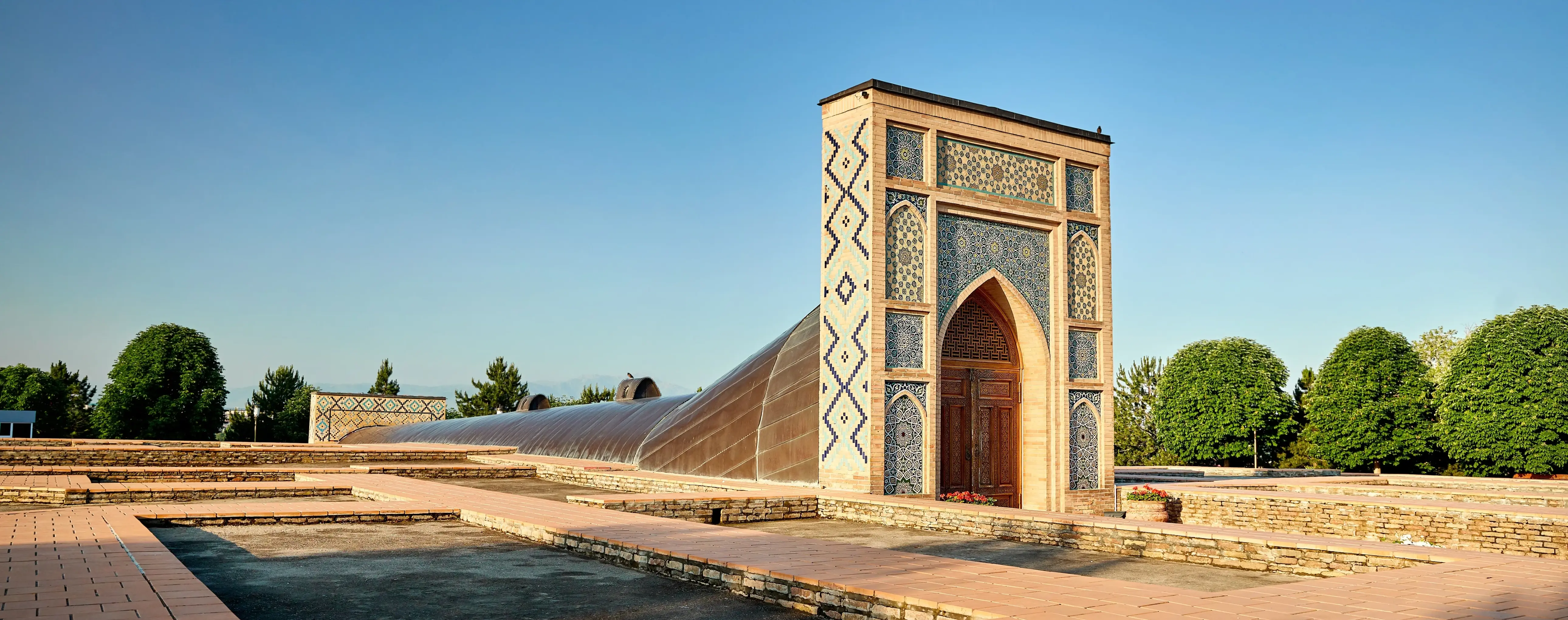
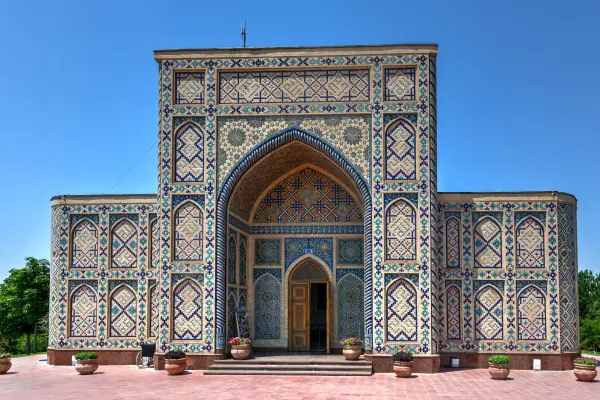
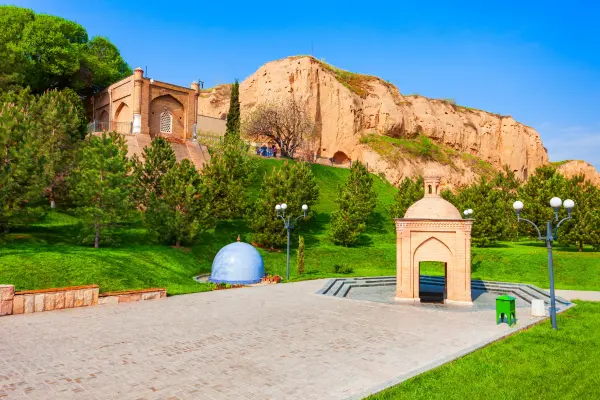
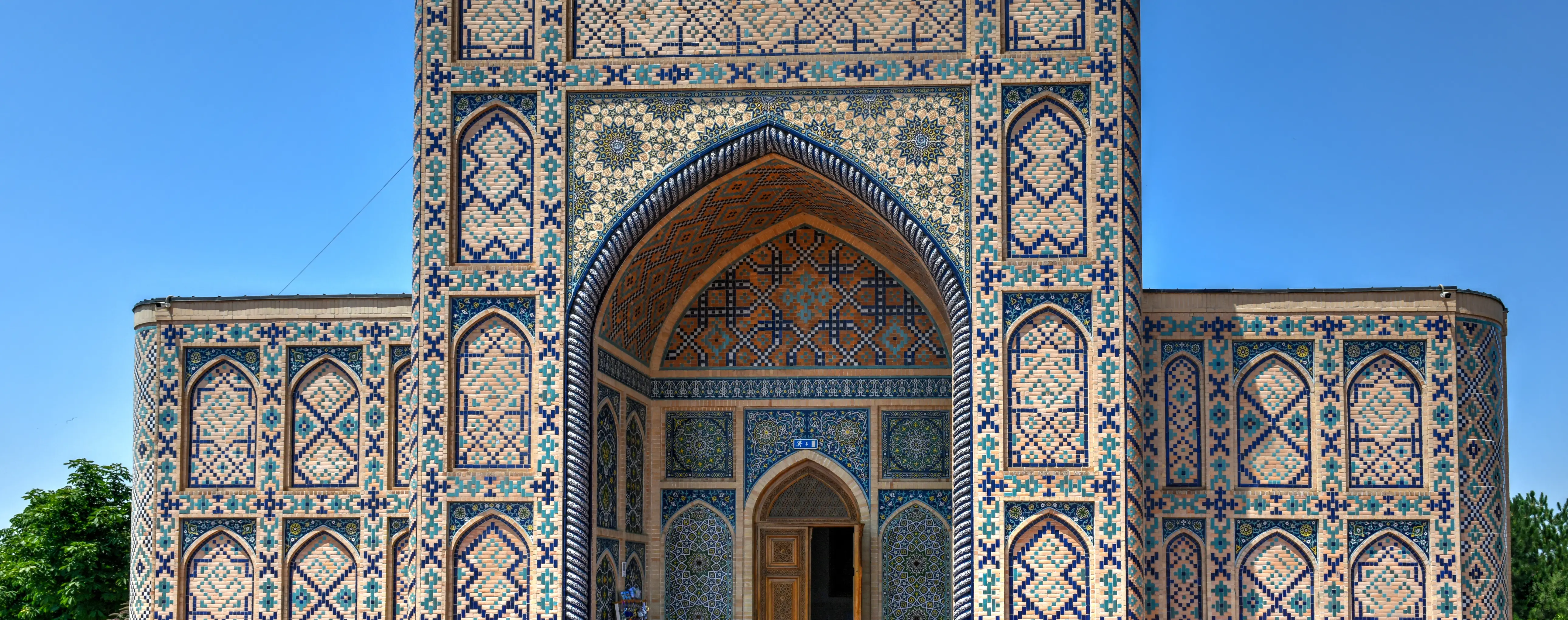
Ulugh Beg Observatory, Museum of the Ancient City of Afrasiab, Ulugh Beg Memorial Museum, Sardoba of the Khoja Daniyar Mausoleum
Afrasiab attractions and what to see
Archaeological mounds, museum frescoes, and quiet paths above the old city
Main places to visit in Afrasiab
The main attractions in Afrasiab are the Afrasiab Archaeological Site and the Afrasiab Museum of Samarkand. The museum is the area's main visitor facility and is especially known for displaying the Afrasiab wall paintings discovered here. Nearby Shah-i-Zinda, Hazrat Khizr Mosque, and Bibi-Khanym Mosque are often included on the same route, linking archaeology with several of Samarkand's major sights.
The layout is open and irregular, with archaeological mounds, excavated areas, and a museum complex rather than a dense urban street pattern. Walking is the best way to explore, although the exposed terrain and hilly ground make the visit more practical than leisurely. The atmosphere is generally quiet, spacious, and scholarly, and the area tends to feel less crowded than the busiest central sightseeing zones.
Visitors come mainly for archaeology, museum interpretation, photography, and historical context rather than shopping or nightlife. There are fewer cafes and tourist services here than around the main monument squares, so many people eat elsewhere in central Samarkand or near other old-city monuments. Shopping is limited to souvenir purchases connected with the museum or nearby major monuments, and the area is primarily suited to daytime sightseeing rather than evening entertainment.
District overview – facts & data for travelers
Best tours and travel experiences across the continent



Afrasiab photos
Guided tours, popular attractions, and top-rated hotels across the continent