
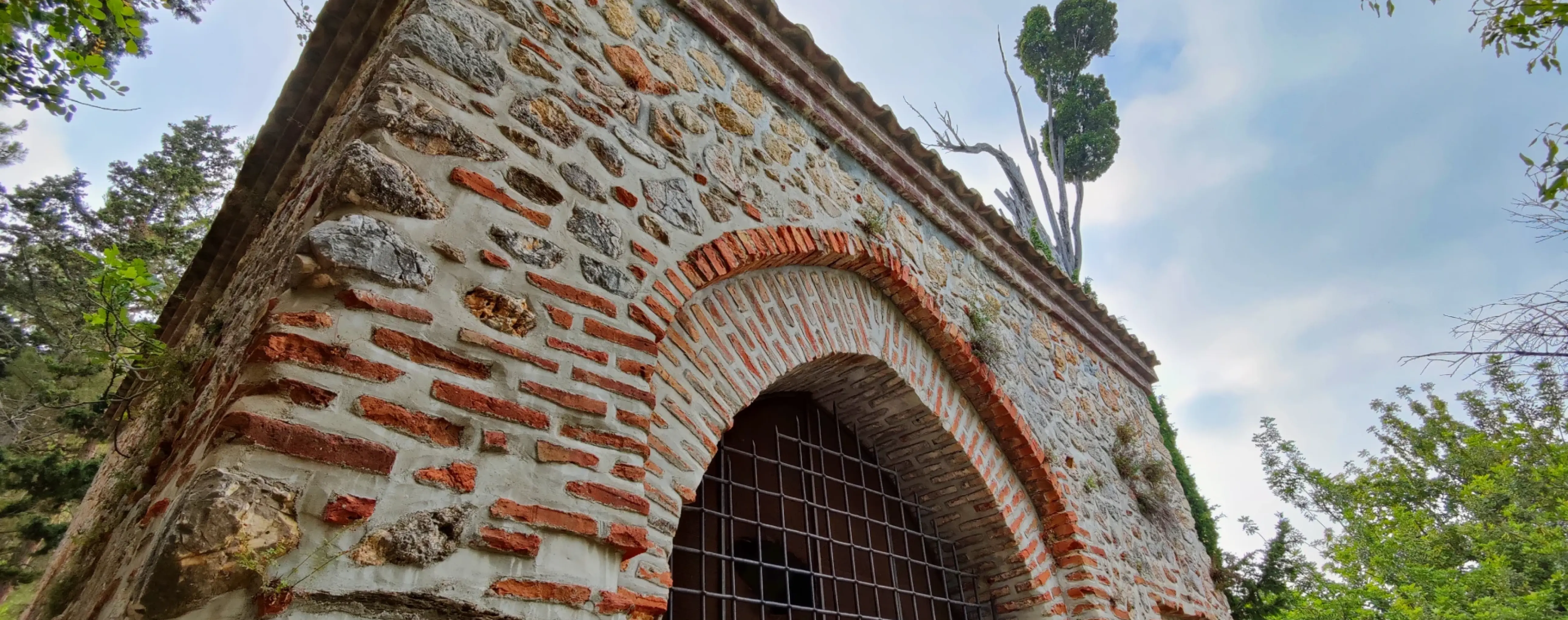
Askebe Turbesi Tomb
Askebe Turbesi Tomb in Alanya, Turkey
Askebe Turbesi Tomb is located in Alanya Castle, in the upper part of the castle hill, near the Suleymaniye Mosque. It is a small Seljuk mausoleum usually dated to the 13th century, when Alanya was an important fortified city on the Mediterranean coast. The monument is among the historic structures scattered throughout the castle grounds and associated with different stages of its development.
In terms of architecture, the turbe is a compact stone building in which brick was used in the domed section and some interior elements. The structure is almost square in plan and consists of two parts: a burial chamber and a small prayer room. This combination of tomb and place of prayer is characteristic of the Islamic architecture of medieval Anatolia.
The surviving details indicate the monument’s Seljuk origin, although its decorative design has not been fully preserved to the present day. Historians associate the construction of the turbe with the reign of Sultan Alaaddin Keykubad I, when extensive building work was carried out in the fortress. Askebe is believed to have been a person of high status, probably connected with the garrison or the fortress administration.
For tourists, this place is primarily interesting in the context of a walk through Alanya Castle. The turbe helps to better imagine what medieval buildings inside the fortifications looked like and complements a visit to the mosque, walls, towers, and other historic sites within the castle complex.
Askebe Turbesi Tomb on the map
Askebe Turbesi Tomb and the upper fortress of Alanya
The monument helps reveal the medieval history of the fortress.
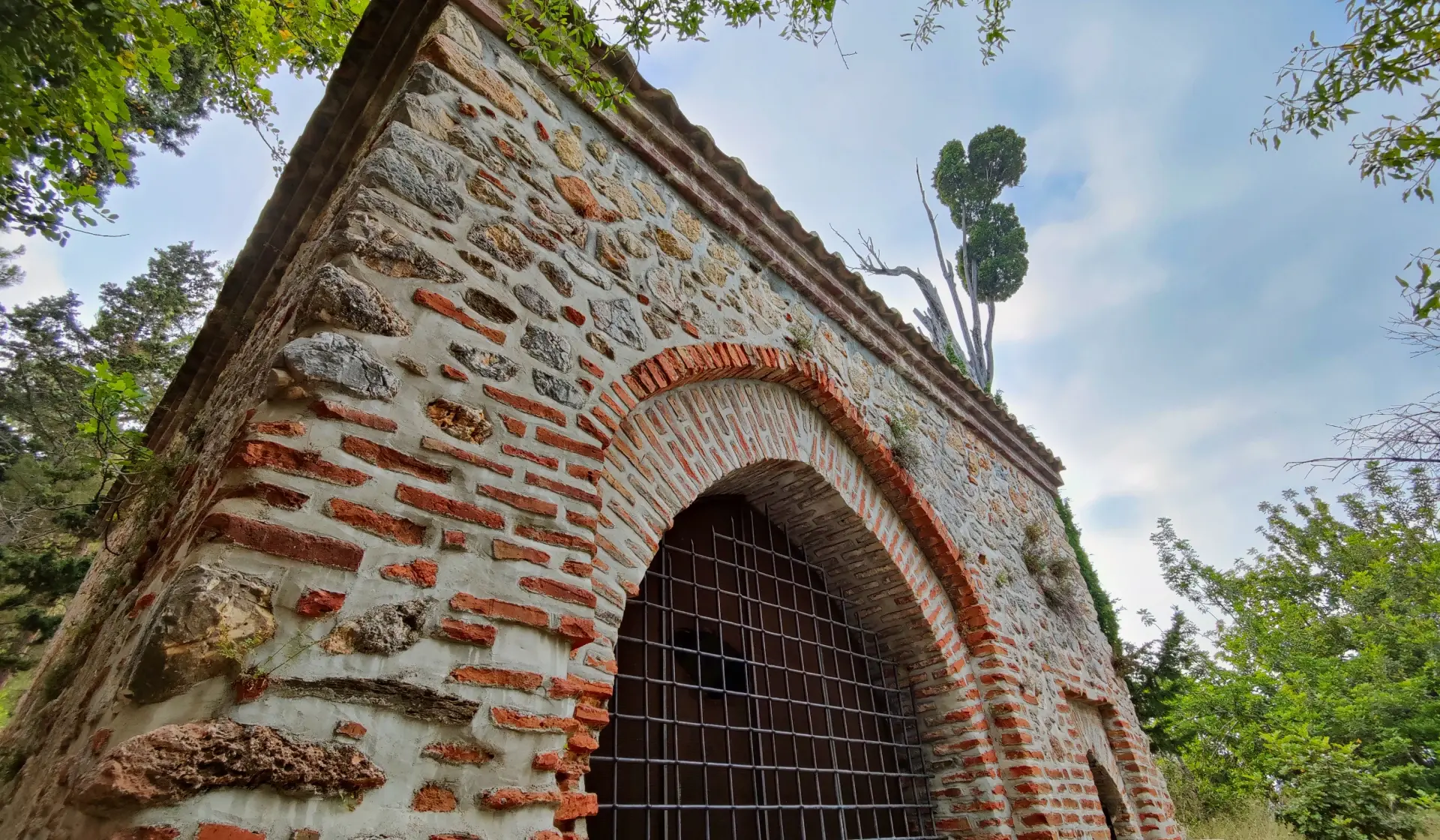
A small Seljuk mausoleum next to the Suleymaniye Mosque
During a visit, you can see a modestly sized yet characteristic structure of its era, with massive stone walls and a domed construction. Inside, the layout itself draws attention: the tomb is combined with a small prayer room, which distinguishes this monument from simpler standalone burials. It is best understood as part of the castle’s overall historical setting rather than as a separate museum object.
The turbe is especially interesting for those who pay attention to details of medieval architecture. The combination of stone masonry and brick elements, typical of Anatolian Seljuk-period construction, is clearly visible here. Nearby, traces of other old burials have survived, and only the lower part of the former brick minaret in the vicinity remains.
People usually come here during a walking tour of Alanya Castle from the center of Alanya, climbing to the upper part of the hill. Nearby are the Suleymaniye Mosque, sections of the fortress walls, and viewpoints overlooking the city and the coast, so a visit to the mausoleum can easily be combined with seeing other monuments inside the castle.
It is worth keeping in mind that this is a small historical site without a long separate sightseeing route. Most often, it is viewed from the outside and included in a walk around the upper fortress, where the overall historical context is more important than a large amount of preserved decoration or interiors.
Best tours and travel experiences across the continent




Photos of the turbe
Guided tours, popular attractions, and top-rated hotels across the continent


