
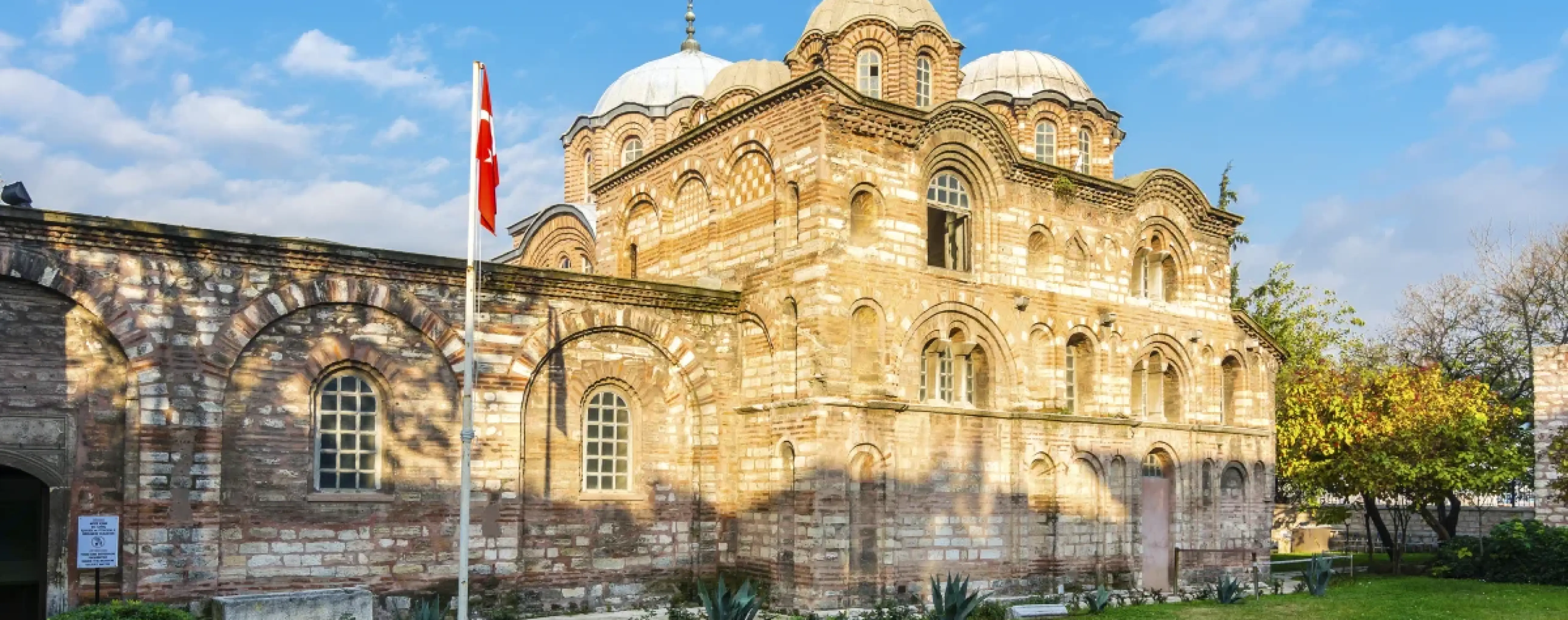
Church of St. Mary Pammakaristos
Church of St. Mary Pammakaristos, Fatih, Istanbul, Turkey
The Church of St. Mary Pammakaristos is located in Istanbul's Fatih district, on a hill not far from the shore of the Golden Horn. It is one of the notable monuments of the late Byzantine period, offering a glimpse of how the city changed from the Byzantine capital to Ottoman Istanbul. Today, the complex is also known by its Ottoman name, Fethiye Mosque.
The main church is usually dated to the 12th century, although some parts of the structure may have been rebuilt later. After the fall of Constantinople, the church served for some time as the residence of the Ecumenical Patriarchate of Constantinople, and at the end of the 16th century it was converted into a mosque. During this conversion, the interior space of the main building was altered in accordance with Muslim tradition.
The greatest interest for visitors is the parekklesion, a side chapel where Byzantine mosaics and frescoes have been preserved. These are what make Pammakaristos an important stop for those interested in the art and history of Byzantium. In terms of artistic significance, this ensemble is often described as one of the most interesting in Istanbul after Hagia Sophia and the Chora Museum.
Today, the complex combines two functions: the main building continues to be used as a mosque, while the parekklesion is open for viewing as a museum space. This place is well suited to those who want to see a less famous but historically important monument of Istanbul and explore the Byzantine heritage more calmly, away from the busiest routes.
Church of St. Mary Pammakaristos on the map
Istanbul: Monasteries and churches
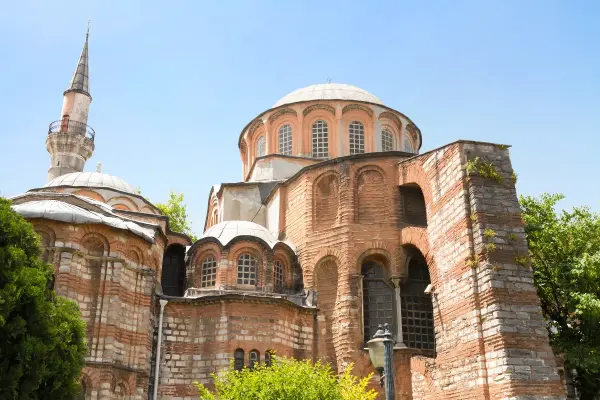
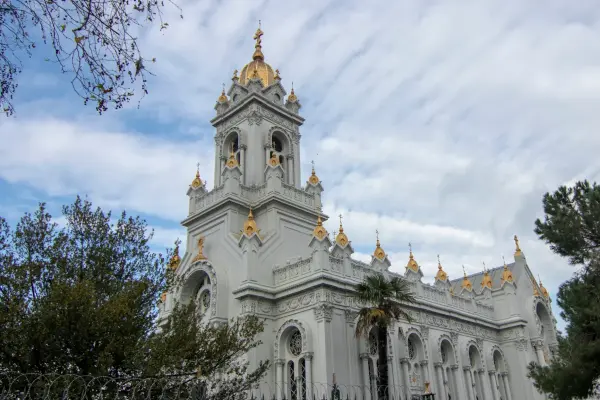
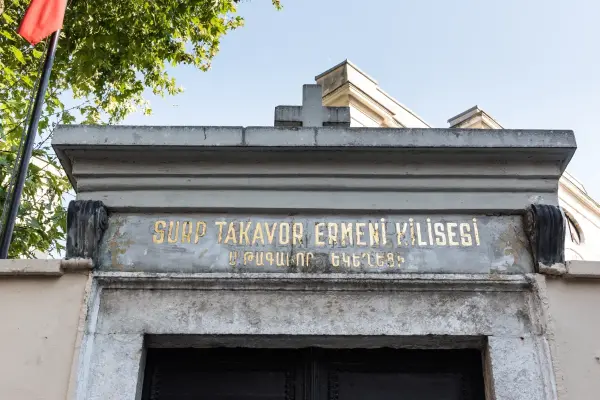
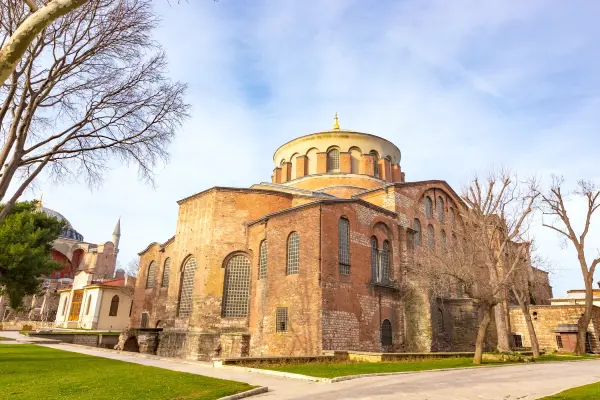
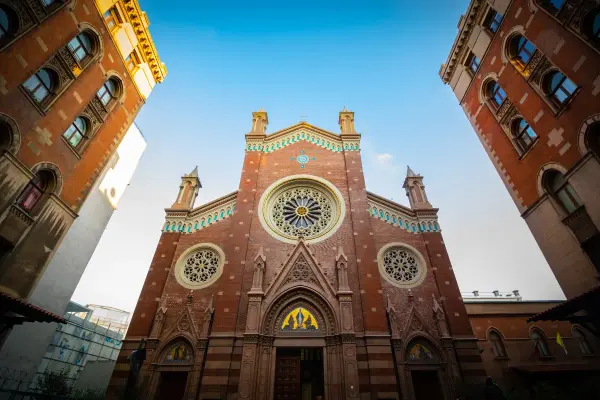
Church of Christ in Chora, St. Stephen Church, Armenian Catholic Church on Buyukada, Surb Takavor Armenian Church in Istanbul
Church of St. Mary Pammakaristos - parekklesion and museum section
A small chapel preserves frescoes and mosaics from the late Byzantine period.
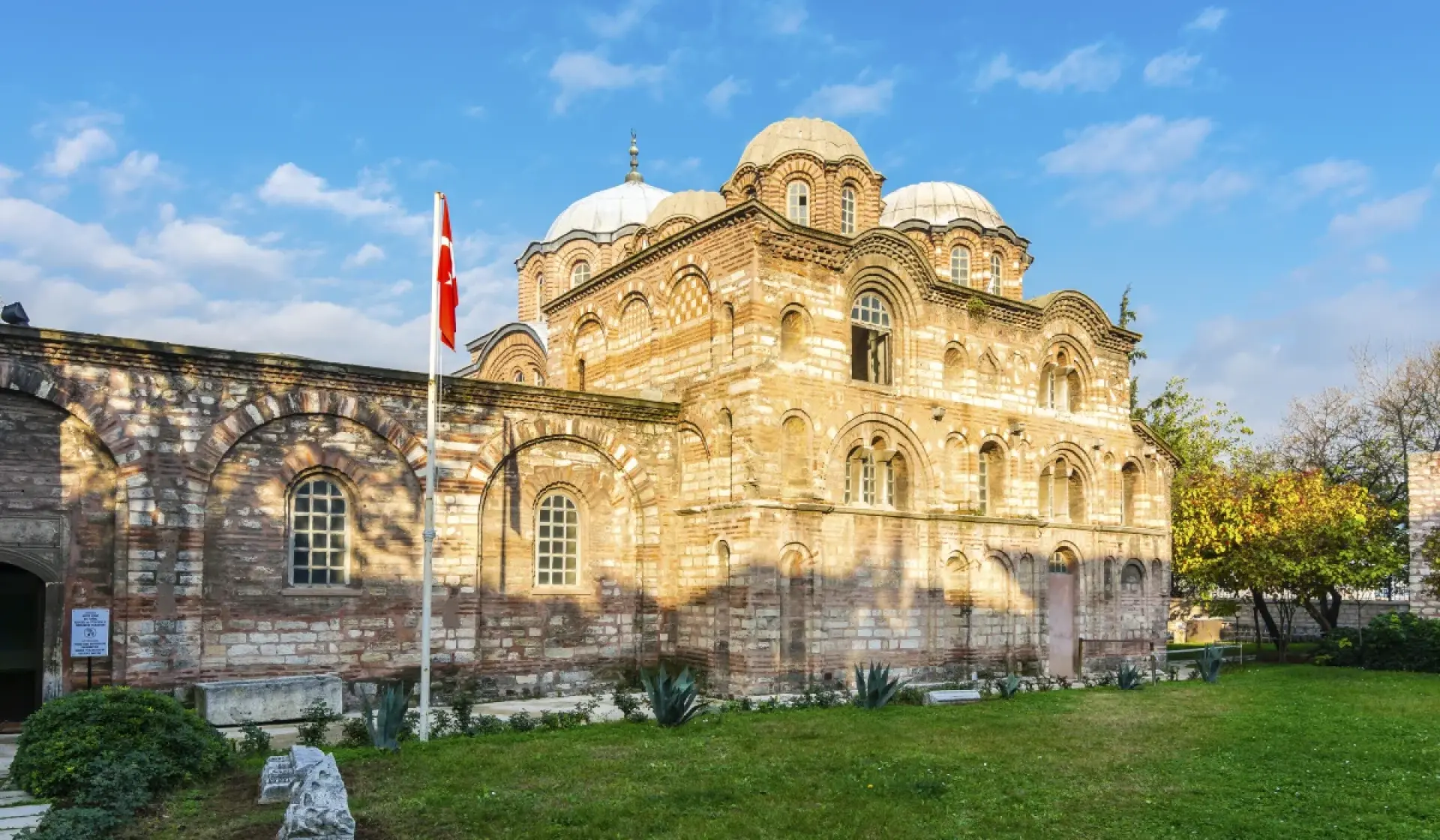
Byzantine mosaics and a chapel beside an active mosque
During a visit, attention is usually focused on the parekklesion. Here, visitors can examine mosaic compositions and fragments of wall painting preserved from the late Byzantine decoration. The small size of the chapel makes it possible to see details more closely than in large churches and to better imagine the layout of Byzantine memorial chapels.
The main building of the complex is perceived differently: its interior is already connected with the Ottoman stage of history, so a visit offers a rare opportunity to compare two cultural layers within a single monument. Before entering, it is worth bearing in mind that the active mosque may be partially inaccessible during prayer times, and visitors are expected to respect the rules for visiting religious sites.
Pammakaristos is especially interesting for those who have already seen Hagia Sophia or Chora and want to continue exploring Byzantine art in a less crowded part of the city. Nearby are the Balat and Fener quarters, where a visit to the church can be combined with a walk through the historic streets by the Golden Horn.
It is convenient to get here from central Istanbul by bus or taxi toward Fener and Carsamba, and then continue on foot through the streets of Fatih. Before visiting, it is useful to check the current access conditions for the museum section and the mosque's visiting hours in advance.
Best tours and travel experiences across the continent
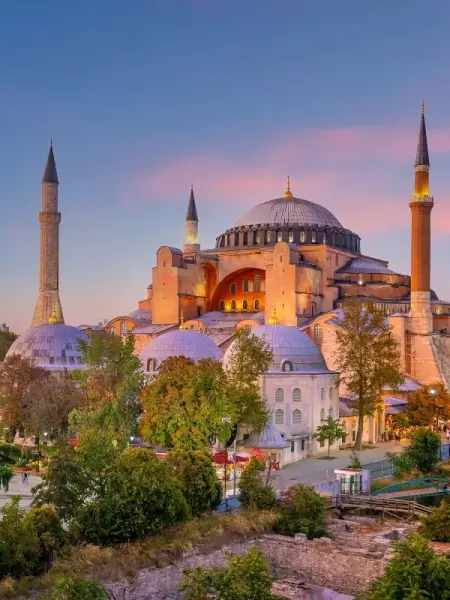
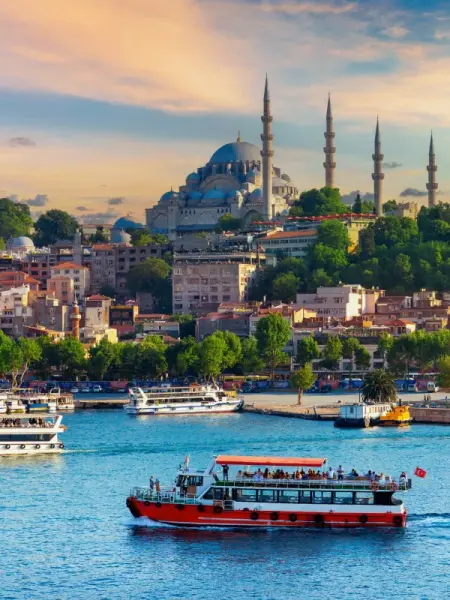
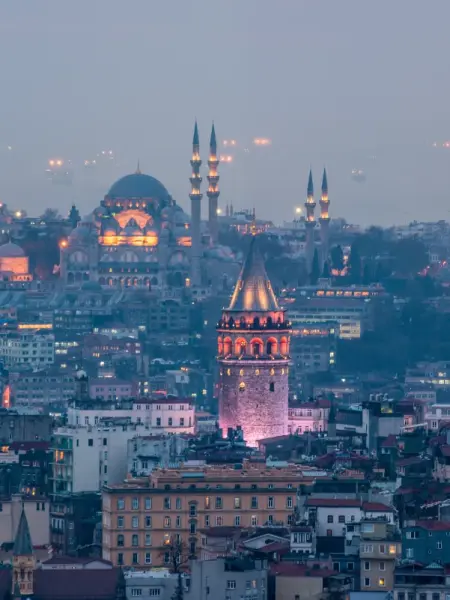

Pammakaristos Gallery
Guided tours, popular attractions, and top-rated hotels across the continent


