
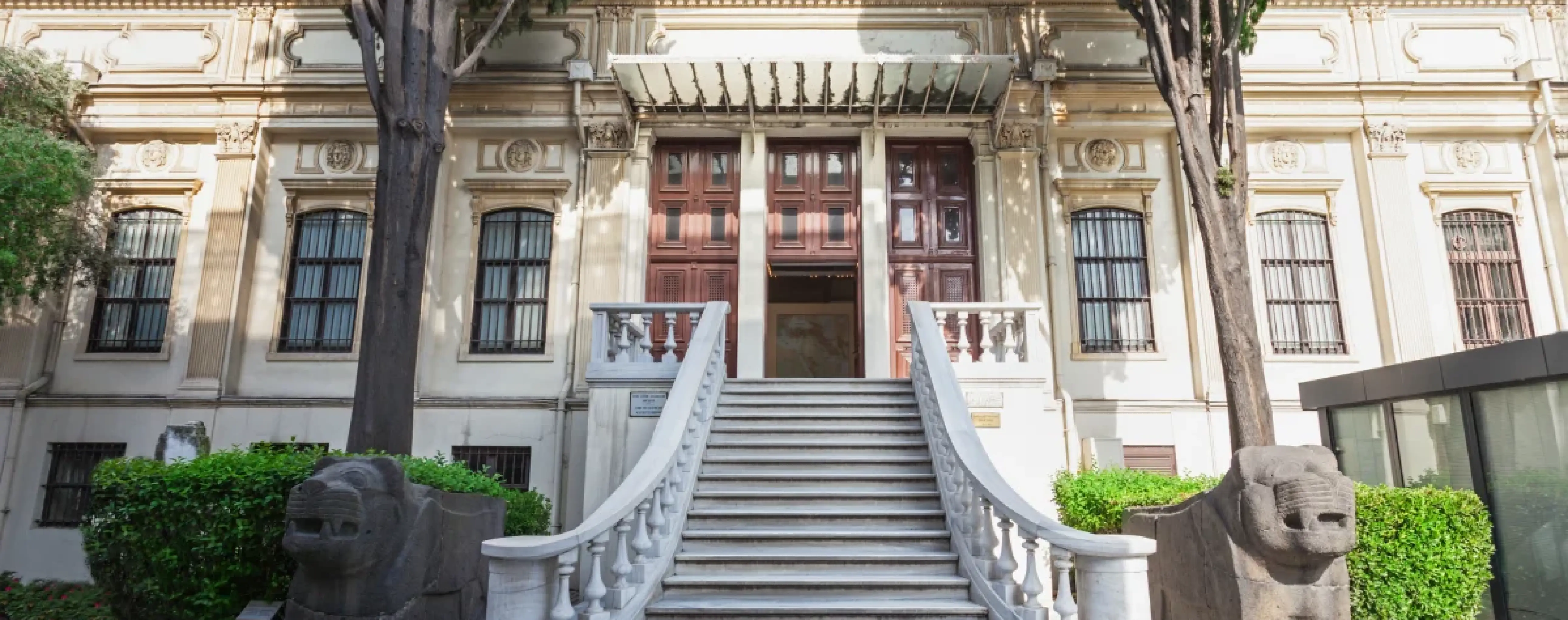
Istanbul Archaeological Museum
Istanbul Archaeological Museum in Sultanahmet, Istanbul, Turkey
The Istanbul Archaeological Museum is located in the European part of Istanbul, in the Sultanahmet district, next to Gulhane Park and Topkapi Palace. It is one of the city's main museum complexes dedicated to archaeology and the history of ancient civilizations. For tourists, it is convenient because it is located in the historic center of Istanbul and can easily be included in a walk through the old city.
The complex was formed at the end of the 19th century and brings together three buildings: the Archaeological Museum, the Museum of the Ancient Orient, and the Tiled Pavilion. The main building was constructed in the neoclassical style, the Museum of the Ancient Orient is housed in the former building of the School of Fine Arts, and the 15th-century Tiled Pavilion is considered an important monument of early Ottoman architecture. Thanks to this combination, the museum is interesting not only for its collections but also for the historic buildings themselves.
The collection includes finds from Anatolia, Mesopotamia, the Levant, and other regions that at different times were part of the sphere of the Ottoman Empire. Here you can see ancient sarcophagi, sculpture, reliefs, cuneiform tablets, objects of everyday life, and decorative art. The exhibition covers a long period - from the ancient Near Eastern states to the Greek, Roman, and Byzantine eras.
The museum is suitable for those who want to better understand the history of the region and see authentic monuments familiar from textbooks and archaeological publications. A visit usually takes several hours, especially if you explore all three buildings. It is a good choice for those interested in the ancient world and who want to complement a walk through Sultanahmet with a substantial museum.
Istanbul Archaeological Museum on the map
Istanbul, Sirkeci: Museums
Sadberk Hanim Museum, Istanbul Naval Museum, Hagia Sophia, Museum of Turkish and Islamic Art
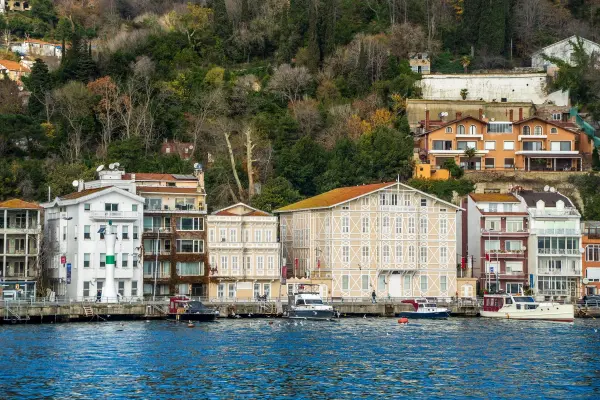
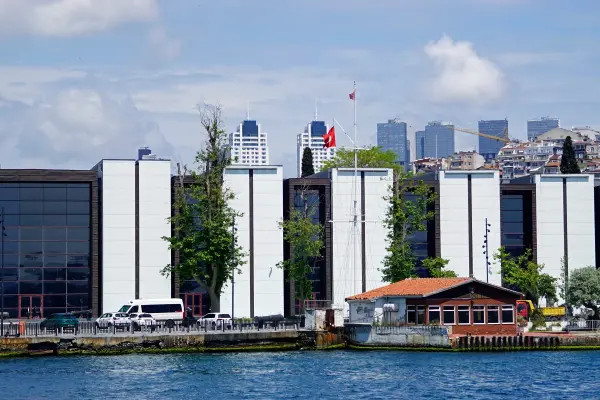
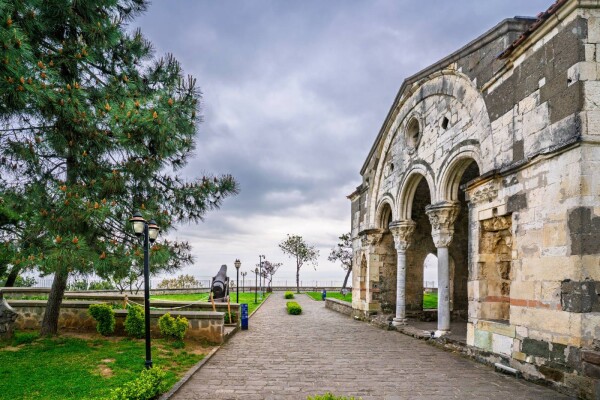
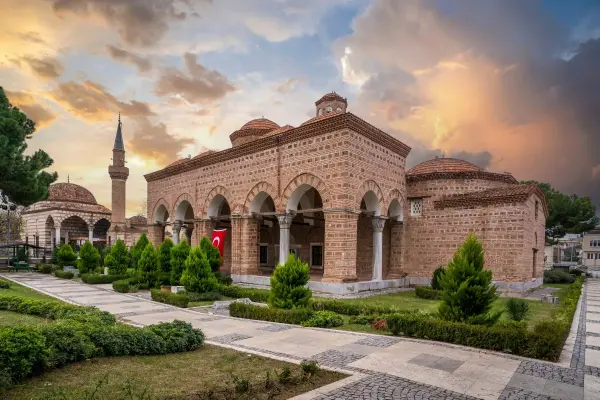
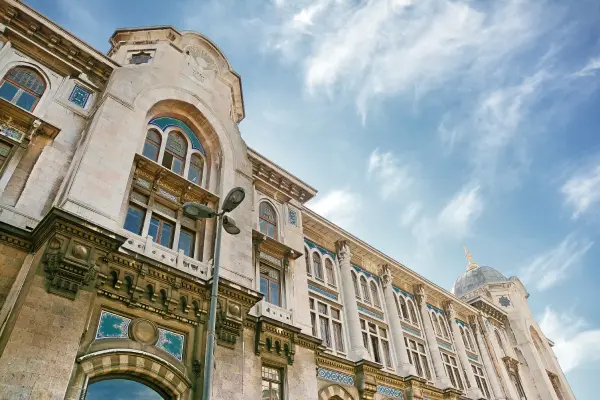
Istanbul Archaeological Museum - collections and historic buildings
Archaeological finds and examples of applied art from different eras are displayed here.
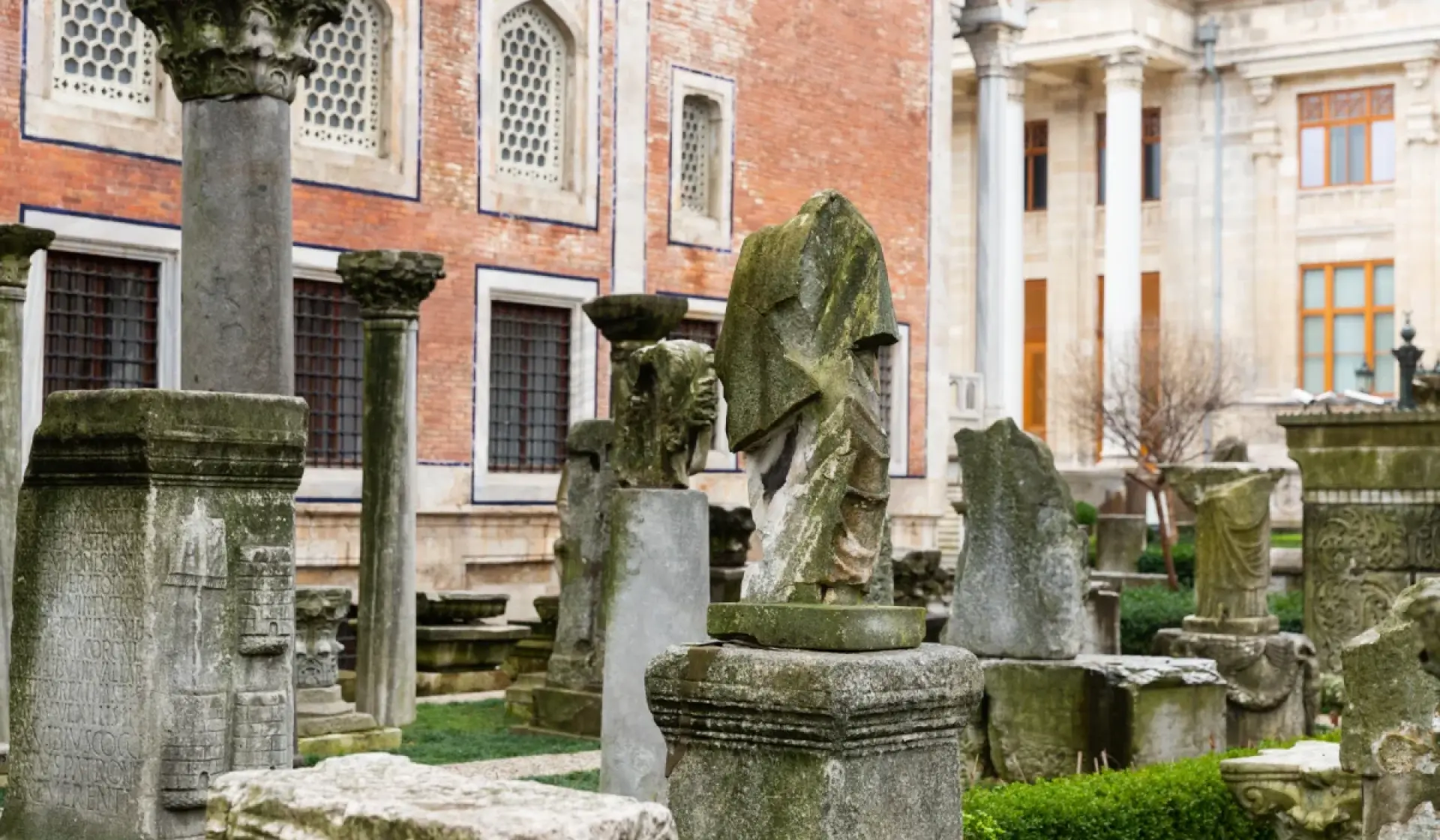
Sarcophagi, cuneiform, and monuments of ancient civilizations
The most famous part of the complex is the collection of ancient sarcophagi, among which the richly decorated examples from the Hellenistic and Roman periods stand out in particular. The halls of the main museum also display statues, architectural fragments, tombstones, coins, and ceramics. The exhibitions are arranged so that visitors can trace the development of art and burial traditions in different regions of the Eastern Mediterranean.
The Museum of the Ancient Orient is dedicated to the civilizations of Mesopotamia, Anatolia, and the Near East. Here you can see cuneiform tablets, Assyrian and Hittite reliefs, ancient inscriptions, and objects associated with the early states of the region. This section is especially interesting for those who want to understand how writing, law, religion, and urban culture developed in the ancient world.
The Tiled Pavilion differs from the other buildings in the complex through its architecture and its collection of decorative art. It displays ceramics and tiles from the Seljuk and Ottoman periods, adding material on the history of applied art to the archaeological theme. Nearby are Gulhane Park, Topkapi Palace, and Hagia Sophia, so a visit to the museum can conveniently be combined with seeing other landmarks of Sultanahmet.
The easiest way to get here is by taking tram line T1 to the Sultanahmet or Gulhane stop, and then walking for a few minutes. Before your visit, it is worth keeping in mind that the complex is large, and for a relaxed visit it is best to allow at least two to three hours.
Best tours and travel experiences across the continent


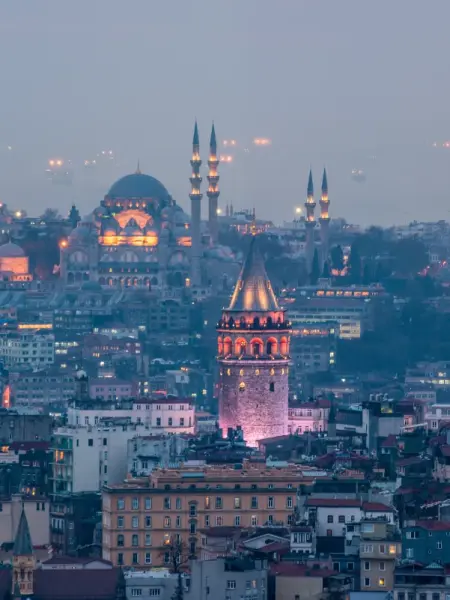

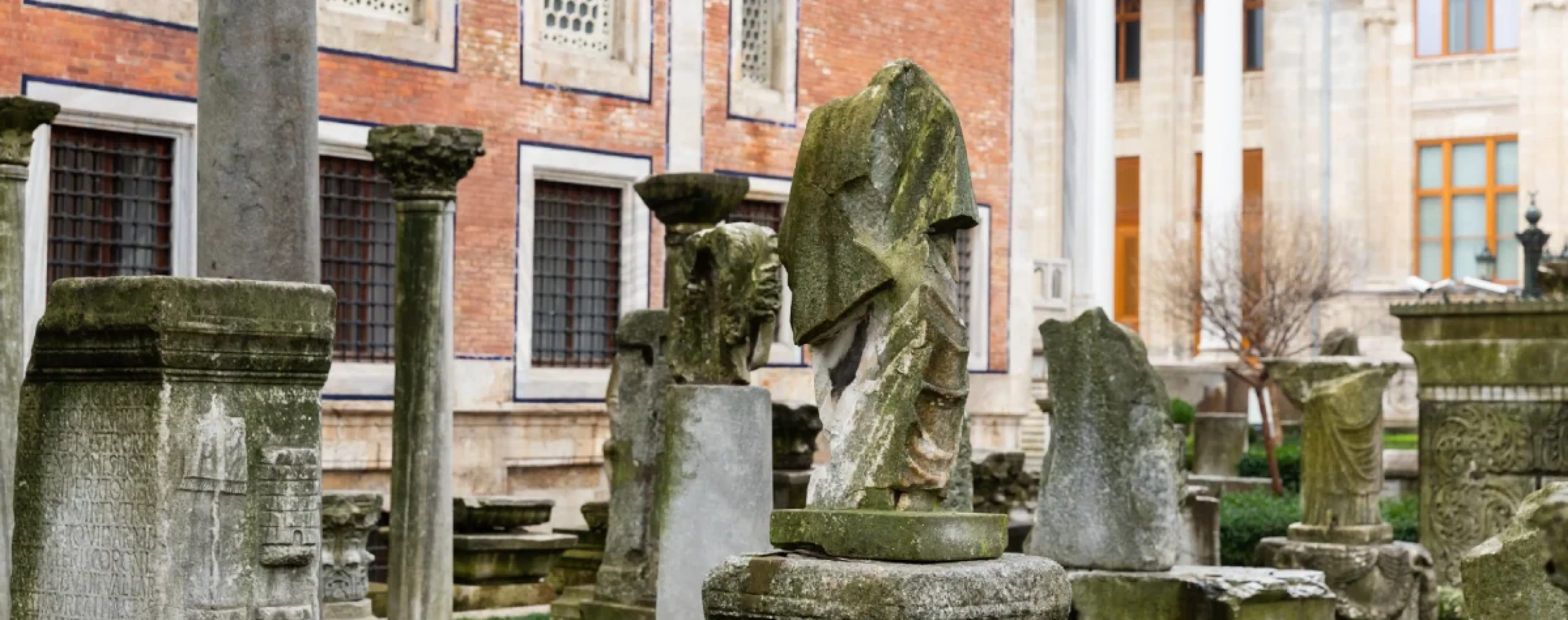
Photos of exhibits
Guided tours, popular attractions, and top-rated hotels across the continent


