

Hagia Sophia
Hagia Sophia in Sultanahmet, Istanbul, Turkey
Hagia Sophia is located in the Sultanahmet district, in the historic center of Istanbul, next to the Blue Mosque, Sultanahmet Square, the Basilica Cistern, and Topkapi Palace. Thanks to this location, it is easy to include in an itinerary covering the main monuments of former Constantinople and Ottoman Istanbul.
The current building of Hagia Sophia was constructed between 532 and 537 by order of Emperor Justinian I after the previous church was destroyed during the Nika Revolt. Throughout its history, it was the main cathedral of the Byzantine Empire, then a mosque of the Ottoman Empire, a museum in the 20th century, and since 2020 it has functioned again as a mosque. This change of roles clearly reflects the city's complex history and makes the monument especially interesting for those who want to better understand Istanbul's past.
Hagia Sophia is known for its enormous dome, system of semi-domes, marble cladding, and combination of architectural solutions from different eras. Inside, visitors can see Byzantine mosaics, Islamic interior elements, the mihrab, the minbar, and large calligraphic medallions. The building's modern appearance is also defined by the minarets and external reinforcements added during different periods after earthquakes and reconstructions.
For tourists, Hagia Sophia is interesting not only as an outstanding architectural monument, but also as a place where traces of Byzantine and Ottoman heritage are visible within a single space. It is part of the UNESCO World Heritage site "Historic Areas of Istanbul," so a visit usually becomes an important part of getting to know the city.
Hagia Sophia on the map
Istanbul: Museums
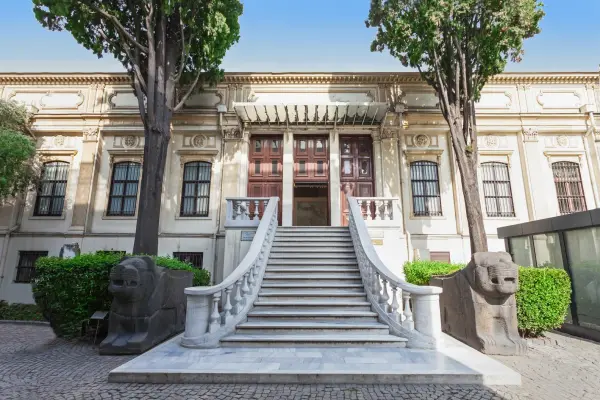
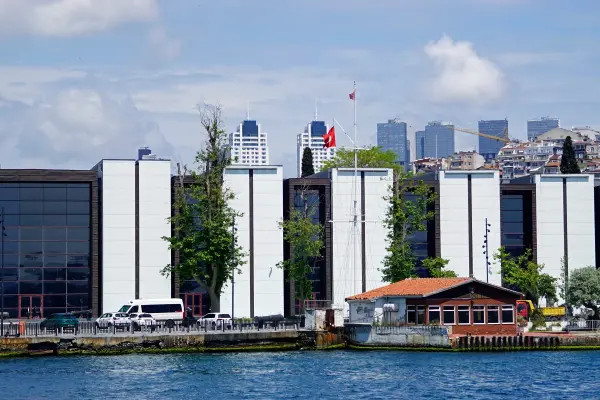
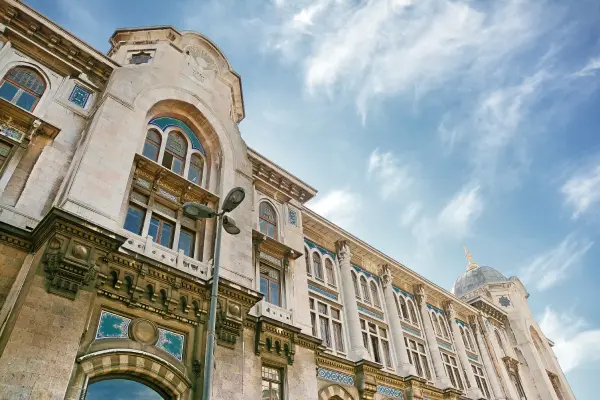
Istanbul Archaeological Museum, Istanbul Naval Museum, Istanbul Postal Museum, Sadberk Hanim Museum
Hagia Sophia - history, architecture, and visiting rules
A meeting place of Byzantine and Ottoman architectural layers.
The dome, mosaics, and traces of two imperial eras
The interior of Hagia Sophia is perceived above all through the scale of the central nave and the dome, which rises to a height of about 55 meters. Here it is worth paying attention to the marble columns, cladding made of multicolored stone, the upper galleries, and sections of Byzantine mosaics preserved despite later changes. The Ottoman period is represented by the mihrab, the minbar, the sultan's loge, and large round medallions with Arabic calligraphy.
When visiting, it is important to keep in mind that the building functions as a mosque. Modest clothing is required for entry, tourist access may be restricted during certain hours because of prayers, and some areas inside are not accessible for free viewing. Women usually need a headscarf to cover their hair, and shoes are removed in prayer areas or placed in special bags.
A visit is usually combined with a walk around Sultanahmet Square: the Blue Mosque, the Basilica Cistern, the Istanbul Archaeological Museums, and Topkapi Palace are all just a few minutes away. This is convenient if you want to see several key monuments of the historic center in one day.
The easiest way to get there is by taking tram line T1 to the Sultanahmet stop, from which Hagia Sophia can be reached on foot in a few minutes. It is better to come in the morning or outside peak hours, when there are usually fewer people at the entrance.
Best tours and travel experiences across the continent
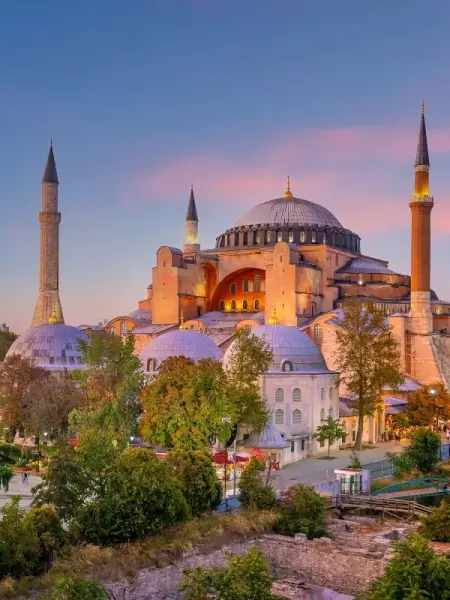
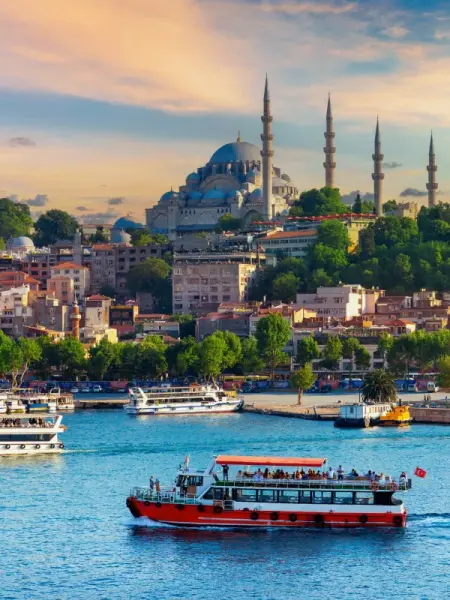
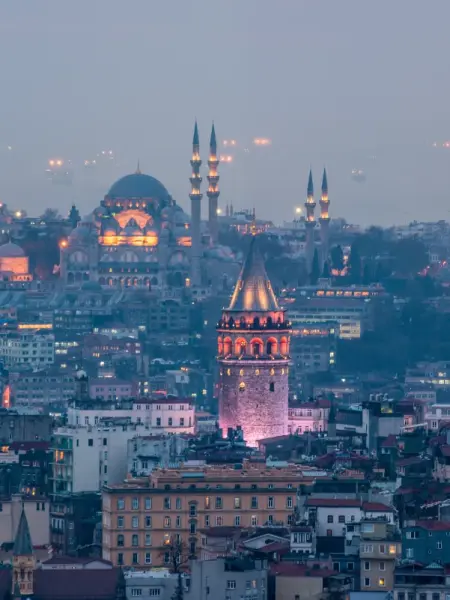

Photos of Hagia Sophia
Guided tours, popular attractions, and top-rated hotels across the continent


