
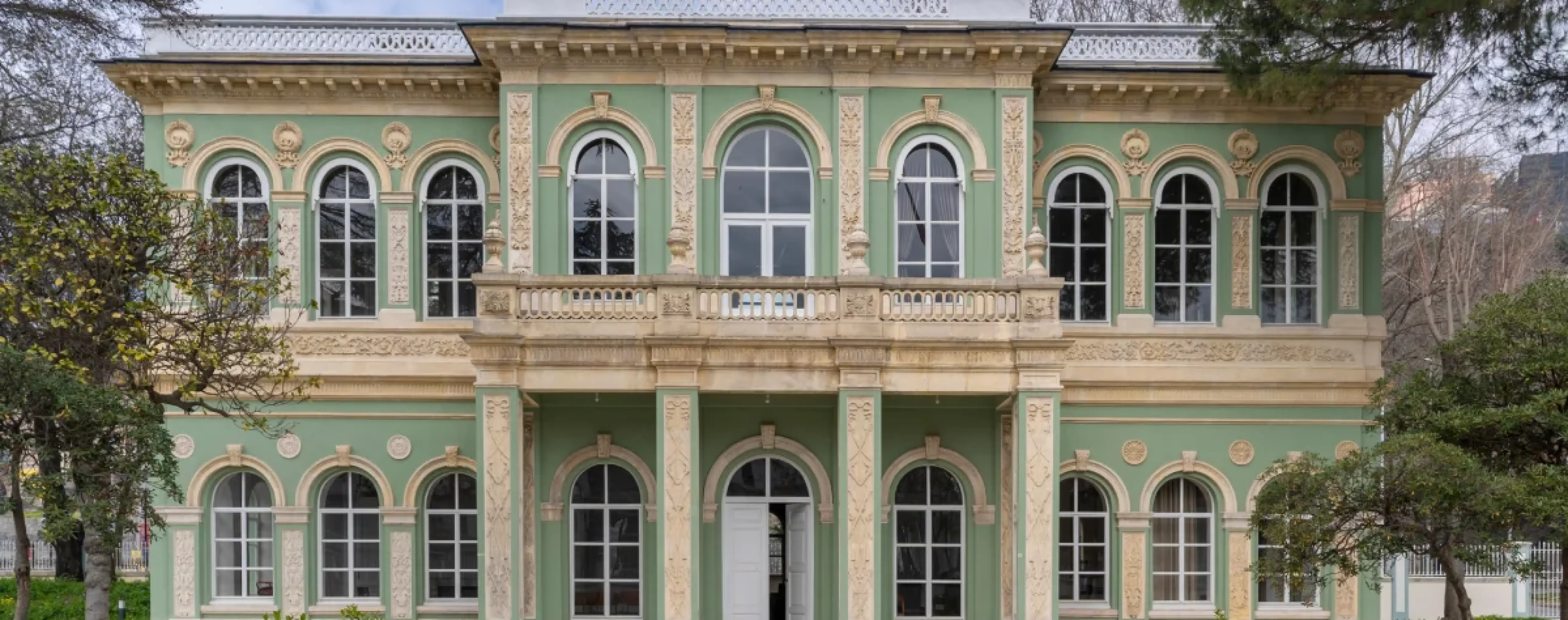
Tophane Pavilion
Tophane Pavilion in Beyoglu, Istanbul, Turkey
Tophane Pavilion is located on the European side of Istanbul, in the Beyoglu district, not far from the shore of the Bosphorus Strait and Tophane Square. It is a small ceremonial Ottoman-era building constructed for formal meetings and official receptions. Its waterfront location was especially convenient in the period when many distinguished guests arrived in the city by sea.
The building belongs to the Tanzimat period - a time of reforms in the Ottoman Empire, when European influence in architecture became noticeably stronger. Because of this, the appearance of the pavilion combines features of the Ottoman palace tradition with 19th-century decorative techniques: a ceremonial facade, richly decorated interiors, and attention to detail, including marble, wall paintings, and gilded elements.
For tourists, the pavilion is interesting as a rare example of a small ceremonial residence associated not with the everyday life of the palace, but with its diplomatic activity. It helps to better imagine what the official side of Istanbul looked like in the 19th century and how the urban landscape changed against the backdrop of political and cultural reforms.
A visit to the pavilion can easily be combined with a walk through Tophane, Karakoy, and the Bosphorus waterfront. This place usually attracts those interested in late Ottoman architecture, the urban history of Istanbul, and lesser-known monuments of the Beyoglu district that are easy to miss against the backdrop of major palaces and museums.
Tophane Pavilion on the map
Istanbul, Beyoglu: Palaces and residences
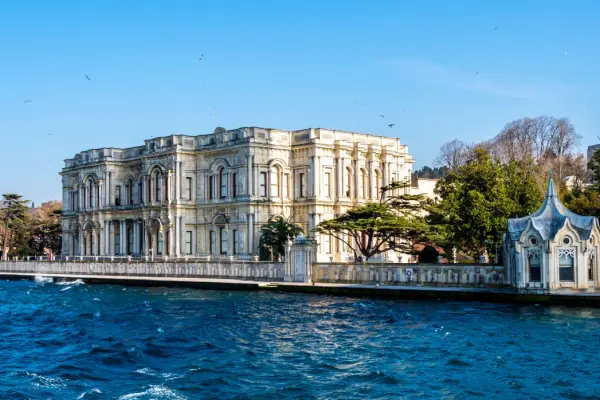
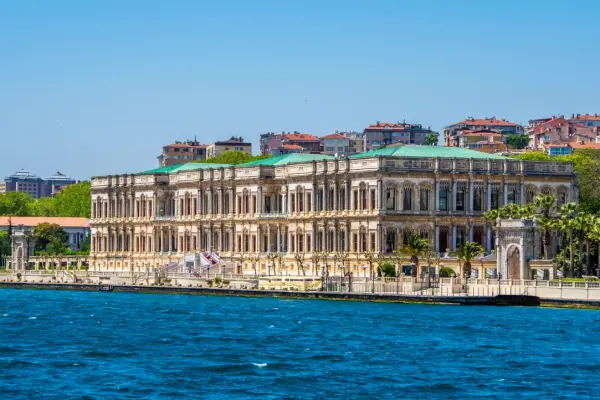
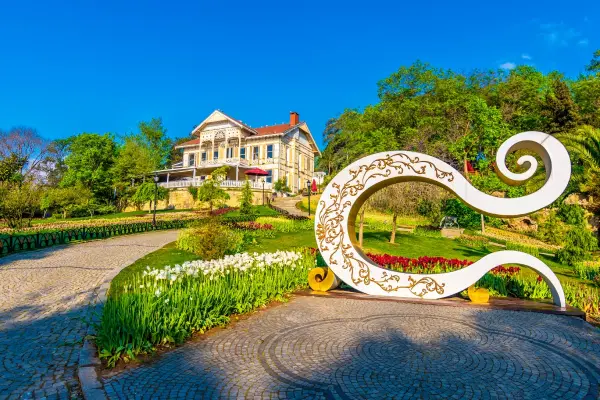
Beylerbeyi Palace, Ciragan Palace, Yellow Summer Mansion, Khedive Palace
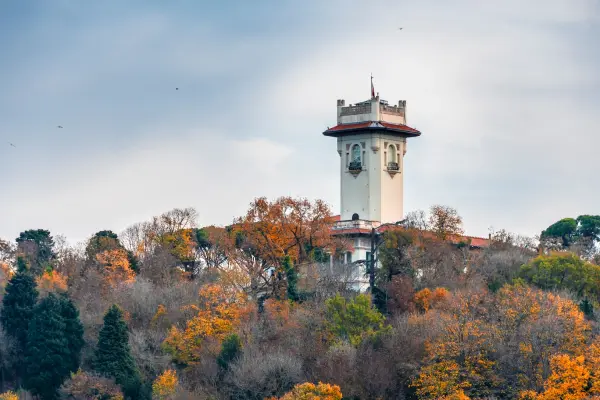
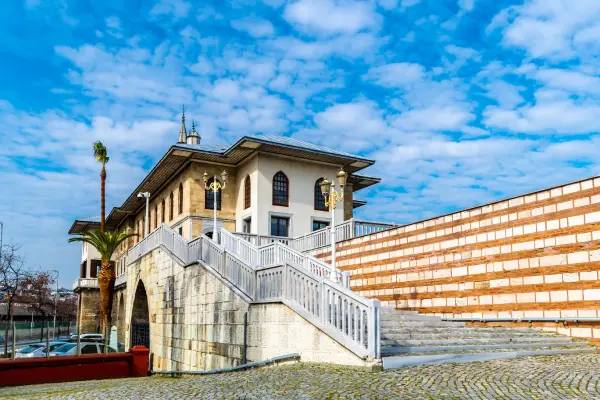
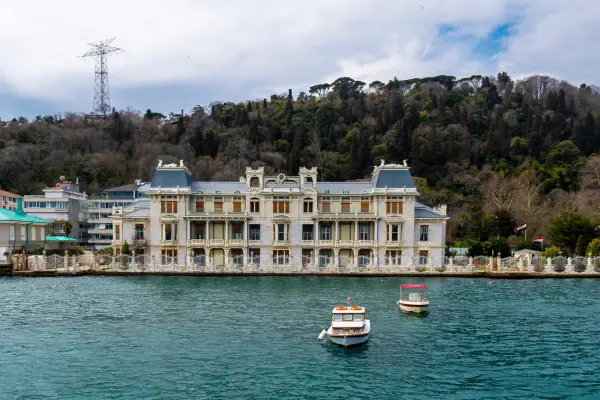
Architecture and history of Tophane Pavilion
the place reflects the official style and the changing urban landscape of the 19th century.
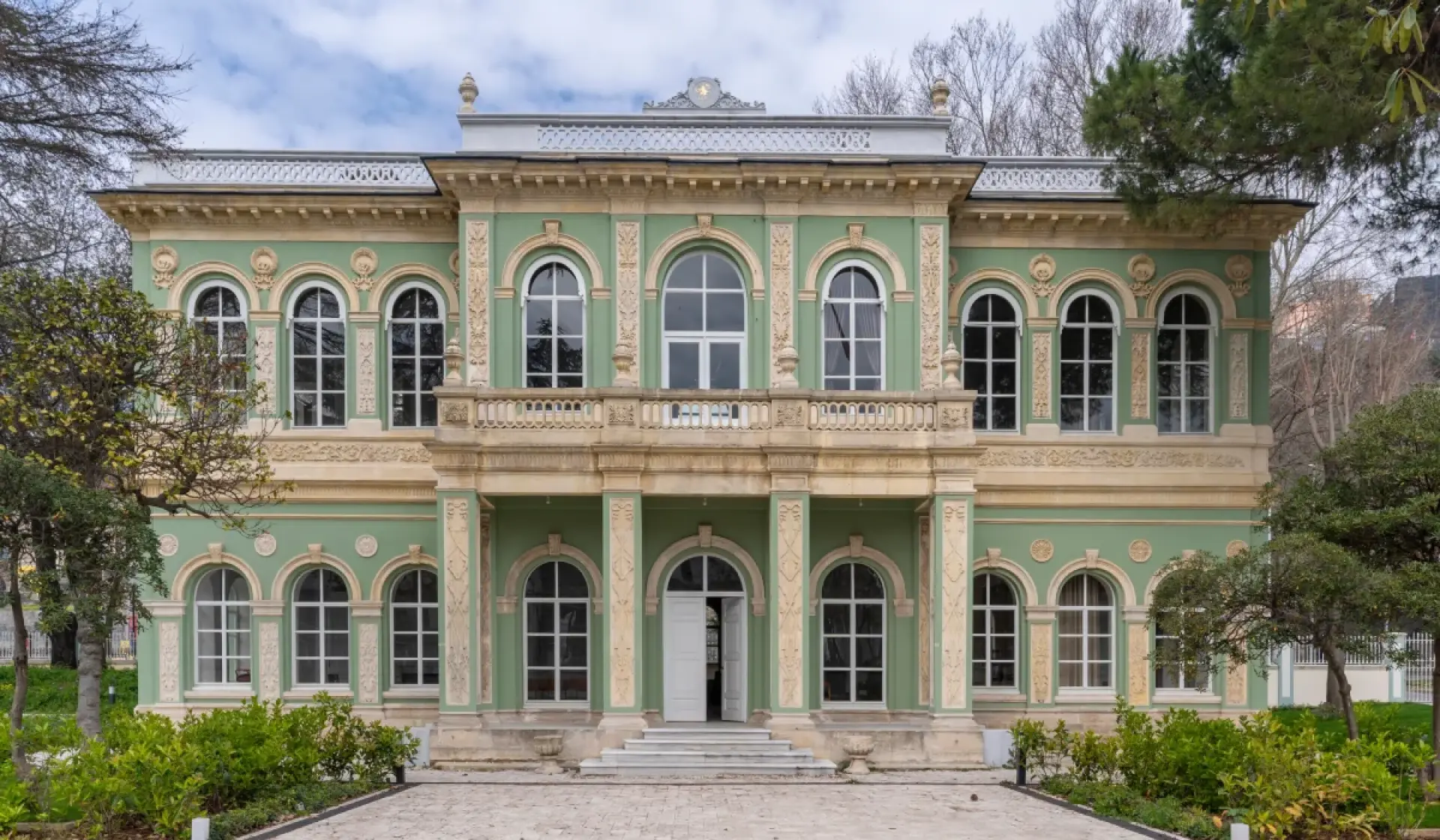
Ceremonial pavilion on the shore of the Bosphorus
The main thing to pay attention to here is the character of the building, which serves as an official reception residence. Unlike large palace complexes, the pavilion was intended for a narrower range of ceremonies. That is why its scale helps convey the logic of 19th-century court protocol more clearly. On the outside, the symmetry of the facade, large windows, and decorative design reflecting the taste of the reform era stand out.
Inside, the greatest interest lies in the ceremonial halls and preserved elements of the historic decor. Visitors often notice the wall paintings, gilding, marble details, and the overall composition of the interiors, where Ottoman tradition is clearly combined with European artistic influences. Even with its outwardly compact size, the building gives the impression of a carefully designed representative space.
Nearby are the Kilic Ali Pasa Mosque, the Istanbul Museum of Modern Art, the Karakoy district, and pedestrian streets leading toward Galata, so a visit here can easily be included in a route through the coastal part of Beyoglu.
It is easy to get here by taking the T1 tram to the Tophane stop or on foot from Karakoy and Galataport. Before visiting, it is best to check access arrangements in advance, as historic pavilions of this type are not always open for free visits.
Best tours and travel experiences across the continent
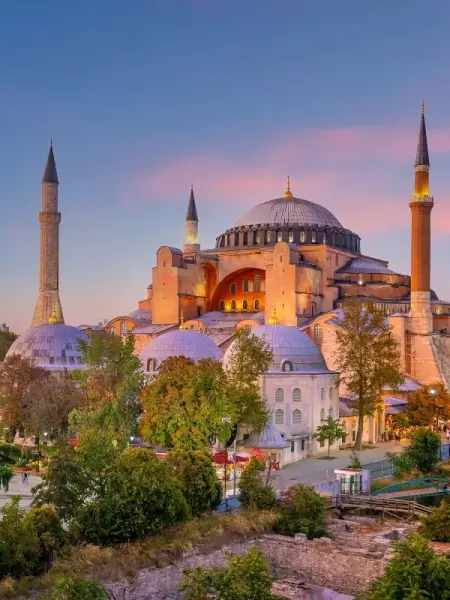
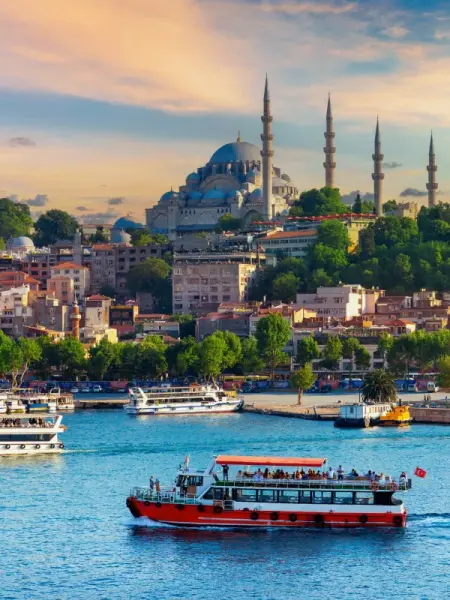
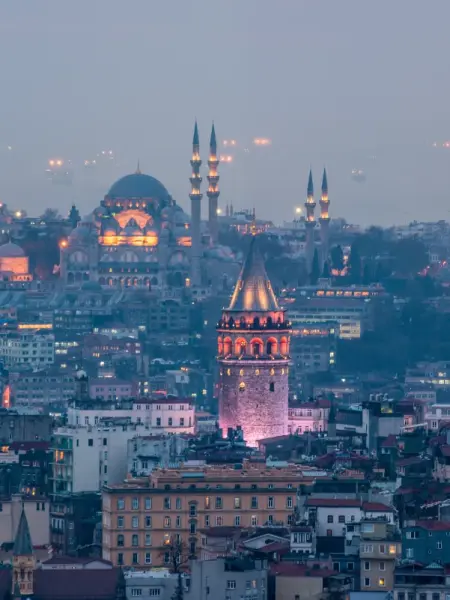

Photos of Tophane Pavilion
Guided tours, popular attractions, and top-rated hotels across the continent


