
Santa Ruins
Santa Ruins in Gumushane, Turkey
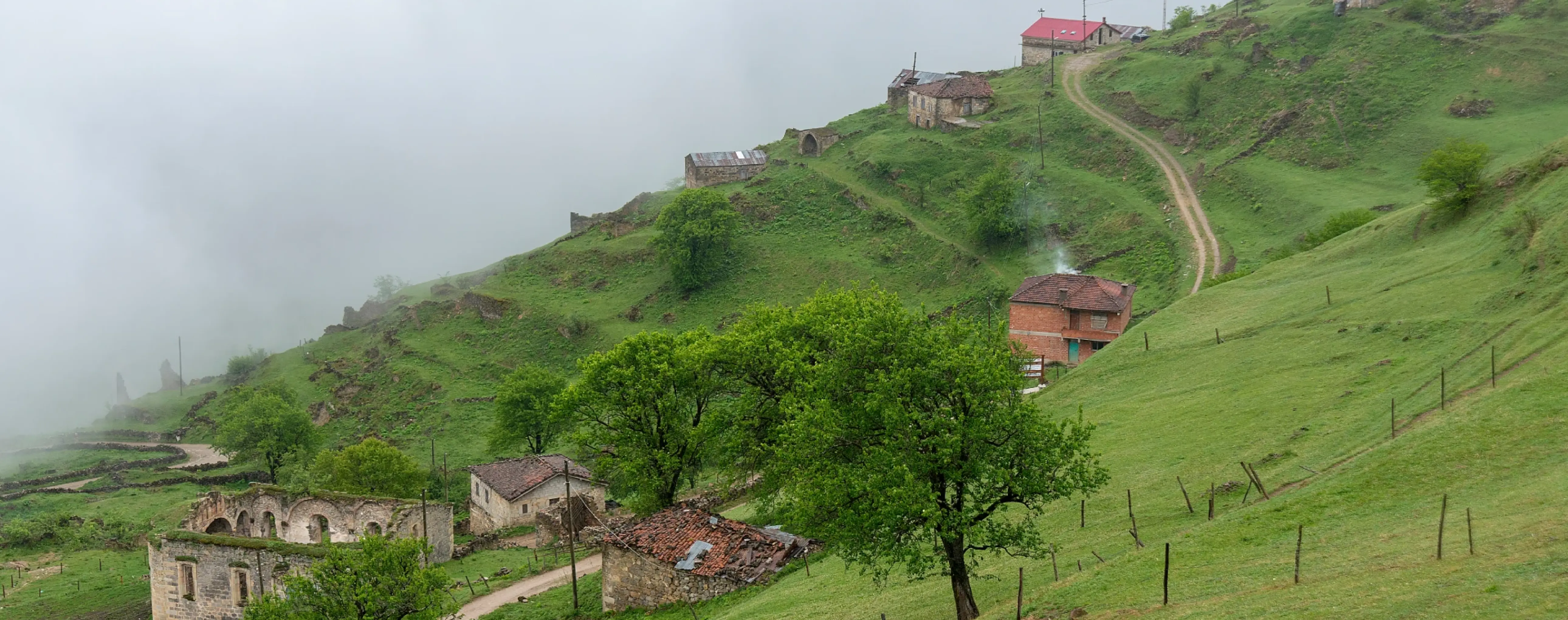
The Santa Ruins are located in the mountainous part of Gumushane Province, in the Torul district, among the forested slopes and highland roads of the Eastern Black Sea region. The name Santa usually refers not to a single site, but to a group of former settlements, also known as Dumanli. In this area, stone houses, churches, farm buildings, and fragments of old roads have survived, scattered across several sections of the mountain landscape.
Historically, these settlements were connected with the Pontic Greeks, who lived for a long time in the mountainous areas of the region. Santa was one of the notable places of their settlement and local community life. After the events of the early 20th century and the population exchange between Greece and Turkey, the villages were abandoned, and the buildings gradually turned into ruins.
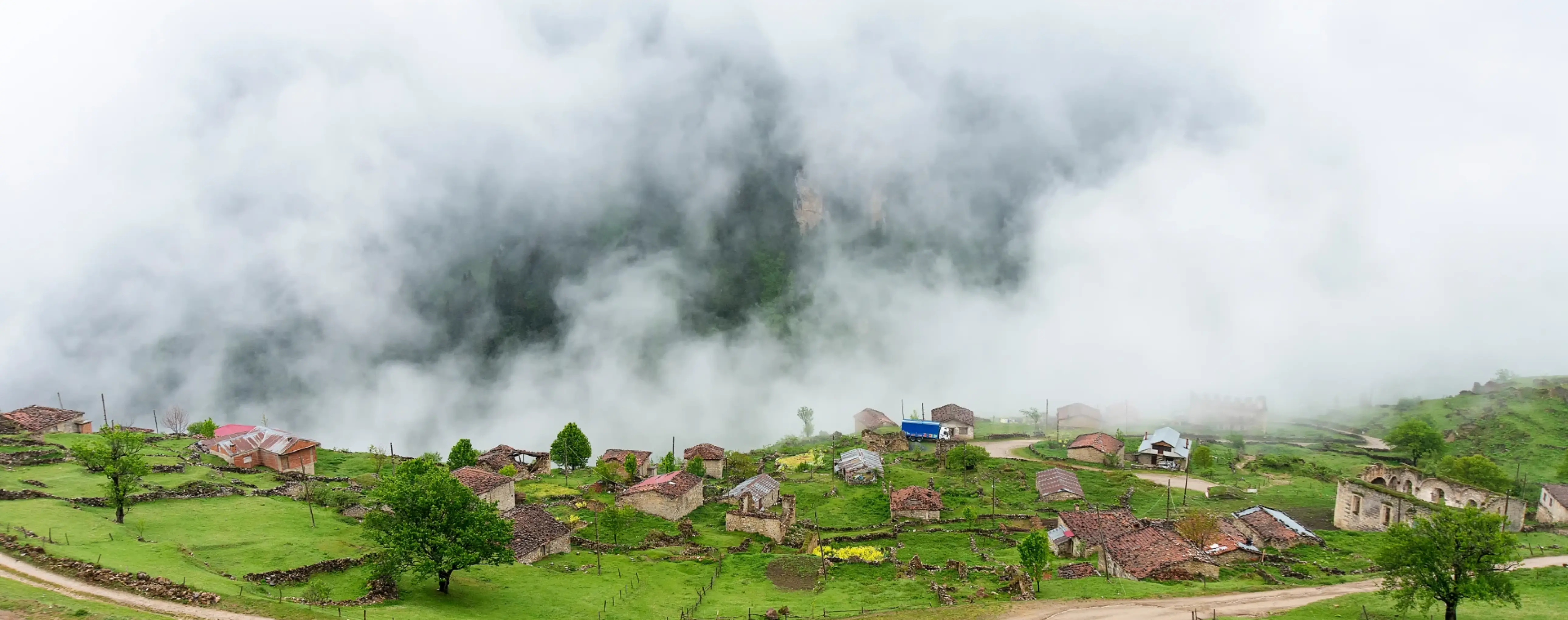
Today, visitors come here for the historic setting and walks among the remains of the former villages. On site, you can see house walls, church structures, arches, sections of stone masonry, and individual elements of the layout of the old settlements. The area remains quite remote and little developed, which makes it especially interesting for those who want to discover lesser-known monuments of Eastern Turkey beyond the main tourist routes.
The Santa Ruins are suitable for travelers interested in history, architectural traces of the past, and mountain landscapes. This place is perceived not as a museum site with developed infrastructure, but as a historical area where careful attention to the landscape, comfortable footwear, and readiness for travel on mountain roads are important.
Santa Ruins on the map
Santa Ruins on the mountain slopes of Torul
Here, traces of former settlements remain among the mountain forests.
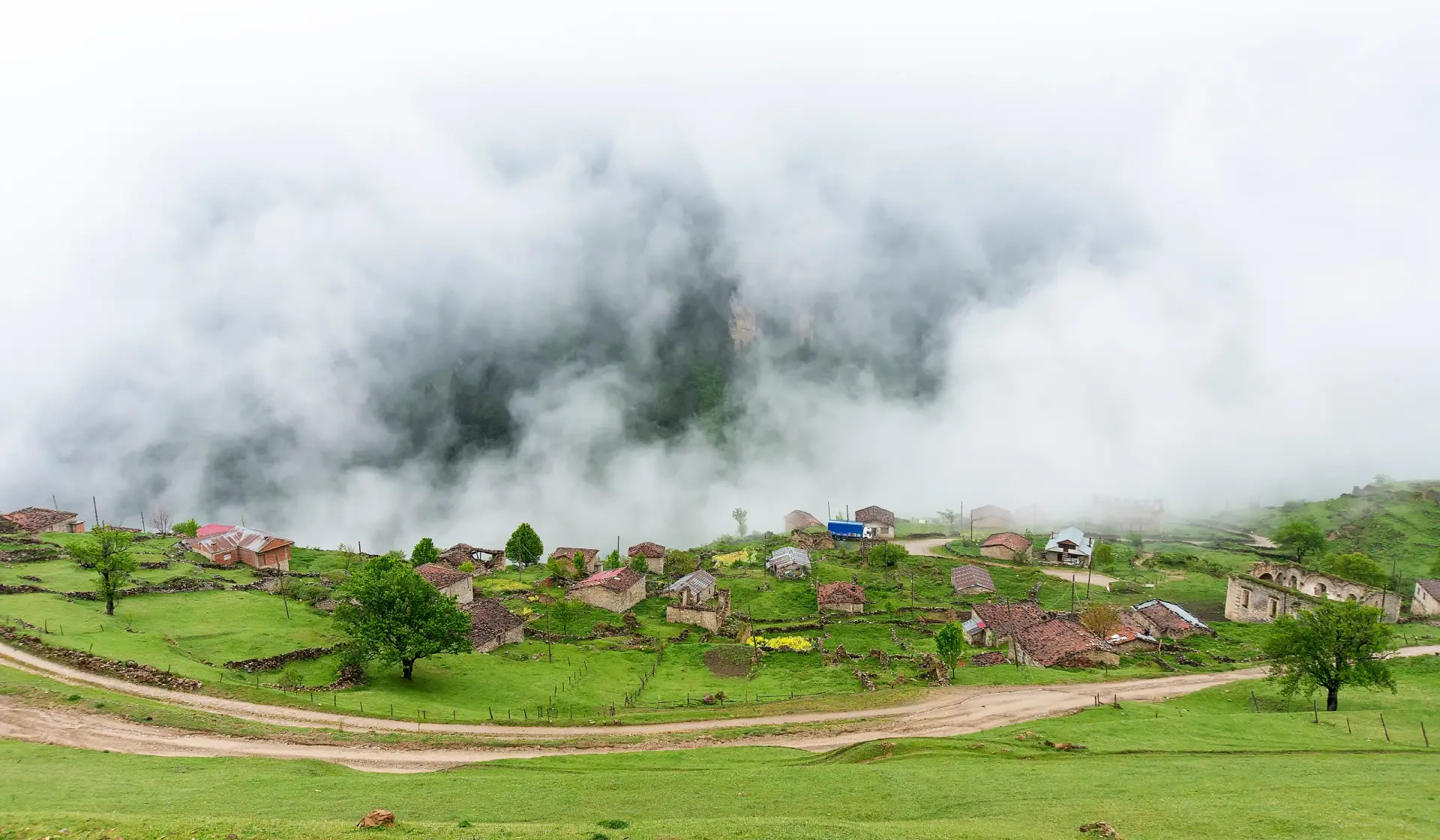
Stone settlements and churches on the mountain slopes of Torul
The Santa area is easier to experience as a route through several scattered sections rather than as a single archaeological complex. During a walk, visitors usually explore the remains of houses with thick stone walls, the ruins of church buildings, terraces of former development, and old passages between the settlements. The terrain here is uneven, so even a short visit often includes ascents and descents.
The main feature of the place is the combination of historical ruins and the natural environment. The buildings stand among coniferous forests, meadows, and mountain slopes, so many fragments of the settlements reveal themselves gradually as you move along the road or trail. It is useful to allow extra time for the visit: not only the individual buildings are of interest, but also the overall structure of settlement in the mountains.
Infrastructure on site is limited, so it is best to bring water, food, and everything you need with you in advance. In wet weather and during the cold season, the road and trails may be more difficult than in summer. If you want to combine the trip with other natural sites in the region, there are mountain routes and viewing points nearby in the surroundings of Torul and along the roads leading toward the plateaus.
Visitors usually get here by car from Gumushane via Torul, then continue along the mountain road toward Dumanli. Public transportation to the ruins themselves is limited, so it is worth checking road conditions and seasonal accessibility in advance before the trip.
Best tours and travel experiences across the continent

Photos of the ruins
Guided tours, popular attractions, and top-rated hotels across the continent


