
Sultanahmet District
Sultanahmet District, Istanbul, Turkey - Historical Center
Sultanahmet is one of the main historical districts in the European part of Istanbul. It is located in the heart of the old city, between the Golden Horn bay and the Sea of Marmara, at the outlet to the Bosphorus Strait. A significant part of the quarter is included in the UNESCO World Heritage Site "Historical Areas of Istanbul". In antiquity, the acropolis of the ancient city was located here, on the site of the current Topkapi Palace.
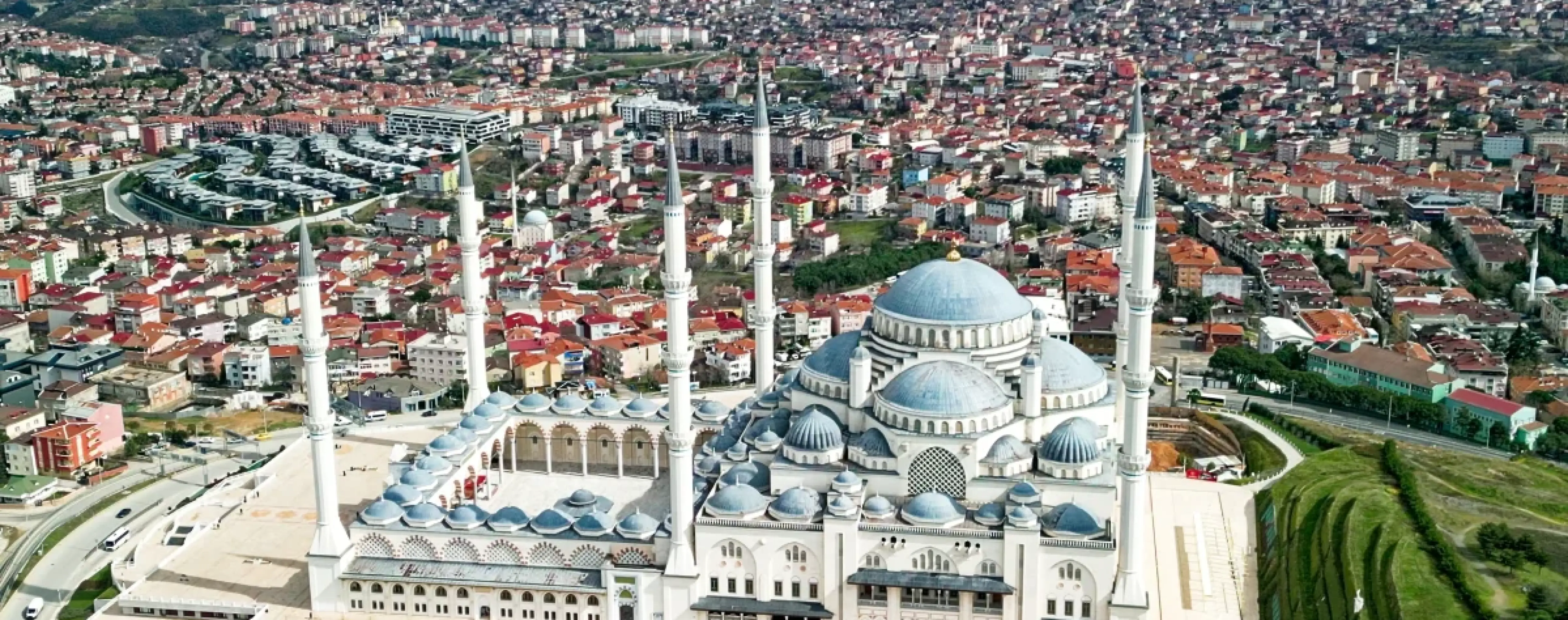
The district is known for its dense concentration of key monuments of the city. The Hagia Sophia (Aya Sofya) is an outstanding example of Byzantine architecture, operating as a mosque again since 2020. Nearby is the Blue Mosque with six minarets. At the Sarayburnu cape, the Topkapi Palace stands high - the former residence of the Ottoman sultans and one of the main museum complexes in Istanbul. The Basilica Cistern, a large water reservoir from the Constantinople era, is hidden underground.
The central square of the district, Sultanahmet Square, is also known as "Hippodrome Square". In ancient times, this place, laid out back in the III-IV centuries, accommodated up to 100,000 spectators. To this day, three unique ancient monuments have been preserved here: the Egyptian Obelisk of Theodosius, the Serpent Column, and the Obelisk of Constantine Porphyrogenitus. The Istanbul Archaeological Museums complex is just a few minutes' walk away.
Sultanahmet is especially convenient for walking tours, as most attractions are located close to each other. There are hotels, cafes, and small shops here, catering to visitors of the historical center. The district is easily accessible by tram T1, whose route passes through the Sultanahmet and Gulhane stations.
Sultanahmet District on the map
Istanbul, Sultanahmet: City districts and streets
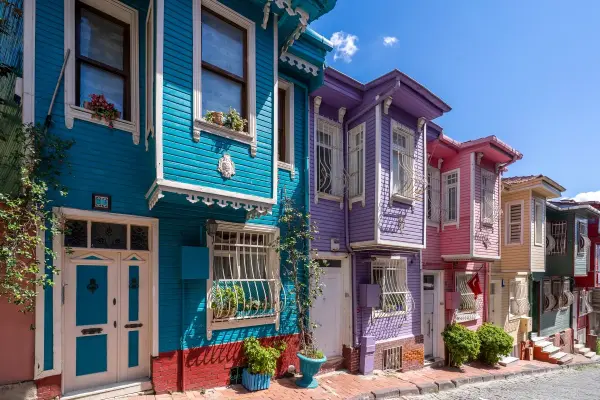
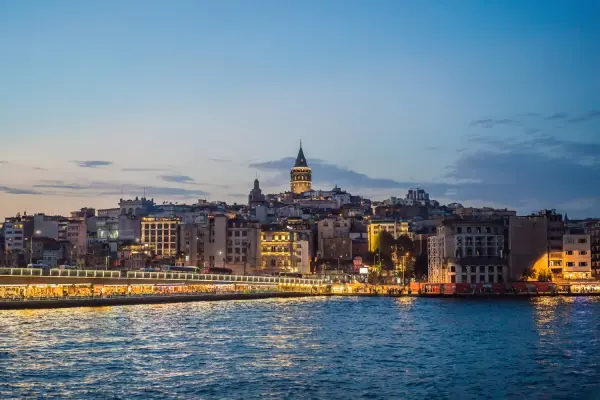
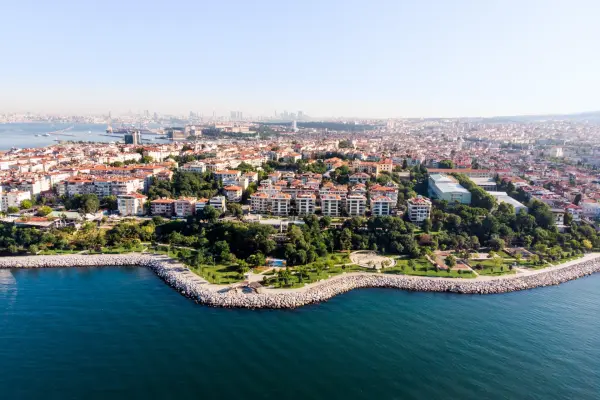
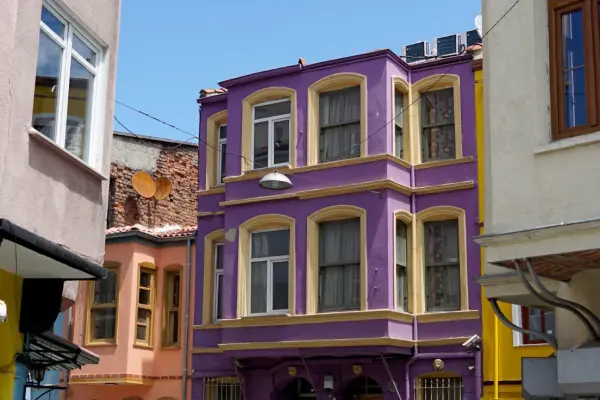
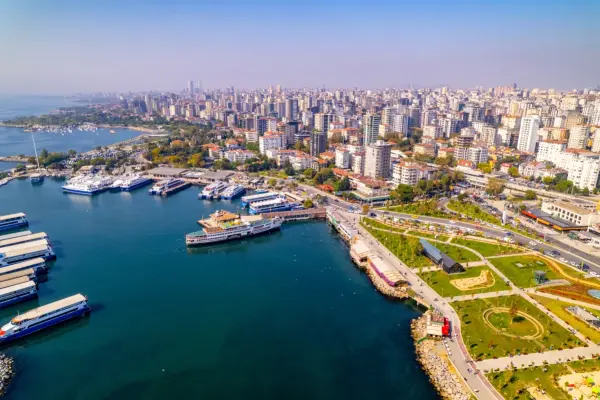
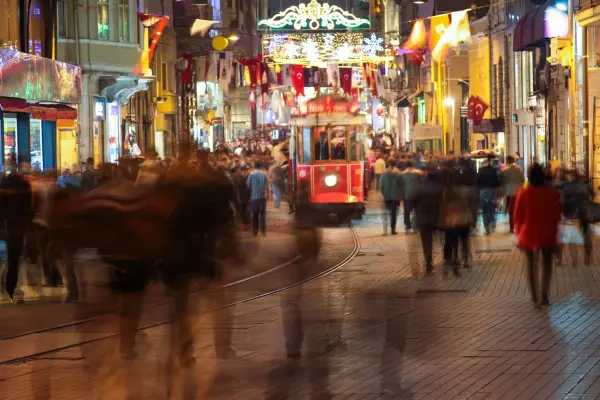
Kariye District, Beyoglu District, Kadikoy Coast, Balat Neighborhood
Attractions and Routes of the Sultanahmet District
Walking routes combine the main monuments and museums of the historical center.
From the Hippodrome to Topkapi Palace: what to see and how to get there
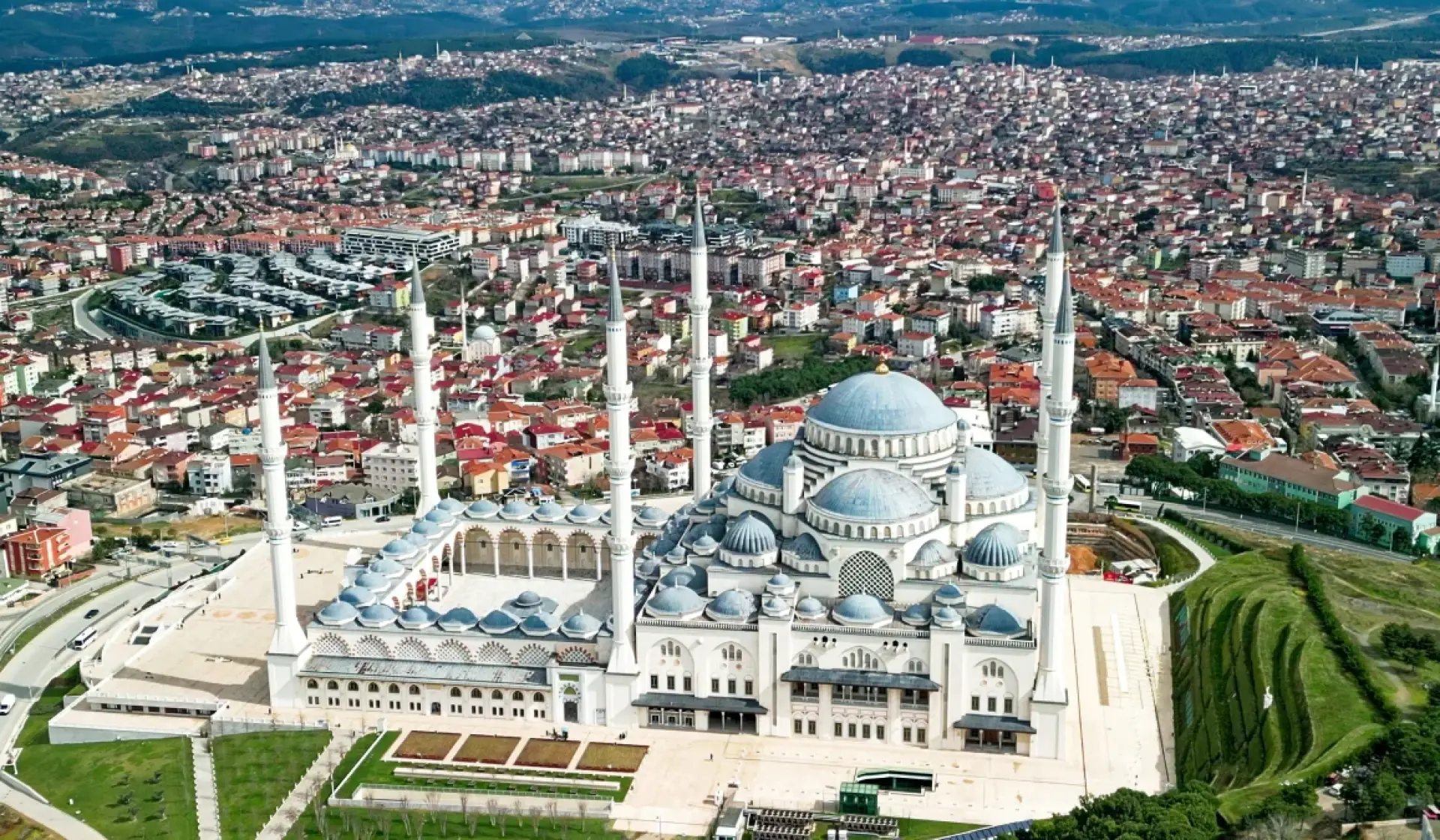
In Sultanahmet, you can visit the two main active sanctuaries of the district (outside prayer times) - Hagia Sophia and the Blue Mosque. A certain dress code is required to enter mosques (modest clothing and removal of shoes), and photography is usually allowed, taking into account the rules in place. Behind the Blue Mosque stretches the Arasta Bazaar - a compact row of craft shops on the site of former palace stables.
Topkapi Palace acquaints visitors with the layout of a traditional Ottoman court: several sections, treasuries, pavilions, and terraces with views of the Bosphorus and Golden Horn. From the lower gates of the palace begins Gulhane Park - a convenient place for a break during a walk through the historical center. The Basilica Cistern impresses with its "forest of columns" (336 marble columns) and two blocks featuring the heads of Medusa Gorgon.
On Sultanahmet Square, the monuments of the ancient Hippodrome have been preserved - the Theodosius Obelisk, the Serpent Column, and the Byzantine Obelisk, which was restored in the 10th century by Emperor Constantine Porphyrogenitus and since then bears his name. In the building of the Ibrahim Pasha Palace on this same square is the Museum of Turkish and Islamic Arts. Nearby are the Mosaic Museum of the Great Palace and Little Hagia Sophia, and away from the square is the Covered Grand Bazaar.
The most convenient way to explore the area is on foot, combining visits to mosques, the palace, and museums with short breaks. The easiest way to get there is by tram T1 to the Sultanahmet or Gulhane station, and the Cemberlitas station is also suitable for reaching the Grand Bazaar.
Best tours and travel experiences across the continent
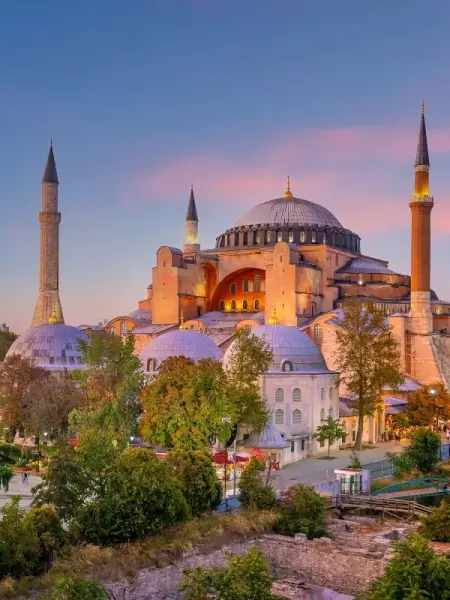
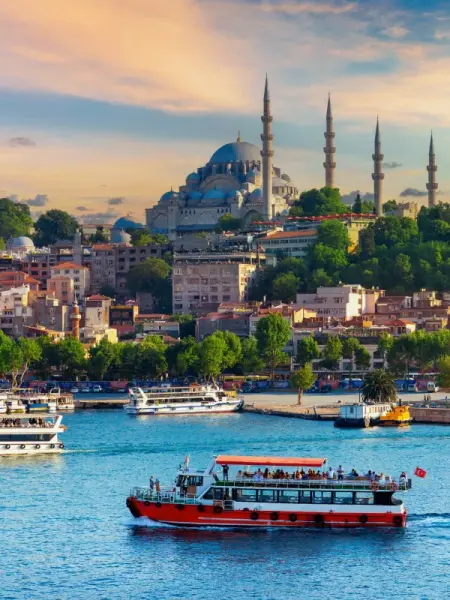
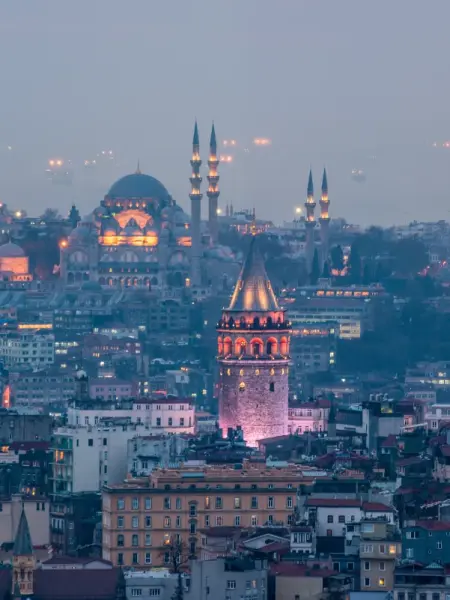

Photos of Sultanahmet District
Guided tours, popular attractions, and top-rated hotels across the continent


