Hatay Turkey travel guide to St Pierre
Hatay, Turkey
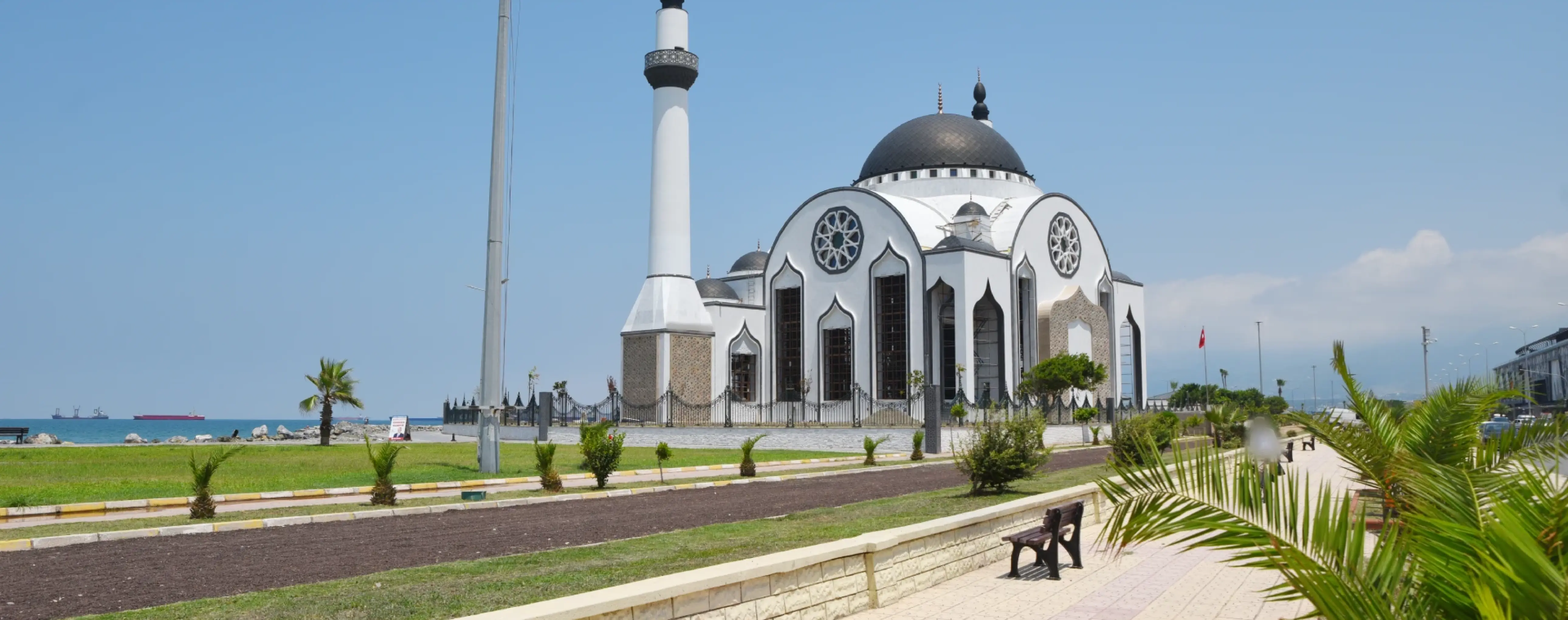
Hatay lies in southern Turkey near the Syrian border, within the Mediterranean Region. Centered on Antakya, it reaches west to the Mediterranean coast around Iskenderun and Samandag. The Asi River runs through Antakya and helps define the city's setting, which brings together inland urban areas, a river landscape, mixed terrain, mountain scenery, and access to the Mediterranean coast.
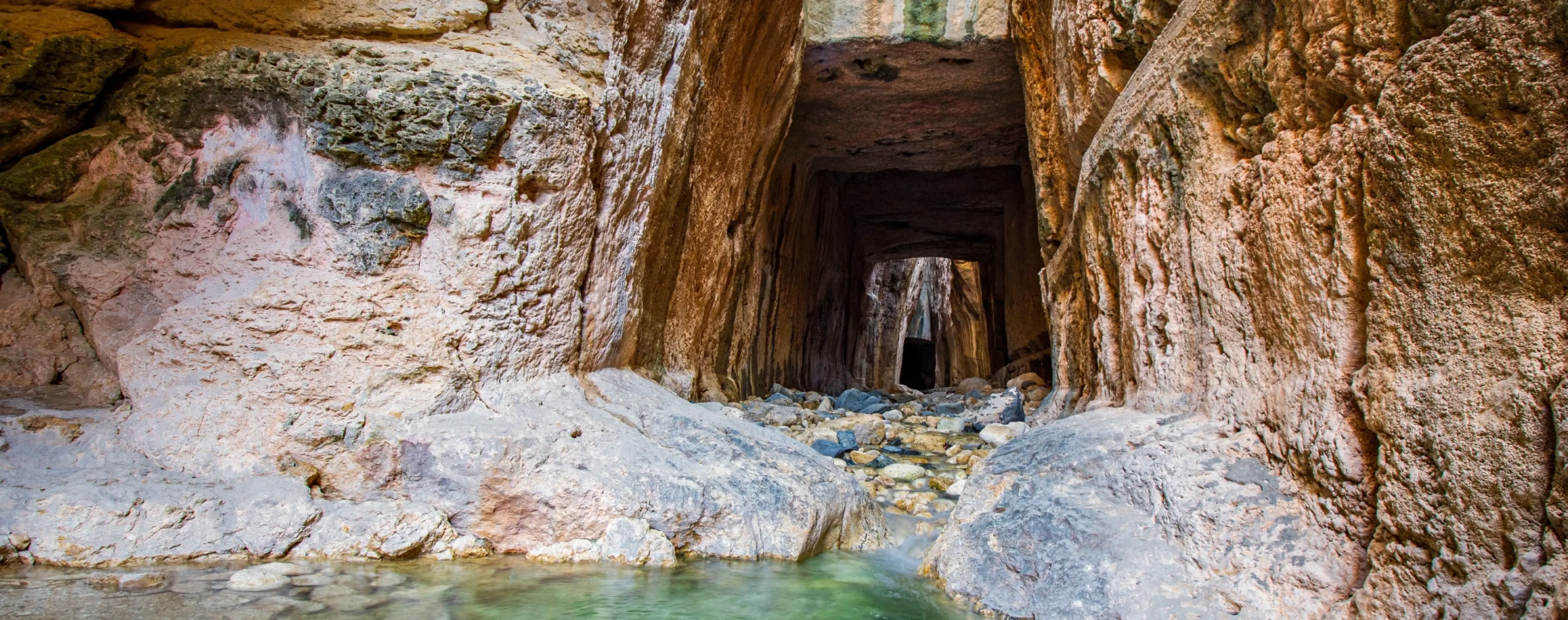
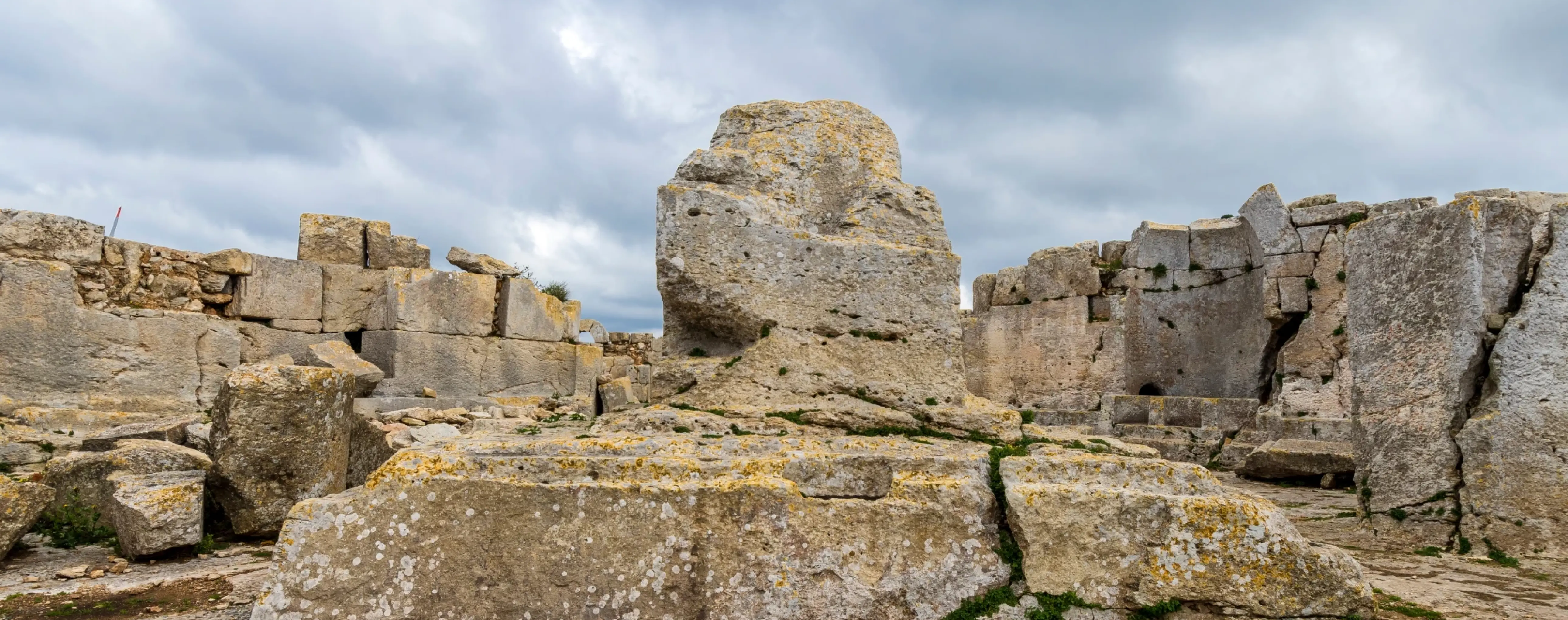
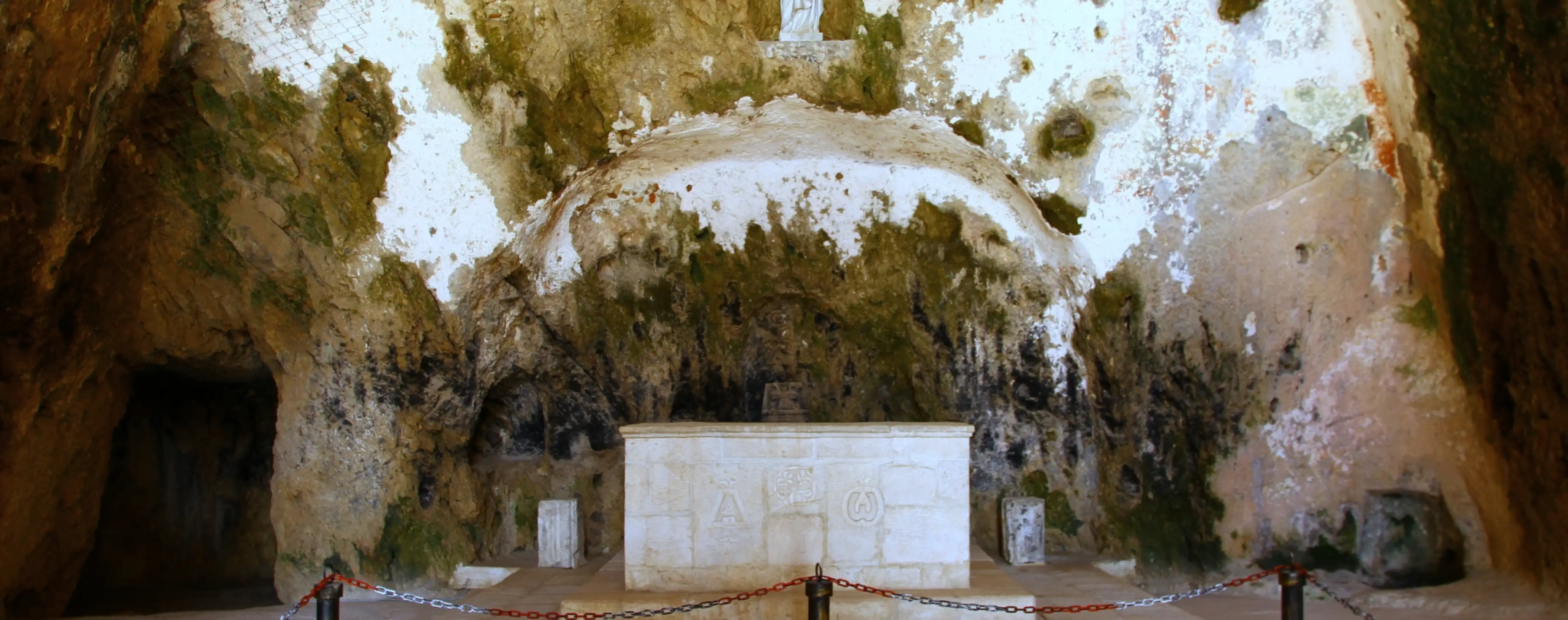
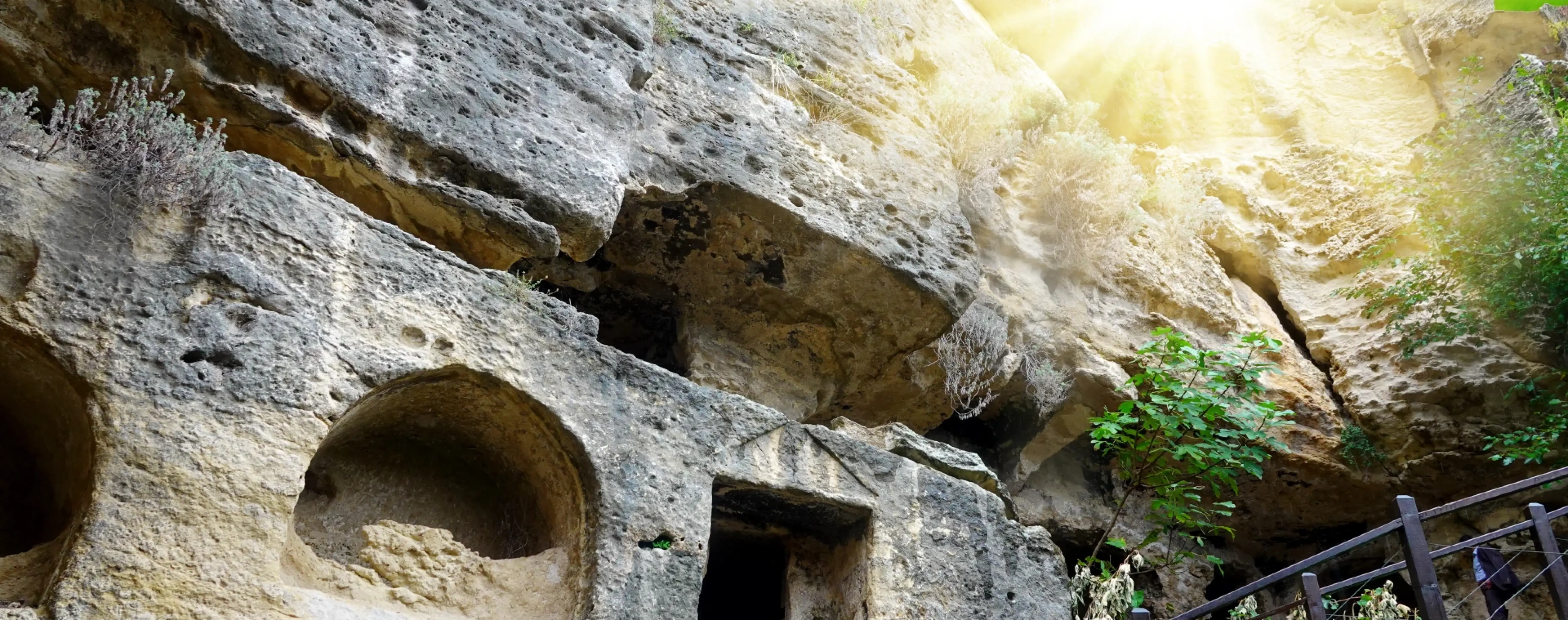
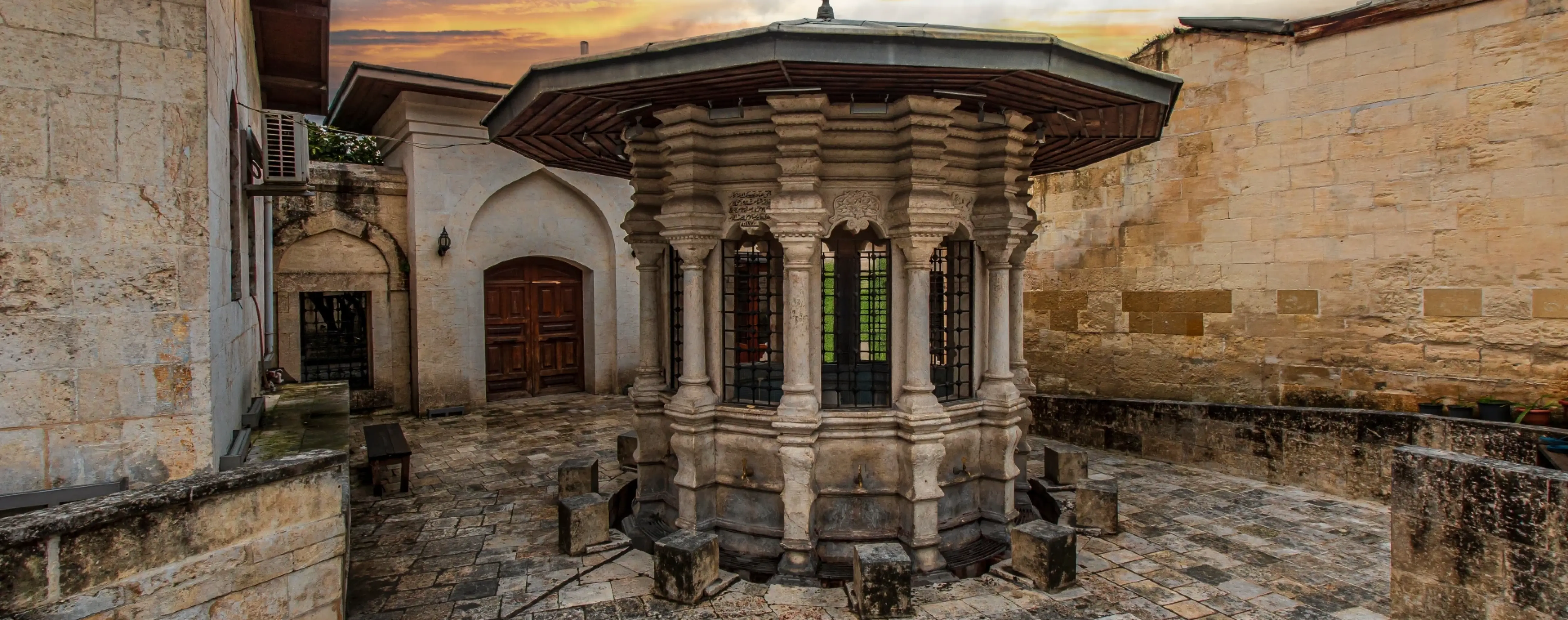
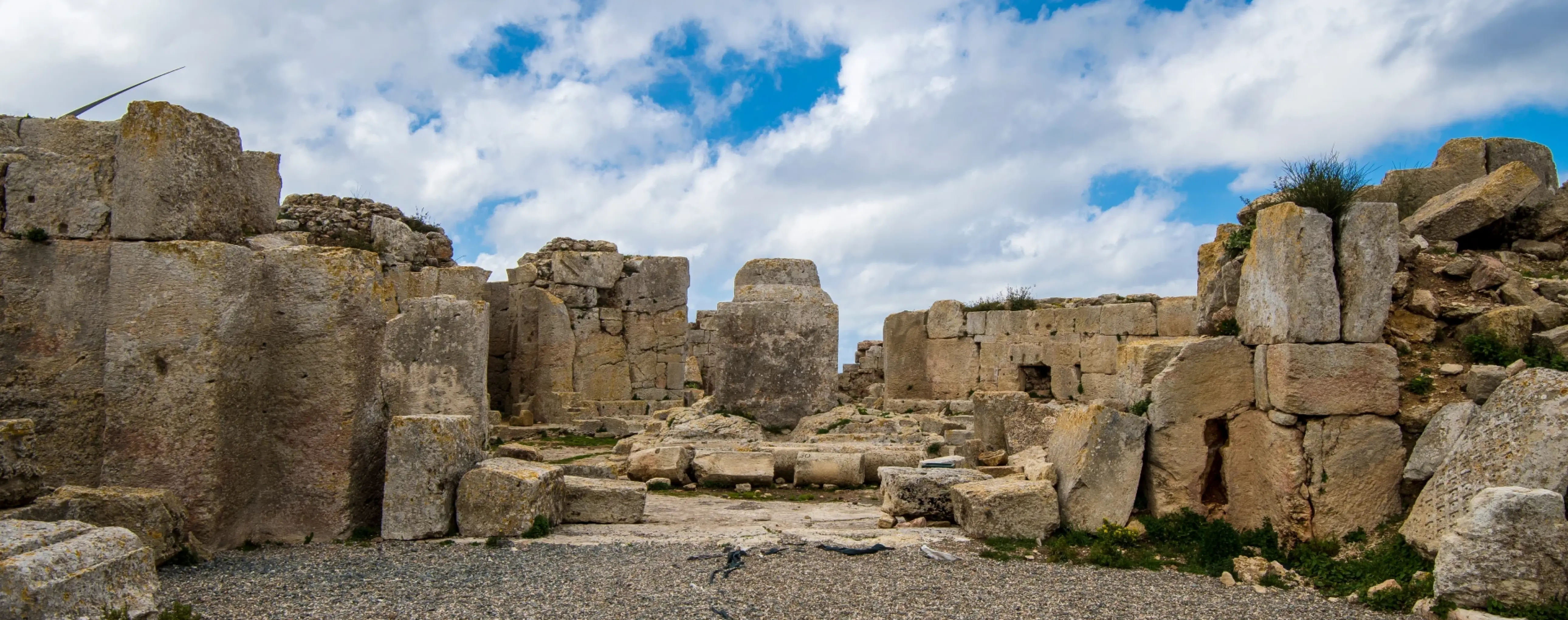
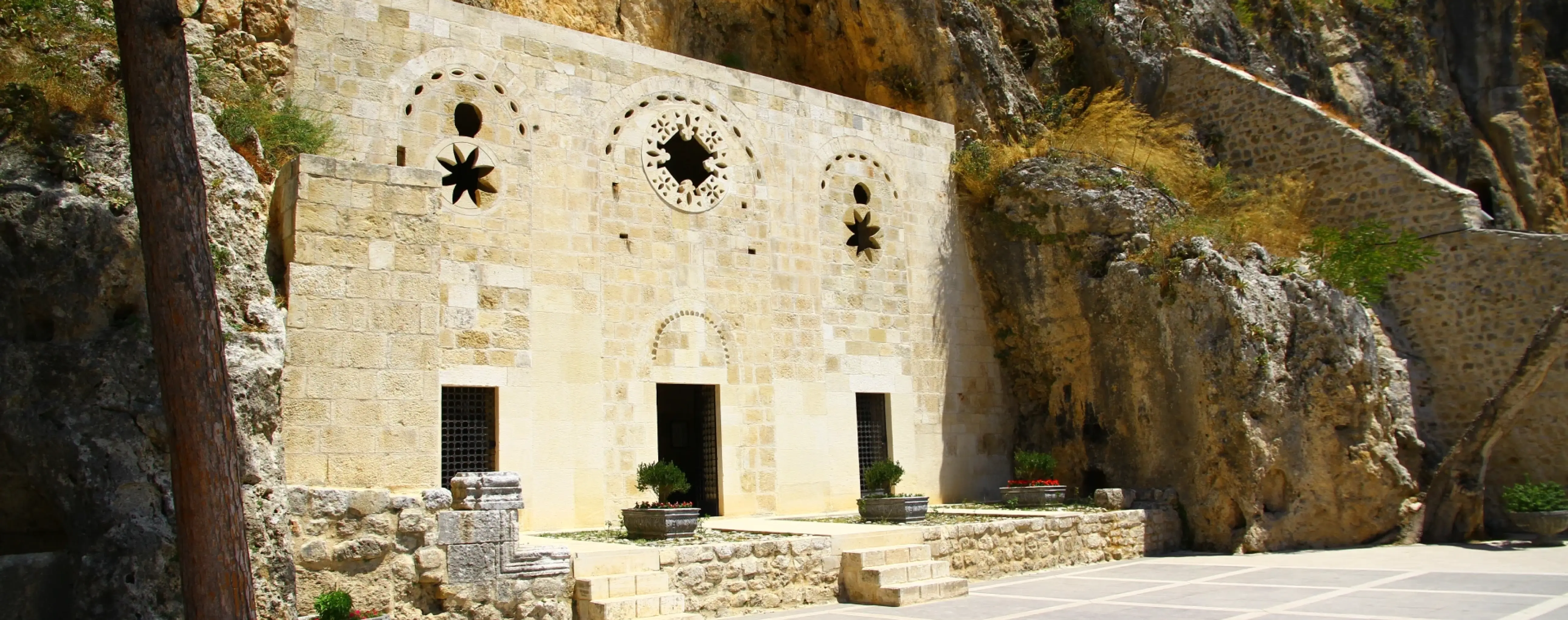
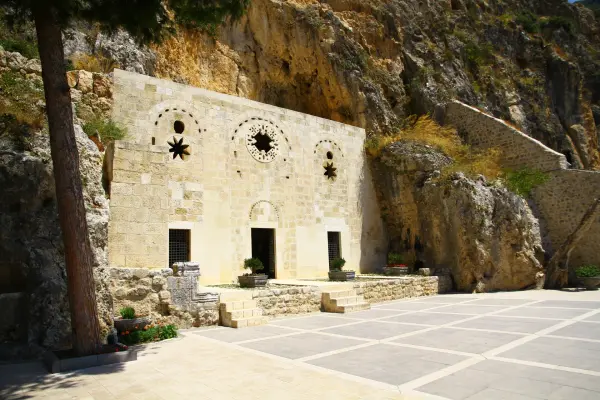
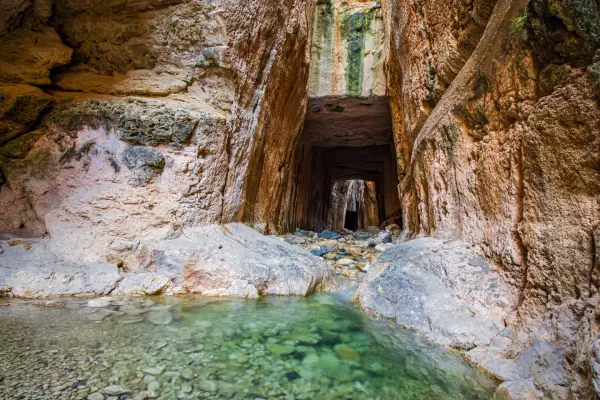
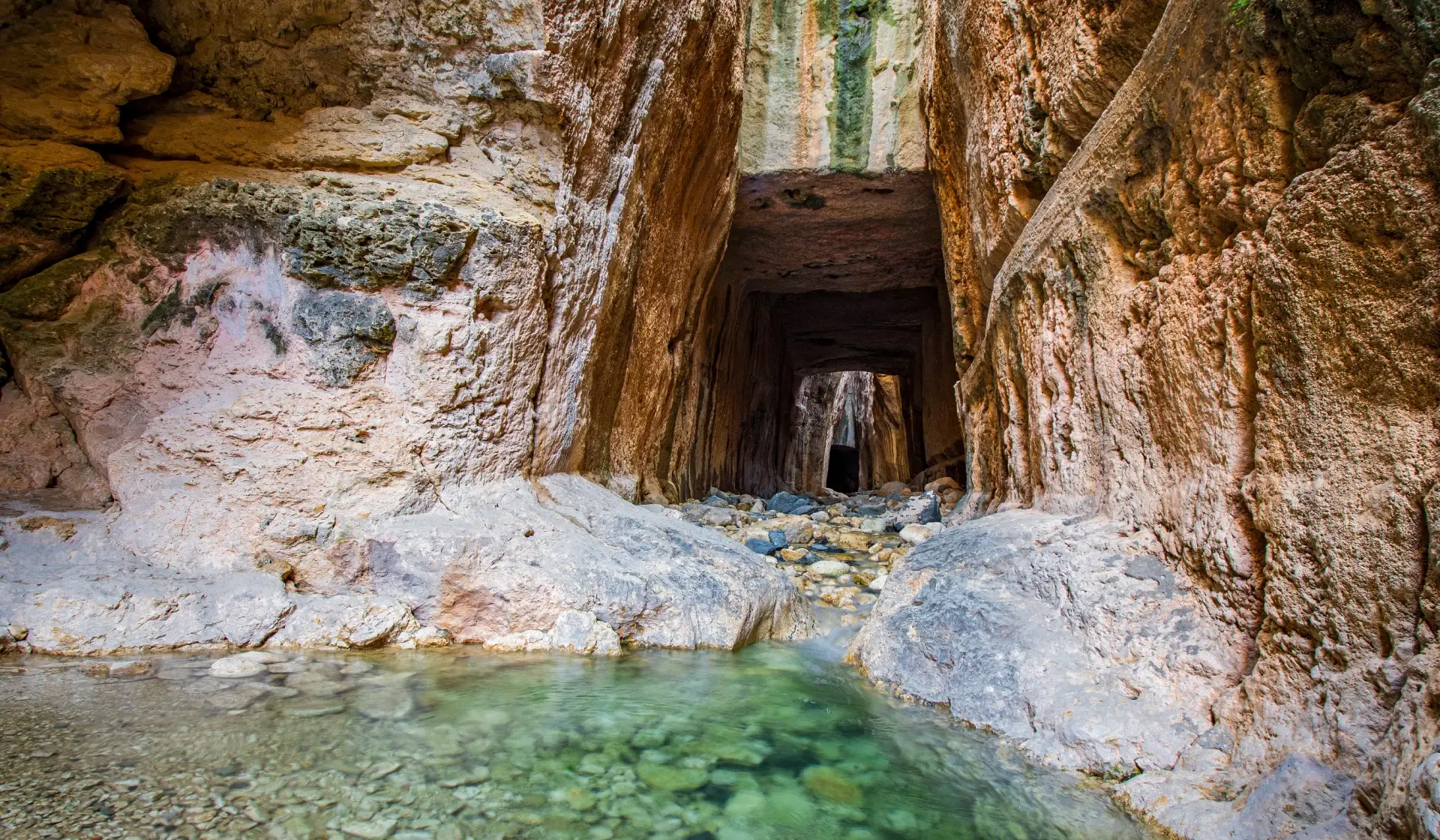
The province's historical identity is rooted in ancient Antioch, the city on whose site modern Antakya now stands. Antioch was one of the major cities of the Hellenistic and Roman world and an important center of early Christianity. Surviving landmarks include the Church of St Pierre, a rock-cut church traditionally associated with the earliest Christian community in Antioch, along with the Titus Tunnel near Samandag, a Roman engineering work cut through rock, and the nearby Besikli Cave Tomb, another important ancient funerary monument. Together, these sites reveal layers of Hellenistic, Roman, and early Christian history across Hatay.
Hatay suits travelers interested in archaeology, religious history, food, walking, nature, and short coastal access. Compared with many Mediterranean destinations in Turkey, it is visited more for archaeology, religious history, and food than for resort tourism. That makes it well suited to a 2-3 day vacation or travel guide style trip built around museum visits, historic streets, archaeological excursions, and regional cuisine rather than a beach-focused stay.
Antakya is the main visitor base, serving as the historic urban center for walking, food stops, and access to major heritage sites. Harbiye works as a nearby excursion area, while the Samandag route is used for the Titus Tunnel and Besikli Cave Tomb. The coast around Samandag, Arsuz, and Iskenderun adds Mediterranean access. Hatay Airport provides air access for visitors arriving on domestic flights, and public transport includes city buses, minibuses, and taxis.
Hatay has a Mediterranean climate, with hot summers and mild winters. Spring and autumn are generally the most comfortable seasons for walking, museum visits, and archaeological excursions. These are the best periods to visit because time outdoors is more comfortable. Peak summer heat is the main period to avoid for intensive walking and visits to exposed sites.
Hatay on the map
Hatay: Attractions, interesting places for excursions
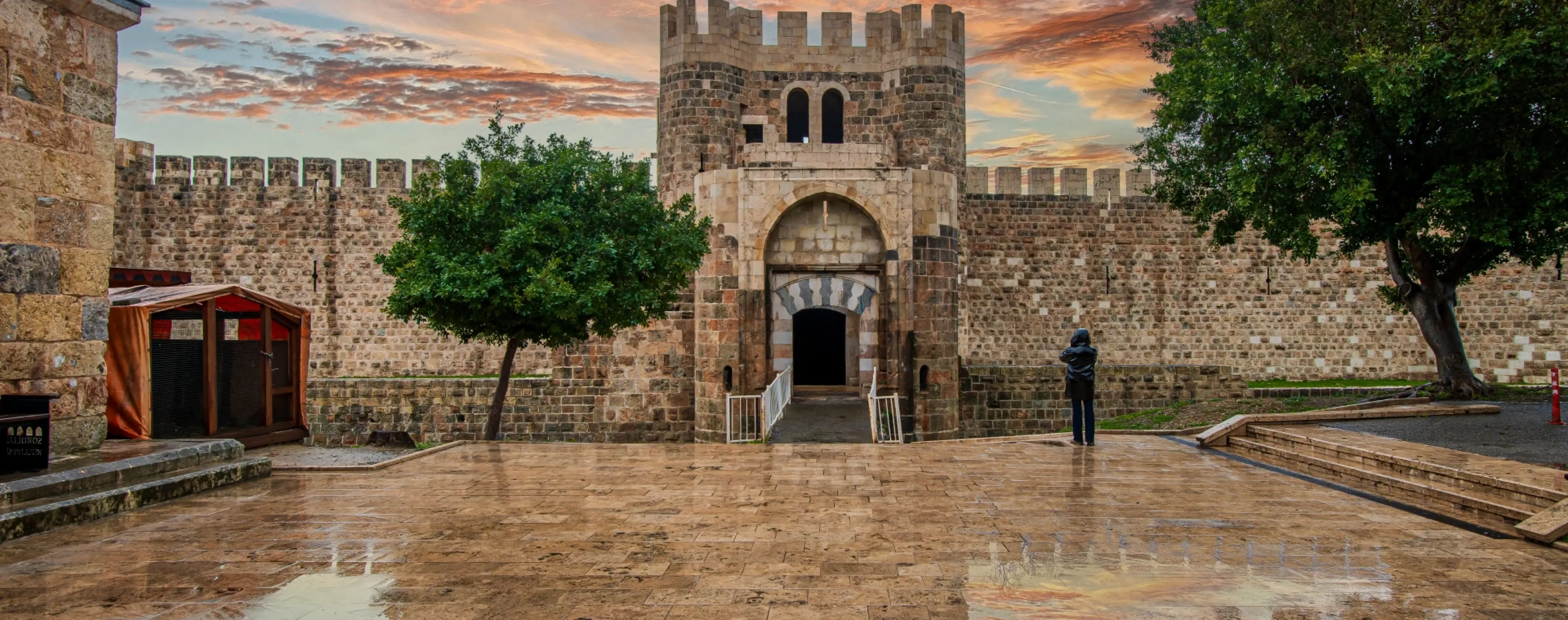
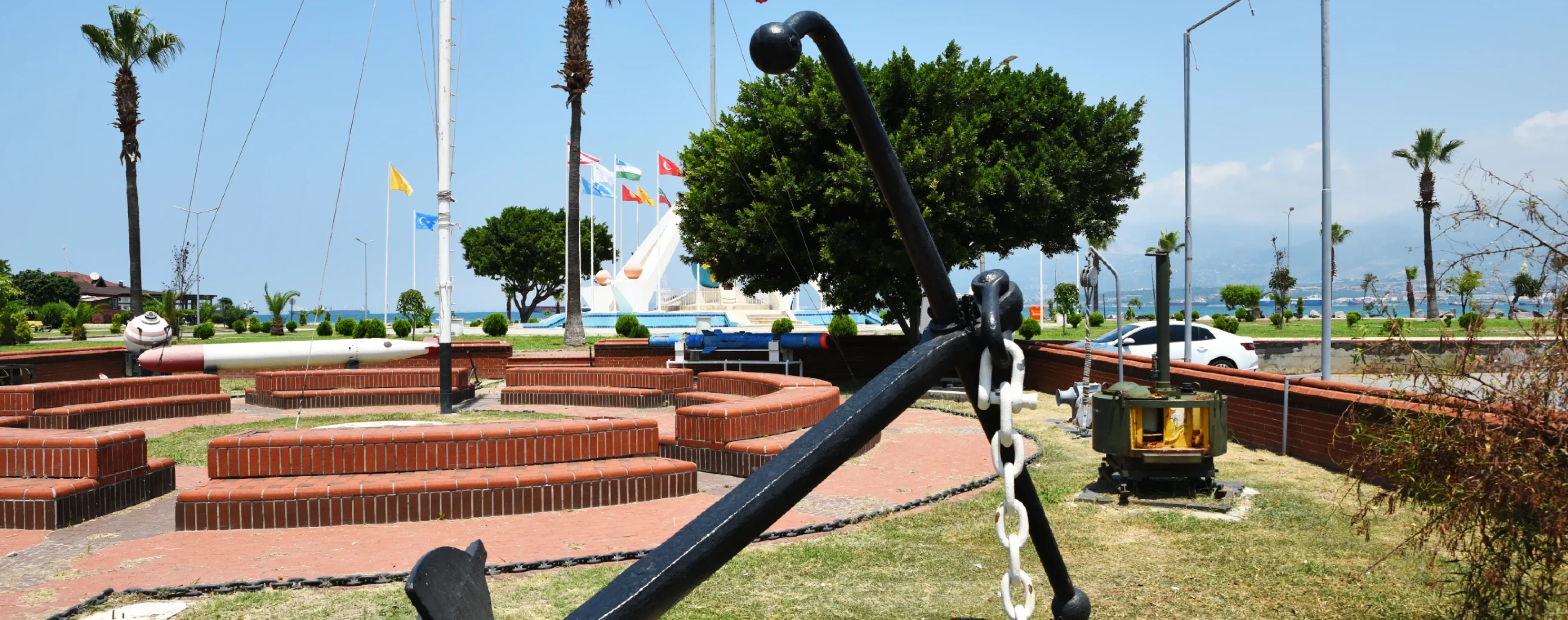
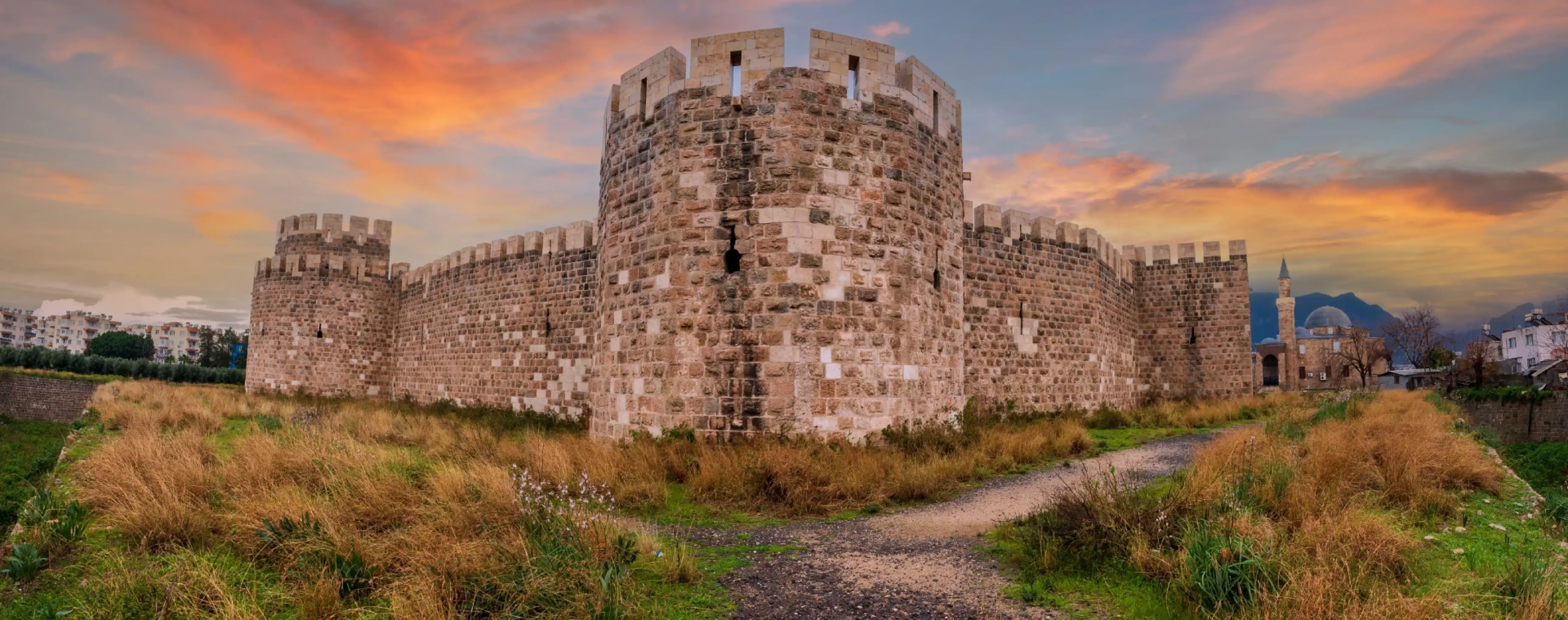
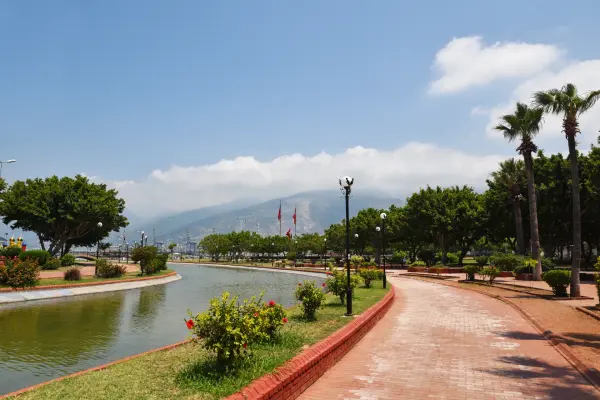
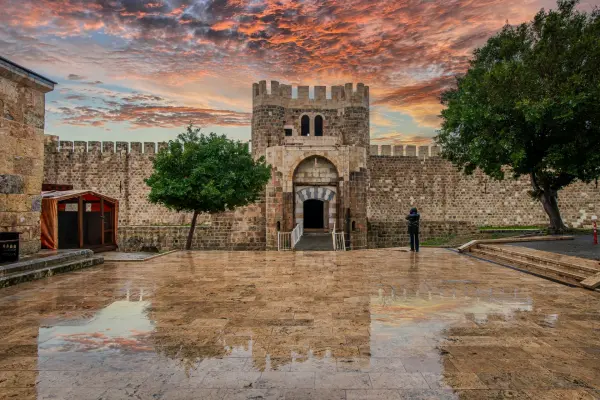
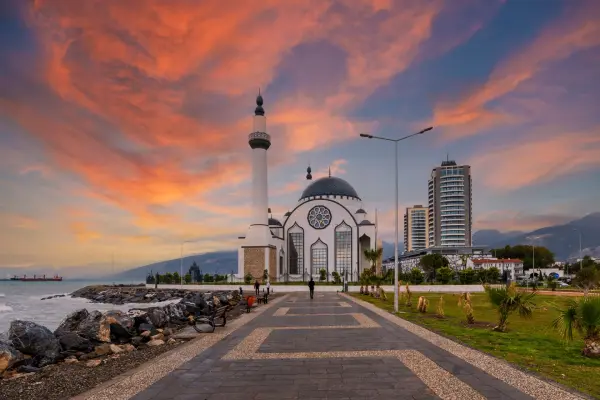
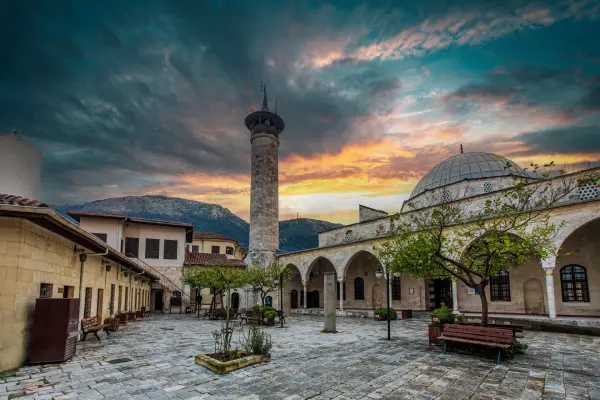
St. Peter's Grotto, Titus Tunnel, Iskenderun Seafront Promenade, Payas Castle
Hatay: Popular Districts
Antakya, Iskenderun


What to do in Hatay, from Antakya and St Pierre to Samandag
Rock-cut church, Roman tunnel, and kunefe by the Asi River
What to see between Antakya, St Pierre, and Samandag
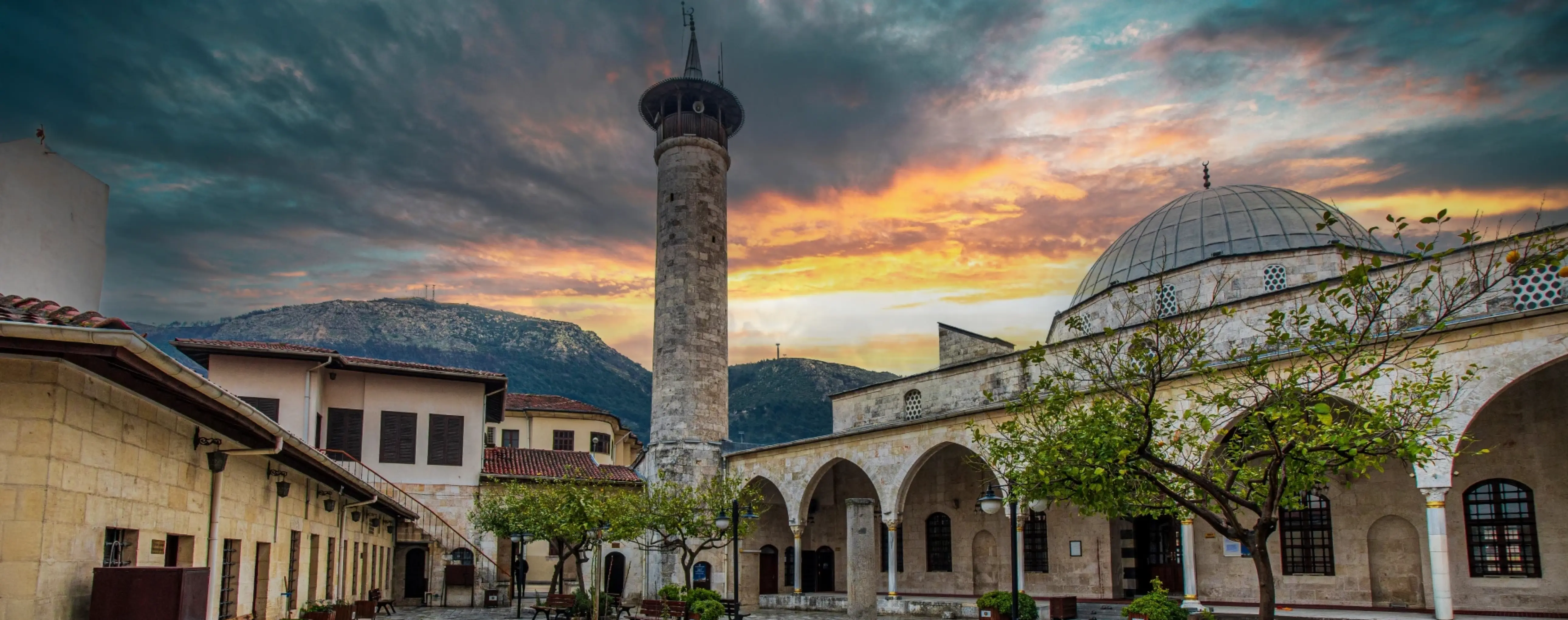
In Antakya, the historic urban core of the modern city stands on the site of ancient Antioch, with the Asi River shaping the setting. Much of the visible heritage reflects Antioch's place as a major Hellenistic and Roman city and an important center of early Christianity. The Church of St Pierre is a rock-cut church traditionally associated with the earliest Christian community in Antioch. Along the Samandag route, the Titus Tunnel reveals Roman engineering cut through rock, while the nearby Besikli Cave Tomb adds an ancient funerary monument to the same circuit. Together, these are among the key places to visit in Hatay's archaeological landscape.
The Hatay Archaeology Museum is the province's main museum and is known for its Roman mosaics and regional archaeological collections. Near Antakya, Harbiye is a well-known excursion area associated with waterfalls and the ancient settlement of Daphne. Beyond the inland sites, Hatay also reaches the Mediterranean coast around Samandag, Arsuz, and Iskenderun, bringing shoreline scenery into the trip.
Many visits focus on walking through central Antakya, spending time in the museum, seeing the Church of St Pierre, and making a day trip to the Titus Tunnel and Besikli Cave Tomb. Harbiye provides a nature stop, while the coast around Samandag or Arsuz can be combined with heritage sightseeing as part of what to do in the province. Food is a major part of the experience, and Hatay cuisine is especially known for dishes and products such as kunefe, tepsi kebabi, humus, oruk, and zahter.
City Details
City overview – facts & data for travelers
Best tours and travel experiences across the continent


Hatay photos
Guided tours, popular attractions, and top-rated hotels across the continent