Kutahya Turkey travel guide to Aizanoi
Kutahya, Turkey
Kutahya is an inland city in western Turkey, in the Aegean Region. Set away from the Aegean coast, it occupies mixed terrain with hills around it. The city lies near a river and has an urban basin setting rather than a coastal landscape.
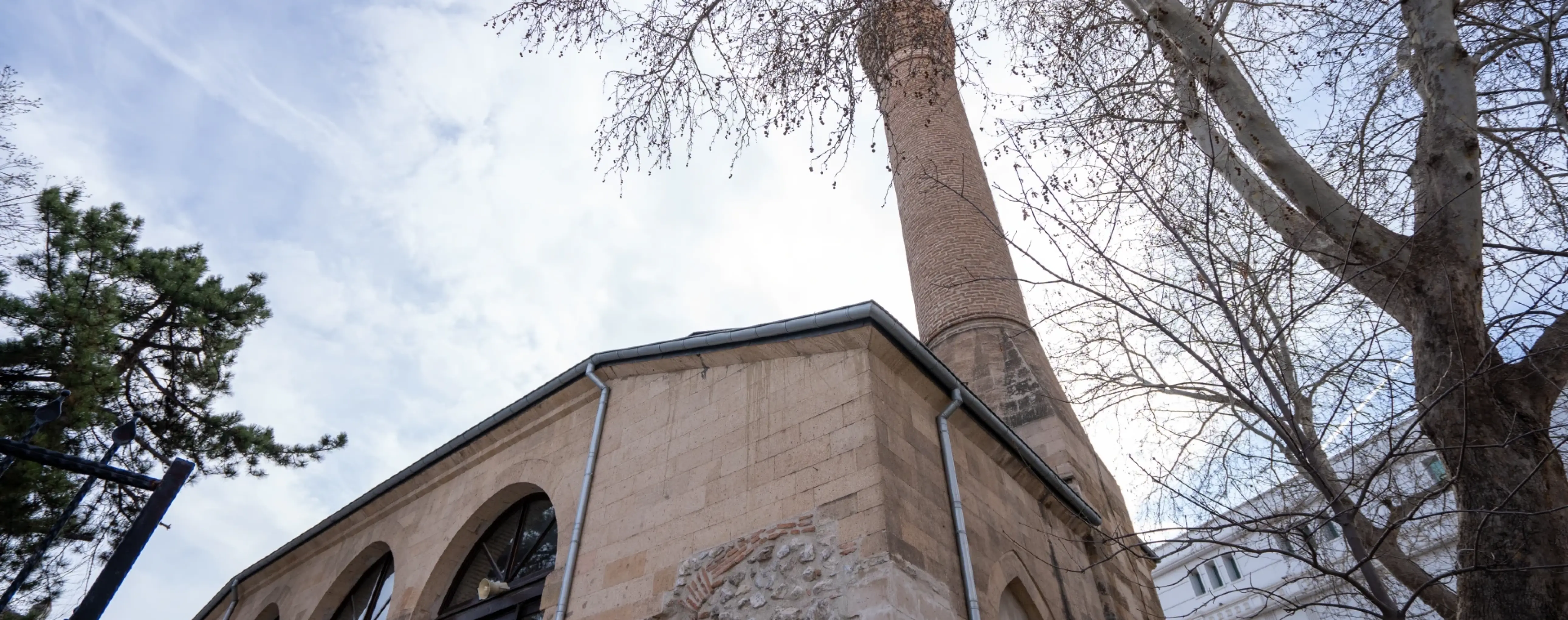
Kutahya has deep historical links to the Germiyan principality and later Ottoman rule. Those layers remain visible across the city, from Kutahya Castle on the hill above the center to Ottoman-era houses, mosques, and historic streets in the core. Together, they shape a historic center with preserved traditional urban fabric and religious architecture.
The city combines cultural sightseeing, walking, nature-linked day trips, and craft shopping. Its strongest identity is tied to ceramic and tile production rather than seaside tourism, making it better suited to short holidays or a travel guide focused on history, local crafts, and nearby archaeology. A typical visit is built around exploring the historic center on foot and adding a short excursion to major ruins in the surrounding area.
The main visitor areas are the historic center and the Germiyan area. The historic center is used for walking through Ottoman-era streets, mosques, and ceramic-focused shopping, while Germiyan Street is one of the best known preserved traditional streets. Kutahya is served by Zafer Airport for the wider region, though many visitors also arrive overland, and the city has road links to Afyonkarahisar and Eskisehir.
Kutahya has an inland climate, with warm to hot summers and cold winters. Spring and autumn are generally the most comfortable seasons for walking the historic center and visiting nearby ruins. Summer visits are possible but can be hot, while mid-winter is the main period to avoid for outdoor sightseeing.
Kutahya on the map
Kutahya: Attractions, interesting places for excursions
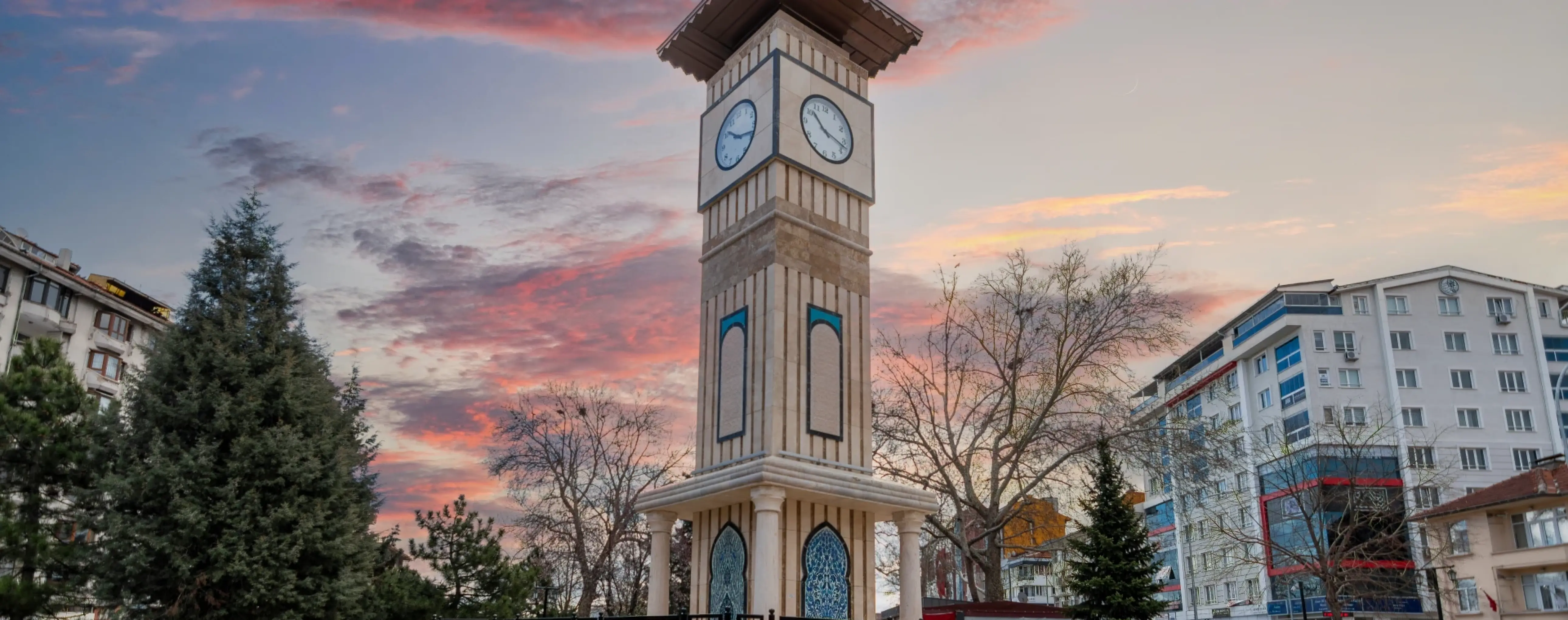
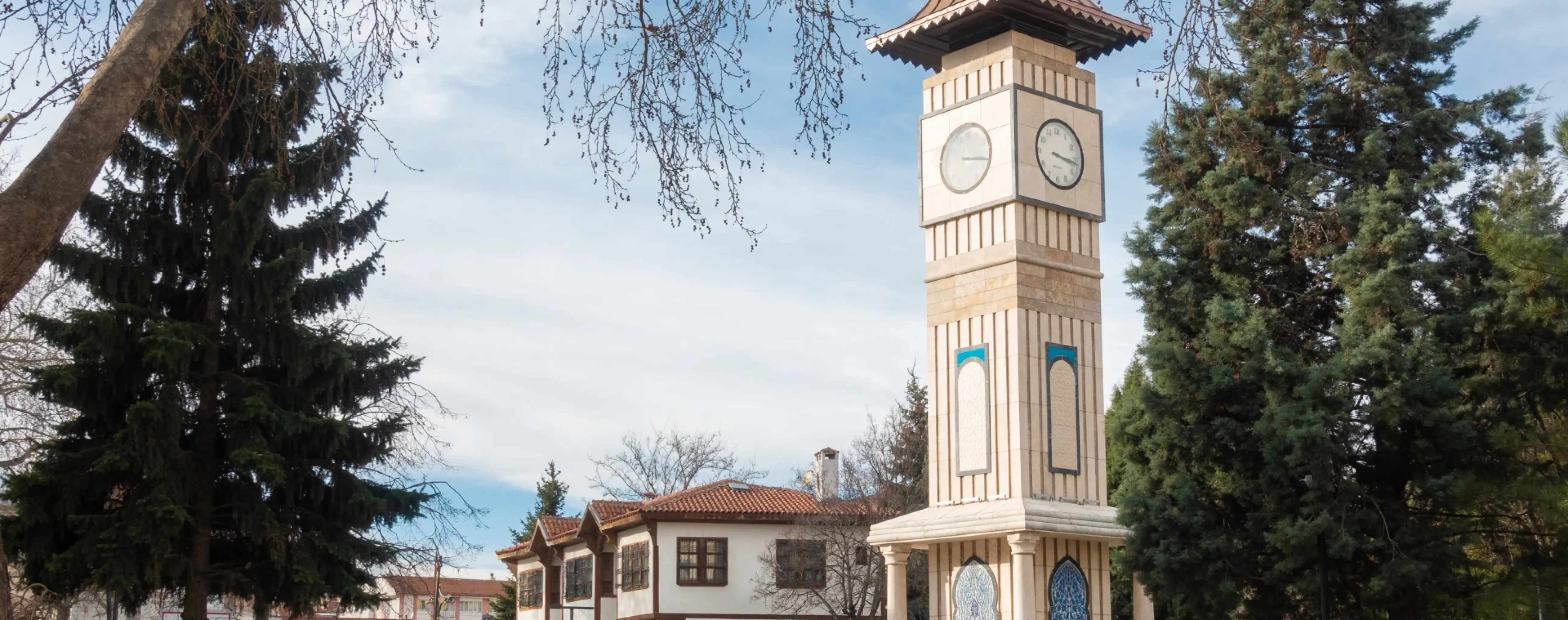
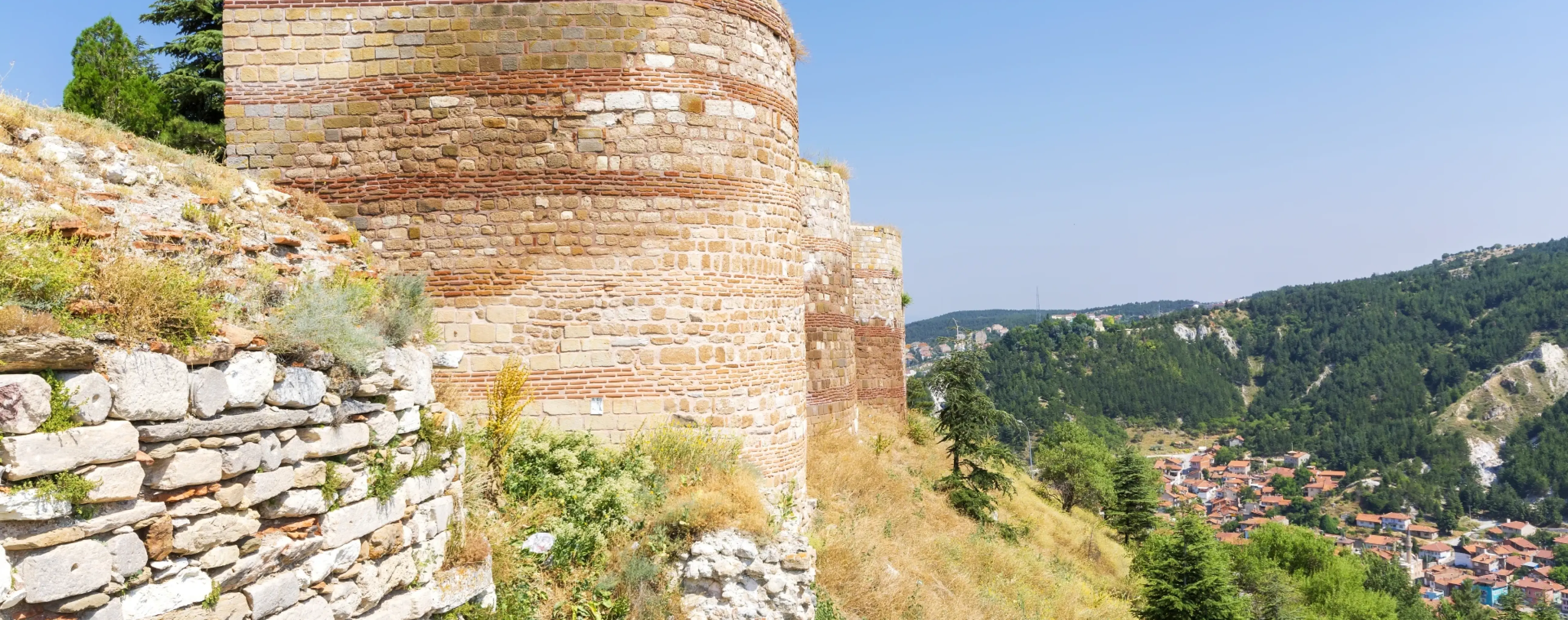
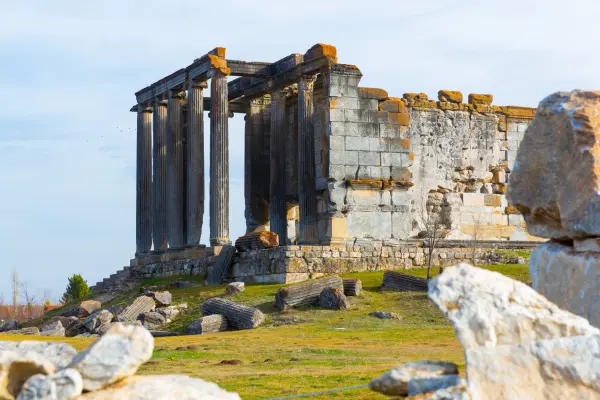
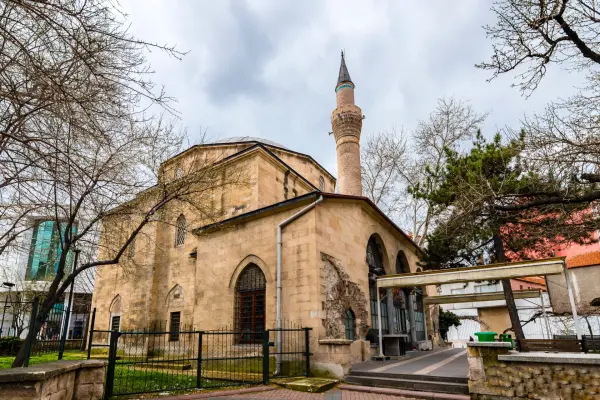
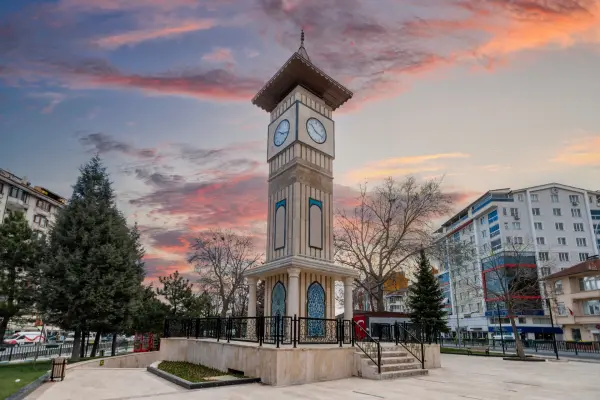
Kutahya Fortress, Ancient City of Aizanoi, Karagoz Ahmed Pasha Mosque, Kutahya Clock Tower
What to see in Kutahya, from Germiyan Street to Aizanoi
Castle views, tiled mosques, and Ottoman streets on the hillside
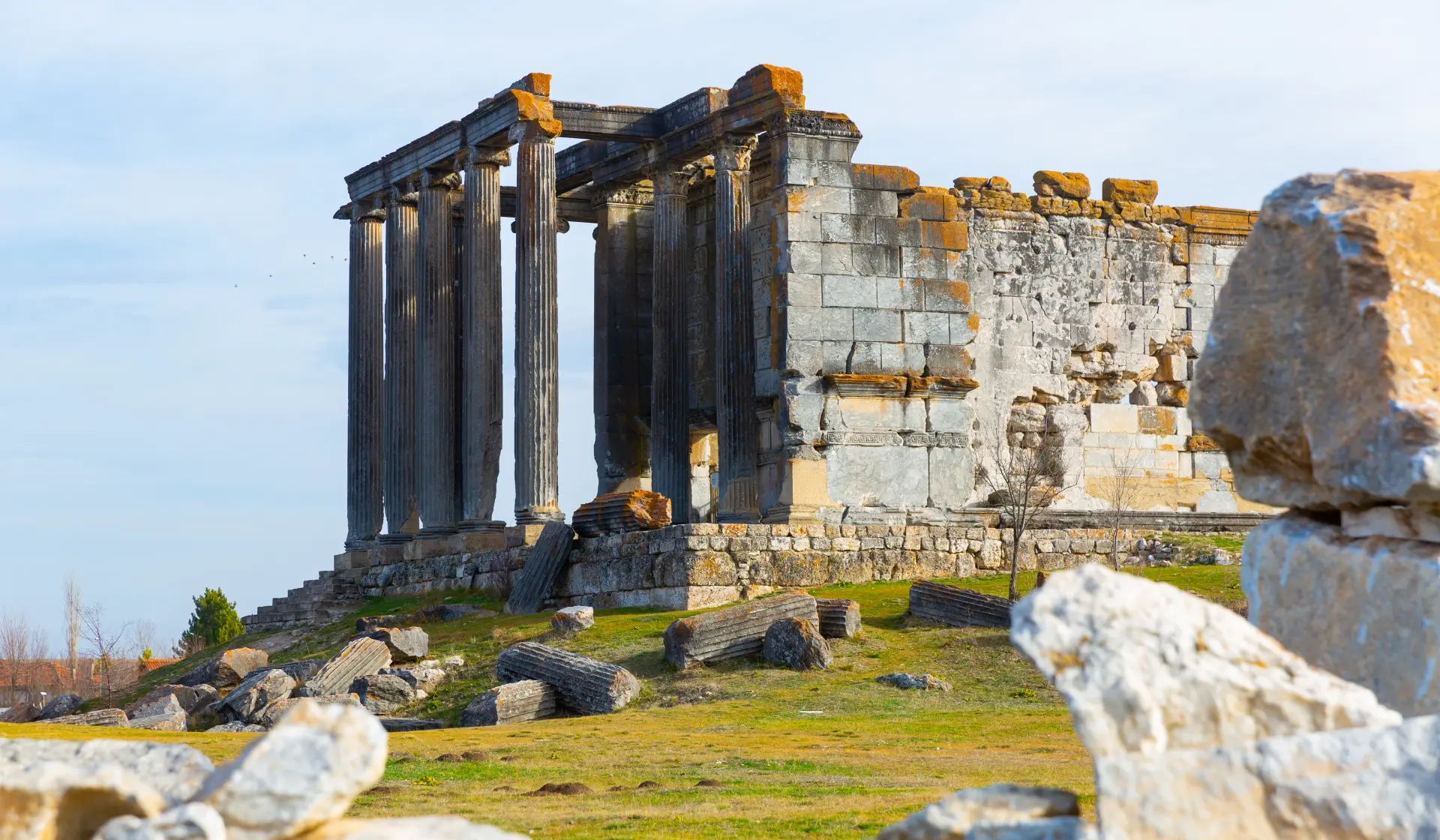
Walking Kutahya's historic center and nearby Aizanoi
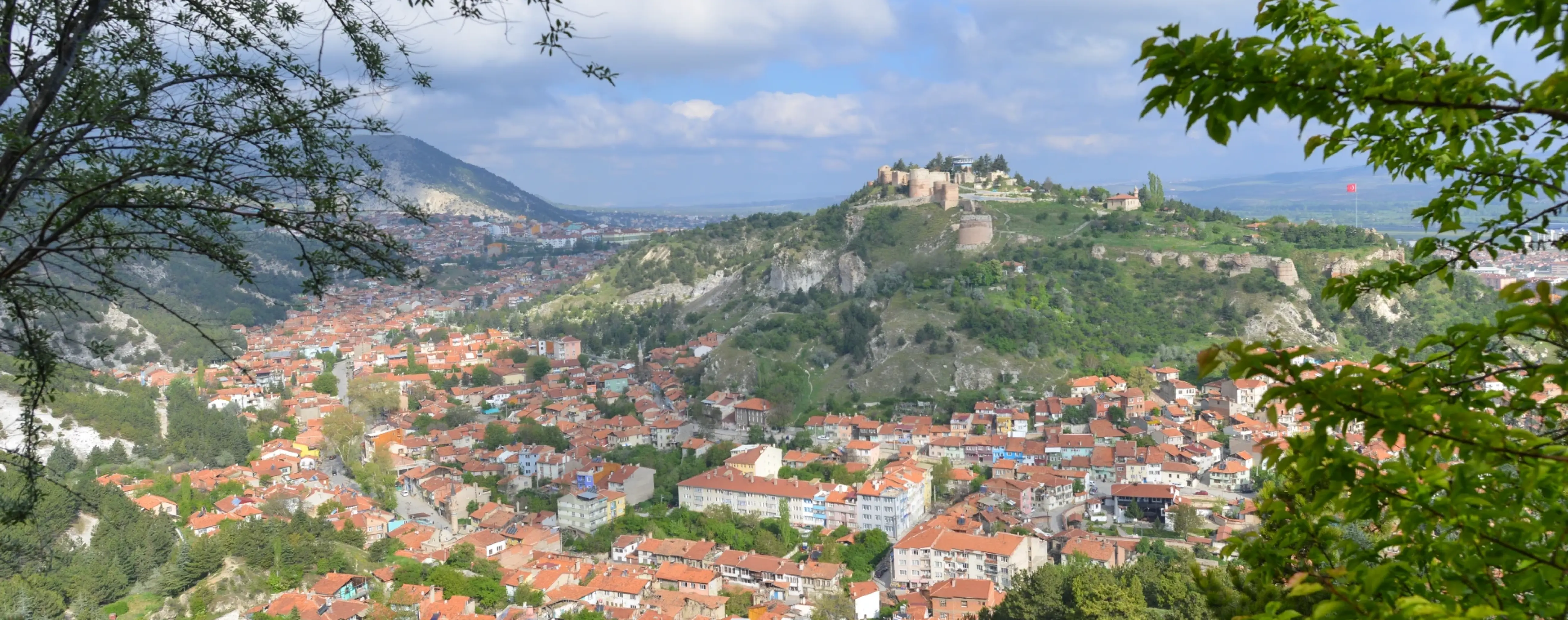
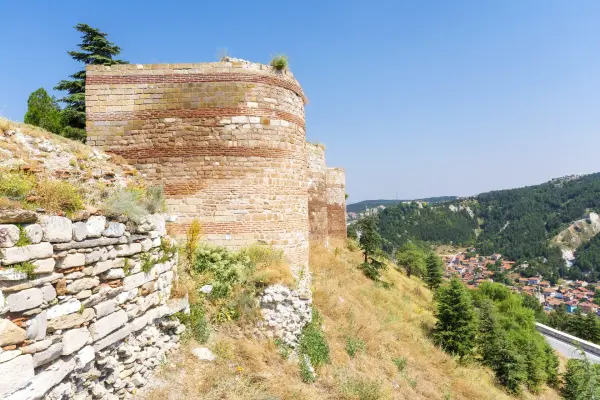
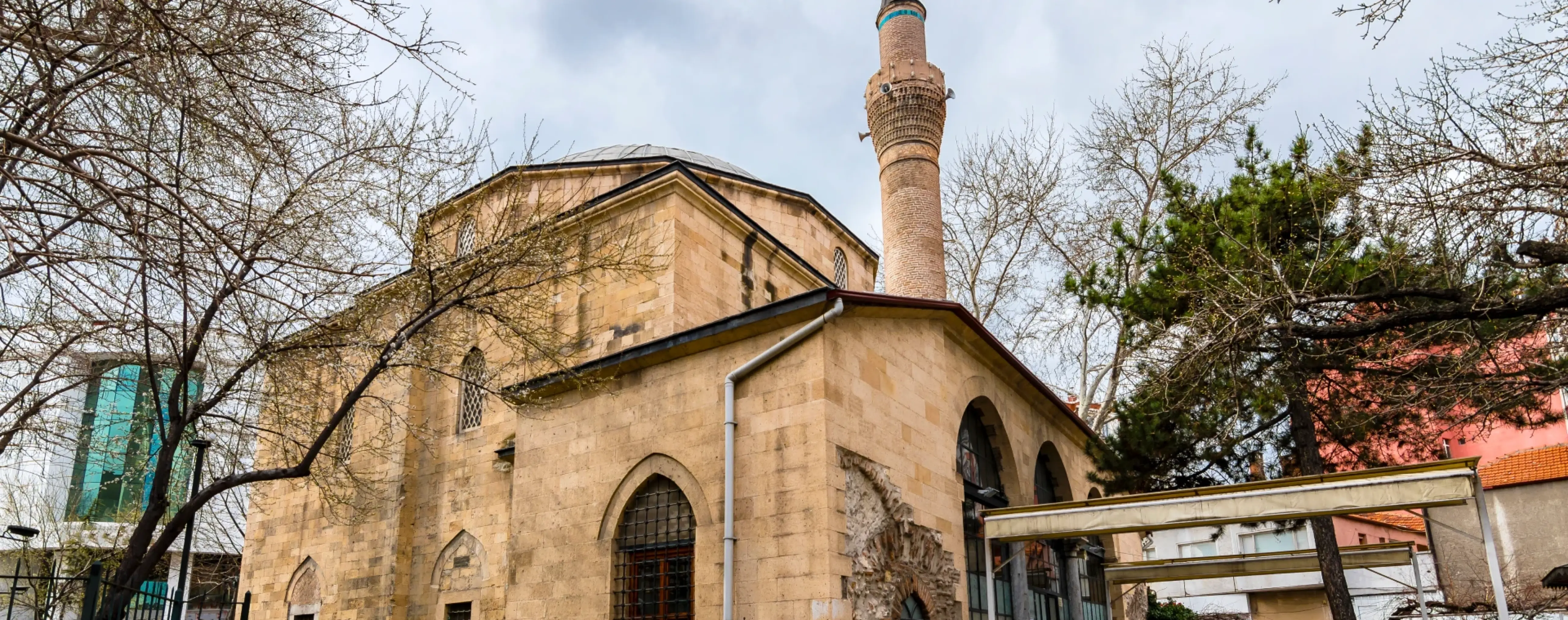
In the historic core, walking routes pass Ottoman-era houses, mosques, and traditional streets that are well suited to exploring on foot. Germiyan Street is one of the best known heritage streets and is closely associated with preserved traditional houses. Above the city, Kutahya Castle stands on a hill and offers one of the main panoramic viewpoints, while Cinili Camii is a notable religious landmark, especially associated with decorative tile work. Together, these places help explain the city's Germiyan and Ottoman layers.
Kutahya Archaeology Museum is an important stop for anyone interested in the region's ancient past. This is an inland city rather than a coastal one, and the main natural setting described for visitors is the hill above the city at Kutahya Castle along with the surrounding mixed terrain with hills. There is no coastal waterfront or marina function here, as Kutahya is not a seaside destination.
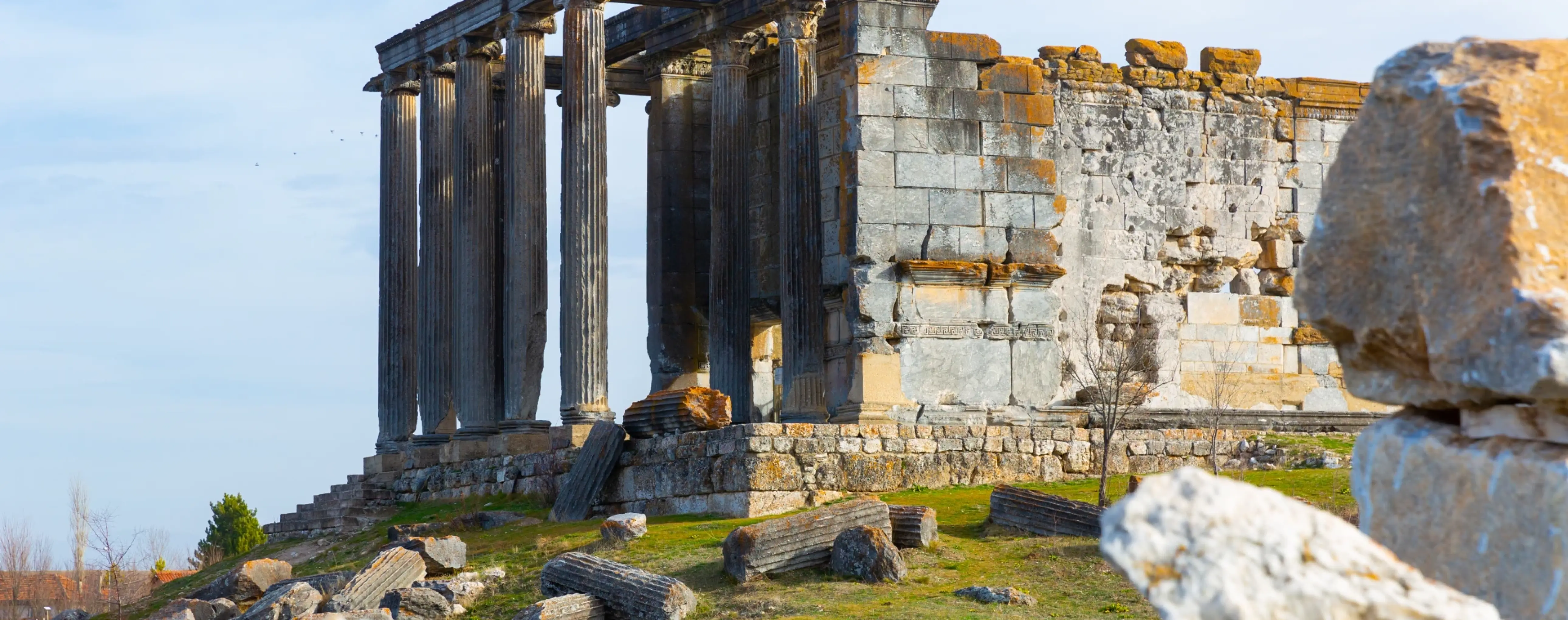
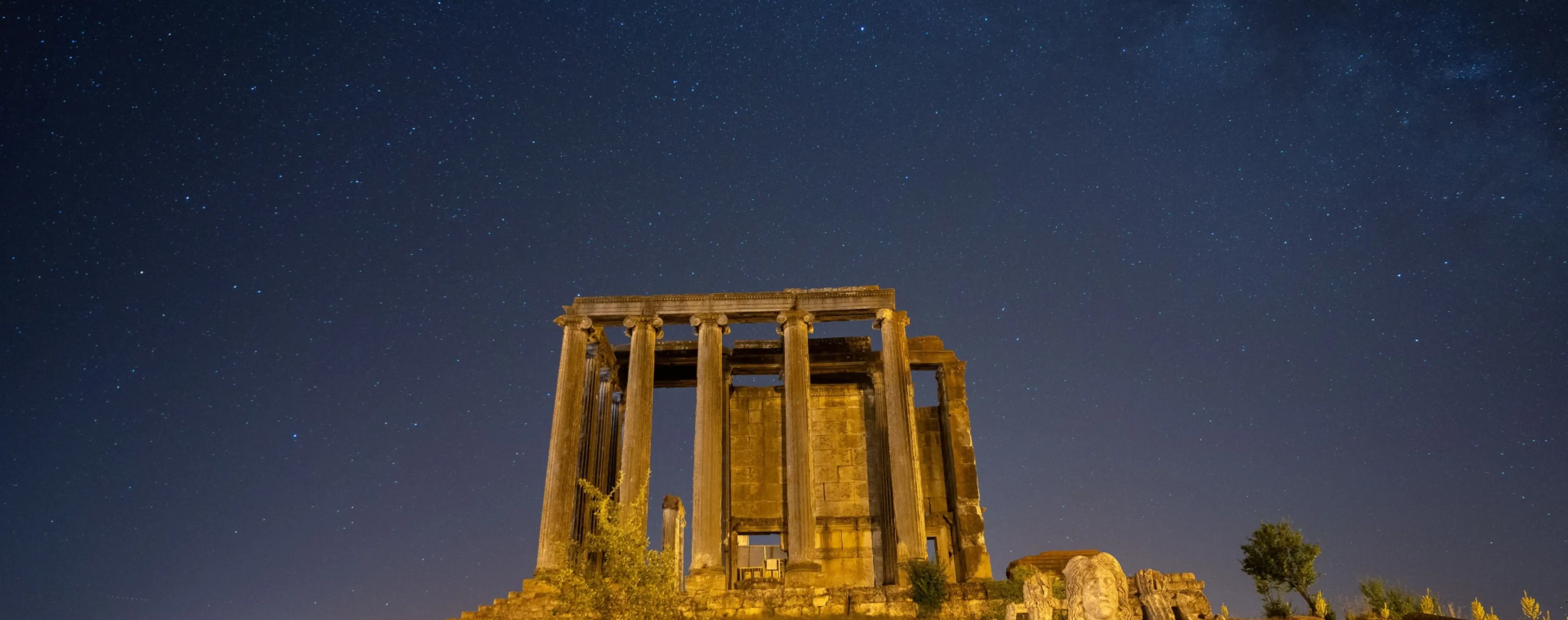
Beyond monument visits and walking, time in the historic center often includes shopping for Kutahya ceramics and tiles and seeing the local ceramic associations that define the city. Another key excursion is a day trip to Aizanoi Ancient City, one of the most important archaeological sites associated with Kutahya, known for the Temple of Zeus, one of the best preserved Roman temples in Anatolia. After sightseeing, local dining is affordable by Turkish city standards and includes traditional Turkish and Anatolian cooking, with Cimcik and sini mantisi as local dishes associated with Kutahya cuisine.
City Details
City overview – facts & data for travelers
Best tours and travel experiences across the continent

Kutahya photos
Guided tours, popular attractions, and top-rated hotels across the continent