
Bilkent Travel Guide, Ankara
Bilkent, Ankara
Bilkent is a district of Ankara in Central Anatolia, Turkey. This planned area lies in western Ankara along the Eskisehir Road corridor, about 10-15 km from Kizilay and the historic center, depending on the route. It has a suburban setting defined by broad roads, landscaped areas, apartment complexes, institutional buildings, and gently hilly terrain.
Bilkent is known more for its modern urban role than for historic monuments. It is closely associated with Bilkent University, which gives the district an academic character and brings a steady flow of students, staff, and visitors. Key places include Bilkent Concert Hall, Bilkent Center, Ankuva Shopping Center, and Bilkent City Hospital, so the area is often visited for concerts, university events, conferences, medical appointments, and practical short stays linked to these purposes.
Most visitors reach Bilkent by road, with easy access from central Ankara and the western suburbs via Eskisehir Road. Public transport includes Ankara city buses, dolmus connections on major roads, and taxis. Because the district is spread out, many visitors get between the university, shopping areas, hospital, and other sites by car, taxi, or bus rather than entirely on foot.
Bilkent on the map
Bilkent attractions and practical visitor tips
Campus avenues, concert evenings, and cafes on Ankara's western hills
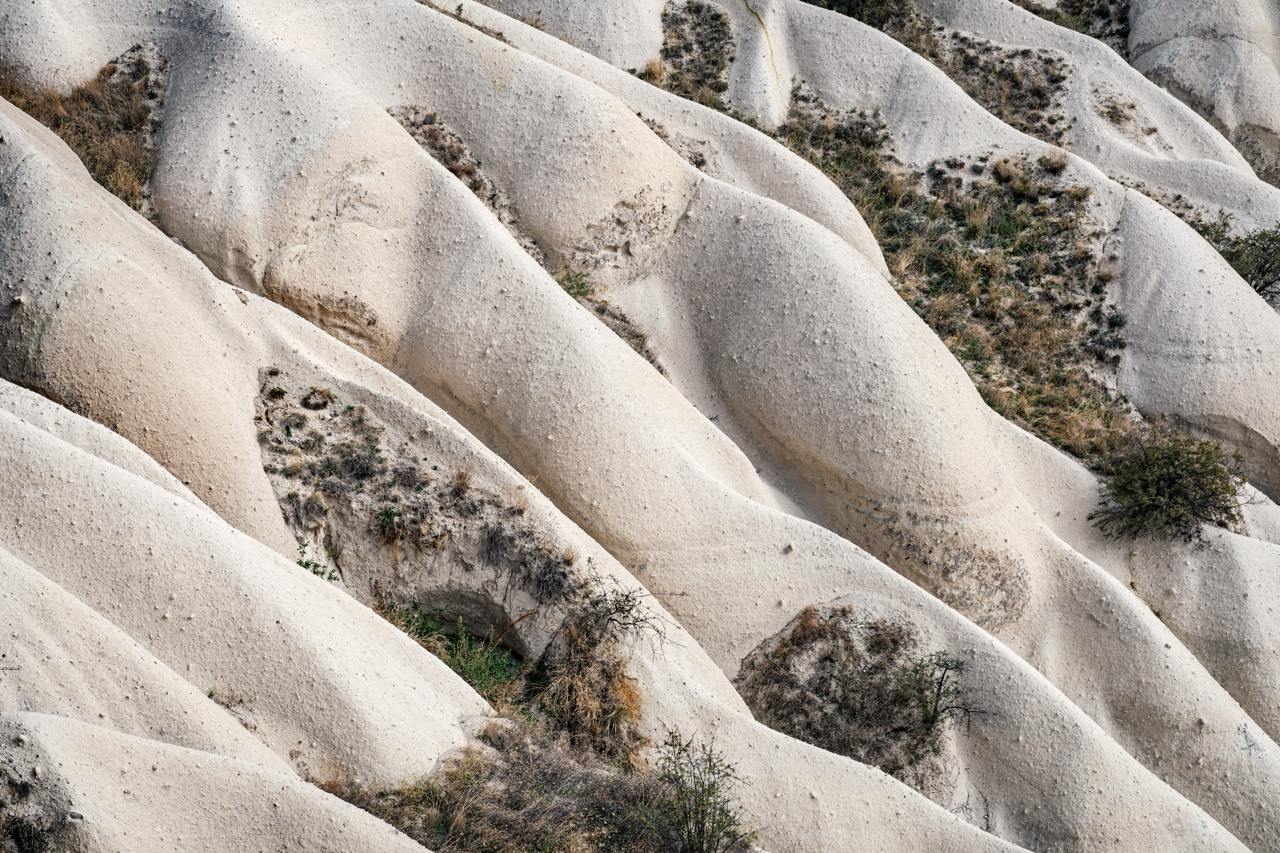
Main places to visit in Bilkent
The main places to visit in Bilkent are tied to its modern institutions and services. Bilkent University is the district's defining landmark, and Bilkent Concert Hall is one of its best-known cultural venues for classical music and other performances. Other practical draws include Bilkent Center and Ankuva Shopping Center, while Bilkent City Hospital is one of Ankara's major medical destinations.
Bilkent has a dispersed layout rather than a compact historic center. Across the district, visitors will find broad roads, landscaped areas, apartment complexes, and institutional buildings, all contributing to its modern character. Walking is possible within individual complexes and outdoor areas, especially in spring and autumn, but the district as a whole is not ideal for continuous exploration on foot because its main sites are separated.
Many visitors also come to Bilkent for shopping, dining, and everyday practical needs. Dining is concentrated around malls, commercial clusters, and areas near the university, and the atmosphere is mostly local and functional, with fewer leisure tourists than in central heritage districts. In the evening, Bilkent is better known for cafes, restaurants, and concert visits than for major nightlife, making it a good fit for visitors looking for straightforward things to do rather than late-night entertainment.
District overview – facts & data for travelers
Best tours and travel experiences across the continent

Guided tours, popular attractions, and top-rated hotels across the continent


