Ankara Turkey travel guide to Anitkabir
Ankara, Turkey
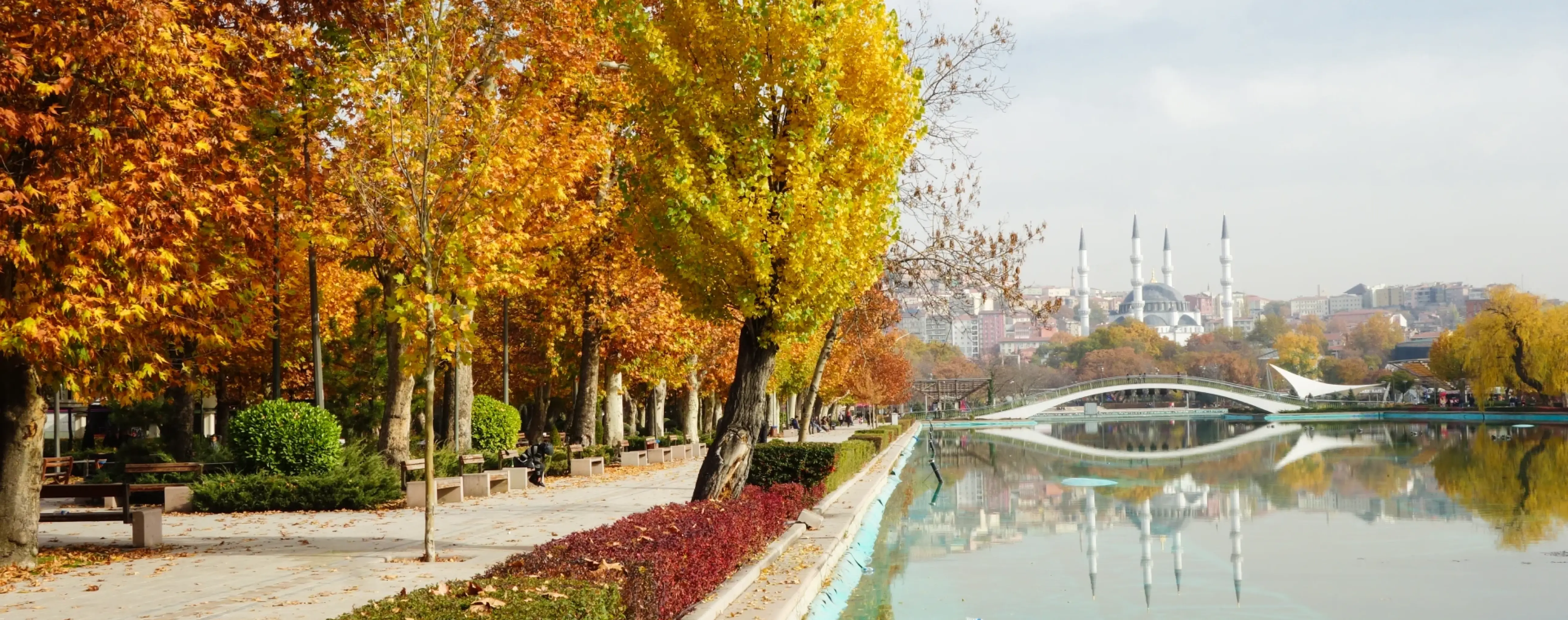
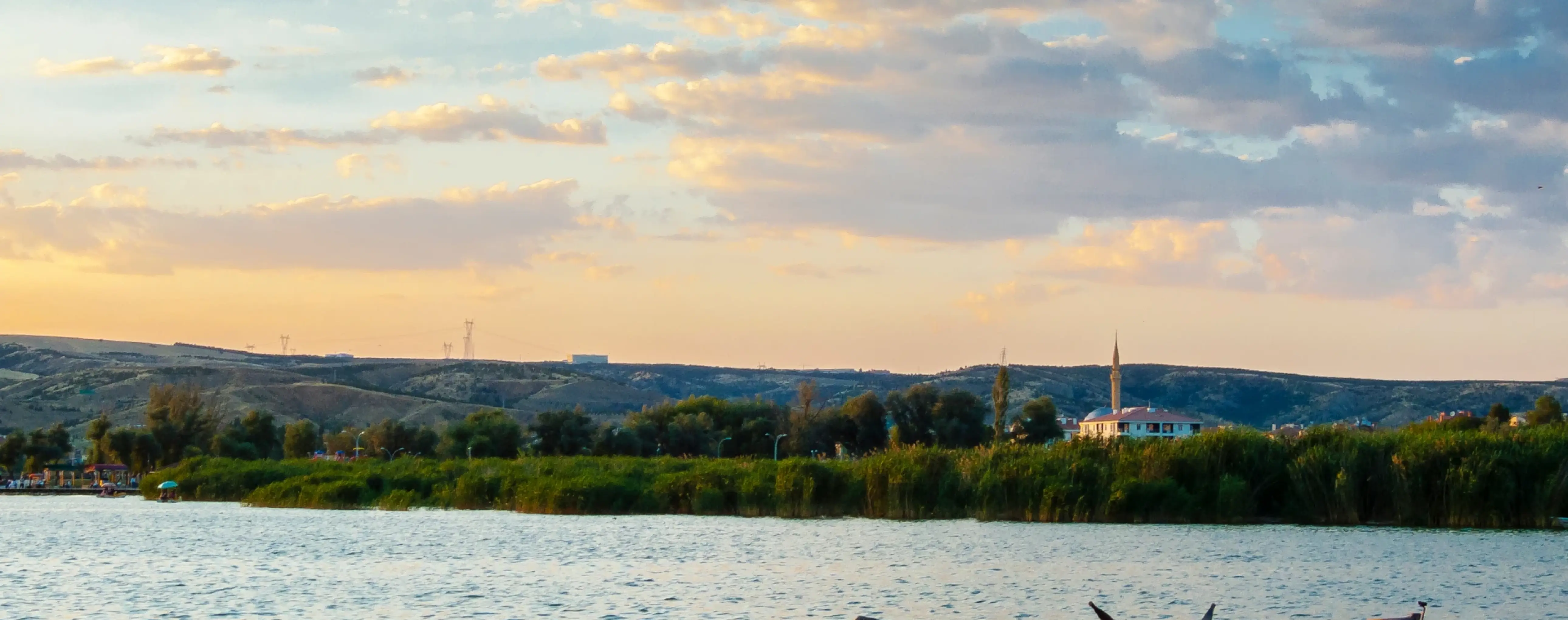
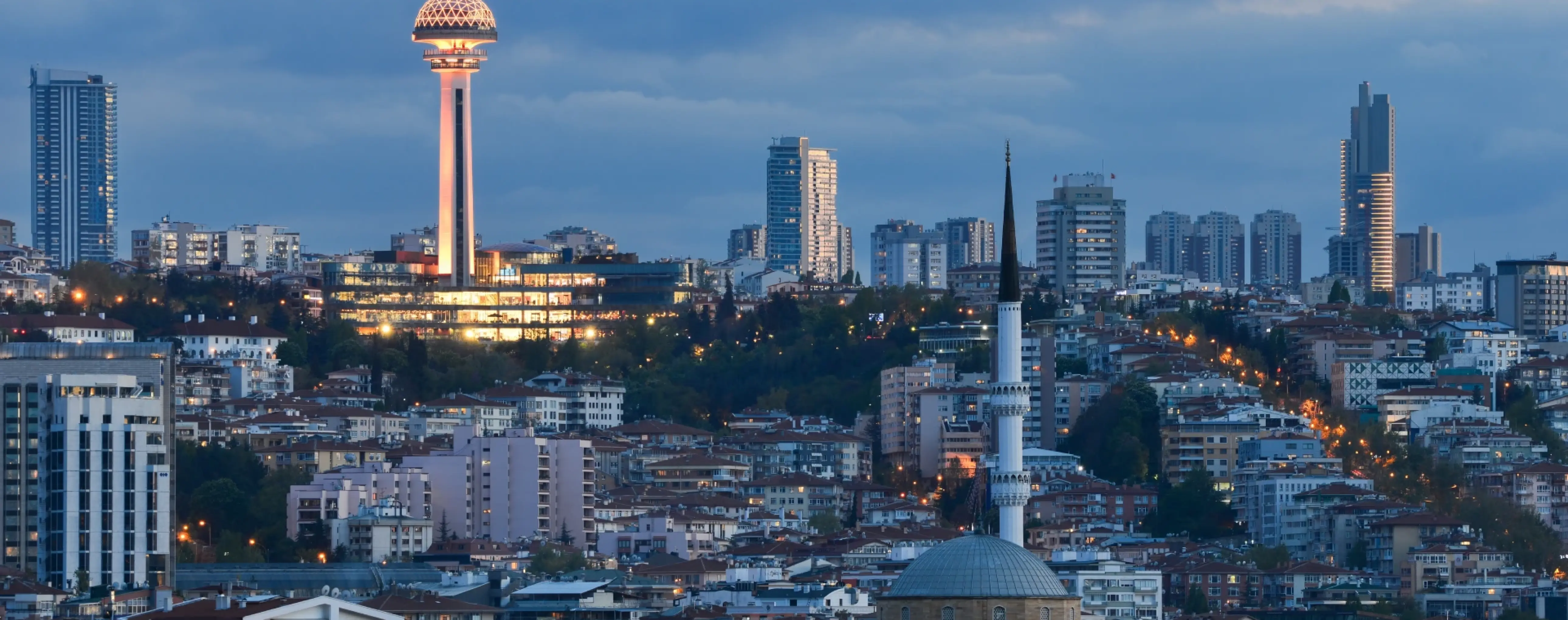
Ankara is a metropolitan city in Turkiye and the country's capital, set in the central part of Central Anatolia. It lies inland on the heart of the Anatolian plateau, away from the coasts, with no sea or waterfront setting. Rather than a coastal landscape, the city has mixed terrain and an elevated inland plateau backdrop.
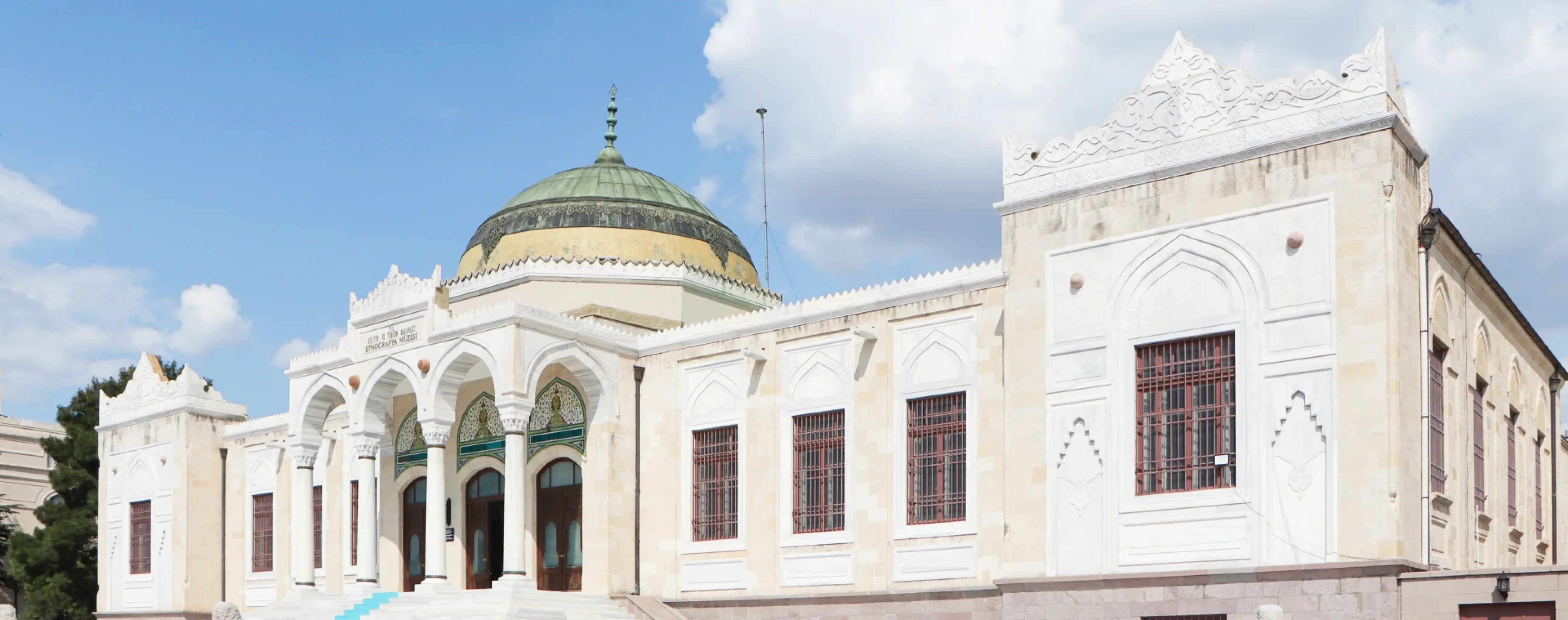
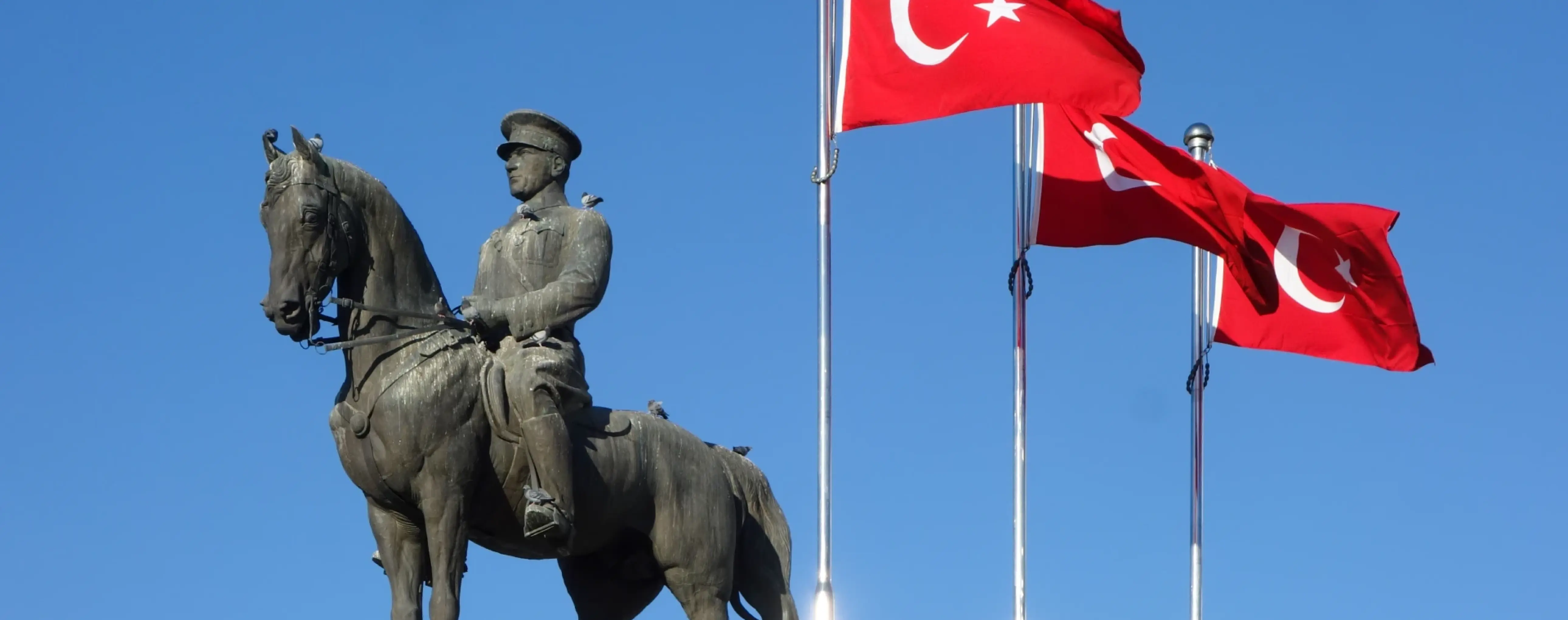
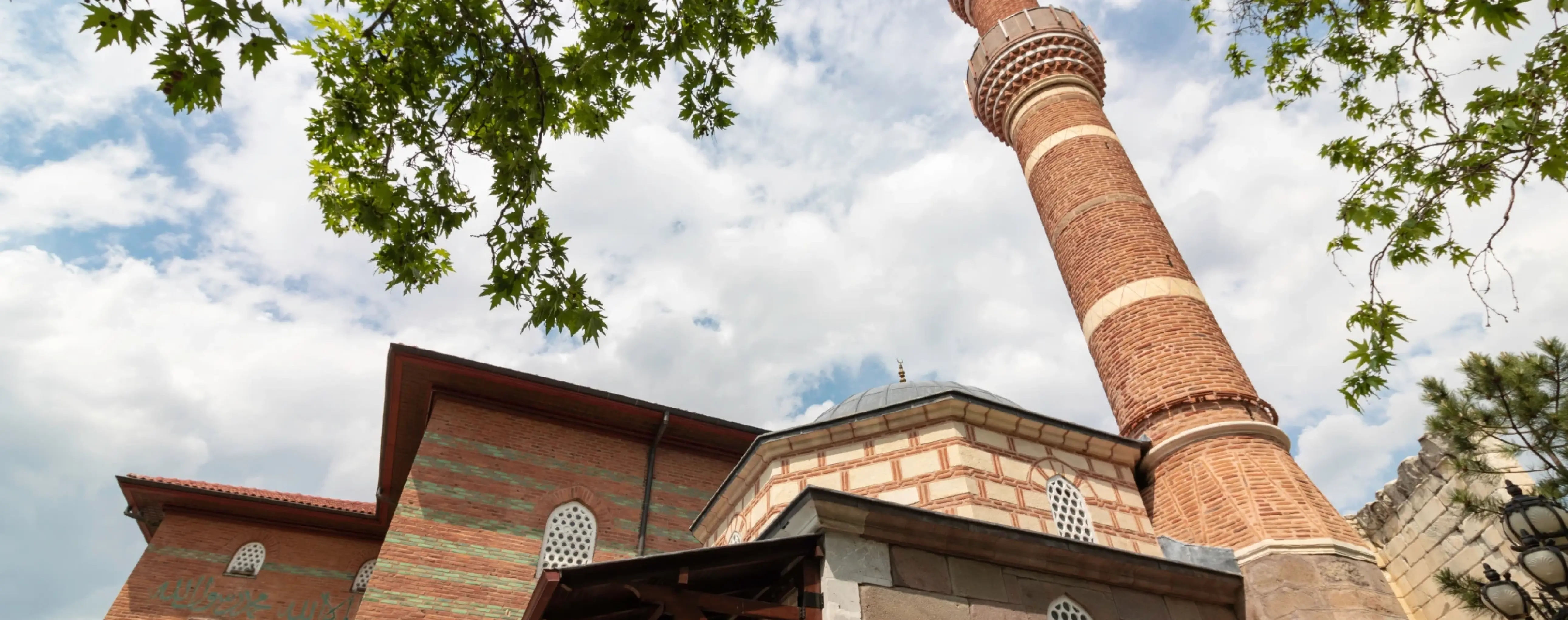
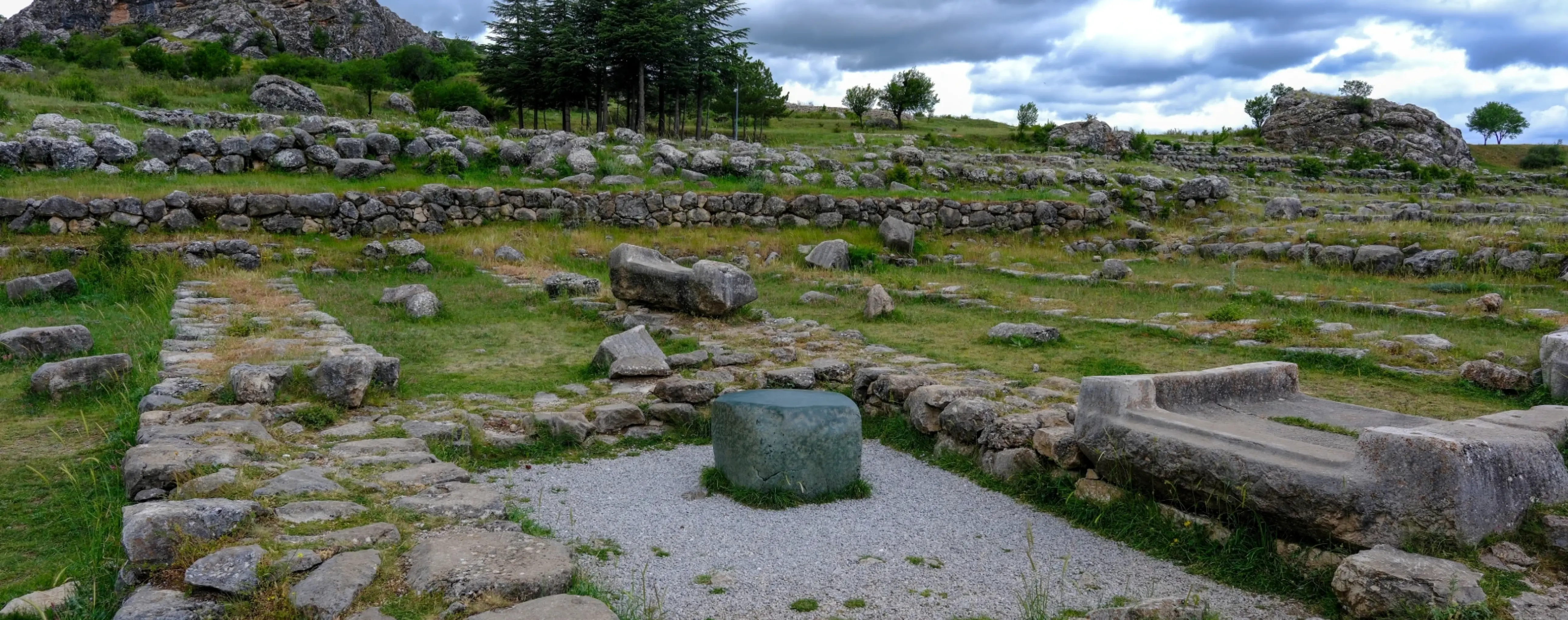
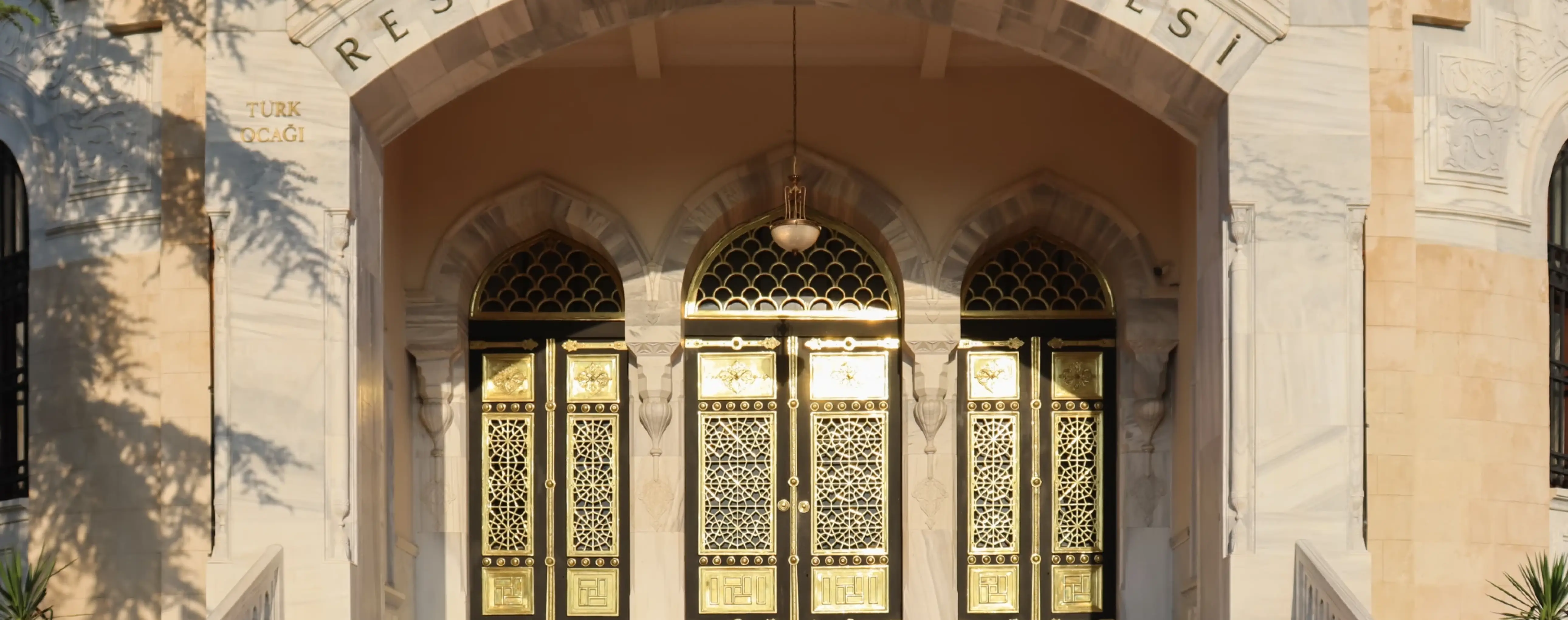
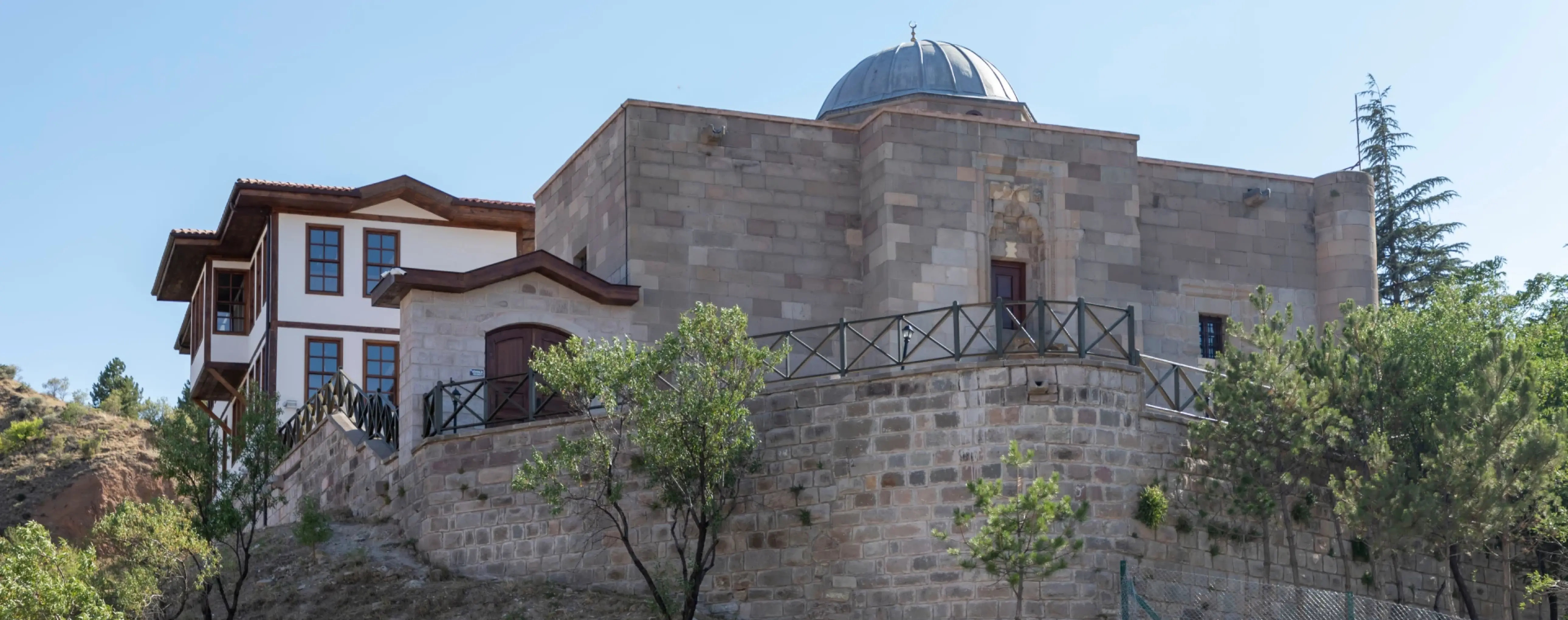
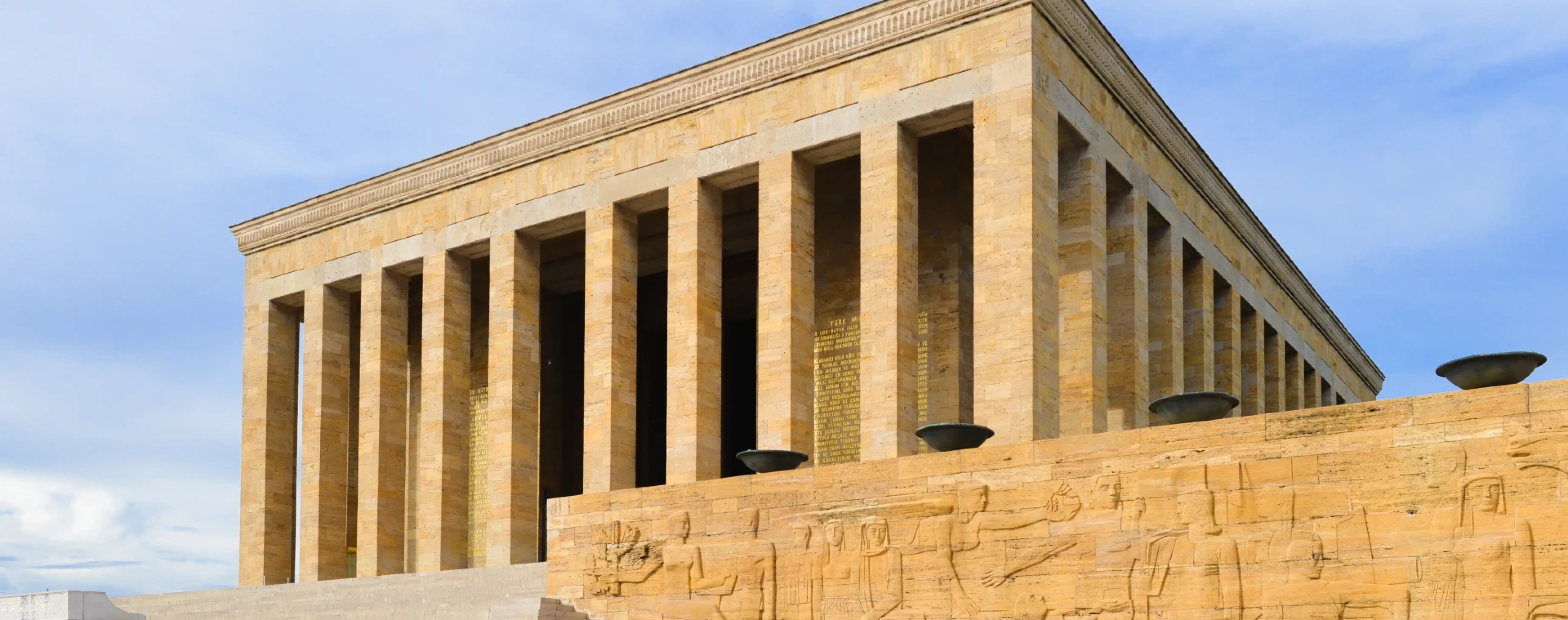
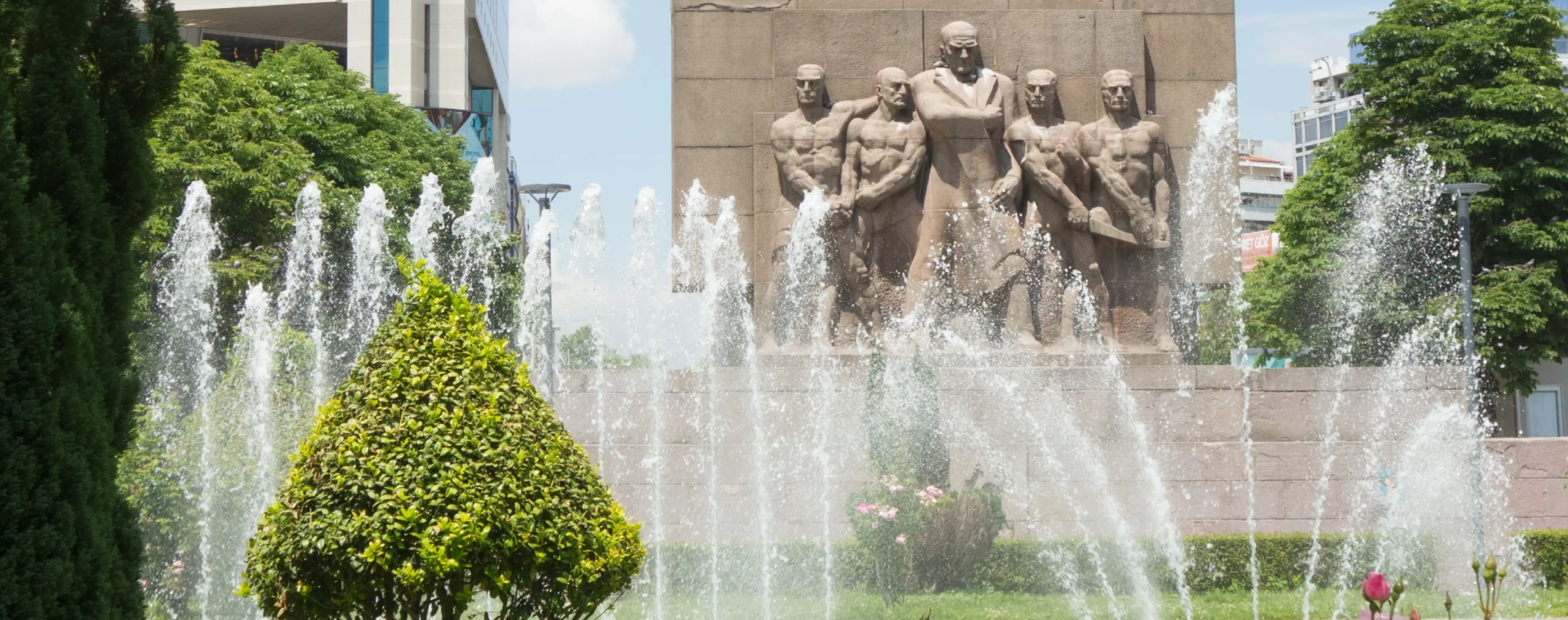
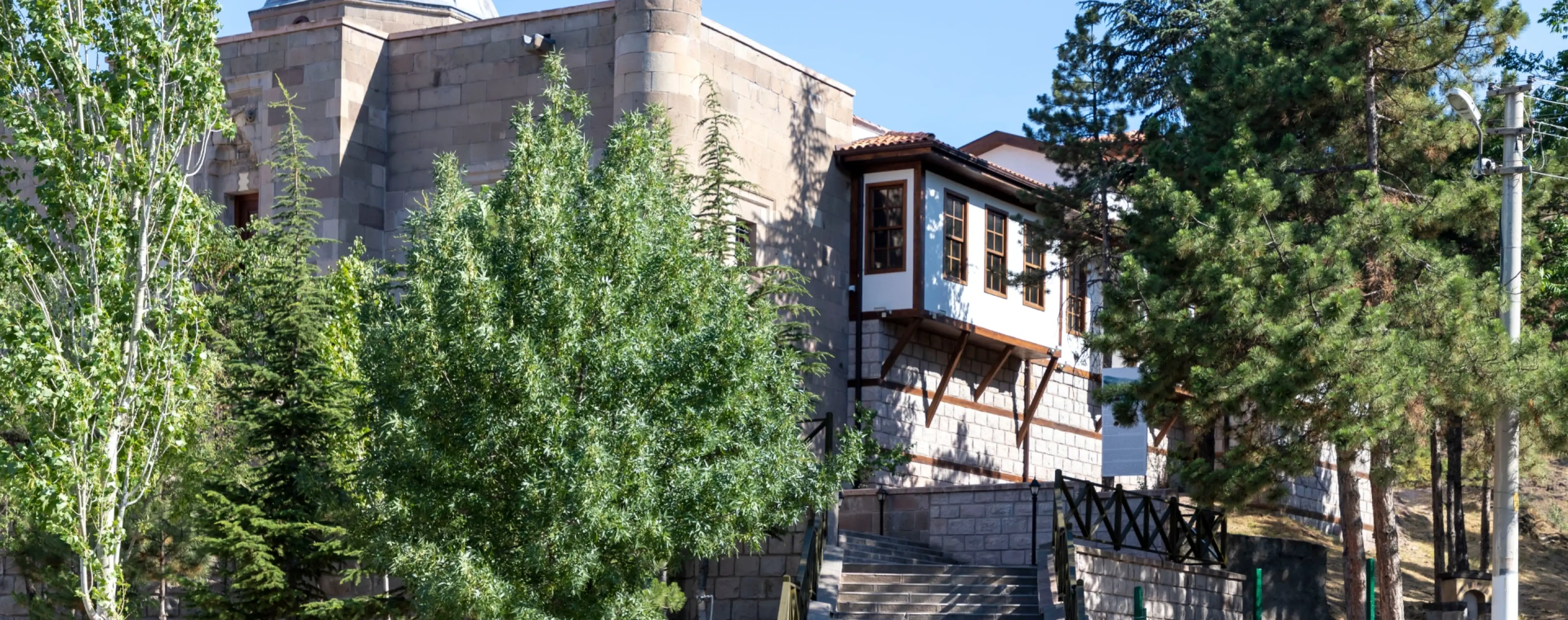
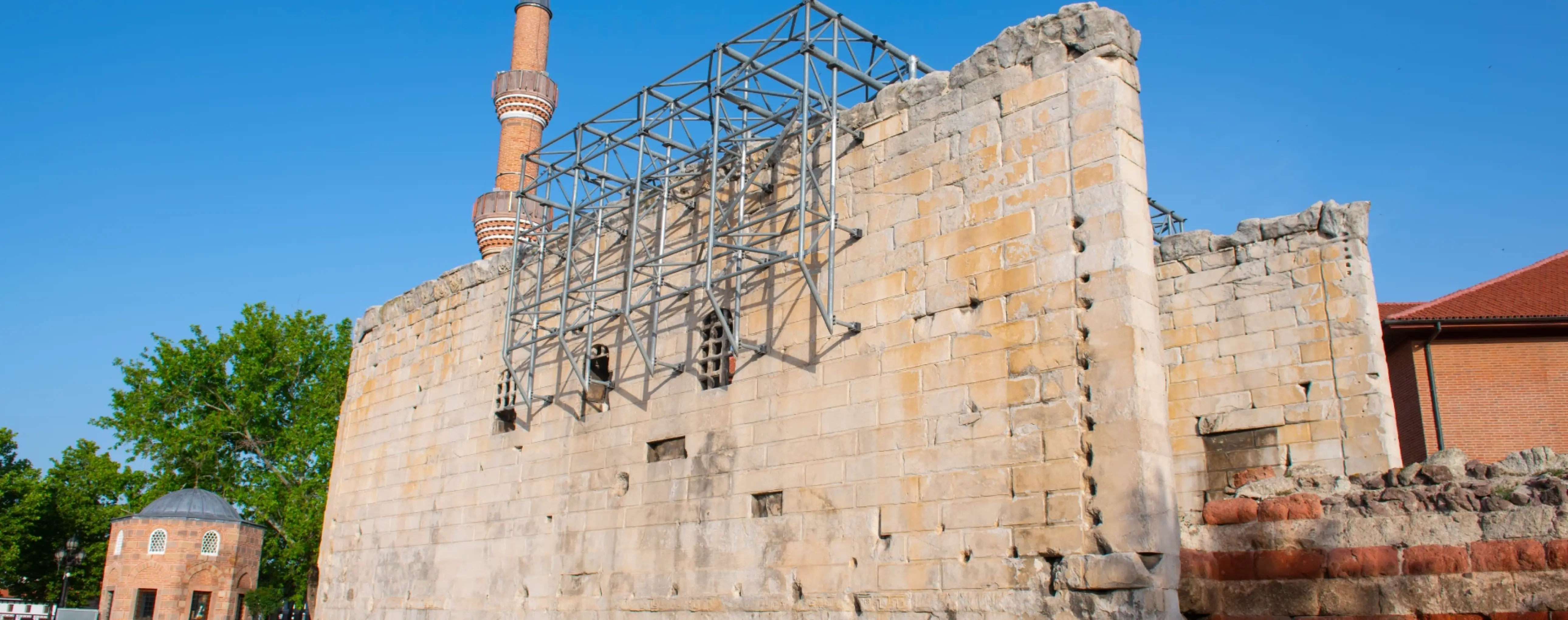
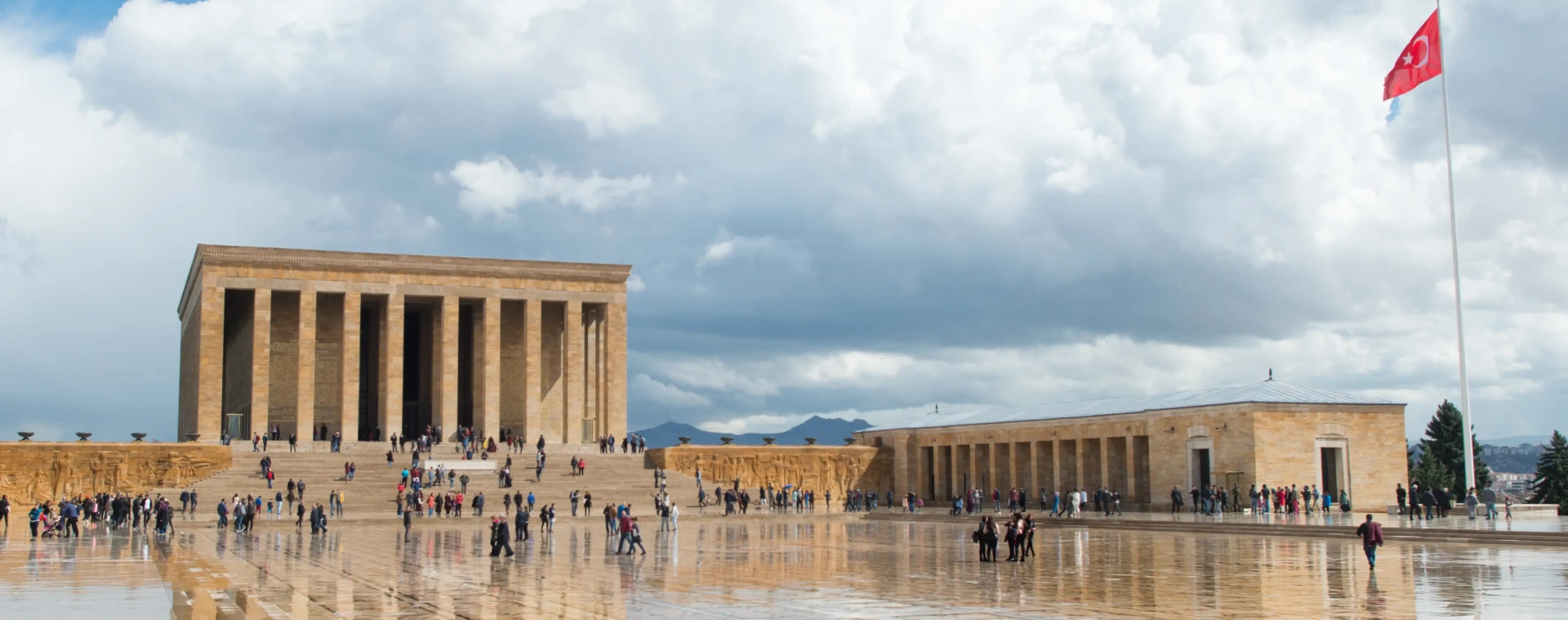
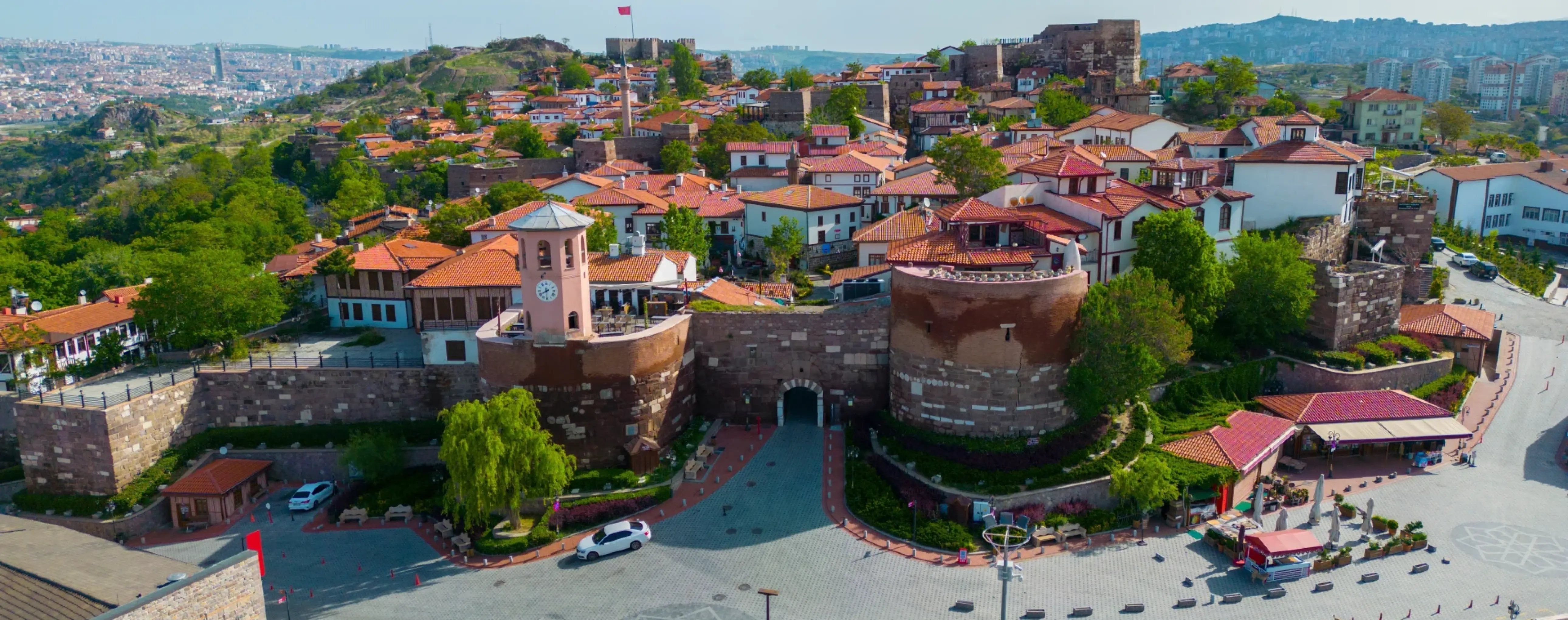
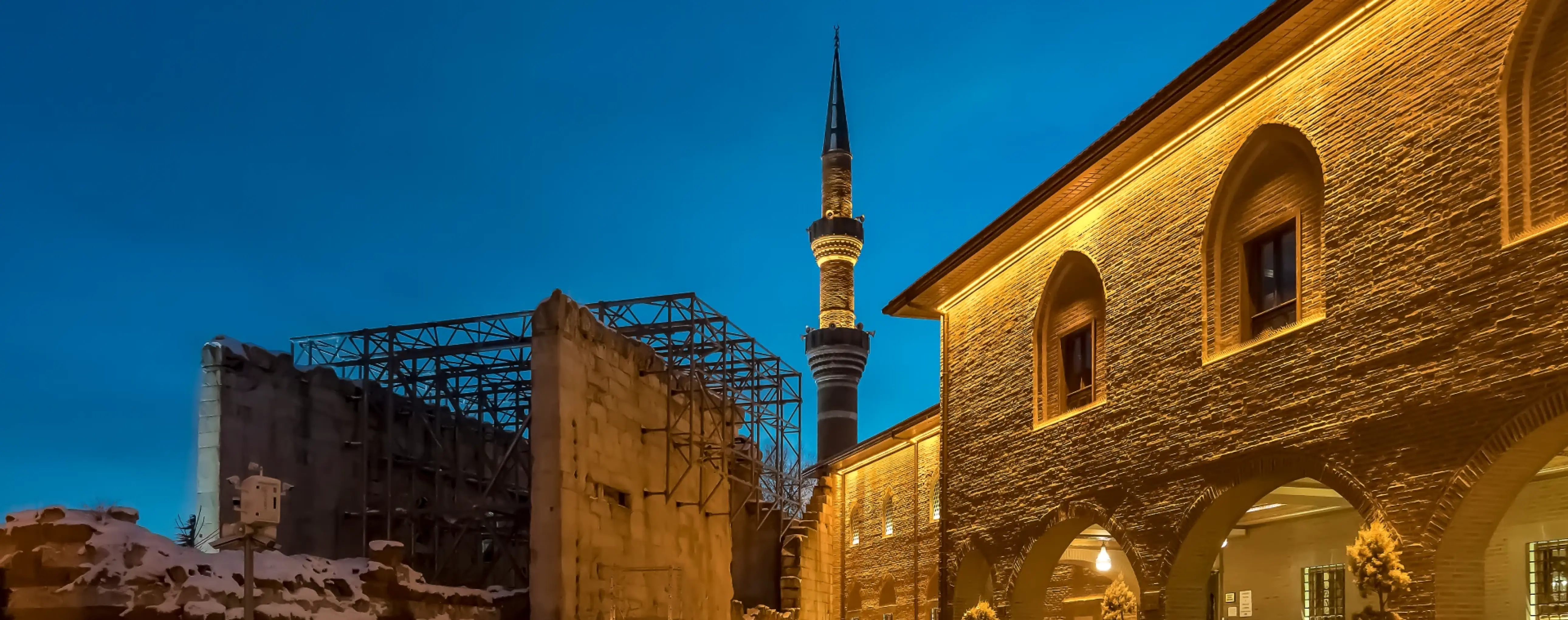
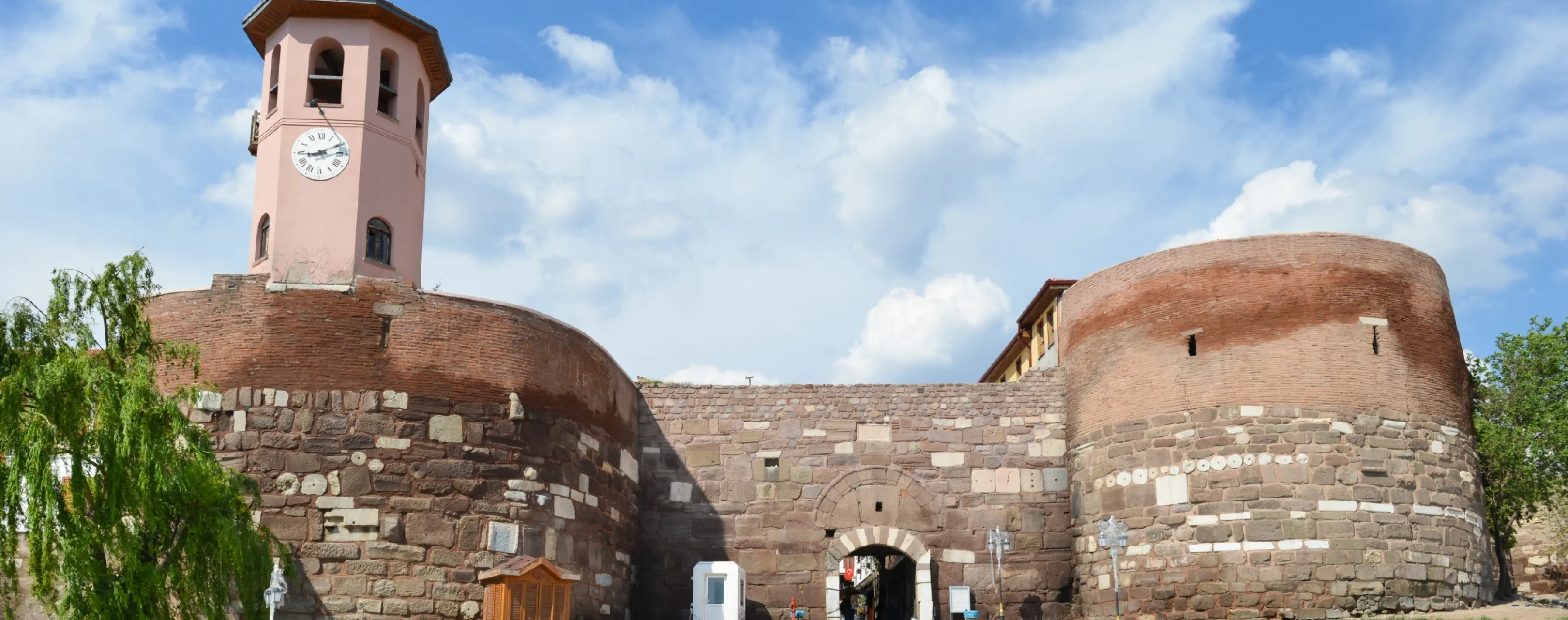
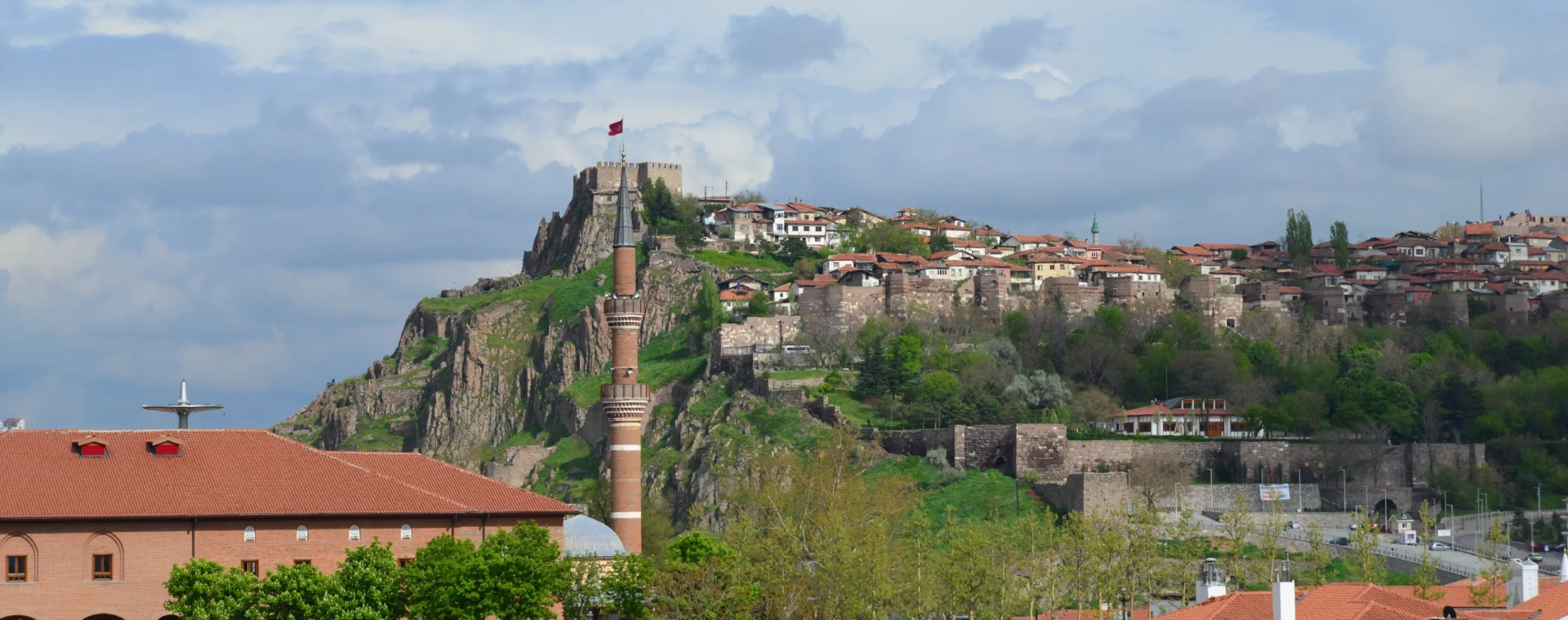
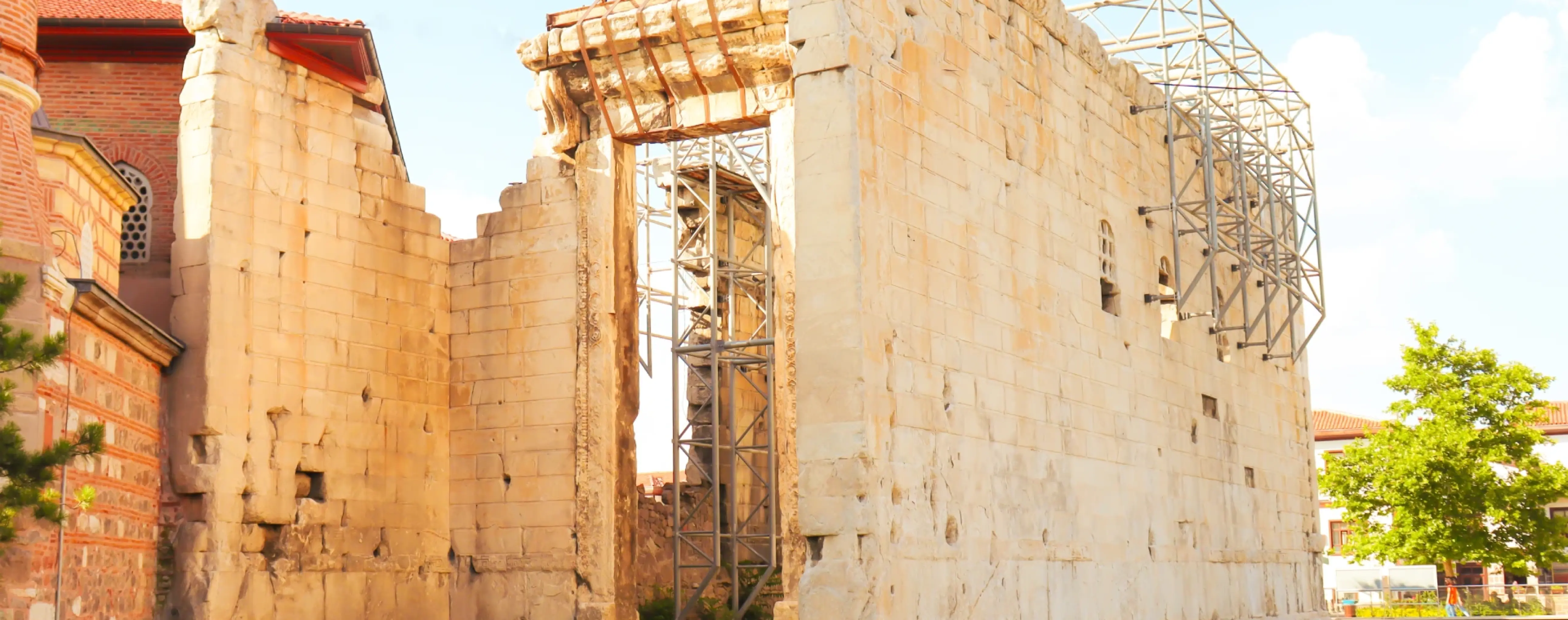
The city brings together Republican, Roman, Ottoman, and ancient Anatolian historical layers. Ankara became the center of the Turkish national movement during the War of Independence and was declared the capital in 1923. Surviving landmarks include Anitkabir from the Republican era, the Roman Baths and the Temple of Augustus and Rome from the Roman period, and Ankara Castle above the old city, while Hamamonu adds an Ottoman-style historic quarter. Within the city center, visitors can therefore move through several historical periods.
Ankara suits travelers looking for national history, museums, urban culture, walking between monuments and museums, and family-friendly city sightseeing. Its appeal rests more on culture than on resort or seaside attractions, making it well suited to a 2-3 day trip focused on history, archaeology, and everyday urban life. That also makes the city practical for culture-based holidays built around major monuments, museum visits, and time in central districts.
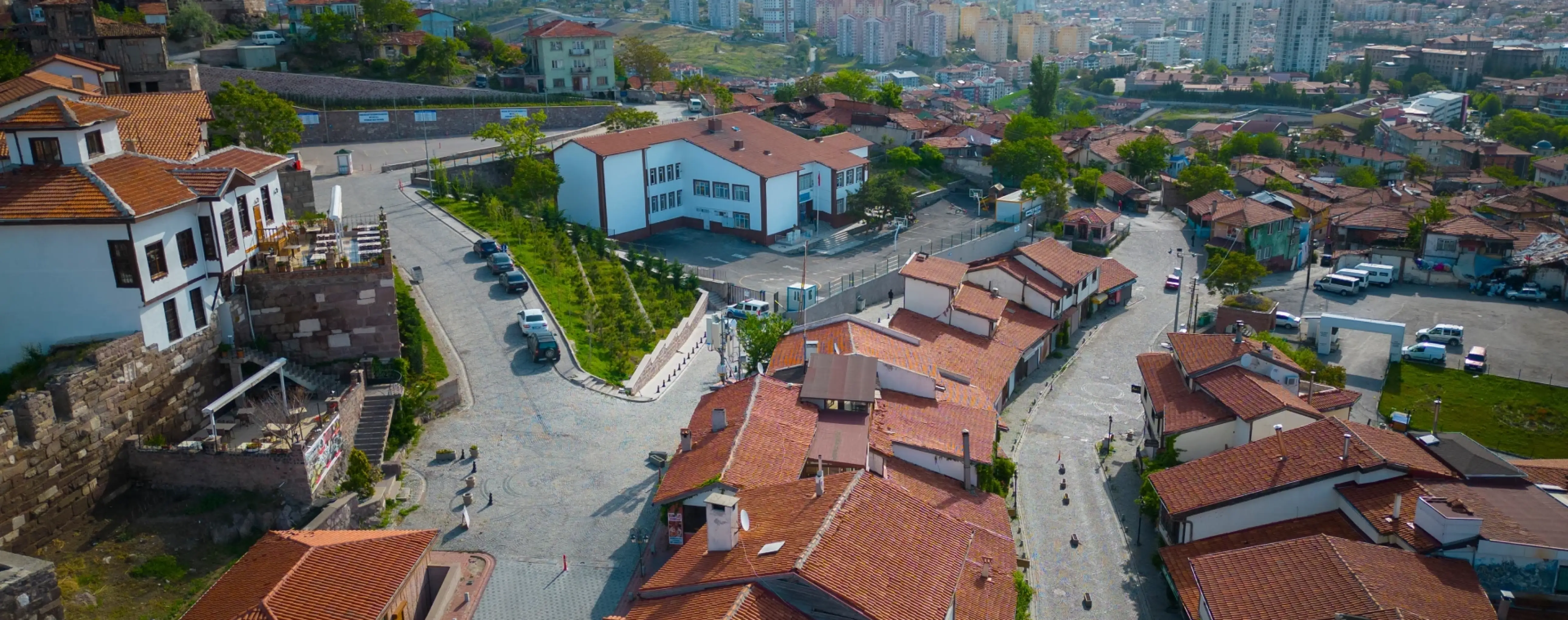
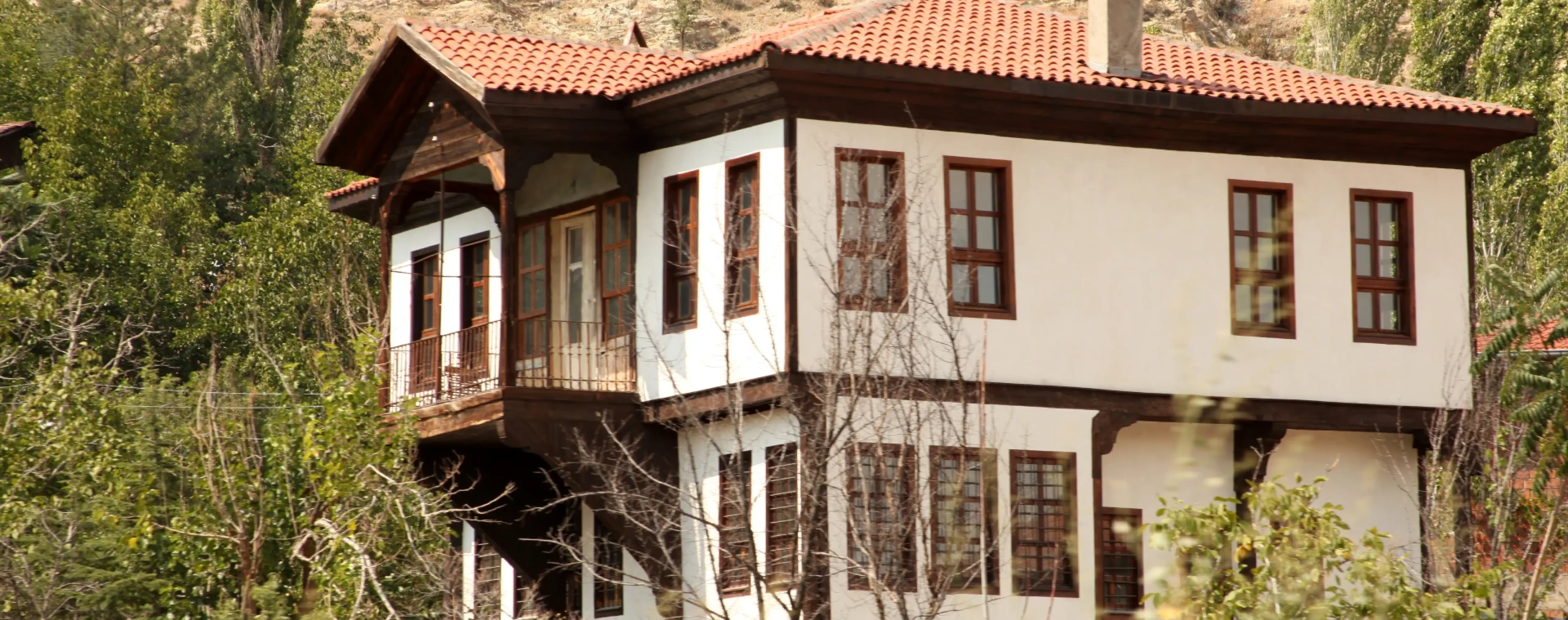
Among the main visitor areas, Ulus holds some of the oldest urban fabric and several major historical sites. Hamamonu is known for restored pedestrian streets and Ottoman-style houses, while Kizilay is central for transport, shopping, and everyday city life. Cankaya and Kavaklidere are associated with embassies, offices, dining, and nightlife. Ankara is served by Esenboga Airport for domestic and international air connections, and the city has metro, Ankaray, city buses, and taxis, along with high-speed rail links to Istanbul, Eskisehir, and Konya.
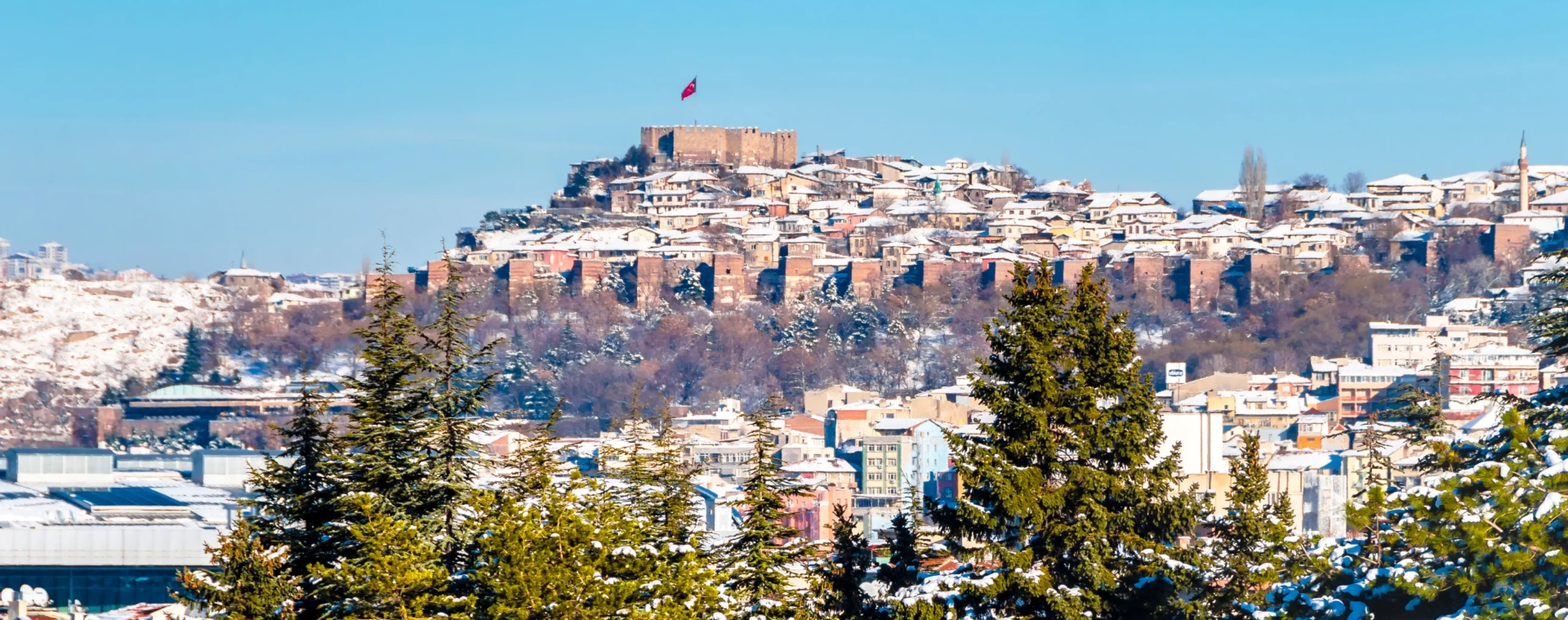
Ankara has a continental climate, with hot, dry summers and cold winters, and snow is possible in winter. Spring and autumn are generally the most comfortable seasons for walking between monuments and museums. Midwinter is less favorable because of cold weather and possible snow, while peak summer afternoons can be uncomfortable because of the heat.
Ankara on the map
Ankara: Attractions, interesting places for excursions
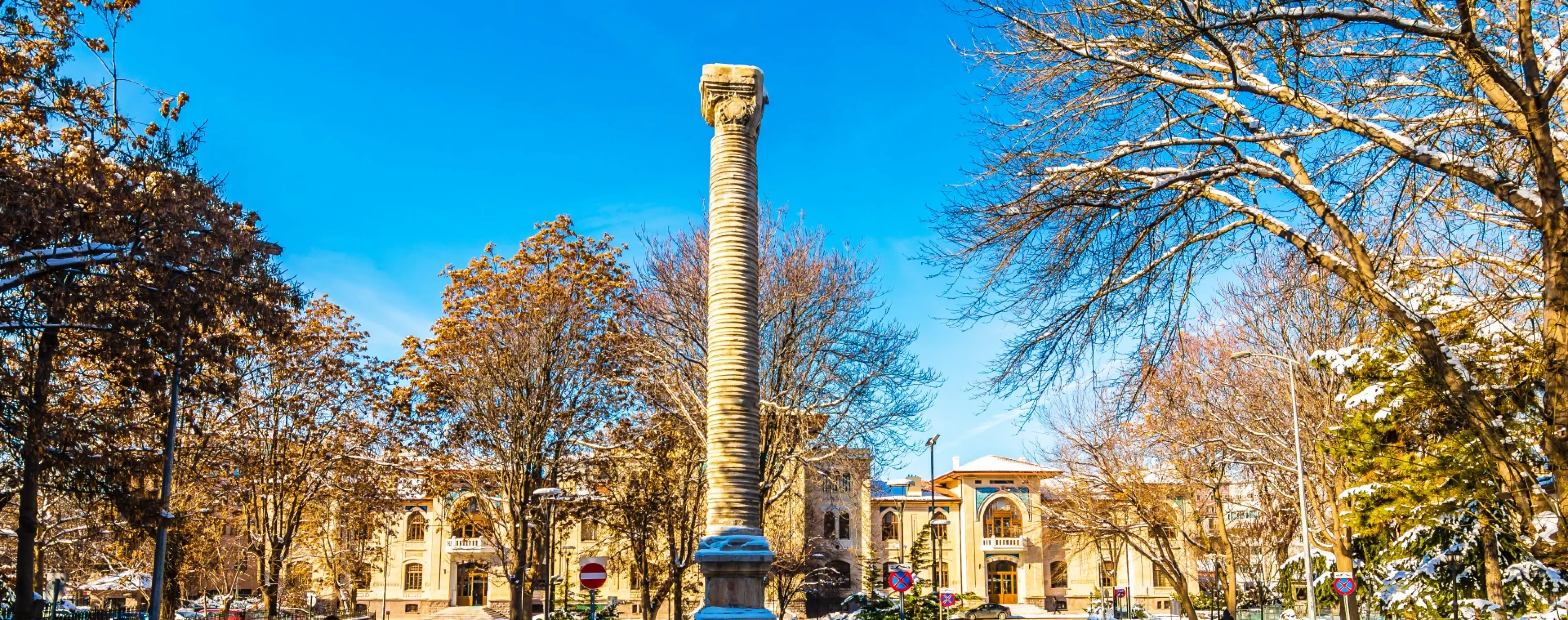
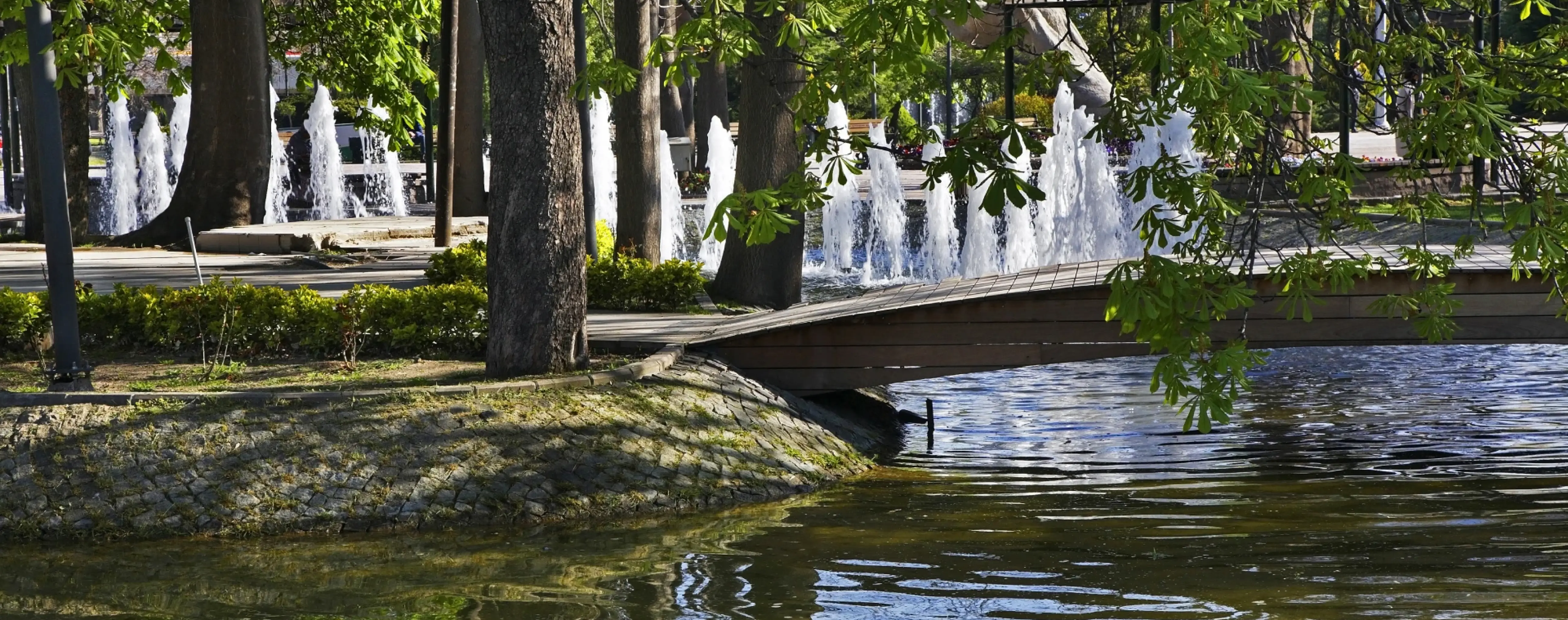
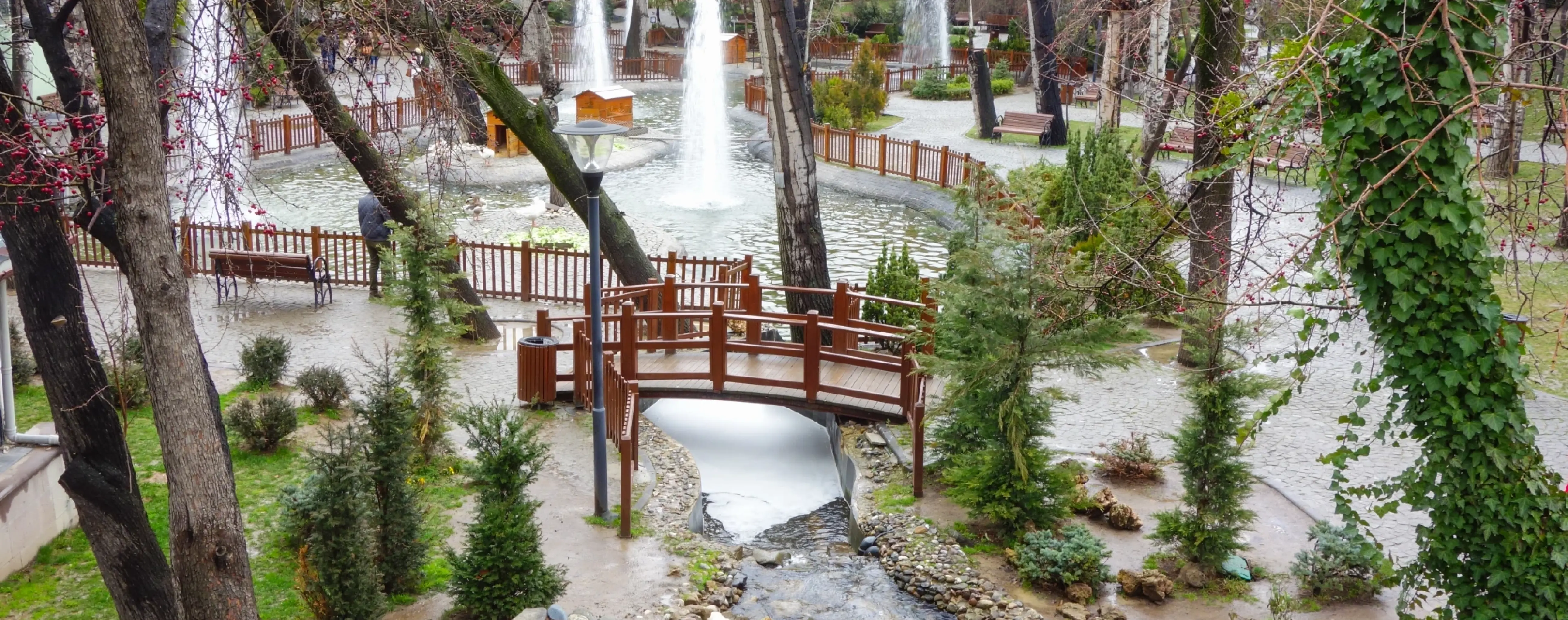
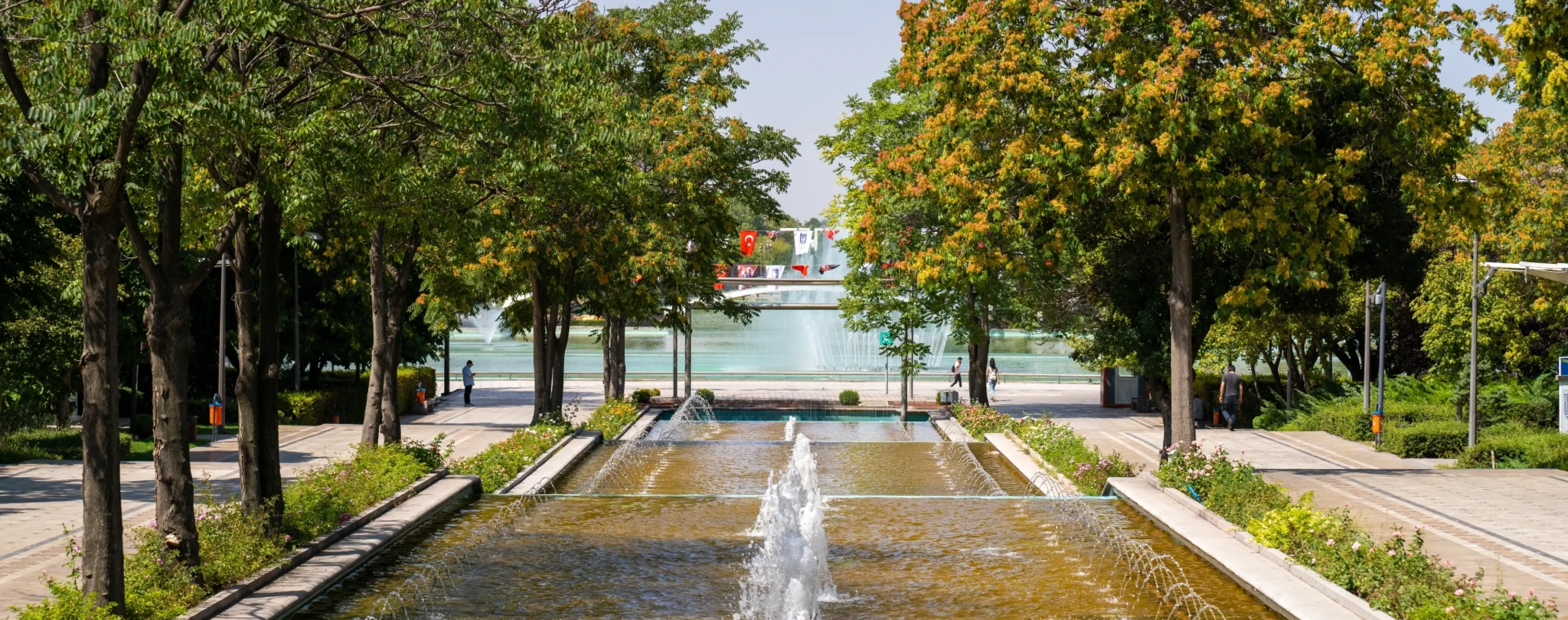
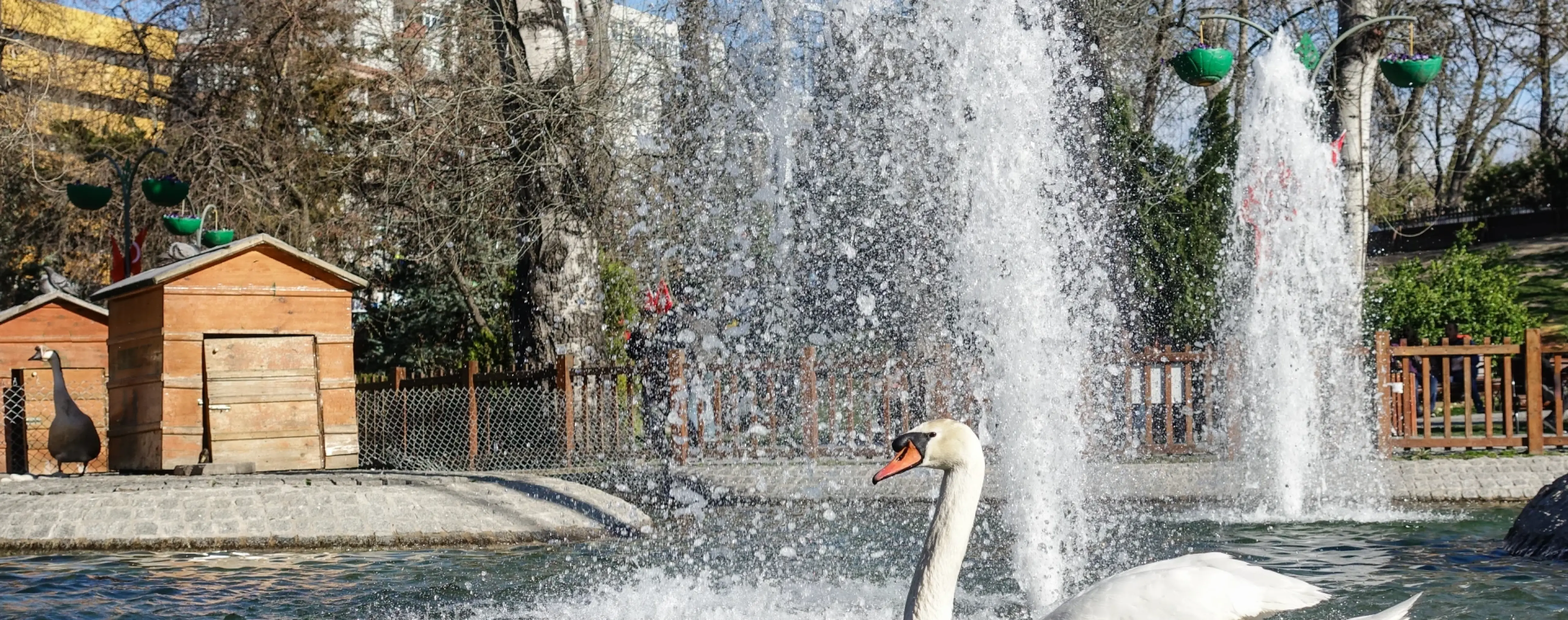
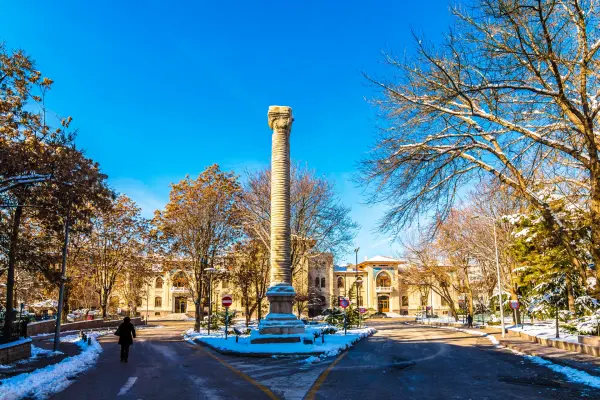
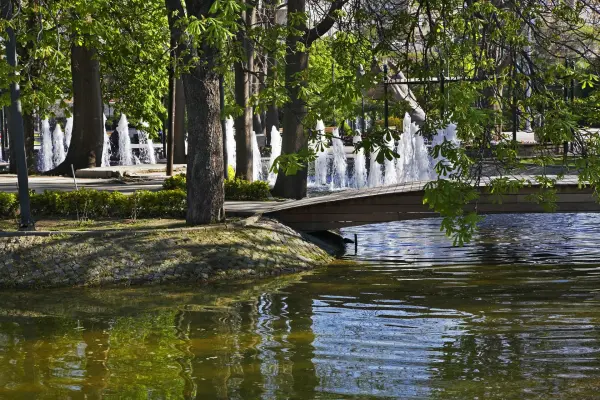
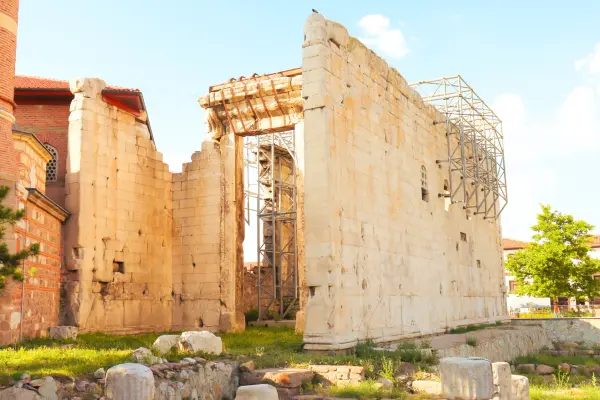
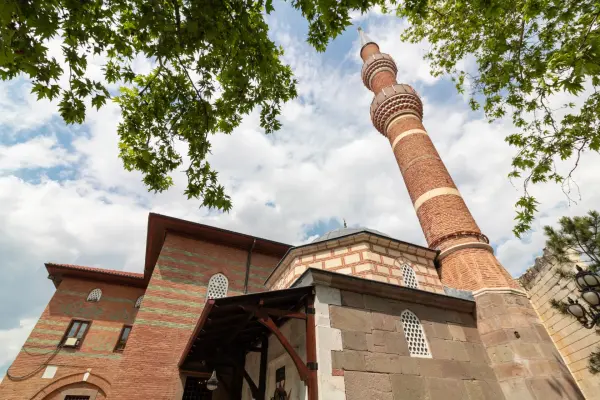
Column of Flavius Claudius Julian, Abdi Ipekci Park in Ankara, Ruins of the Temple of Augustus, Haci Bayram Mosque
Ankara: Popular Districts
Balgat, Ulus, Bilkent, Bogazkoy, Gazi Osman Pasa
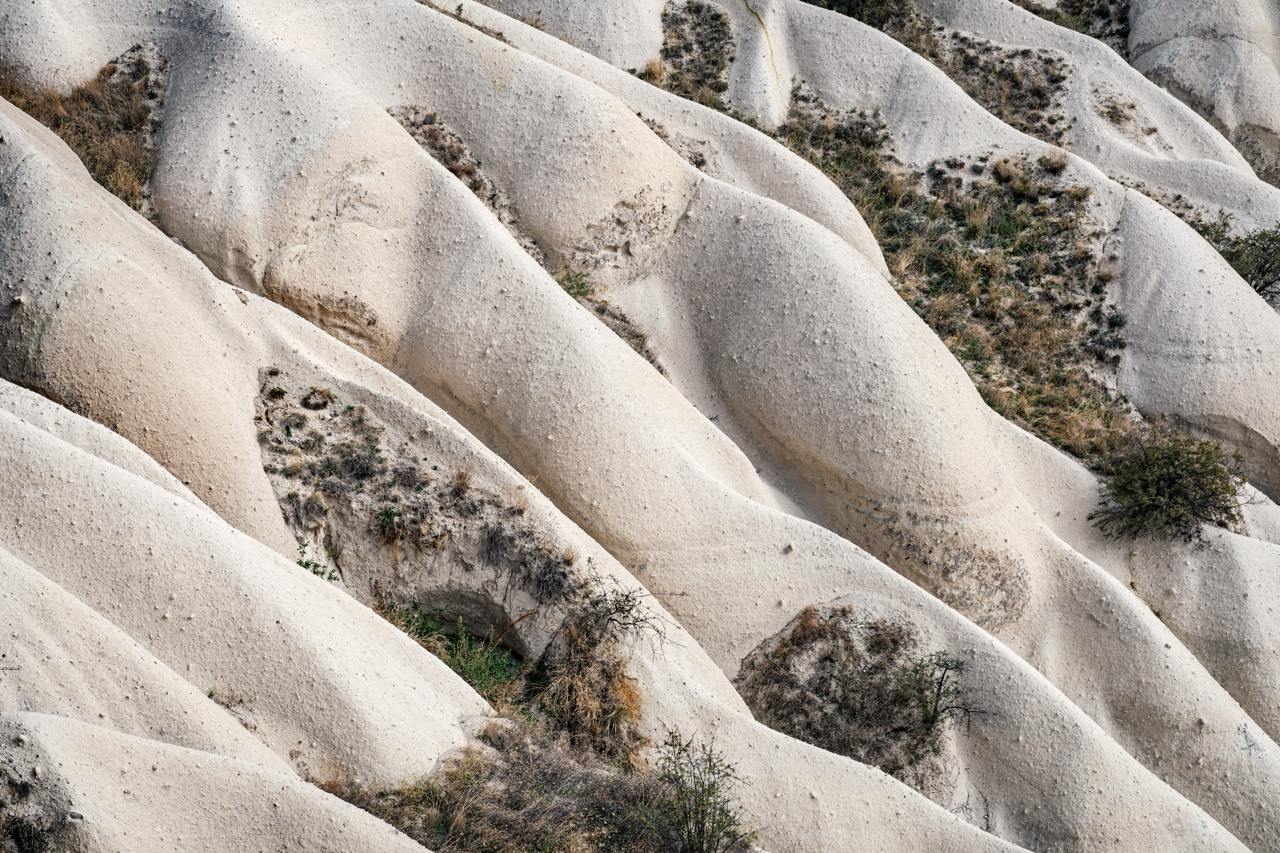



What to see in Ankara, from Anitkabir to Ulus
Castle views, Roman ruins, and museum halls on the Anatolian plateau
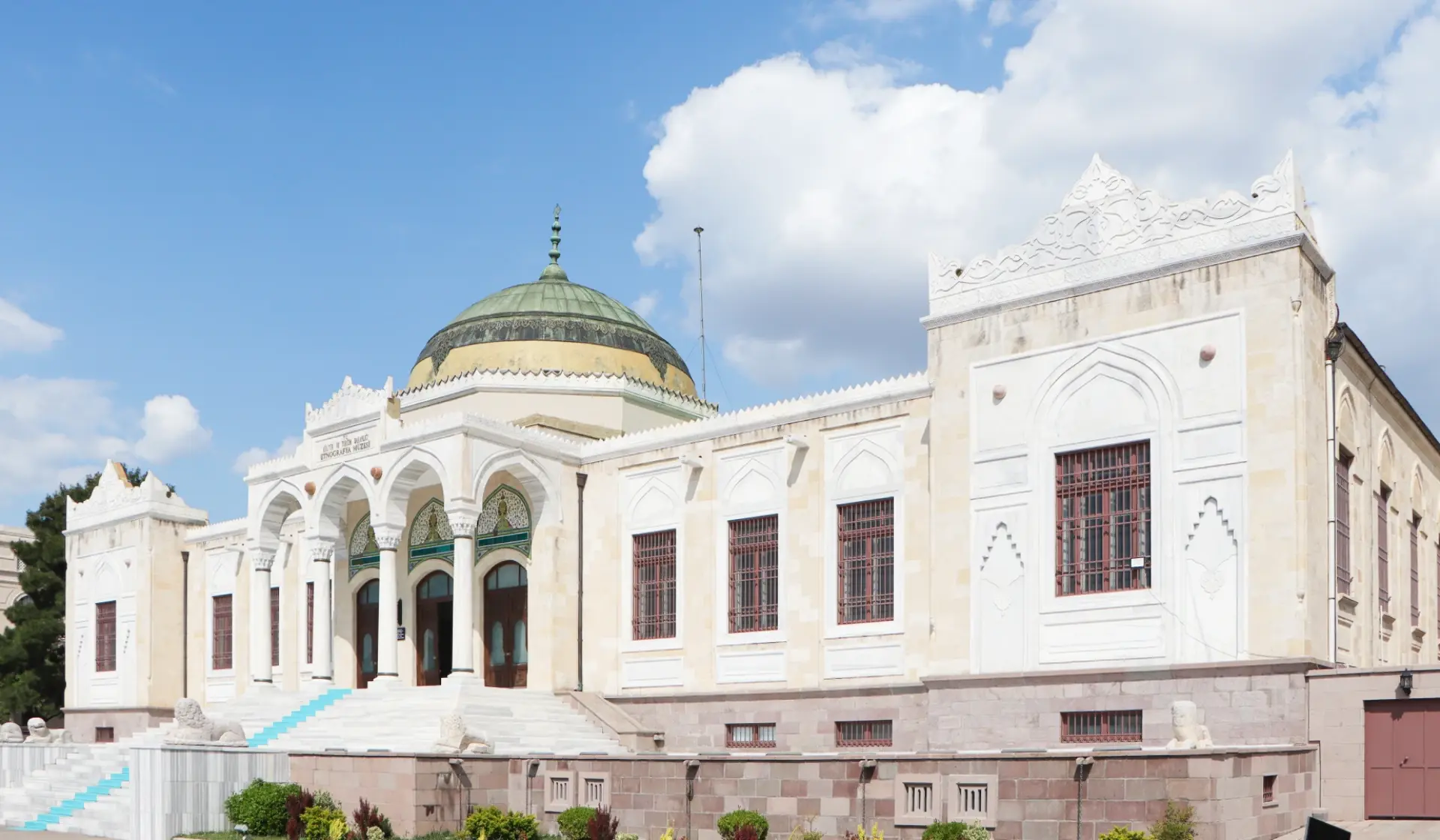
From Anitkabir to Ankara Castle
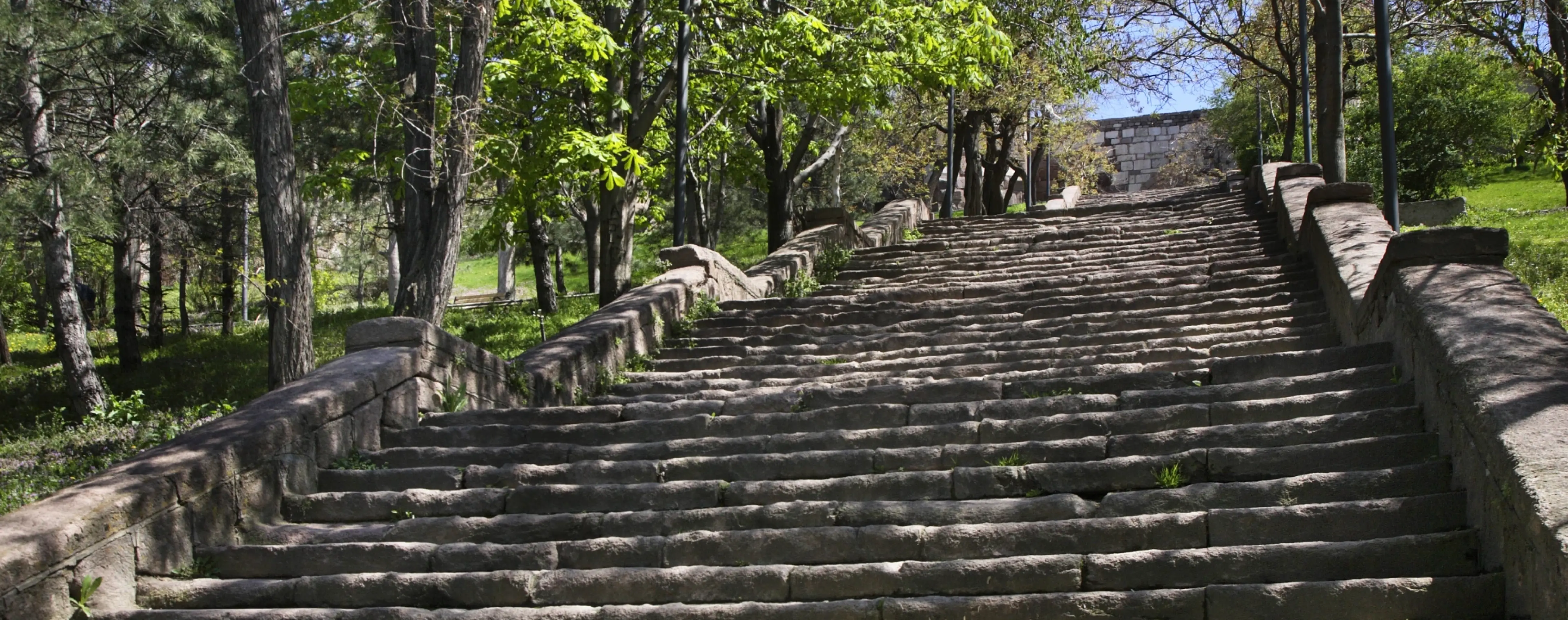
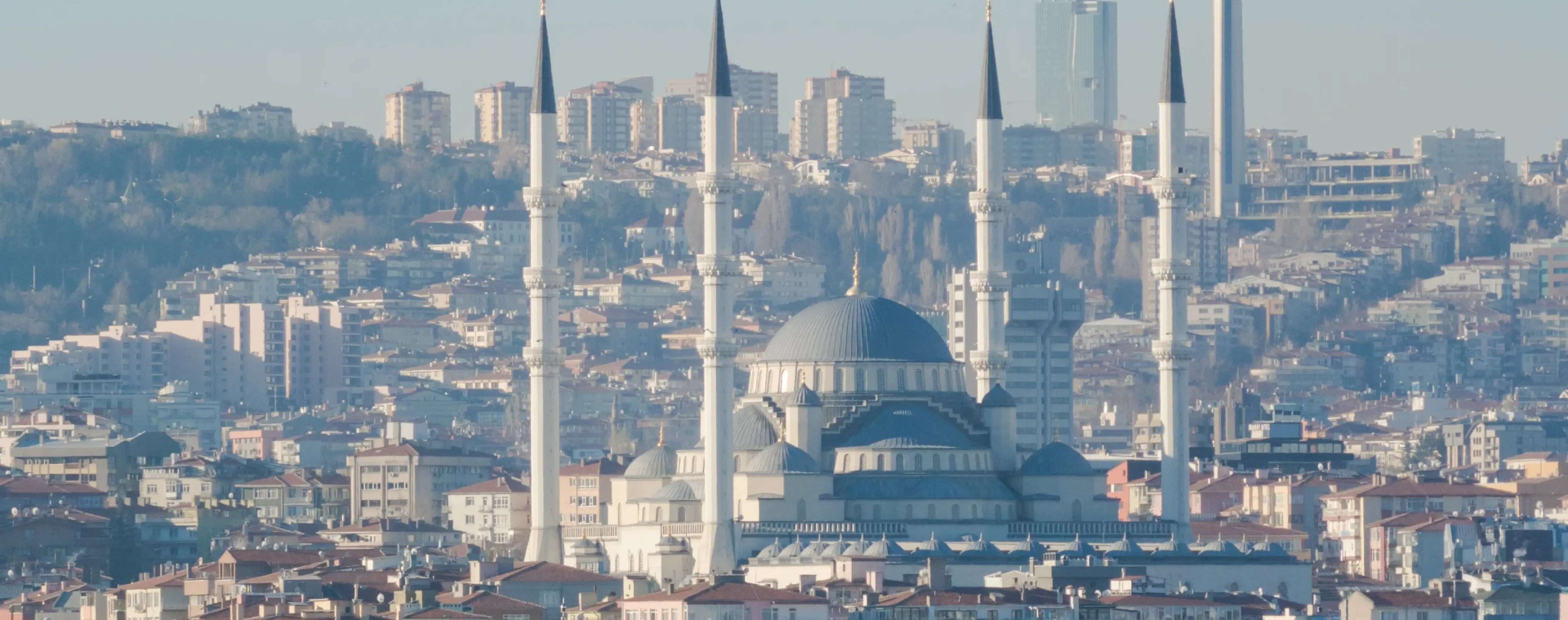
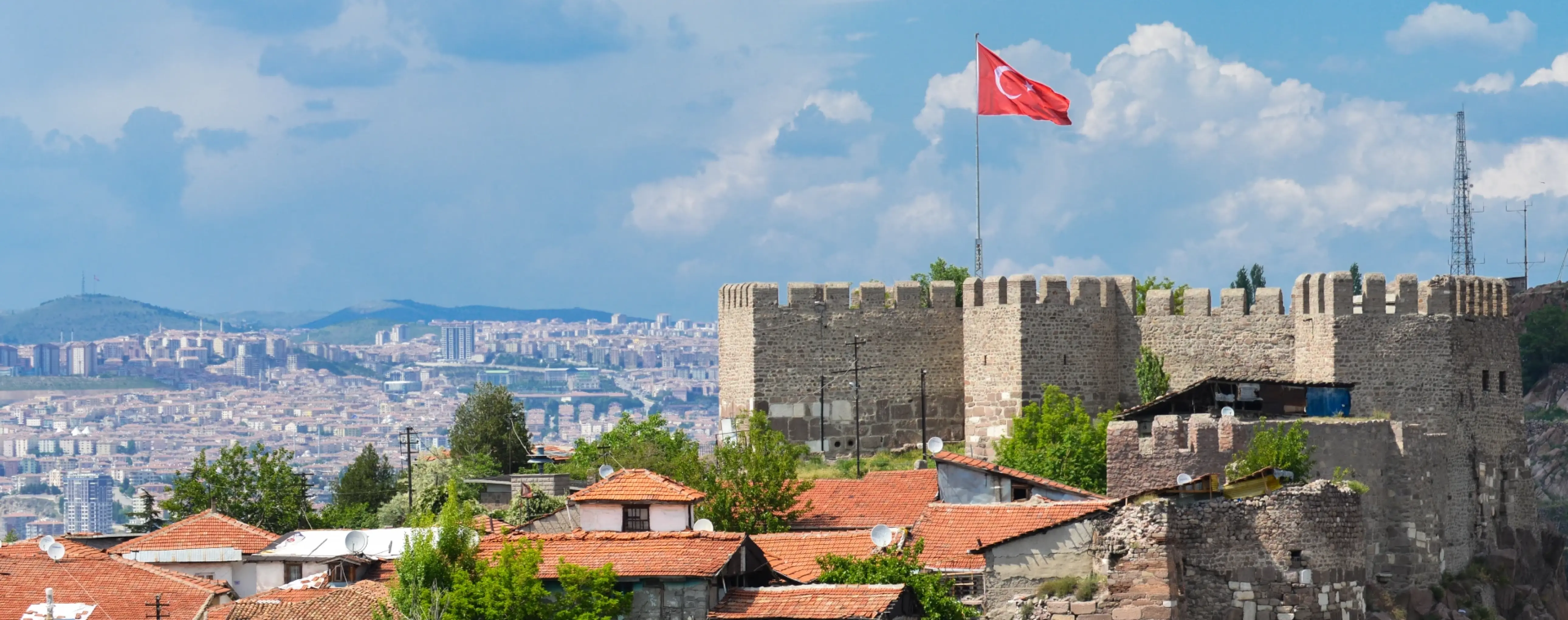
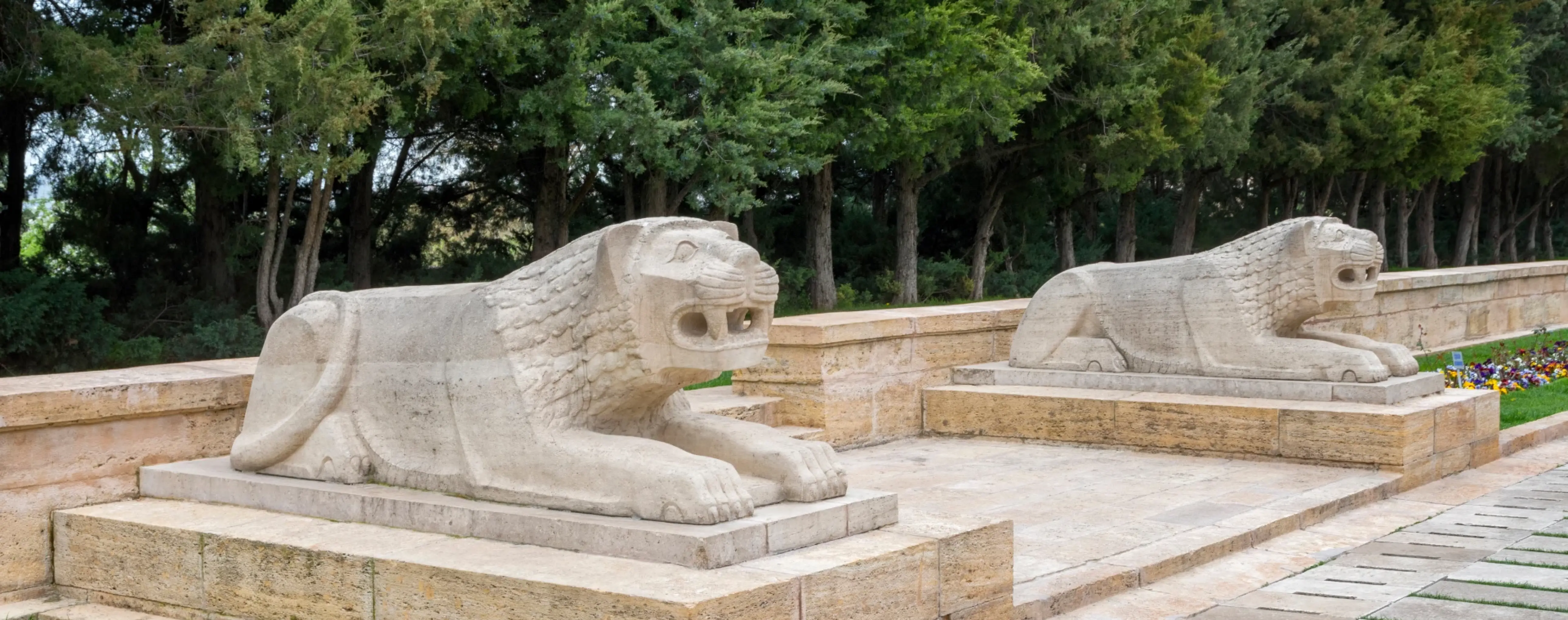
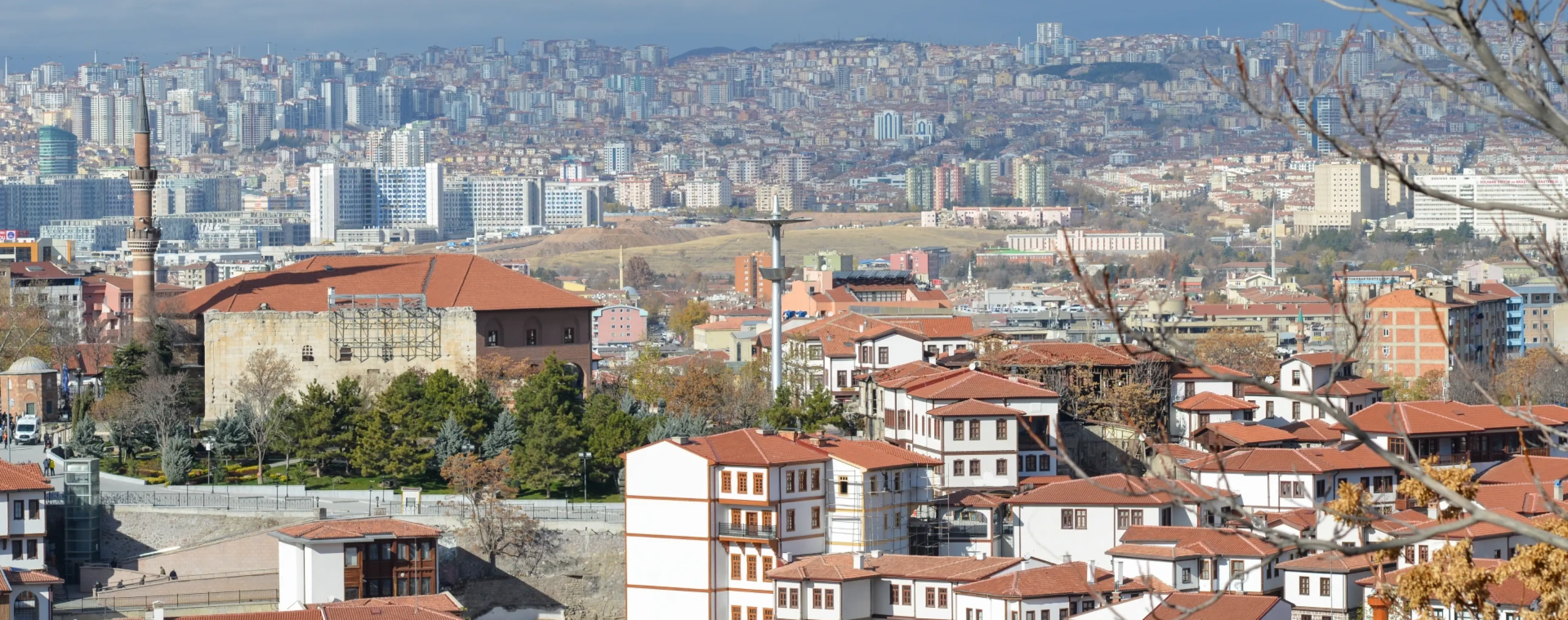
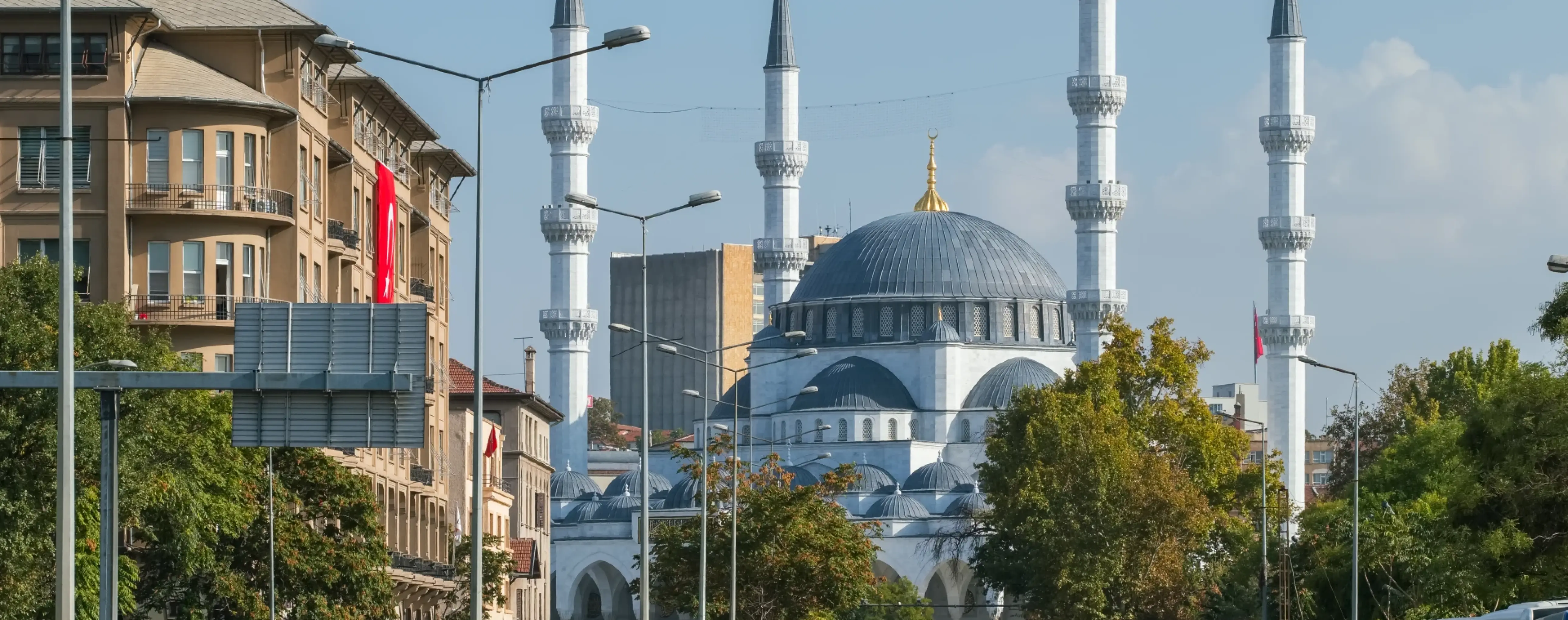
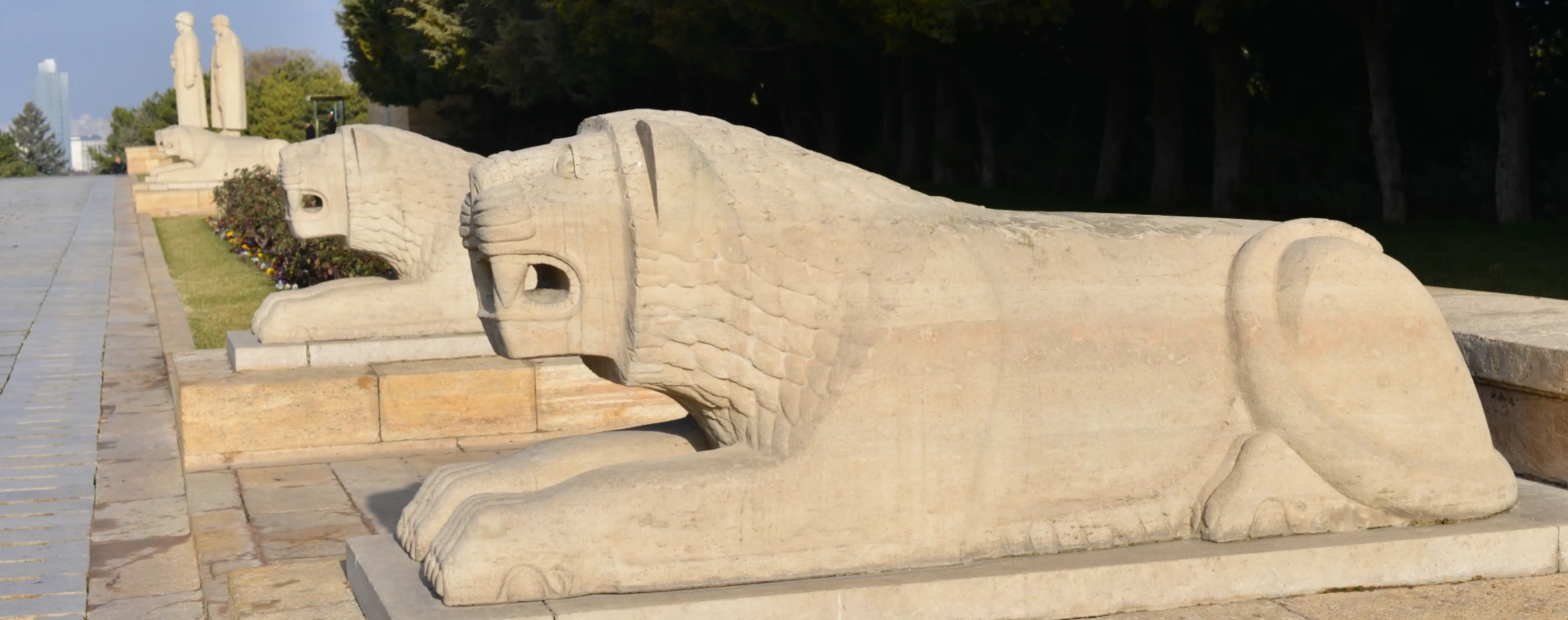
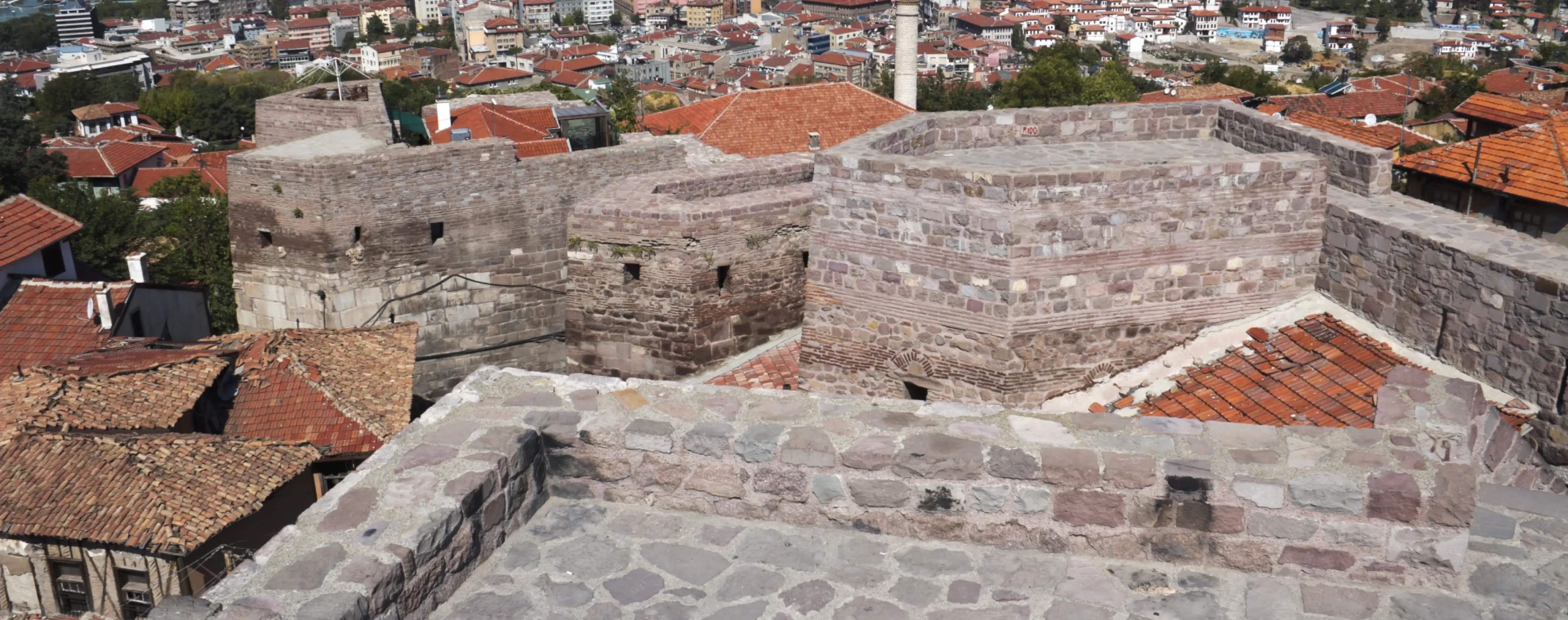
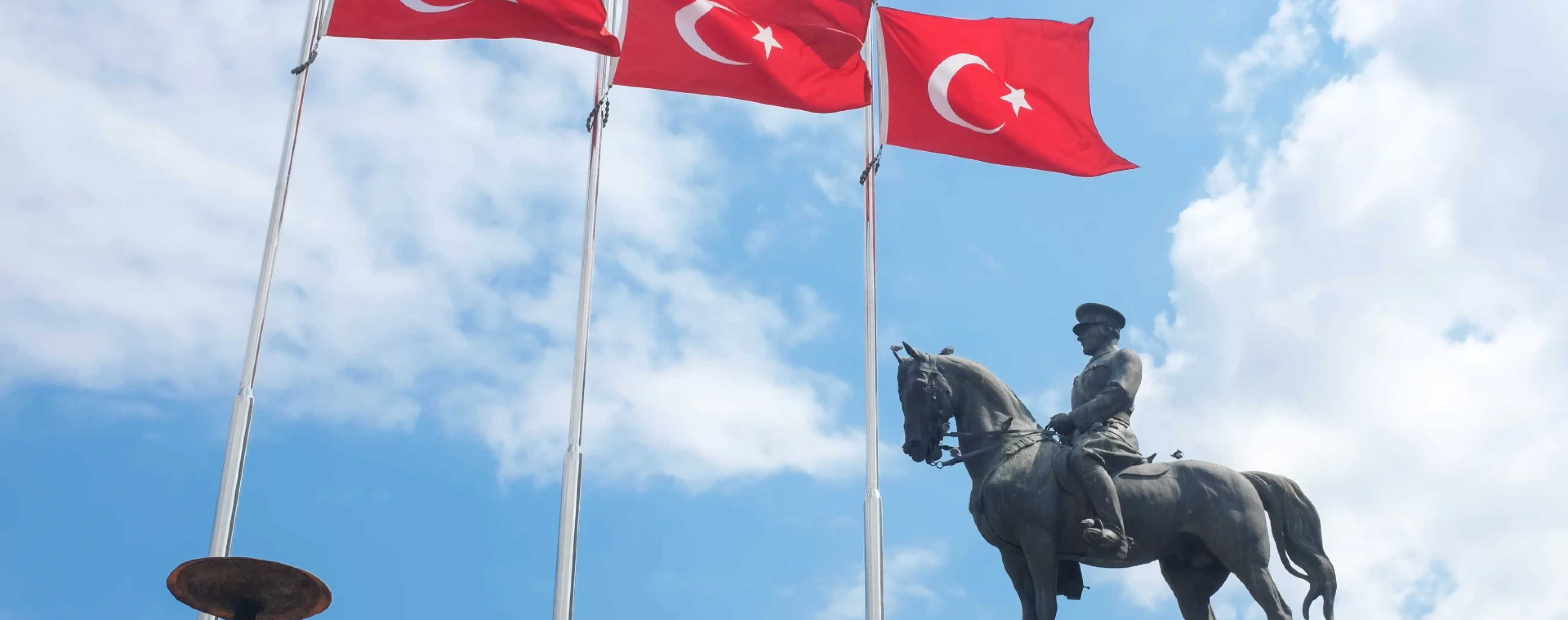
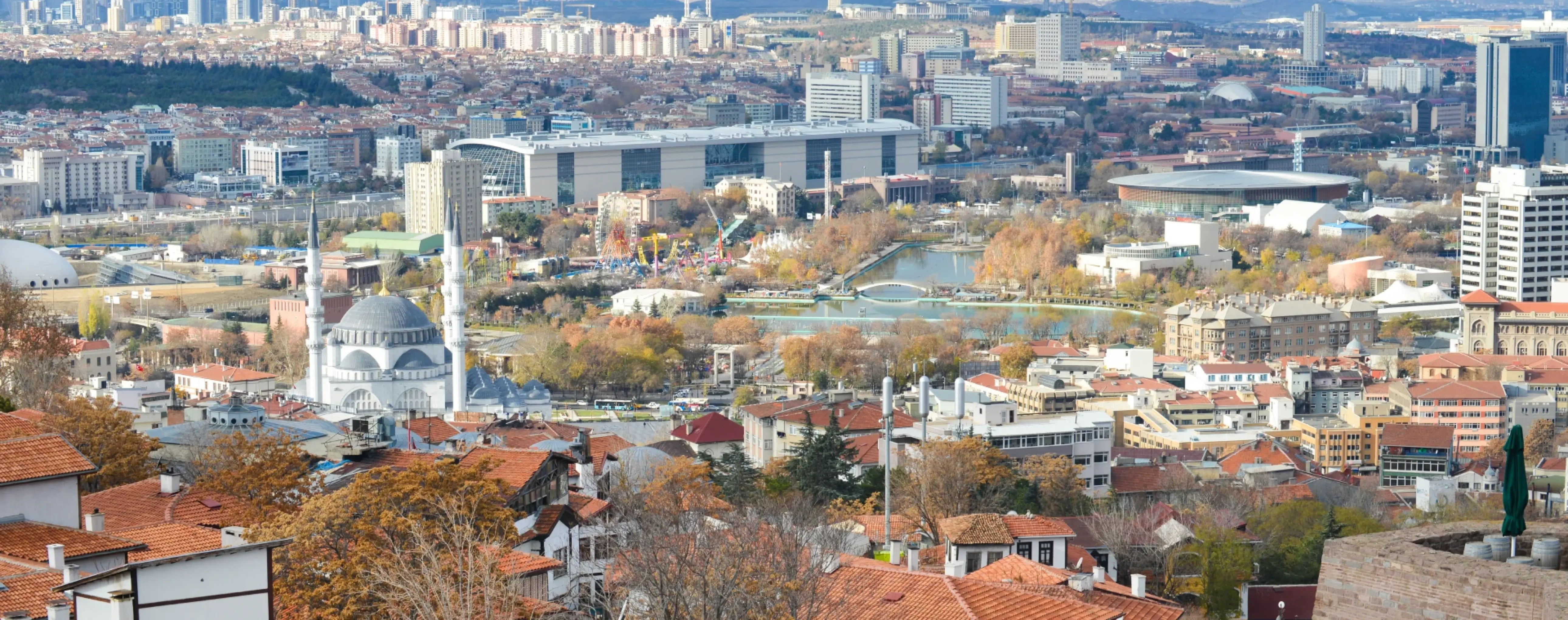
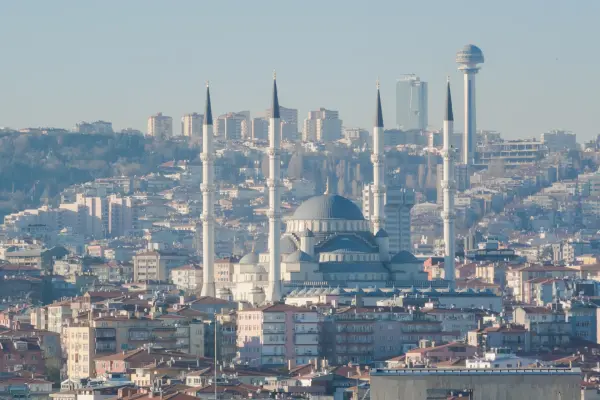
In the historic core, Ulus introduces older streets and some of the city's oldest urban fabric, before the route rises to Ankara Castle and its hilltop fortifications with broad views across the urban center. Nearby, the Roman Baths and the Temple of Augustus and Rome reveal the city's Roman layers, while Anitkabir marks the Republican period as the mausoleum of Mustafa Kemal Ataturk and Ankara's most important national monument. Kocatepe Mosque is one of the city's largest and most recognizable religious landmarks, and Hamamonu brings together restored pedestrian streets, Ottoman-style houses, and cafes among the main places to visit.
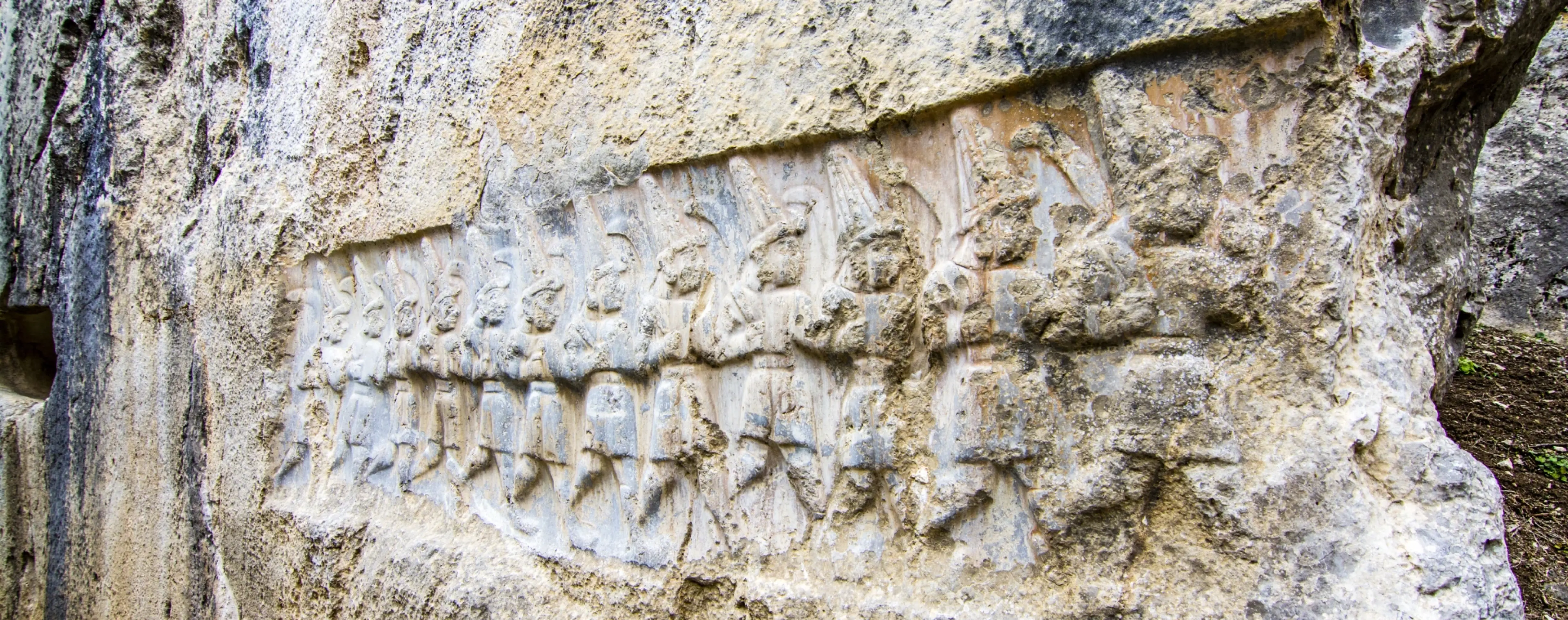
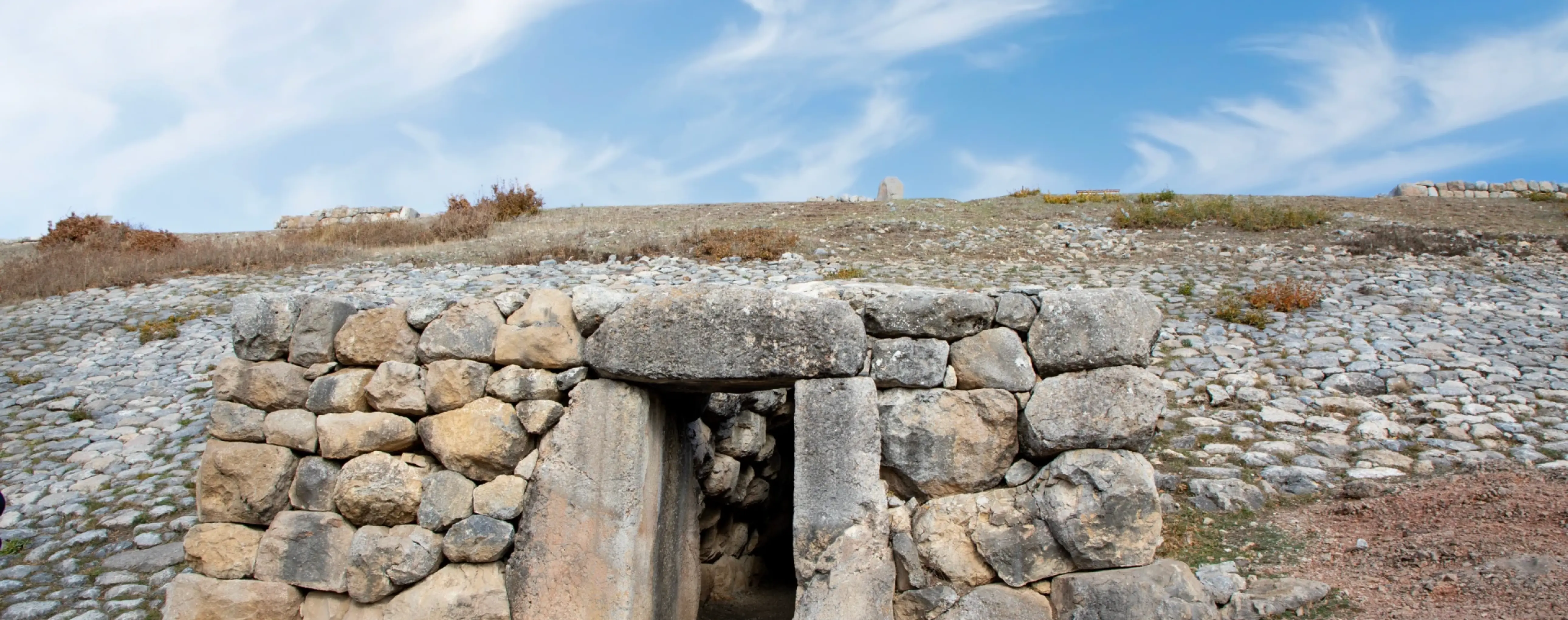
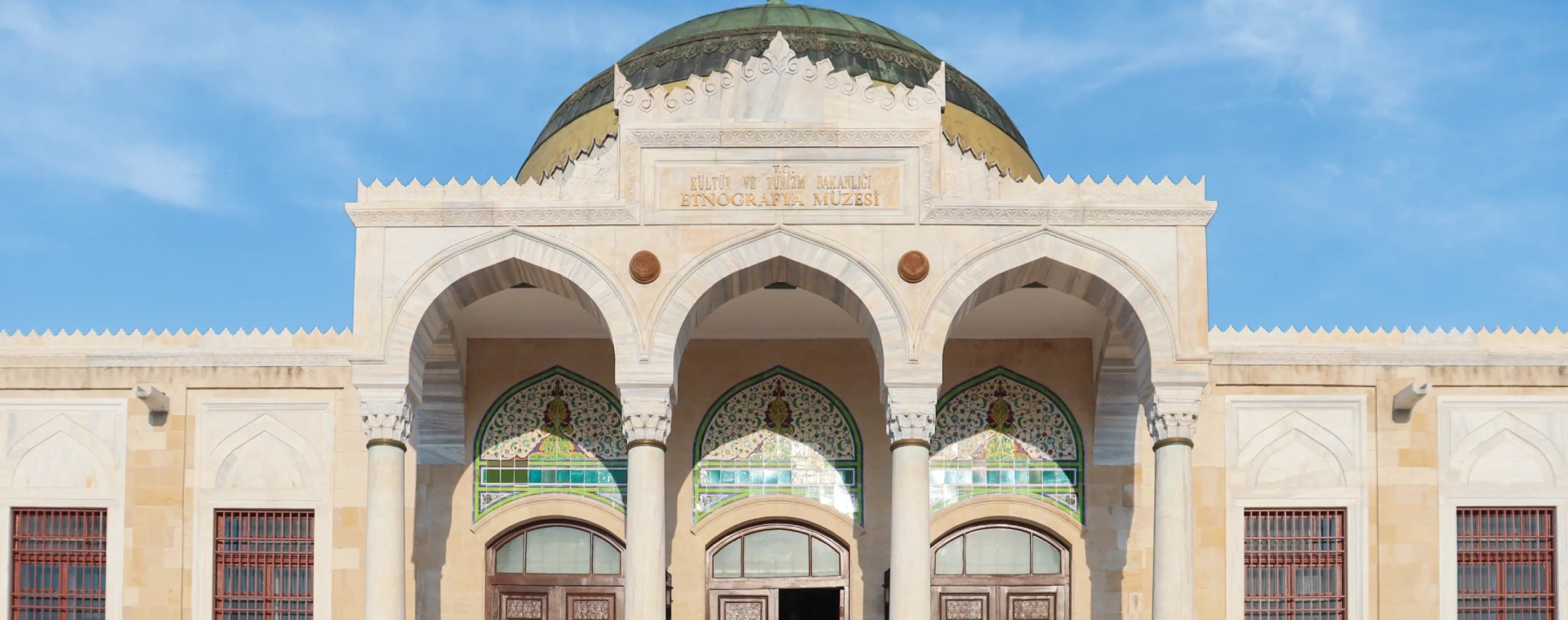
The Museum of Anatolian Civilizations is the city's main museum and is internationally known for collections from Hittite, Phrygian, Urartian, and other ancient Anatolian cultures. Ankara's setting includes no coastline, harbor, marina, or waterfront function, since the city lies inland on the Anatolian plateau. Instead, its principal views come from elevated points such as Ankara Castle and other higher districts overlooking the dense urban center.
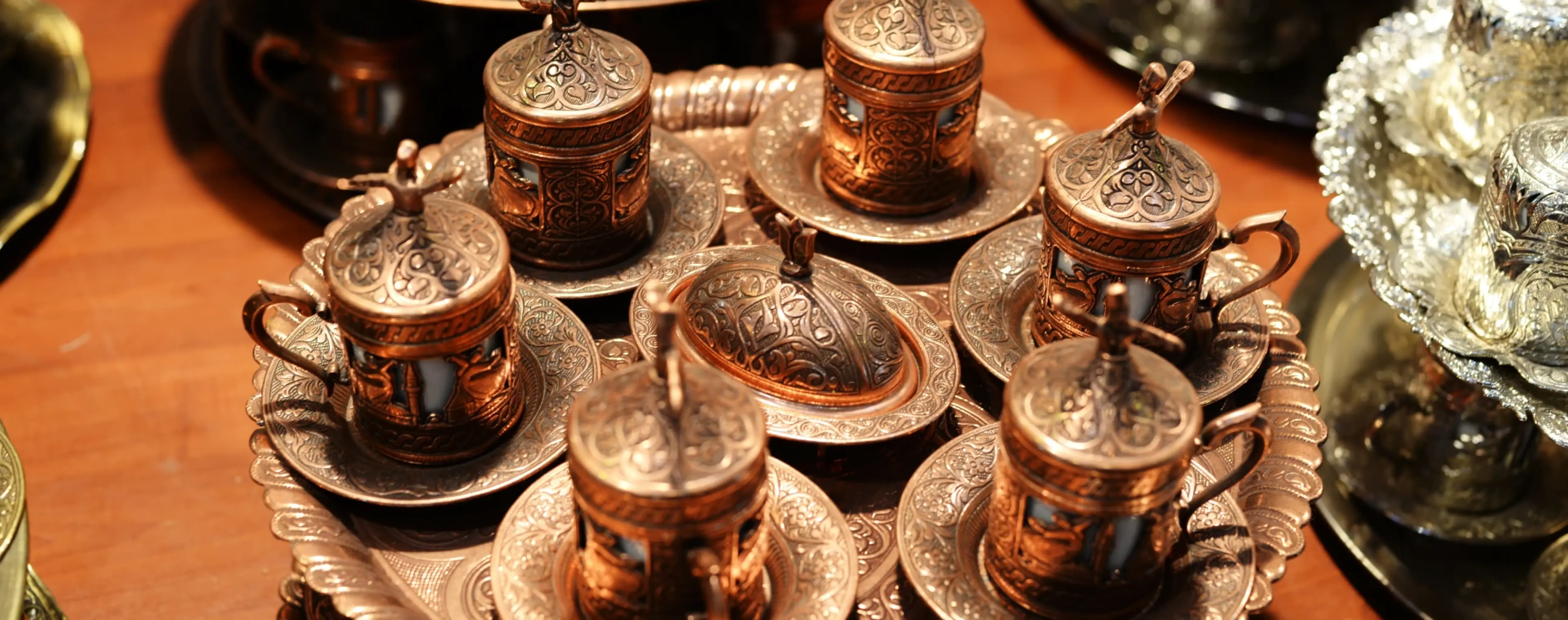
Away from the museums and major monuments, visitors can walk around Ankara Castle and its surrounding streets, see Roman-era remains in Ulus, stroll through Hamamonu, and spend time in central districts used for shopping, dining, and nightlife. Kizilay supports everyday city activity, while Cankaya and Kavaklidere are important for dining and evening venues, offering several things to do beyond the historical sights. Local food associated with Ankara and its region includes Ankara tava and Beypazari kurusu.
City Details
City overview – facts & data for travelers
Major international airports – full list
Best tours and travel experiences across the continent

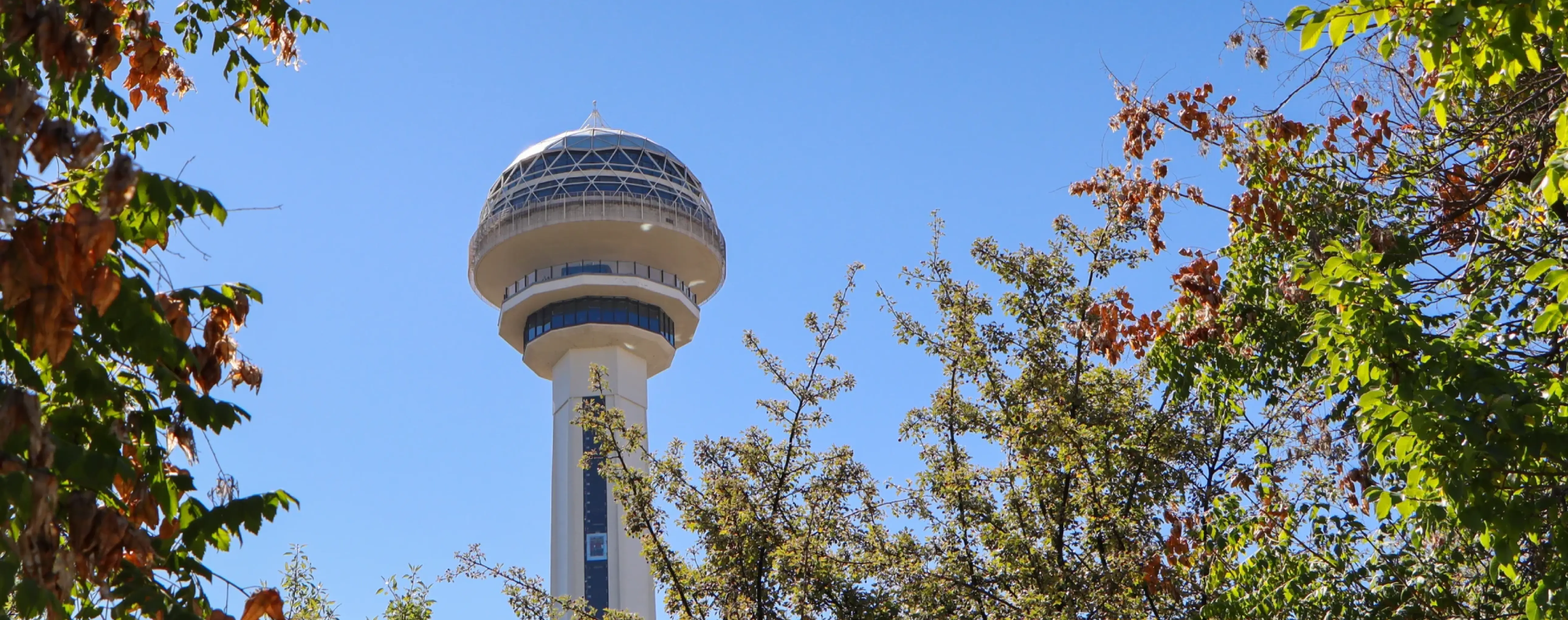
Ankara views
Guided tours, popular attractions, and top-rated hotels across the continent