
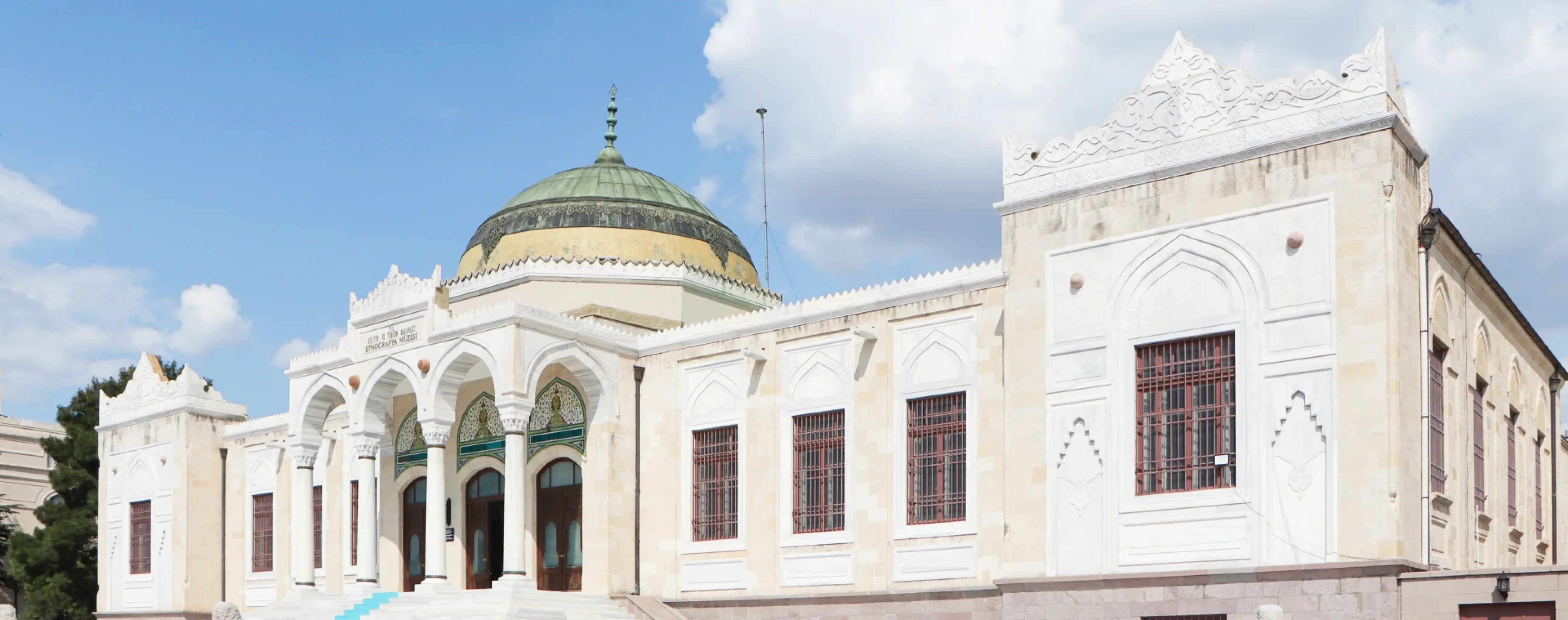
Ankara Ethnography Museum
Ankara Ethnography Museum on Namazgahtepe Hill, Ankara, Turkey
The Ankara Ethnography Museum is located on Namazgahtepe Hill, not far from the center of Ankara. The museum building was constructed in the early years of the Turkish Republic, and the museum itself opened in the 1920s as one of the institutions dedicated to studying and preserving the traditional culture of Anatolia. The place where it stands had previously indeed been used as a Muslim cemetery.
The museum's exhibition introduces visitors to the everyday life, crafts, and artistic traditions of different regions of Turkey. The halls display carpets and kilims, wood carvings, metalwork, ceramics, weapons, textiles, jewelry, interior items, and examples of folk clothing. Special attention is given to decorative and applied arts and craft techniques that shaped daily life in Anatolia over the centuries.
For tourists, the museum is interesting because it offers the chance to see not archaeological finds, but objects connected specifically with people's real lives - from household utensils to ceremonial items and regional costumes. This helps provide a better understanding of Turkey's cultural diversity and the differences between the country's regions, which are not always noticeable during a regular trip through its cities.
The Ethnography Museum is often included in itineraries through the historic part of Ankara together with Ankara Castle and the Museum of Anatolian Civilizations. It is well suited to those who want to complement their introduction to the capital with not only political history, but also the country's traditional culture.
Ankara Ethnography Museum on the map
Ankara Ethnography Museum - exhibitions of daily life, crafts, and folk clothing
The exhibitions showcase the traditions, crafts, and everyday culture of Anatolia.
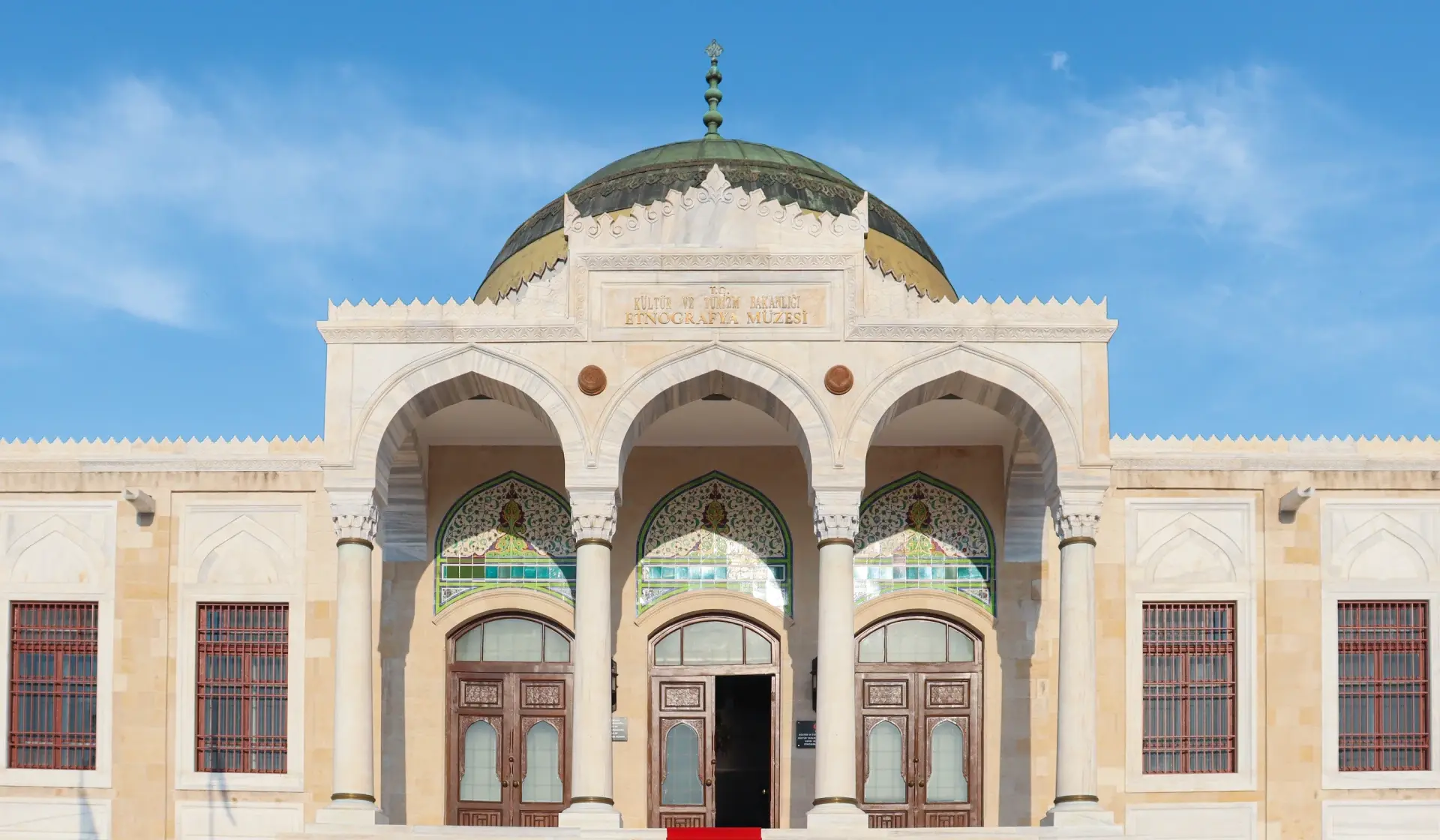
Collections of Anatolian crafts, costumes, and household items
The museum's interior is organized around halls dedicated to various types of traditional art and everyday life. Here you can examine woven items from different regions, antique embroidery samples, wooden furniture, metal utensils, ceremonial objects, and collections of weapons. The exhibition is especially useful for those who want to see how materials, ornaments, and craft techniques differed across various parts of Turkey.
Of particular interest are the mannequins dressed in folk clothing and the reconstructed interiors, which help visitors imagine the everyday environment of past eras. Thanks to these sections, the museum is perceived not as a collection of separate objects, but as a narrative about domestic life, family traditions, religious customs, and handmade crafts. In some halls, you can also notice architectural details of the building itself, characteristic of the early republican period.
It is also important for visitors that the museum is connected to the history of 20th-century Ankara: after the death of Mustafa Kemal Ataturk, his body temporarily rested here before being transferred to Anitkabir. Nearby are the Museum of Anatolian Civilizations, Ankara Castle, and the Ulus district, which can conveniently be explored in one day.
The easiest ways to get here are by taxi, bus, or on foot from the Ulus district and the central part of the city. Before visiting, it is worth checking the current opening hours, as visiting schedules may change.
Best tours and travel experiences across the continent

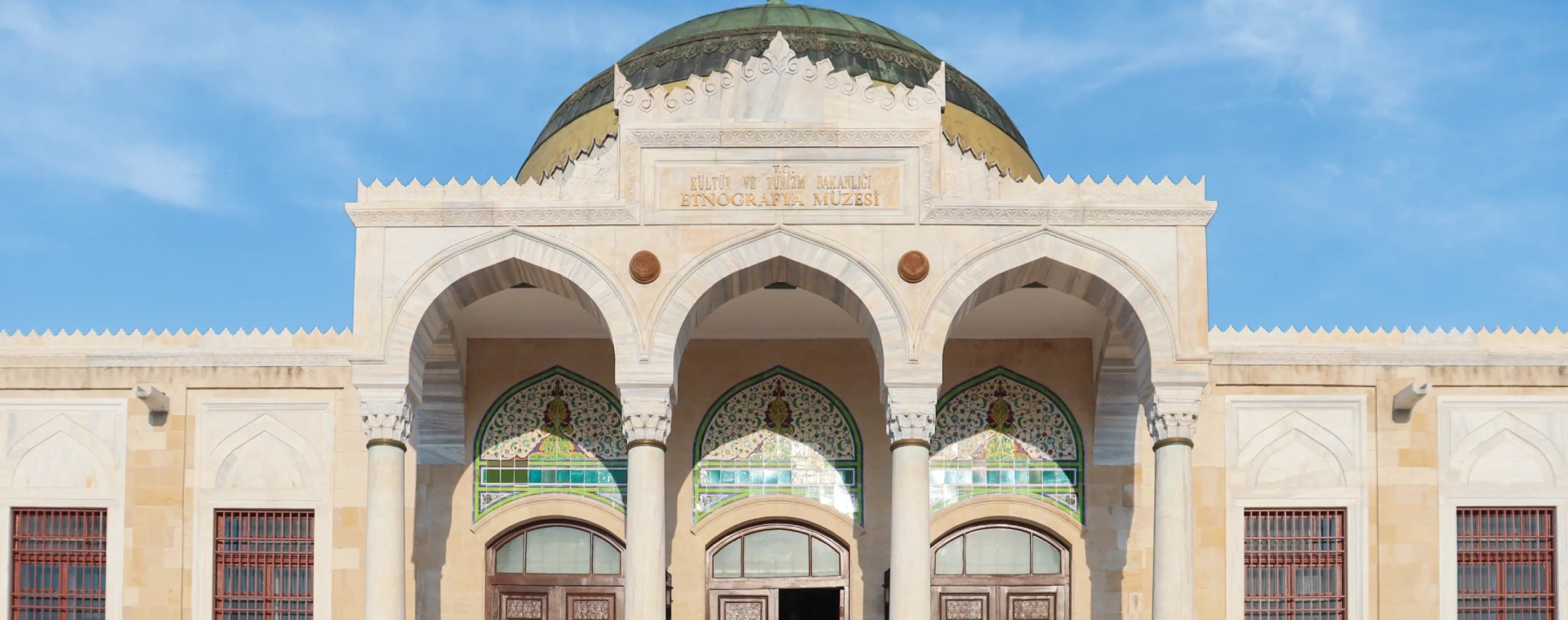
Exhibit Gallery
Guided tours, popular attractions, and top-rated hotels across the continent


