
Catalhoyuk
Catalhoyuk - a Neolithic settlement in Konya, Turkey
Catalhoyuk is located on the Konya Plain, near Cumra, about 50 km southeast of the center of Konya. It is one of the most famous Neolithic archaeological sites in Turkey, representing the remains of a large settlement that existed in the 7th-6th millennia BCE. The complex consists of two neighboring mounds reflecting different stages of its development and is included in the UNESCO World Heritage List.
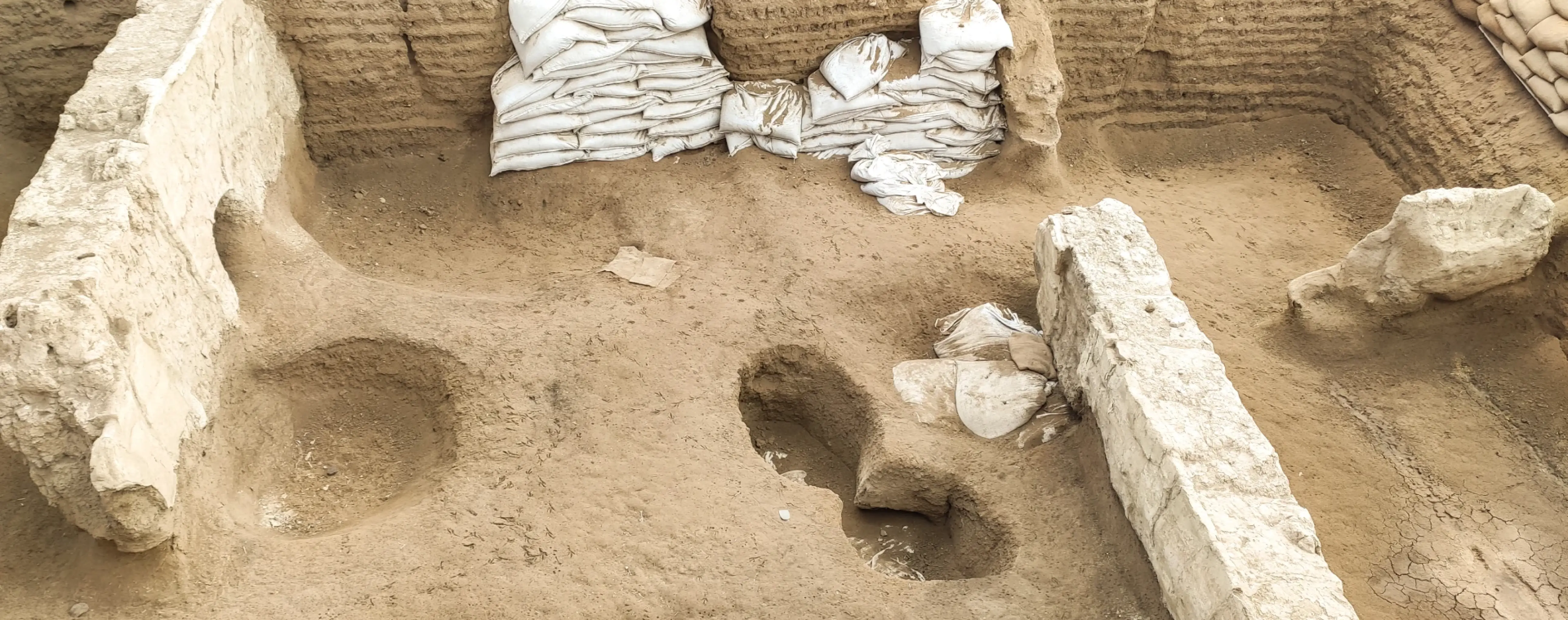
The main feature of Catalhoyuk is its unusual dense layout. The mudbrick houses stood directly next to each other, without the usual streets and lanes. Access to the dwellings was often arranged through the roof, and movement took place across the upper surfaces of the houses. This layout makes the site especially important for understanding how early farming communities were organized.
During excavations, residential spaces with hearths, ovens, platforms, and storage areas were found here, as well as traces of a complex symbolic culture. Wall paintings and reliefs have been preserved in some houses, bull skulls and horns were discovered, and burials were often located beneath the floors. These finds help to imagine not only everyday life but also the rituals of the settlement's inhabitants.
Today, Catalhoyuk is of interest to those who want to see one of the key monuments of prehistoric Anatolia directly at the excavation site. Conditions for visiting have been created on the territory: there are protective shelters, walkways, and informational materials. For a more complete acquaintance with the finds, the trip can conveniently be supplemented by a visit to the Konya Archaeological Museum in the center of Konya.
Catalhoyuk on the map
Catalhoyuk - excavations, layout, and museum finds
The site preserves cultural layers and reveals features of early sedentary society.
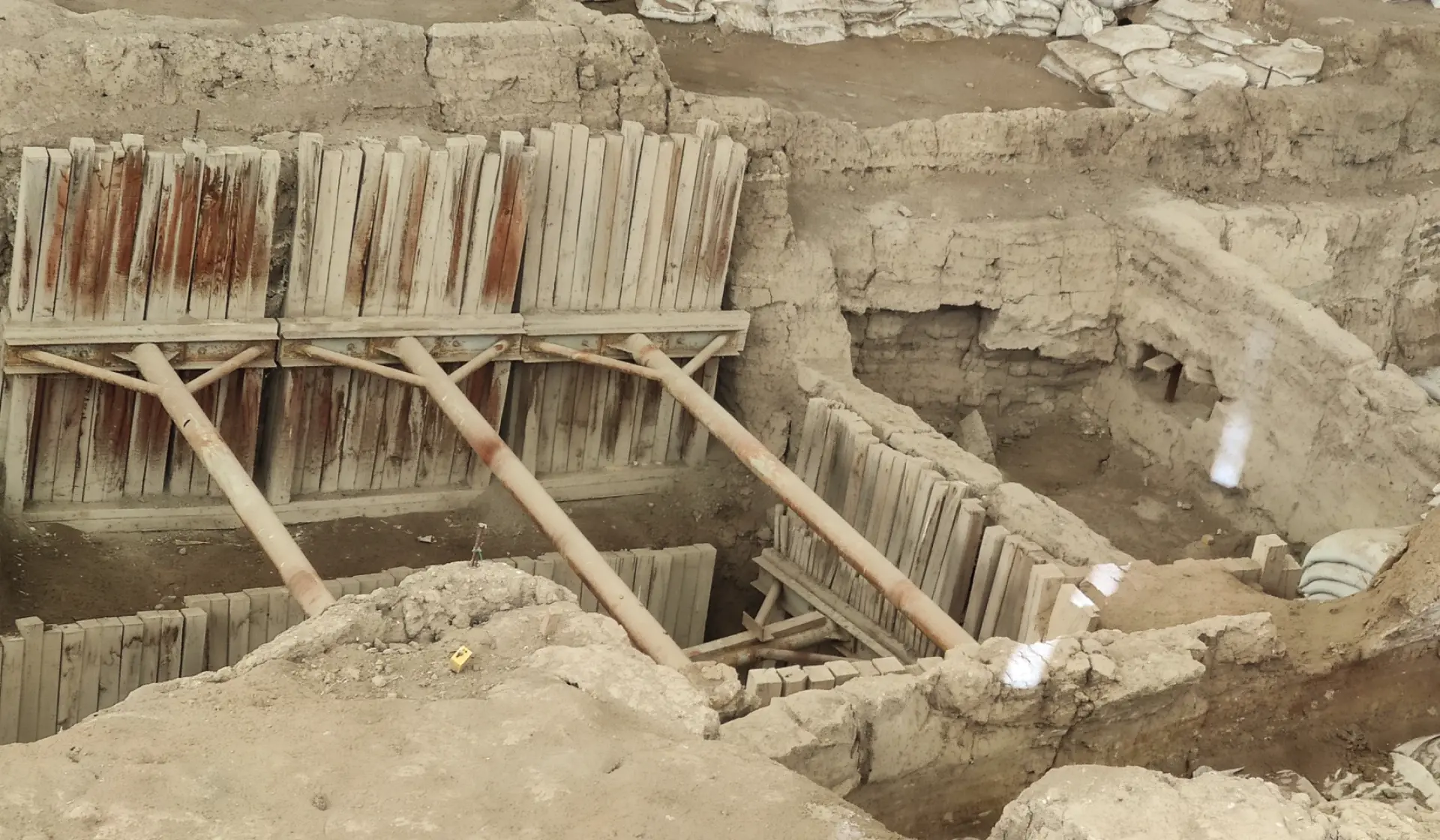
Neolithic settlement with houses without streets and entrances through the roof
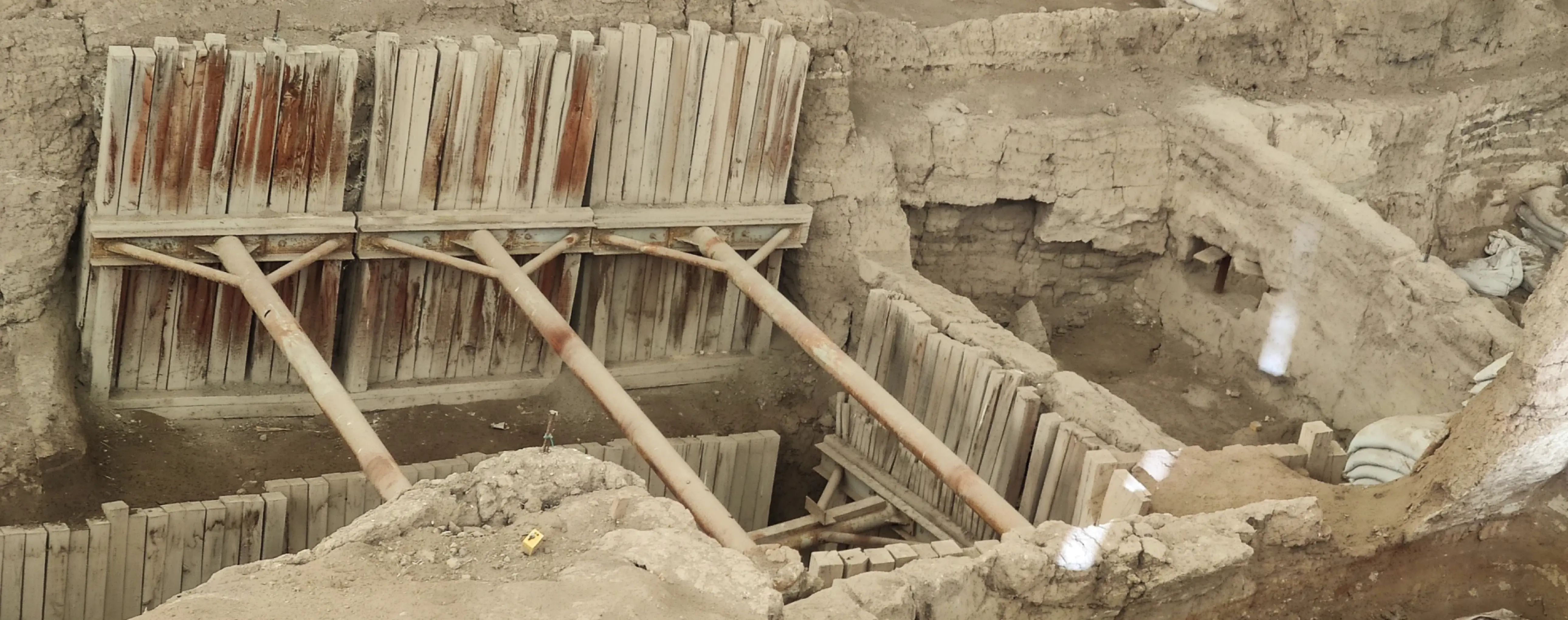
At the archaeological site, visitors explore excavated areas under large protective shelters, from where the dense structure of the ancient settlement is clearly visible. From the pedestrian walkways, it is possible to examine the outlines of houses, internal platforms, household zones, and individual elements associated with burial and ritual practices. Information panels help explain how the settlement changed over the centuries and how the eastern and western mounds differed.
The visitor center introduces the history of research and explains why Catalhoyuk is considered an important source of information about early sedentary life. It is especially clear here that this is not a reconstructed ancient city, but an archaeological monument where the main focus is the layout, cultural layers, and excavation results. Therefore, the visit will be most interesting for those who want not just to see ruins, but to understand the structure of one of the early farming settlements.
Many original finds from this site are exhibited in Konya's museums, primarily in the Konya Archaeological Museum, so a visit to the site is often combined with visits to museum exhibitions in the city center. If there is time, you can also see the Mevlana Museum in Konya and the Seljuk monuments of the historic center in the surrounding area.
The most convenient way to reach Catalhoyuk is usually by car or with an organized tour from Konya through the Cumra district. Before traveling, it is worth checking current visiting hours and access conditions, as the operating schedule of the archaeological site may change.
Best tours and travel experiences across the continent




Catalhoyuk Gallery
Guided tours, popular attractions, and top-rated hotels across the continent


