
Konya Turkey travel guide Mevlana Museum
Konya, Turkey
Konya lies in Turkey's Central Anatolia, in the southern part of the region on the Anatolian plateau. This is a major inland city rather than a coastal destination, and no body of water defines its setting. The landscape is flat, with a wide plateau and steppe backdrop.
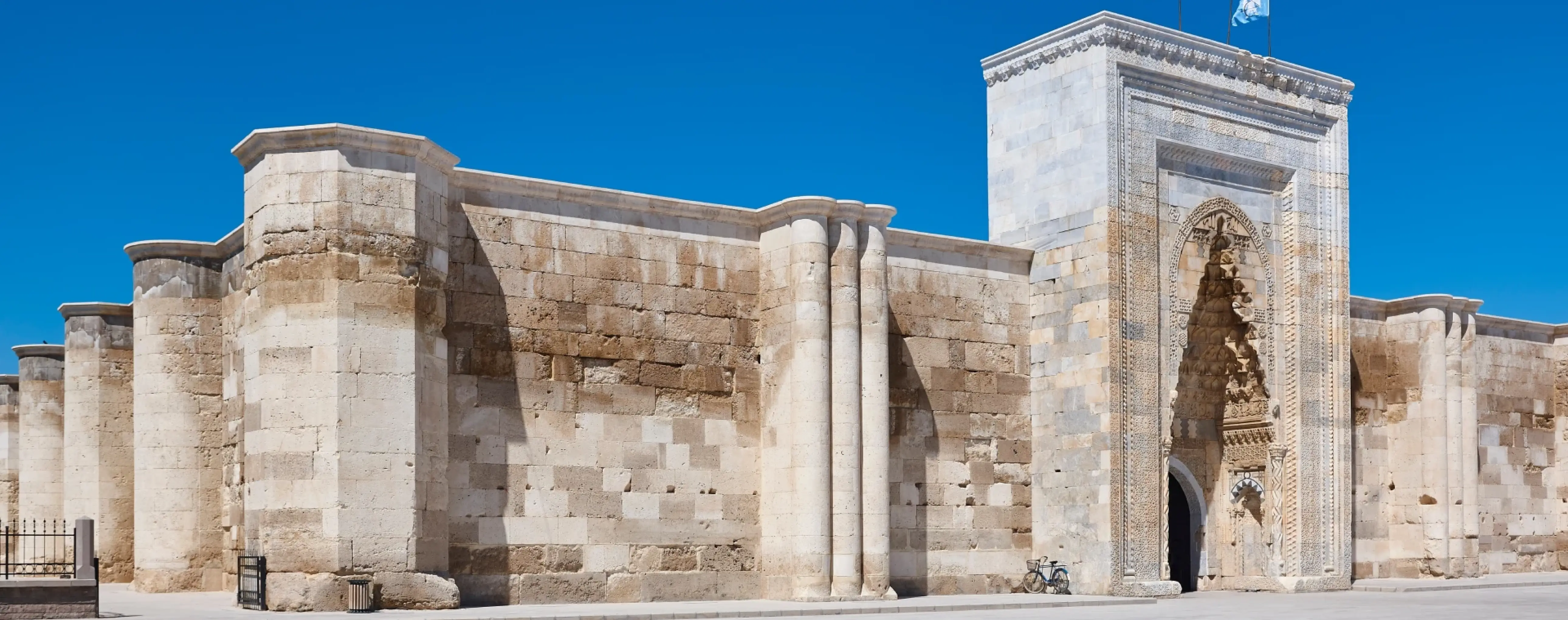
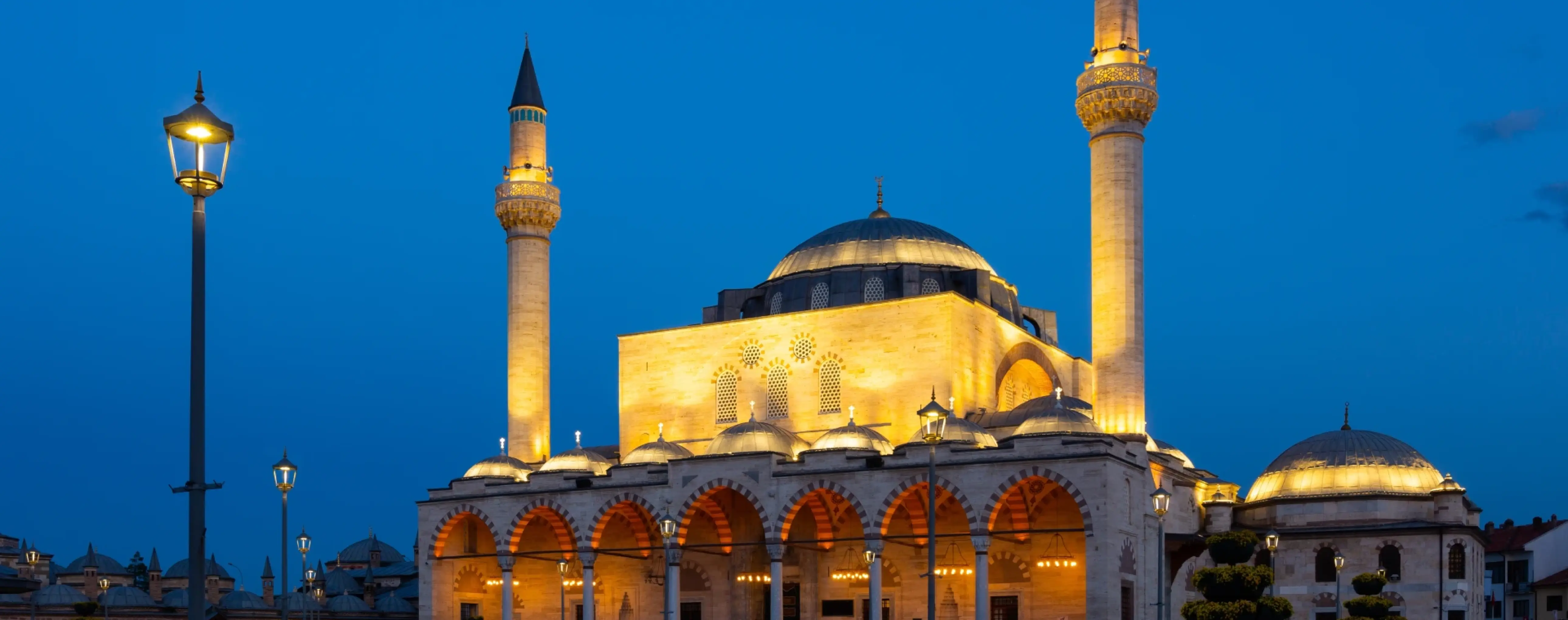
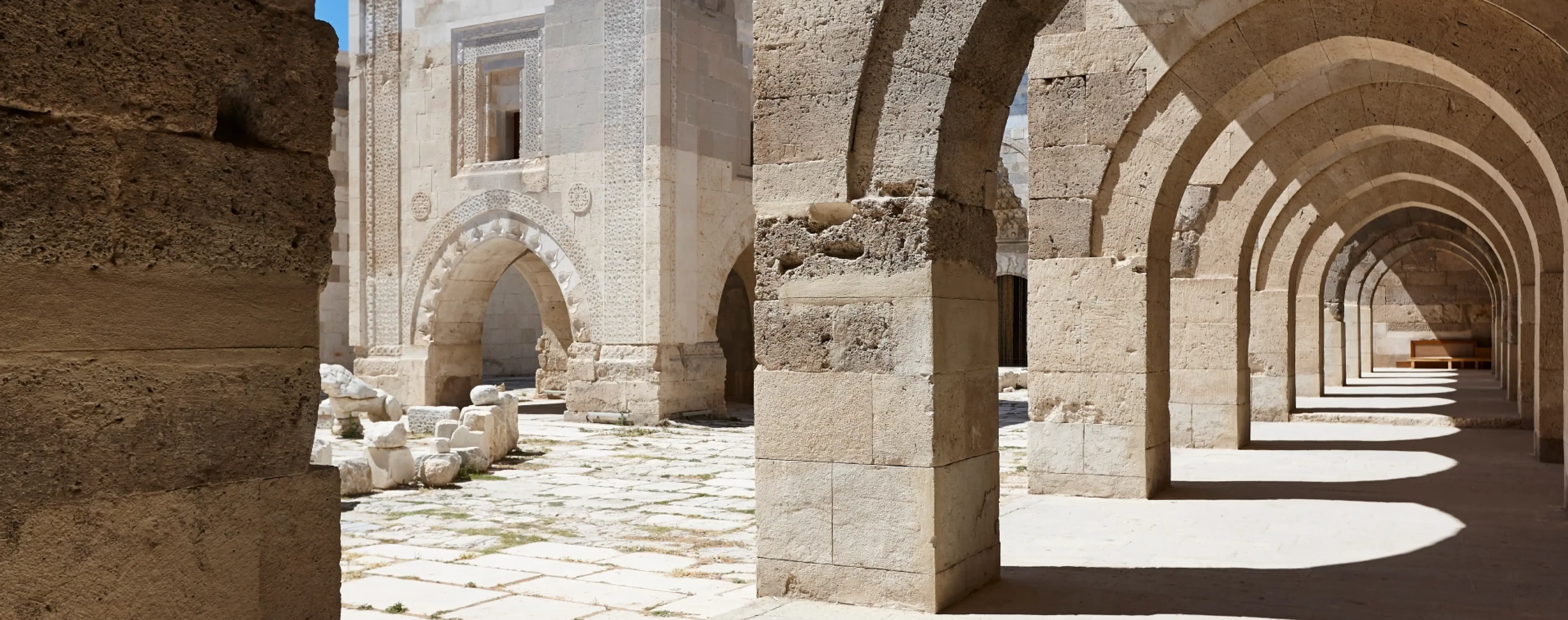
The city brings together substantial Seljuk and Ottoman historical layers. Konya served as the capital of the Seljuk Sultanate of Rum in the 12th and 13th centuries, and that history remains visible in monuments including Alaeddin Mosque on Alaeddin Hill, Karatay Madrasa, and Ince Minareli Madrasa. The Ottoman period is represented by Selimiye Mosque beside the Mevlana complex. Together, these sites create a strong concentration of medieval Islamic architecture alongside one of the city's main Ottoman monuments.
What Konya offers is religious heritage, museums, and historic architecture rather than resort tourism. Its close association with Jalal al-Din Rumi, known locally as Mevlana, and its role as a leading center of the Mevlevi tradition make it well suited to culture-focused walking holidays or a short vacation built around historic sites and spiritual heritage. Sema ceremonies are an important part of the city's cultural identity.
The best-known heritage focus is the Mevlana area, while Alaeddin Hill anchors another key historic part of the center. Broad modern avenues run through the city center, which also has a historic core focused on these areas, so moving around means passing between modern urban streets and older monumental sites. Konya Airport provides air access, high-speed rail links the city with Ankara, and the tram system is useful for travel between central areas and major urban districts.
Konya has a continental climate, with hot dry summers and cold winters. Spring and autumn are usually the most comfortable seasons for sightseeing. For easier walking conditions, mid-summer heat and cold winter days are the main periods to avoid.
Konya on the map
Konya: Attractions, interesting places for excursions
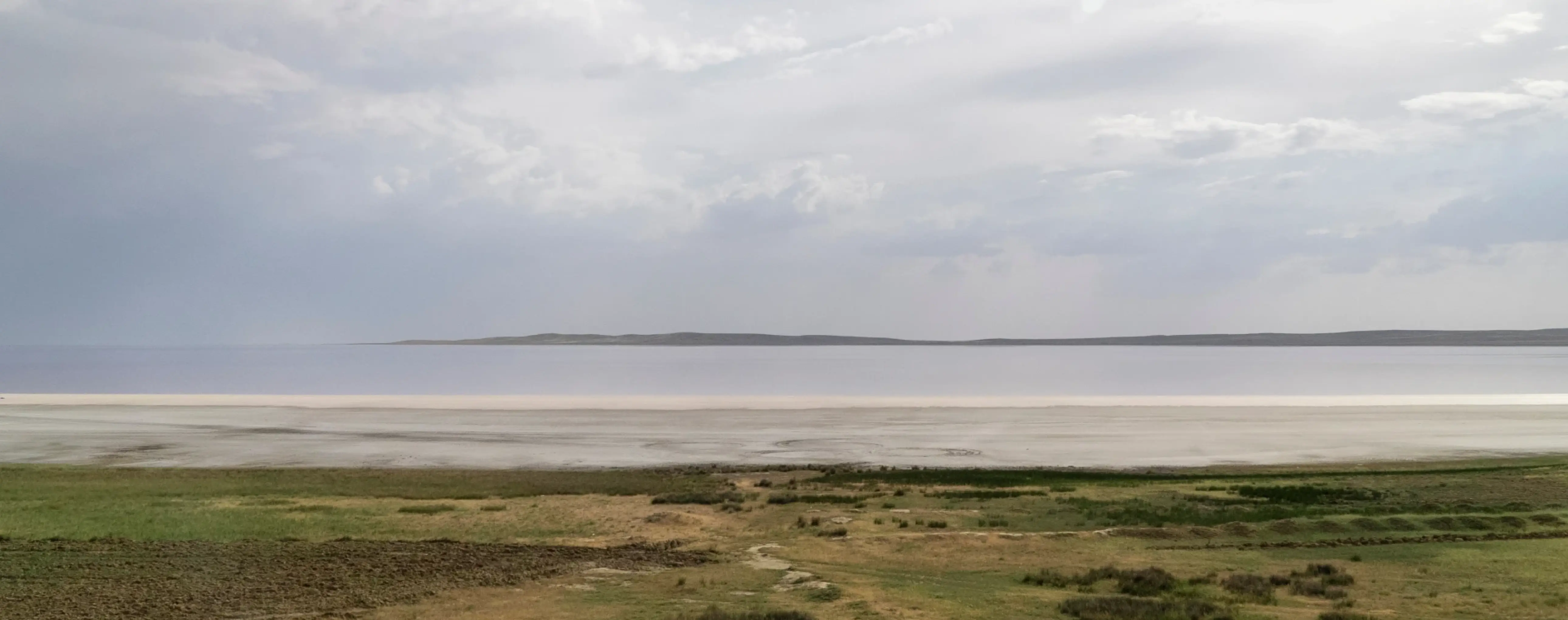
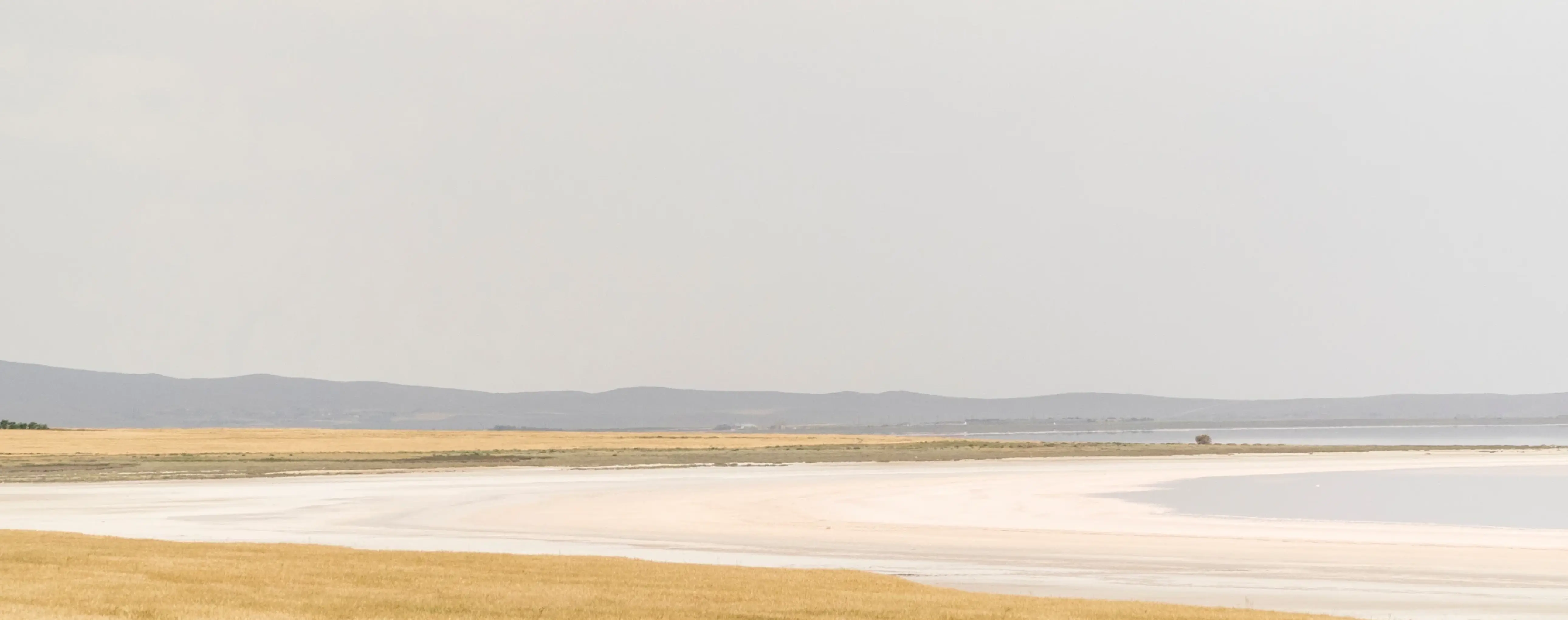
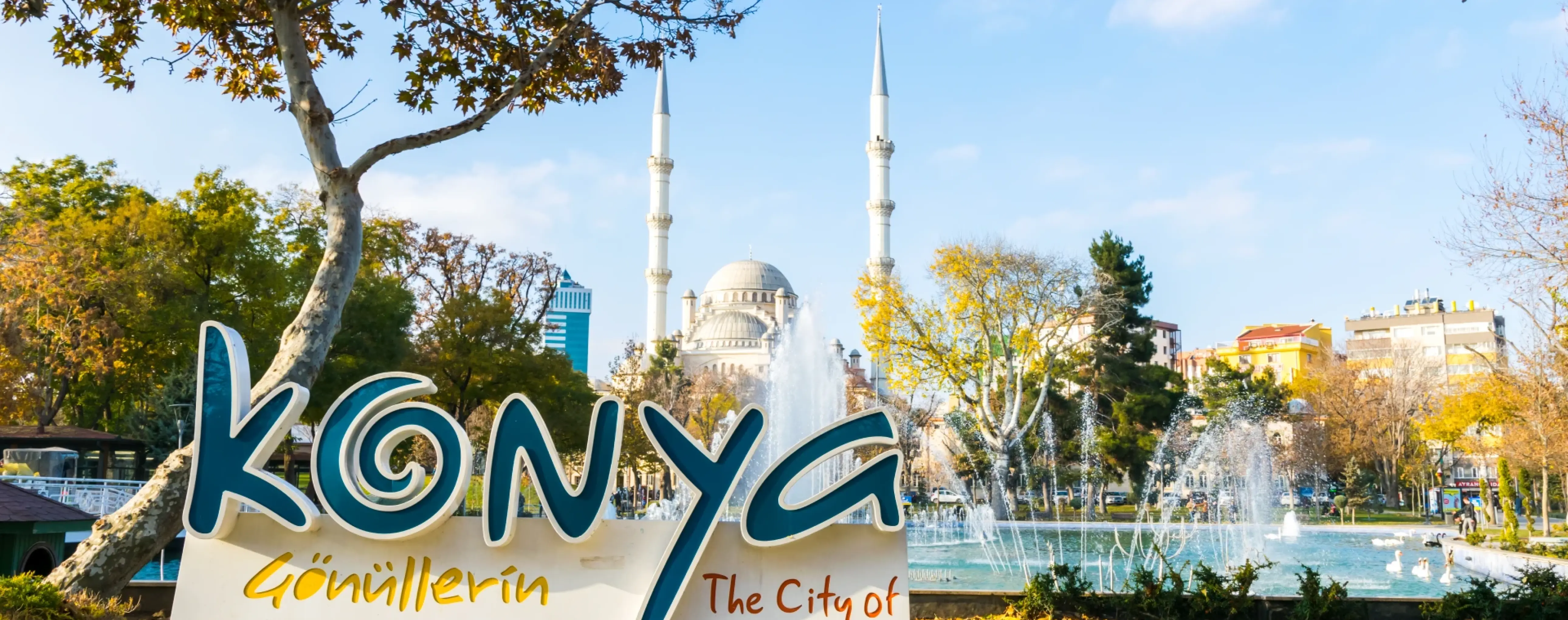
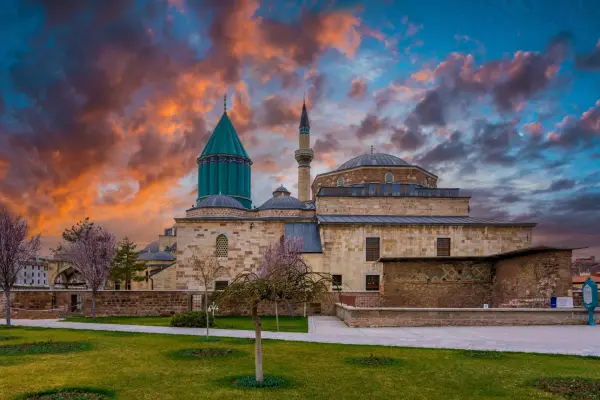
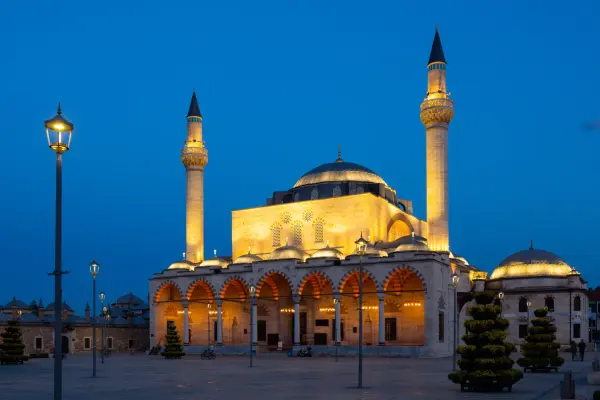
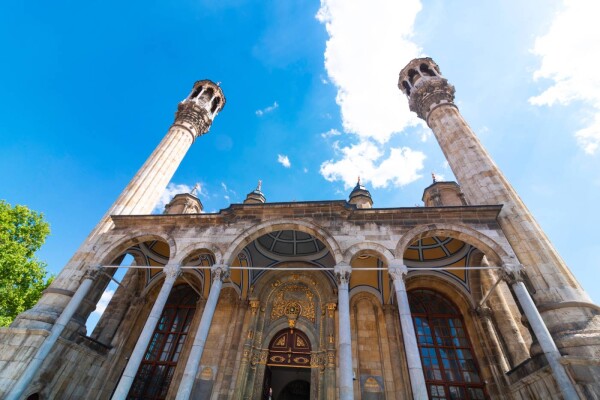
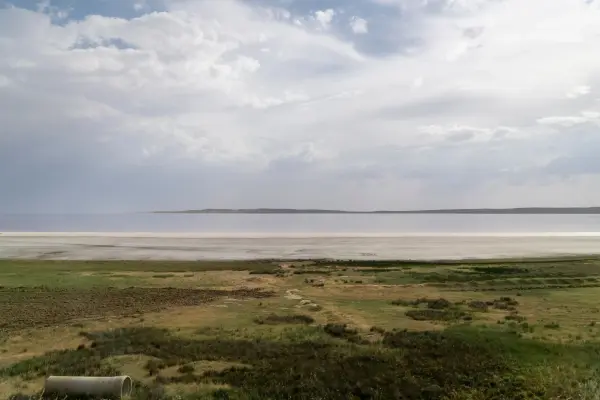
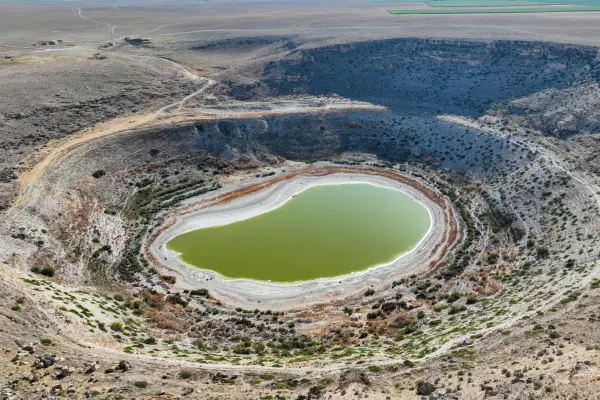
Mevlana Monastery, Selimiye Mosque, Aziziye Mosque, Lake Tuz
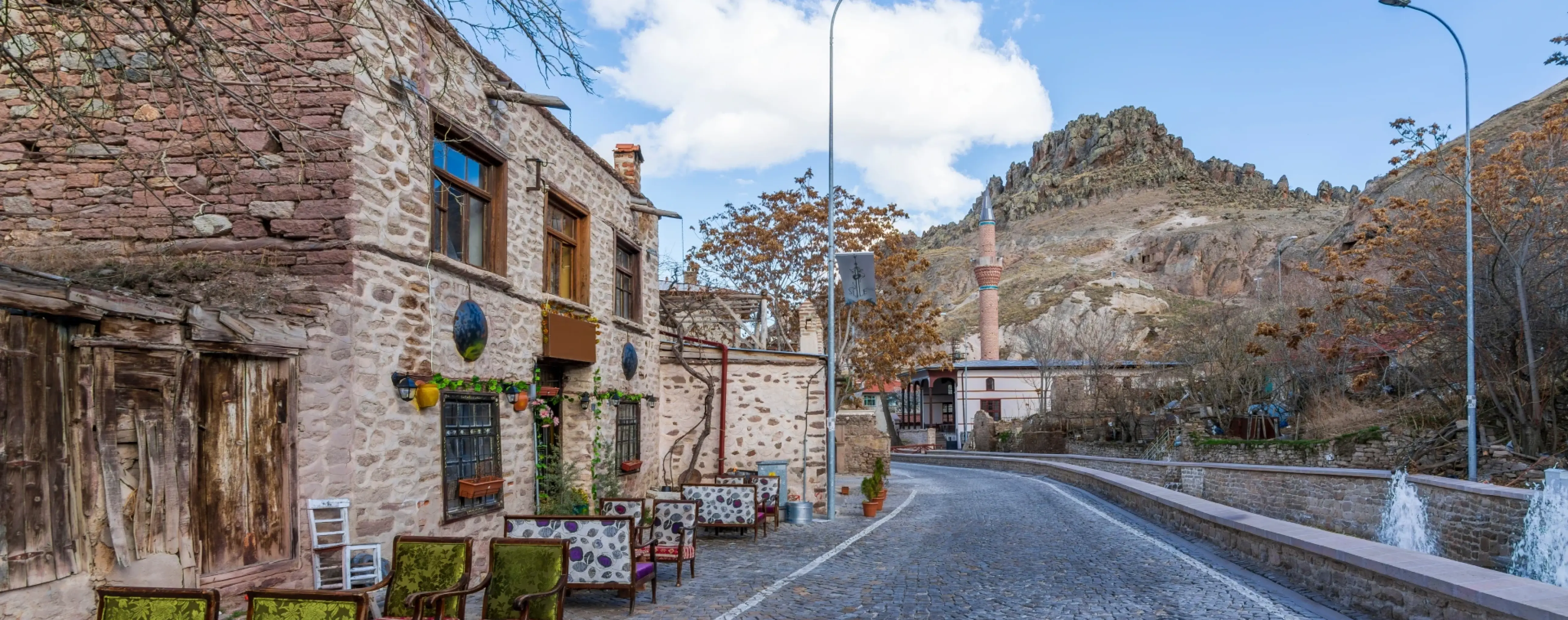
What to see in Konya, from Mevlana Museum to Sille
Seljuk madrasas, sema rituals, and etli ekmek near Alaeddin Hill
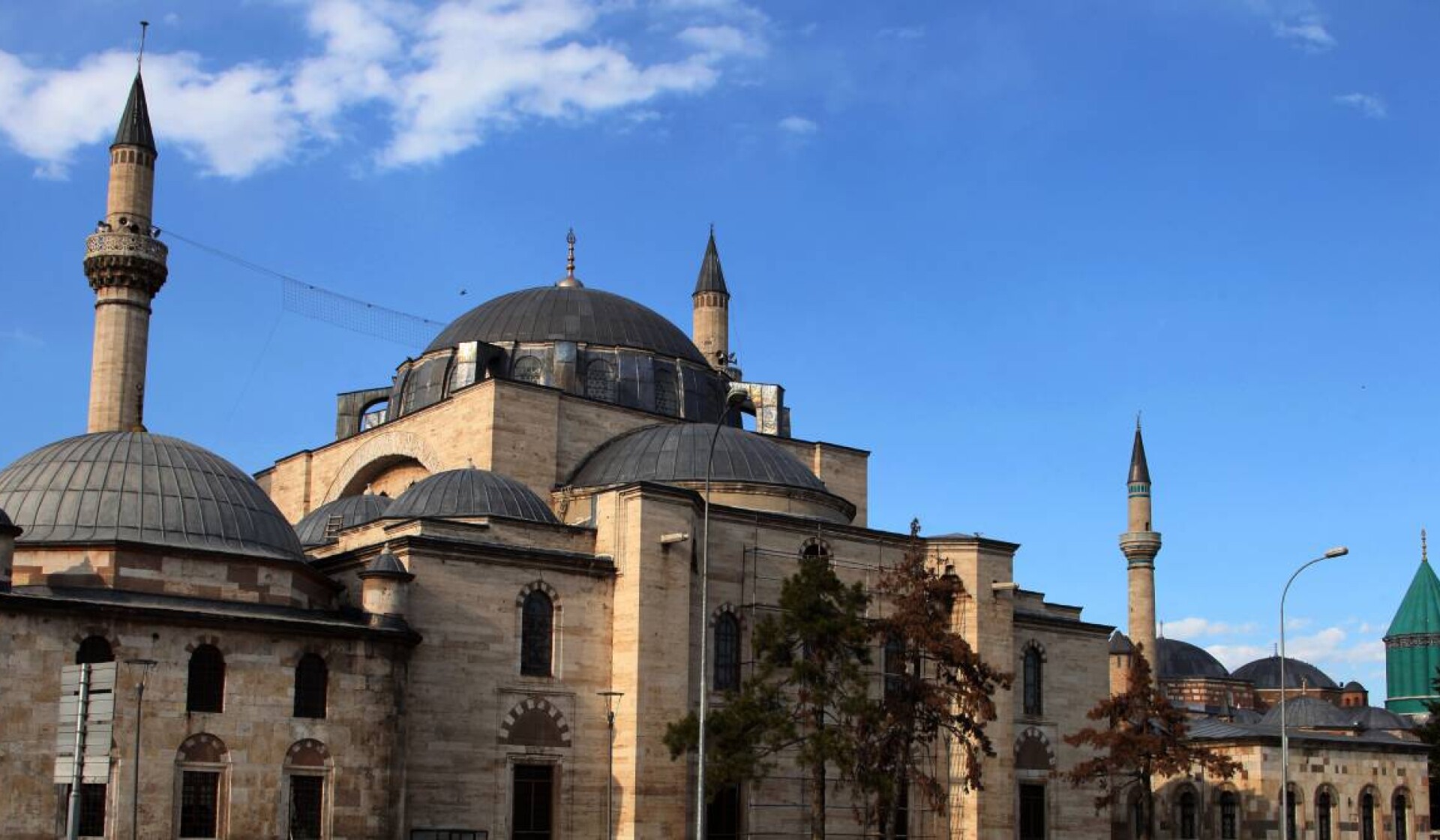
Mevlana, Alaeddin Hill, and Konya's historic core
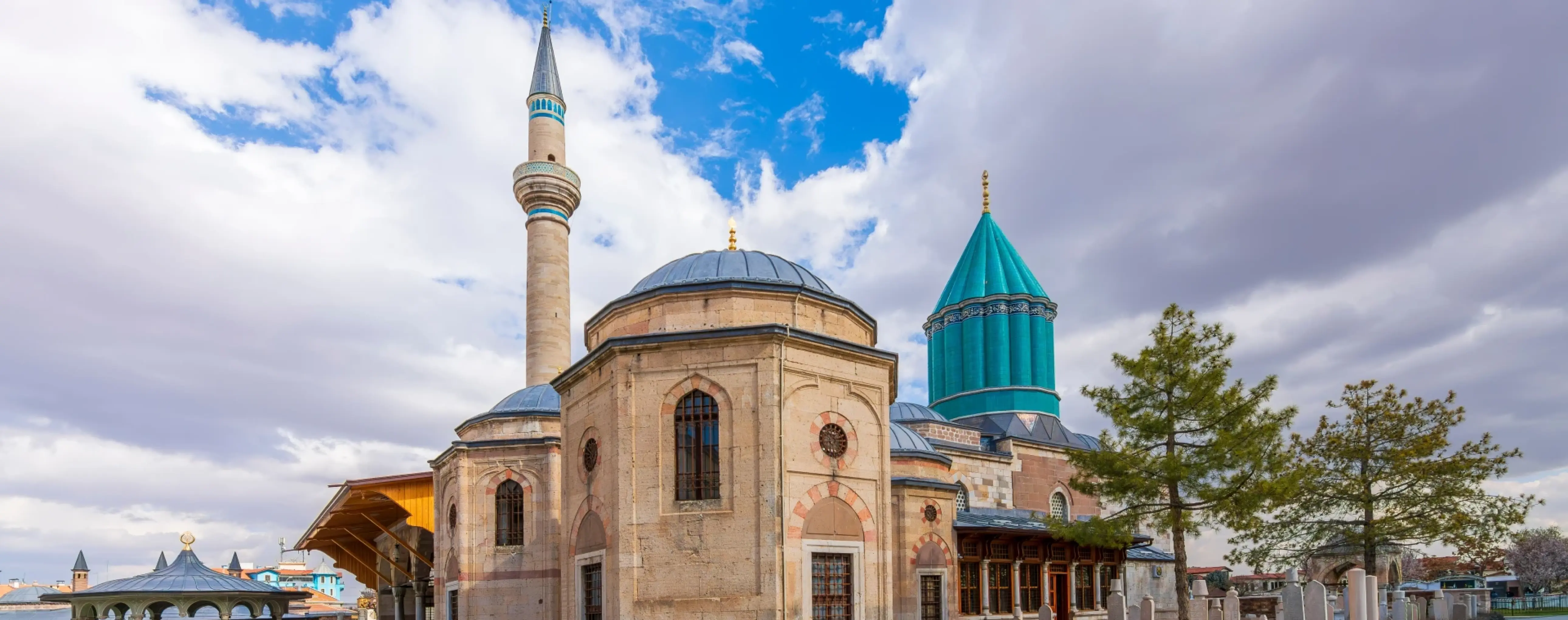
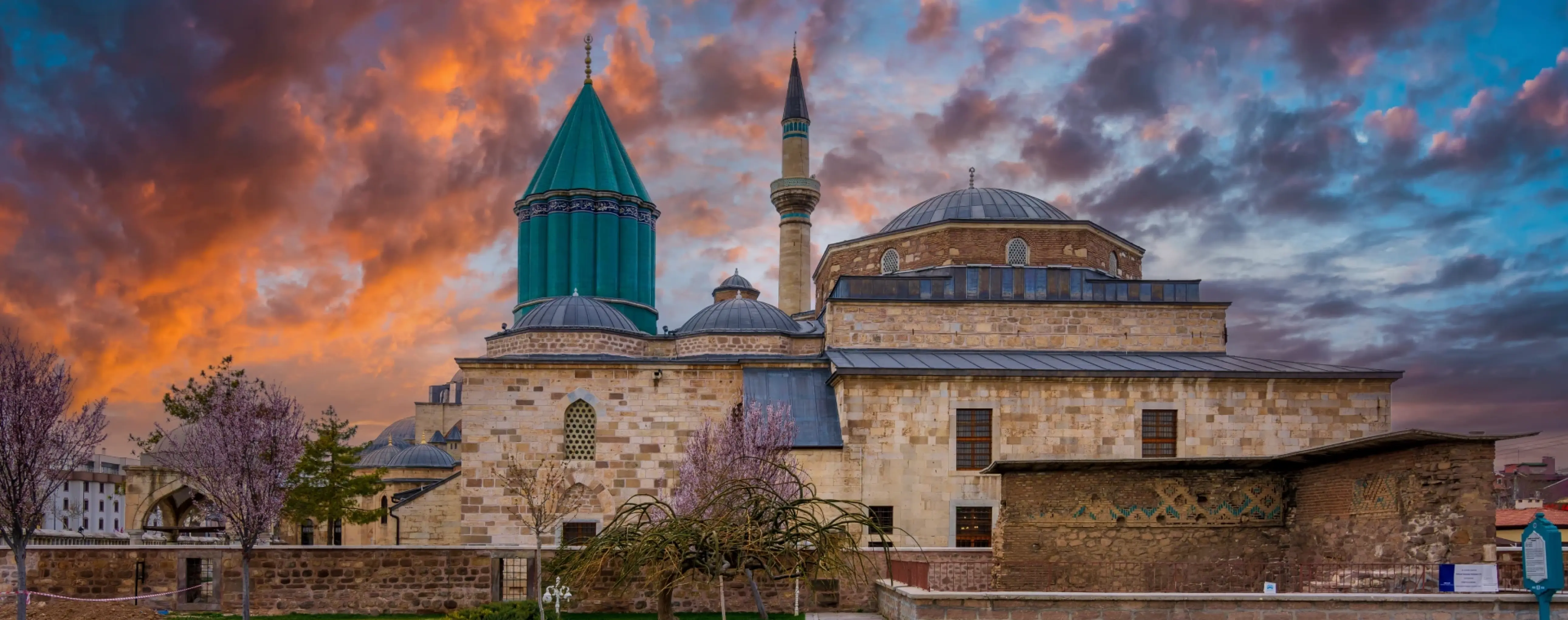
Broad modern avenues give way to a historic core centered on the Mevlana area and Alaeddin Hill, where Konya's Seljuk and Ottoman layers are most clearly seen. The Mevlana Museum is the city's best-known landmark, while Alaeddin Mosque on Alaeddin Hill is one of its principal historic mosques and a key Seljuk-era site. Karatay Madrasa and Ince Minareli Madrasa strengthen this notable group of medieval Islamic monuments, and Selimiye Mosque beside the Mevlana complex stands as one of the main Ottoman monuments in the center. Taken together, these are among the main places to visit in Konya's historic center.
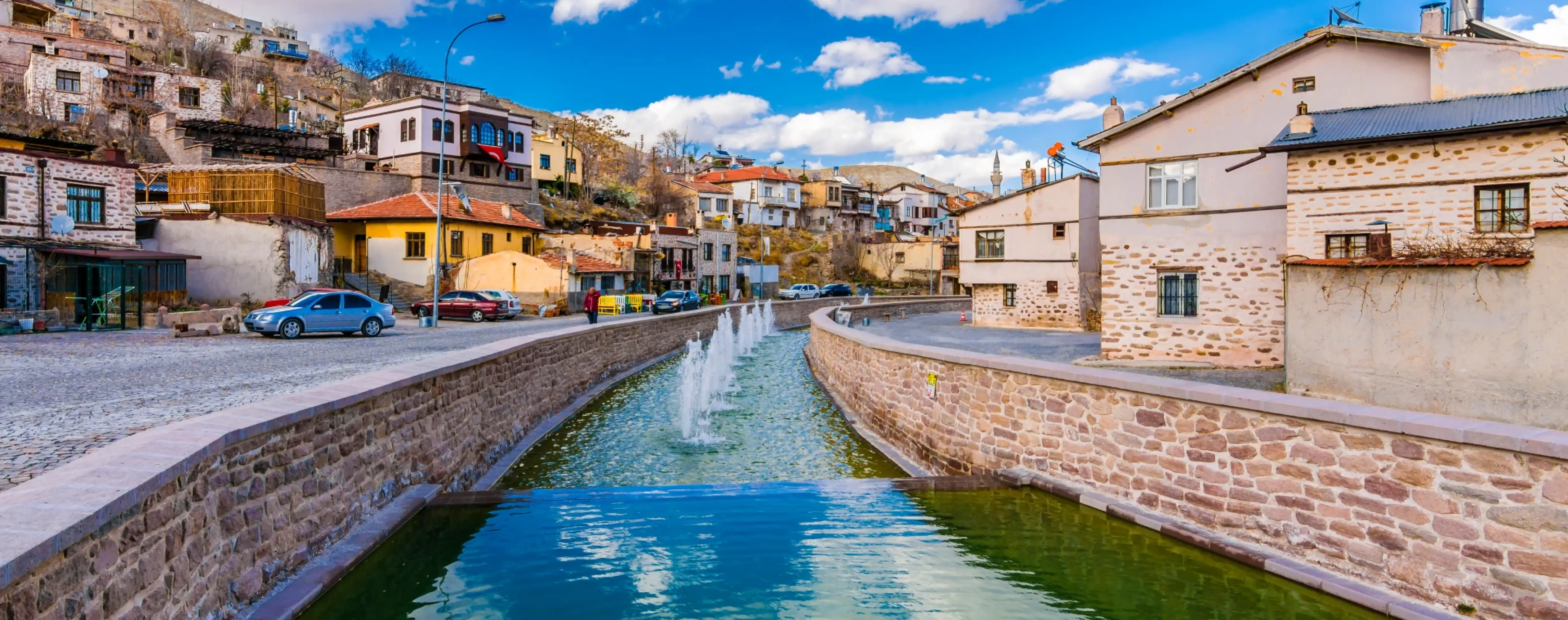
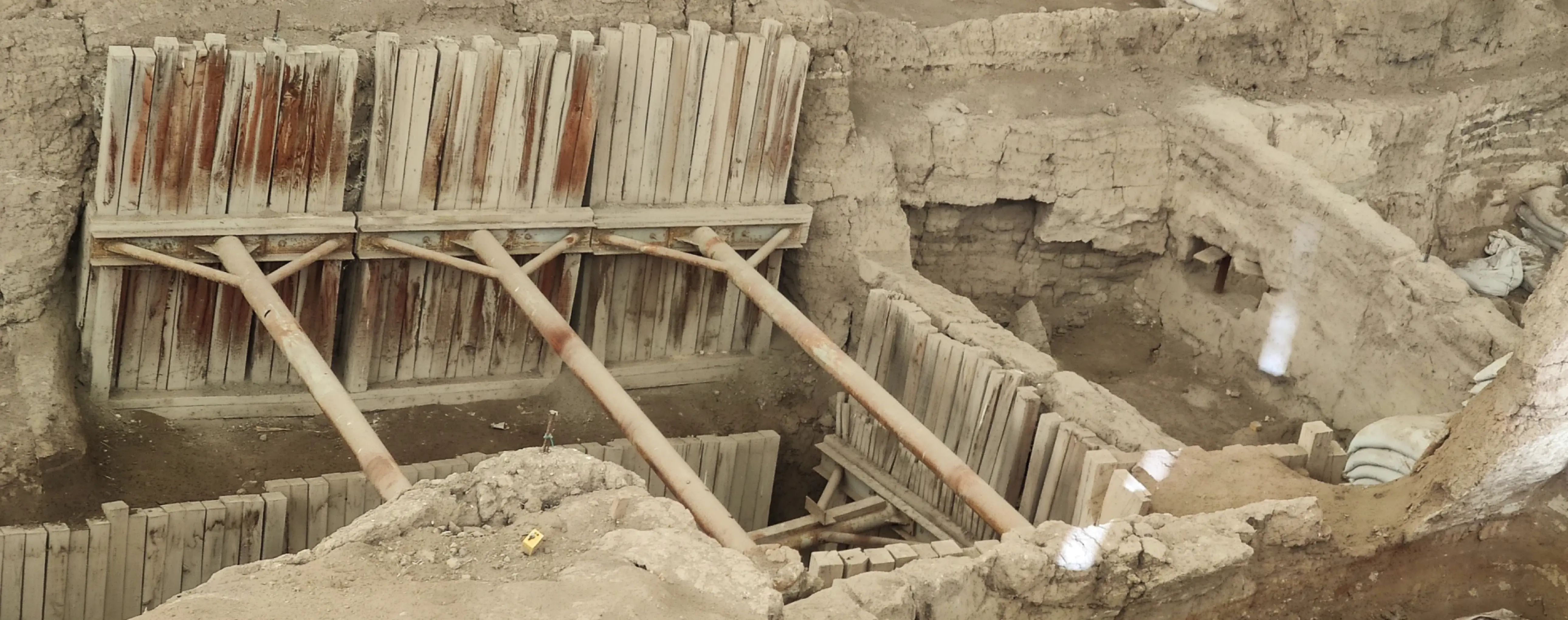
The Mevlana Museum is built around Rumi's mausoleum and a former dervish lodge. It is the city's main museum focus by name and sits at the heart of Konya's religious and cultural identity. Beyond the center, nearby Sille is visited for its old stone houses and religious heritage. In the provided facts, no coastline, harbor, or waterfront function forms part of Konya's visitor experience.
When available, visitors can attend sema ceremonies and experience an important part of the city's cultural identity as a leading center of the Mevlevi tradition. In December, the Seb-i Arus commemorations mark the anniversary of Rumi's death and draw many visitors. Another main thing to do is visit Sille near Konya. For dining, etli ekmek is one of the city's signature foods, and firin kebabi is another established local specialty traditionally cooked slowly in ovens.
City Details
City overview – facts & data for travelers
Best tours and travel experiences across the continent

Konya gallery
Guided tours, popular attractions, and top-rated hotels across the continent