
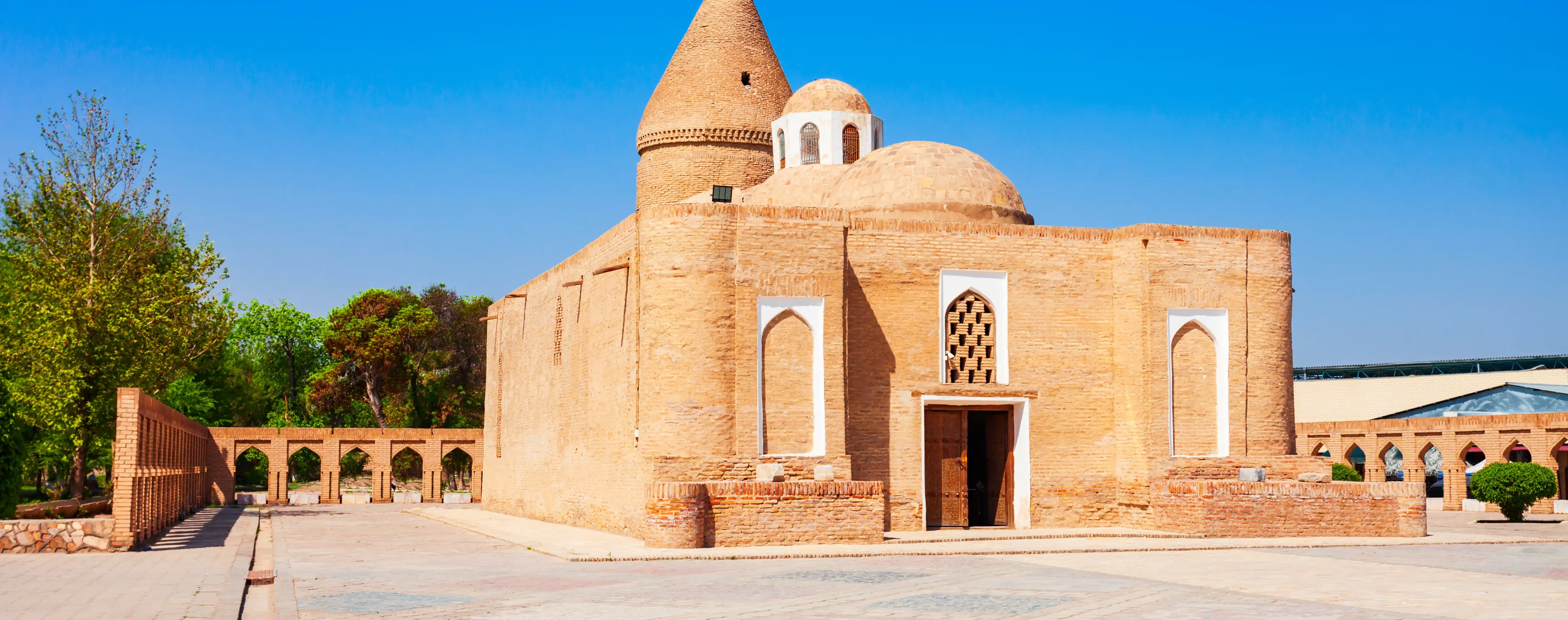
Chashma-Ayub Mausoleum
Chashma-Ayub Mausoleum in Bukhara, Uzbekistan
The Chashma-Ayub Mausoleum is located in the historic center of Bukhara, next to the Samanid Mausoleum and not far from Samanid Park. It is one of the city's notable sacred structures, combining a mausoleum, a holy spring, and a memorial space. The monument is part of the historic center of Bukhara, which is included on the UNESCO World Heritage List.
The main part of the building dates back to the era of Timur, although individual elements of the complex were formed at different times. The structure has an elongated shape and consists of several rooms arranged in sequence. Thanks to this, it is easy to see inside how construction techniques and dome decoration changed over different periods.
Chashma-Ayub is known above all for its spring, which is revered as sacred. It is associated with a legend about the prophet Job, who, according to tradition, brought forth water from the ground with a strike of his staff. Inside there are also burials, including the revered tomb of the theologian Khoja Hafiz Gunjori, which gives the place additional religious significance.
For tourists, the mausoleum is interesting not only as a monument of Islamic architecture, but also as part of Bukhara's urban history. People visit it for its unusual appearance, ancient spring, and museum exhibition dedicated to water and the traditions of water supply in the region. A visit can easily be combined with a walk around the neighboring monuments of old Bukhara.
Chashma-Ayub Mausoleum on the map
Bukhara, Samanid Central Park Area: Mausoleums and tombs
Chor-Bakr Necropolis, Po-i-Kalyan Architectural Complex, Samanid Mausoleum
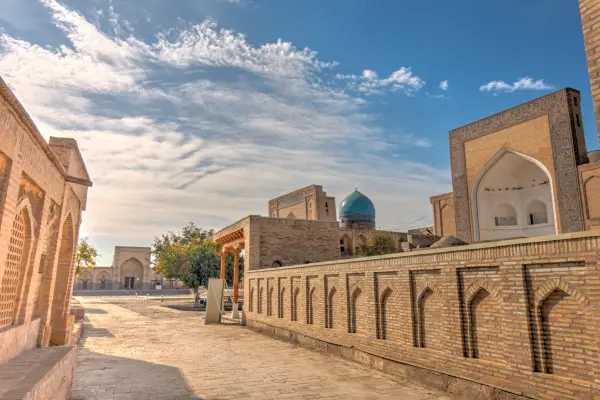
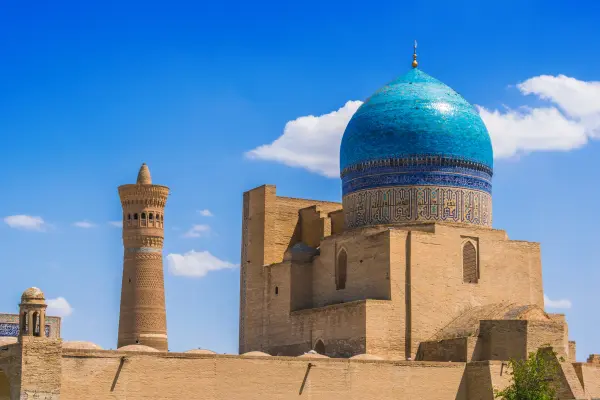
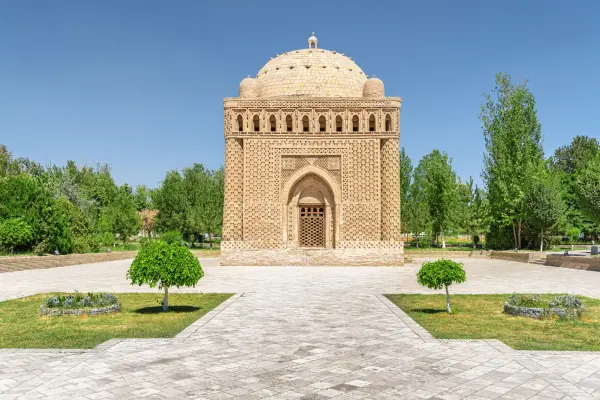
Chashma-Ayub Mausoleum and the holy spring in old Bukhara
Here, religious tradition, the history of water, and the architecture of Bukhara come together.
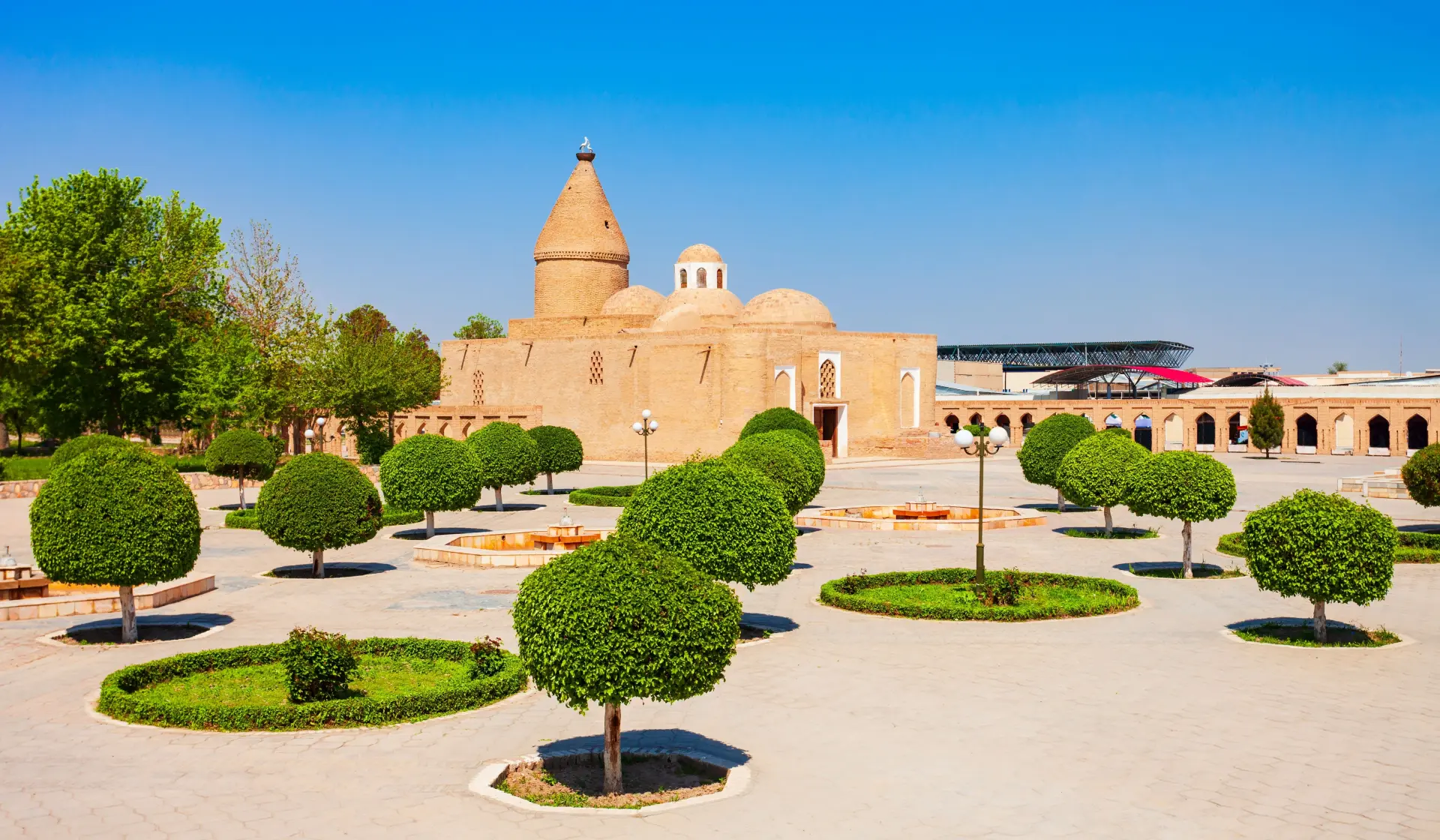
Holy spring and a rare tent-shaped dome in old Bukhara
Inside the complex, visitors pass through several halls that differ in size, vaulting, and the shape of their domes. Particular attention is usually drawn to the tall conical dome, an architectural solution rare for Bukhara, which makes the building easy to recognize among the city's other mausoleums. The interior preserves a restrained, austere composition typical of the region's religious monuments.
The main focus of the visit is connected with the spring located inside the building. The exhibition explains the importance of water for Bukhara, where the system of wells, canals, and reservoirs played a key role in the life of the city. This makes the visit interesting not only from a religious and architectural point of view, but also for understanding the everyday history of the oasis.
During the visit, it is worth paying attention to the gravestones and memorial rooms associated with revered burials. Nearby are the Samanid Mausoleum, the Bolo-Hauz memorial mosque, and other monuments of the historic center, so this part of the city can conveniently be explored on foot in a single walk.
The easiest way to get here is by taxi or on foot from the central part of Bukhara, especially if you are already in the old town area. When visiting, it is worth keeping in mind that this is a place of religious significance, so calm behavior and a respectful attitude toward the space are appropriate.
Best tours and travel experiences across the continent


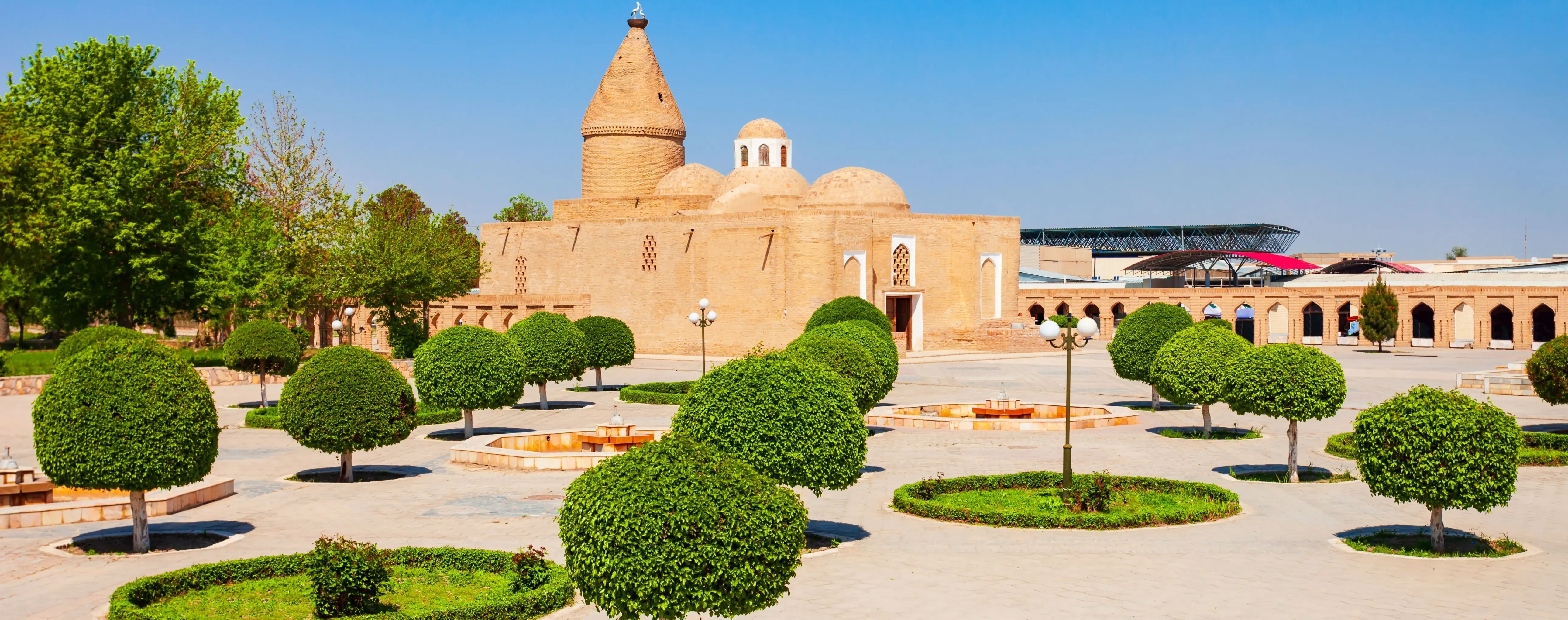
Photos of the mausoleum
Guided tours, popular attractions, and top-rated hotels across the continent


