
Samanid Mausoleum
Samanid Mausoleum in Bukhara, Uzbekistan
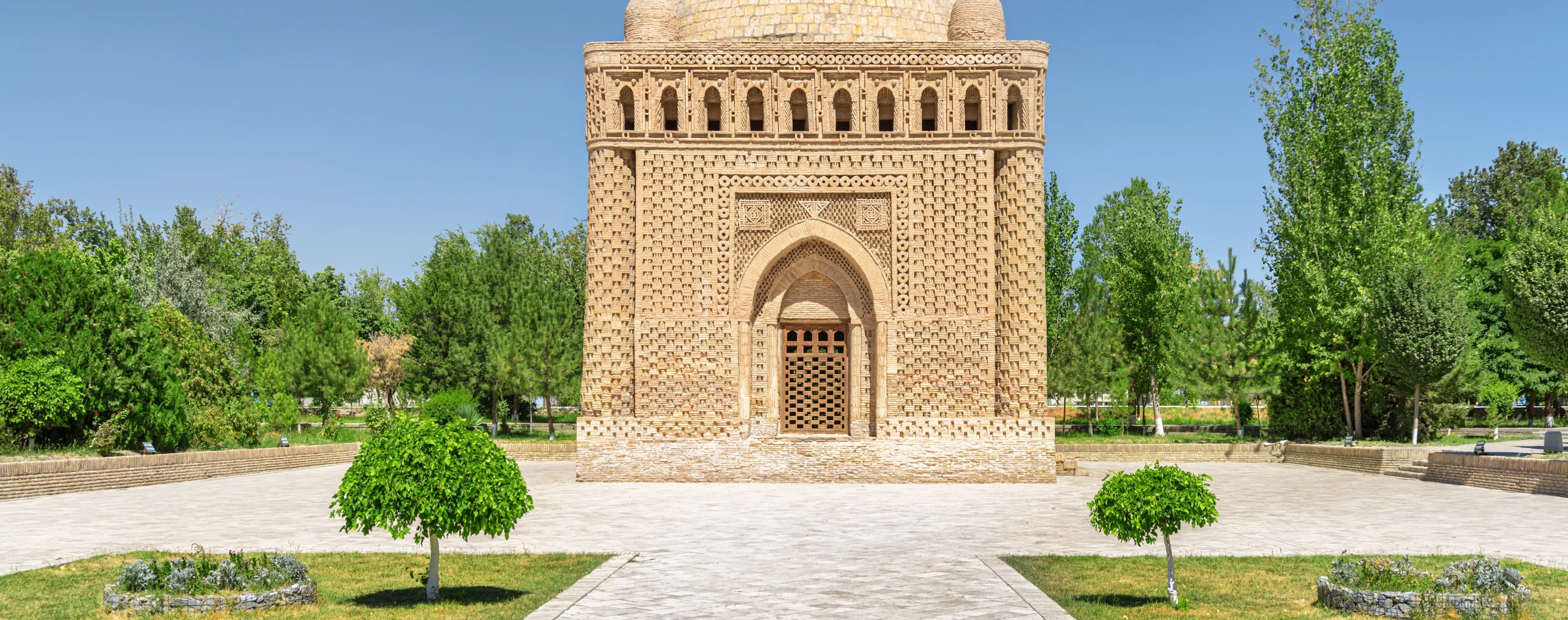
The Samanid Mausoleum is located in the historic center of Bukhara, in Samanid Park, on the site of an old necropolis. It is one of the city's most famous architectural monuments and a rare example of early Islamic architecture in Central Asia, preserved almost without later alterations. The building dates to the late 9th and early 10th centuries, during the rule of the Samanid dynasty.
The structure is small in size, has an almost cubic volume, and is covered by a dome. The main feature of the mausoleum is its intricate brickwork, in which the building material simultaneously forms both the structure and the decorative pattern of the facades. Because of this, the walls appear different under different lighting, although the composition of all sides remains almost symmetrical and very cohesive.
The monument is interesting for the way it combines local building traditions with techniques that were new for its time. Researchers associate the mausoleum with the Samanids' family burial place; the name of Ismail Samani is most often mentioned here, although the exact composition of the burials is interpreted differently in various sources. For tourists, this is an important stop on a walk through old Bukhara: people come here to see one of the key monuments of the region's early medieval architecture and to admire the famous fired-brick craftsmanship of Bukhara's masters.
Samanid Mausoleum on the map
Bukhara, Samanid Central Park Area: Mausoleums and tombs
Chor-Bakr Necropolis, Po-i-Kalyan Architectural Complex, Chashma-Ayub Mausoleum
Samanid Mausoleum: Brickwork, Layout, and Historical Context
A monument of early Islamic architecture in old Bukhara.
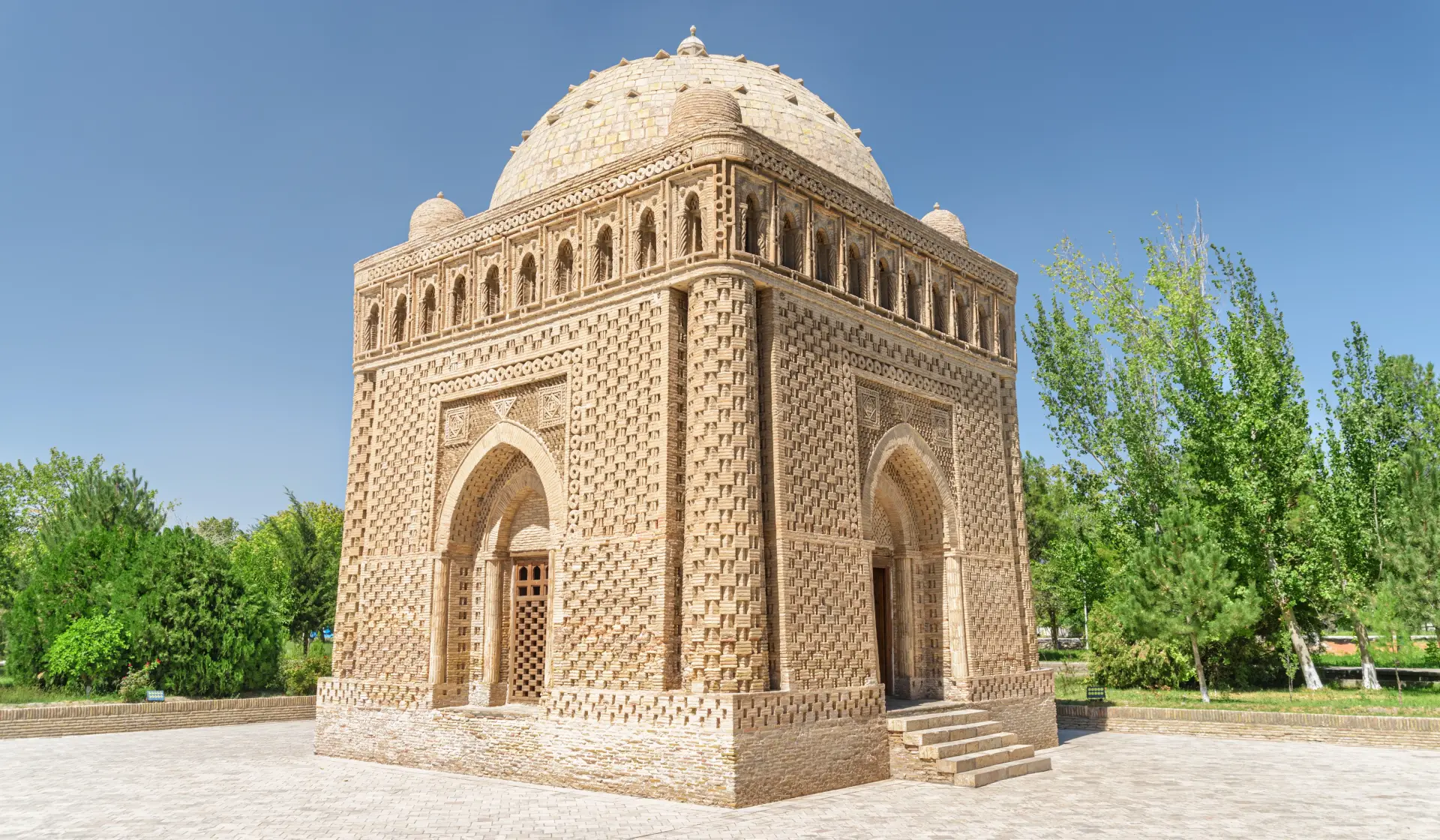
Brickwork that became the building's main ornament
From the outside, the mausoleum gives the impression of a строгого and very carefully designed structure. If you come closer, the arched niches, corner columns, and geometric brickwork pattern are clearly visible; this pattern was not made separately as decoration, but is embedded in the very structure of the walls. That is why the monument is especially interesting to observe not only from a distance, but also up close, walking around it in a circle.
The interior space is small and arranged in a laconic manner, without an abundance of later decoration. A visit usually does not take much time, but it provides an opportunity to better understand what early Muslim memorial architecture in Transoxiana looked like. For viewing, it is worth choosing a time with soft daylight, when the relief of the brick and the details of the facades are especially clearly visible.
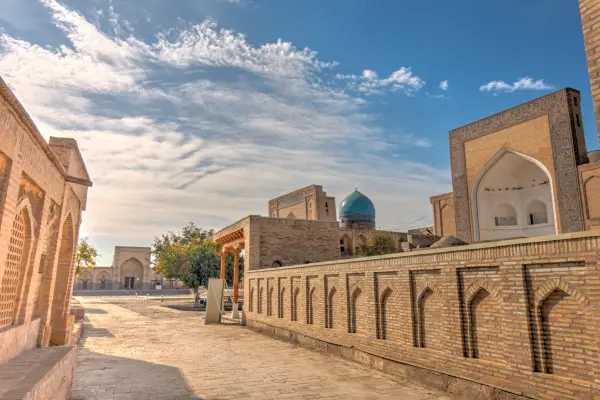
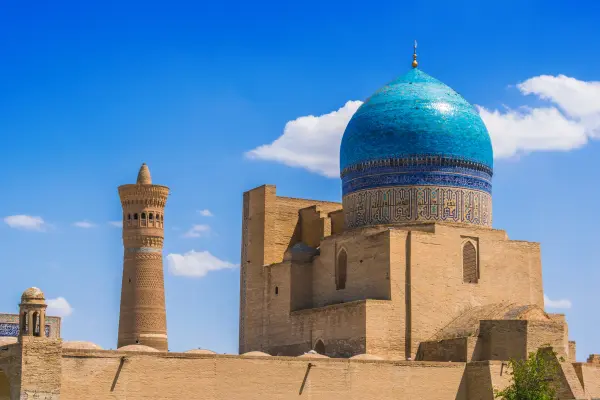
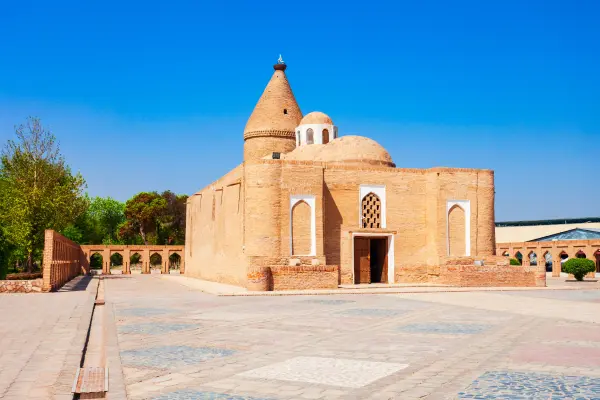
The mausoleum is located in a green part of old Bukhara, so it is easy to include in a walking route through the historic center. Nearby are Chashma-Ayub, the Bukhara Ark, and the Poi-Kalyan ensemble, which are often visited on the same day.
You can get here by taxi to the historic center of Bukhara, and then continue on foot through the grounds of Samanid Park. For many tourists, this is one of the most convenient places to begin discovering the architecture of the city's early period.
Best tours and travel experiences across the continent


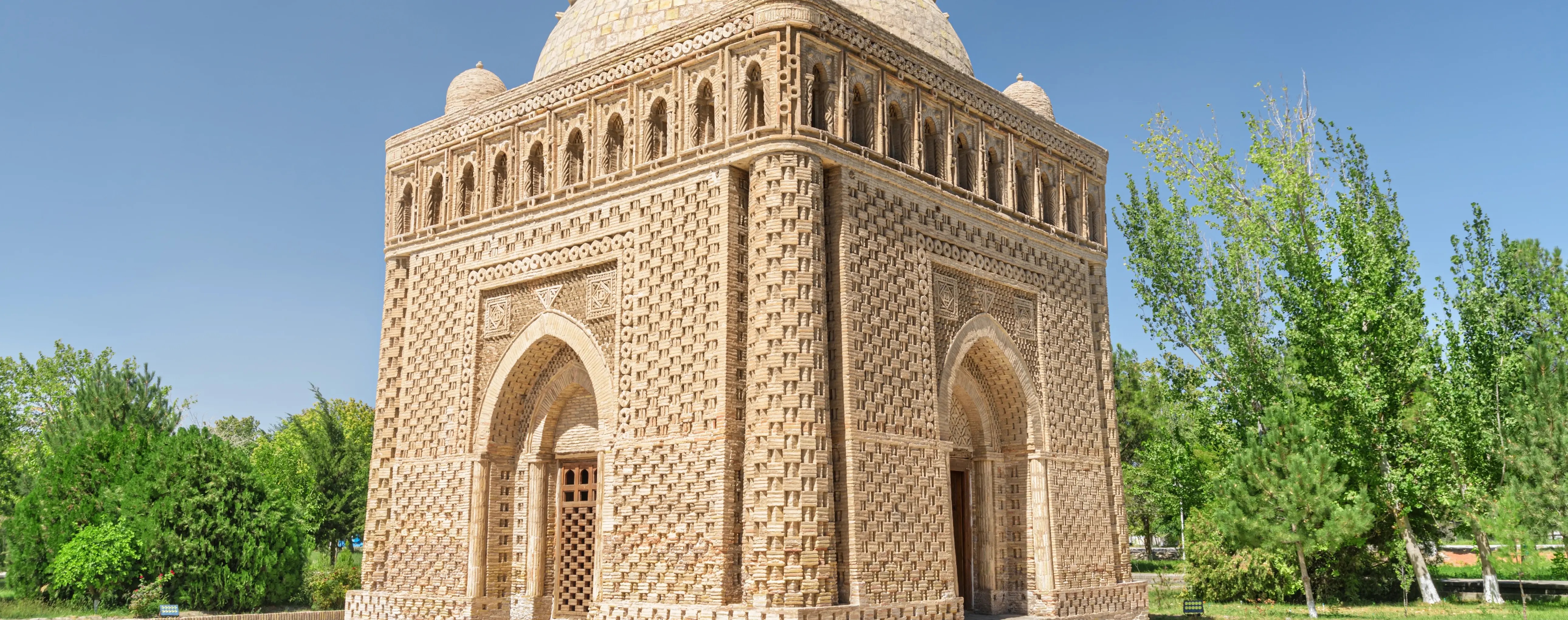
Photos of the mausoleum
Guided tours, popular attractions, and top-rated hotels across the continent


