
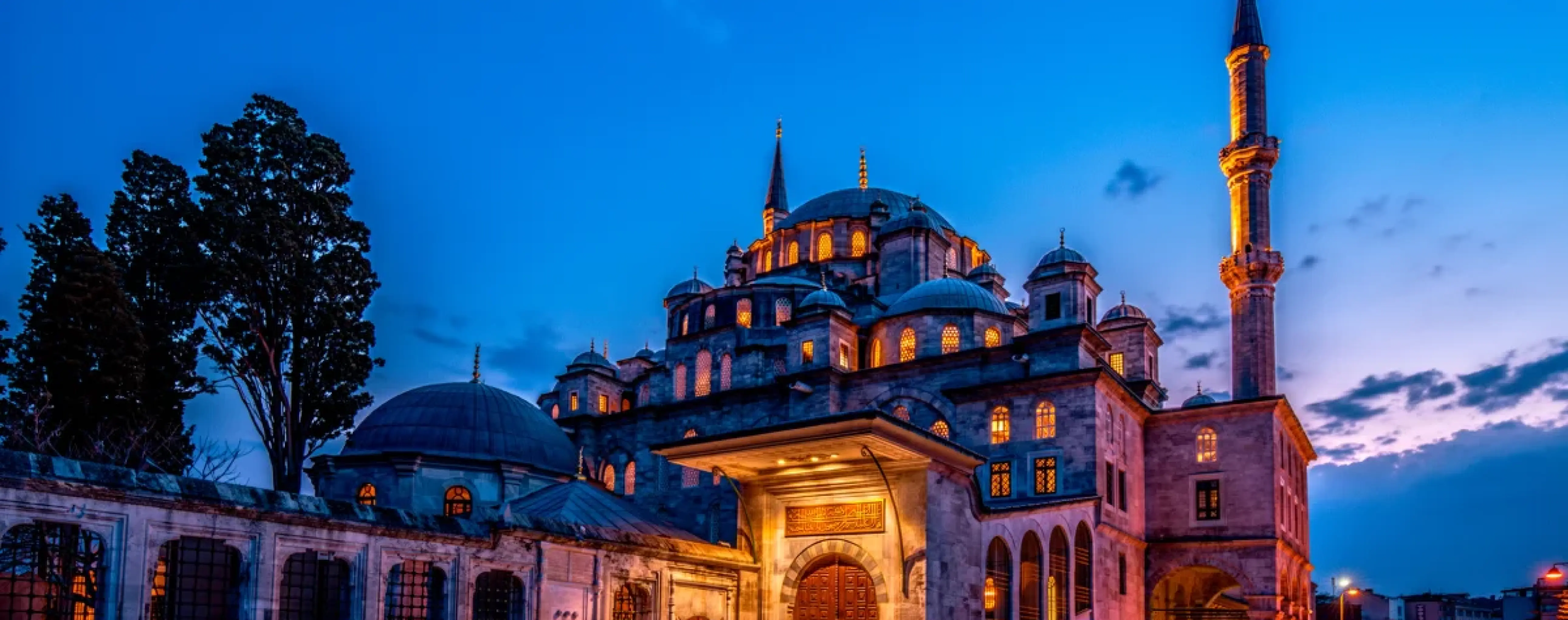
Fatih Mosque
Fatih Mosque in Istanbul, Turkey
Fatih Mosque (or, as it is also called, the Conqueror's Mosque) is located in the district of the same name, Fatih, in the European part of Istanbul, not far from the city's historic center. It is considered one of the largest and most famous historic mosques of the Ottoman period. It was built in 1463–1470 by order of Sultan Mehmed II, the conqueror of Constantinople, during whose reign the city became the capital of the Ottoman Empire.
The first complex was built in the 15th century on the site of the former Byzantine Church of the Holy Apostles. In 1766, a strong earthquake almost completely destroyed the original building. The mosque was restored in 1771 during the reign of Sultan Mustafa III, so its current appearance mainly belongs to the later Ottoman period. At the same time, the significance of the place remained unchanged: it is an important religious monument and one of the key historical ensembles of old Istanbul.
The mosque is notable for its spacious interior, large central dome, inner courtyard, and traditional composition of an Ottoman religious complex. Nearby are the turbe (mausoleum) of Mehmed II and an old cemetery, which attract not only tourists but also pilgrims. The complex also includes madrasas and other buildings that in the Ottoman period formed a major religious and educational center.
For travelers, Fatih Mosque is interesting as a place where one can trace the process of the formation of early Ottoman architecture after the conquest of the city and better understand the historical role of the Fatih district. A visit is conveniently combined with a walk through the streets of old Istanbul, its markets, and other monuments in this part of the city.
Fatih Mosque on the map
Istanbul: Mosques
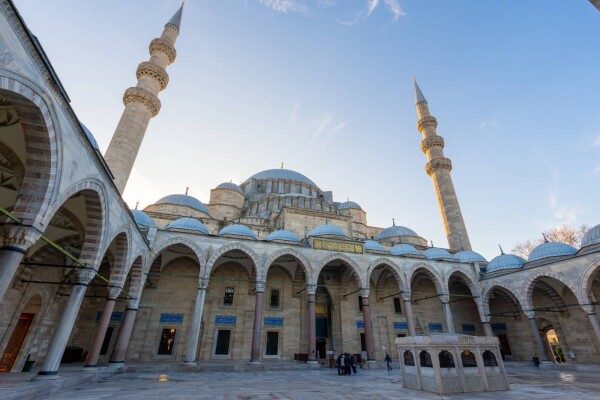
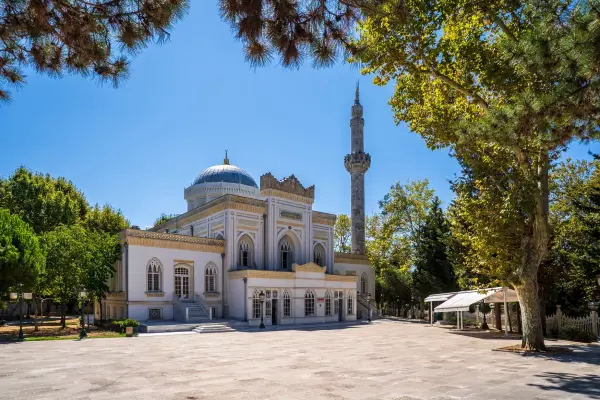
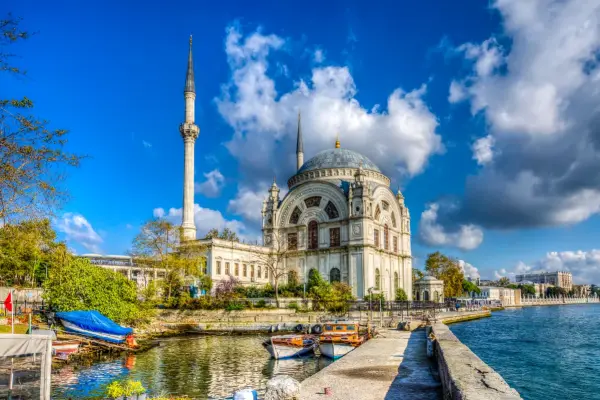
Suleymaniye Mosque, Burgazada Island Mosque, Yildiz Mosque, Dolmabahce Mosque
Fatih Mosque - history and architecture
The complex combines a religious function with the district's historical heritage.
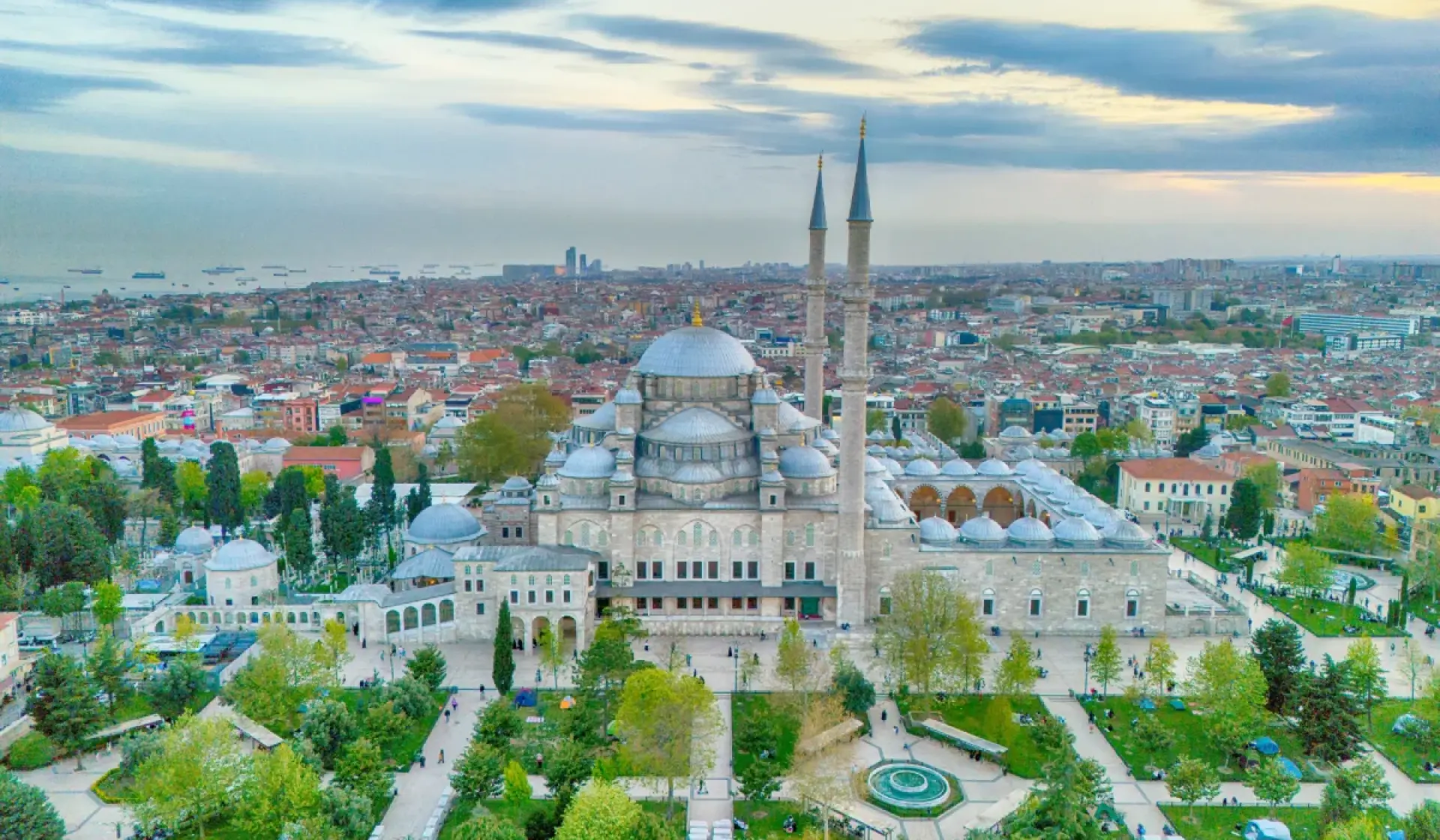
An Ottoman complex with the turbe of Mehmed II and a large courtyard
Visitors come here not only for the mosque itself, but also to see the surrounding architectural ensemble. In the courtyard and nearby are the turbe of Sultan Mehmed II, cemetery plots with Ottoman gravestones, and elements of the large religious complex Fatih Kulliyesi, which once included 8 madrasas, a hospital, a library, a soup kitchen for the poor, and a caravanserai. This helps to better imagine how such mosques functioned as centers of urban life.
Inside, attention is usually drawn to the high dome, which has a diameter of about 26 meters and is supported by a massive system of arches and columns. The bright prayer space, calligraphic inscriptions, and restrained decoration are characteristic of 18th-century Ottoman architecture. When visiting, it is worth keeping in mind that during prayer times access for tourists may be restricted, and clothing should be modest and comply with internal rules.
The mosque's courtyard is surrounded by an arcaded gallery with columns, and the surrounding area is suitable for a calm walk on foot: nearby are streets with local shops, cafes, and other historical monuments of the Fatih district. From here, it is also relatively quick to reach the Valens Aqueduct and Sehzade Mosque.
It is convenient to get there by public transport through the Fatih district. The nearest tram line is T1. You can get off at the Aksaray or Yusufpasa stop, and then walk to the mosque for about 10–15 minutes. City buses also run to the area and stop near Fatih Square.
Best tours and travel experiences across the continent

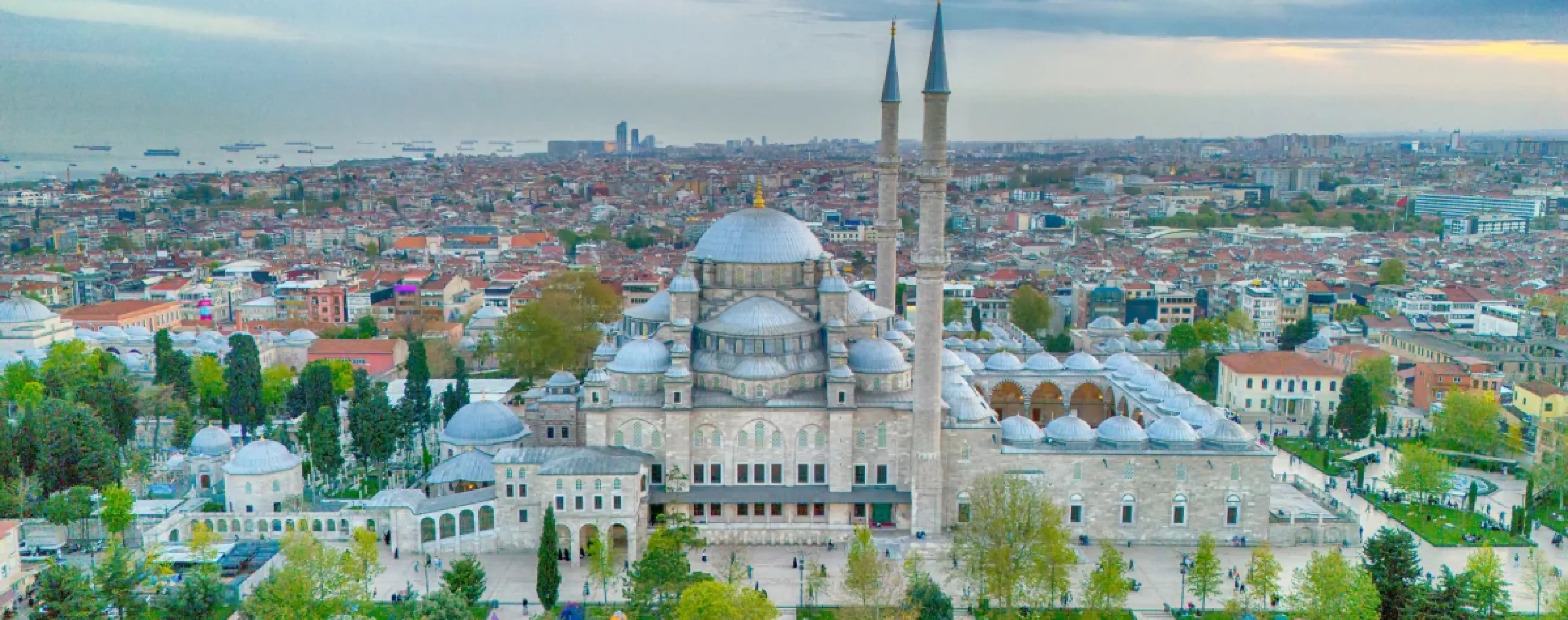
Photos of Fatih Mosque
Guided tours, popular attractions, and top-rated hotels across the continent


