
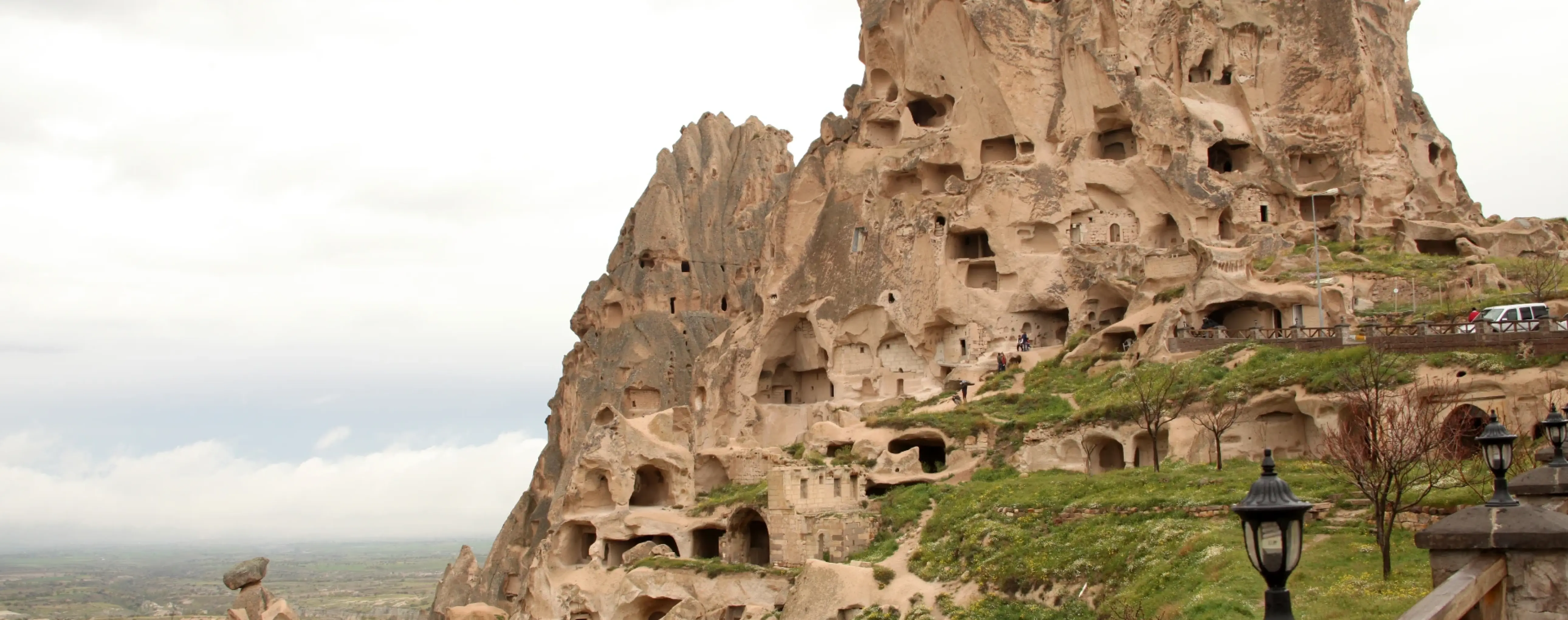
Goreme National Park
Goreme National Park in Cappadocia, Turkey - landscapes and monuments of early Christianity
Goreme National Park is located in Cappadocia, in the area of the village of Goreme in Nevsehir Province, and combines natural landscapes with monuments of early Christian culture. Since 1985, this area has been included on the UNESCO World Heritage List together with the rock sites of Cappadocia. For a trip here, visitors usually choose Goreme itself, from where it is convenient to reach the valleys, viewpoints, and museum sites.
The basis of the local relief is volcanic tuff, formed after the ancient eruptions of Mount Erciyes, Hasan, and Golludag. Over time, the soft rocks were eroded by water and wind, which is why ravines, undulating ridges, cone-shaped hills, and stone pillars appeared here, often called one of the characteristic features of Cappadocia. Thanks to these forms, the park is interesting not only as a historical area, but also as a rare example of the interaction between volcanic relief and erosion.
The rocks in the Goreme area were used for centuries to create dwellings, utility rooms, monasteries, and churches. Especially well known are the churches carved into the tuff from the 10th-13th centuries, with frescoes preserved in the dry climate. One of the main sites within the park is the Goreme Open-Air Museum, where several rock-cut churches and monastic rooms can be seen; it has a separate ticket and its own visiting schedule.
The park attracts travelers with hiking routes through the valleys, viewpoints, and the opportunity to see Cappadocia from the air during hot air balloon flights, if weather conditions and aviation authorities permit. It is hot and dry here in summer, cool in winter, and snow sometimes falls, so it is better to choose the season and time for walking in advance. In the protected area, it is important to stay on marked trails and treat the rock surfaces and wall paintings with care.
Goreme National Park on the map
Goreme National Park - hiking routes, museums, and viewpoints
Hiking routes and museum sites reveal the region’s history when visited with care.
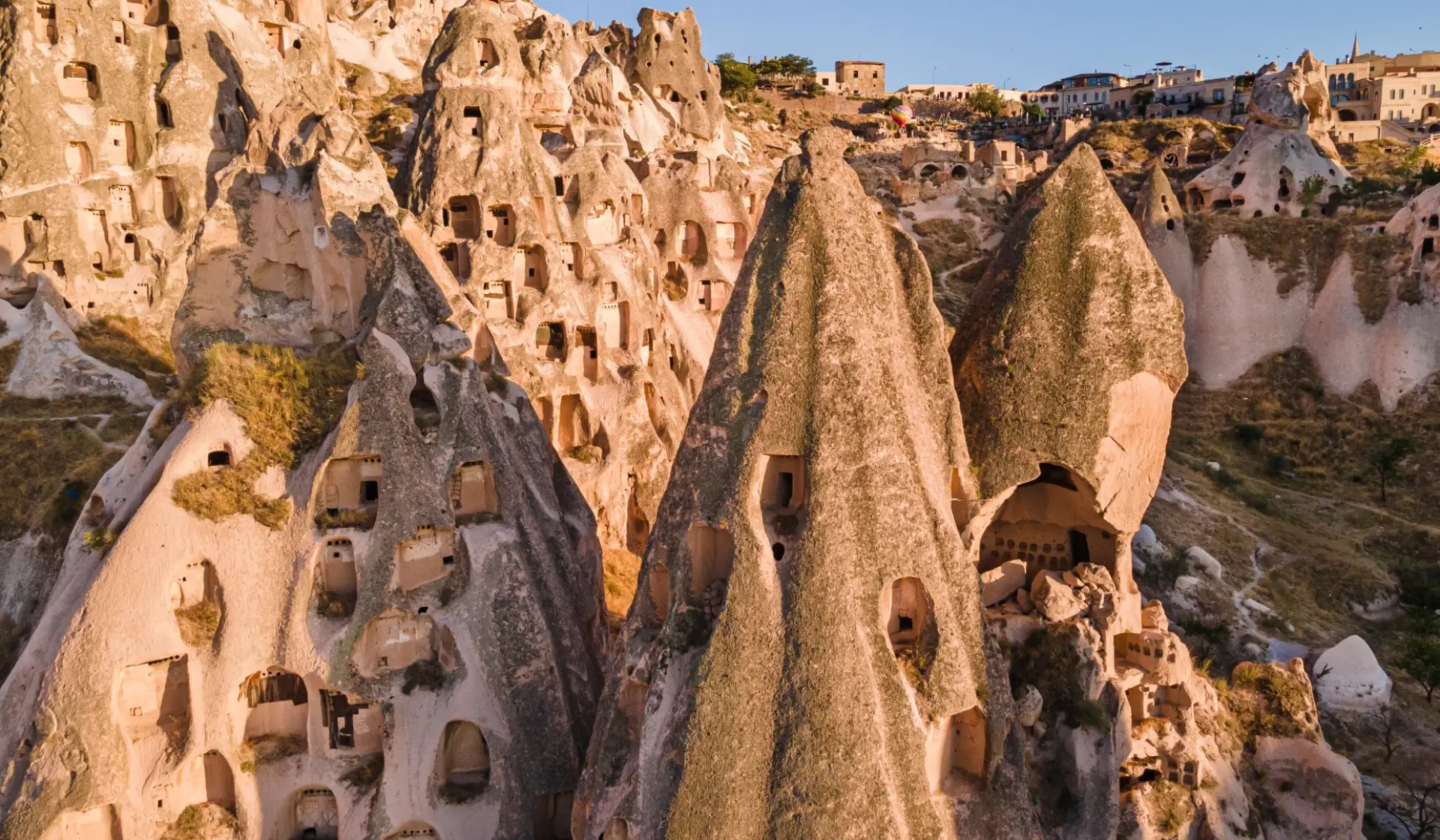
Rock-cut churches, valleys, and routes among tuff formations
A visit to the park is usually built around walks through the valleys and viewing monuments carved into the rocks. In different parts of the area, you can see small cave rooms, old dovecotes, viewpoints, and sections with unusual rock cones. The best-known area is the Goreme Open-Air Museum, where churches with frescoes, refectories, and monastic cells have been preserved; restrictions on photo and video shooting may apply inside certain sites.
For hiking, the valleys around Goreme are often chosen, where trails of varying lengths have been laid out. The routes pass through open areas without shade, so in warm weather it is worth bringing water, a hat, and comfortable shoes with non-slip soles. After rain, some descents and sections on loose tuff become slippery, and taking shortcuts on unmarked trails is not recommended because of the risk of damaging fragile rocks and archaeological sites.
At sunrise, hot air balloons often rise over the Goreme area, and many come to the park specifically for the views of the valleys from above or from ground-level viewpoints. Nearby are Uchisar with its rock fortress, Cavusin with its old rock-cut buildings, and the Pasabag Valley, known for its stone pillars. These places are convenient to combine in one trip through the central part of Cappadocia.
The easiest way to get there is from the village of Goreme on foot, by taxi, or as part of a local tour, while the region is usually reached via Nevsehir, Kayseri, or Aksaray. Before visiting, it is useful to check the opening hours of the museum areas and the conditions for balloon flights if they are part of the plans for the day.
Best tours and travel experiences across the continent




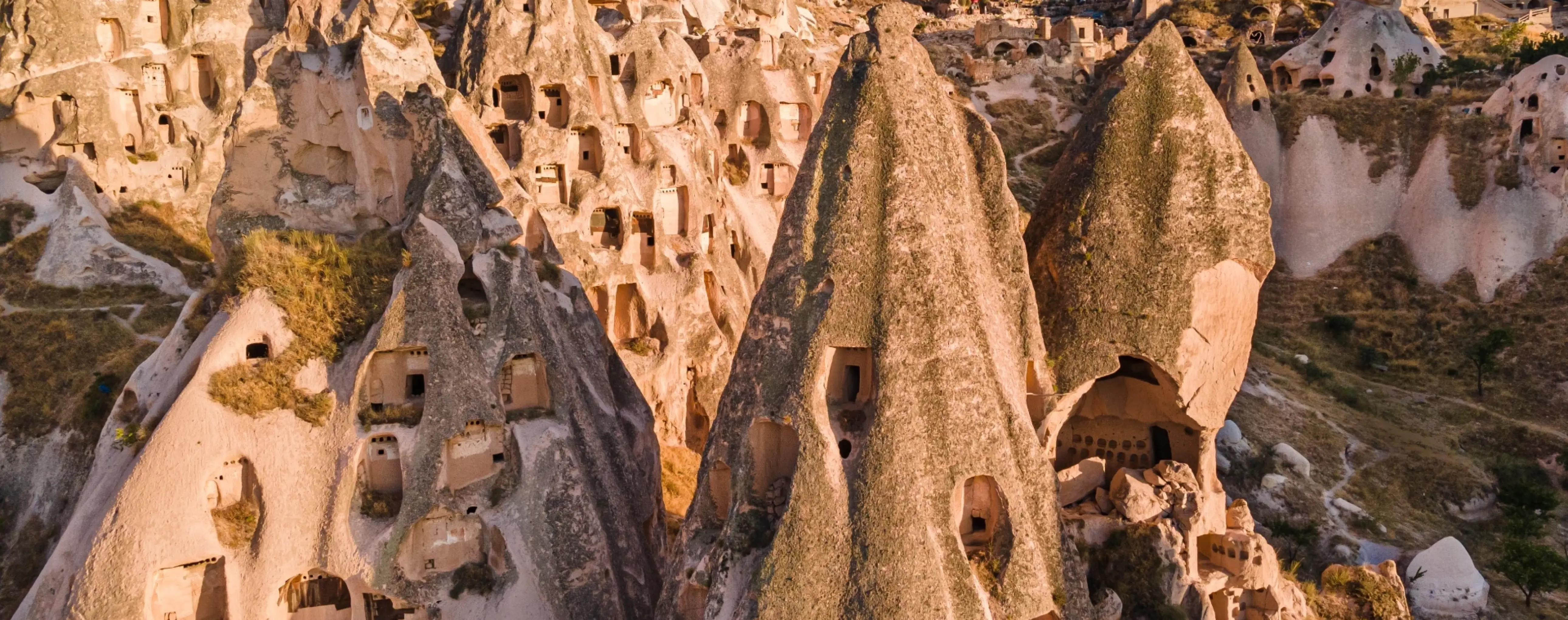
Photos of Goreme
Guided tours, popular attractions, and top-rated hotels across the continent


