
Cappadocia Turkey travel guide to Goreme
Cappadocia, Turkey
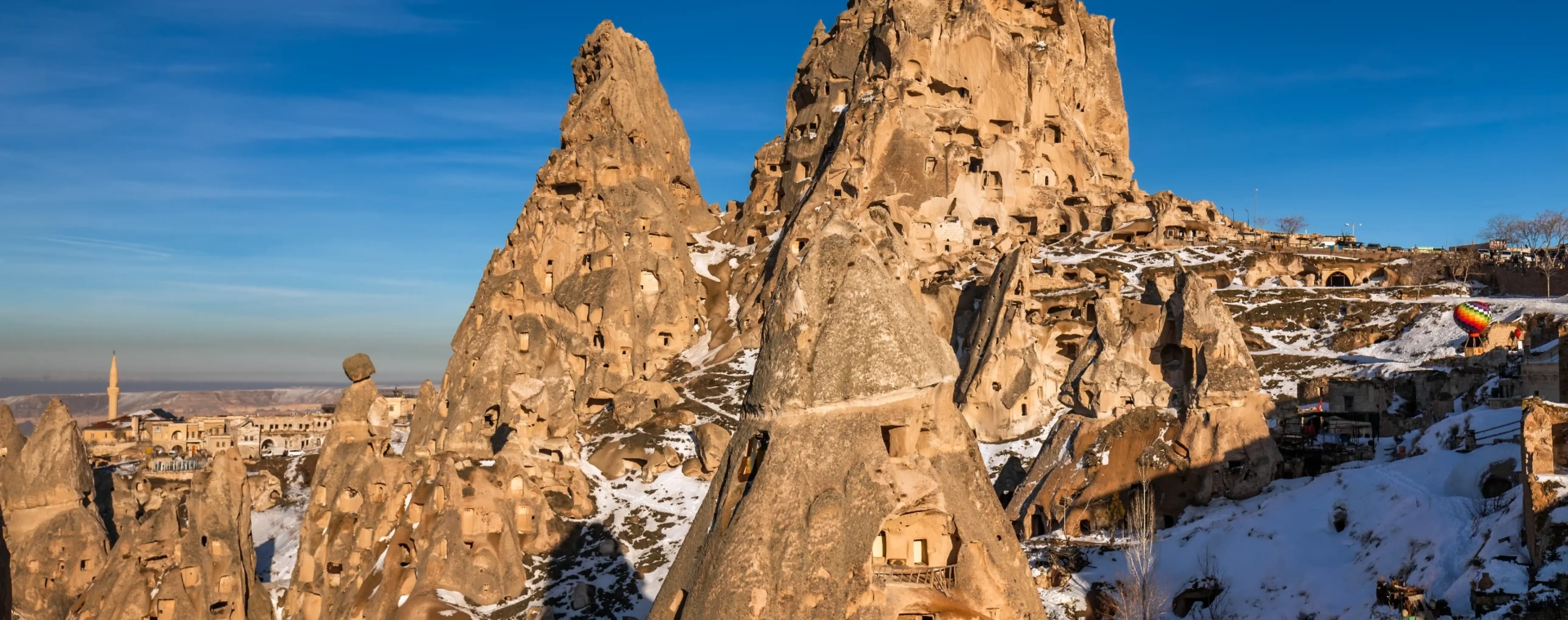
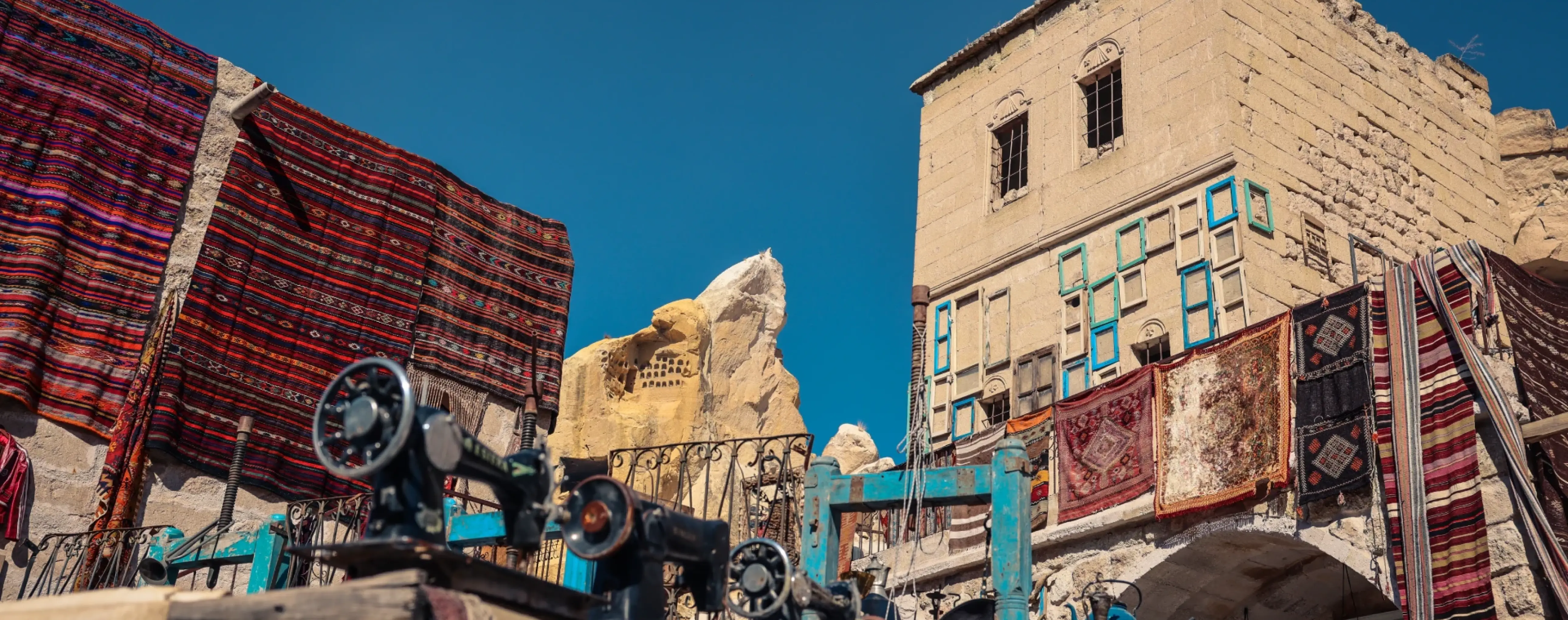
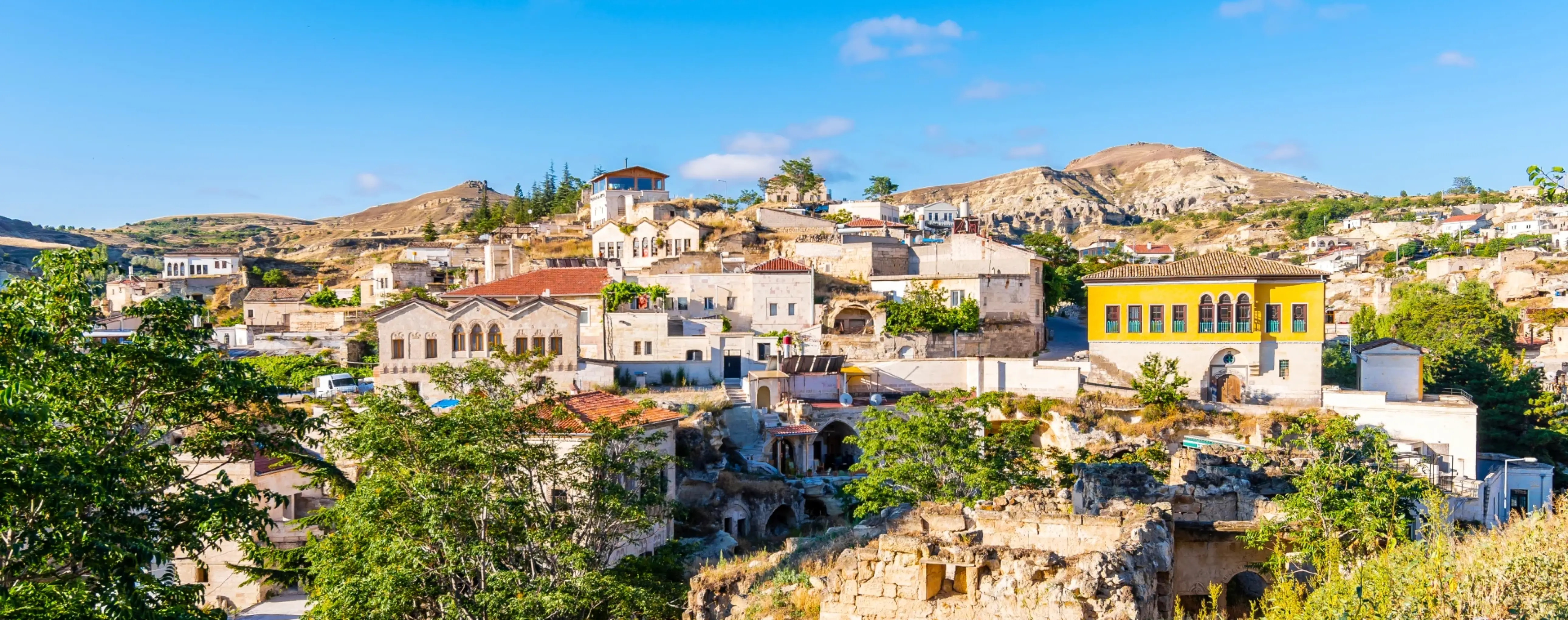
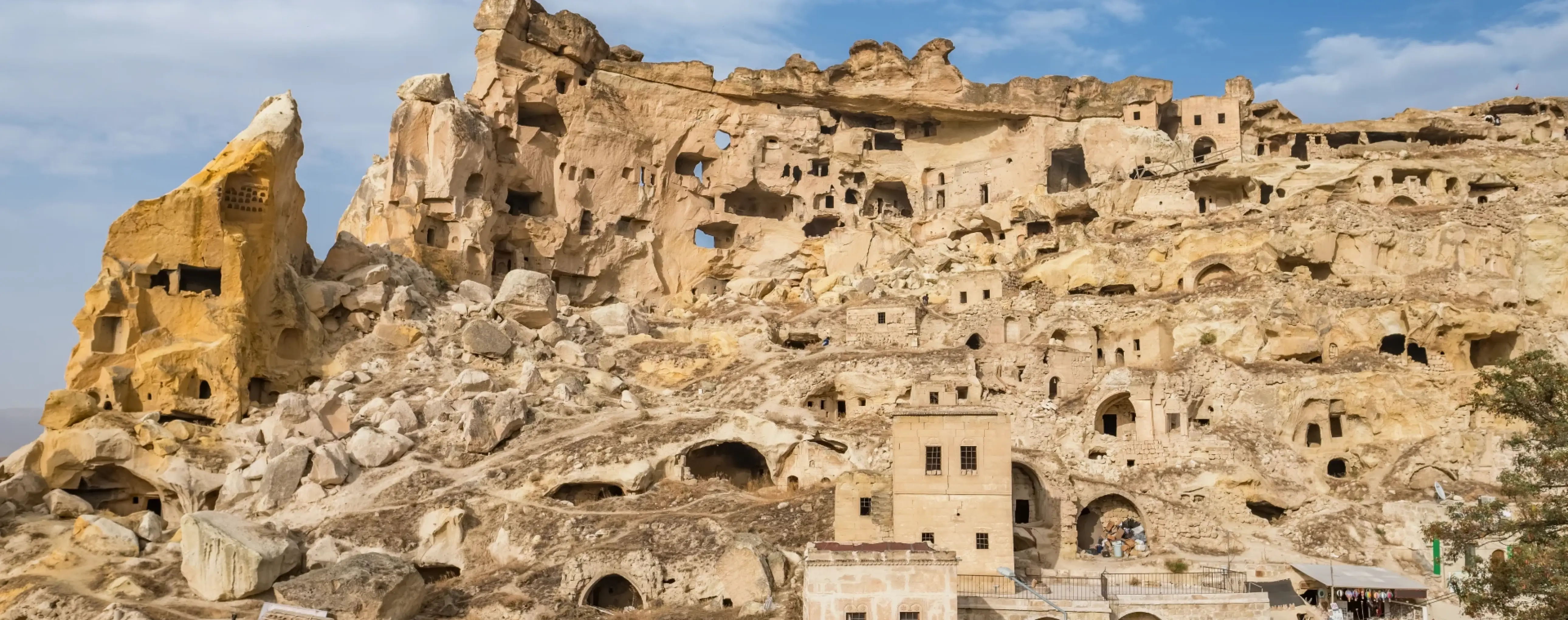
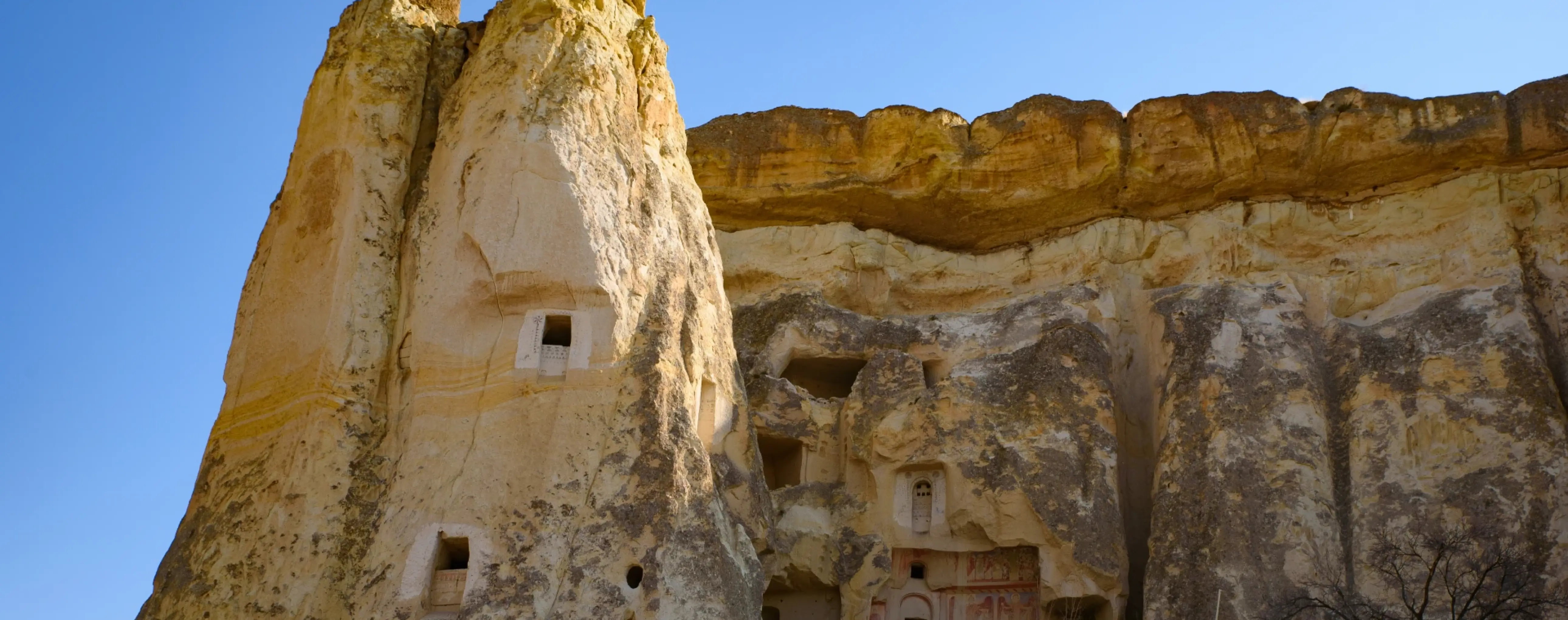
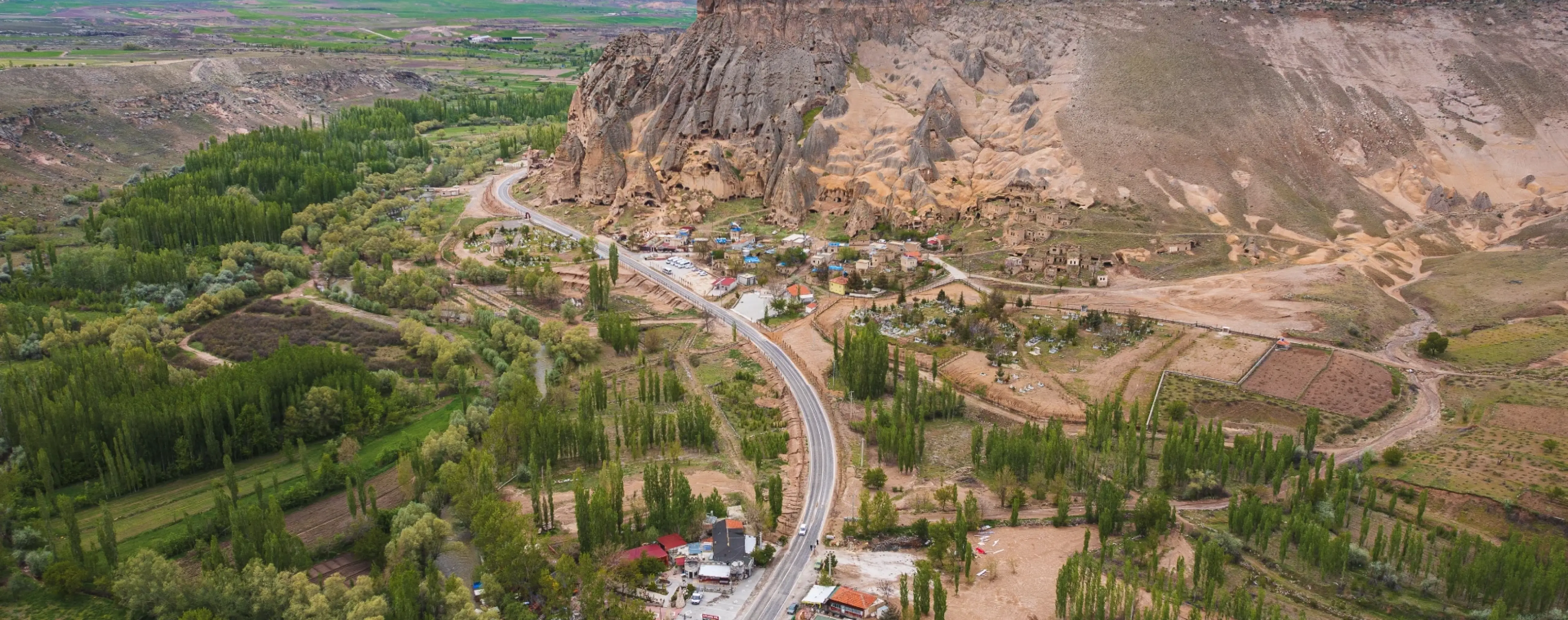
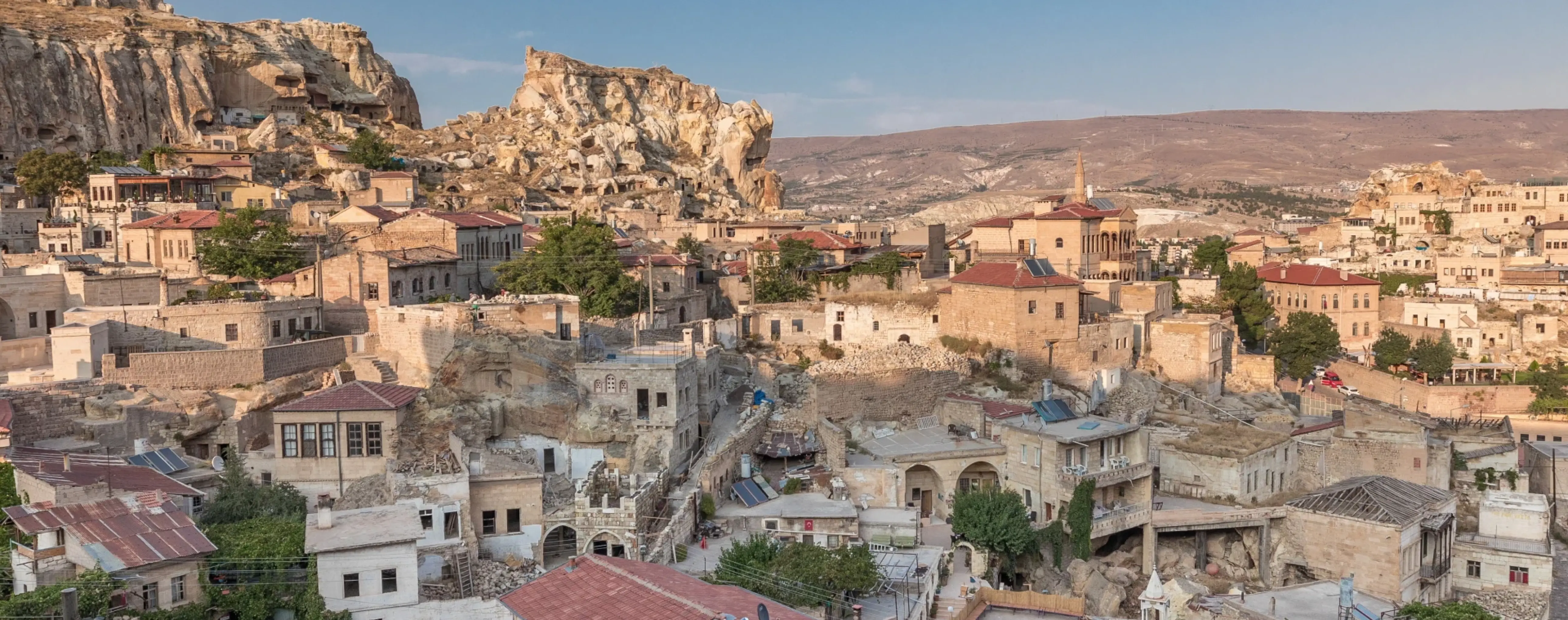
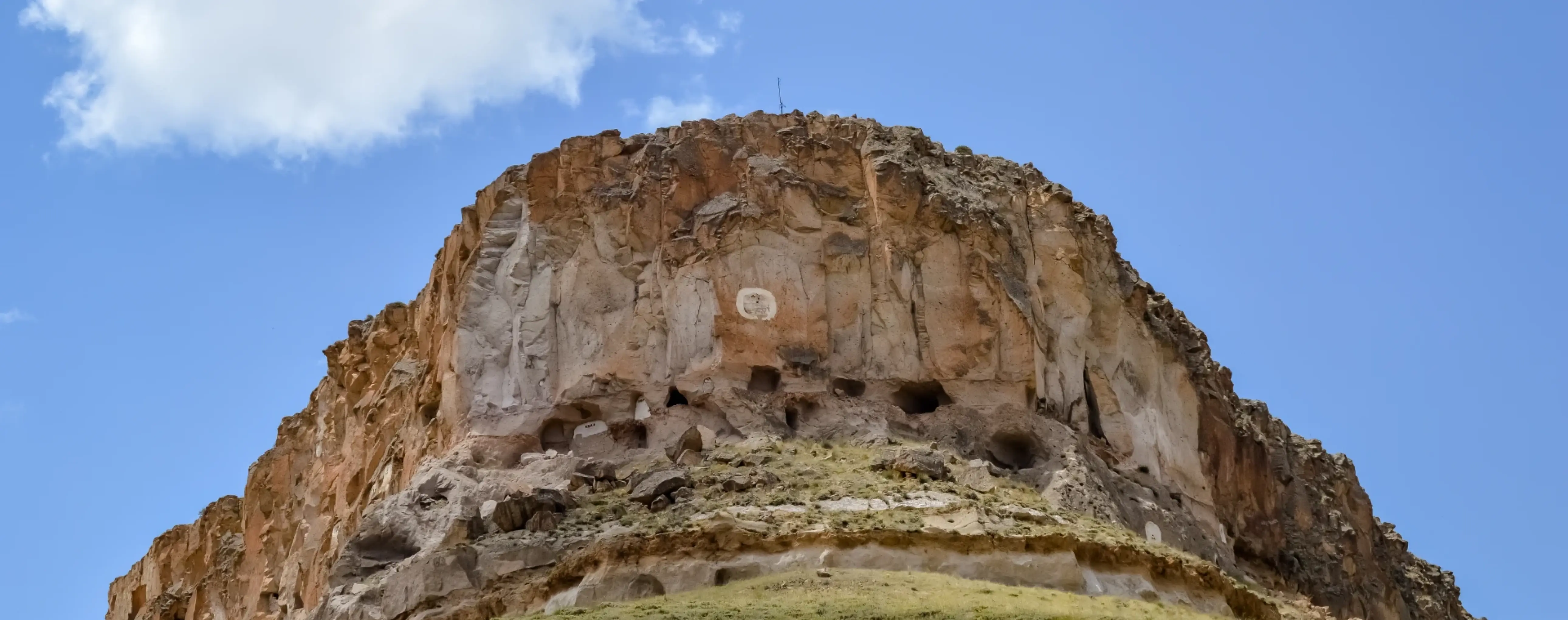
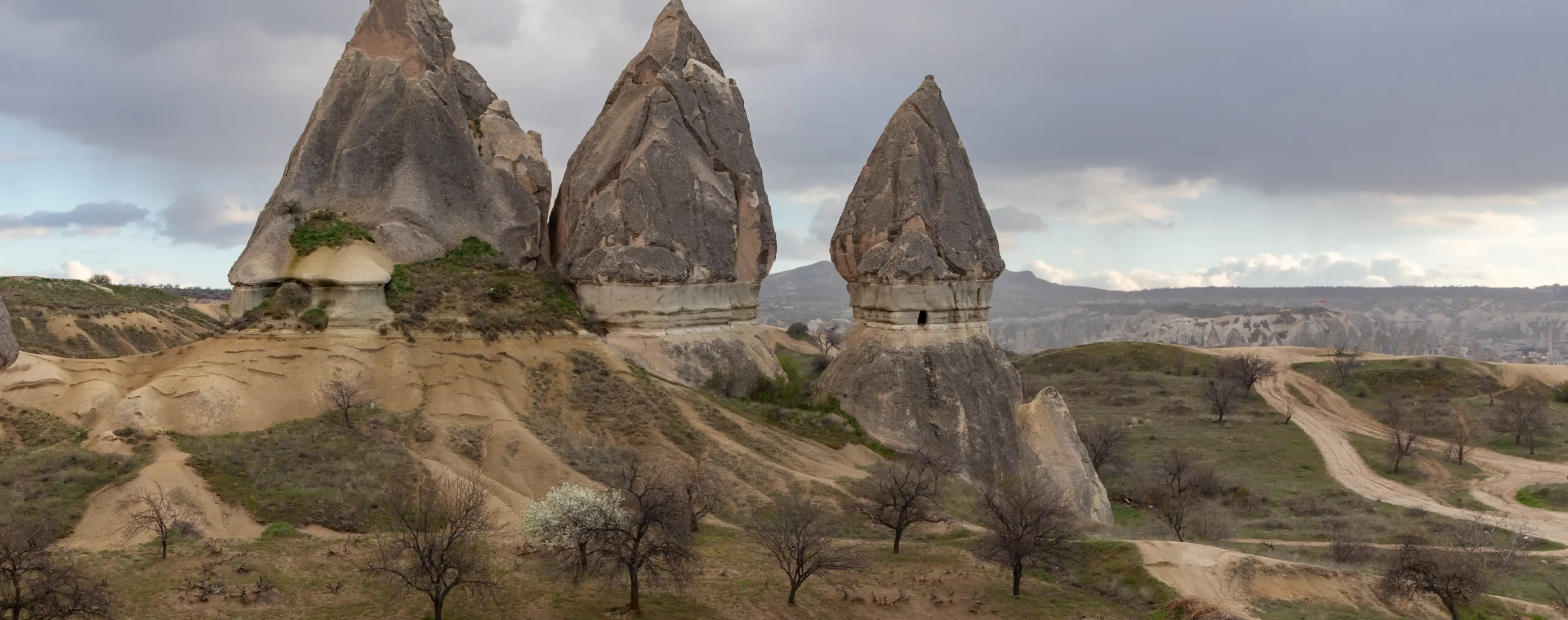
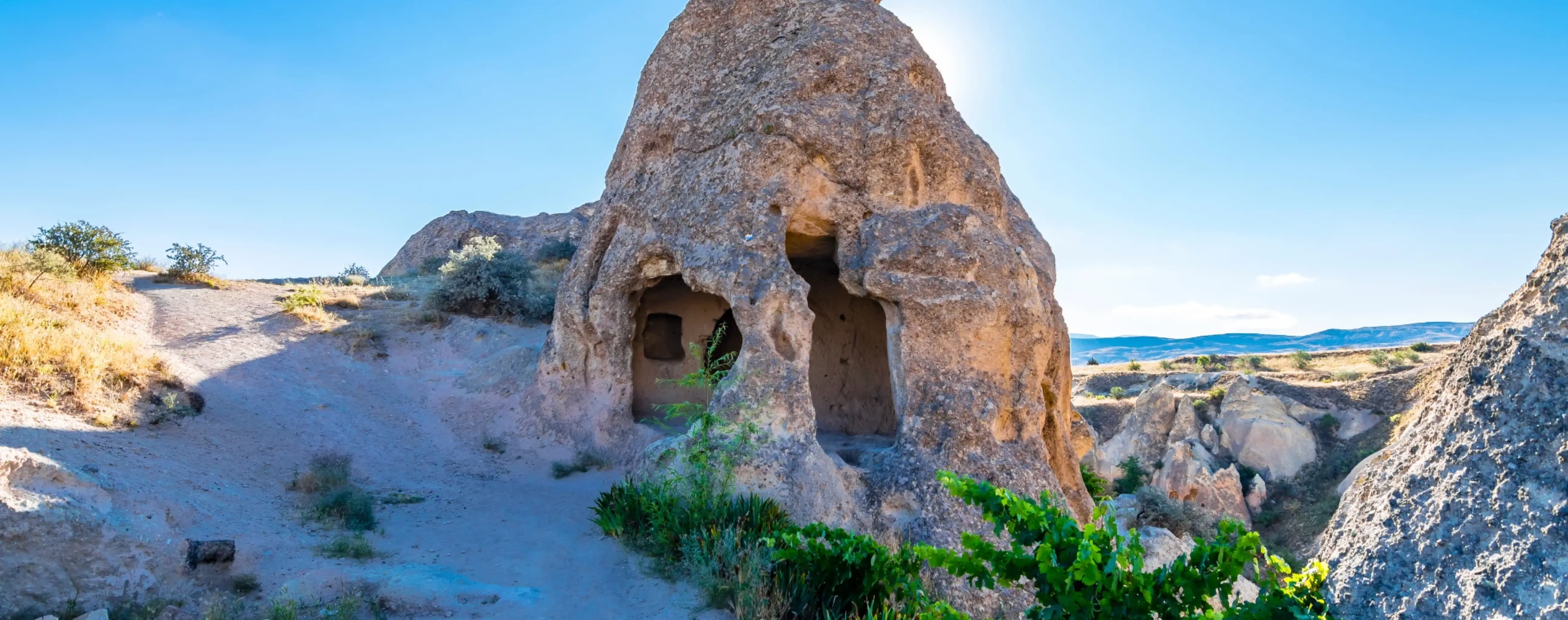
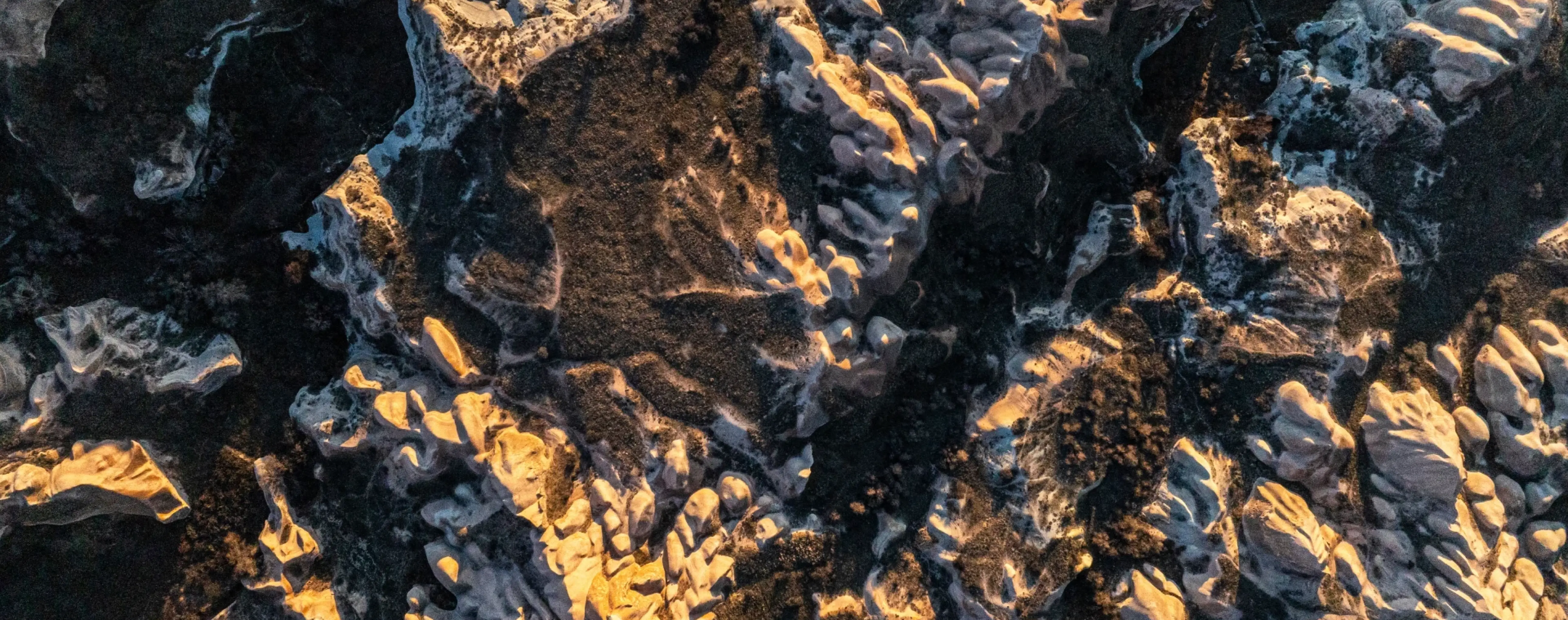
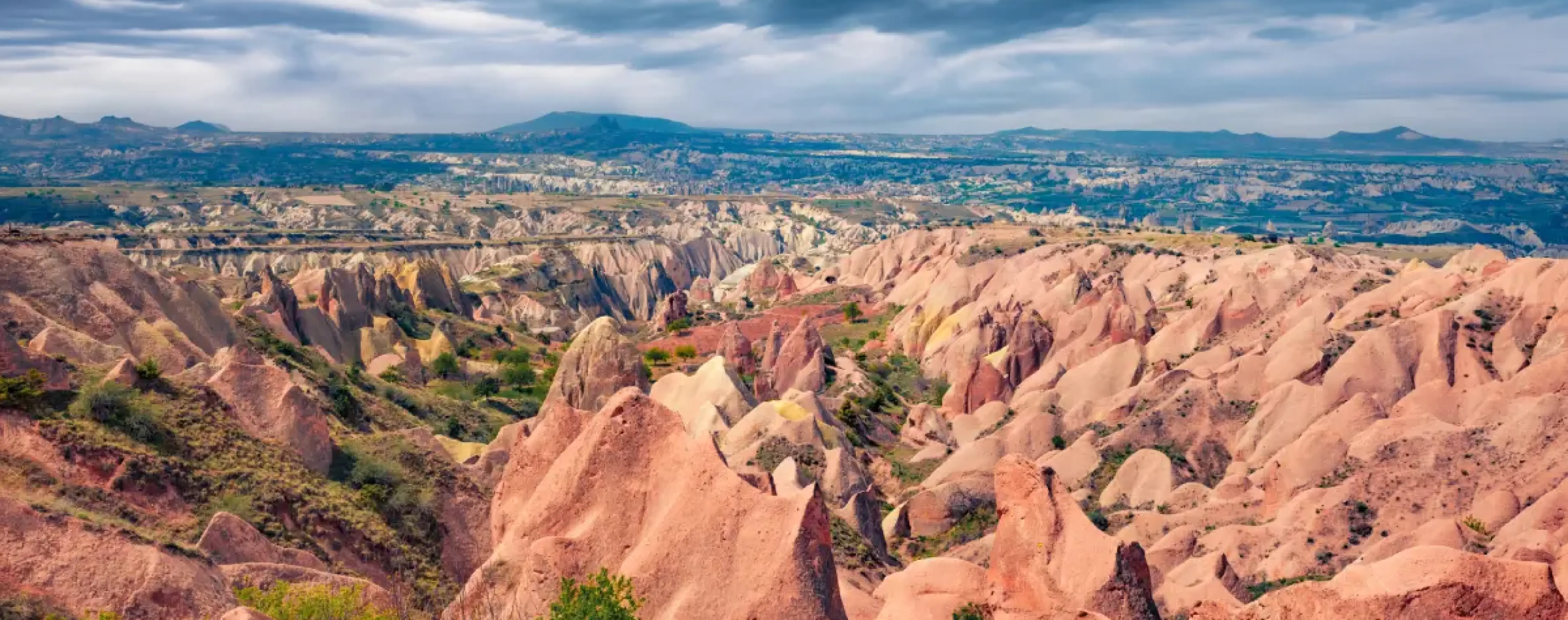
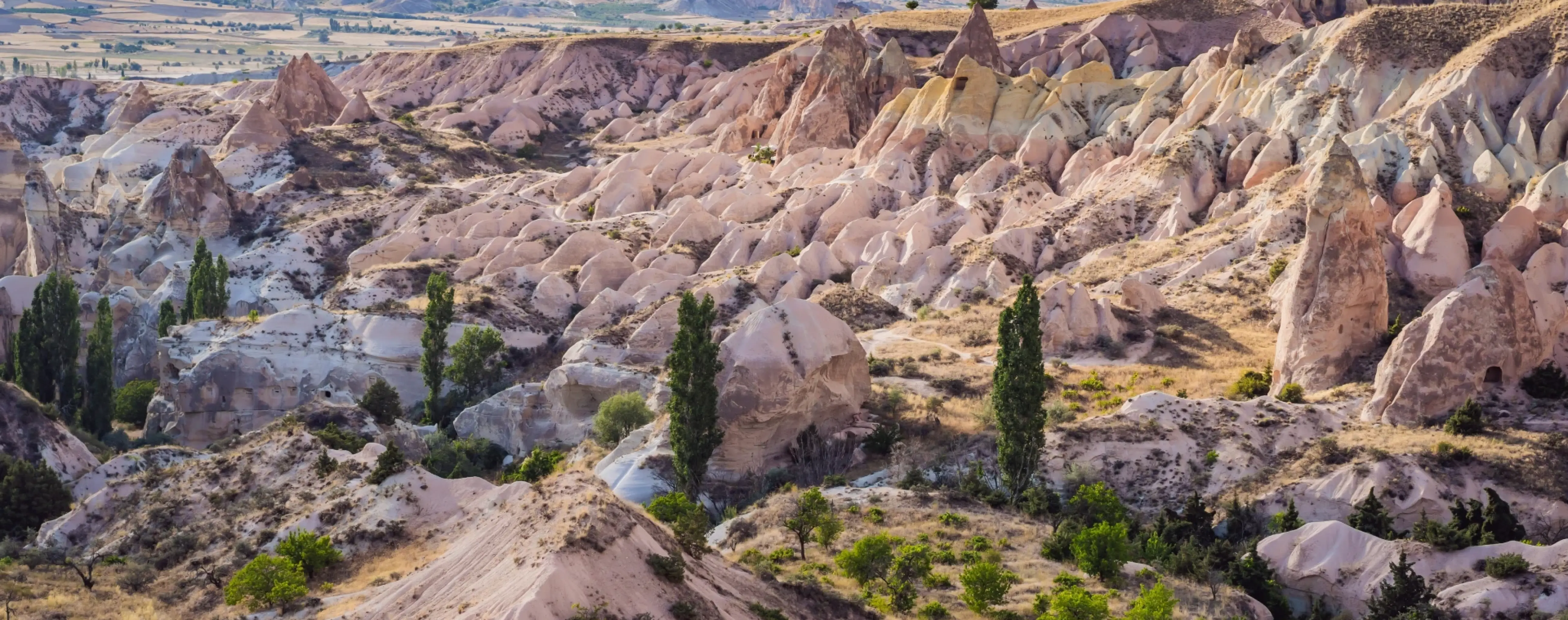
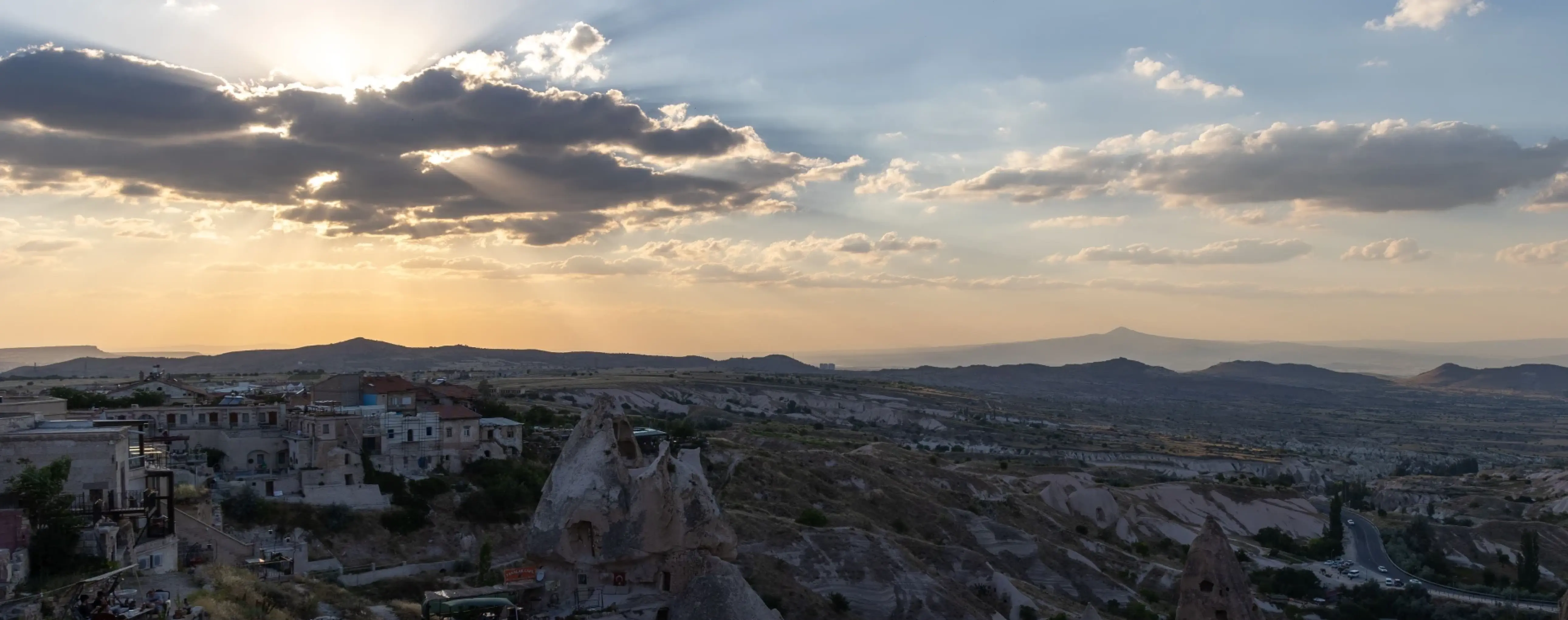
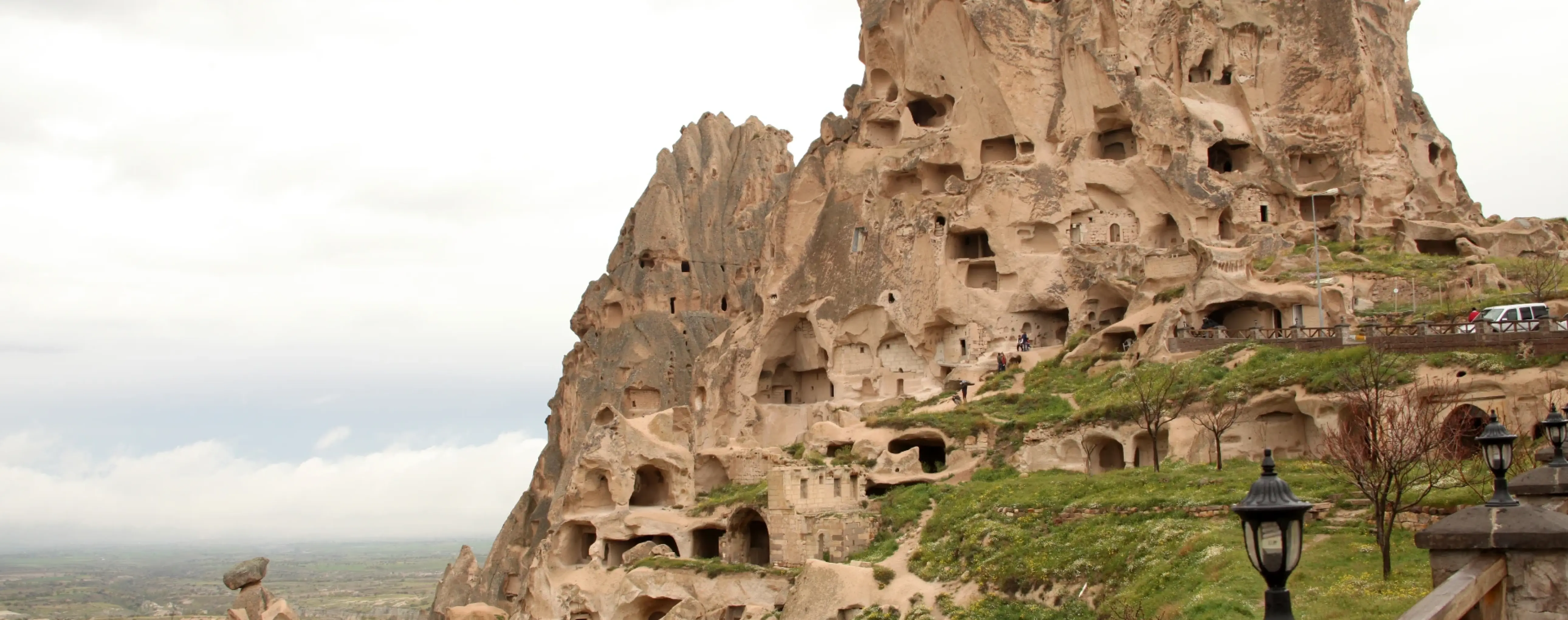
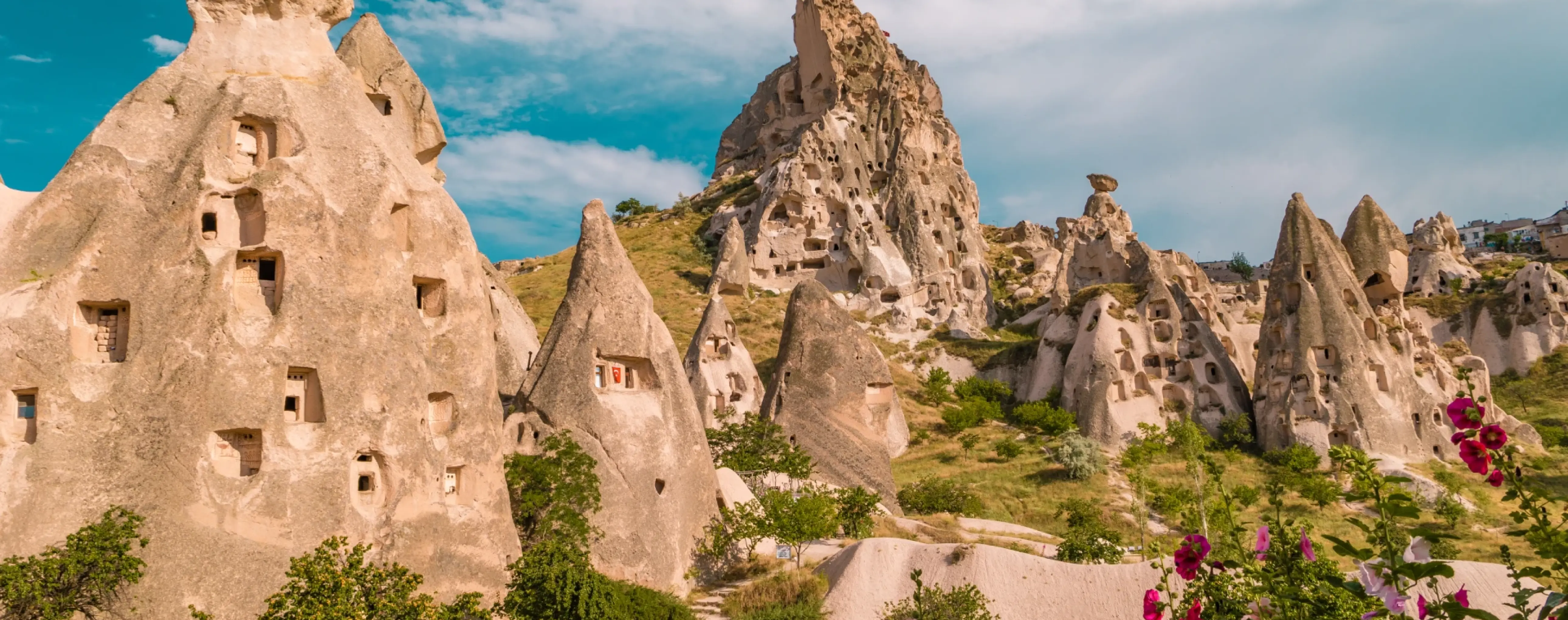
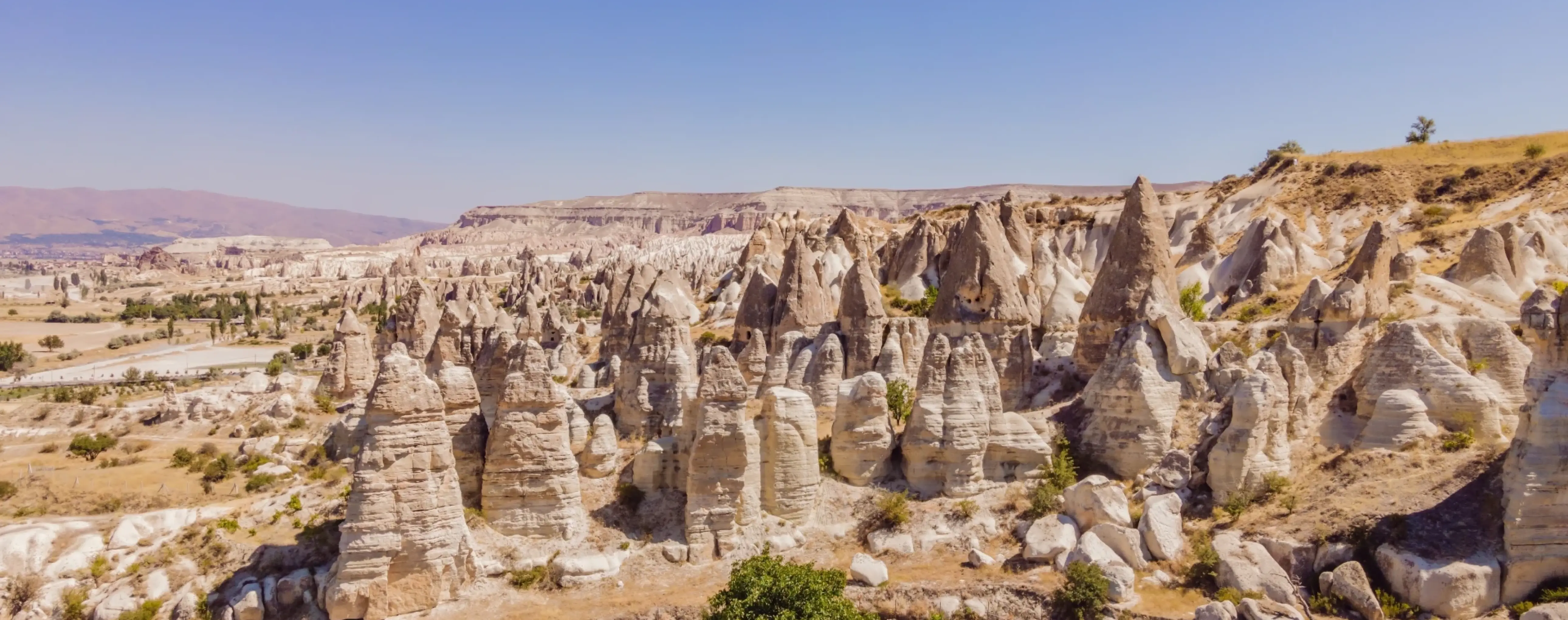
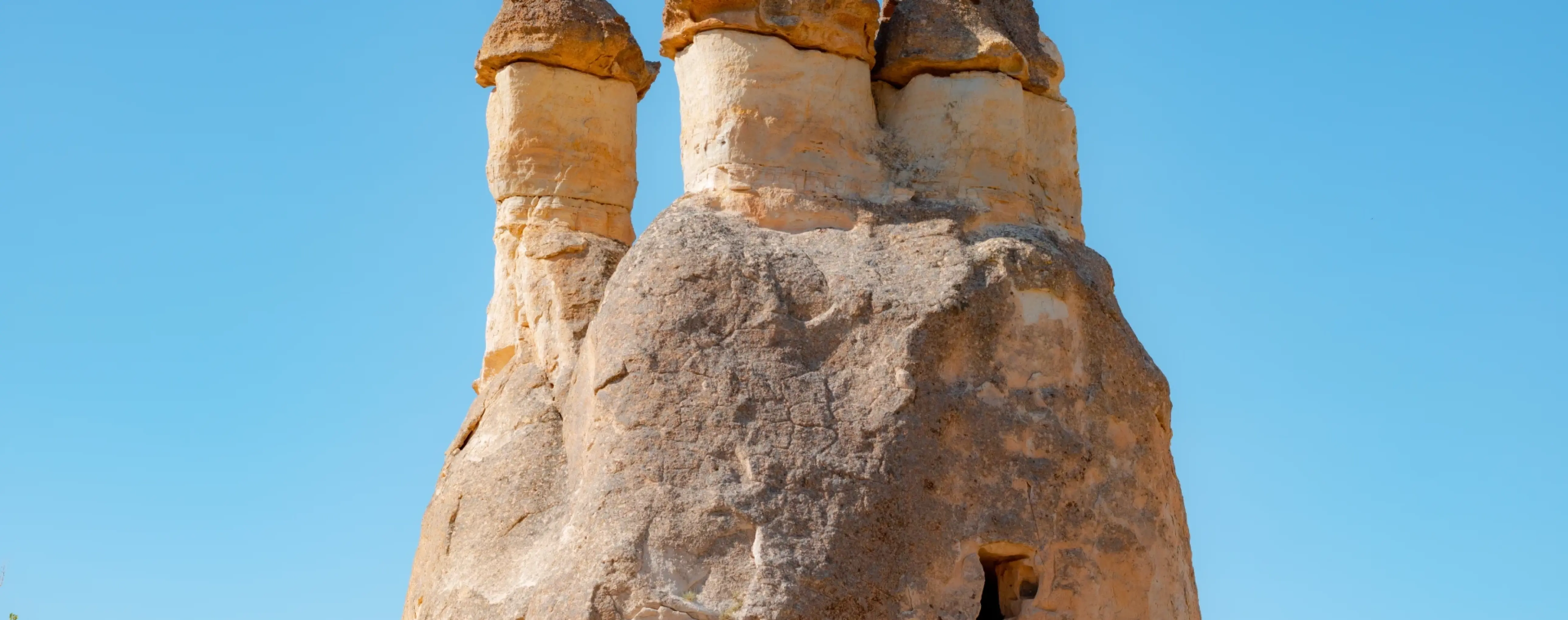
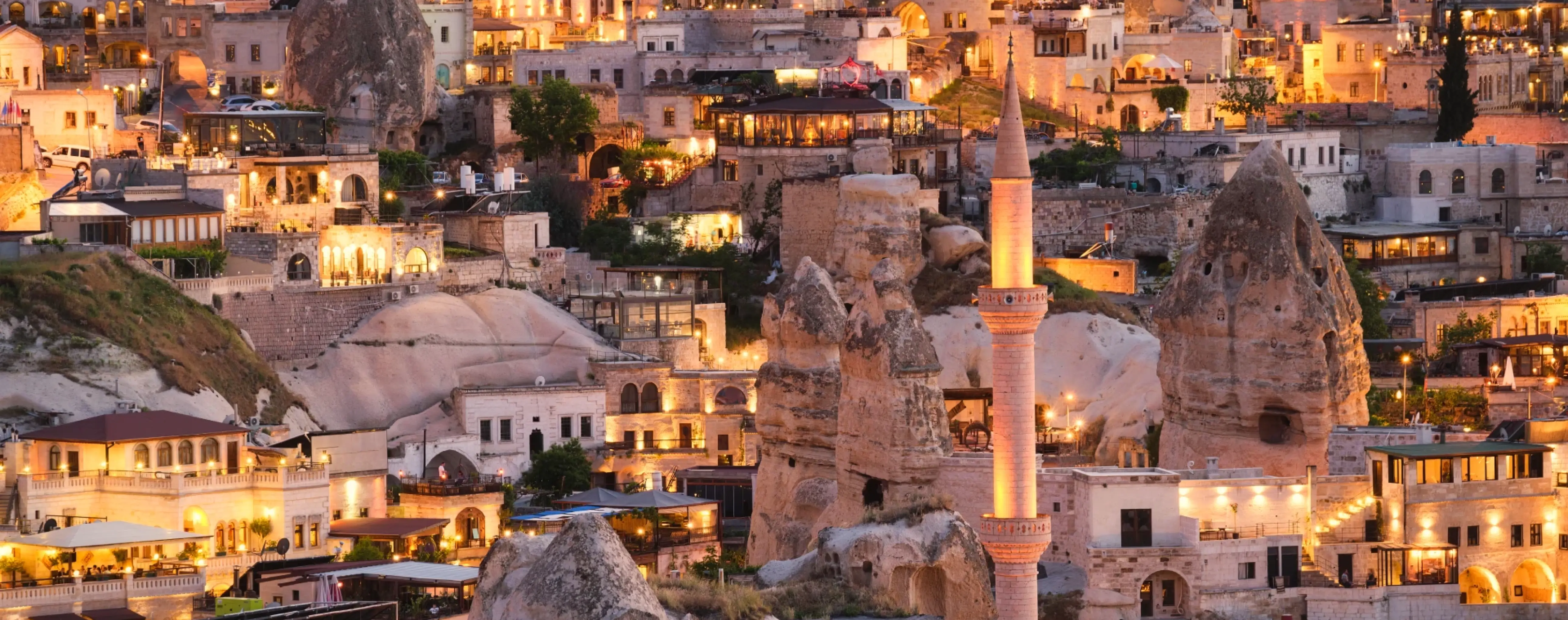
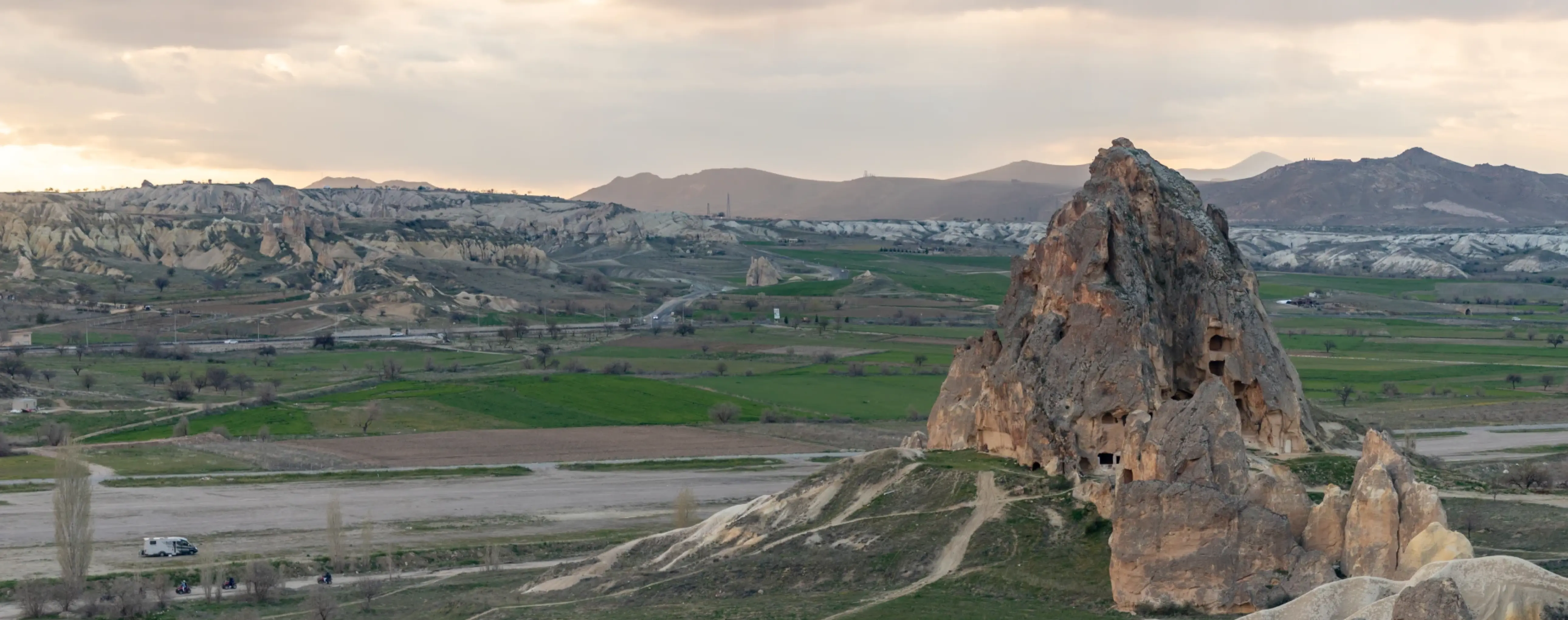
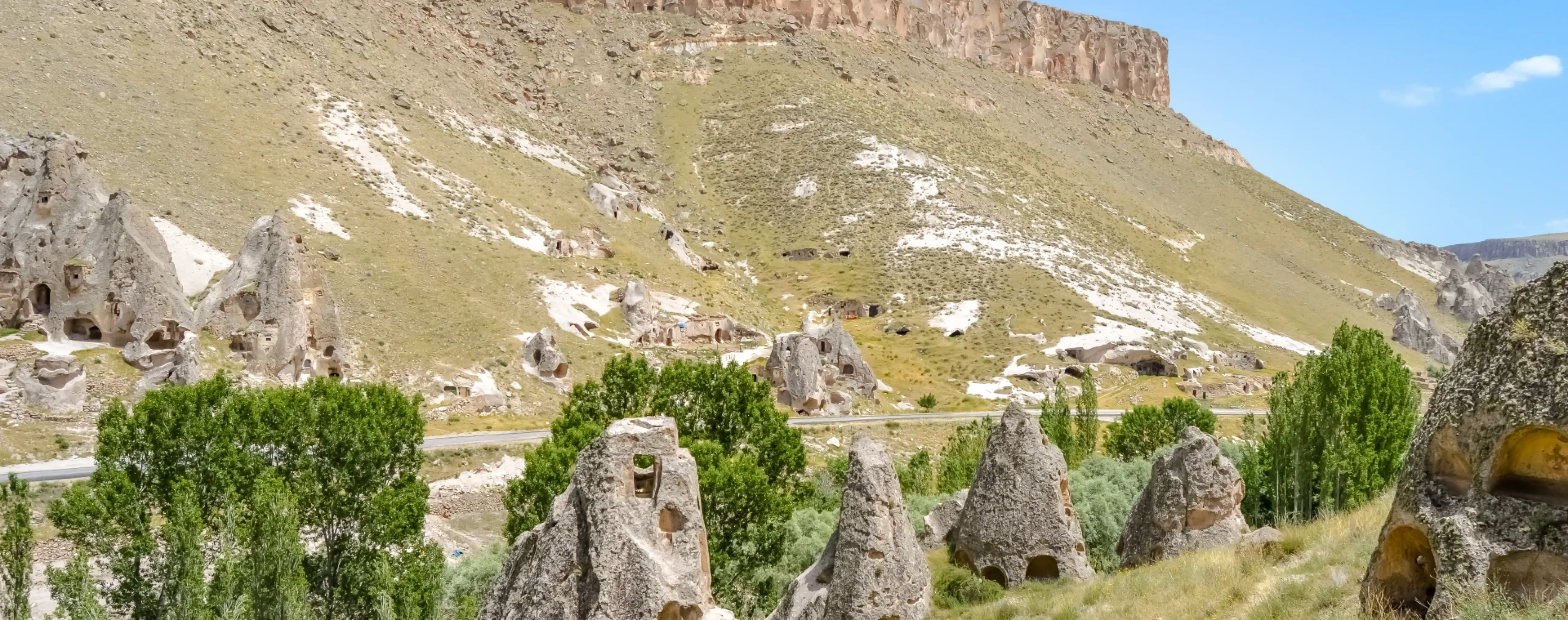
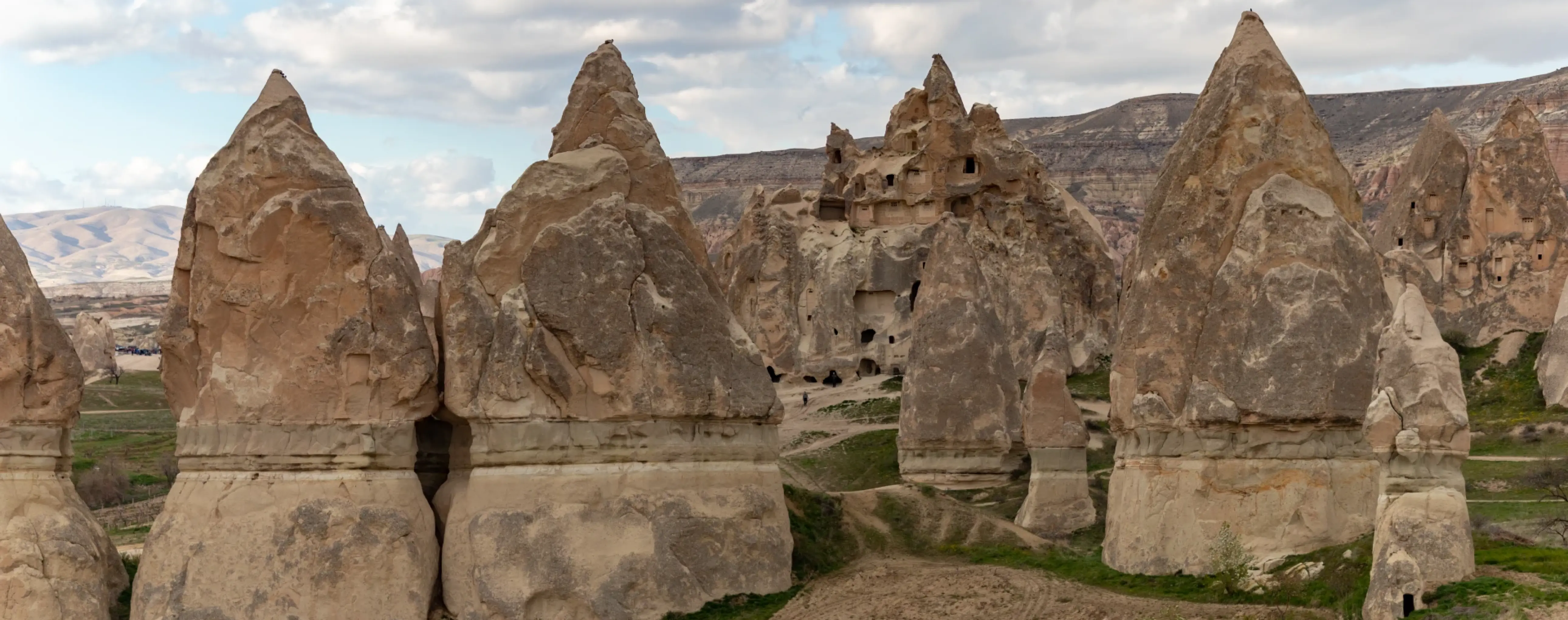
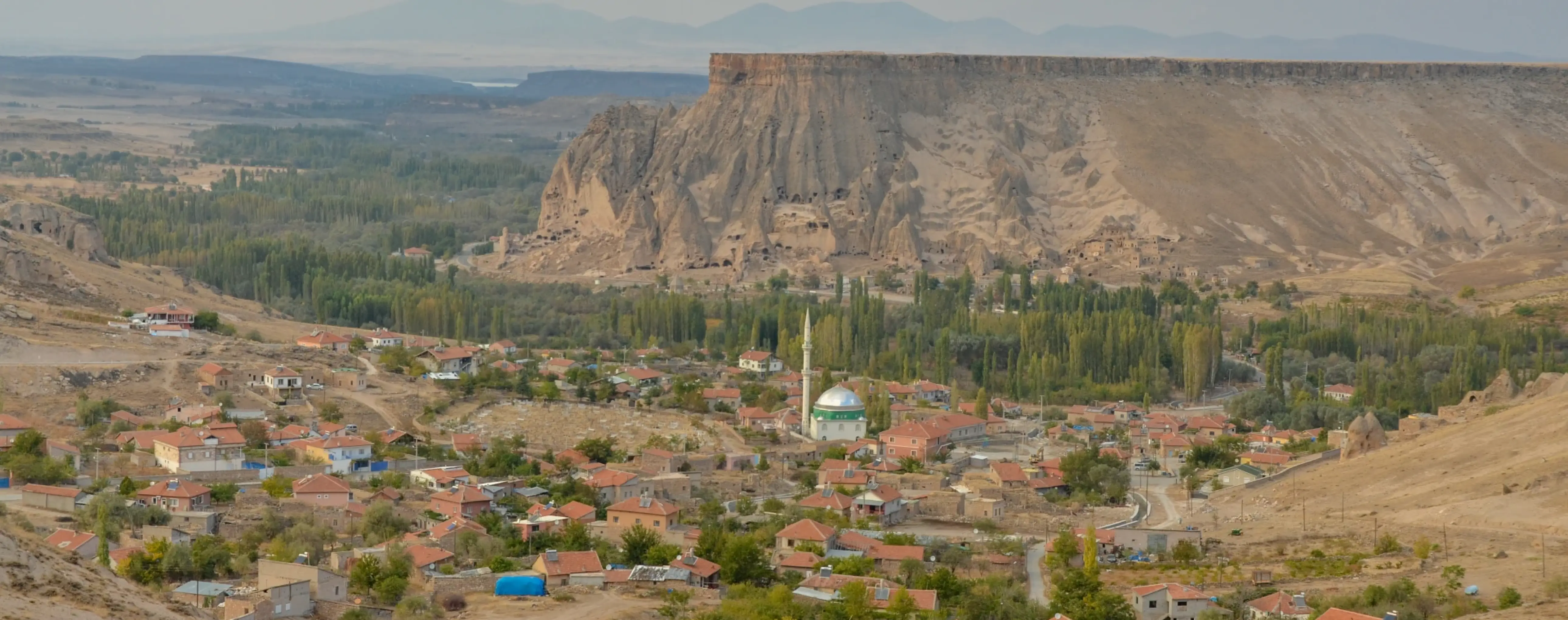
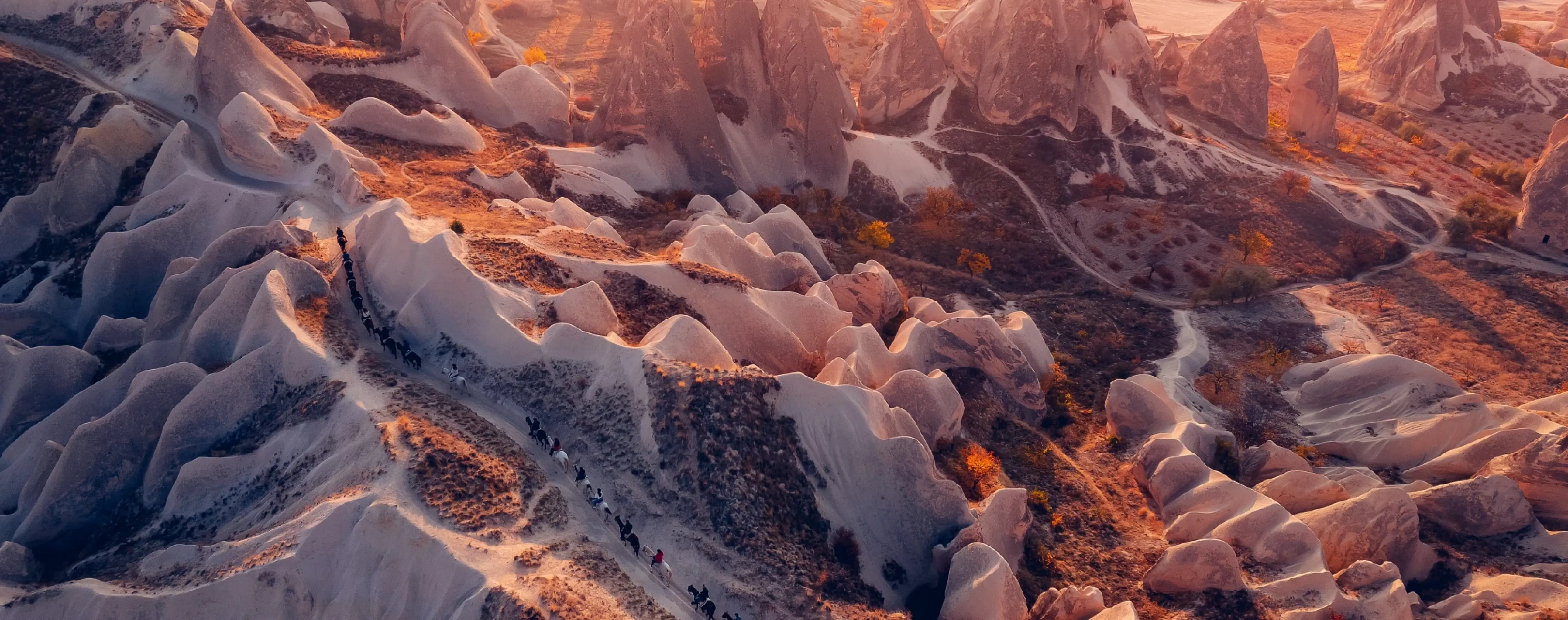
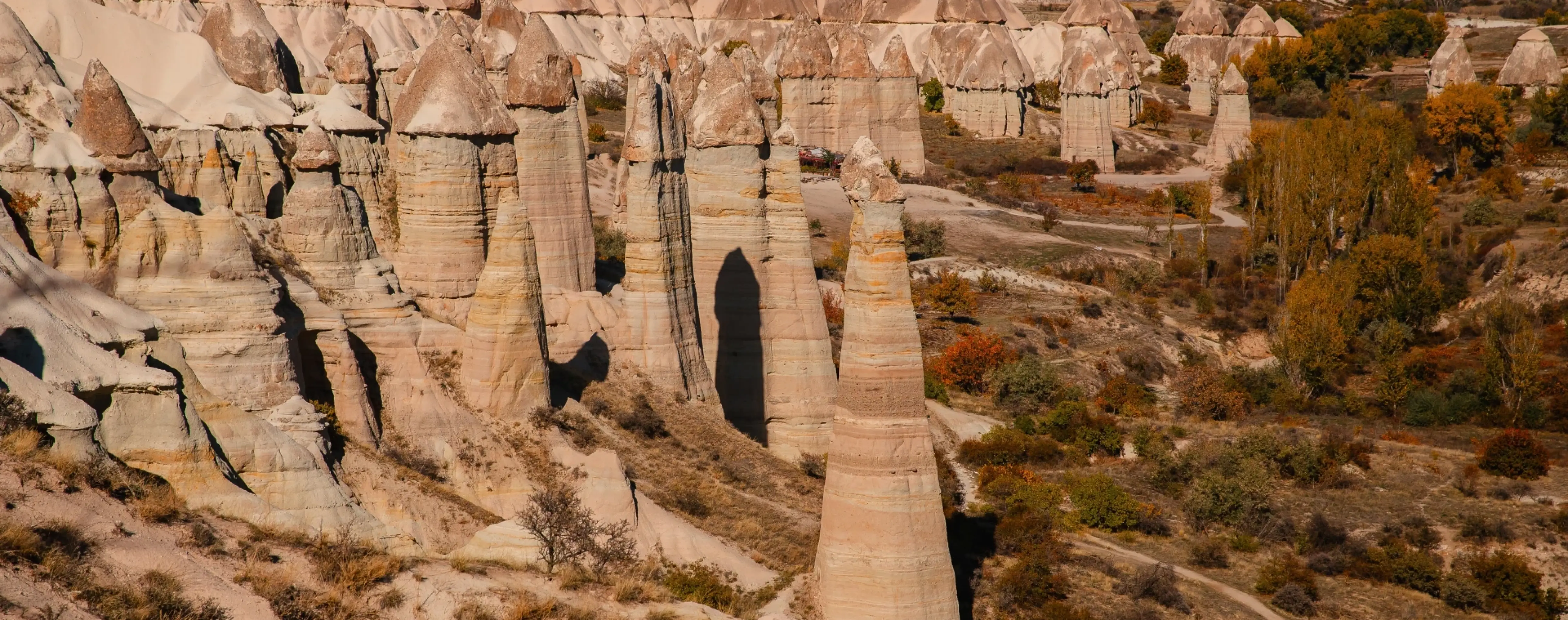
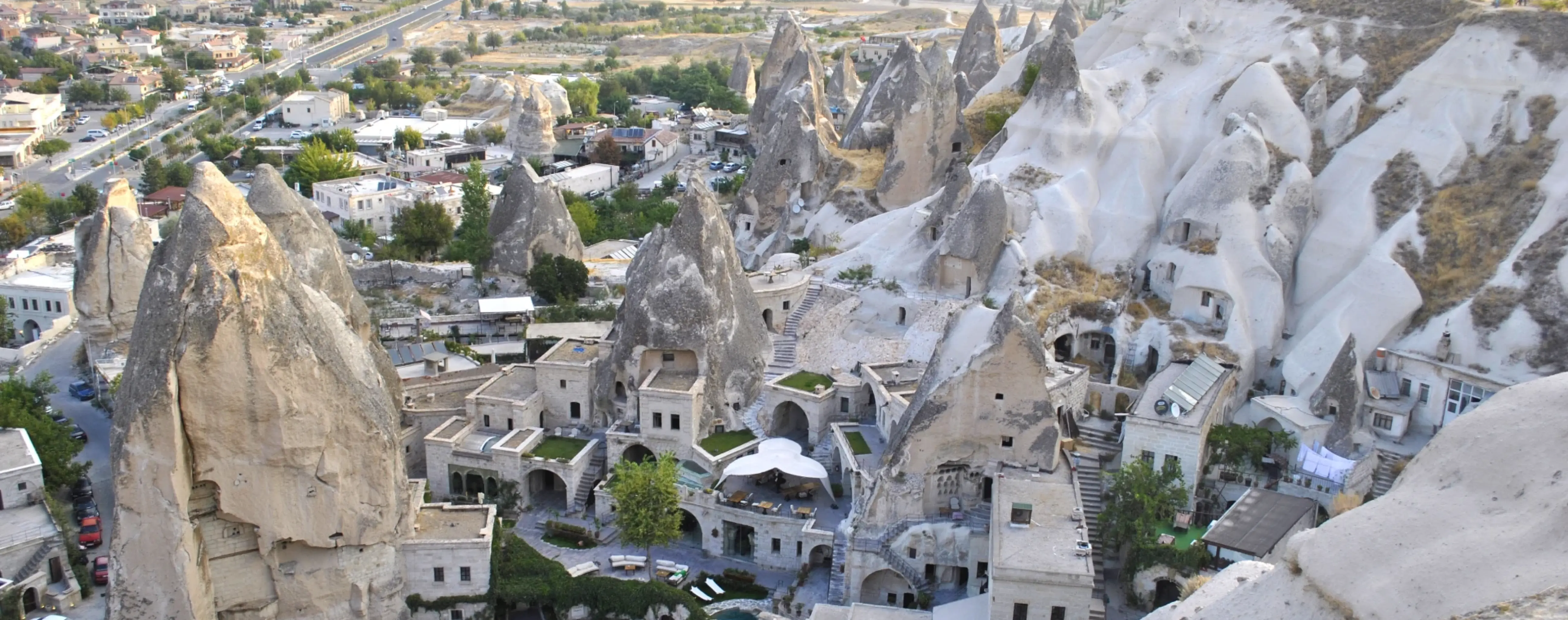
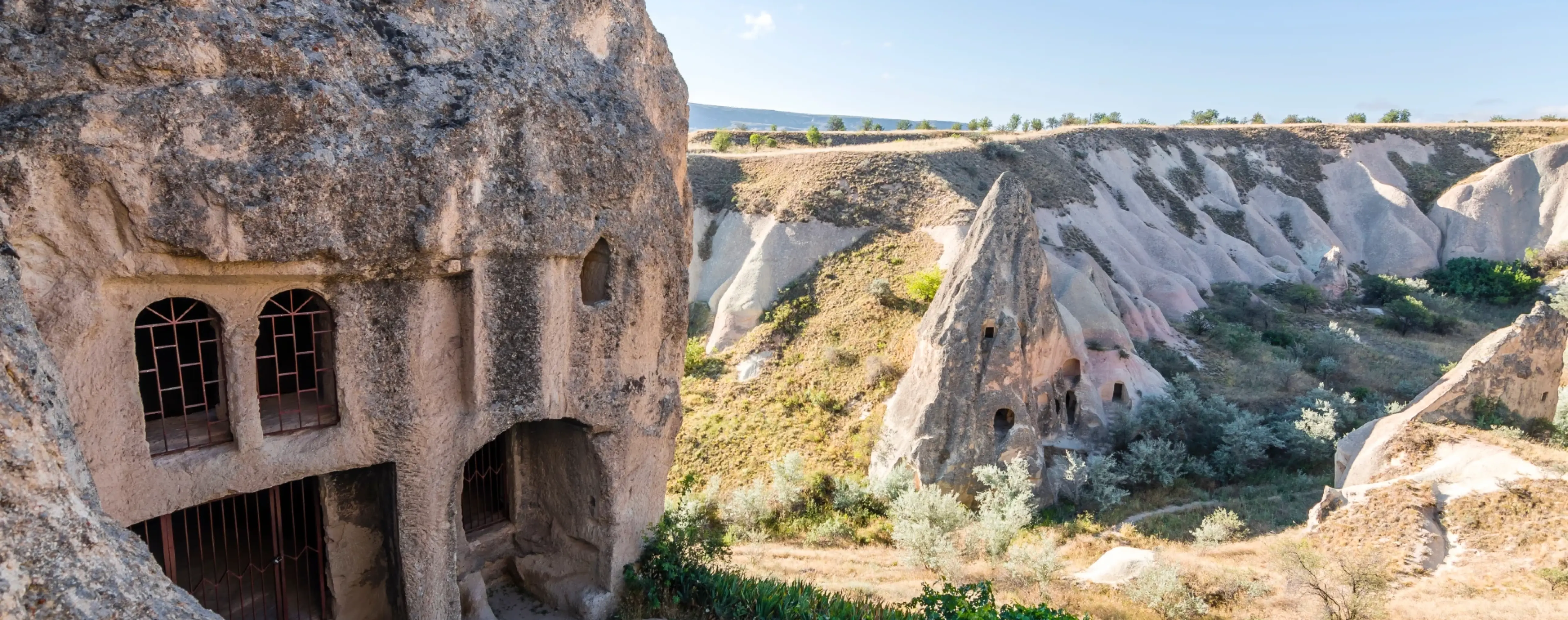
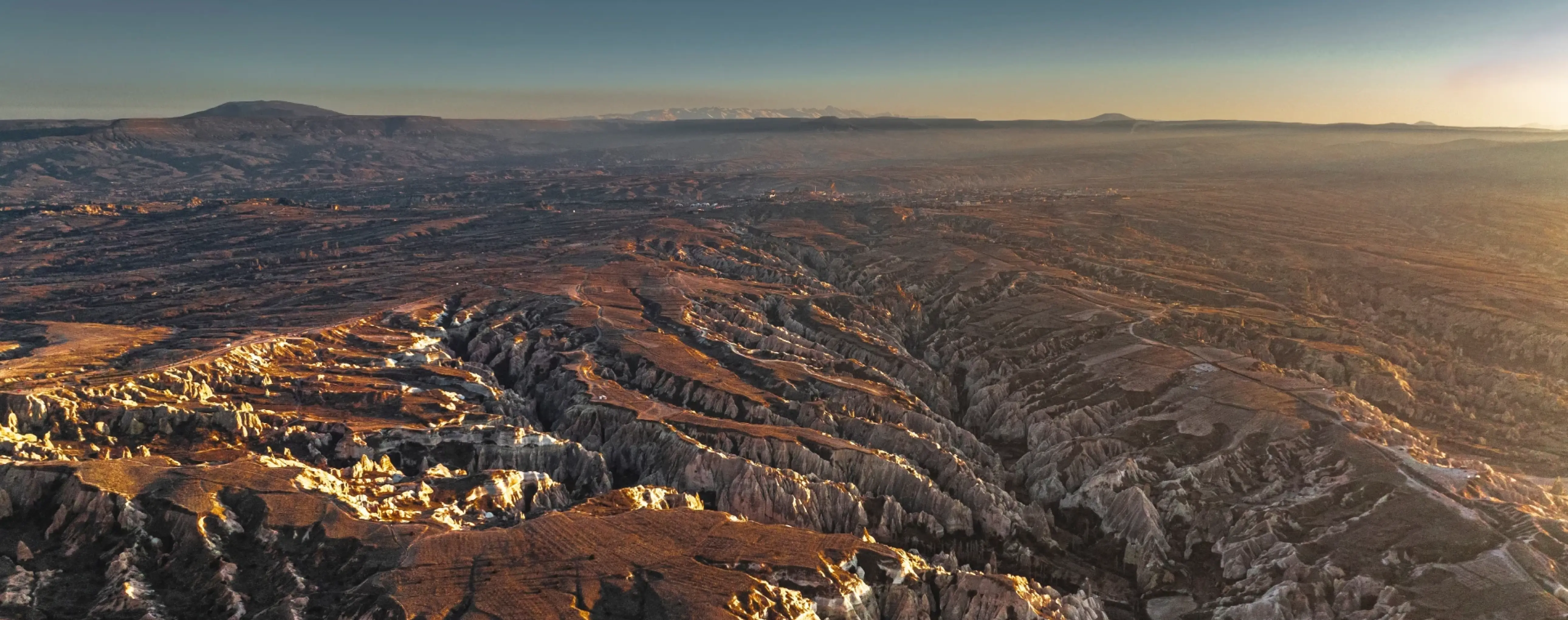
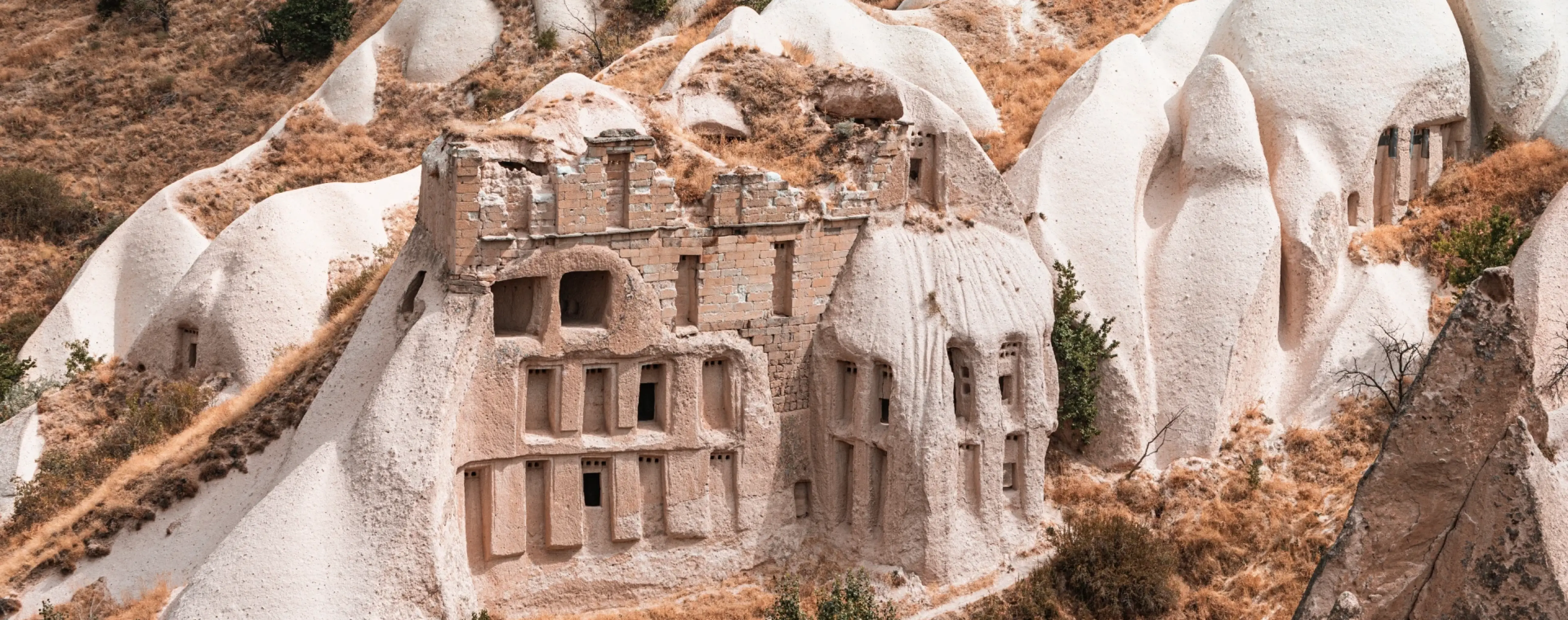
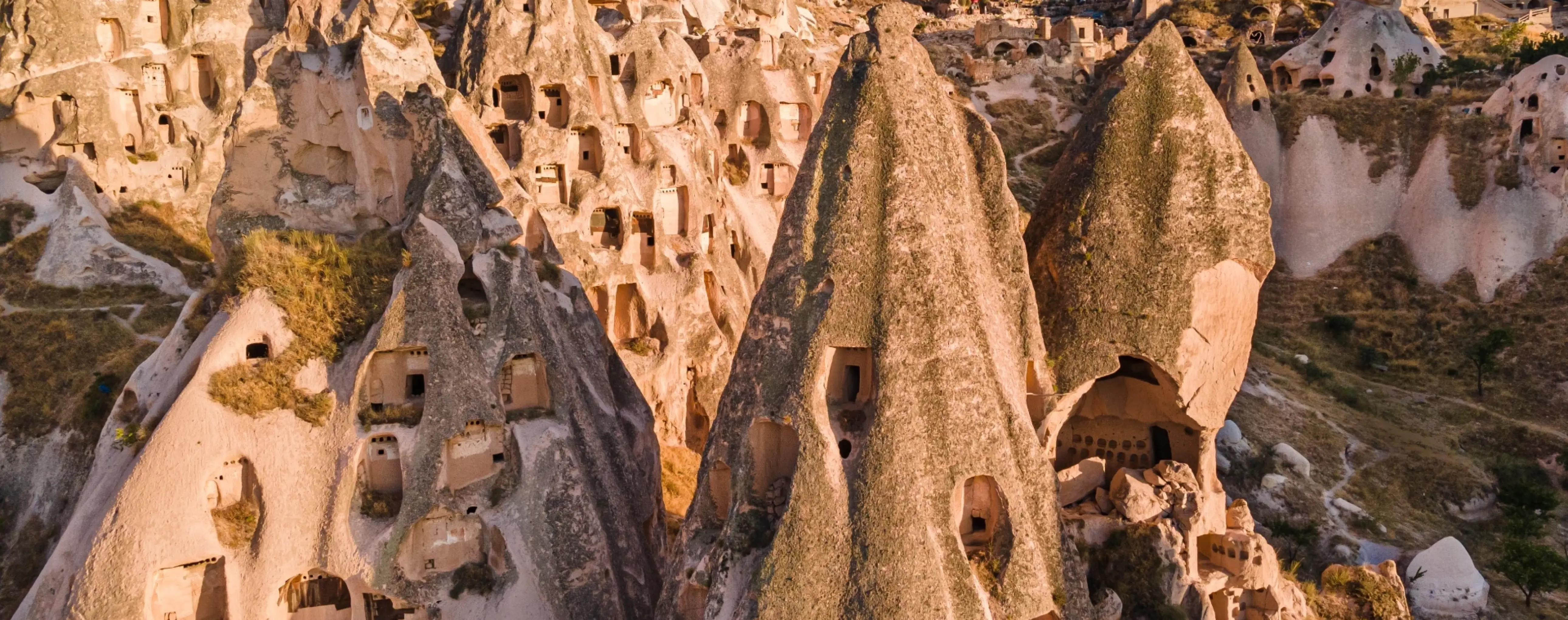
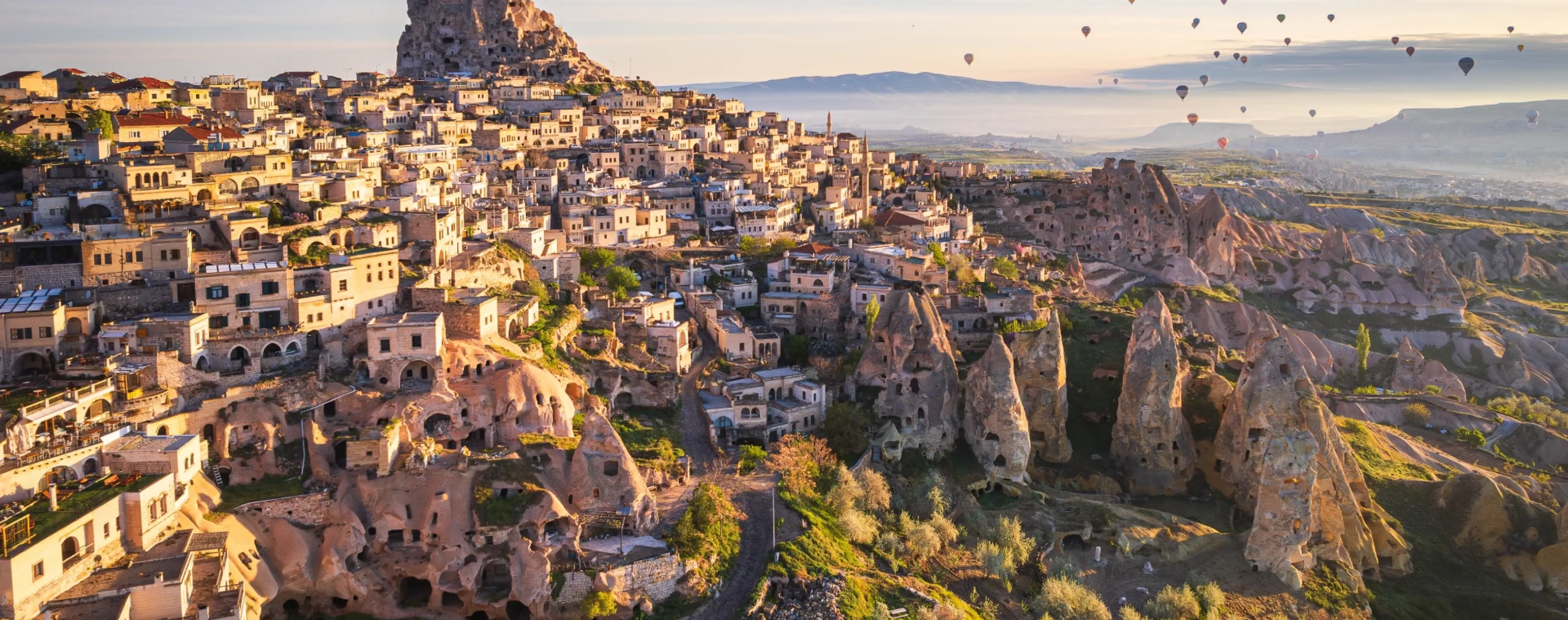
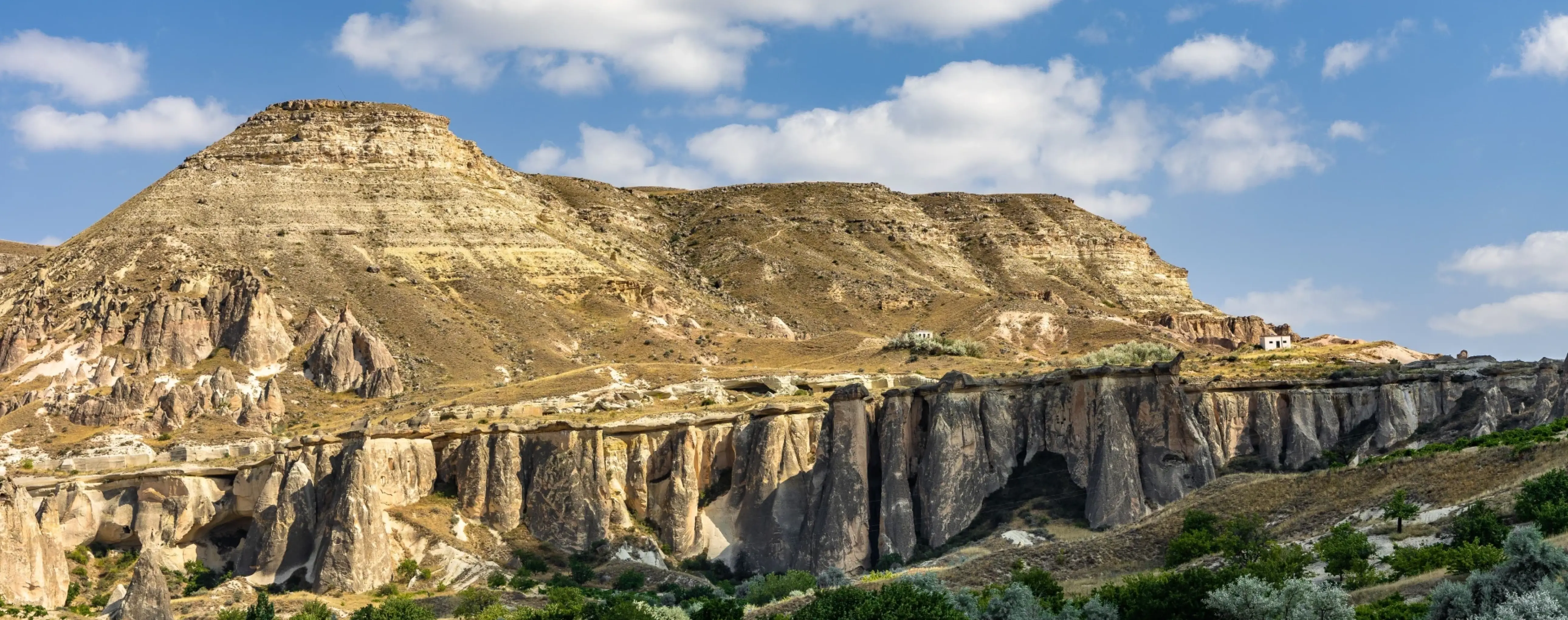
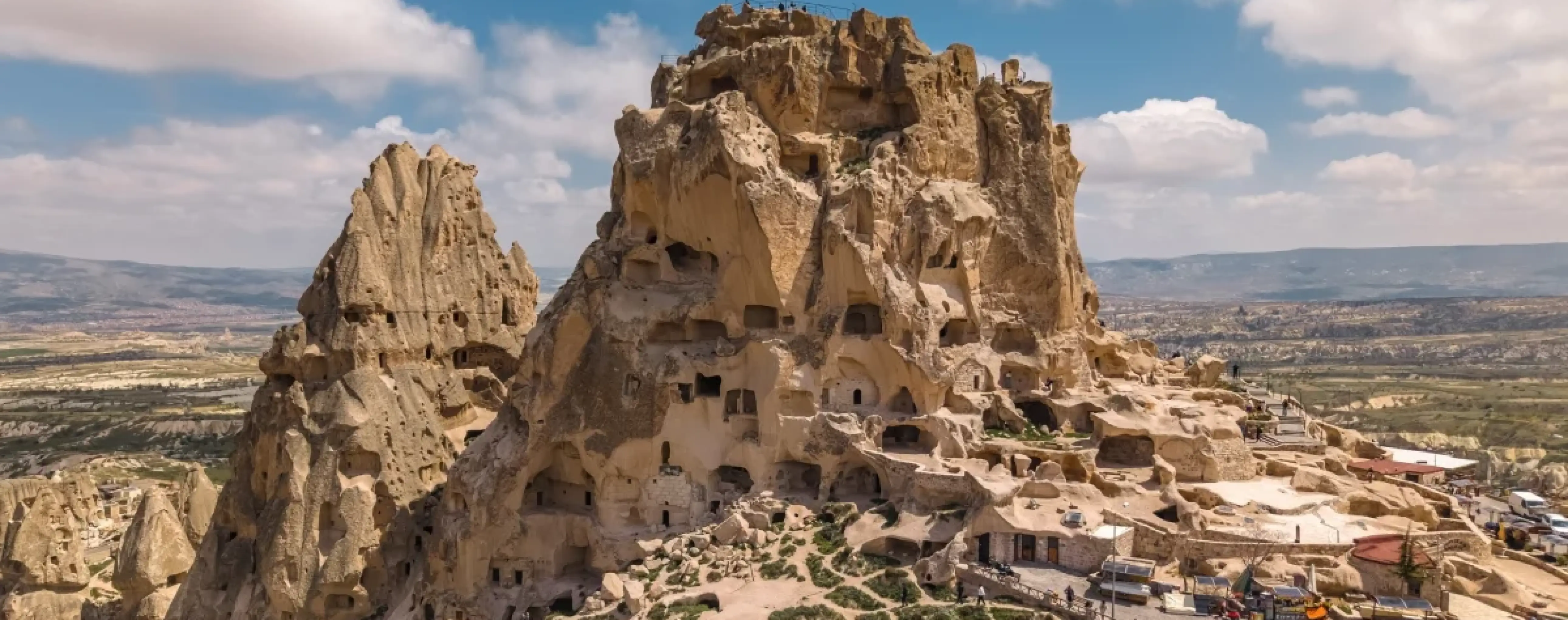
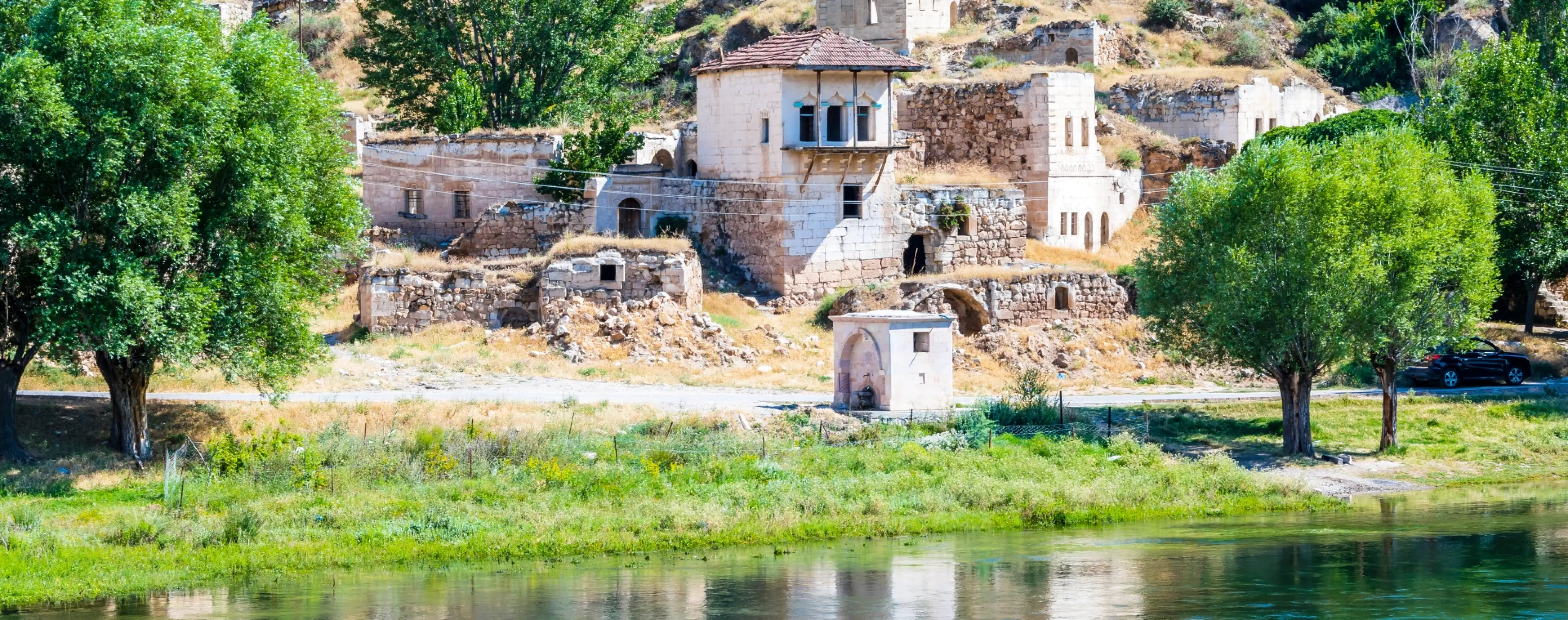
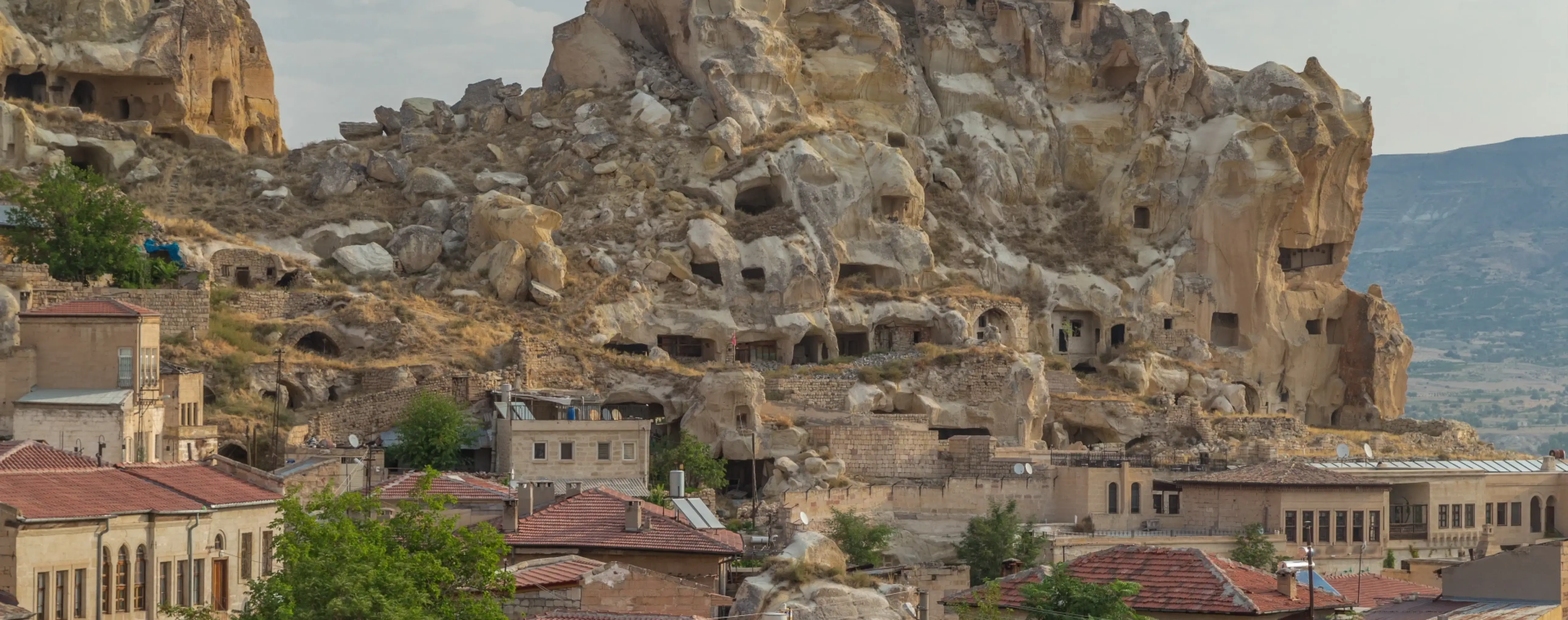
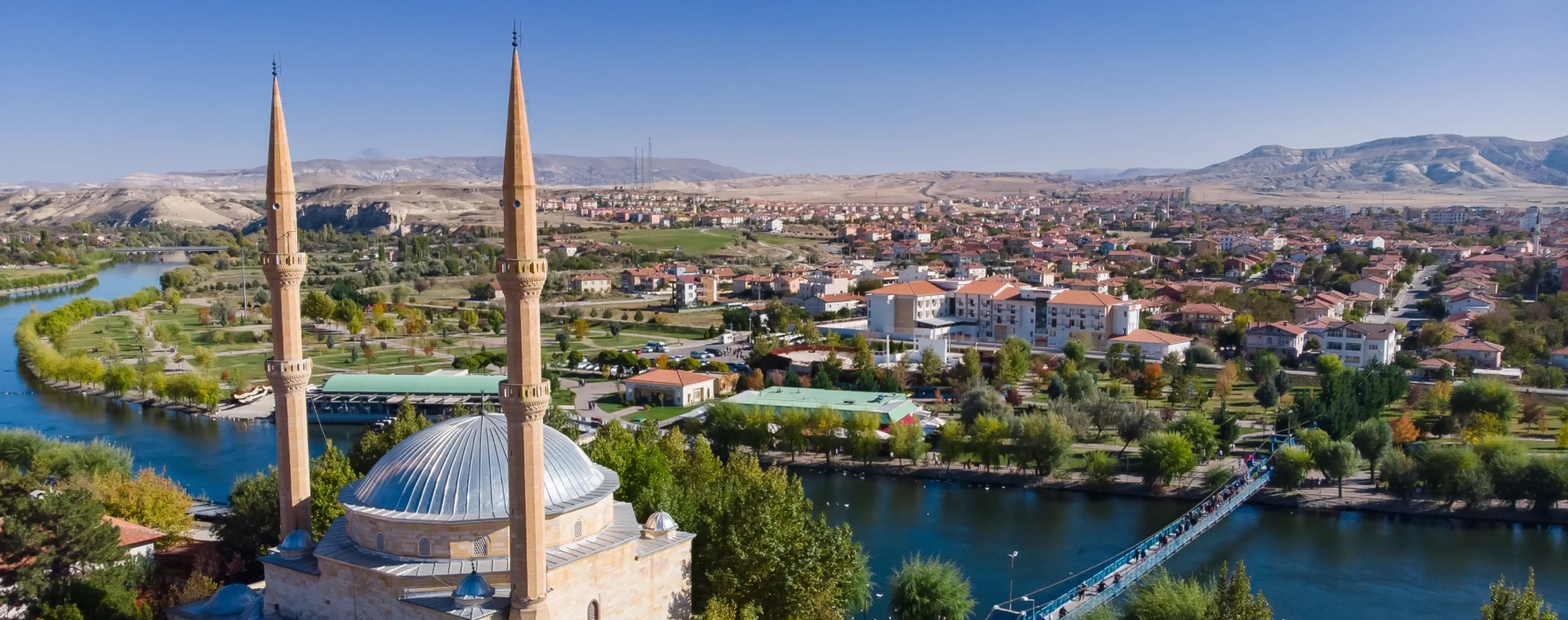
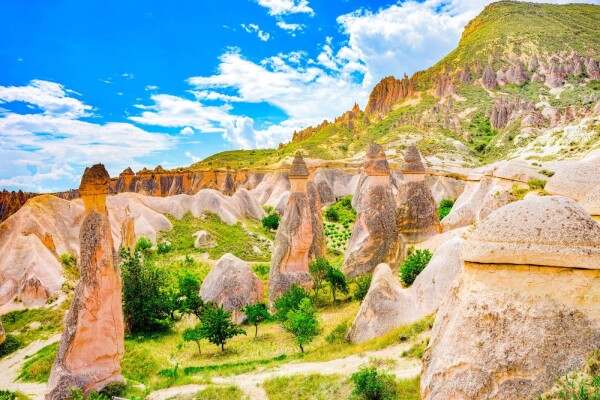
Cappadocia lies in Turkey, in the central part of Central Anatolia. Rather than a single municipality, it is an inland historical region centered on Nevsehir Province and the towns of Goreme, Urgup, Uchisar and Avanos. There is no coast or sea here. Instead, the setting is hilly, defined by a volcanic landscape of soft tuff formations and fairy chimneys shaped by ancient eruptions and later erosion.
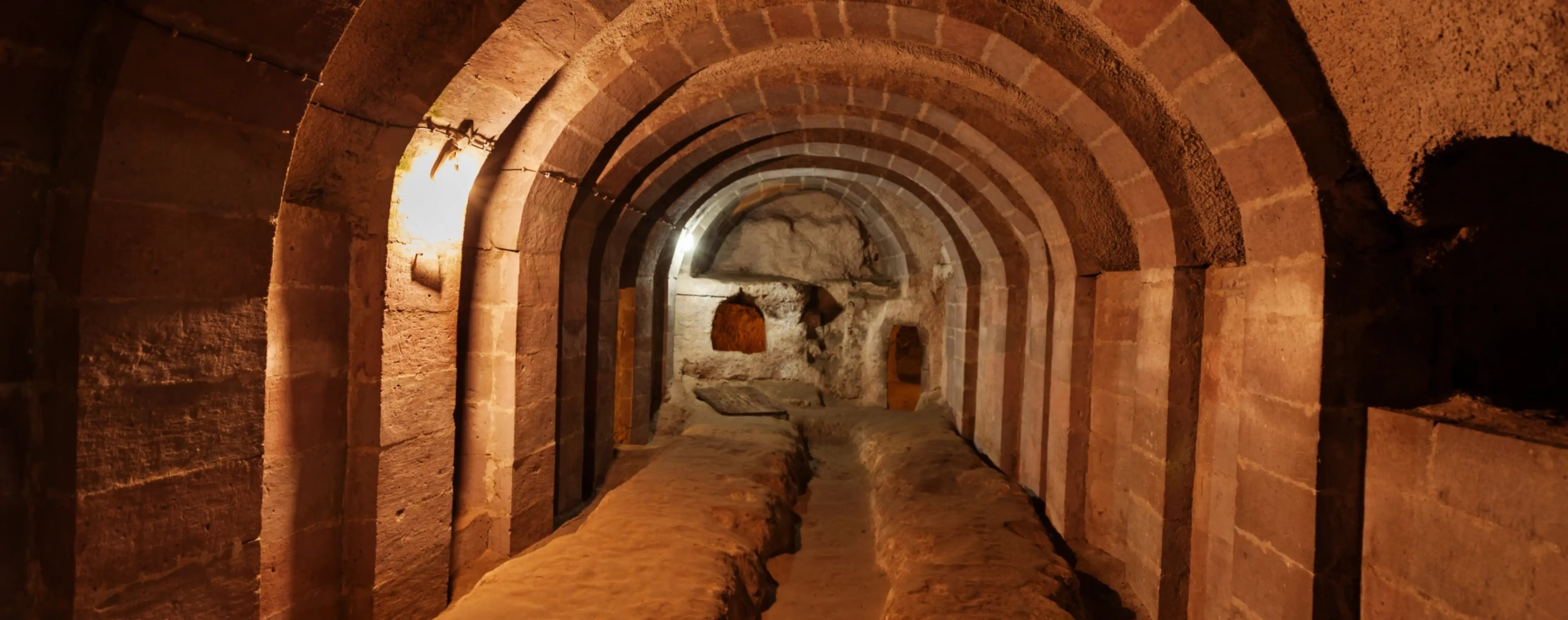
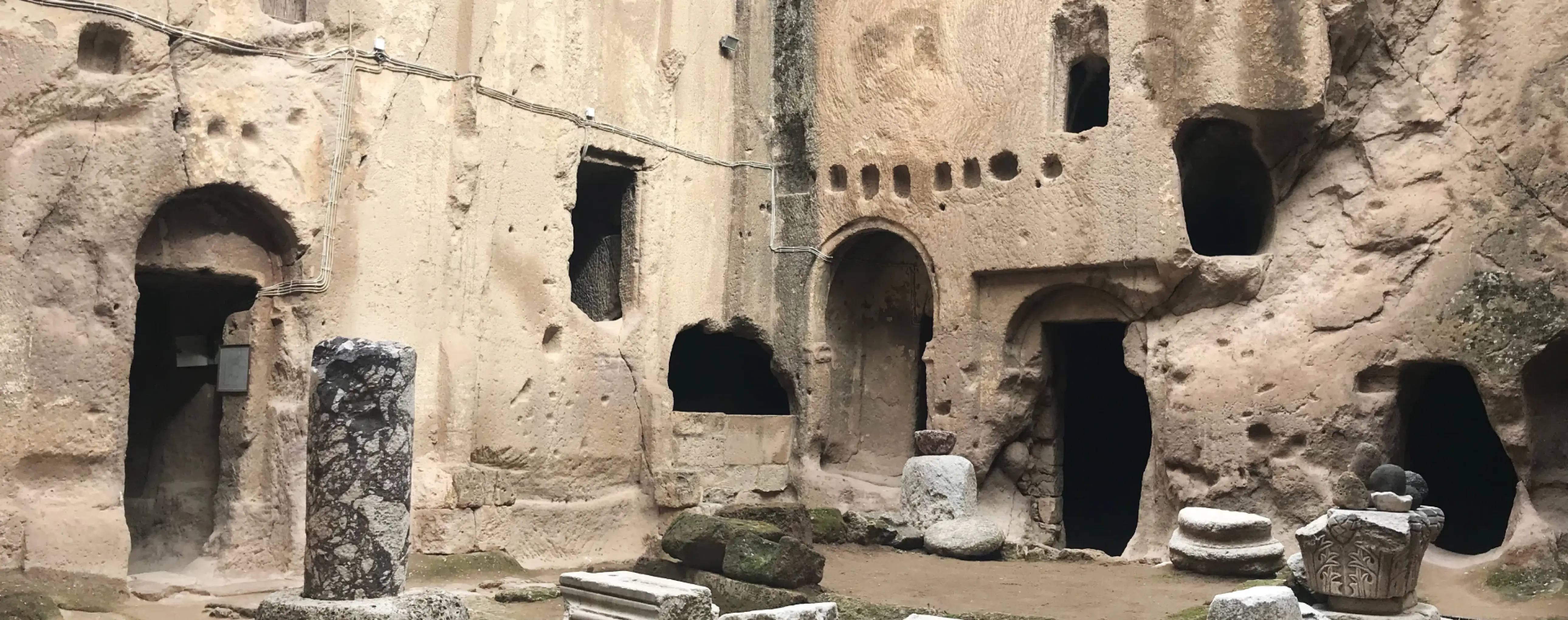
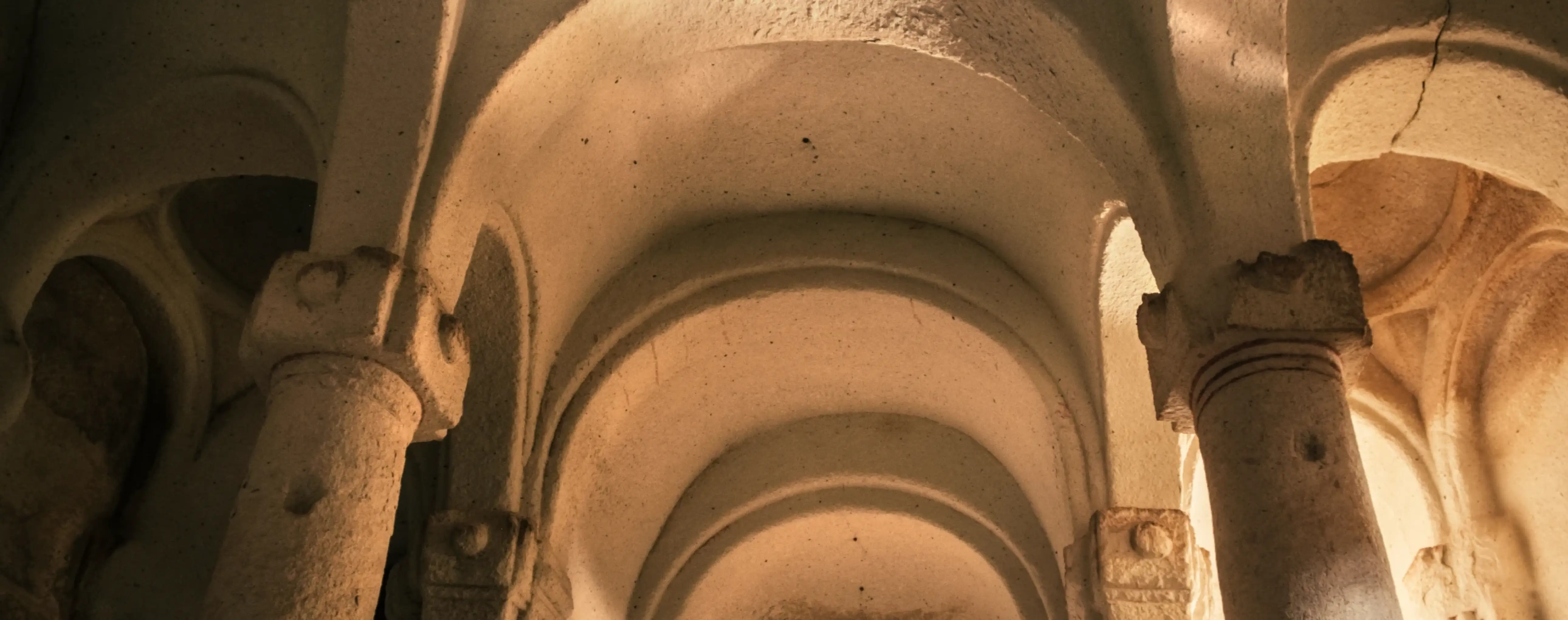
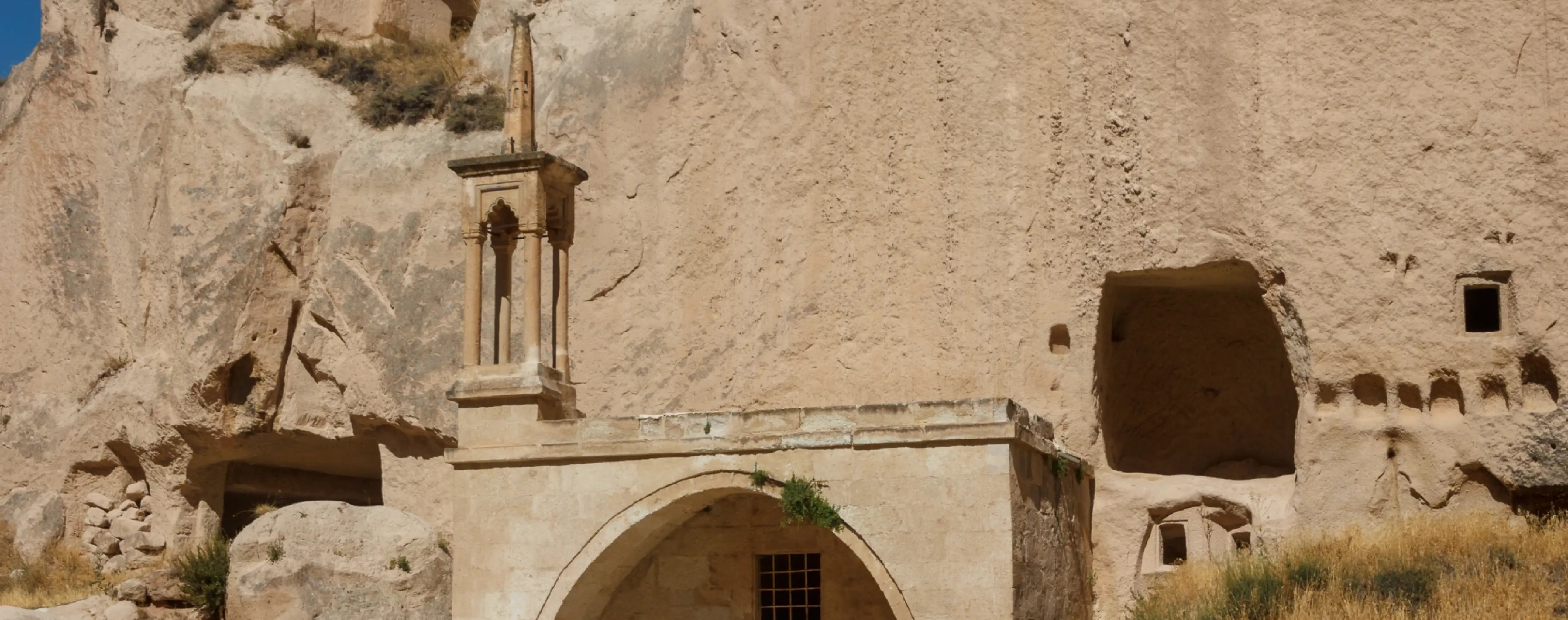
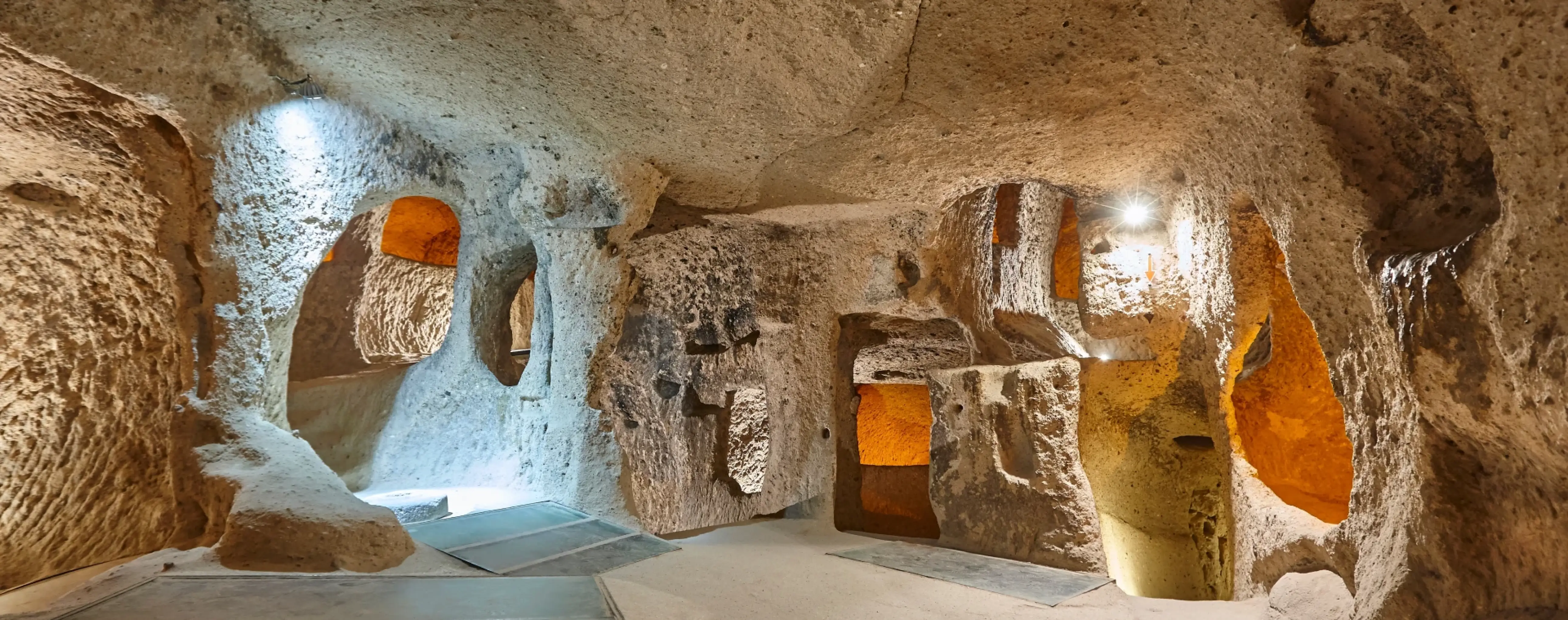
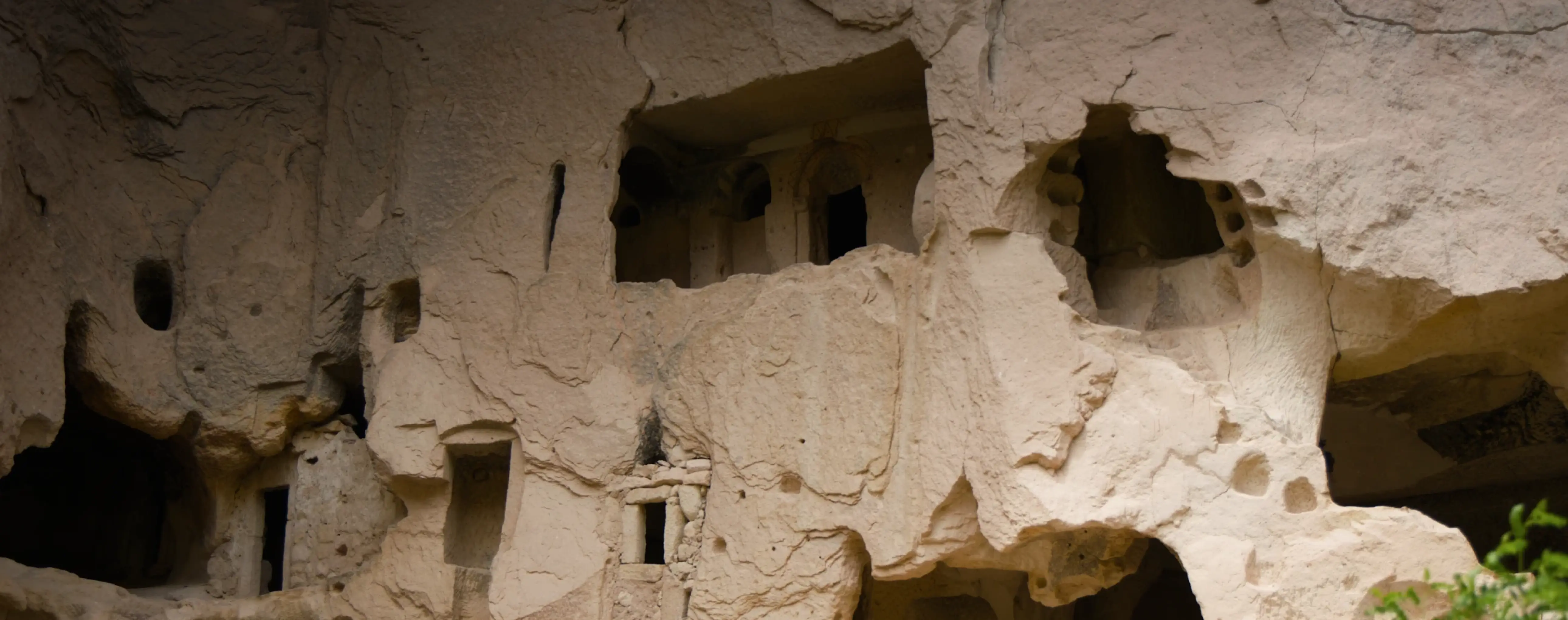
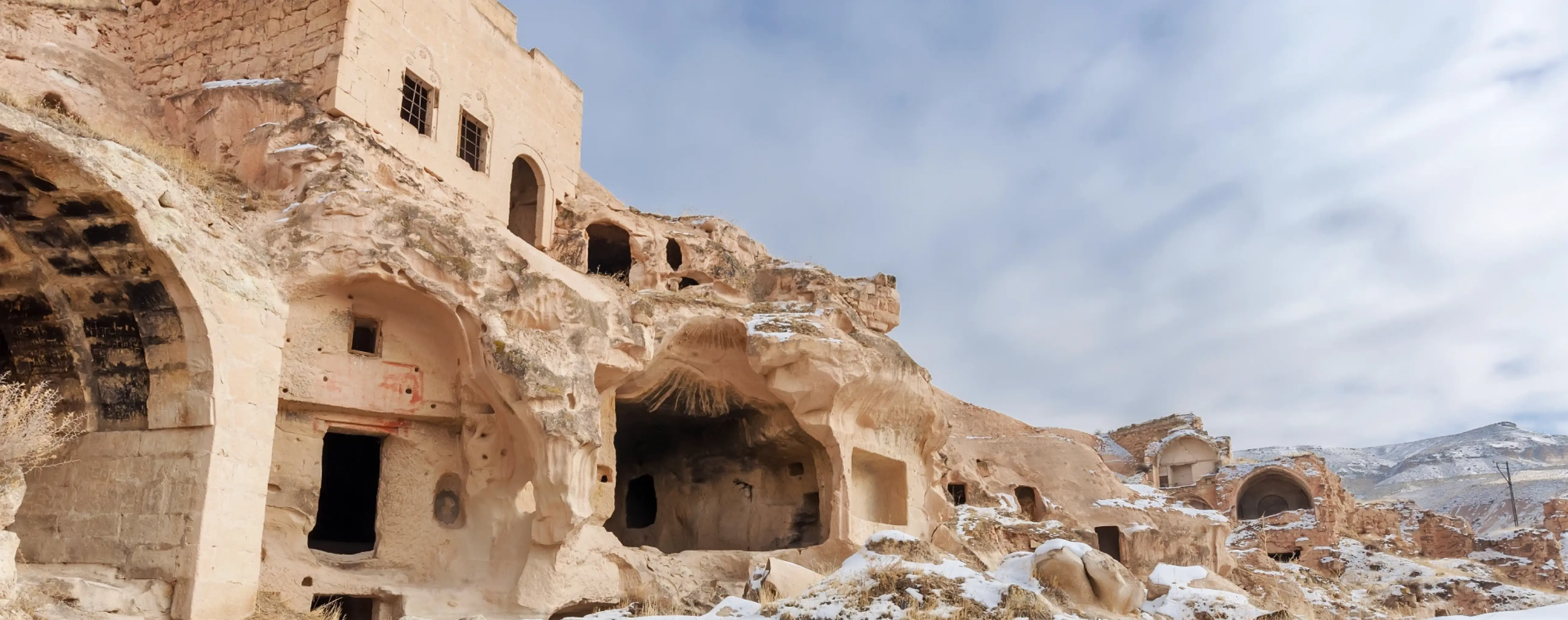
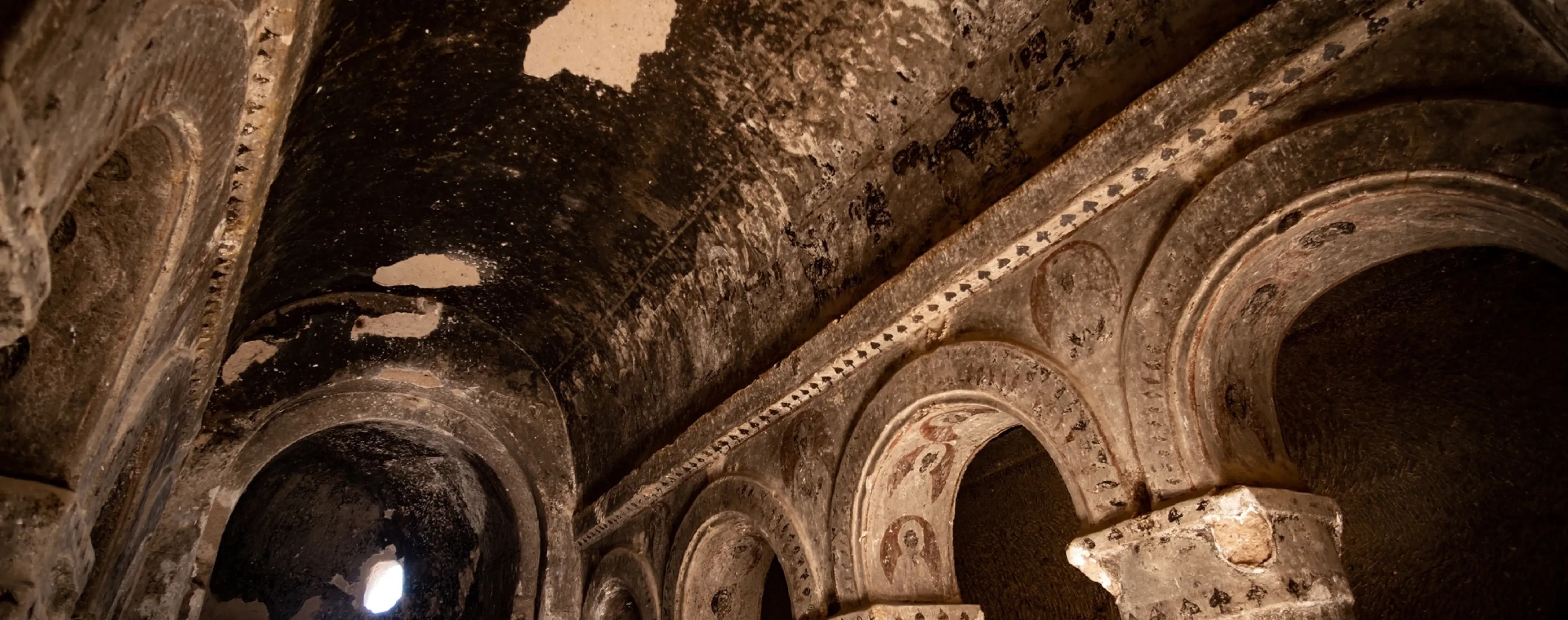
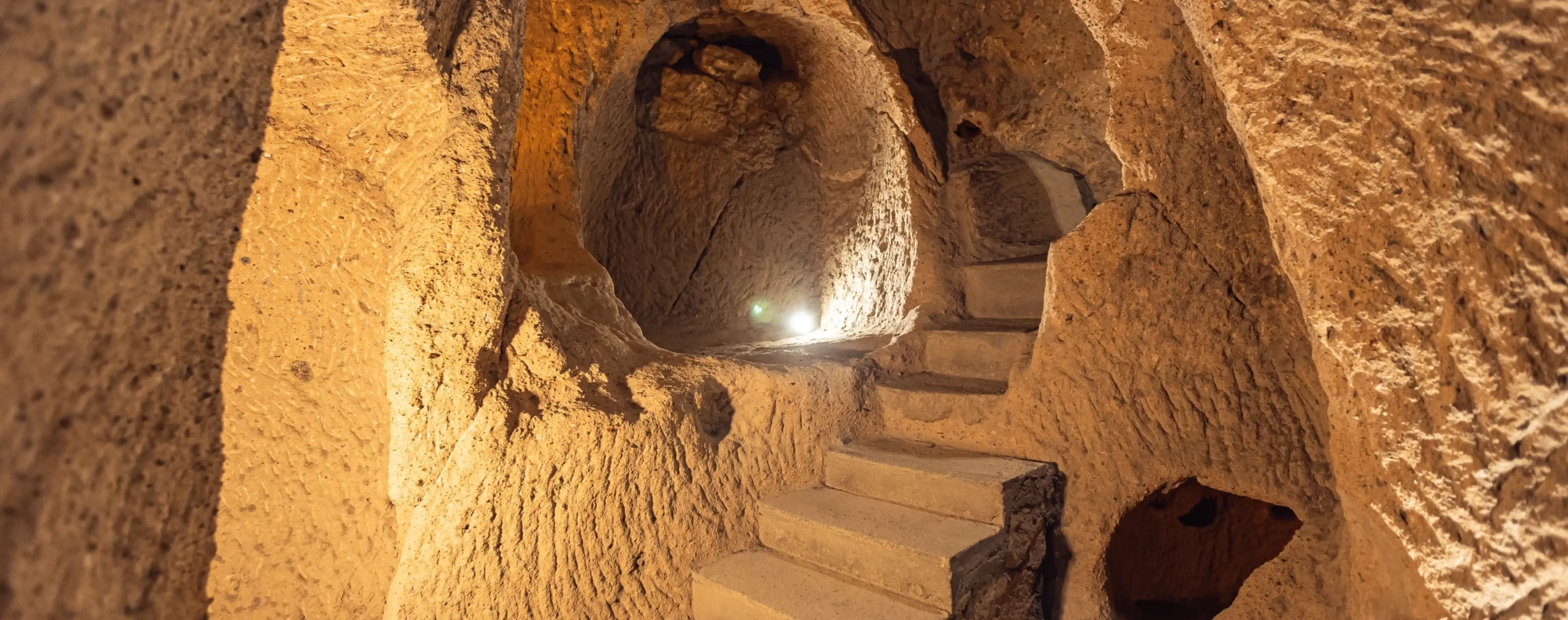
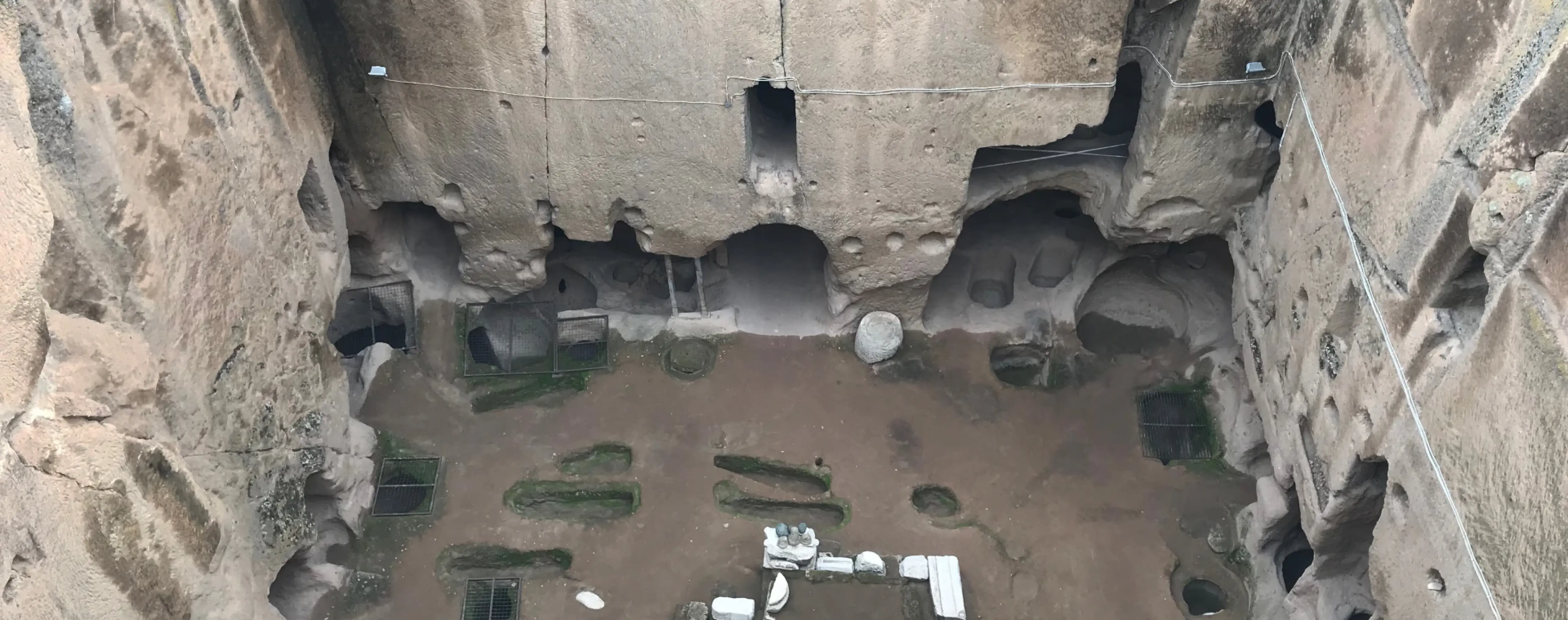
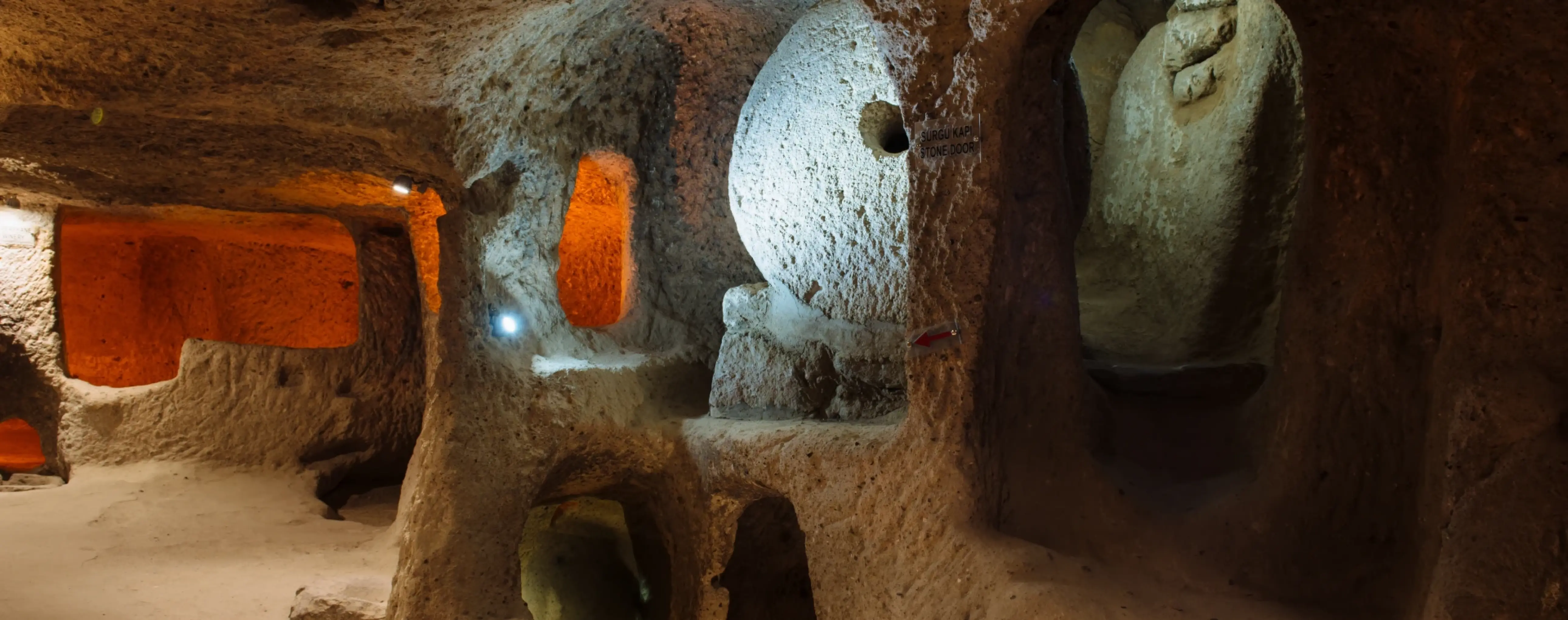
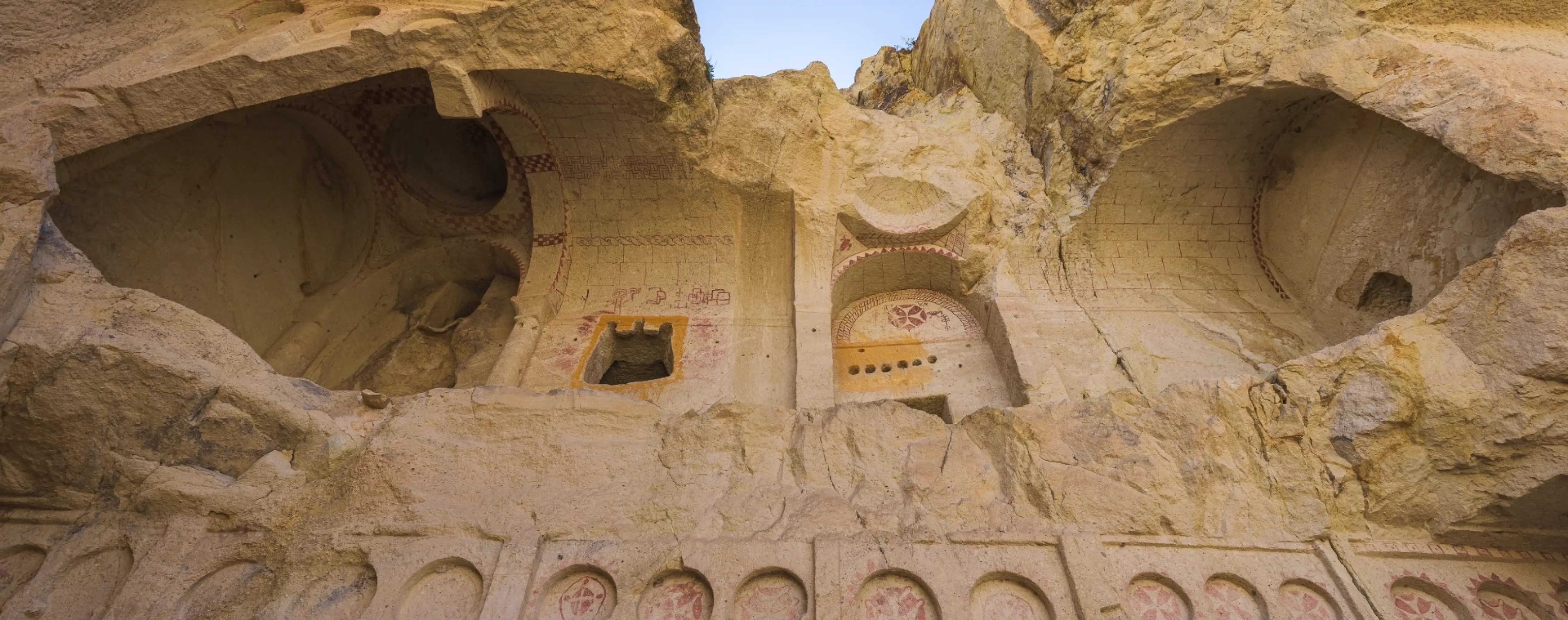
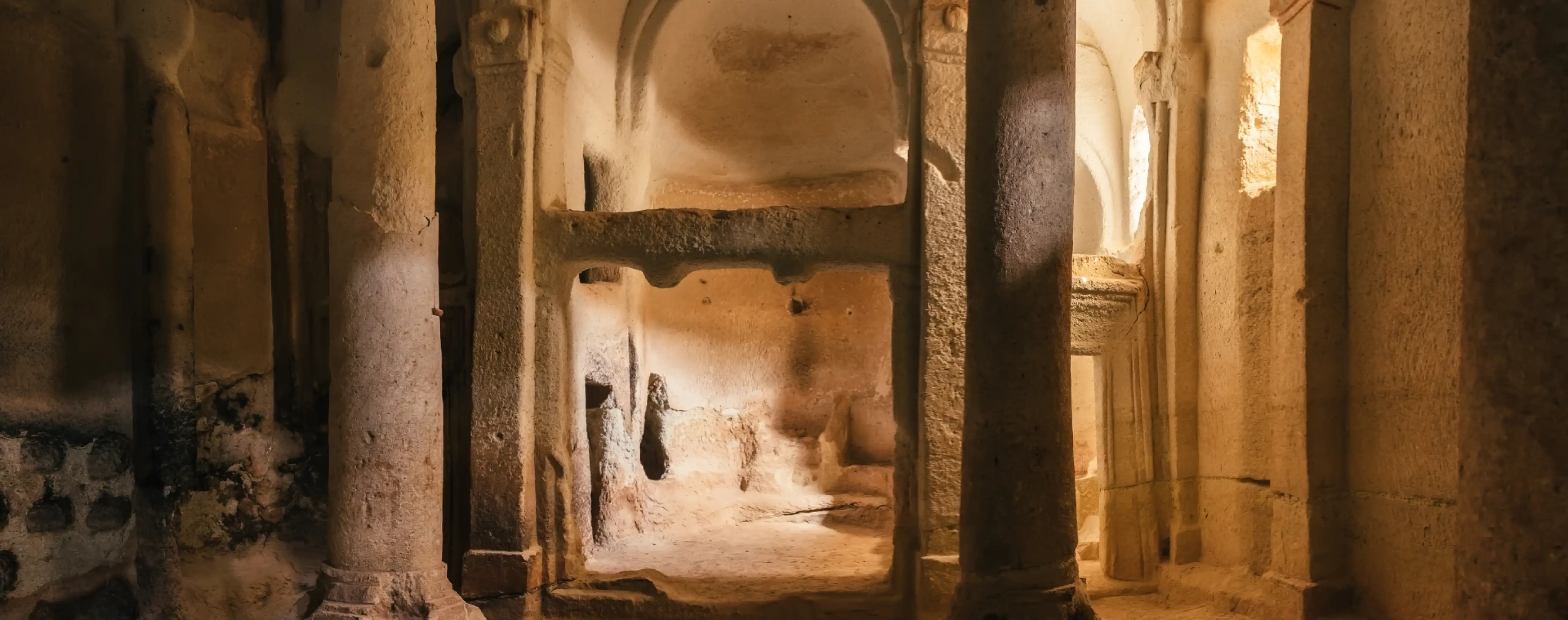
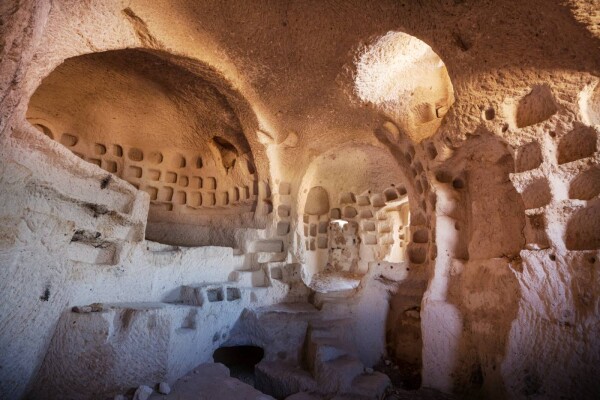
The region preserves important Byzantine and early Christian layers. Goreme National Park and the Rock Sites of Cappadocia are on the UNESCO World Heritage List, and Cappadocia played an important role in early Christian monastic life. Among the key surviving monuments are the rock-cut churches, chapels and monasteries of the Goreme Open Air Museum, with their Byzantine frescoes, along with underground settlements including Derinkuyu Underground City and Kaymakli Underground City. Taken together, they reveal rock-cut religious sites, subterranean complexes and a historic landscape formed through long human use.
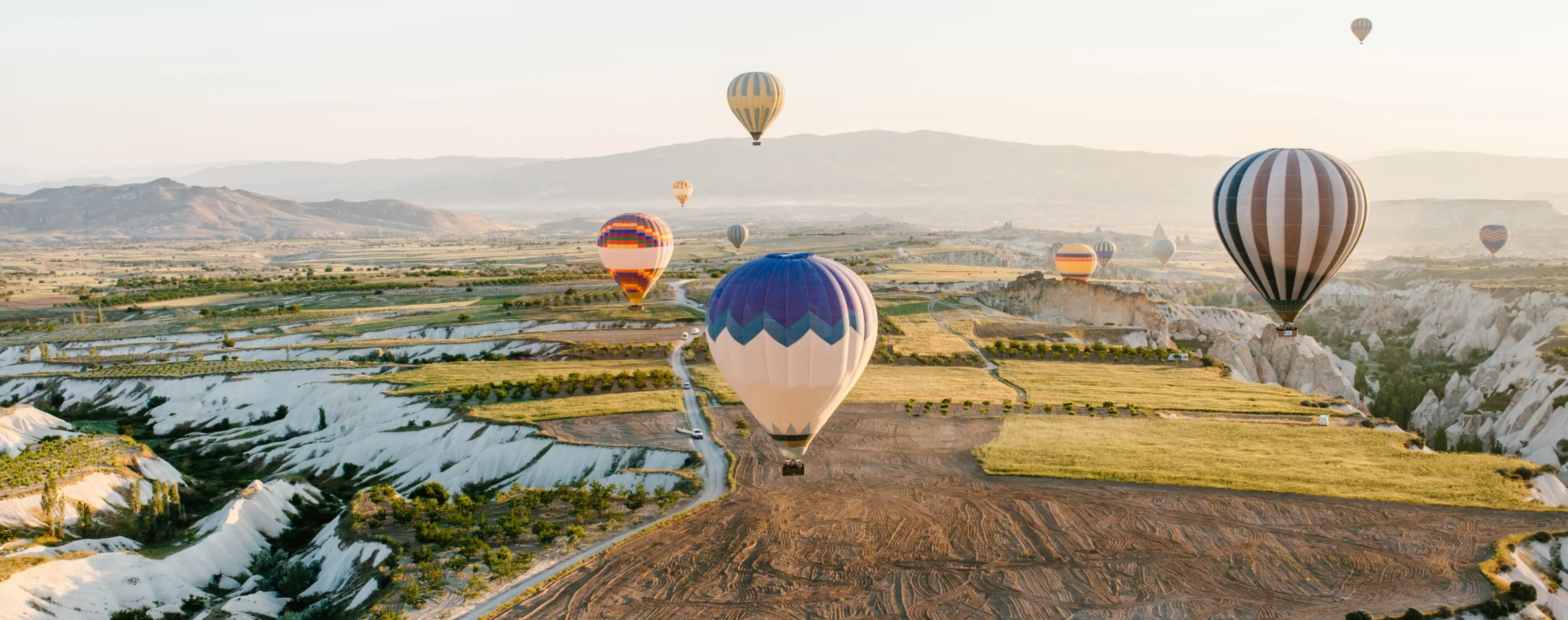
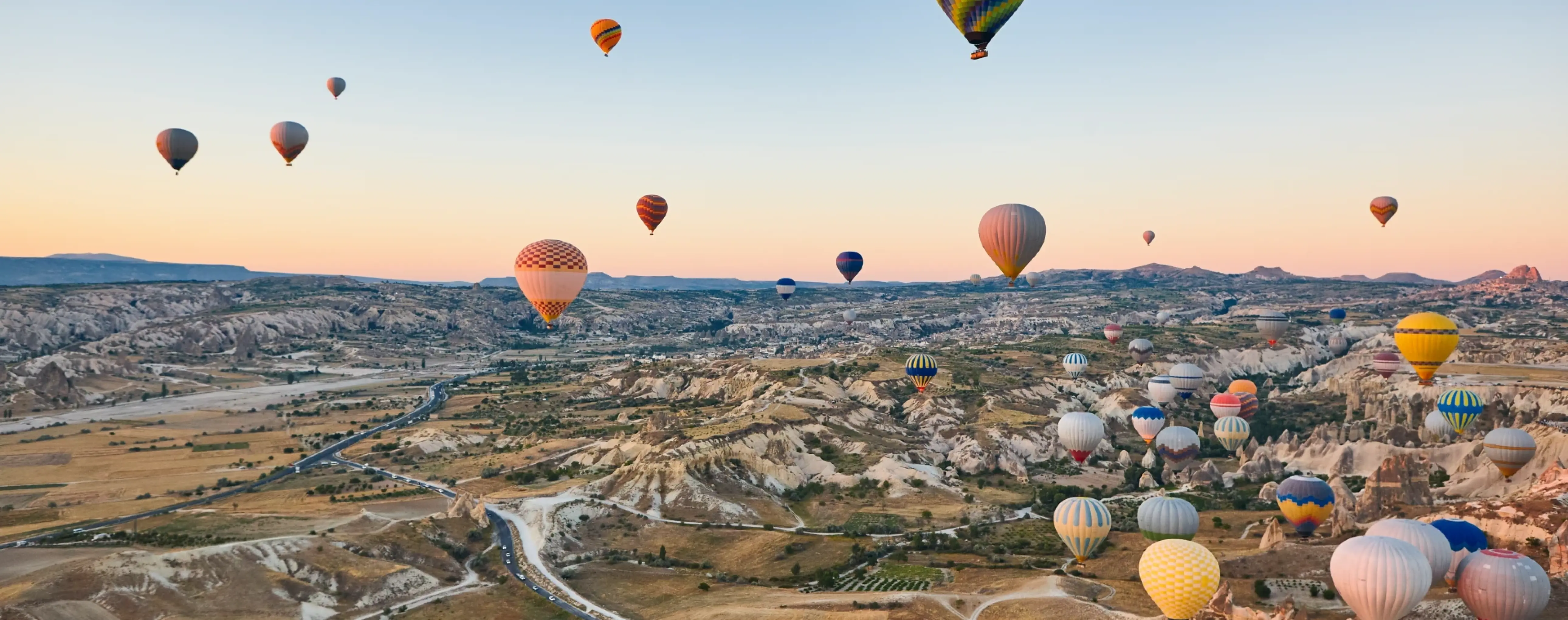
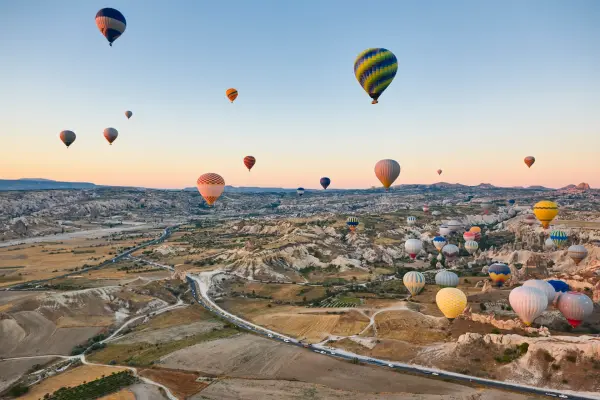
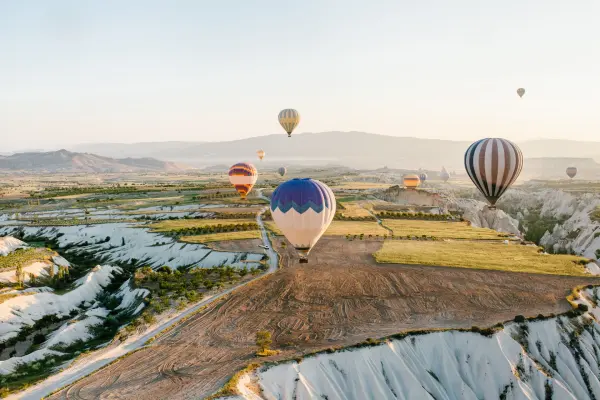
Cappadocia brings culture, walking, nature and adventure into a single trip. Its appeal rests both on built heritage and on an unusual volcanic landscape that is itself a primary attraction, making it well suited to holidays or a travel guide focused on sightseeing and outdoor movement. Even a short stay can be organized around cave churches, underground spaces, valley scenery and sunrise balloon experiences.
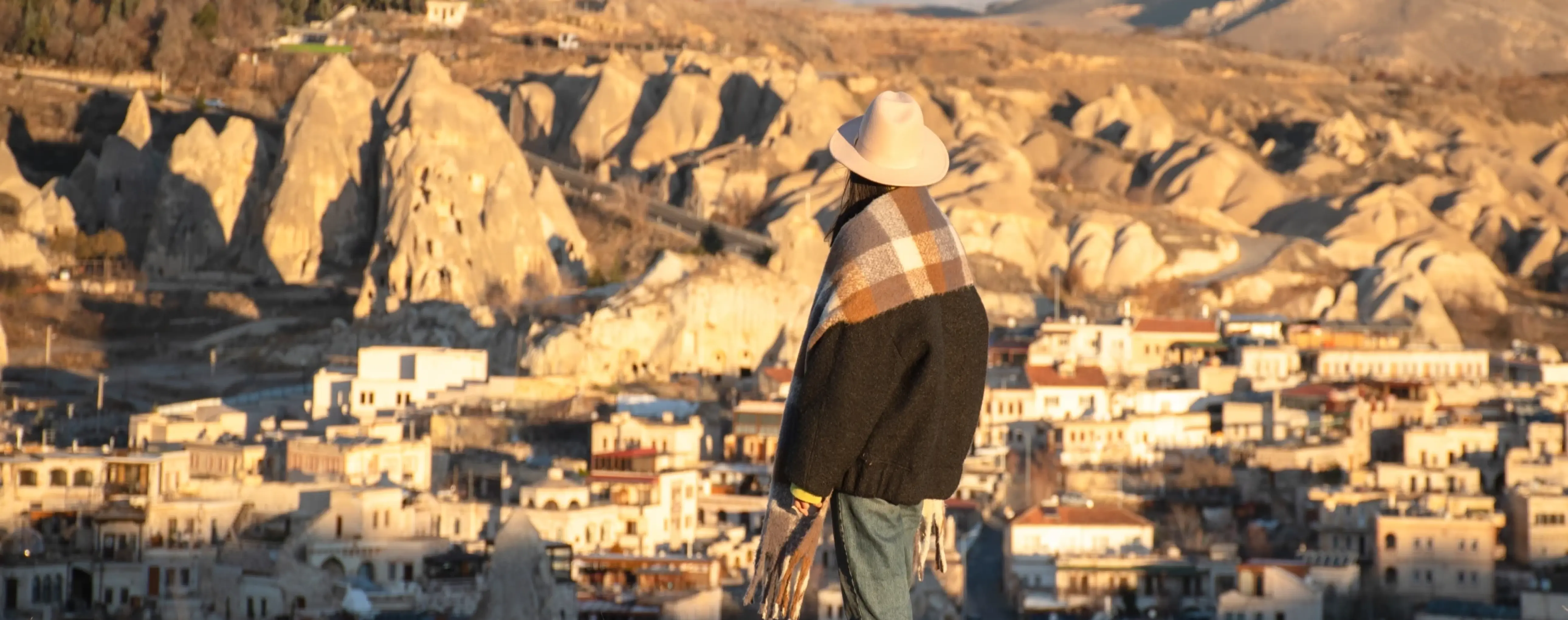
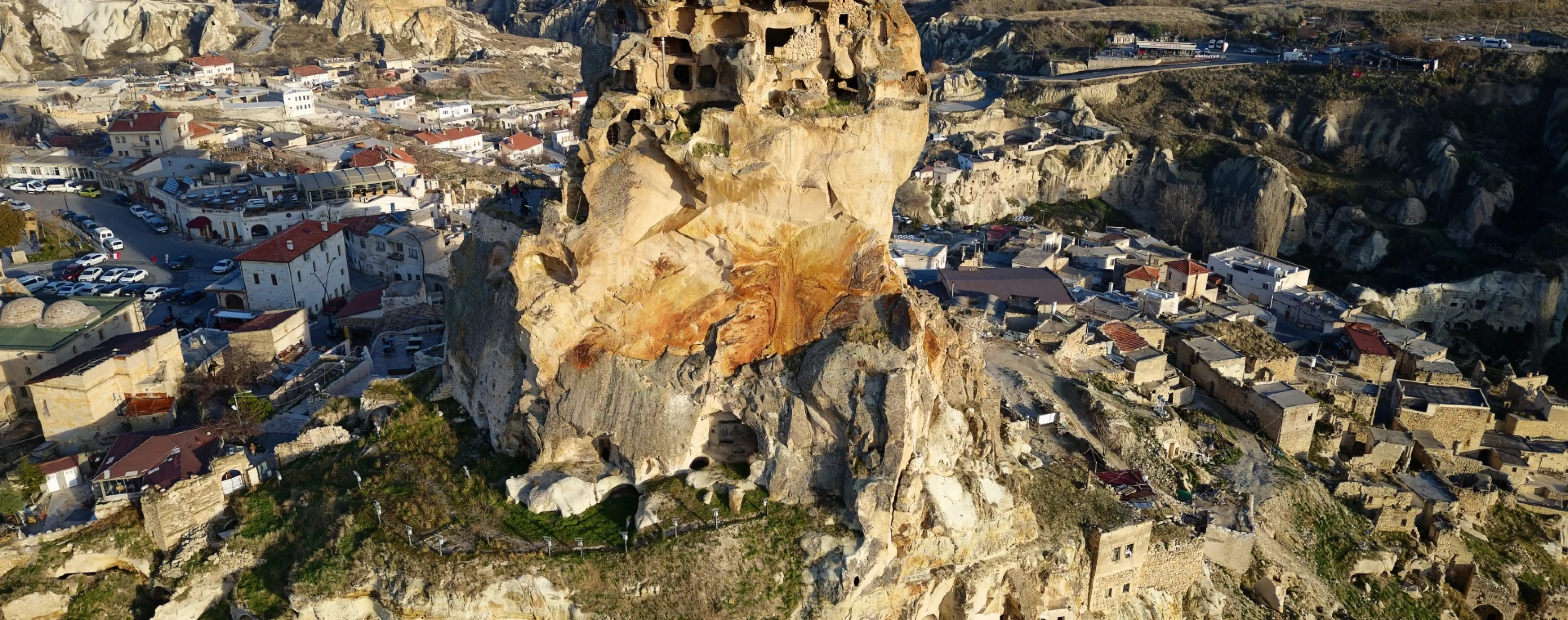
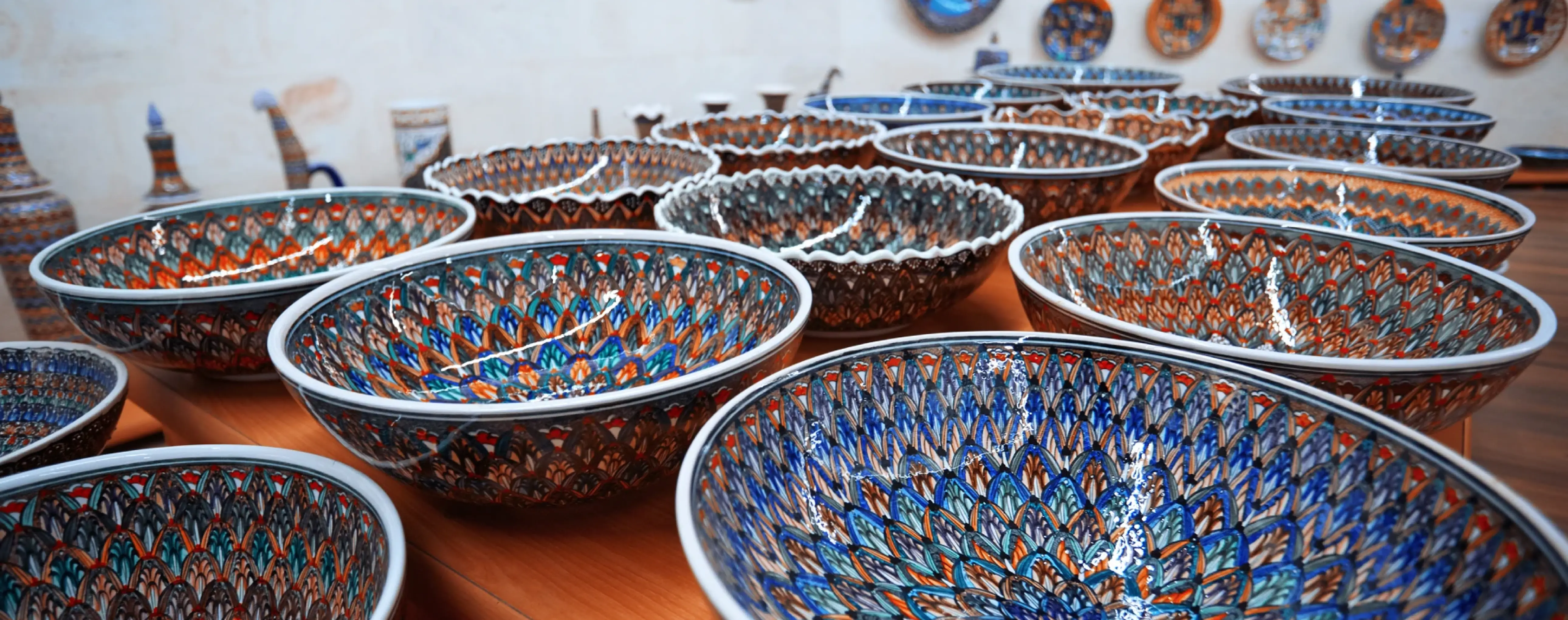
Tourism is centered on Goreme, Urgup, Uchisar, Avanos and the nearby valleys. Goreme is one of the main bases for reaching valleys and balloon areas, Uchisar is a key panoramic point, and Avanos is associated with pottery. Major sights are spread across several towns and valleys rather than gathered in one place. Nevsehir Kapadokya Airport and Kayseri Erkilet Airport are the main air gateways used by visitors. Because attractions are dispersed across the region, getting between the major sights often requires a car, taxi or organized tour.
Cappadocia has a continental climate. Spring and autumn are generally the most comfortable seasons for hiking and sightseeing. Summer is usually dry and hot during the day, while winter can bring snow and freezing temperatures. Midwinter is less suitable for visitors looking for easier conditions, and peak summer afternoons can be difficult because of heat and sun exposure.
Cappadocia on the map
Cappadocia: Attractions, interesting places for excursions
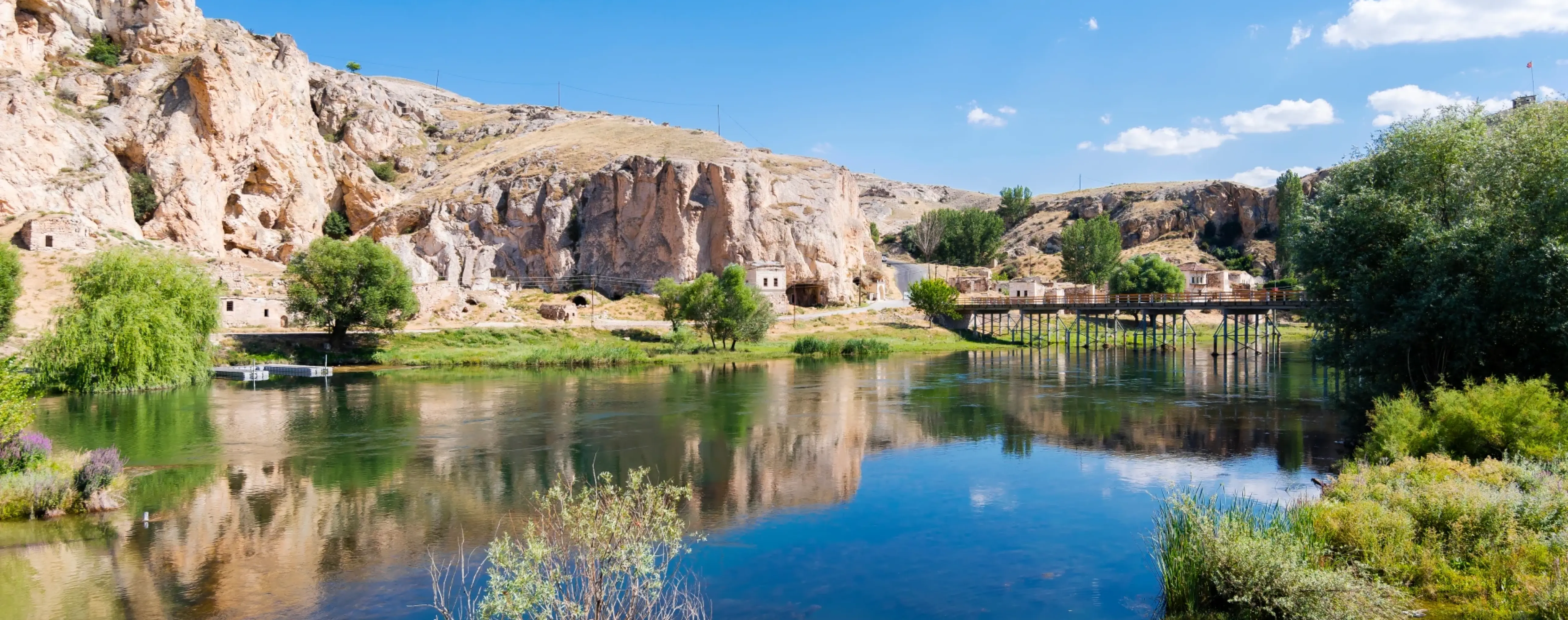
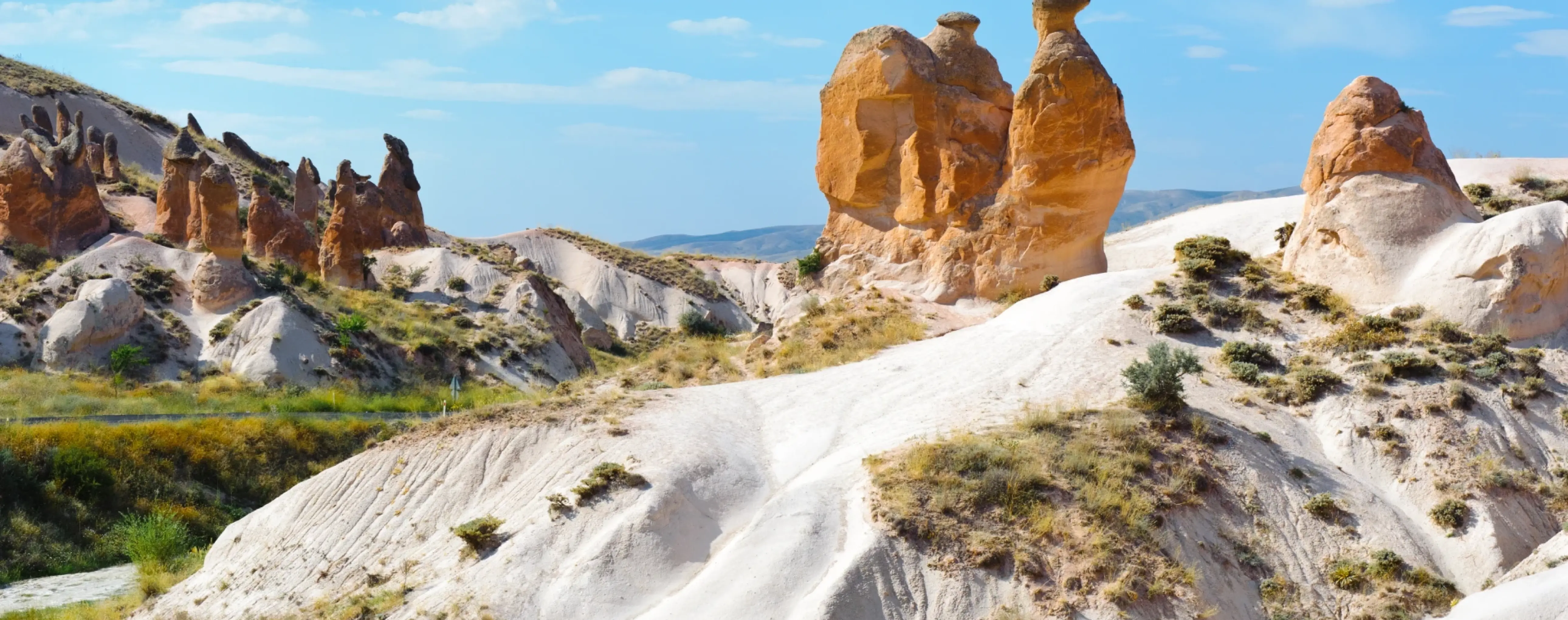
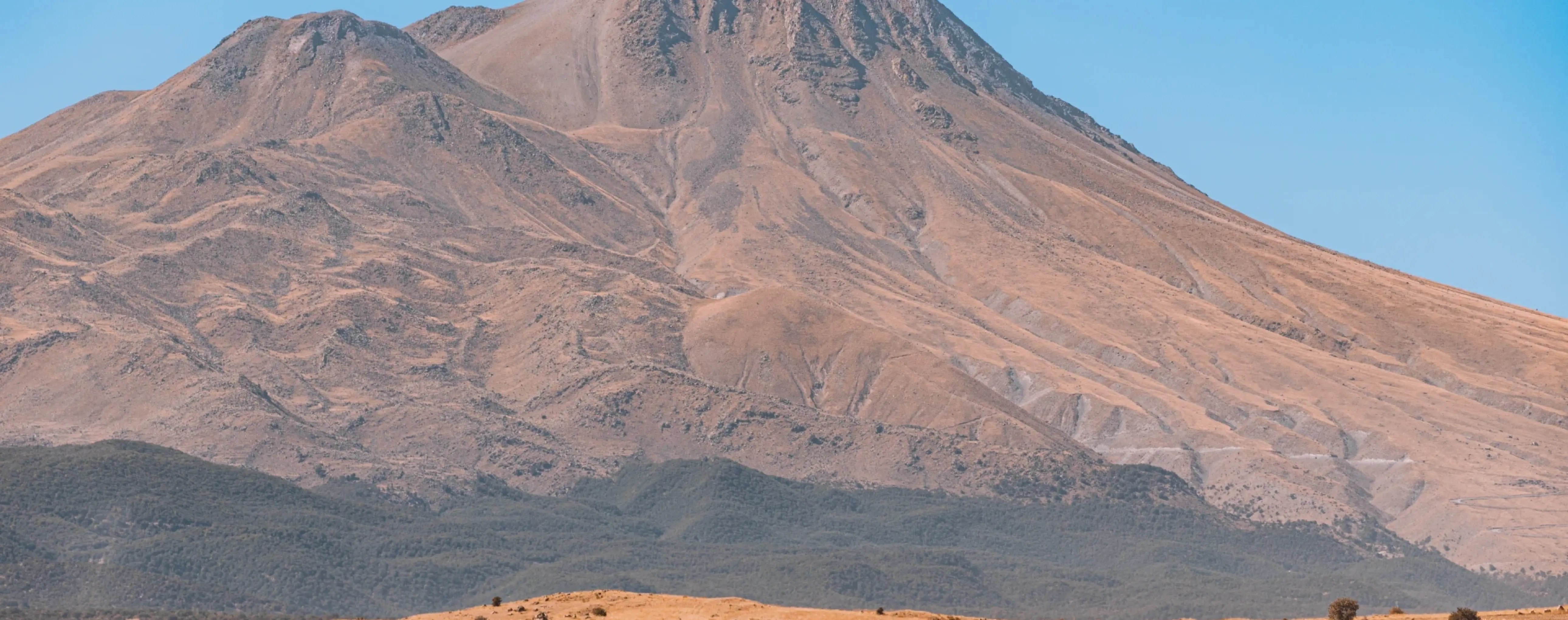
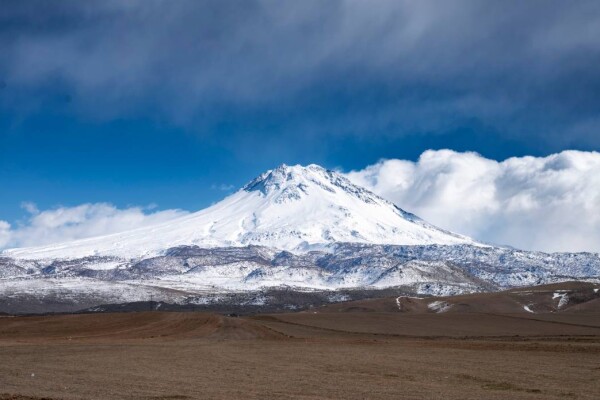
Saratli Underground City, Devrent Imagination Valley, Cappadocia Valley, Mount Hasan
Cappadocia: Popular Districts
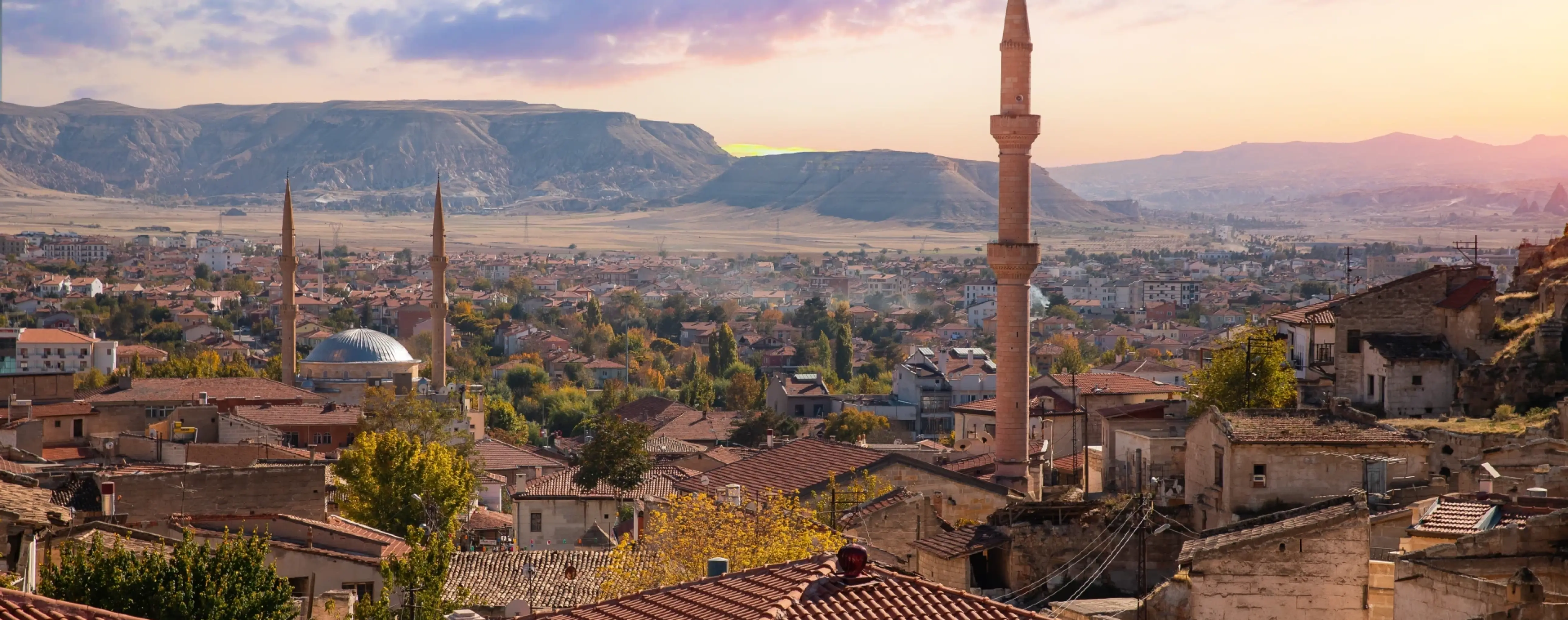
Goreme, Nevsehir, Kaymakli, Uchisar, Ortahisar
What to see in Cappadocia, from Goreme to Ihlara Valley
Fairy chimneys, cave churches, and sunrise balloons over quiet valleys
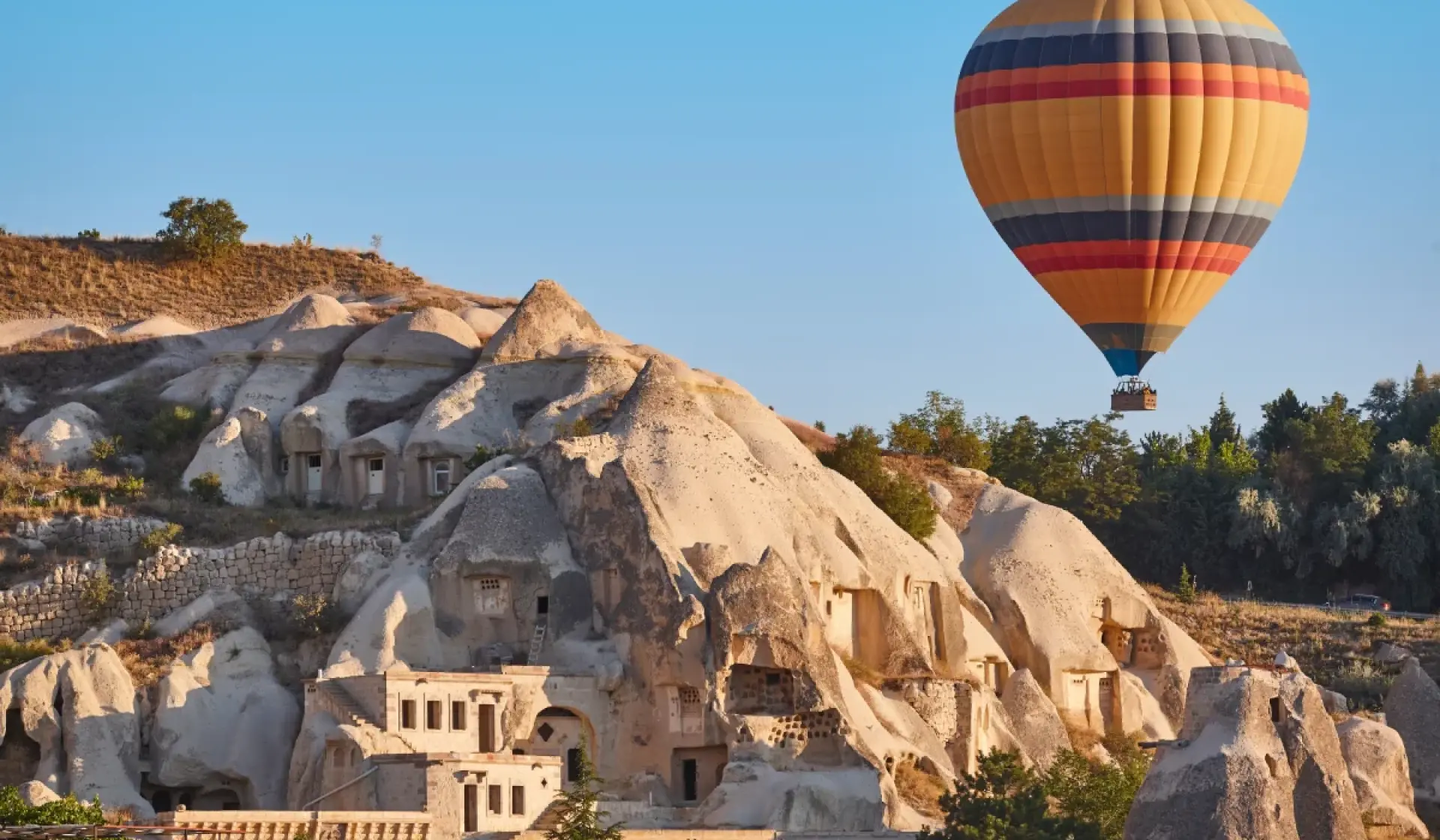
Rock-cut heritage from Goreme to Uchisar
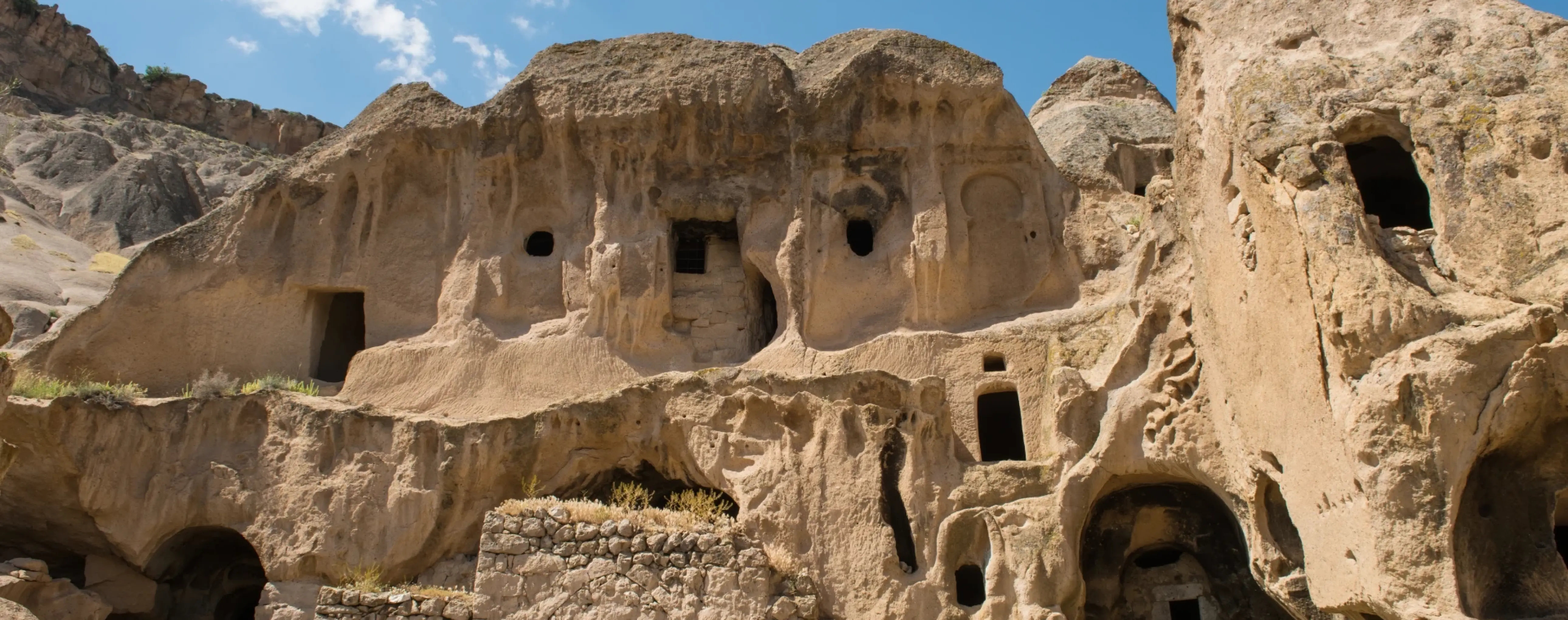
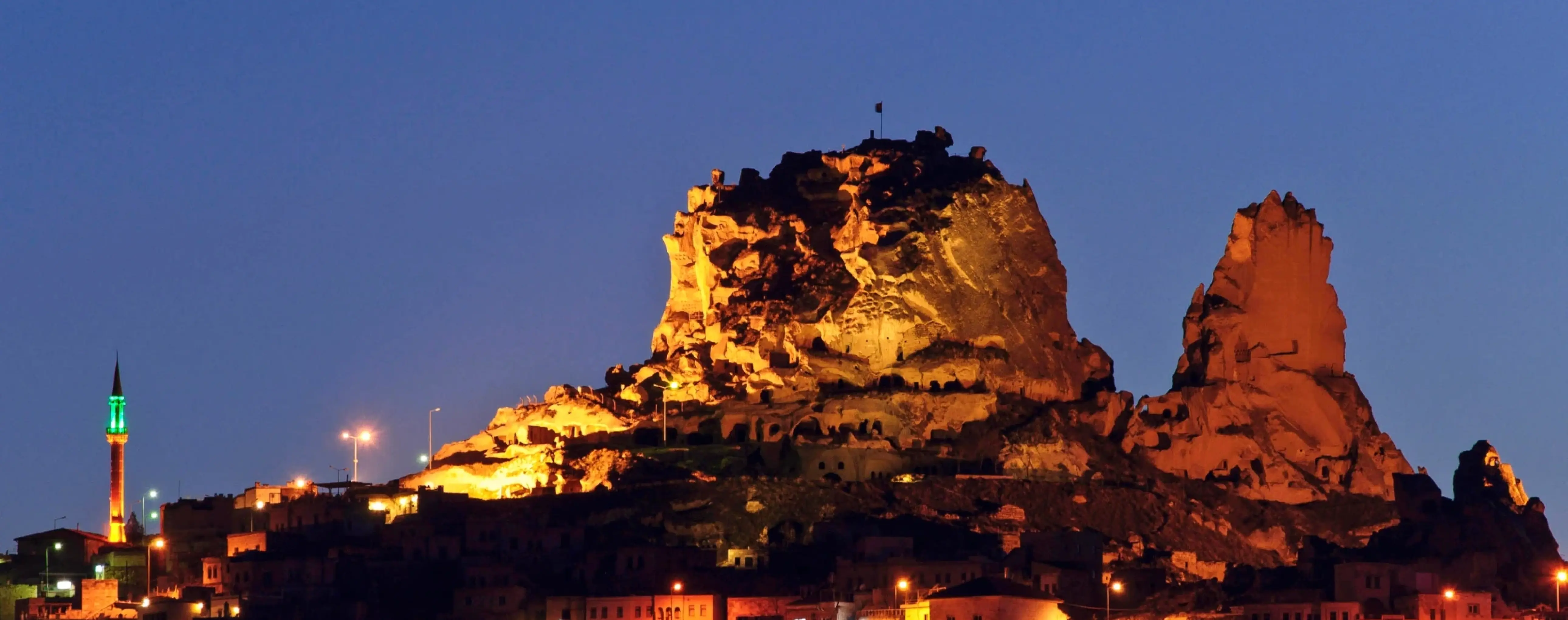
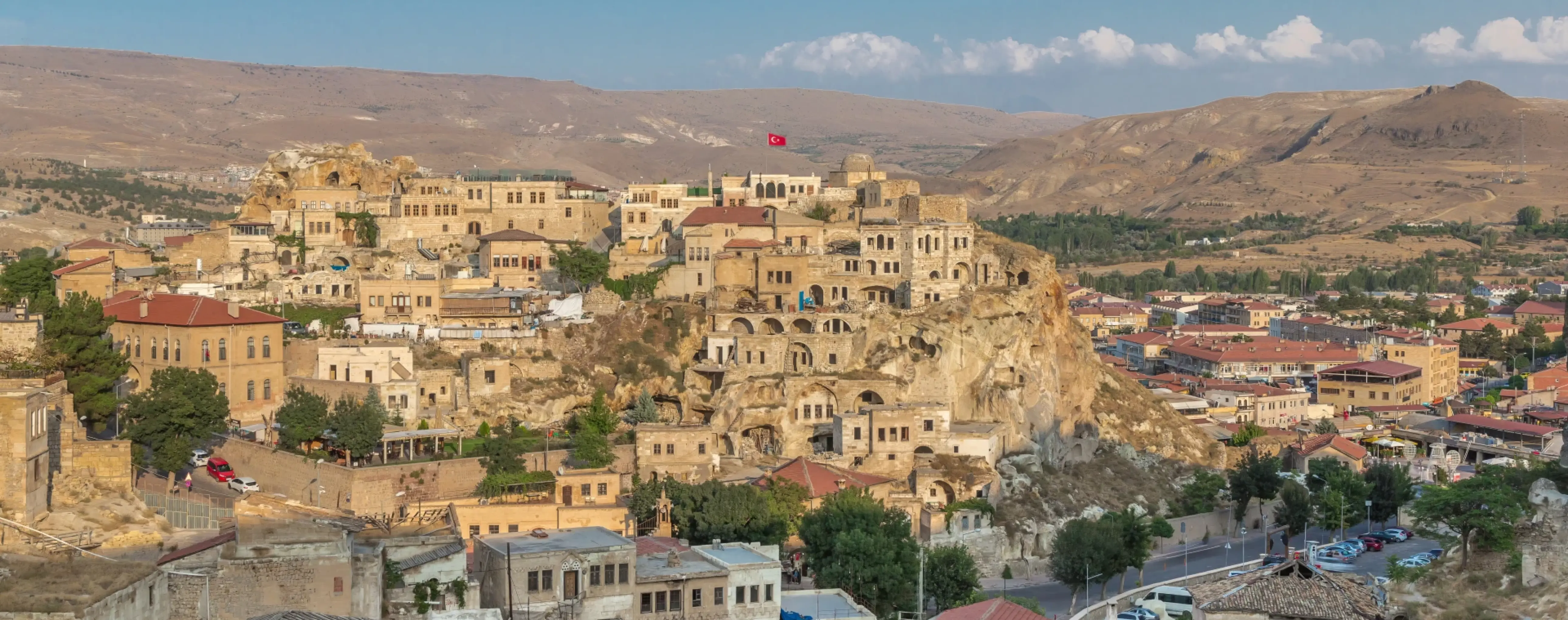
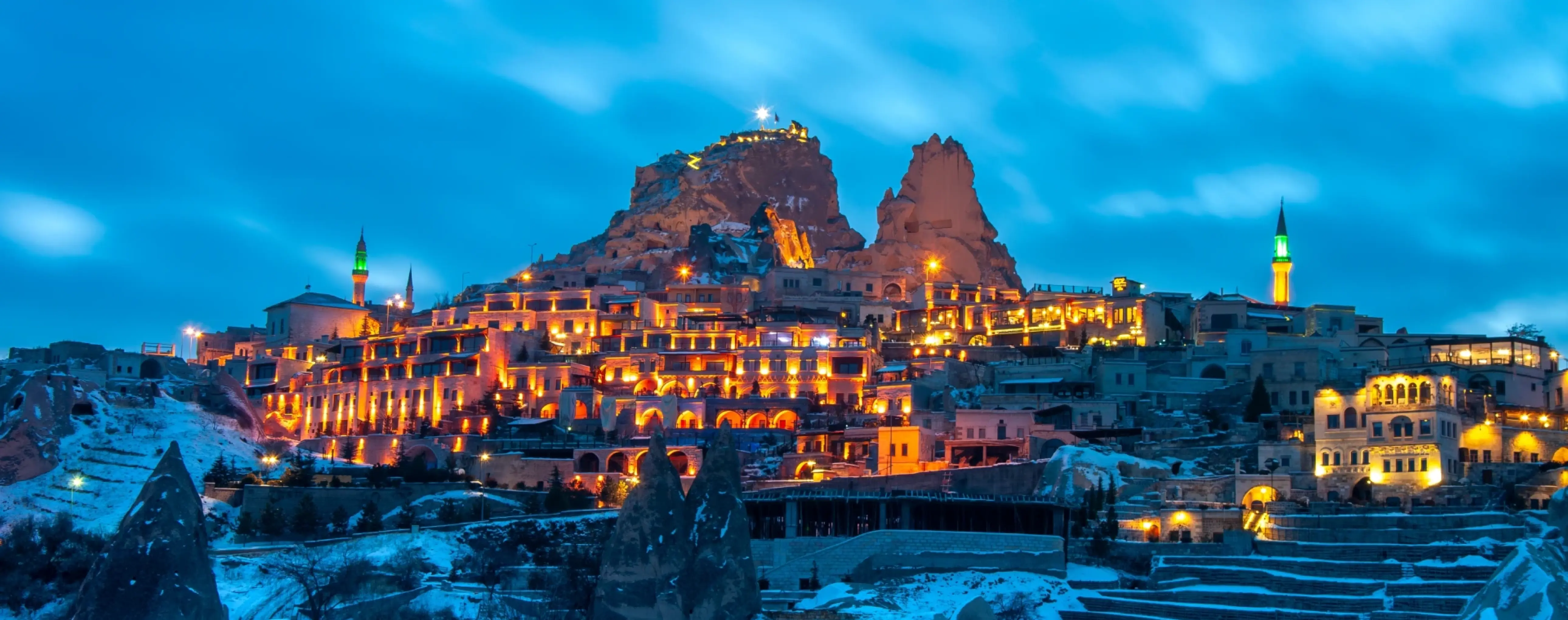
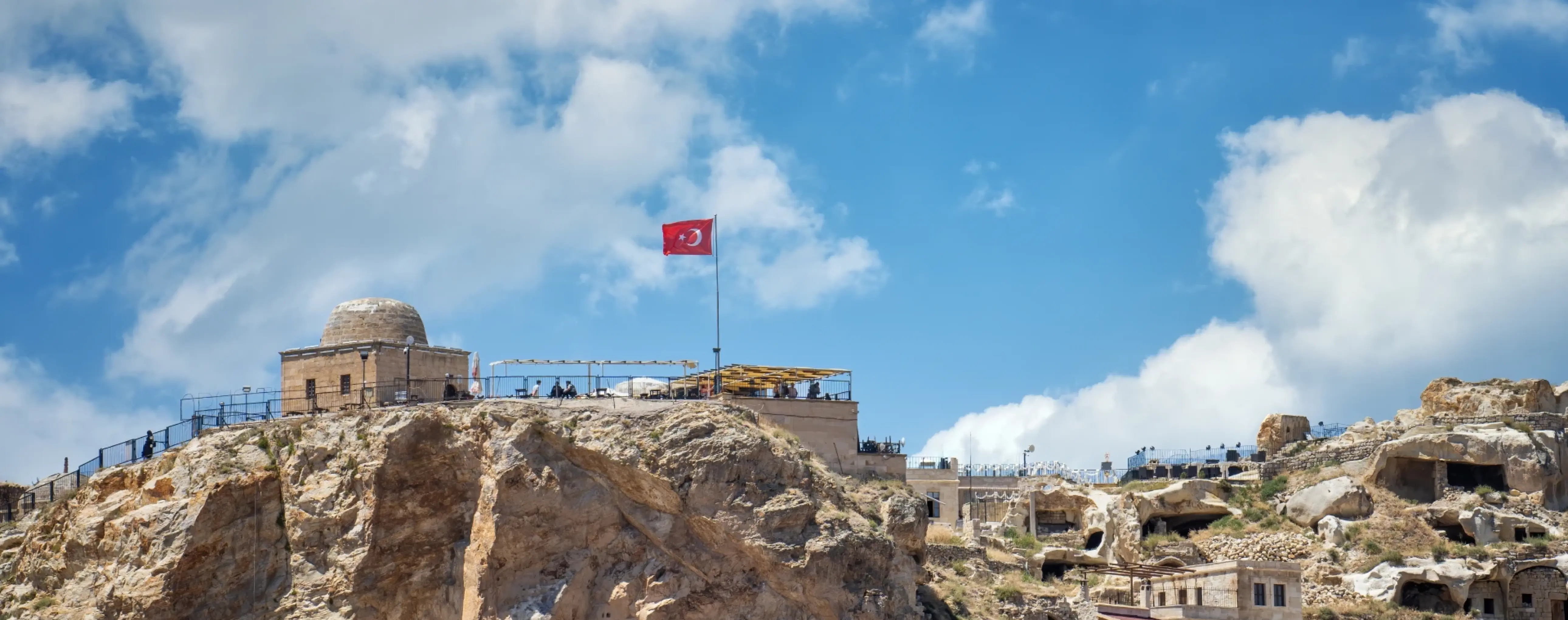
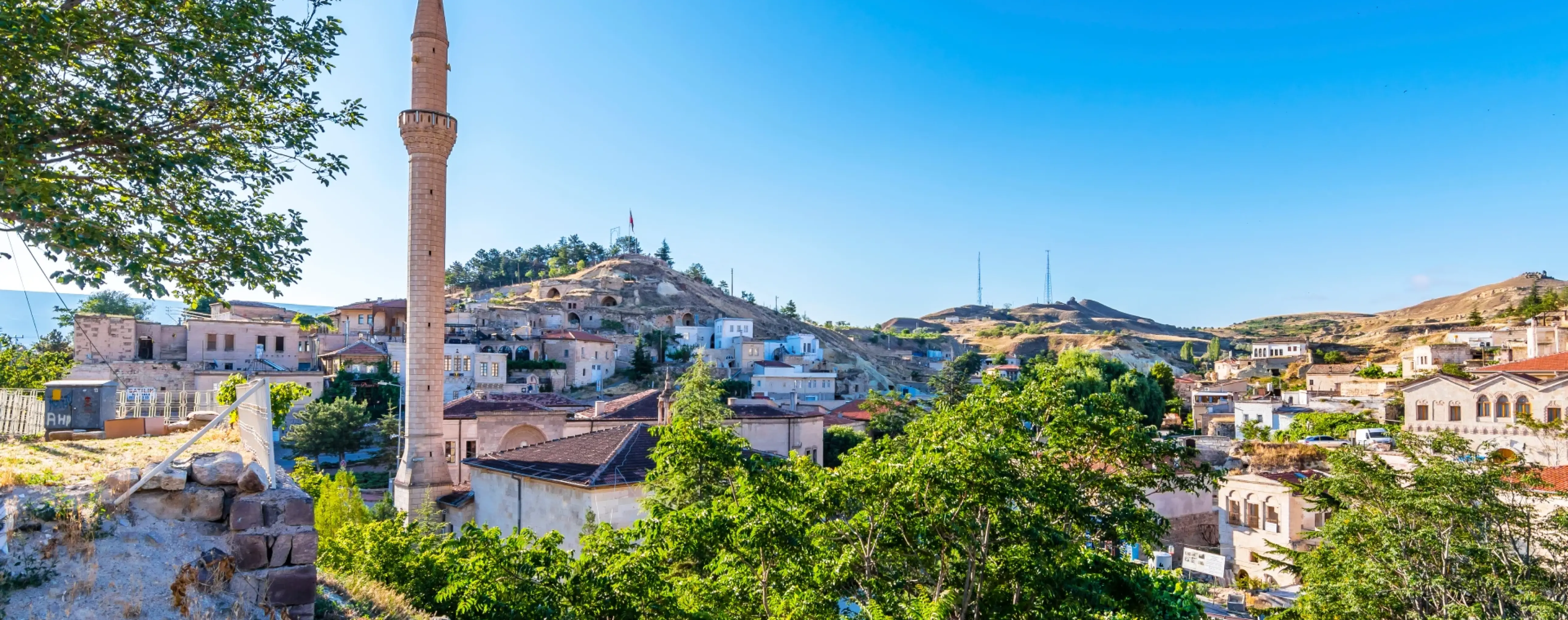
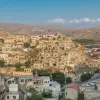
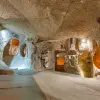
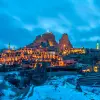
Across Cappadocia, travel unfolds through small towns and valleys marked by rock-cut dwellings, stone houses and volcanic formations. The core heritage sites include the Goreme Open Air Museum, where rock-cut churches, chapels and monasteries preserve Byzantine frescoes, as well as the wider early Christian monastic landscape of the region. Derinkuyu Underground City presents one of the deepest known underground settlements used for refuge and storage, Kaymakli Underground City is another major multi-level subterranean complex open to visitors, and Uchisar Castle stands out as a prominent rock citadel with wide views over the surrounding valleys.
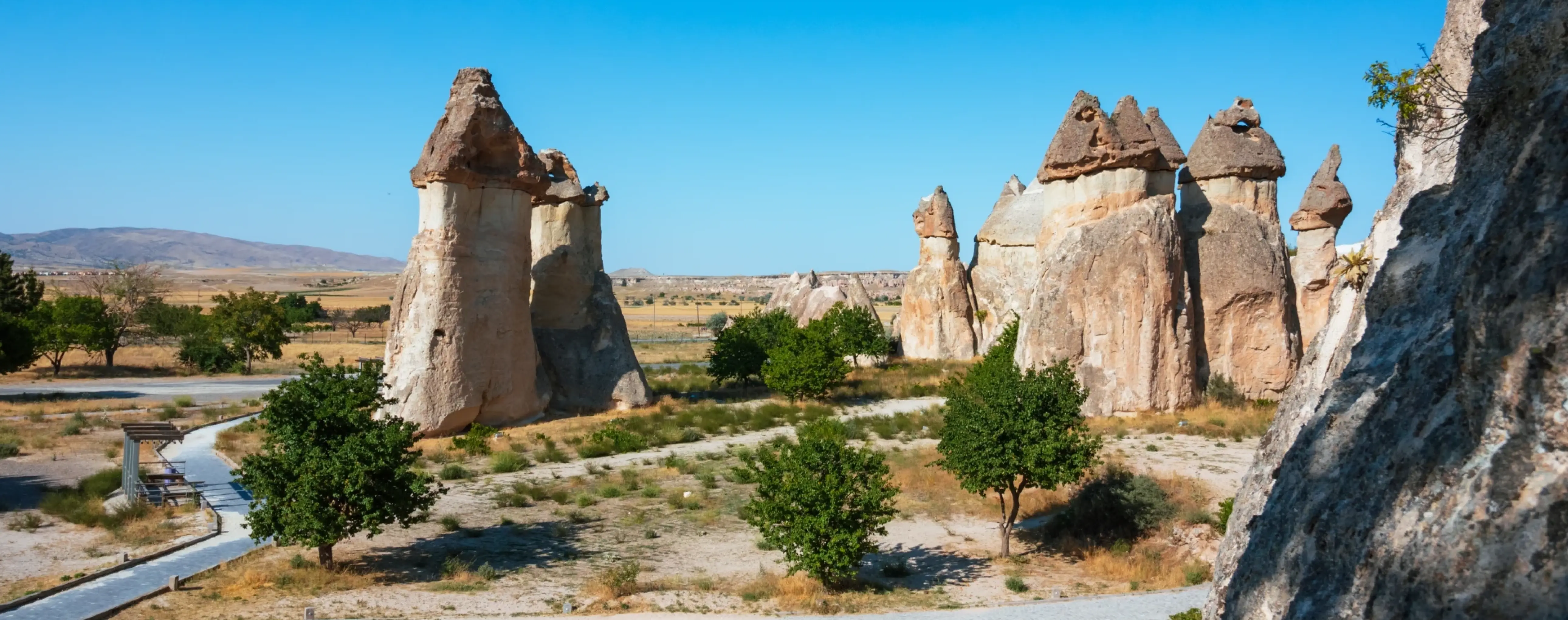
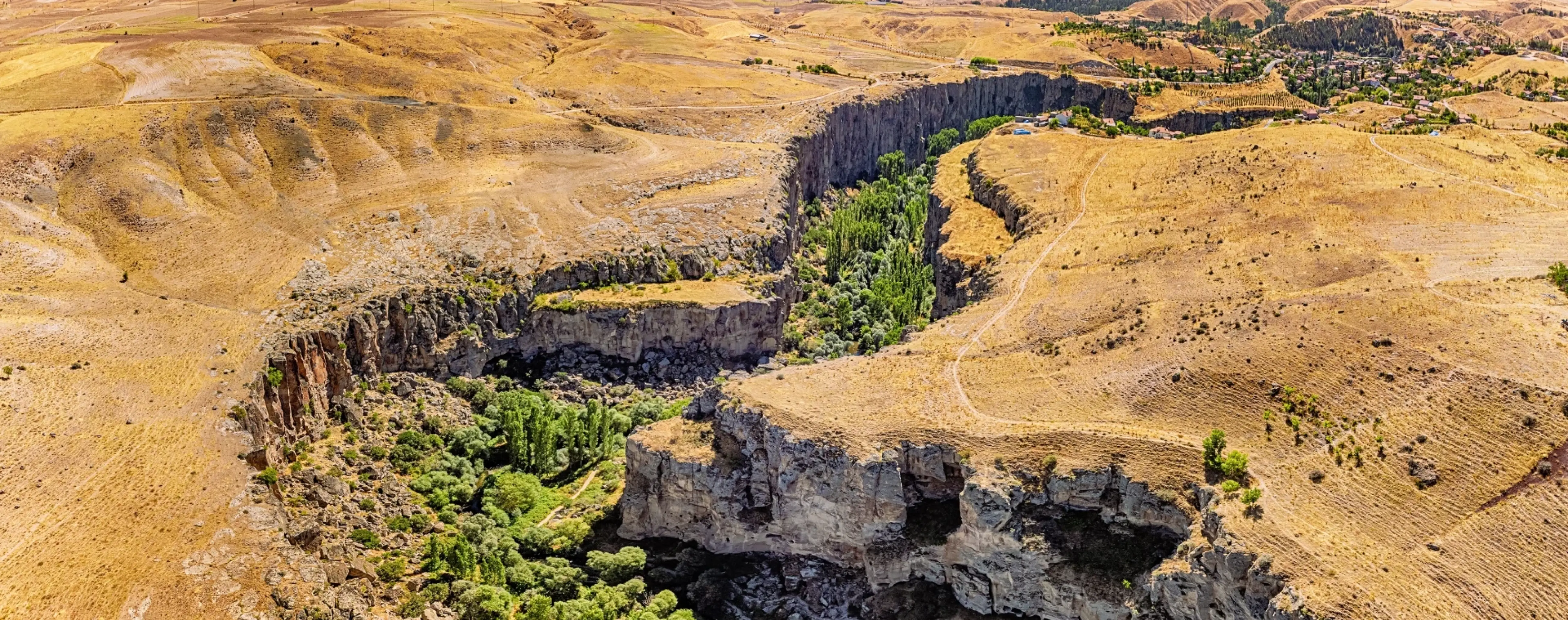
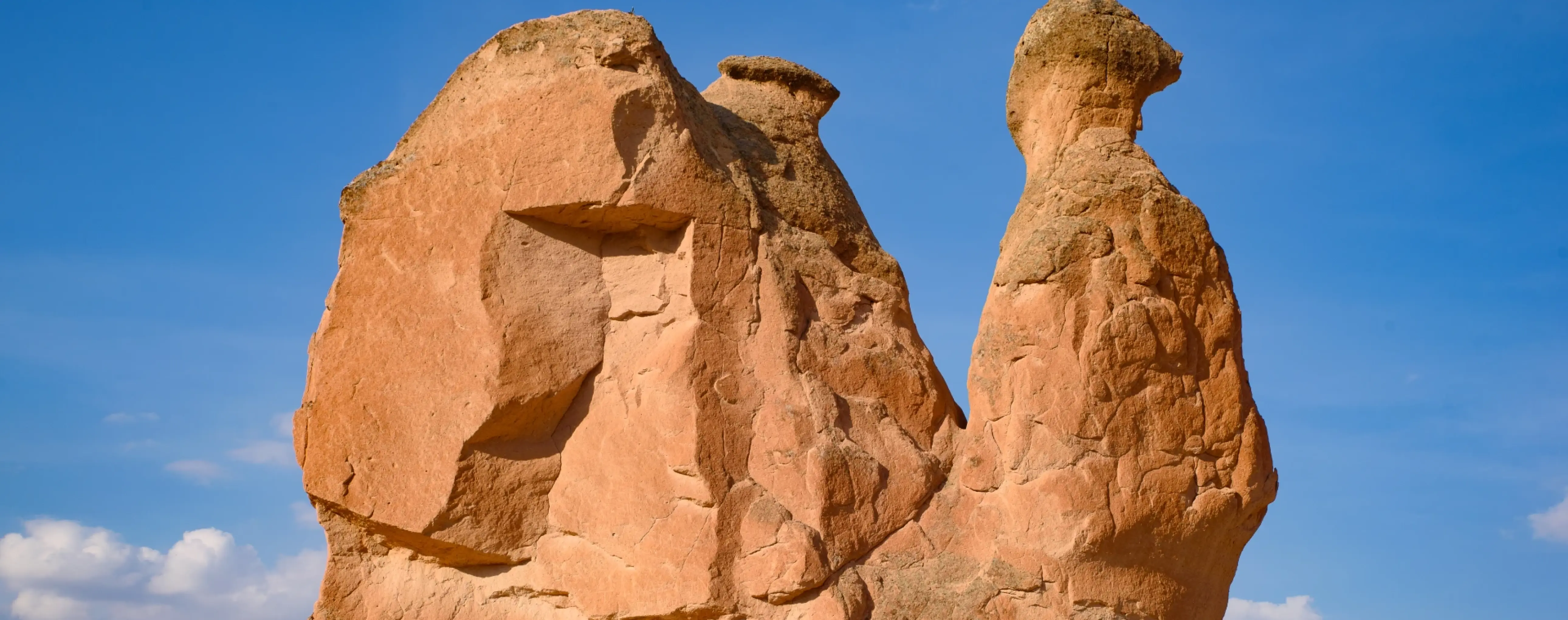
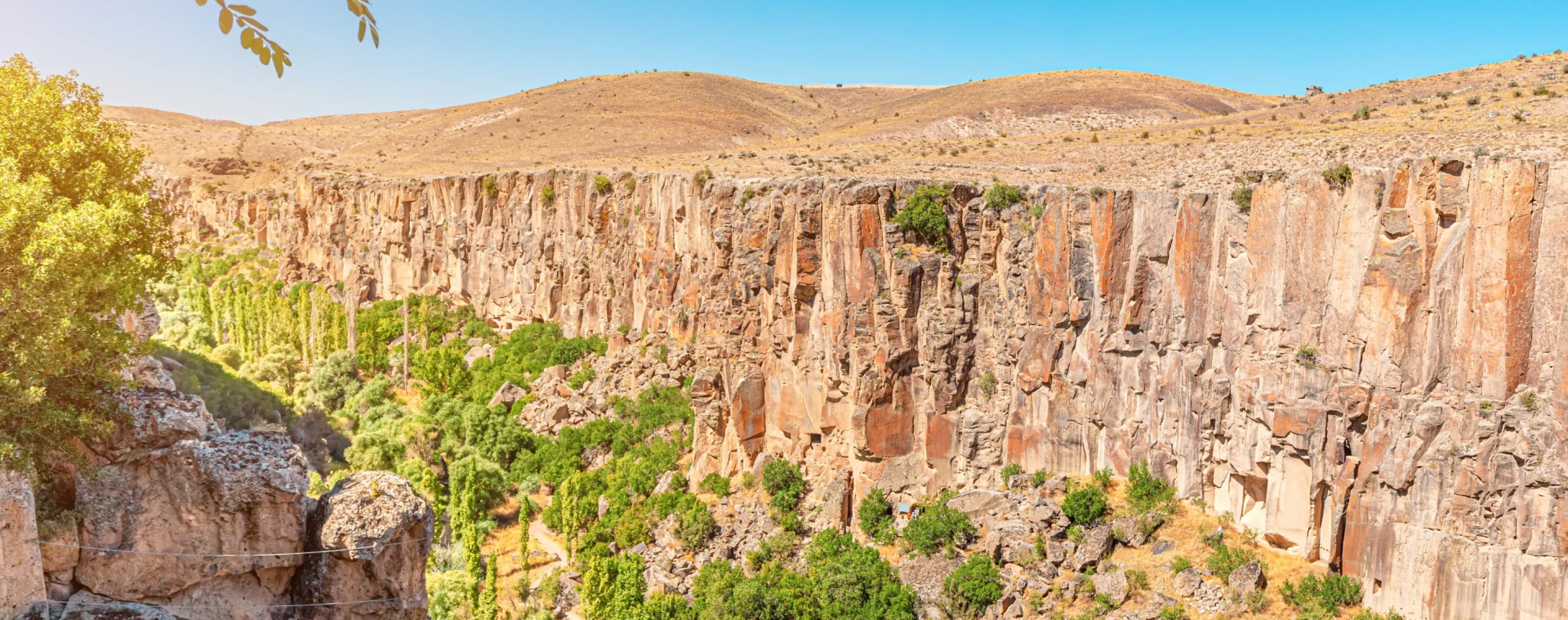
The Goreme Open Air Museum is the main museum site, containing rock-cut churches, chapels and monasteries with Byzantine frescoes. Natural scenery is equally central to the experience: Pasabag is one of the best known places to see tall multi-headed fairy chimneys, Devrent Valley is noted for animal-shaped rock formations, and Ihlara Valley offers a river gorge walk with rock-cut churches. Goreme National Park and the Rock Sites of Cappadocia are UNESCO-listed, and these landscapes remain among the principal places to visit in the region.
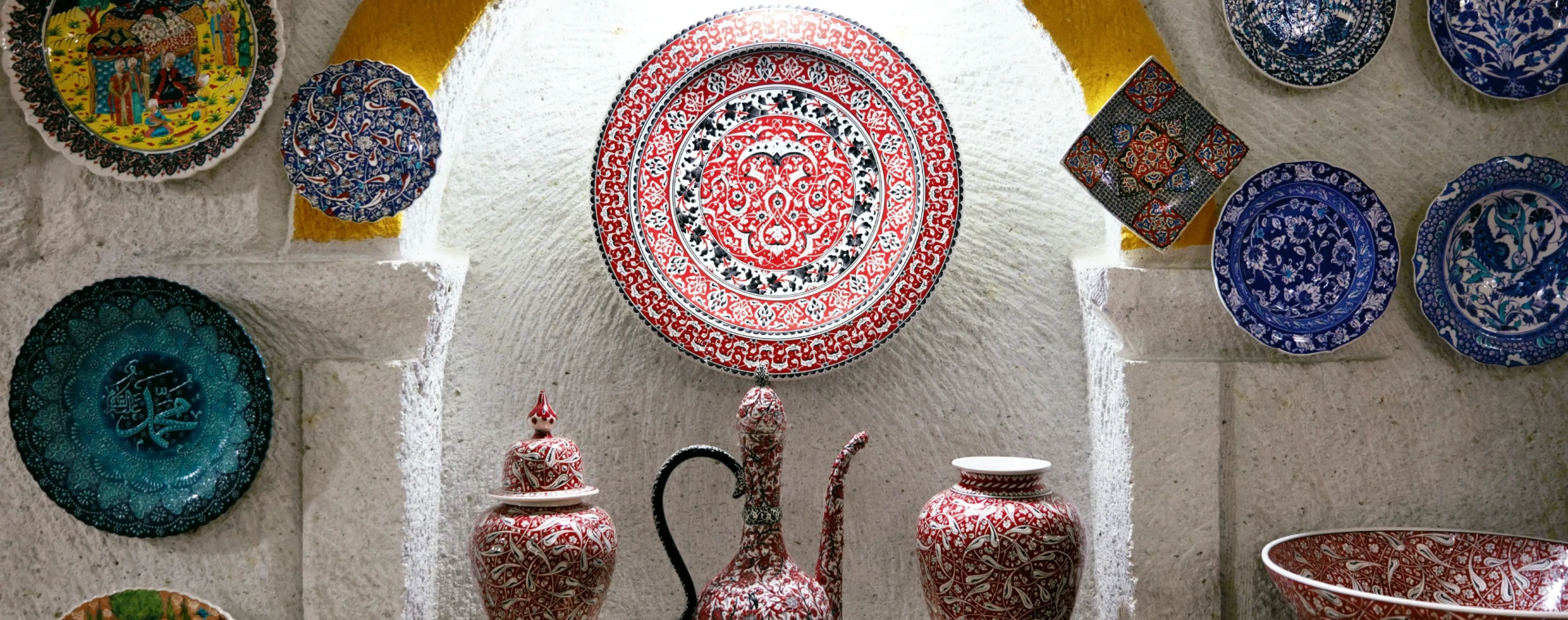
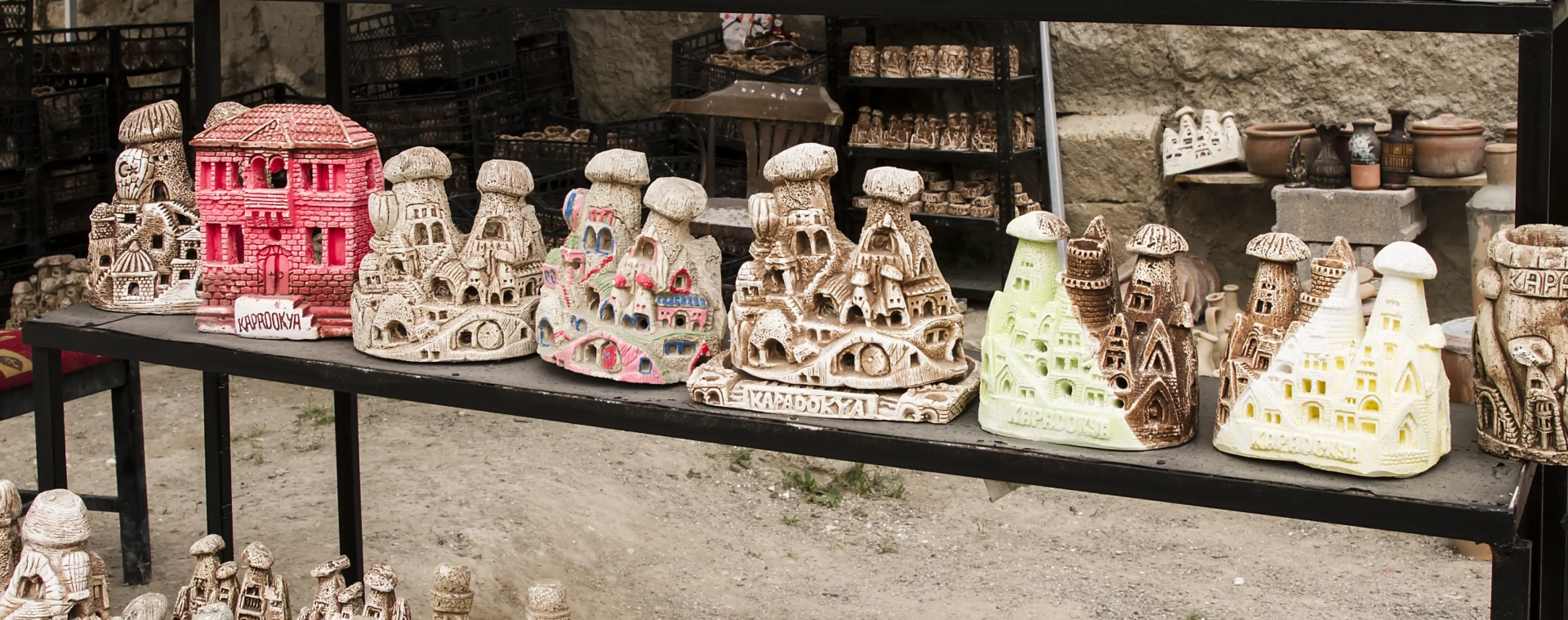
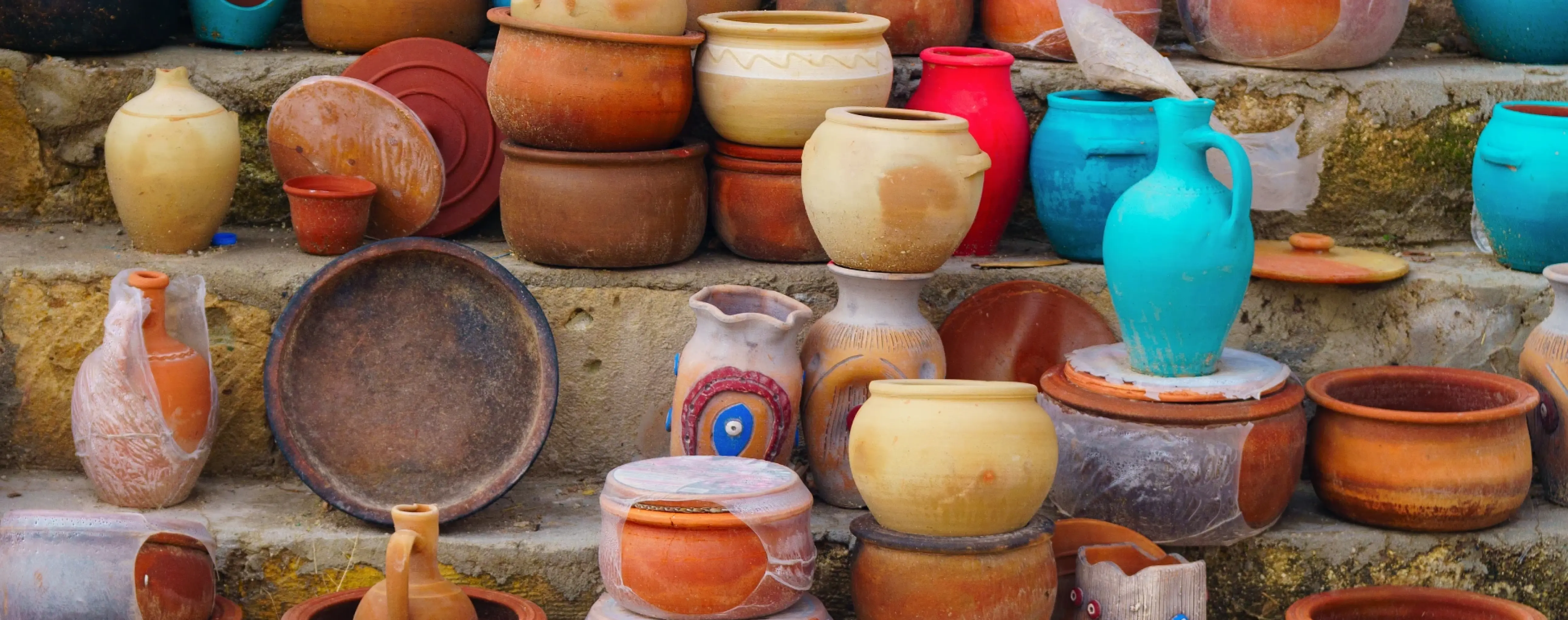
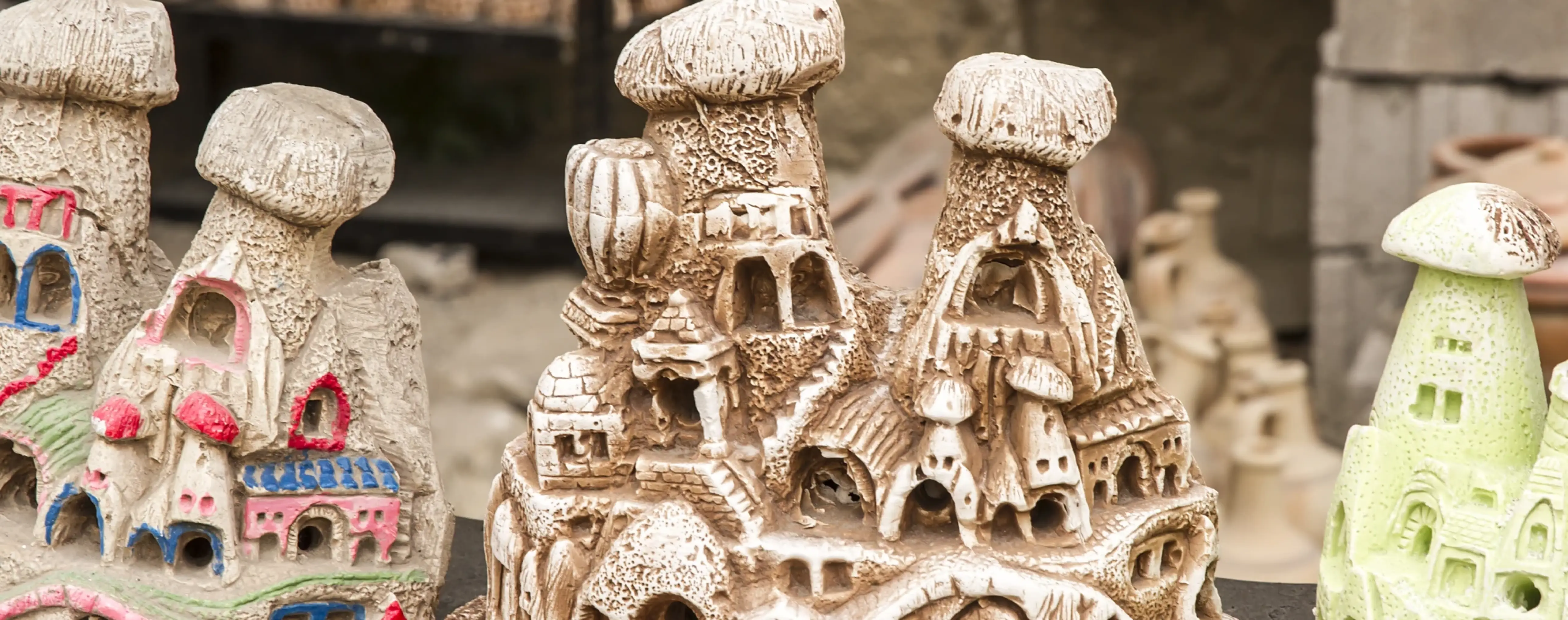
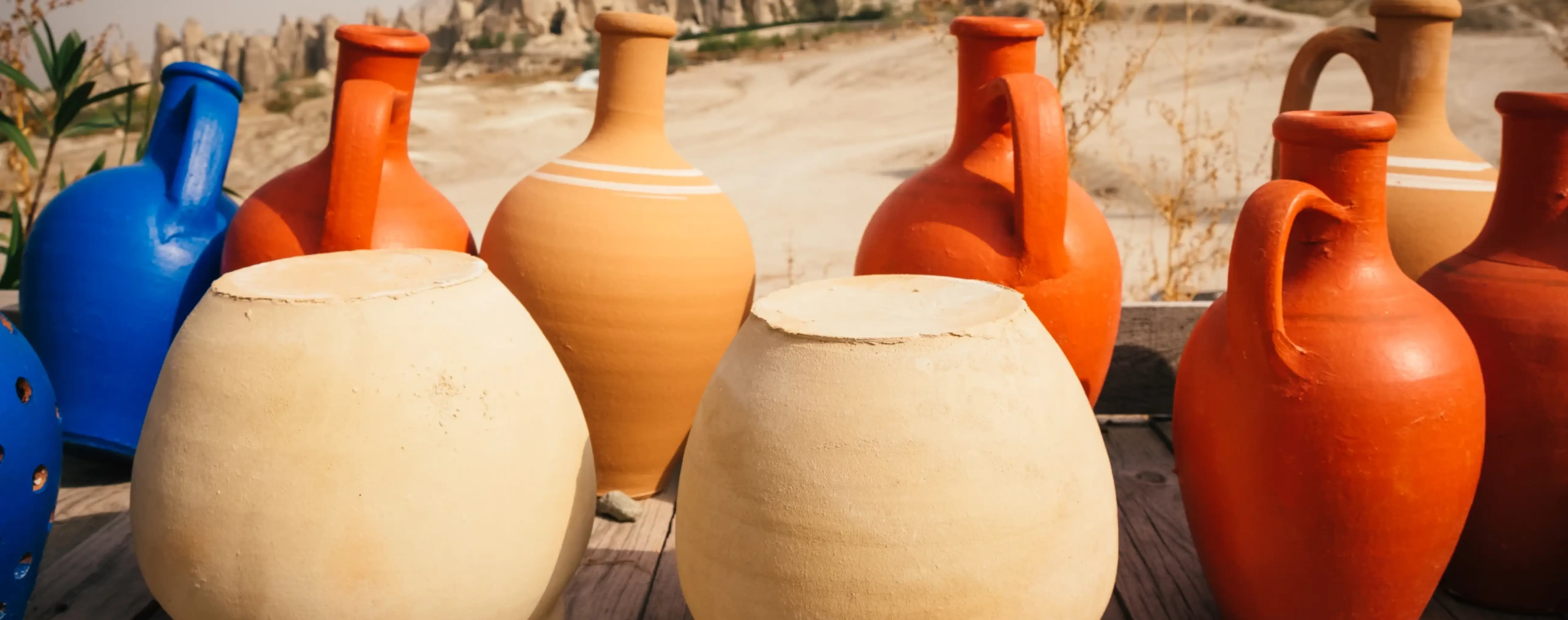
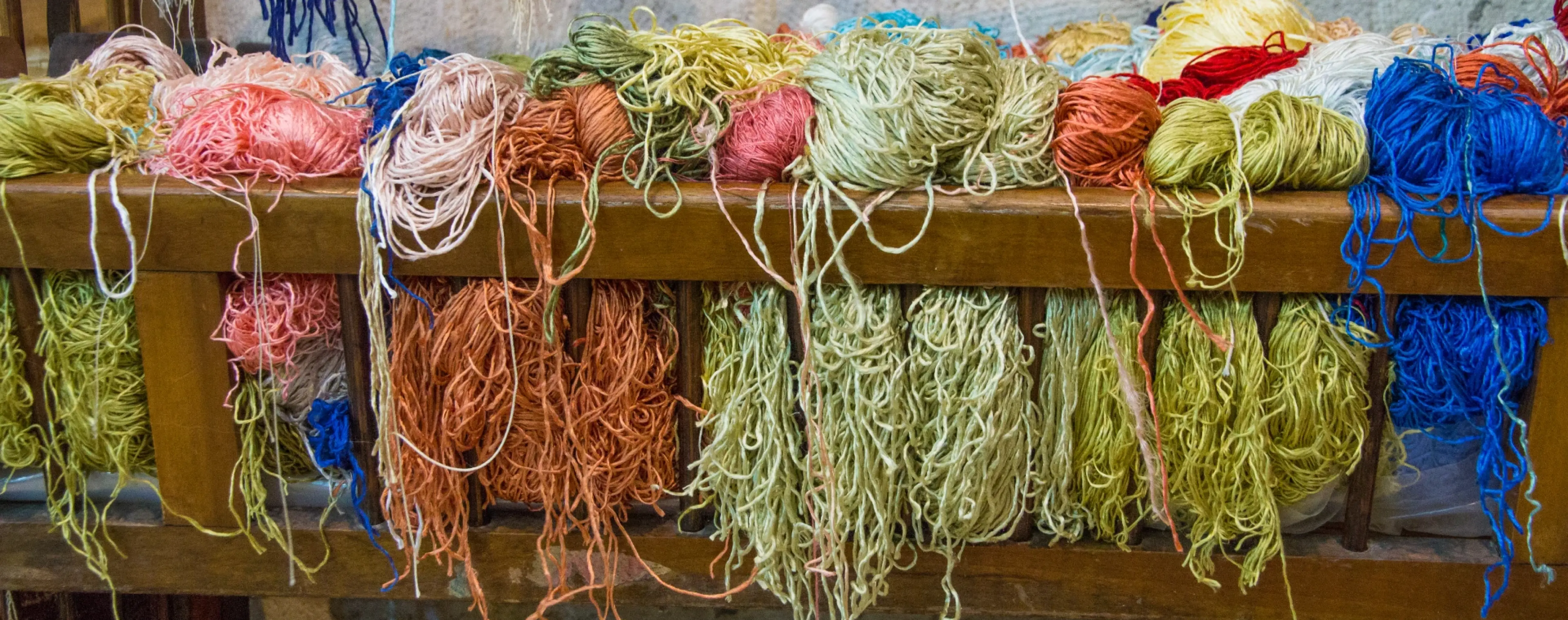
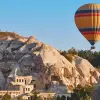
Beyond monument visits, visitors take sunrise hot air balloon flights, watch balloon launches over Goreme and nearby valleys, explore underground cities and join walks in Ihlara Valley. Avanos is associated with pottery making supported by local clay from the Kizilirmak River, so pottery-related visits are among the practical things to do in the region. Cave hotels created from restored rock-cut dwellings and stone houses are a distinctive accommodation choice, and Testi kebabi, a meat stew cooked in a sealed clay pot, is one of the best known regional dishes served to visitors.
City Details
City overview – facts & data for travelers
Major international airports – full list
Best tours and travel experiences across the continent
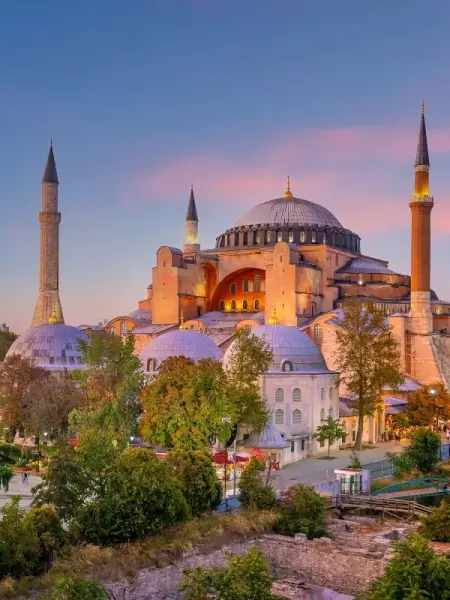
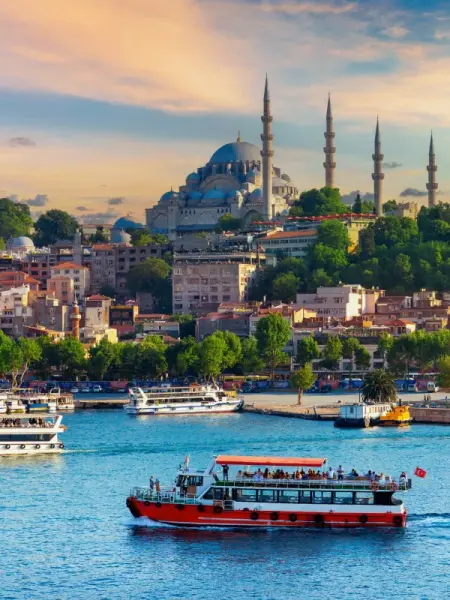
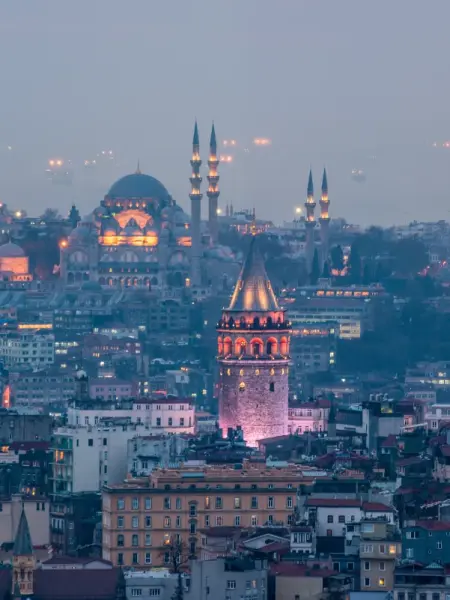
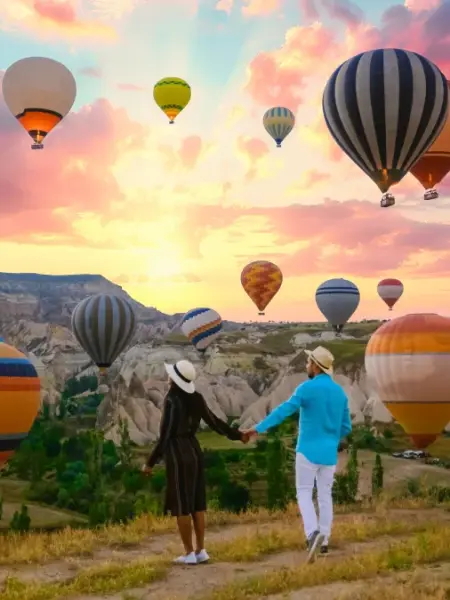

Cappadocia views
Guided tours, popular attractions, and top-rated hotels across the continent