

Green Mosque
Green Mosque in Bursa, Turkey - a monument of early Ottoman architecture
The Green Mosque is located in the Yesil district, east of the center of Bursa, and is considered one of the most notable monuments of early Ottoman architecture in the city. It is part of the Green Complex, which also includes the Green Tomb, a madrasa, and a former imaret. For tourists, it is one of the key places to see how the architectural image of the early Ottoman period was formed.
The mosque was built in the early 15th century by order of Sultan Mehmed I, during the period of state reconstruction after internal conflicts. The name of Haci Ivaz Pasha is associated with it, as he is traditionally regarded as the chief master or supervisor of the construction. The building occupies an important place in the history of Bursa as a former Ottoman capital and reflects the high level of court architecture of that time.
A distinctive feature of the mosque is the layout of the so-called Bursa type, with a composition in the shape of an inverted T. On the outside, the ceremonial marble portal with fine carving stands out, while inside, the green and turquoise tiles that gave the mosque its name attract attention. The interior is also known for its calligraphic inscriptions, decorative finishes, and thoughtful organization of the internal space.
Over the centuries, the mosque was repeatedly restored after earthquakes, including after the strong earthquake of the 19th century. Today it is an active mosque and an important historical monument of Bursa, usually visited together with the other buildings of the Green Complex. The site is especially interesting for those who want to see not just a single mosque, but a complete architectural ensemble from the early Ottoman period.
Green Mosque on the map
Bursa, Iznik: Mosques
Bayezid Mosque, Yesil Mosque in Iznik, Grand Mosque, Emir Sultan Mosque
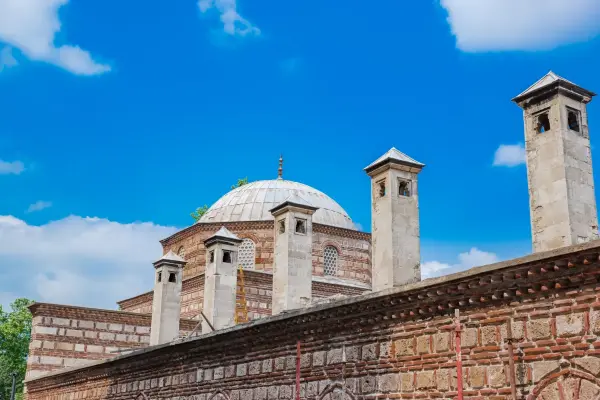
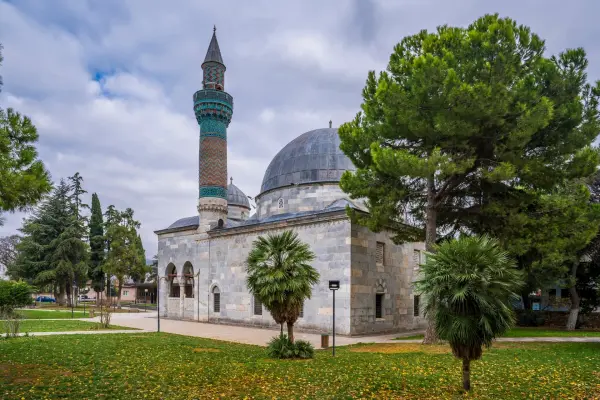
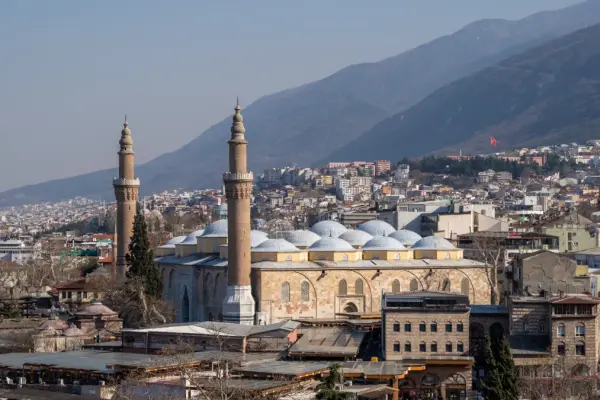
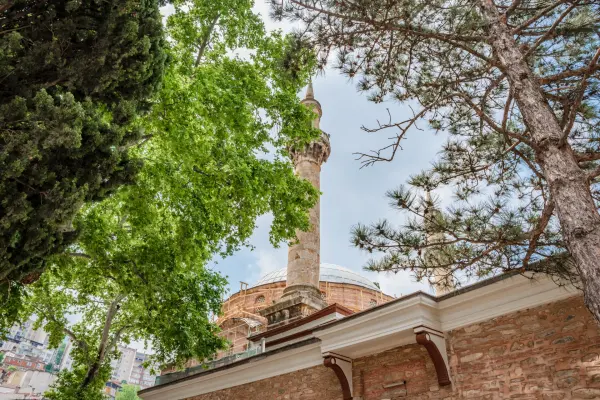
Green Mosque: interior, architecture, and visitor tips
You can see the Bursa-type layout and the decoration of green tiles.
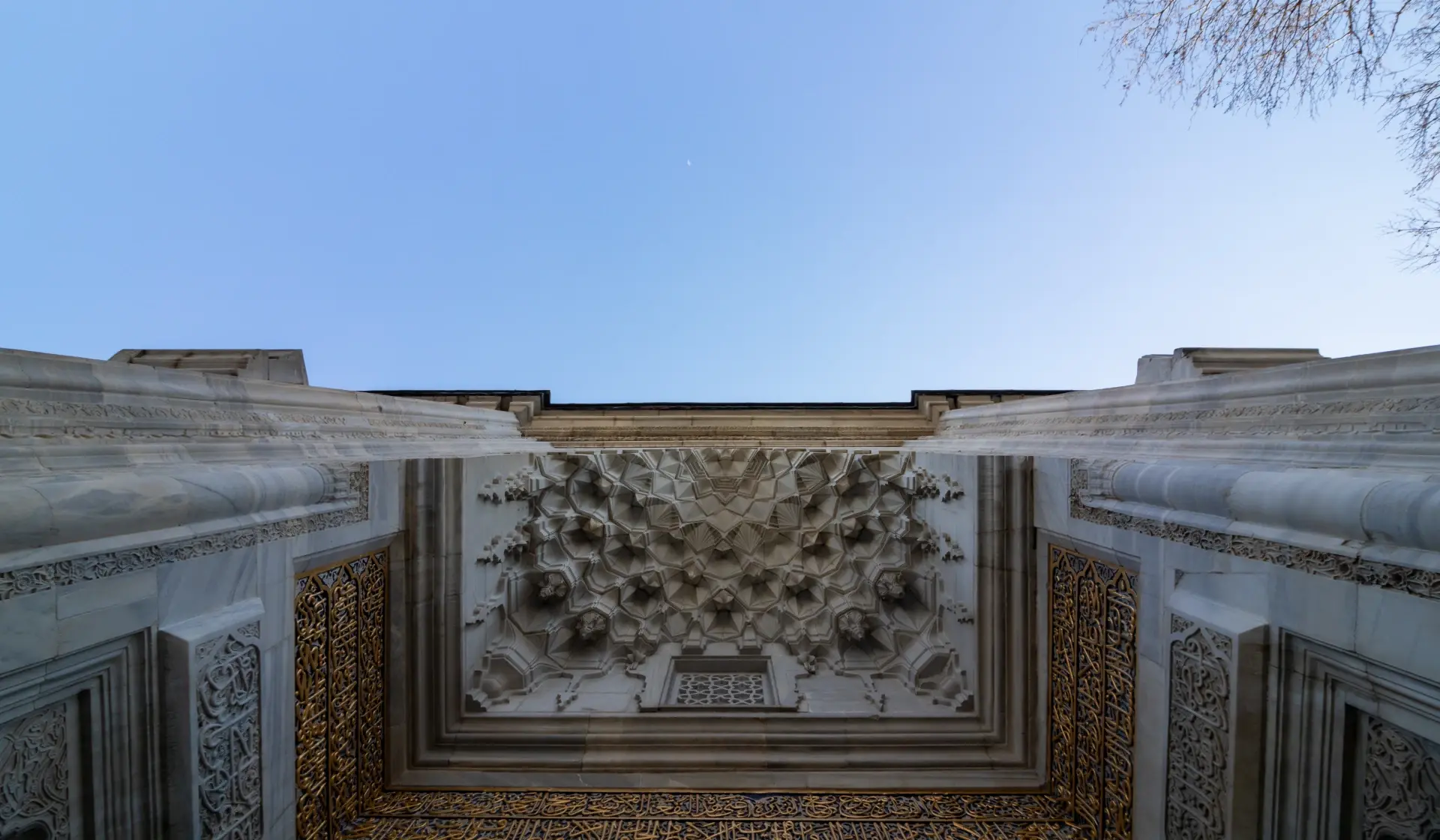
Tiled interior and early Ottoman 15th-century layout
The main reason visitors come here is the interior lined with green, turquoise, and blue tiles, which are especially visible in the central halls and on the decorative elements. Inside, it is worth paying attention to the mihrab, the calligraphic inscriptions, the carved stone decoration, and the transitions between spaces characteristic of early Ottoman mosques. The space is organized to combine a ceremonial entrance, prayer halls, and more intimate areas.
When visiting, keep in mind that the mosque remains active, so access for tourists may be restricted during prayer times. Visitors usually explore the building at a calm pace, paying attention to the details of the decoration and the inner courtyard in front of the entrance. Clothing should comply with the rules for visiting a religious site, and quiet behavior is expected inside.
The Green Tomb and other buildings of the Green Complex are located very close by, so the walk can easily be combined into a single route. From the historic center of Bursa, you can get here by public transport or taxi in a short time, and many visitors cover part of the route on foot while exploring the city's old quarters.
Best tours and travel experiences across the continent

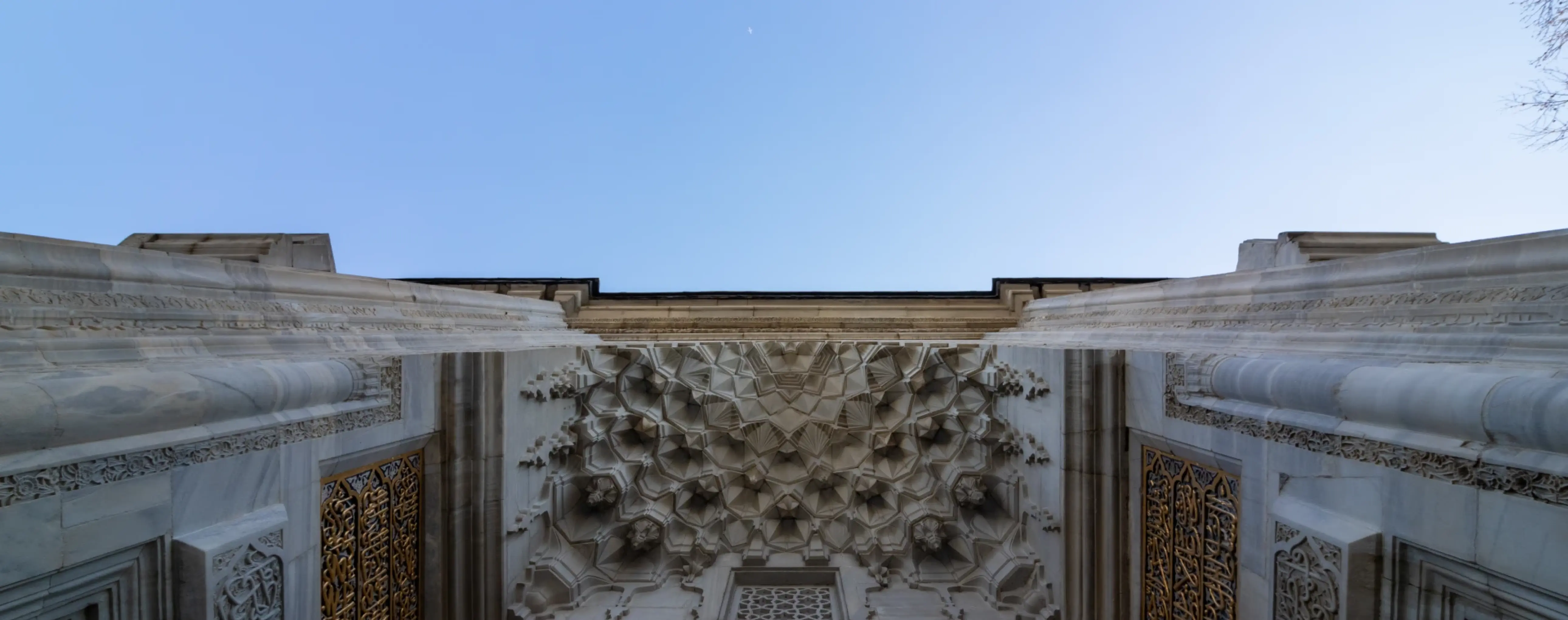
Photos of the Green Mosque
Guided tours, popular attractions, and top-rated hotels across the continent


