
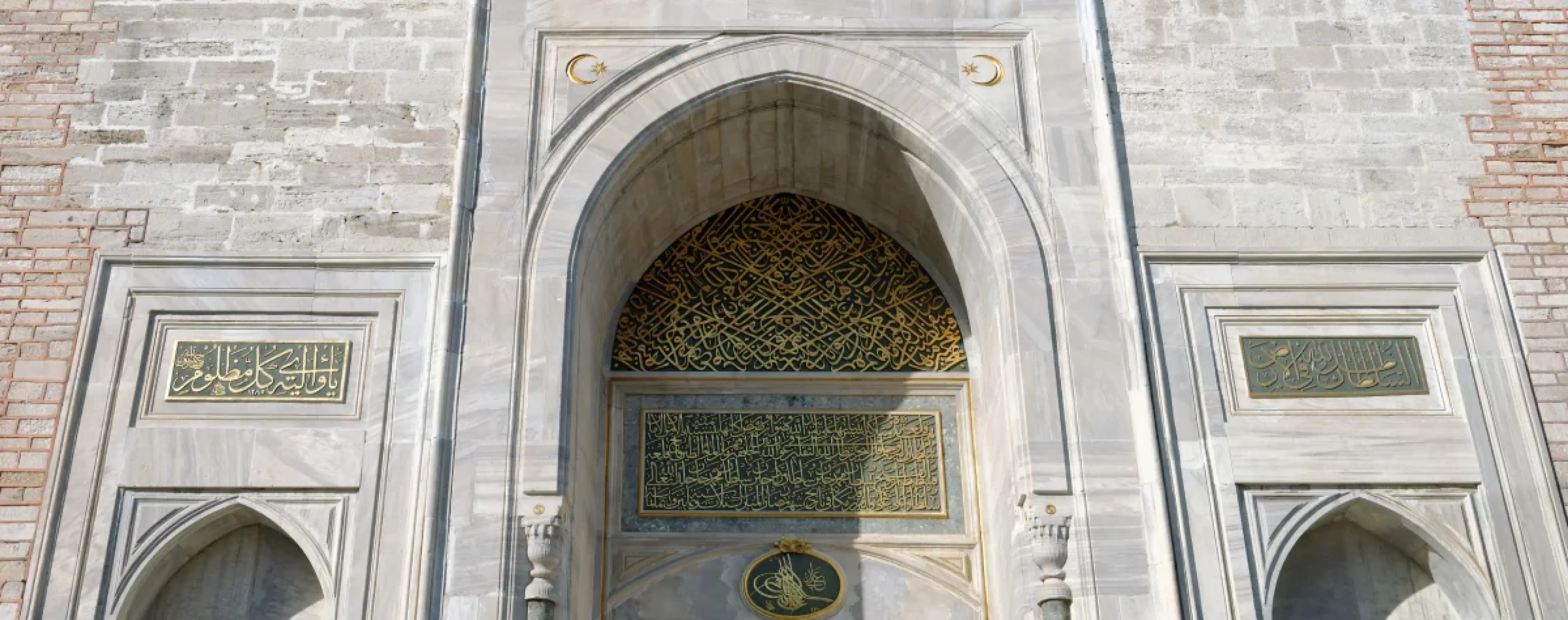
Imperial Gate of Topkapi Palace
Imperial Gate of Topkapi Palace in Sultanahmet, Istanbul
The Imperial Gate of Topkapi Palace is located in the historic center of Istanbul, in the Sultanahmet district, at the entrance to the grounds of the former sultan's residence. It is the main ceremonial entrance to the palace complex from the side of the first courtyard. The route into the administrative and ceremonial space of the Ottoman Empire began here, so the gate had not only practical but also symbolic significance.
The structure was built shortly after the conquest of Constantinople under Sultan Mehmed II, when the new palace ensemble was being formed. Later, the gate was repeatedly renovated, and its appearance changed over the course of restorations. Today, the building combines features of the early Ottoman period and later alterations, visible in the facade decoration.
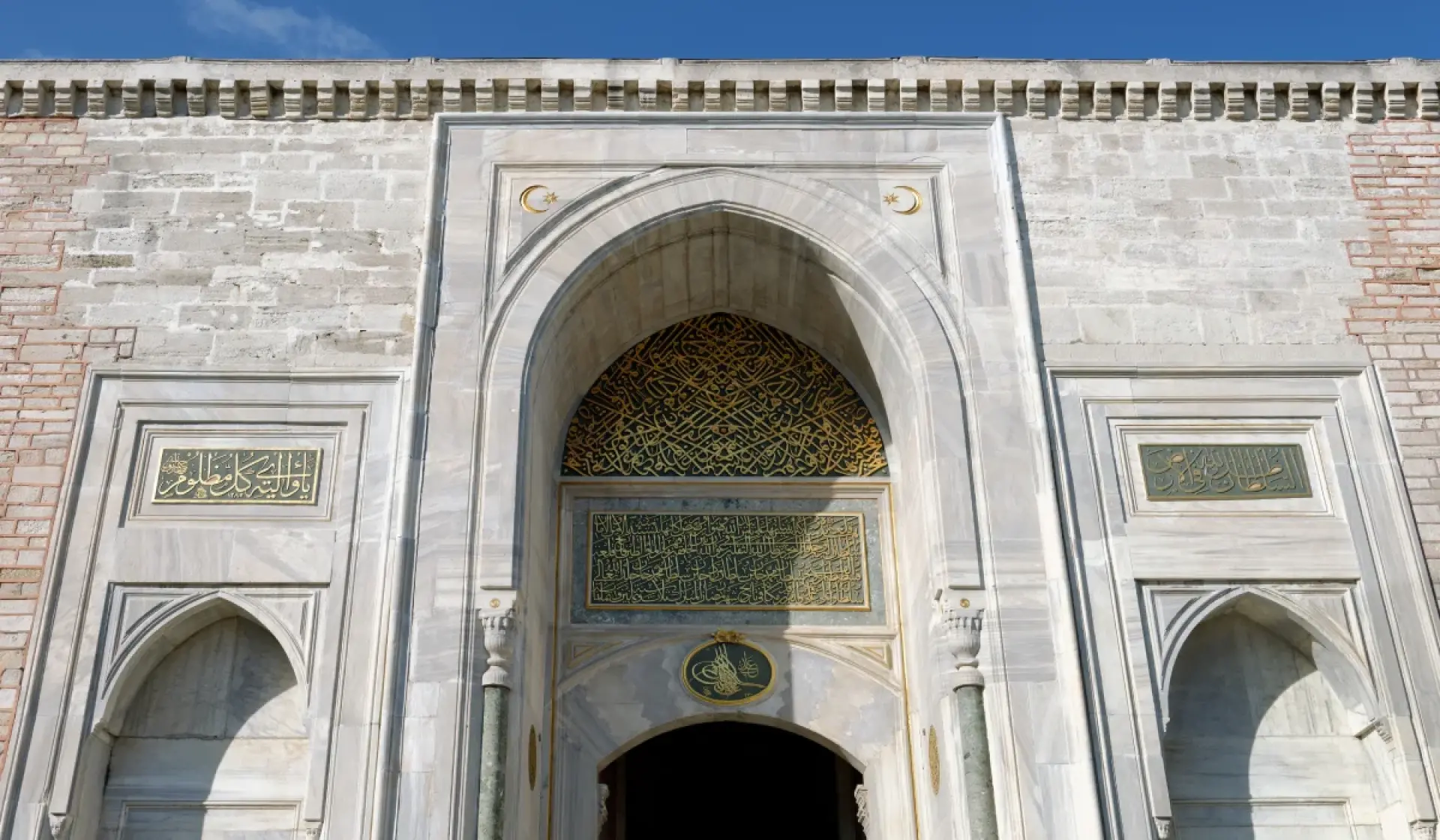
The gate is a massive stone structure with a central arch and tower-like volumes on either side, built into the palace fortress wall. Above the entrance, Ottoman inscriptions and sultanic tughras associated with the construction and repairs have been preserved. These details help explain the ceremonial role of the entrance and emphasize that this is not merely a passageway, but an important part of the palace ritual.
For tourists, the Imperial Gate is interesting as the first point of acquaintance with Topkapi Palace and as a notable monument of Ottoman architecture. Even if the purpose of the visit is the museum complex itself, it is worth paying attention to the entrance design, the scale of the walls, and the historical context of the place. The gate helps visitors better imagine how access to one of the main residences of the sultans was arranged.
Imperial Gate of Topkapi Palace on the map
Istanbul: Buildings and structures
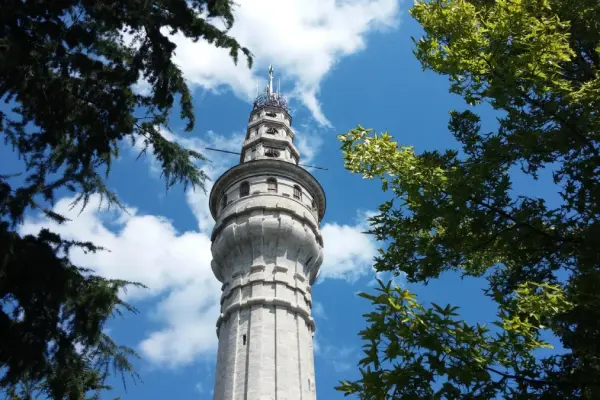
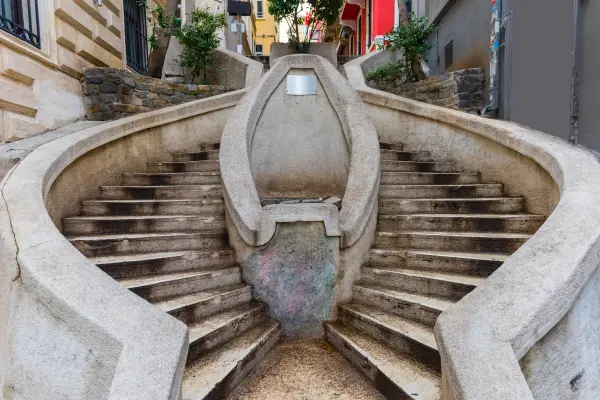
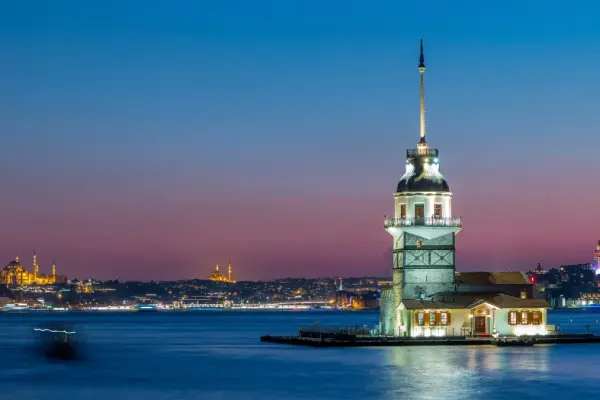
Beyazit Tower, Camondo Stairs, Maiden's Tower, Treasury Gate

Visit and historical context of the Imperial Gate of Topkapi Palace
The gate reflects the ceremonial and administrative role of the palace entrance.
The ceremonial entrance to the sultan's residence with inscriptions and tughras
Approaching the Imperial Gate, visitors see a tall arched opening, massive walls, and decorative elements that immediately set the tone for the entire palace complex. It is worth taking a closer look at the upper part of the facade: calligraphic inscriptions in Ottoman Turkish and the tughras of sultans are placed there. These details are especially interesting for those who want to see not only the overall silhouette of the structure, but also evidence of its official status.
Today, the gate serves as part of the entrance area of the Topkapi Palace Museum. Through it, visitors enter the first courtyard, where the tour of the complex begins, with gardens, service buildings, and further passage to the main courtyards and exhibitions. Even when it is very busy, this is a convenient point for understanding the palace layout and imagining how the access system was organized during the Ottoman Empire.
Nearby are Hagia Sophia, the Blue Mosque, Gulhane Park, and the Istanbul Archaeological Museum, so visiting the gate can easily be combined with a walk around Sultanahmet. It is convenient to get here by taking tram T1 to the Sultanahmet or Gulhane stop, then walking a few minutes.
It is best to allow time not only to go inside, but also for a short stop in front of the facade to observe the proportions of the building and how the gate is integrated into the fortress wall. For architecture lovers, this is a good example of how representational function, access control, and elements of defensive architecture were combined in a single structure.
Best tours and travel experiences across the continent



Photos of the Imperial Gate
Guided tours, popular attractions, and top-rated hotels across the continent


