
Istiklal Street
Istiklal Street in Istanbul, Turkey - Beyoglu district
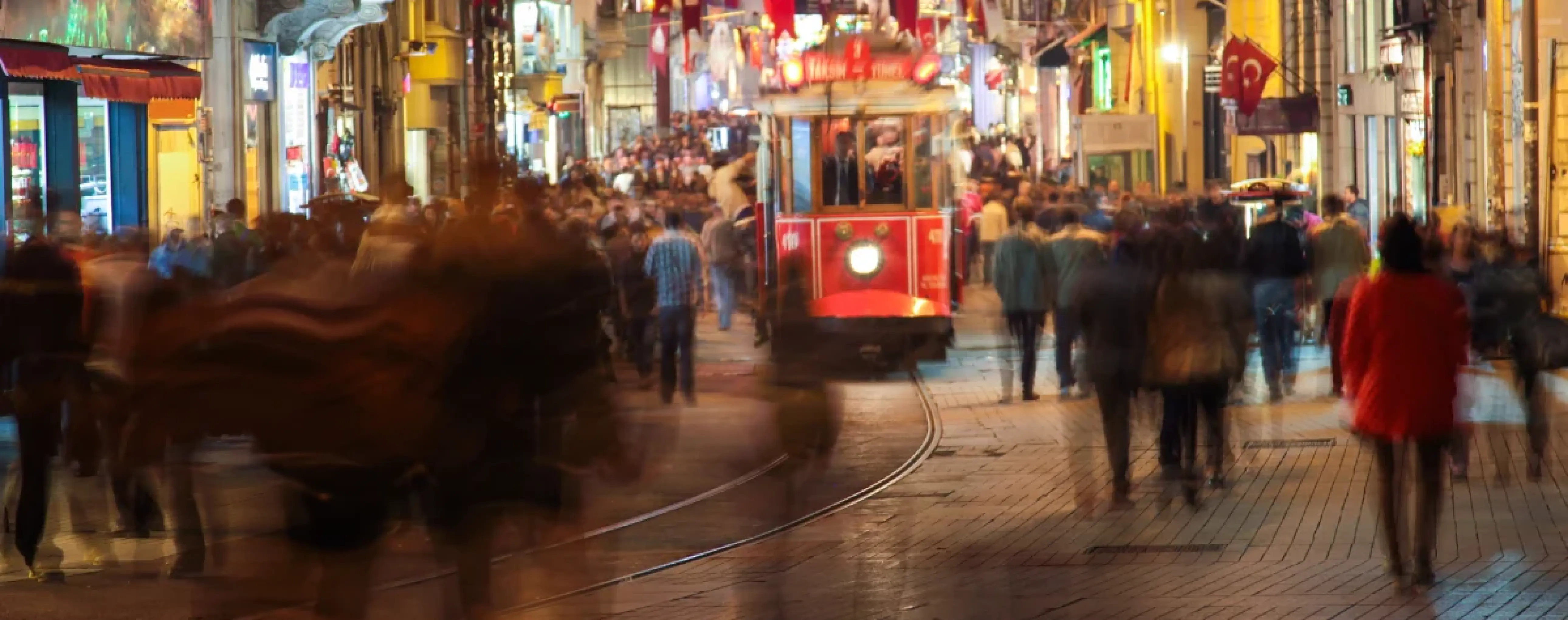
Istiklal Street is located in the European part of Istanbul, in the Beyoglu district, and connects Taksim Square with Tunel Square. Its current name, meaning "independence," was given after the establishment of the Turkish Republic in 1923. It is one of the city's most famous pedestrian streets, lined with shops, cafes, pastry shops, bookstores, cinemas, cultural venues, and a lively atmosphere. The street is about 1.4 kilometers long, and on weekends hundreds of thousands of people walk along it. For tourists, it is convenient as a place for a walk and a distinctive landmark in the central part of the city.
The street's modern appearance took shape in the 19th and early 20th centuries, when the Beyoglu district developed rapidly and served as an important cultural center of Istanbul, where foreign diplomats, merchants, and members of European communities lived. Many facades from the late Ottoman period have been preserved here, as well as buildings in the neoclassical, eclectic, and art deco styles.
Istiklal is interesting not only as a shopping street, but also as part of Istanbul's cultural history. On and near it are historic passages, churches of different denominations, consular buildings, art galleries, and halls for concerts and exhibitions. Thanks to this combination, a walk along the street suits those who want to see the city center not as separate attractions, but in an interesting relationship with one another.
At the end of the street is Tunel Station, where the underground funicular opened in 1875 is located. It is the second oldest underground urban railway structure in the world after the London Underground. Another of the street's most recognizable details is the historic red tram, which runs between Taksim and Tunel along the entire street. A visit to Istiklal is usually combined with exploring the neighboring quarters of Beyoglu, viewpoints, and the Golden Horn waterfront.
Istiklal Street on the map
Istanbul, Taksim: City districts and streets
Soguk Cesme Street, Silivri Waterfront, Levent District, Balat Neighborhood
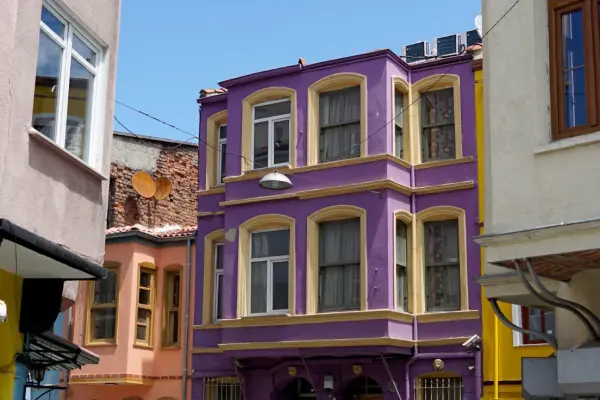
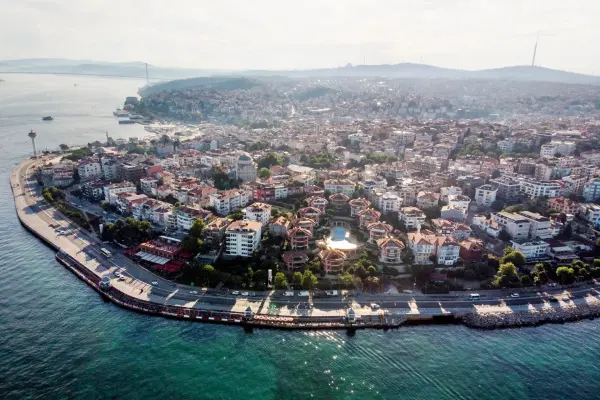
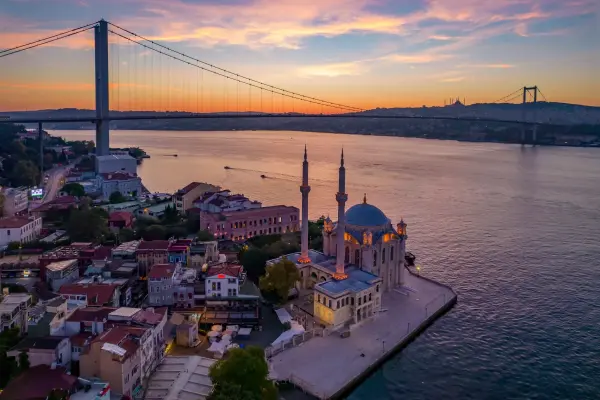
Istiklal Street - architecture, theaters, and cultural venues
The walk combines shops, cultural venues, and historic facades.
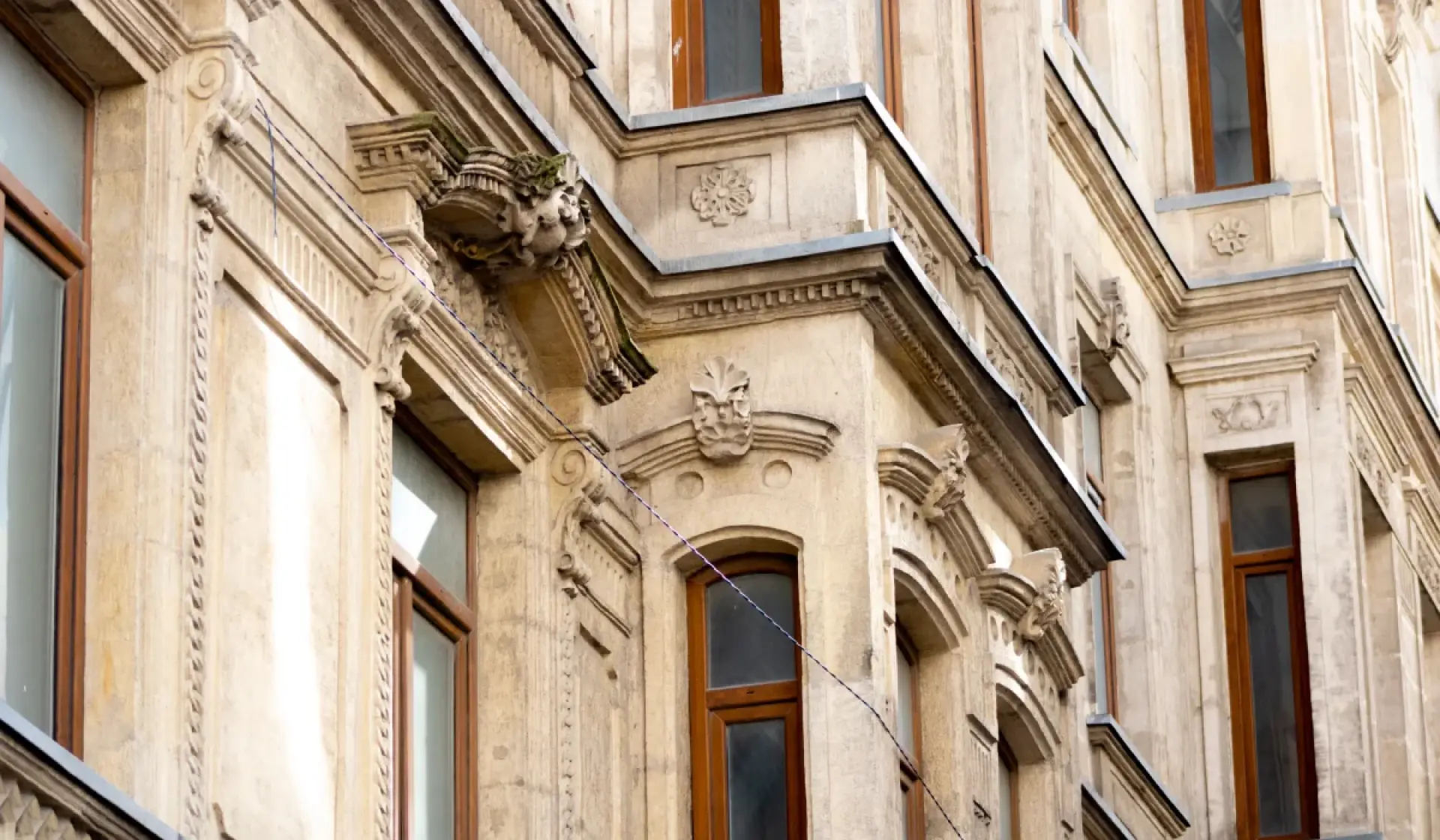
Passages, temples, and the historic tram in the center of Beyoglu
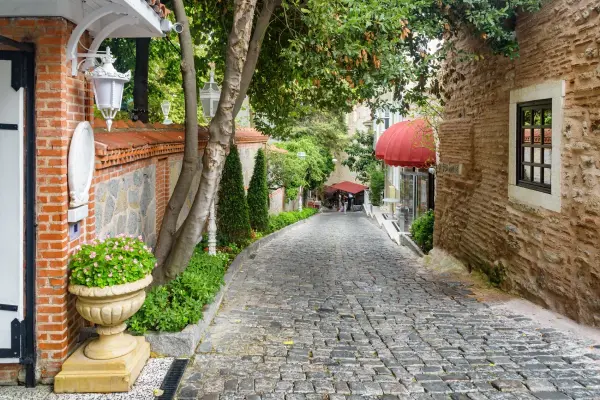
During a walk along Istiklal, it is worth paying attention not only to the shop windows, but also to the architectural details. Along the street you can find arched passageways, old entrances, decorative facades, and famous passages, among which the most frequently visited are the Flower Passage and Hazzopulo Passage. Inside these galleries are small restaurants, coffee shops, bookstores, and specialty shops.
The street clearly demonstrates the multinational history of this Istanbul district. Catholic and Orthodox churches, cultural centers, and buildings of foreign representations are located here. Among the notable landmarks is the Church of Saint Anthony of Padua, one of the city's best-known Catholic churches. In the evenings the area becomes noticeably livelier, and many people come here to visit cafes, theaters, concert venues, and cinemas.
Istiklal is suitable for a walk at different paces: you can walk its entire length from Taksim Square to Tunel, or turn into the side streets, where small galleries, local shops, and old staircases leading to neighboring streets are often found. Nearby are the Galata Tower, Taksim Square, and Tunel Station, one of the convenient points for continuing the route toward Galata and Karakoy.
The easiest way to get here is by metro to Taksim Square or by the F1 funicular from Kabatas, and from the lower end of the street the Tunel underground funicular and nearby public transport stops are convenient.
Best tours and travel experiences across the continent
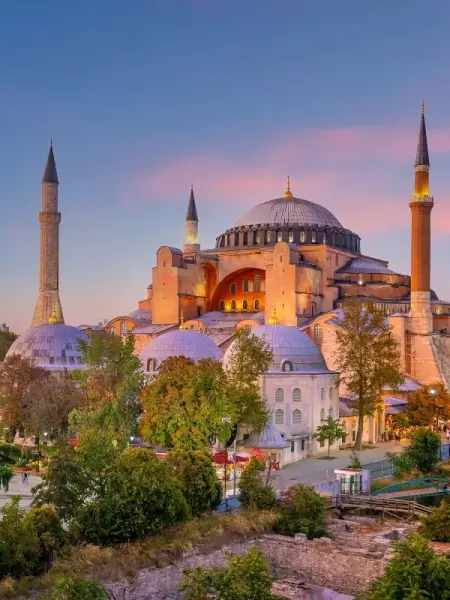
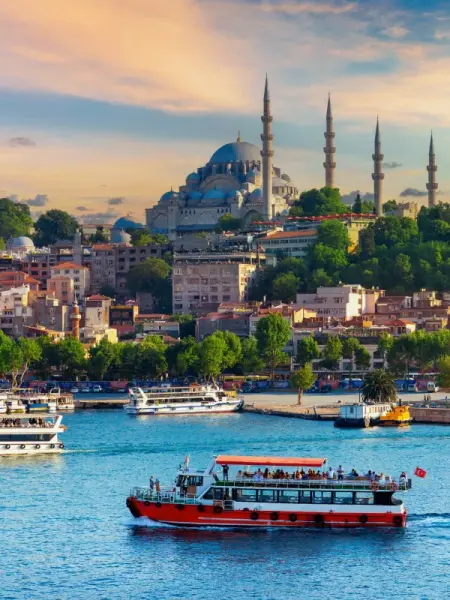
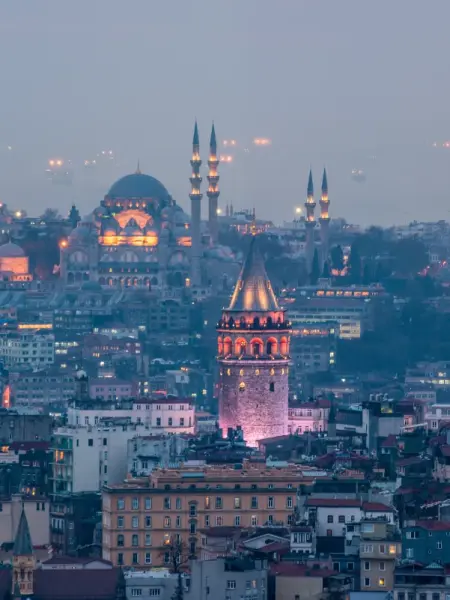

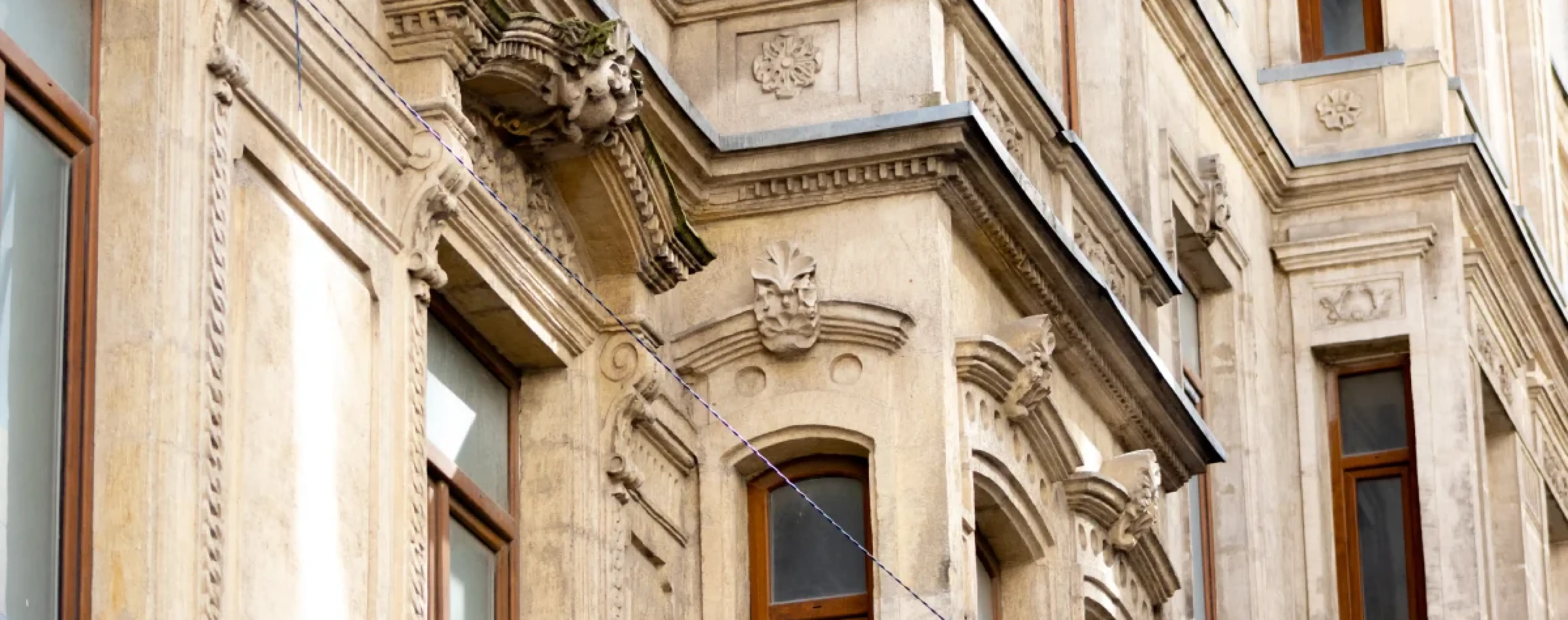
Photos of Istiklal Street
Guided tours, popular attractions, and top-rated hotels across the continent


