
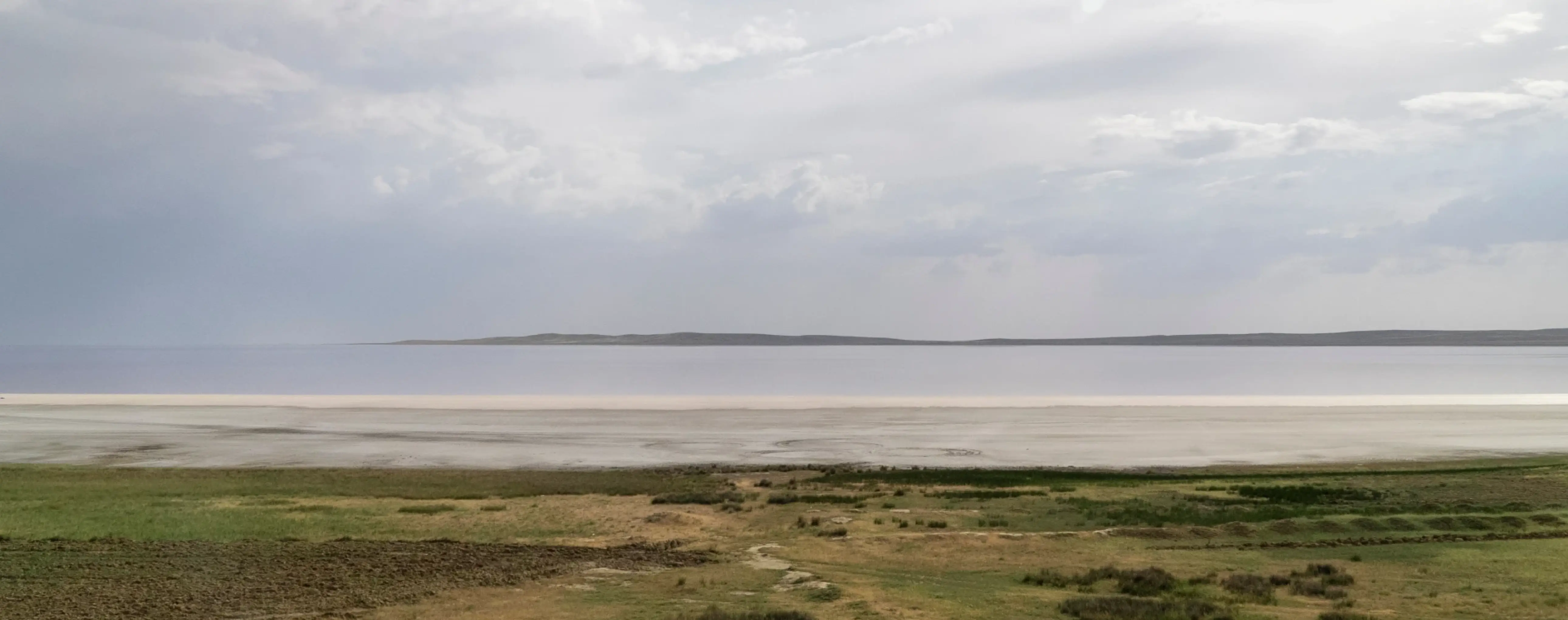
Lake Tuz
Lake Tuz in Konya, Central Anatolia, Turkey
Lake Tuz is located in Central Anatolia, northeast of Konya, at the junction of the provinces of Konya, Aksaray, and Ankara. It is a large endorheic salt lake known for its vast white plain, which is especially striking in the dry season. The landscape here is very open and almost completely flat, so the lake is perceived as a spacious salt plateau that changes depending on the time of year.
The lake’s main feature is its sharp seasonal changes. In spring and early summer, a thin layer of water may remain on the surface, and clear reflections of the sky appear on the smooth salt crust. By mid and late summer, much of the shallow water dries up, revealing a dense white salt surface. It is precisely this variability that makes a trip here especially interesting for those who want to see an unusual natural landscape in Central Turkey.
Lake Tuz is important not only as a natural site, but also as a habitat for birds associated with salty shallows and steppe expanses. Pink flamingos and other water birds can be observed here, although the species composition and numbers depend on the season and the conditions of a particular year. Part of the area has protected status, so when visiting it is important to respect restrictions and avoid entering sensitive areas.
For tourists, the lake is primarily interesting for its landscapes, the opportunity to walk on the firm salt surface in accessible areas, and to observe a type of nature that is rare for the region. In addition, Lake Tuz is linked to salt extraction and remains one of Turkey’s important salt-producing areas, which gives the place practical significance alongside its natural value.
Lake Tuz on the map
Lake Tuz and Seasonal Landscapes, Birdwatching
Vast salt plains change depending on the season and water conditions.
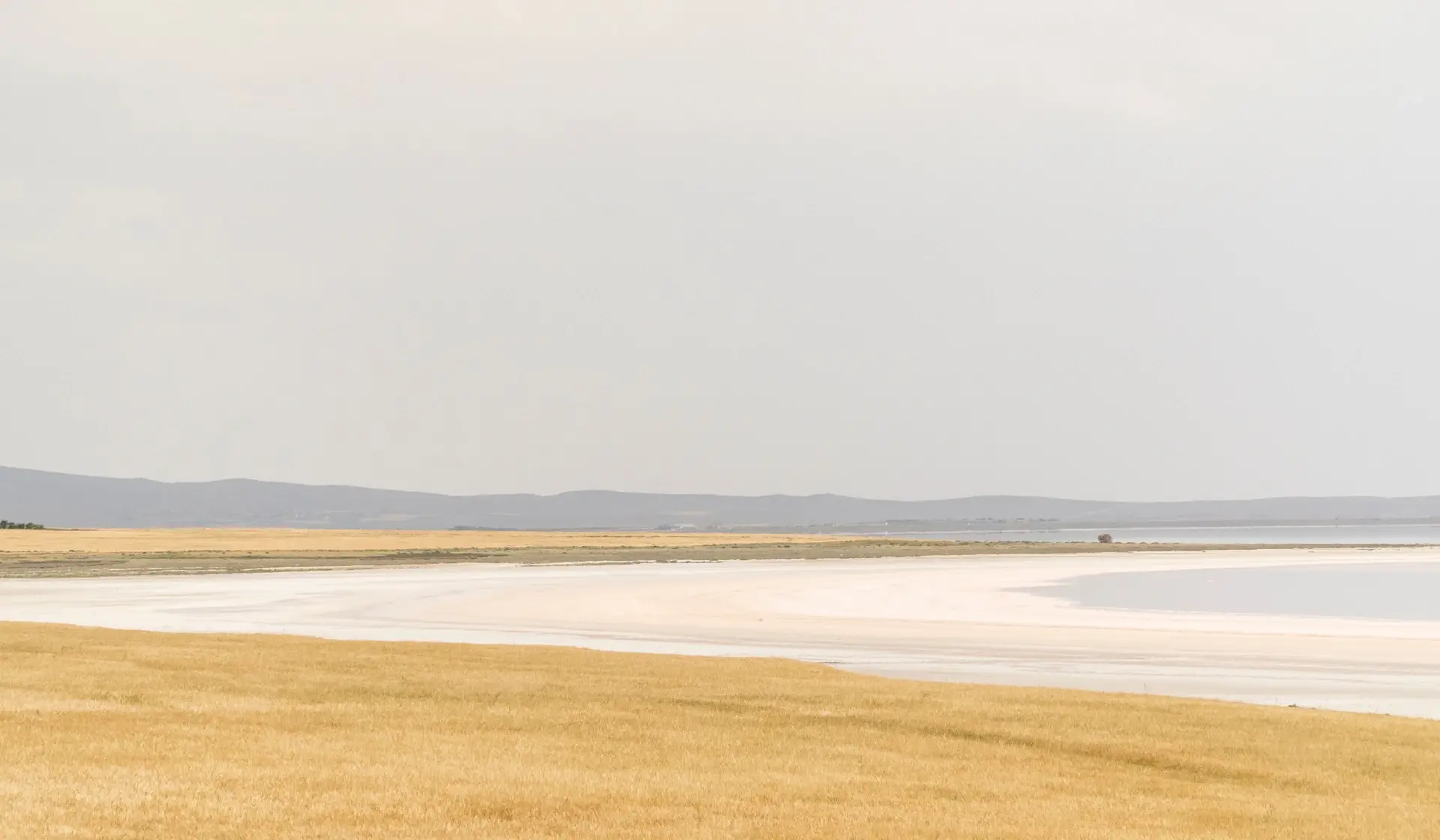
The White Salt Plain and Shallow Waters with Seasonal Reflections
A trip to the lake is usually associated with viewing the open salt surface, which looks different at different times. In wetter periods, visitors see a thin layer of water above the pale crust, while in the hot months they find an almost dry white plain with sections of hardened salt. Walking should be done only where it is permitted and where the surface is truly stable, as the condition of the ground and crust changes throughout the season.
This place is often chosen for observing the vast steppe landscape, photographing panoramas and birds. Flamingos and other waterside birds can be seen on and near the lake, especially during periods when shallow areas remain. The best times for observation are the calm hours in the morning or closer to evening, when the heat is less intense and the light is softer.
Infrastructure around the lake is limited, so it is better to prepare in advance for the trip: bring water, sun protection, and comfortable shoes that you do not mind getting wet or covered with salt. Nearby, travelers sometimes combine a stop at the lake with a route toward Aksaray, Cappadocia, or the central part of Konya if their journey passes through this area.
Lake Tuz is convenient to visit by car via the roads of Central Anatolia, most often as a stop along the way between Ankara, Konya, and the Cappadocia region. Before the trip, it is useful to check seasonal conditions, as the appearance of the lake and the accessibility of certain areas depend significantly on rainfall and water levels.
Best tours and travel experiences across the continent




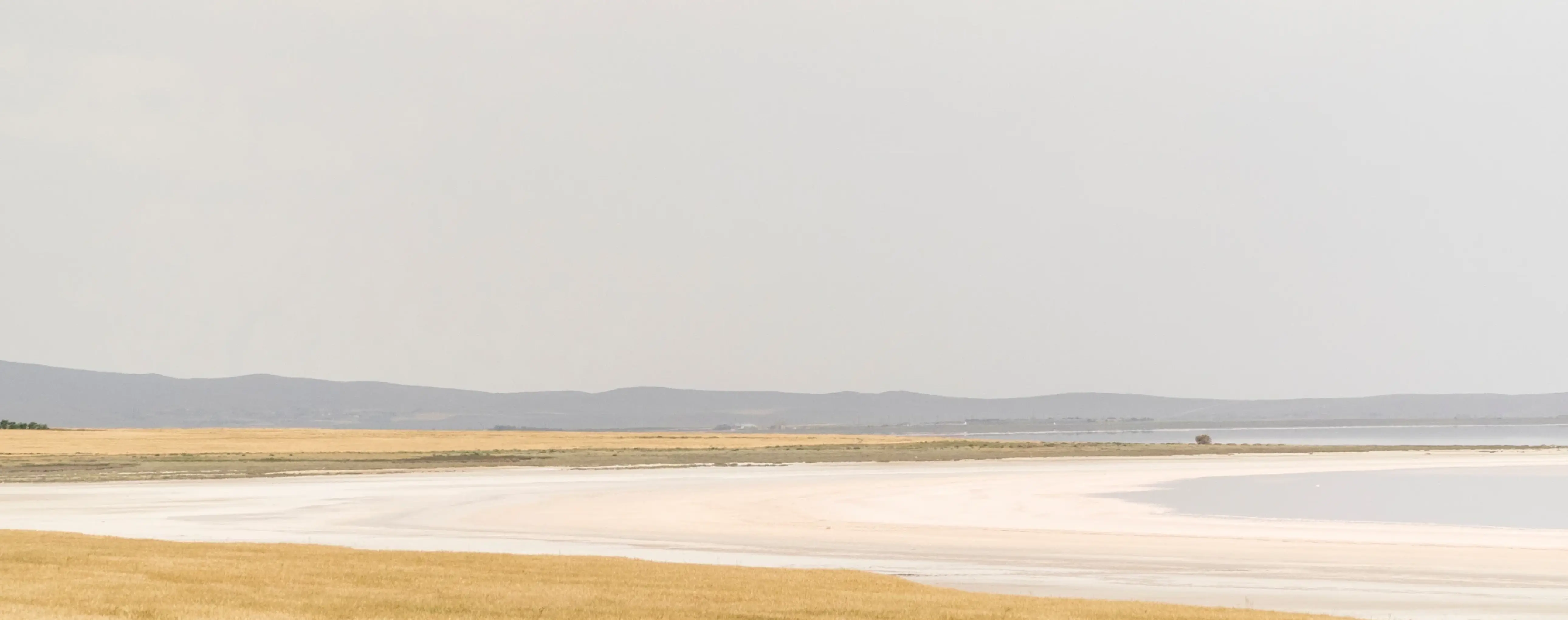
Photos of Lake Tuz
Guided tours, popular attractions, and top-rated hotels across the continent


