
Madensehri
Madensehri in Karaman, Turkey - the archaeological zone of Karadag
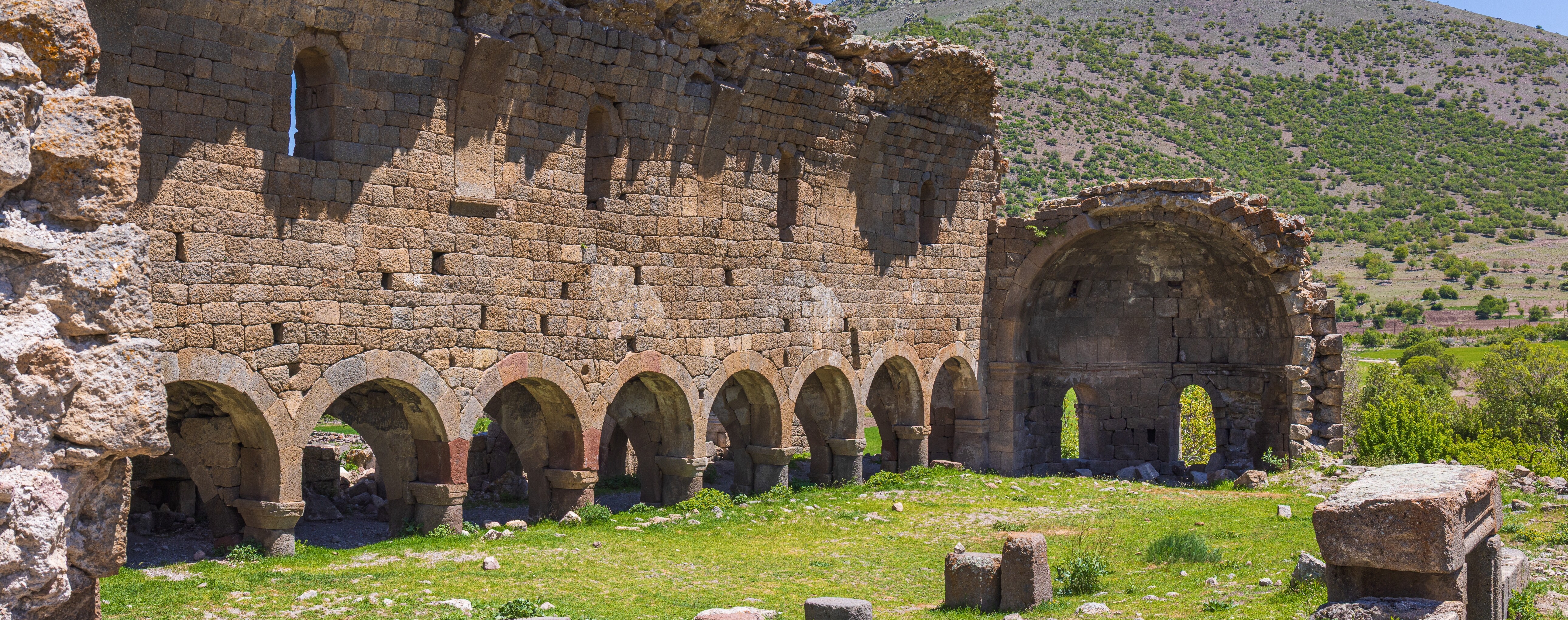
Madensehri is an archaeological zone in Karaman Province, on the slopes of the Karadag massif in Central Anatolia. The site is known for the ruins of a large Late Antique and Byzantine settlement, which in academic literature is also associated with the early Christian history of the region. Today, the remains of stone buildings, rock-cut chambers, and religious structures are preserved here, scattered across an open hilly landscape.
On the site, visitors can see fragments of residential houses, utility buildings, churches, and monastic complexes. Most of the visible ruins date to the Late Roman and Byzantine periods, especially between the 4th and 11th centuries. The monument is of interest because it makes it possible to imagine the layout of a large settlement outside modern urban development and to see how architecture was adapted to the volcanic landscape.
Madensehri is usually chosen by travelers interested in archaeology, the history of early Christianity, and walks in a natural setting. The visit is done on foot across uneven open terrain, so comfortable footwear is especially important here. Infrastructure on site is limited, and it is better to plan the trip as an independent visit with enough water and time for a relaxed exploration.
The monument is located about 30-40 minutes by car from the center of Karaman. The most convenient way to get there is by car or with a driver, as public transport to the archaeological zone is poorly developed. A trip here is well suited to those who want to see one of the province's notable archaeological landscapes outside the city.
Madensehri on the map
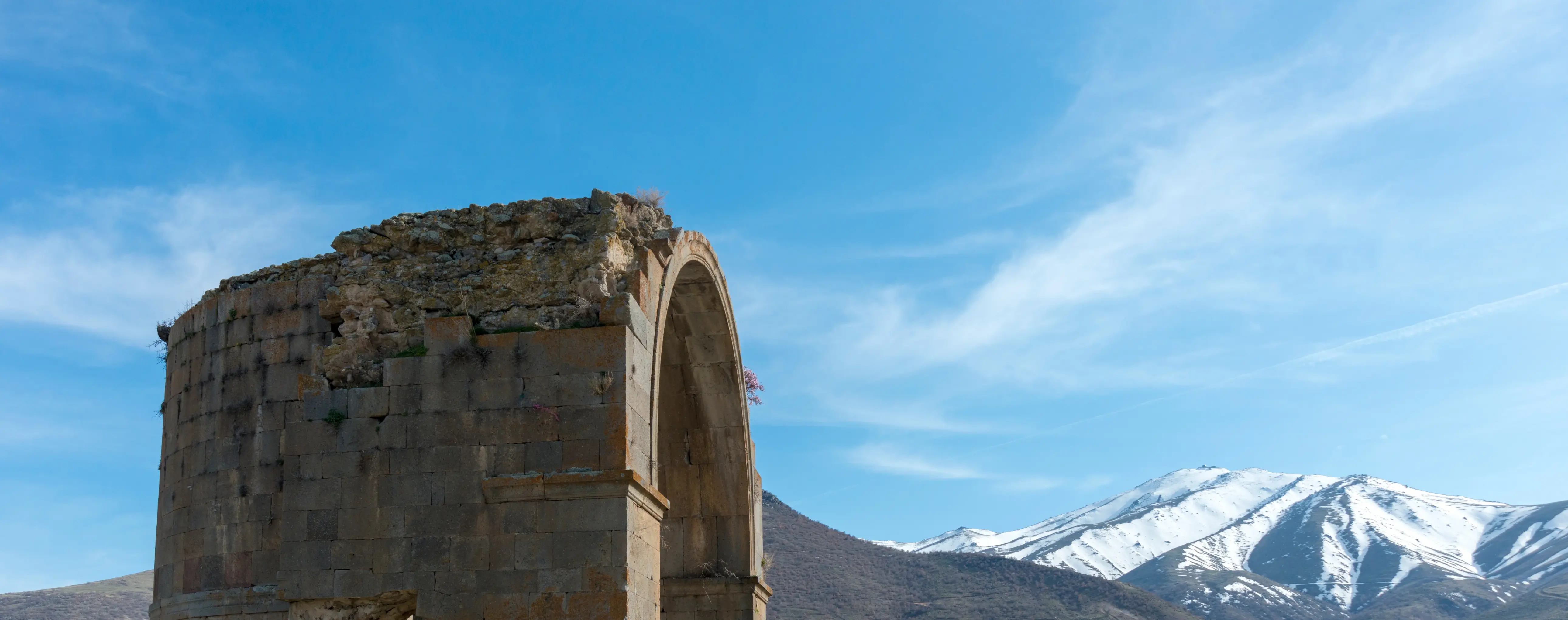
Madensehri and the ruins of a Late Antique settlement on Karadag
Here you can see traces of a settlement associated with the region's early Christian history.
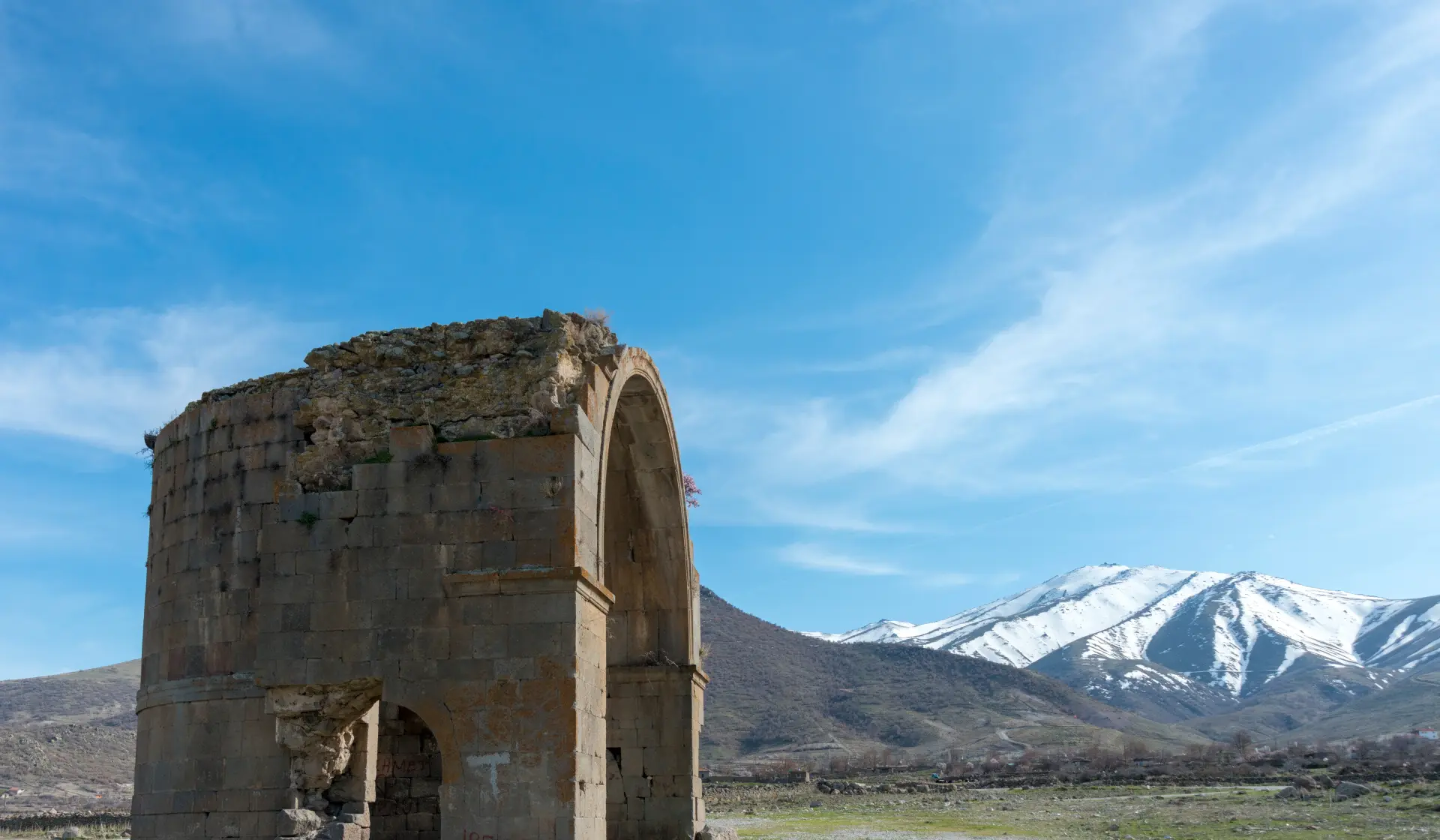
Rock-cut chambers, churches, and ruins on the slopes of Karadag
During a walk through Madensehri, visitors explore not a single monument, but a large dispersed archaeological area. Here, sections of walls, building foundations, entrances to rock-cut chambers, and the remains of religious structures located at different elevations are visible. Because of this, the site is perceived as a historical landscape, where the ruins are connected not only to each other, but also to the relief of the volcanic massif.
Of particular interest are the early Christian and Byzantine structures, which make it possible to judge the development of the settlement and its religious life. Even without fully preserved buildings, the outlines of quarters, individual complexes, and utility zones can still be clearly read. Photographers and archaeology enthusiasts should keep in mind that much of the impression comes precisely from the overall view of the landscape rather than from museum-style exhibits.
There is no clearly defined tourist route with extensive infrastructure on the site, so the visit requires attentiveness and readiness to walk across dirt and stony areas. It is better to come during daylight hours and avoid the hottest times in the warm season. Nearby is also the Karadag area, with other archaeological and natural points of interest that can be included in one trip around the surroundings of Karaman.
The easiest way to get here is by car from the center of Karaman. After arrival, the main part of the visit takes place on foot across open terrain.
Best tours and travel experiences across the continent

Photos of Madensehri
Guided tours, popular attractions, and top-rated hotels across the continent


