Karaman Turkey travel guide to Karaman Castle
Karaman, Turkey
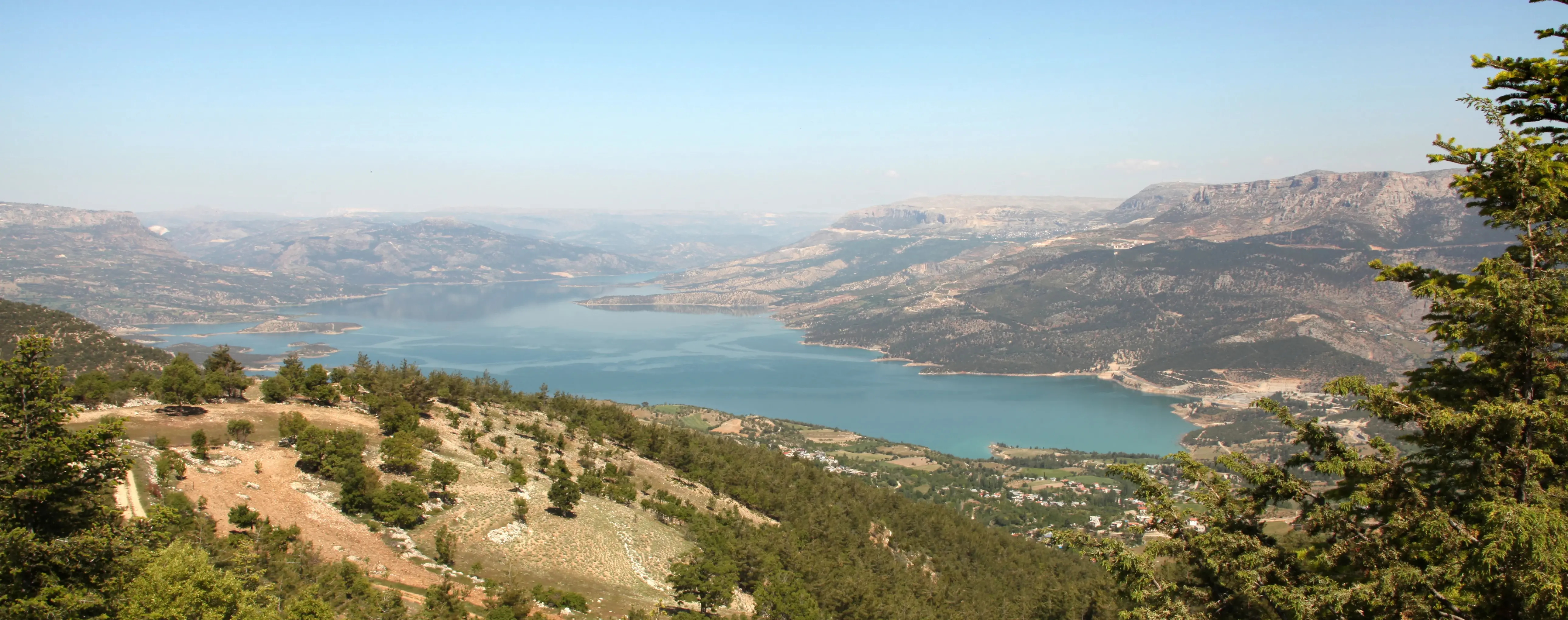
Karaman is in Turkey, in the southern part of Central Anatolia. This inland city sits on the Anatolian plateau, south of Konya and north of the Taurus Mountains. The landscape is flat, the city lies near a river, and the broader setting is the open inland scenery typical of this part of the plateau.
Historically, Karaman was the center of the Karamanids, a major Anatolian beylik after the decline of Seljuk power. It is also widely associated with the 1277 decree of Mehmet Bey that promoted Turkish in public life and administration. Those layers remain visible in the medieval Karaman Castle, the Seljuk Hatuniye Medresesi, the historic Aktekke Mosque, and the late Ottoman domestic architecture represented by Tartan House. Together, they bring medieval fortification, Seljuk architecture, religious heritage, and preserved urban domestic heritage into a single city.
Karaman combines cultural heritage with straightforward, walkable urban sightseeing. It suits a short holidays or travel guide style visit centered on the historic core, the main monuments, and nearby excursion sites. Because its cultural sights are compact and the center is mainly walkable, it works better for a one- or two-day stay than for a longer urban break.
The main visitor areas are the city center around Karaman Castle and the central zone of major historic monuments, which form the core area for walking and sightseeing. Karaman also serves as a base for excursions to places such as Taskale, the Binbir Kilise area, and Incesu Cave. The city center can be explored mainly on foot. Karaman has road links with Konya, Mersin, and Adana, it is connected to Konya by rail, and the nearest main airport for most visitors is Konya Airport.
Karaman has a continental climate, with hot, dry summers and cold winters. Spring and autumn are the best periods to visit. Mid-summer heat is less suitable for extended walking, while cold winter periods are less suitable for outdoor sightseeing.
Karaman on the map
Karaman: Attractions, interesting places for excursions
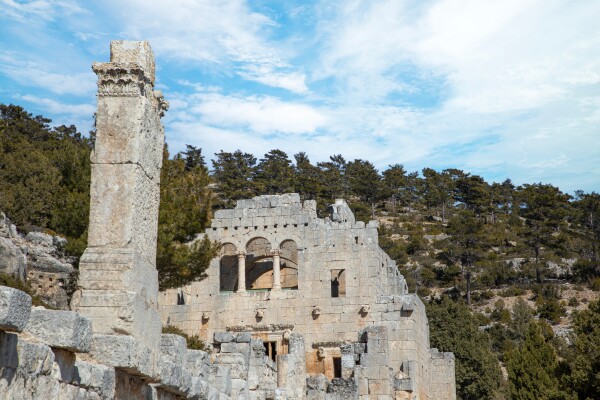
Ermenek, Manazan Caves, Alahan Monastery, Madensehri
What to see in Karaman, from Karaman Castle to Incesu Cave
Castle walls, Seljuk stonework, and cave trips across the plateau
Walking Karaman Castle and the historic center
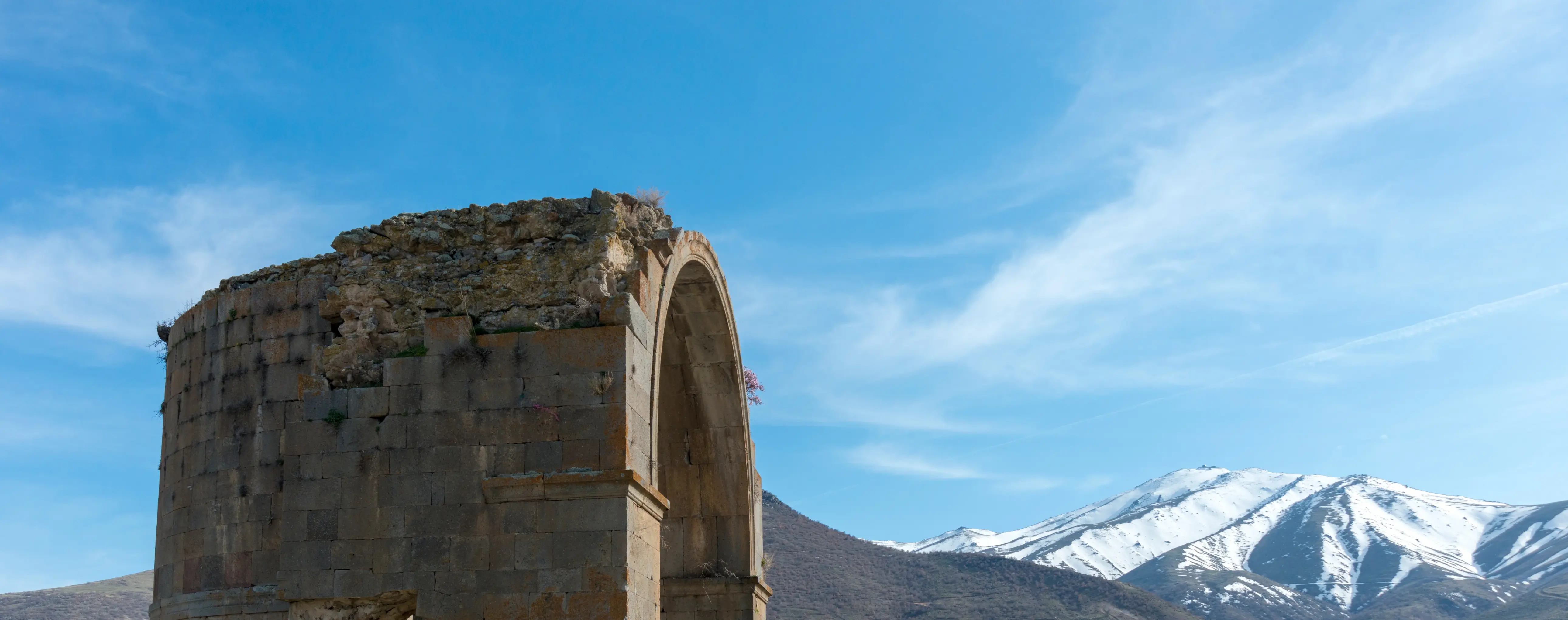
In the historic core, the city is mainly walkable and organized around Karaman Castle and its principal monuments. Karaman Castle is the main medieval landmark, with substantial stone walls and towers still in place. Within the same urban setting, Hatuniye Medresesi is one of the best-known Seljuk monuments and an important stop for architectural sightseeing, while Aktekke Mosque is one of the principal historic religious buildings in the center. Tartan House introduces a late Ottoman layer through its preserved domestic architecture. These are among the main attractions and places to visit in Karaman.
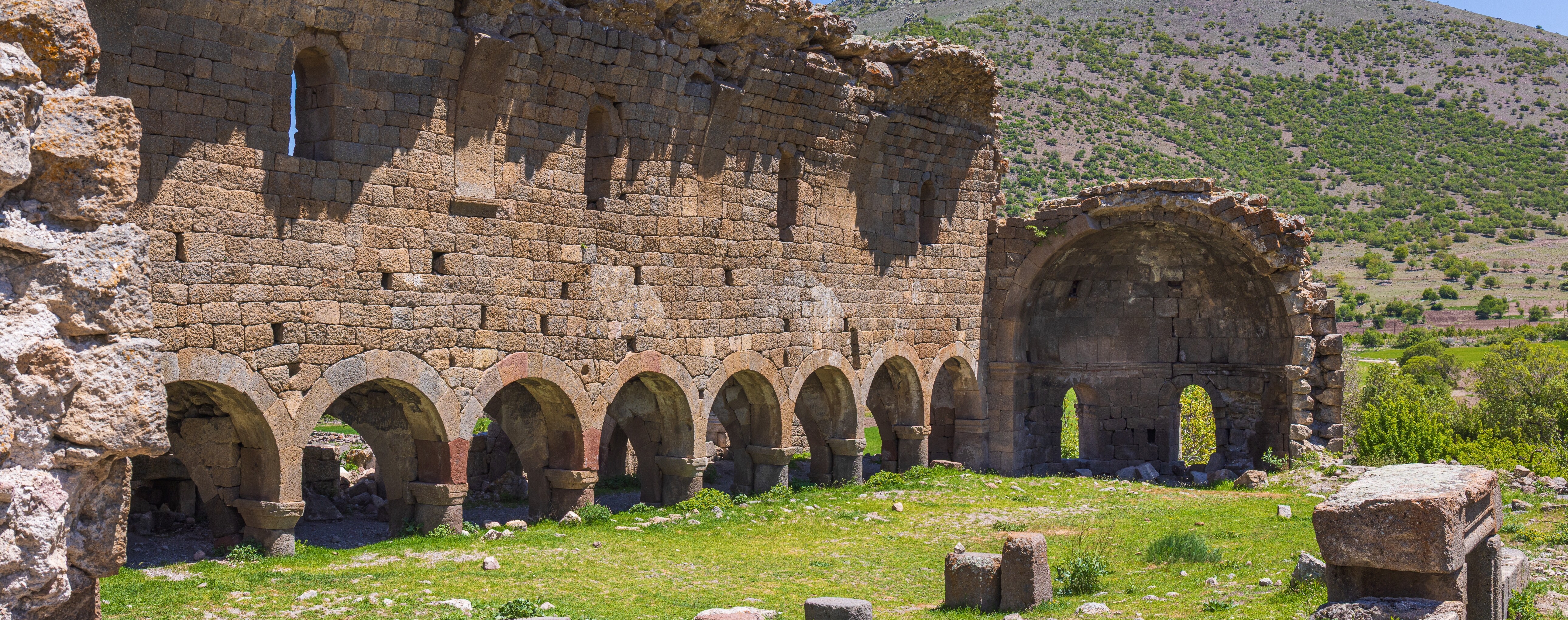
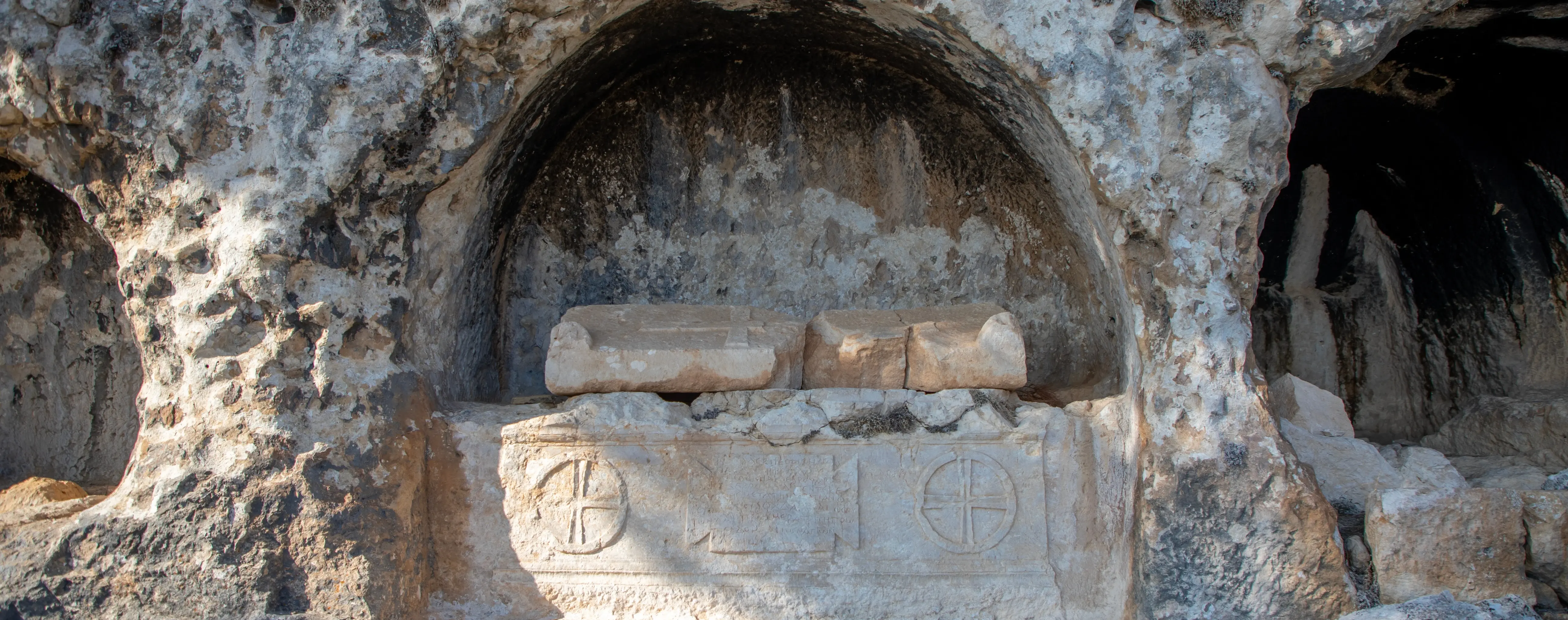
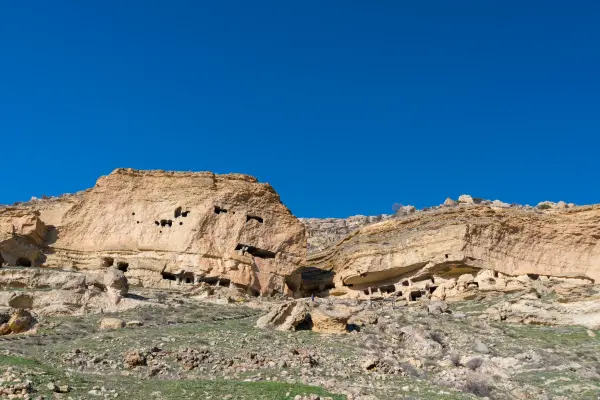
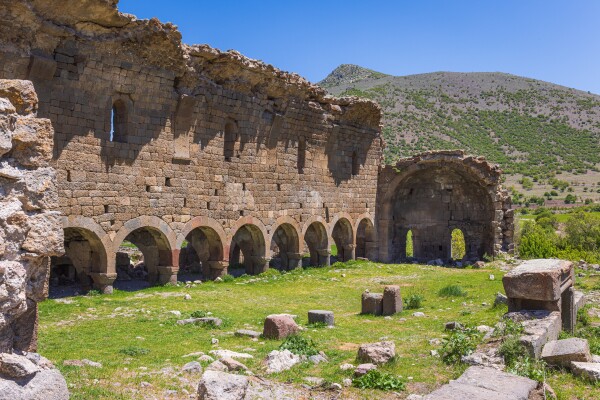
Tartan House, the preserved historic mansion in Karaman, gives visitors a clearer sense of late Ottoman domestic architecture in the city. Beyond the built heritage of the center, the main natural excursion site associated with Karaman province is Incesu Cave. The Binbir Kilise area near Karaman holds important remains of early Christian churches and settlements, adding an archaeological dimension to what to see around the city.
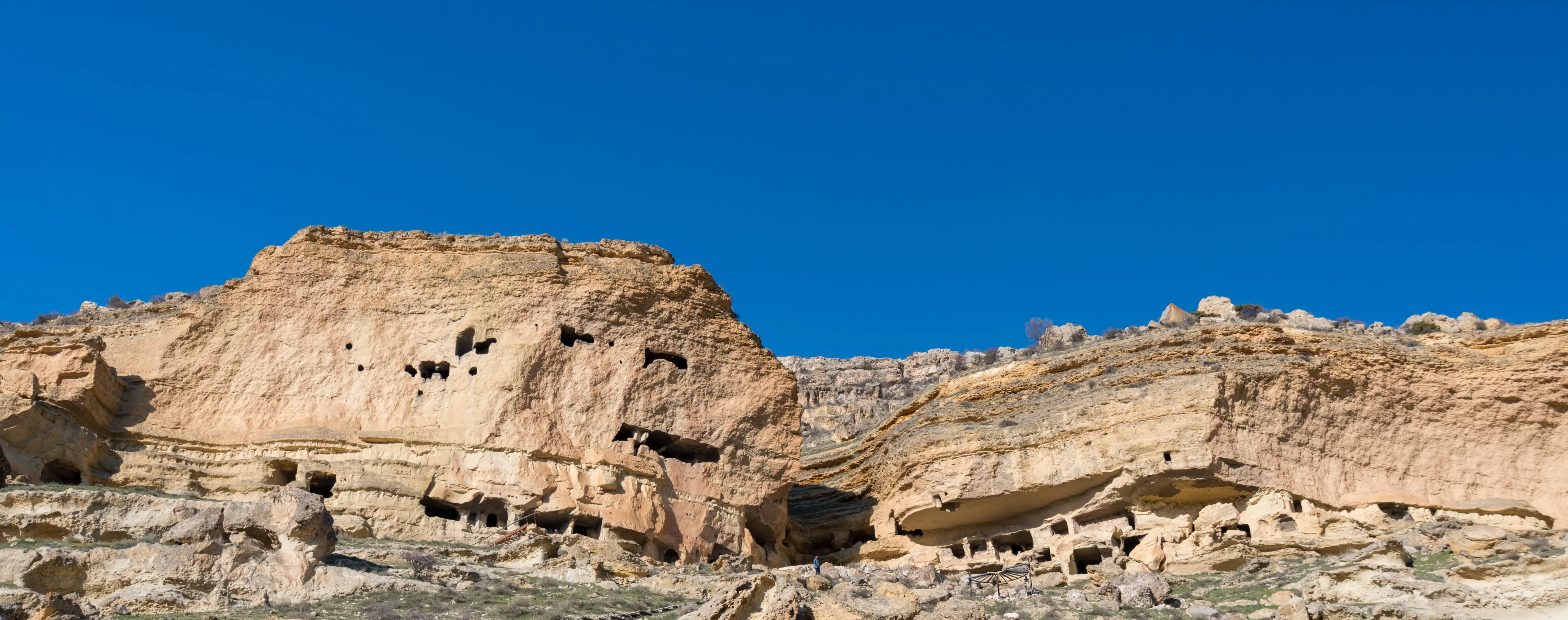
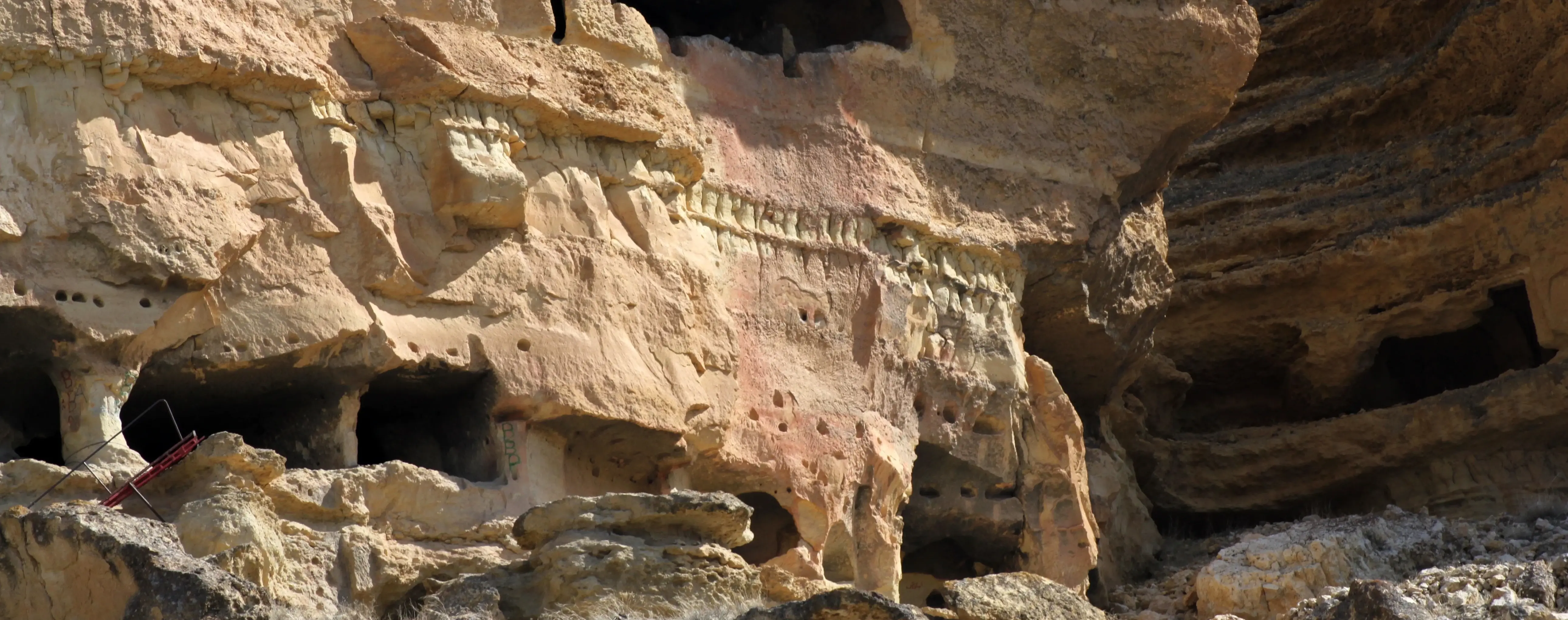
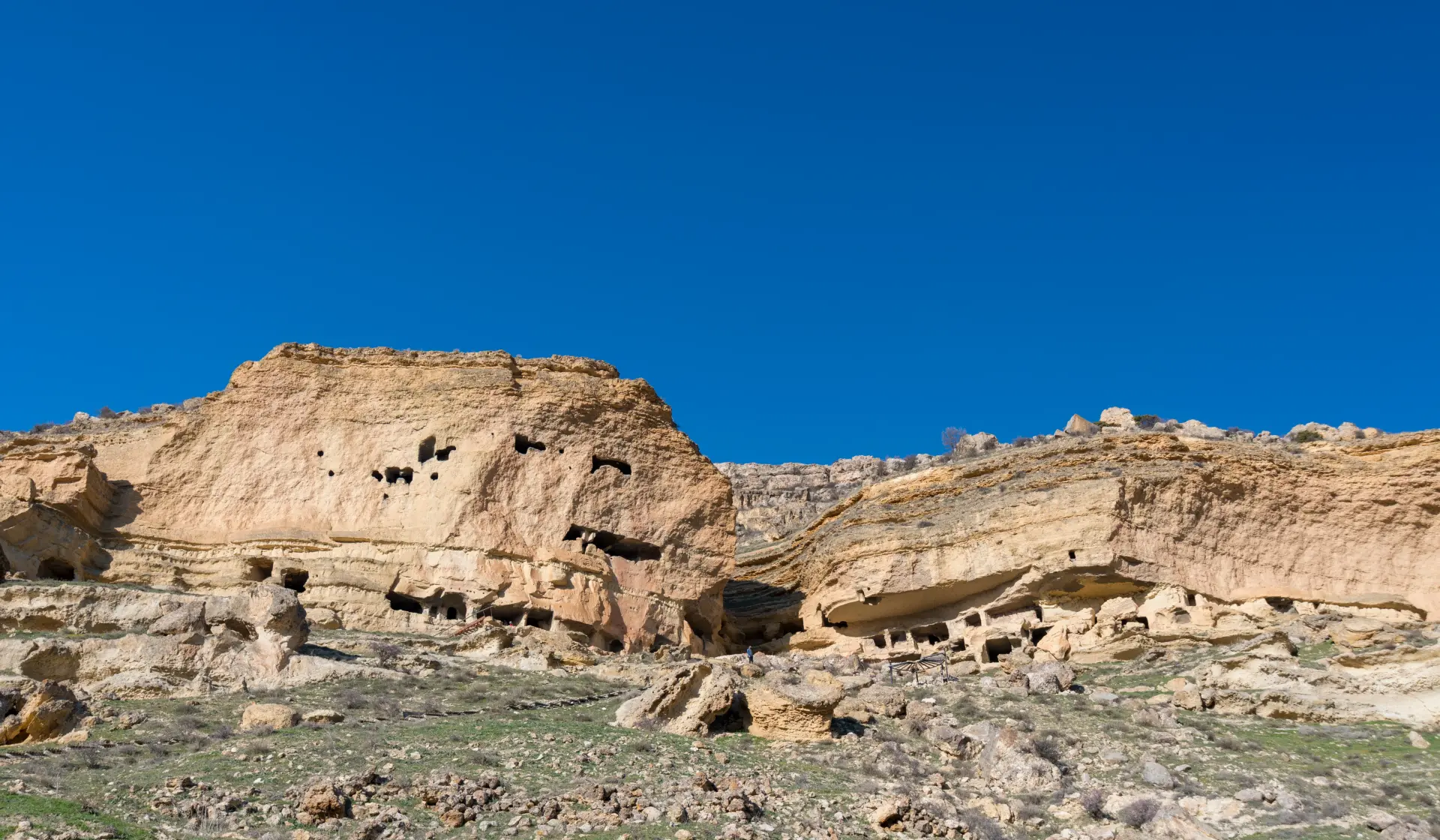
Visitors can explore the historic center on foot, visit Karaman Castle, see Hatuniye Medresesi and Aktekke Mosque, and use the city as a base for excursions to Taskale, Binbir Kilise, and Incesu Cave. Taskale is known for rock-carved grain storage caves, making it one of the notable things to do outside the center. Traditional Central Anatolian food is easy to find in the city, including etli ekmek and other dough- and bulgur-based dishes.
City Details
City overview – facts & data for travelers
Best tours and travel experiences across the continent

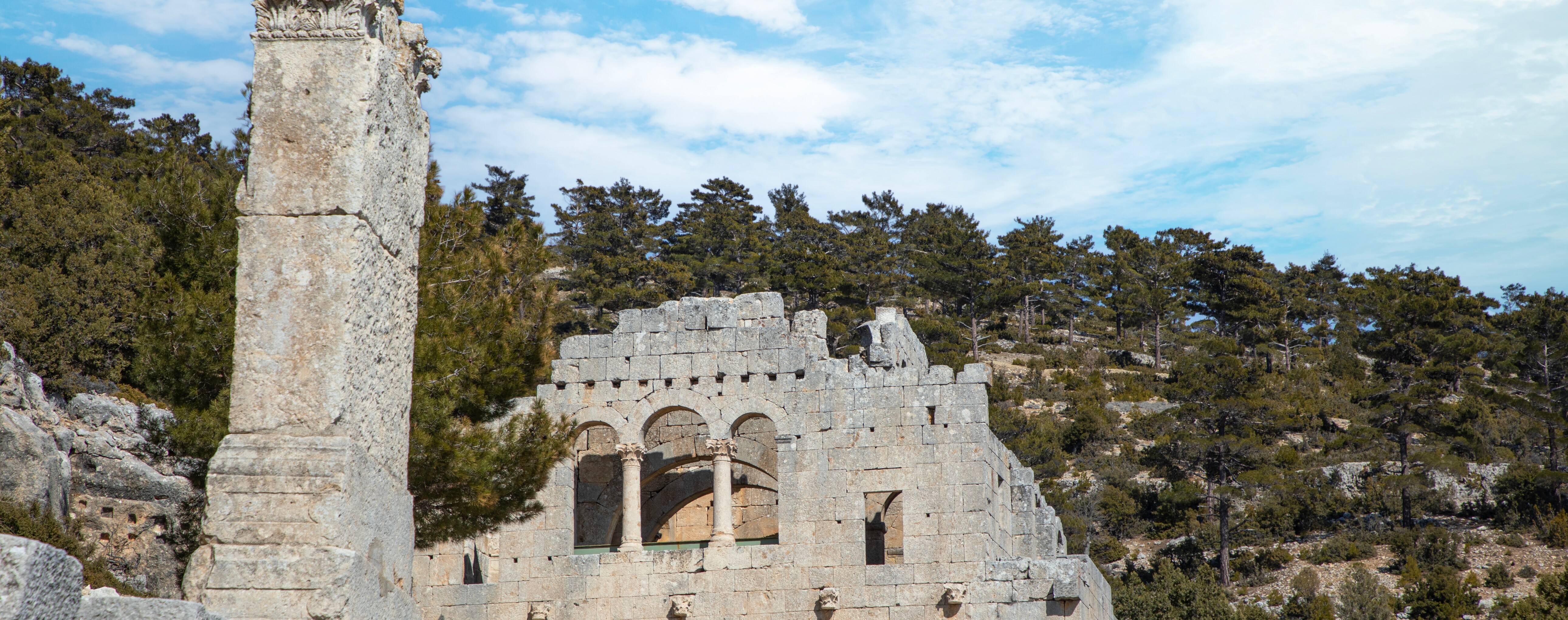
Karaman photos
Guided tours, popular attractions, and top-rated hotels across the continent