
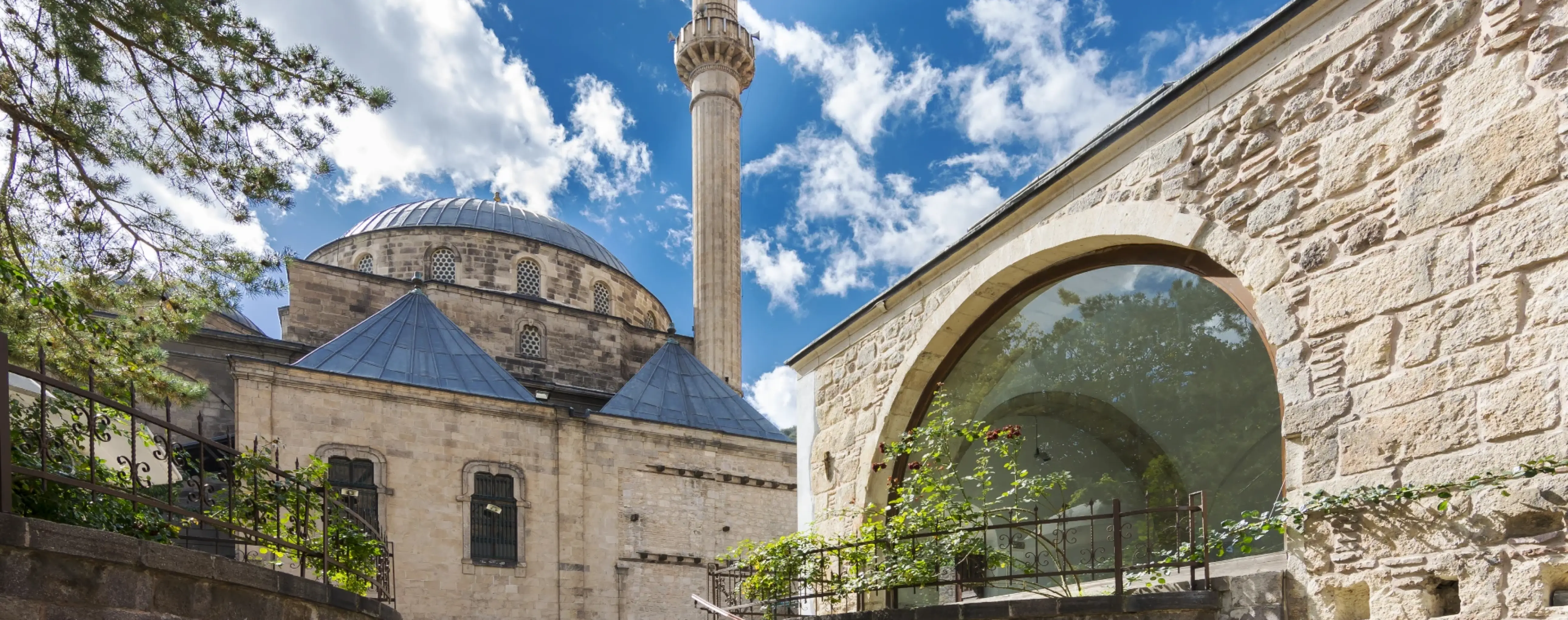
Mevlevi Turbe Mosque
Mevlevi Turbe Mosque in Afyonkarahisar, Turkey
Mevlevi Turbe Mosque is located in Afyonkarahisar, in the city's central historic district, where religious and civic monuments from past eras are concentrated. This site is associated with the Mevlevi, a Sufi order known for its spiritual practice, music, and whirling ritual. The very combination of a mosque and a turbe indicates the building's complex purpose, where prayer, memorial, and religious-community functions were brought together.
For tourists, this is above all an opportunity to see how religious complexes in Anatolia were organized, connected not only with daily prayer but also with the spiritual life of Sufi brotherhoods. Of particular interest are the layout, the mausoleum, elements of Islamic decoration, and the overall organization of the space. Even without large dimensions, places like this help to better understand the city's history and the characteristics of its cultural environment.
A visit to Mevlevi Turbe Mosque can easily be combined with a walk through old Afyonkarahisar. Nearby are traditional quarters, other historic structures, and the Afyonkarahisar Fortress rising above the city on a rock. This makes the site a suitable stop for those exploring the heritage of inner Anatolia and wishing to see the city not only as a modern regional center, but also as a place with deep religious traditions.
Before visiting, it is worth bearing in mind that access may depend on prayer times, the state of restoration, and internal rules. In such places, modest clothing, respectful behavior, and a calm inspection of the interior without disturbing the religious atmosphere are usually expected.
Mevlevi Turbe Mosque on the map
Mevlevi Turbe Mosque and the Sufi architecture of the old center
Here you can see the connection between prayer, memory, and history.
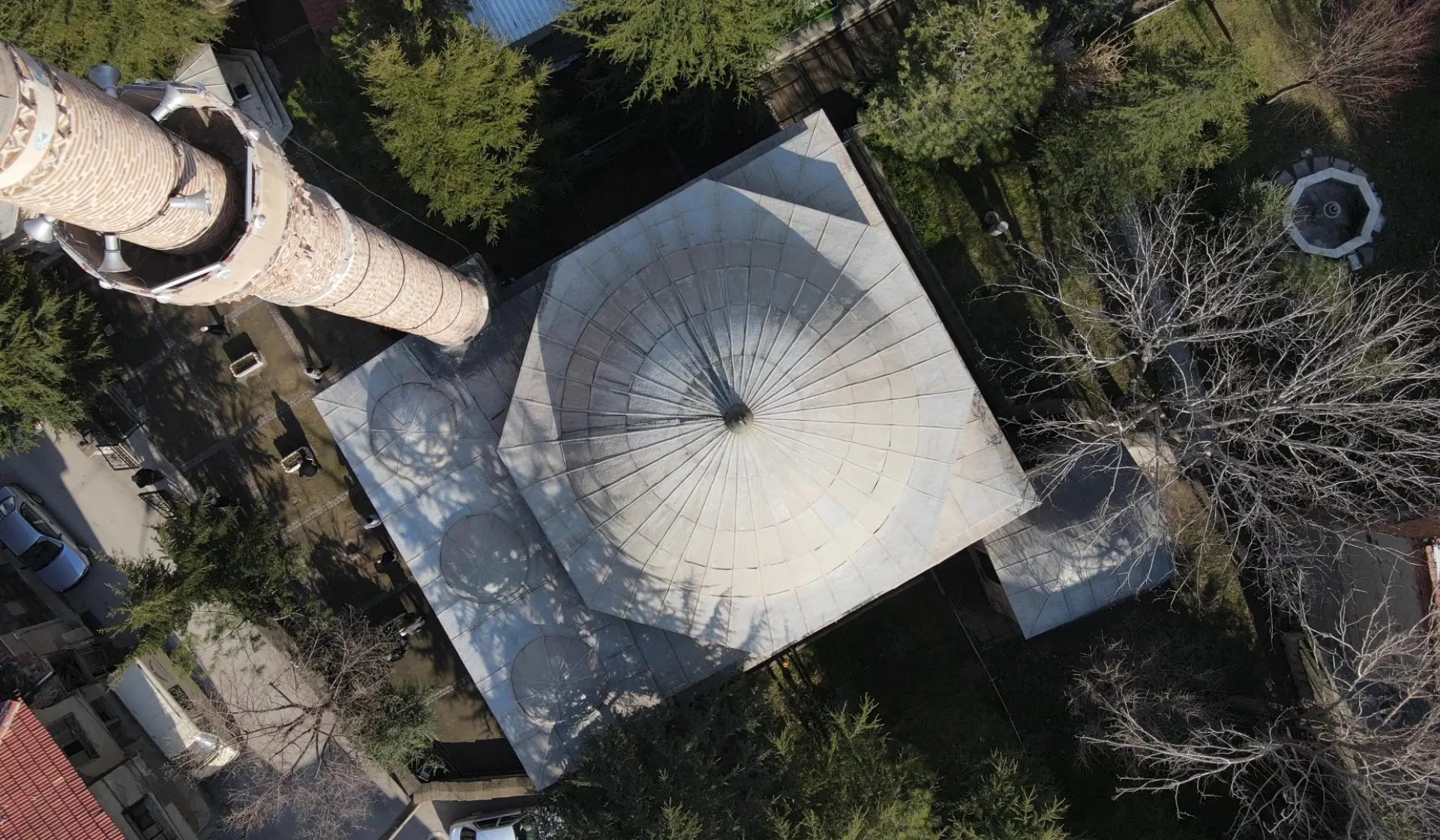
Sufi religious complex in the old center of Afyonkarahisar
Inside such Mevlevi complexes, visitors usually pay attention to the relationship between the prayer space and the memorial section. Here, not only the hall itself is of interest, but also the turbe - a room or area associated with burial and remembrance. It is worth paying attention to the mihrab niche, gravestone elements, the proportions of the interior, and how the religious function is combined with the secluded atmosphere of a Sufi place.
It is better to come outside the main prayer hours, when the visit is calmer. If access is open, it is usually advisable to behave quietly inside, not disturb worshippers, and ask on site whether photography is allowed. Women may need a headscarf, and shoes are generally removed when entering the prayer area.
The mosque and turbe will be of particular interest to those studying Ottoman-period religious architecture and the history of Sufi orders in Anatolia. Unlike large congregational mosques, what matters here is not the scale, but the character of the space and its historical function in urban life. Nearby, it is convenient to visit Afyonkarahisar Fortress, the old central streets, and other historic buildings of the city.
The easiest way to get here is on foot during a walk through the center of Afyonkarahisar or by taxi from other parts of the city.
Best tours and travel experiences across the continent


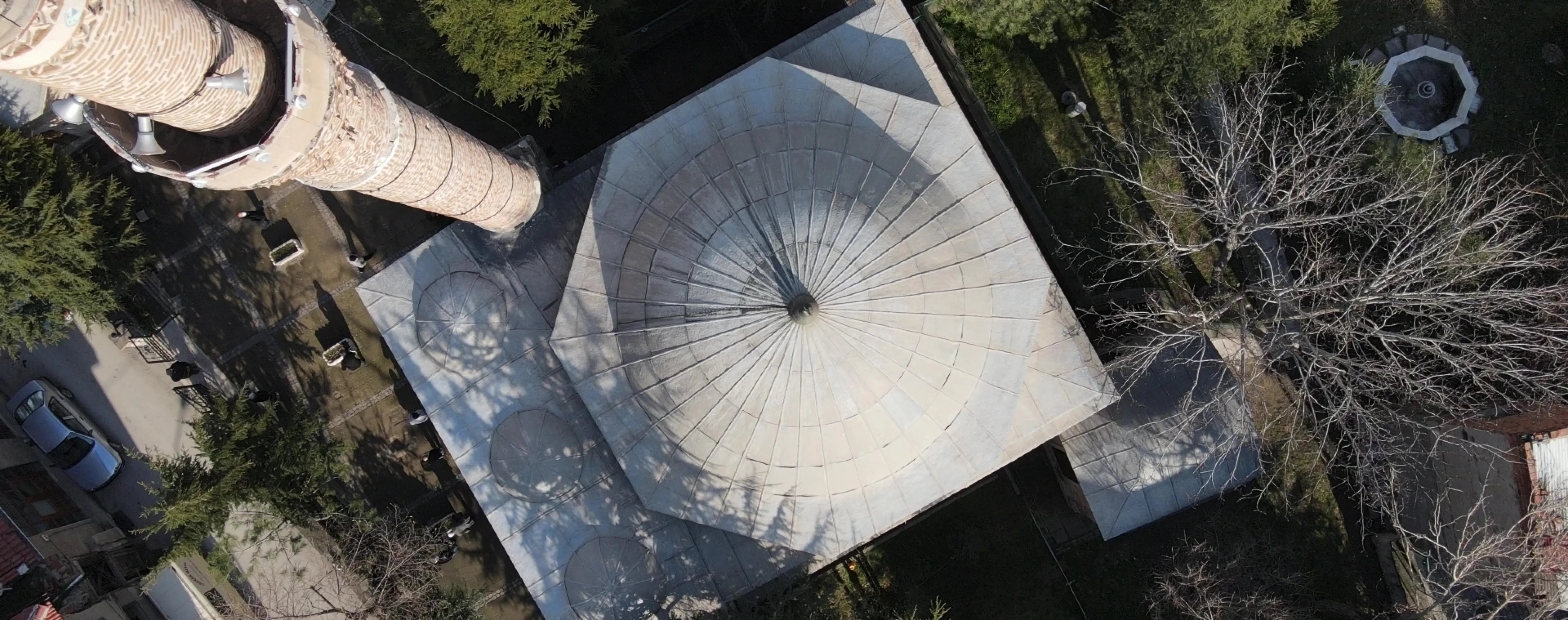
Photos of the mosque
Guided tours, popular attractions, and top-rated hotels across the continent


