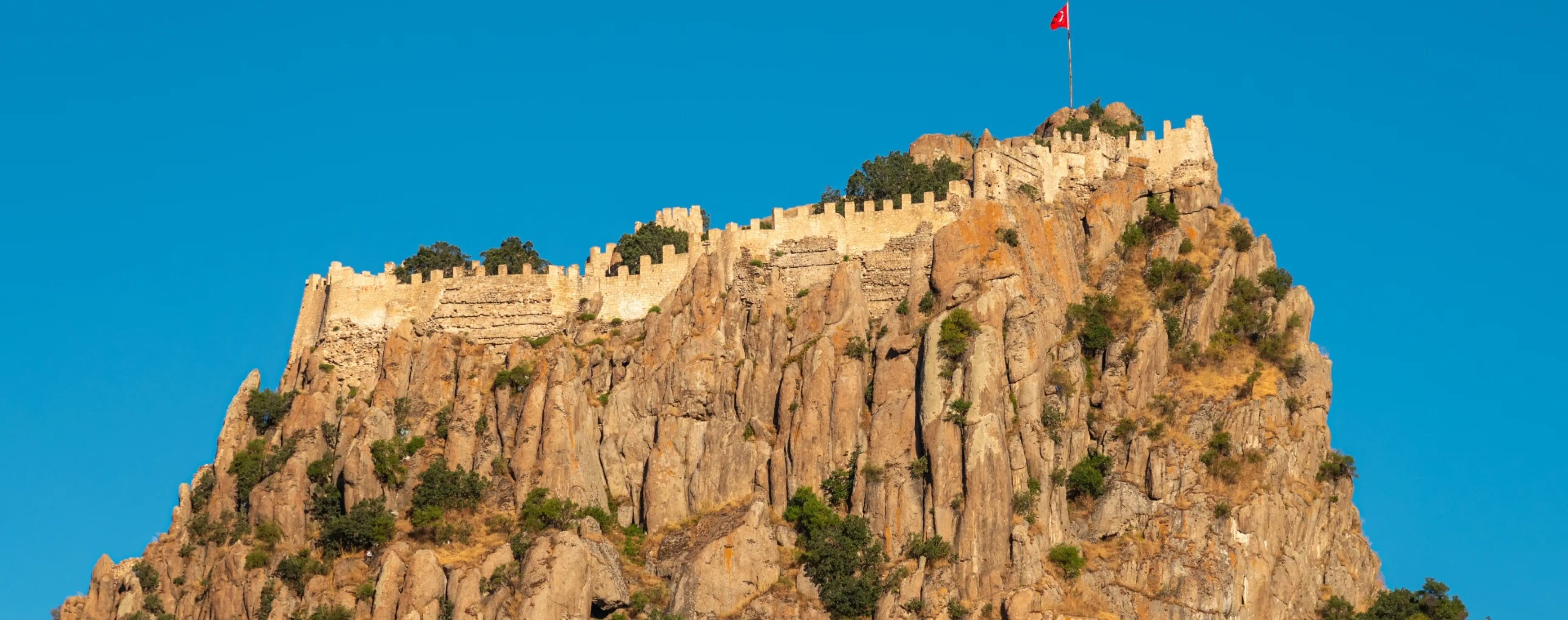
Afyonkarahisar Turkey travel guide to Castle
Afyonkarahisar, Turkey
Afyonkarahisar is an inland city in western Turkey, in the Aegean Region. It has no coast, and the source facts attach no body of water to its setting. Instead, the landscape pairs an urban center with a steep volcanic rock and a wide surrounding plain, giving the city a distinctly inland backdrop.
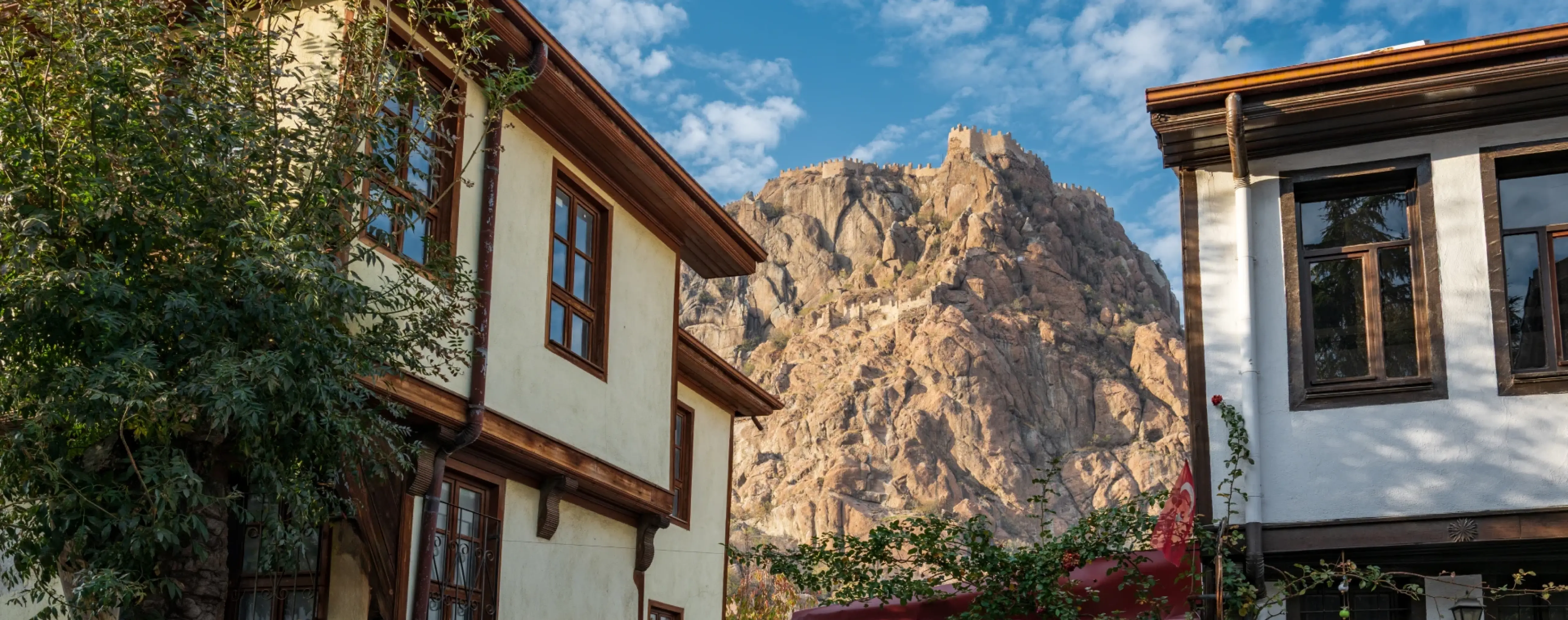
The city shows visible historical layers from the Seljuk period, the Ottoman era, and the period of the Turkish War of Independence. Among the key surviving monuments are Afyonkarahisar Castle on its steep volcanic rock, Ulu Cami from the Seljuk period, Zafer Muzesi linked to the War of Independence, and Ottoman-era buildings and religious monuments in the old center. Together, these create a historic core gathered around the castle hill, where major monuments from different periods remain close at hand.
Afyonkarahisar brings together thermal tourism, short cultural visits, regional food, and access to nearby nature-linked heritage areas. It is therefore well suited to holidays or a travel guide centered on spa stays with added city sightseeing, rather than long urban tourism. The city is oriented more toward thermal stays, food, and short cultural visits than nightlife.
The main visitor areas are the old center around the base of the castle hill, known for historic buildings and monuments, and Gazligol, which is associated with thermal stays and wellness visits. Thermal hotel zones in and around the province are an important part of the visitor experience, combining accommodation, pools, and spa facilities. For access, Zafer Airport is the nearest regional airport, while many visitors also come by road because Afyonkarahisar stands at an important crossroads linking the Aegean, Central Anatolia, and Mediterranean parts of Turkey.
Afyonkarahisar has a continental climate, with hot dry summers and cold winters. Thermal tourism continues in every season. Spring and autumn are generally the most comfortable times for combining spa stays with city sightseeing, while the heat of summer and the cold of winter are less comfortable for outdoor visits.
Afyonkarahisar on the map
Afyonkarahisar: Attractions, interesting places for excursions
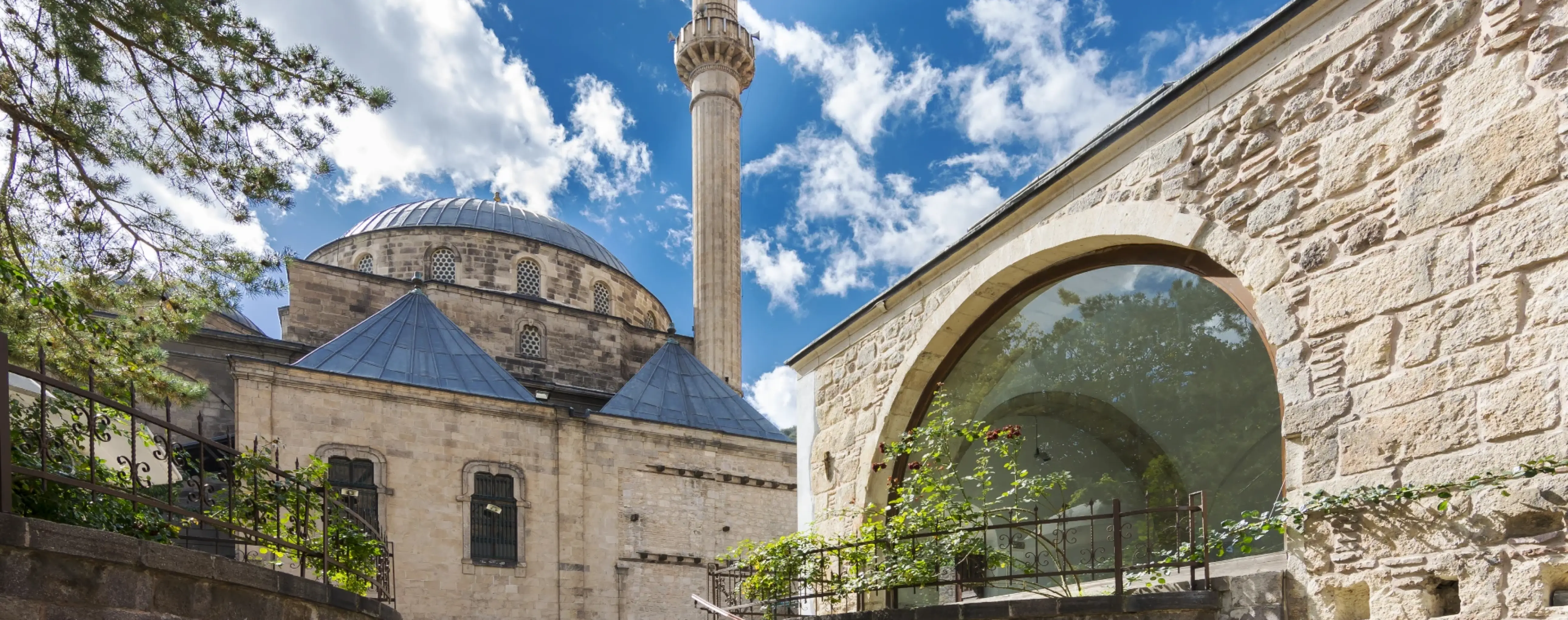
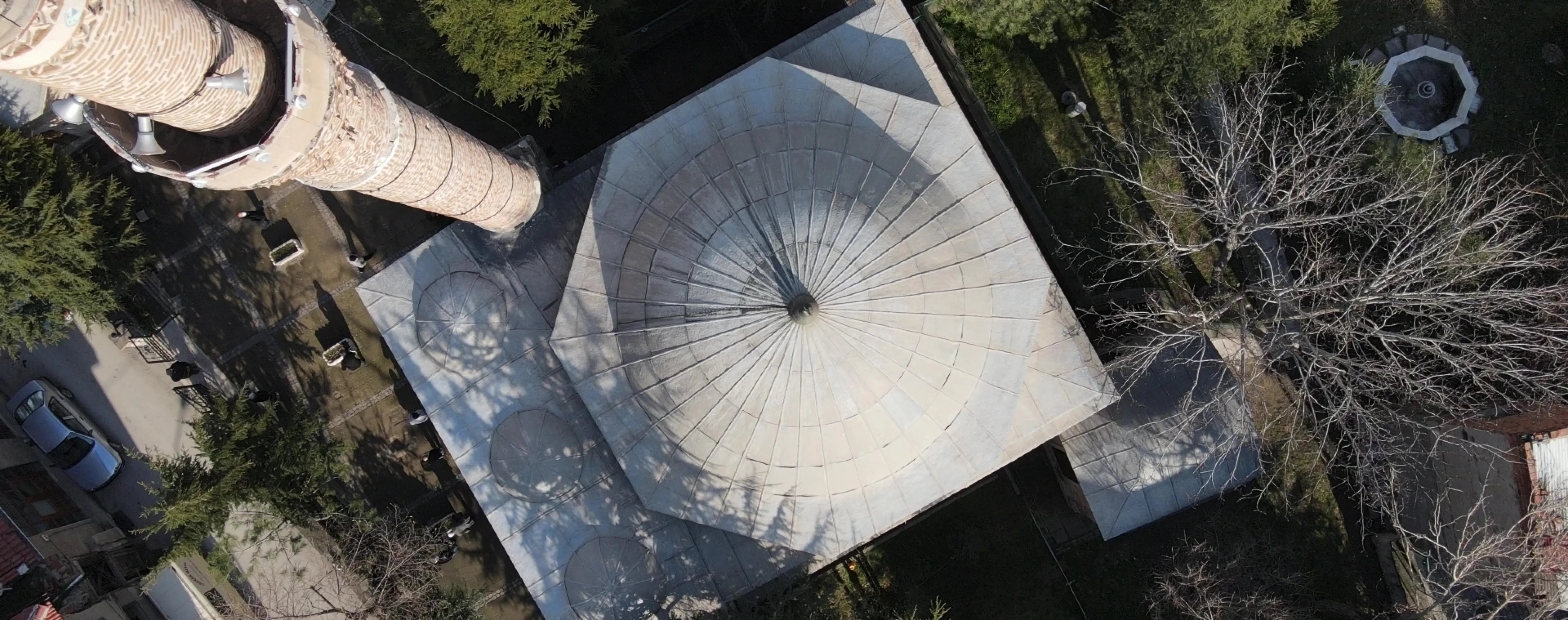
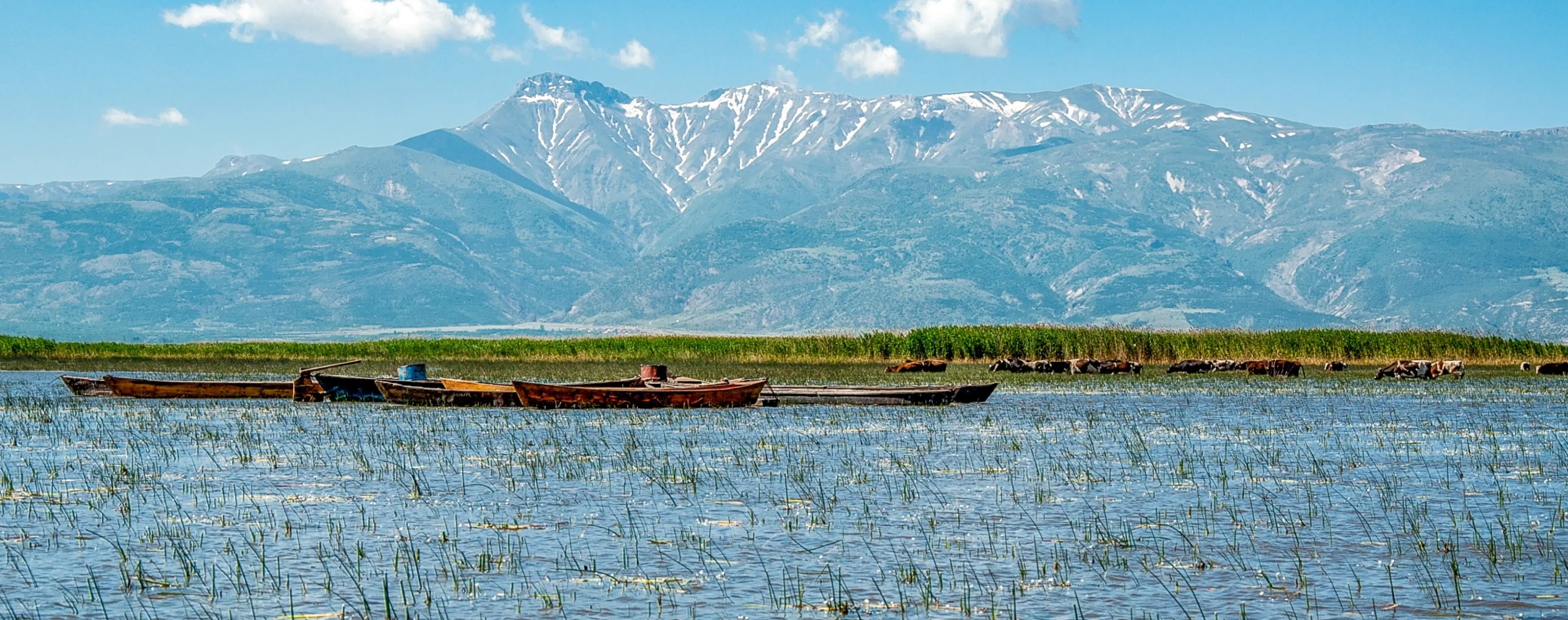
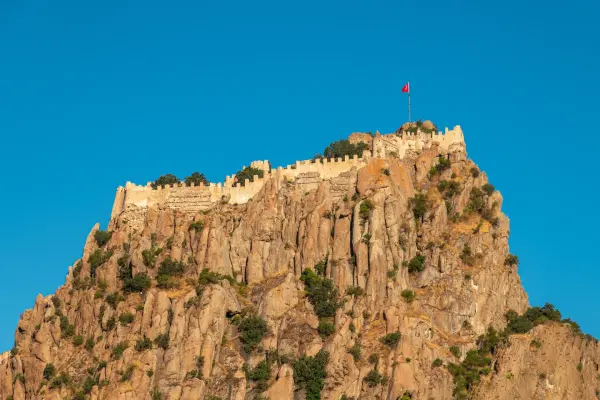
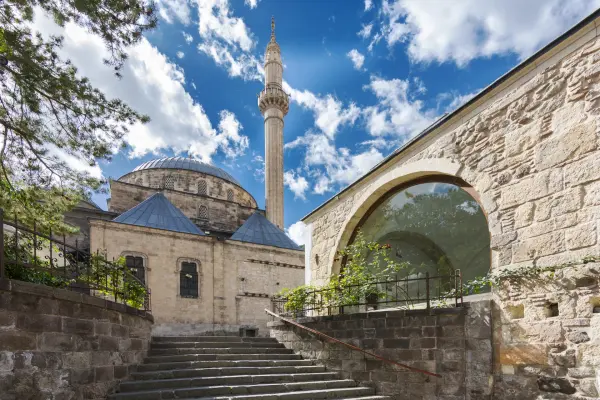
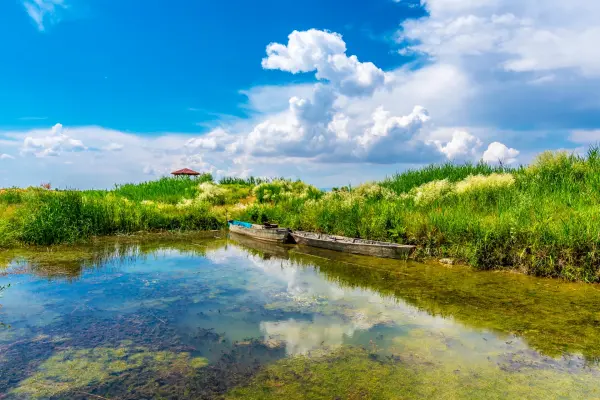
Afyonkarahisar Castle, Mevlevi Turbe Mosque, Lake Eber
Afyonkarahisar: Popular Districts
Erkmen

What to see in Afyonkarahisar, from Castle to thermal areas
Castle rock, Seljuk timber mosque, and steaming thermal pools
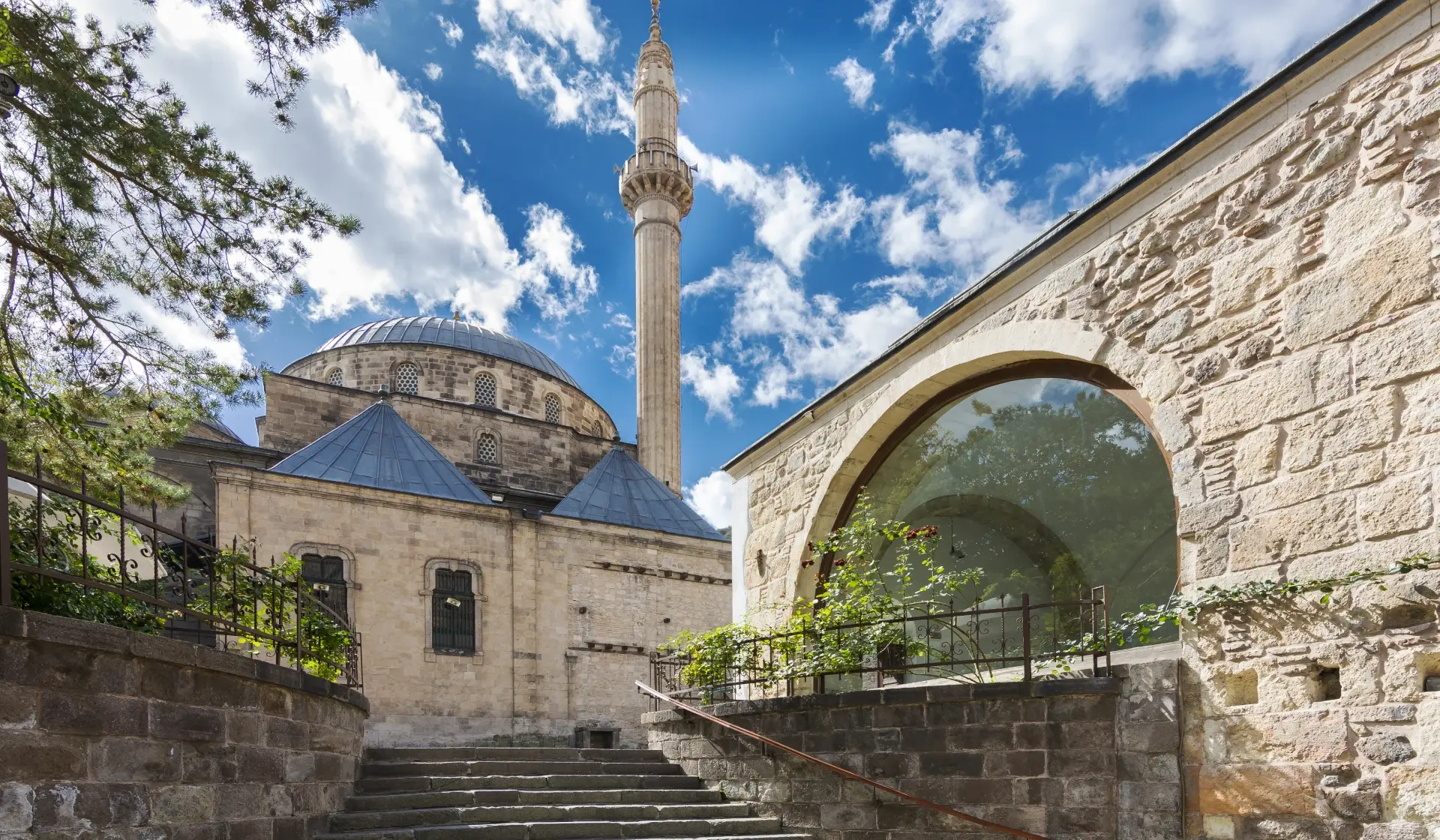
Castle hill, old center, and the Frig Valley
In the historic core, the old center gathers around the base of the castle hill, where Ottoman-era buildings and religious monuments sit below the steep volcanic rock. Rising above the urban center, Afyonkarahisar Castle is the city's most distinctive visual landmark and an important viewpoint over the surrounding plain. Ulu Cami adds a major Seljuk-period monument, giving the historic area another key place to see.
Zafer Muzesi is the main named museum in the source facts, and its link to the Turkish War of Independence reflects the city's role in that conflict. Beyond the center, the principal natural and regional heritage feature is the Frig Valley, with Afyonkarahisar used as a base for visits to rock-cut monuments and landscapes connected with ancient Phrygia. The source facts do not support any waterfront, harbor, or marina function.
Travel here is not limited to monument viewing. Visitors stay in thermal hotels, bathe in hot spring facilities, and make wellness trips to Gazligol. Day trips to the Frig Valley are also common, alongside time in the historic center and around the castle viewpoint, so there are several things to do beyond museums alone. Dining and food shopping focus strongly on local specialties such as Afyon sucugu, Afyon kaymagi, and lokum.
City Details
City overview – facts & data for travelers
Best tours and travel experiences across the continent
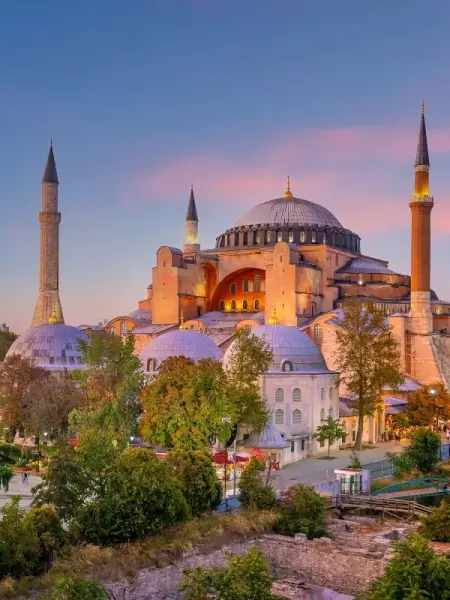
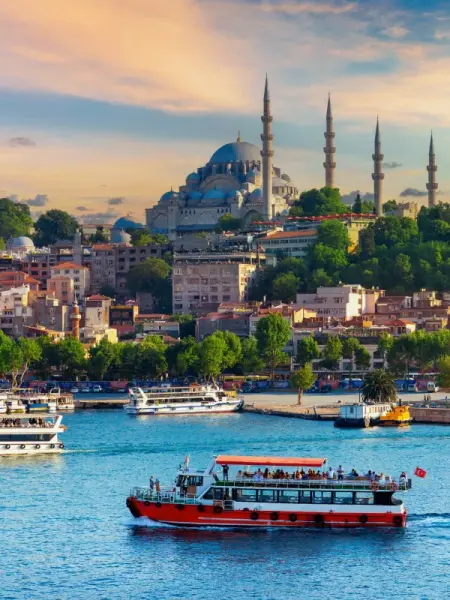
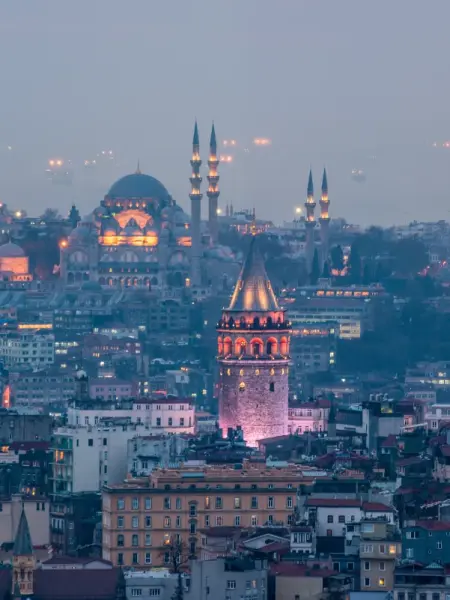


Afyonkarahisar views
Guided tours, popular attractions, and top-rated hotels across the continent