
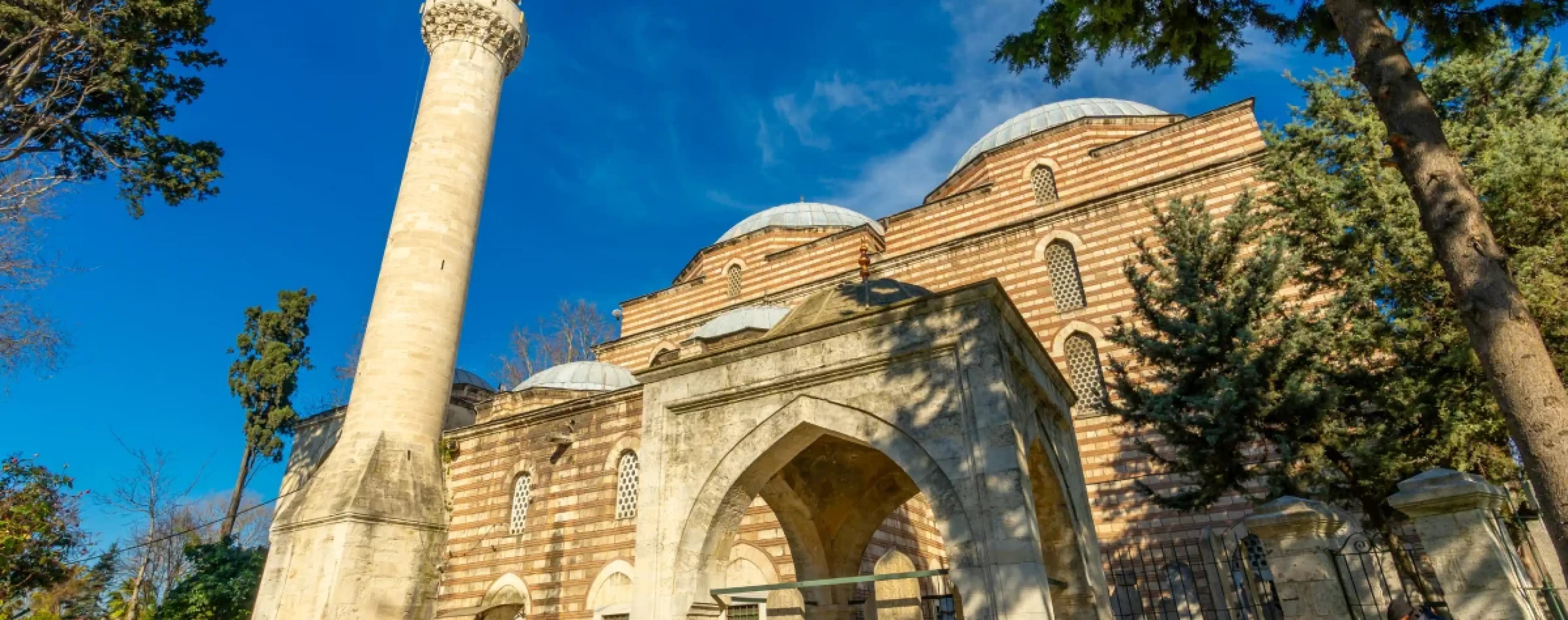
Murad Pasha Mosque
Murad Pasha Mosque in the Fatih district, Istanbul
Murad Pasha Mosque is located in the European part of Istanbul, in the Fatih district, not far from Aksaray. It is among the early Ottoman mosques that appeared in the city soon after the conquest of Constantinople in the 15th century. The building is usually associated with the grand vizier Has Murad Pasha, who served under Sultan Mehmed II.
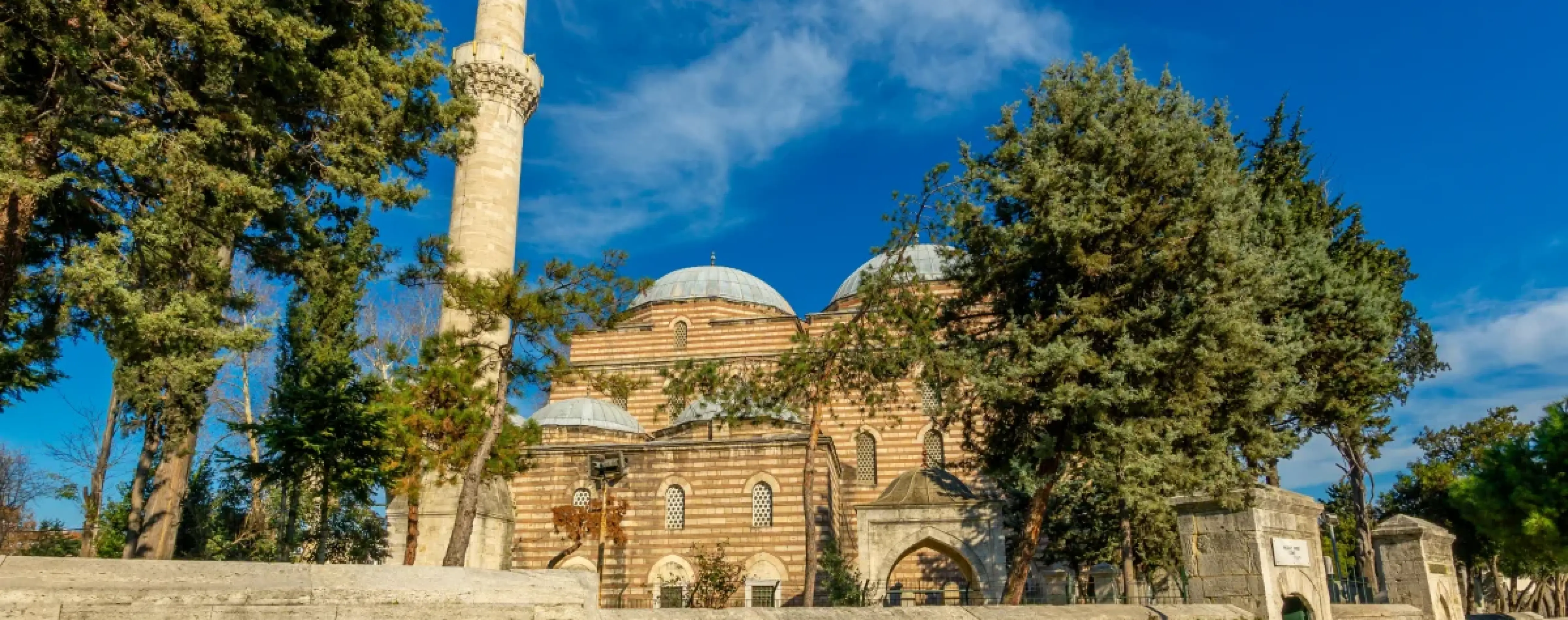
The main feature of the building is its early Ottoman layout. The mosque consists of two consecutively connected square halls covered by two identical domes. In front of the entrance there is a wider portico with five small domes on columns. This composition resembles an inverted "T" and is associated with the so-called Bursa type, characteristic of early Ottoman architecture.
On the outside, the masonry with alternating stone and brick is noticeable, a technique often found in buildings of that time. The marble columns of the portico also draw attention and were probably taken from earlier Byzantine structures. Above the entrance, a calligraphic inscription has been preserved, traditionally attributed to the master Ali Sufi.
For tourists, the mosque is interesting not only because of its age, but also because of the opportunity to see what Ottoman architecture looked like in the first decades after Istanbul became the capital of the empire. It is not the most prominent monument compared to the city's large mosques, but for that very reason it is often visited by those who want to better understand the historic urban fabric of Fatih beyond the most popular routes.
Murad Pasha Mosque on the map
Istanbul: Mosques
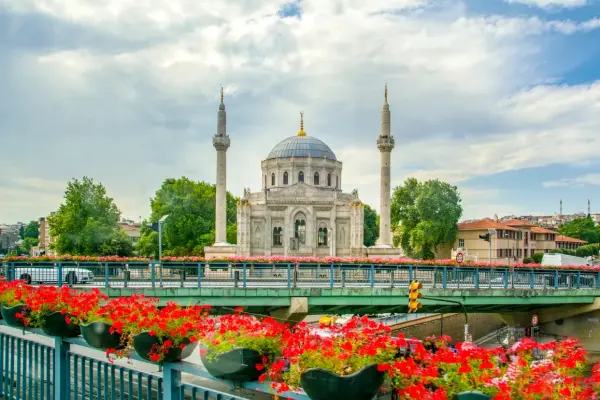
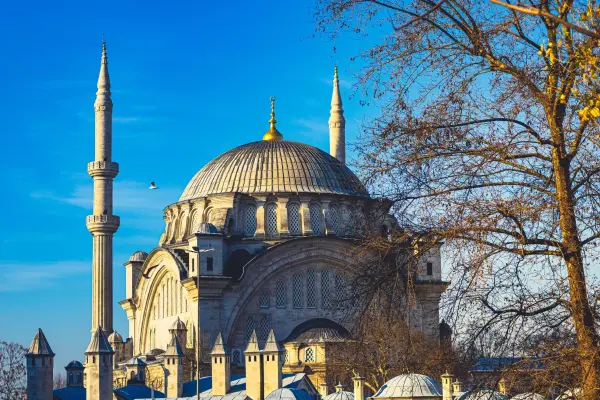
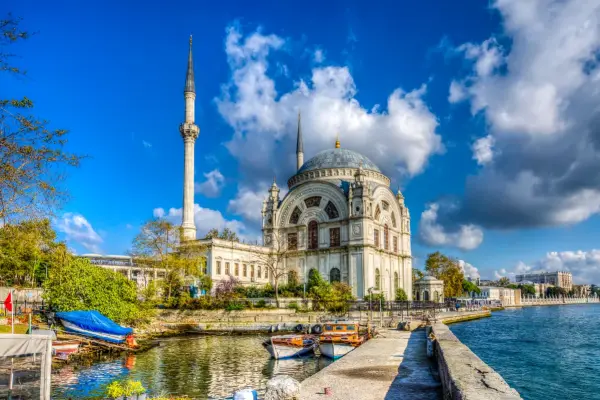
Valide Sultan Mosque, Nuruosmaniye Mosque, Dolmabahce Mosque, Kececizade Fuad Pasha Mosque
Architecture and layout of Murad Pasha Mosque
The stone masonry and restrained interior layout reflect the early Ottoman style.
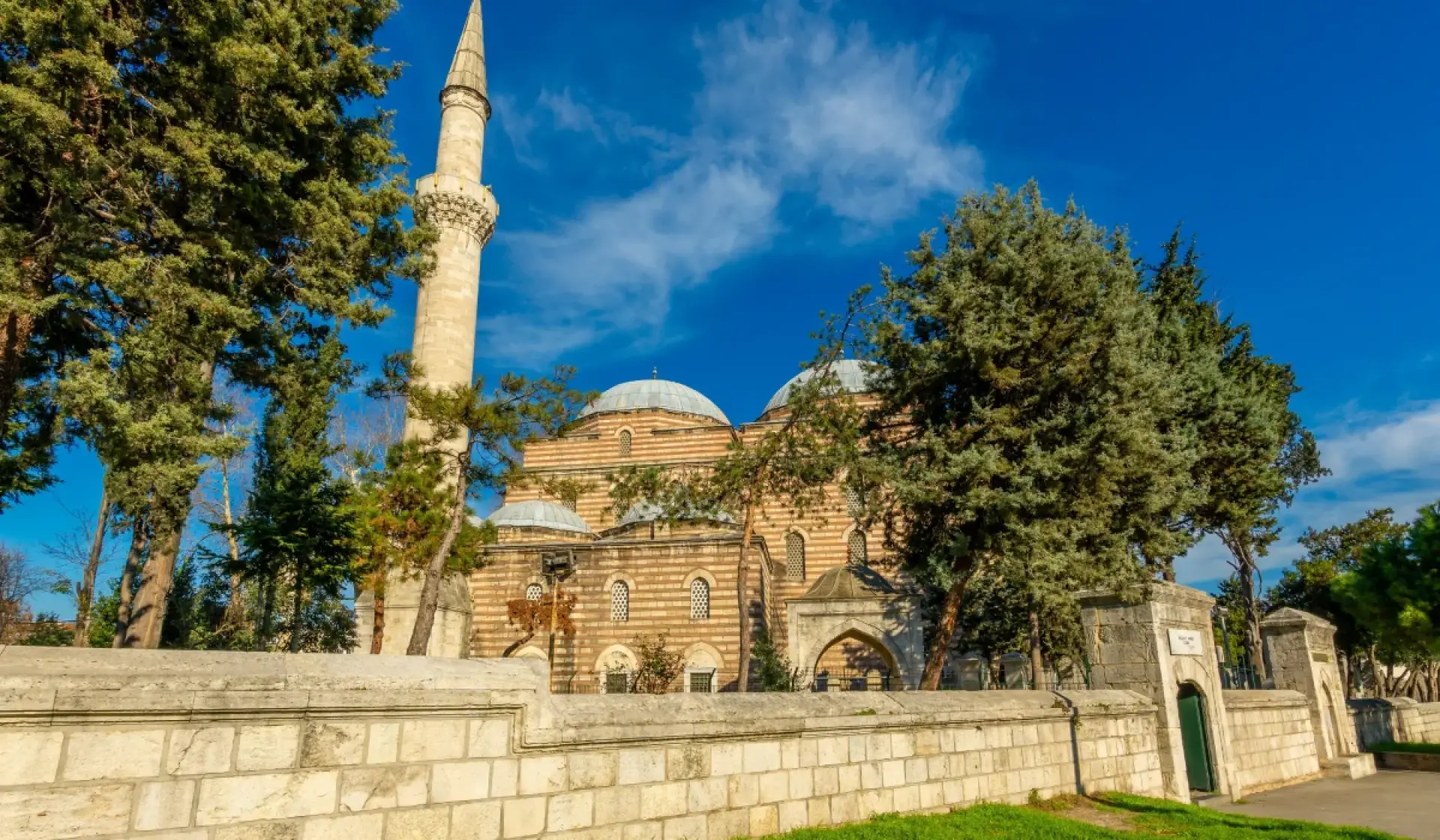
Early Ottoman layout with two domed halls
When visiting, it is worth paying attention to the overall composition of the building: first the portico is seen, and behind it are two consecutively arranged interior spaces under domes. This type of plan differs from the later great imperial mosques of Istanbul and helps illustrate how Ottoman religious architecture changed in the 15th-16th centuries. The features of the building are best understood from the outside, where the proportions of the volumes and the structure of the facades are clearly visible.
The decorative details are also of interest: the marble columns at the entrance, the combination of brick and stone in the masonry, and the calligraphic inscription above the portal. Inside, visitors usually notice the restrained space of the prayer hall, where architectural form is more important than lavish decoration. When visiting, it should be kept in mind that this is an active mosque, so silence should be observed, modest clothing should be chosen, and the interior should not be entered during prayer unless necessary.
The mosque can easily be included in a walk around historic Fatih. Nearby are the Aksaray area, the Pertevniyal Valide Sultan Mosque, and several lively streets with local shops and cafes, while a little farther on begins the route to Fatih Mosque and other monuments of the old city.
The easiest way to get here is by T1 tram or metro to the Aksaray area, and then walking for a few minutes. Because of its proximity to major roads, the building is easy to miss, so it is more convenient to mark it on the map in advance.
Best tours and travel experiences across the continent


Photos of Murad Pasha Mosque
Guided tours, popular attractions, and top-rated hotels across the continent


