
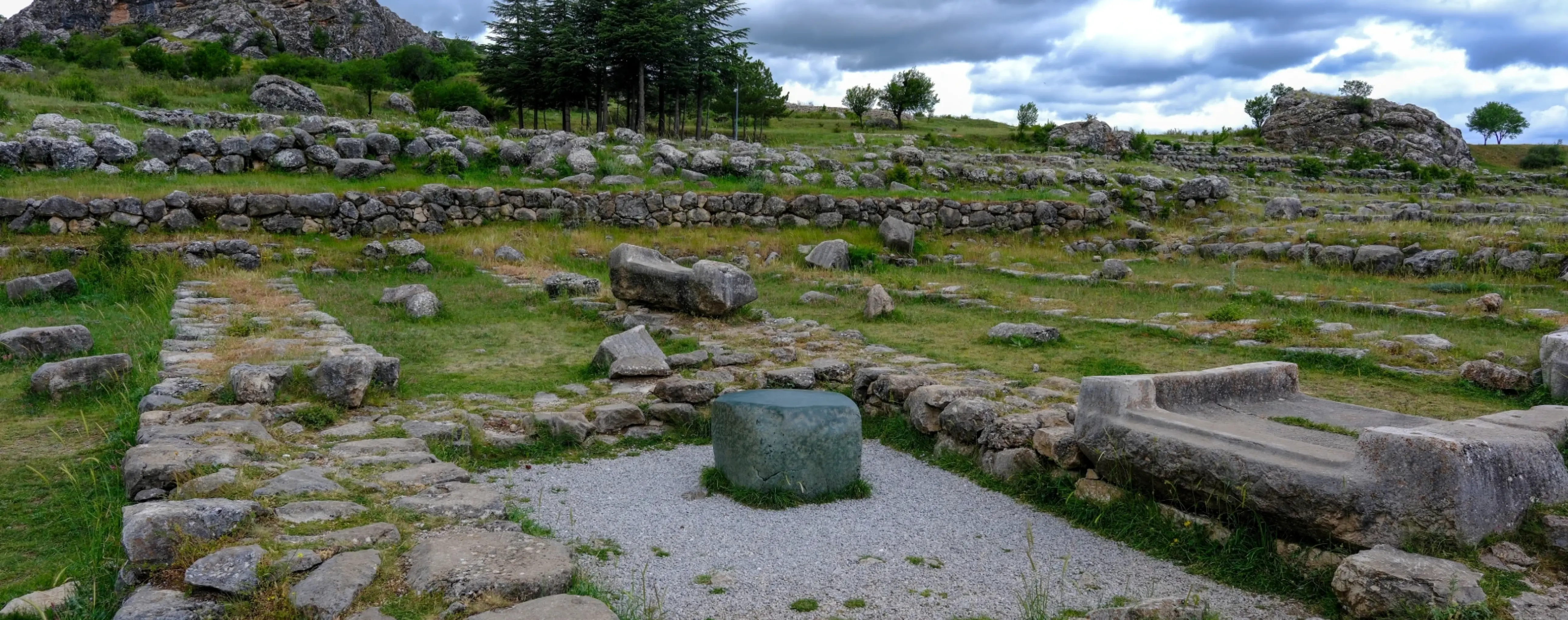
Ruins of the City of Hattusa
Ruins of the City of Hattusa near Bogazkale, Ankara, Turkey
The ruins of Hattusa are located near the village of Bogazkale in central Turkey. This archaeological complex is associated with the capital of the Hittite Kingdom, one of the most important states of ancient Anatolia. Today, the area of Hattusa is included in the UNESCO World Heritage List and is of great interest to those who want to see one of the key monuments of the ancient Near East.
The city developed especially actively in the 2nd millennium BCE and was a major political, religious, and administrative center. Its past is known not only from the remains of buildings but also from archaeological discoveries: cuneiform tablets were found here, which helped to better understand the history of the Hittites, their laws, diplomatic relations, and religious beliefs.
Fragments of massive city walls, gates, temple foundations, sections of residential buildings, and remains of official structures have been preserved on the site. The area of the ruins is quite extensive, so during a walk you can see how the ancient city was arranged and imagine its scale. The monumental gates with stone reliefs are especially famous and remain some of the most recognizable elements of Hattusa.
A trip here is suitable for those interested in ancient history, archaeology, and the early civilizations of Anatolia. A visit to the ruins can be conveniently complemented by a stop at the Bogazkale Museum, where finds from Hattusa and the surrounding area are displayed and where it is easier to understand the significance of this place in the history of the region.
Ruins of the City of Hattusa on the map
Overview of the archaeological zone of the ruins of Hattusa
A walk through the ruins reveals the scale of the ancient city.
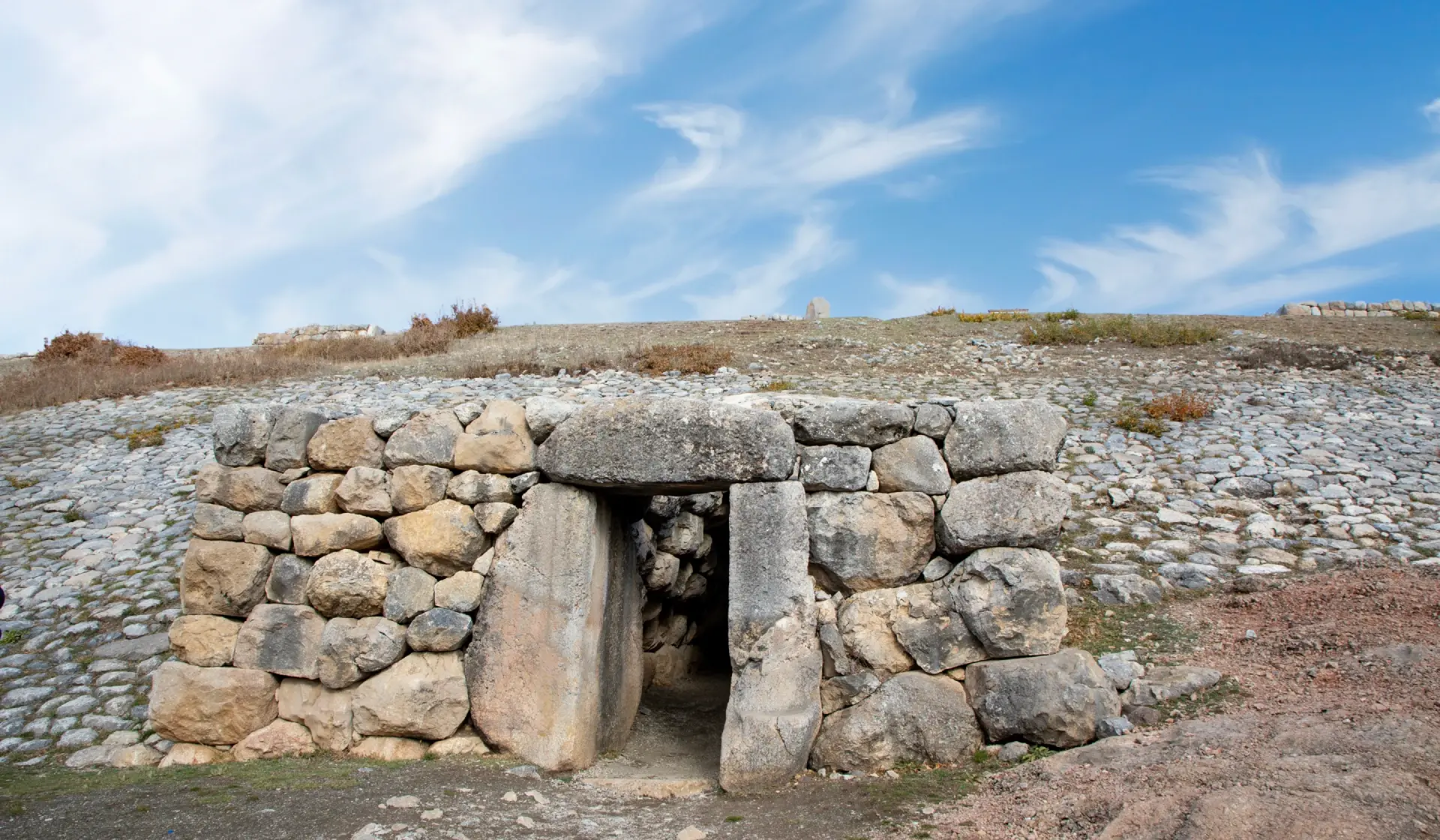
City walls, gates, and temples of the Hittite capital
During a visit to Hattusa, visitors usually walk through different parts of the ancient city, where lines of fortifications, entrance gates, and the remains of large public buildings have been preserved. The most famous are the Lion Gate, the King's Gate, and a section of the fortifications with a reconstructed stretch of wall, which helps to imagine the city's defensive system. The stone masonry, reliefs, and site layout are especially interesting for those who want to see the structure of an ancient capital not in drawings, but in person.
The complex also includes the remains of the Great Temple and other cult structures, as well as areas where palace and administrative buildings once stood. The archaeological zone covers a considerable area, so it is worth allowing enough time and wearing comfortable shoes. Part of the route passes through open terrain, where it can be hot in summer and there is little shade.
Near Hattusa is Yazilikaya, a rock sanctuary complex with reliefs carved into the stone, which is often visited as part of the same trip. In Bogazkale itself, you can visit the archaeological museum to see tablets, ceramics, seals, and other finds related to Hittite history.
Visitors usually get here via Bogazkale by car or as part of a tour; it is most convenient to plan the trip from Ankara with an early departure. Before visiting, it is useful to check the opening hours of the museum and the archaeological zone, as they may vary by season.
Best tours and travel experiences across the continent

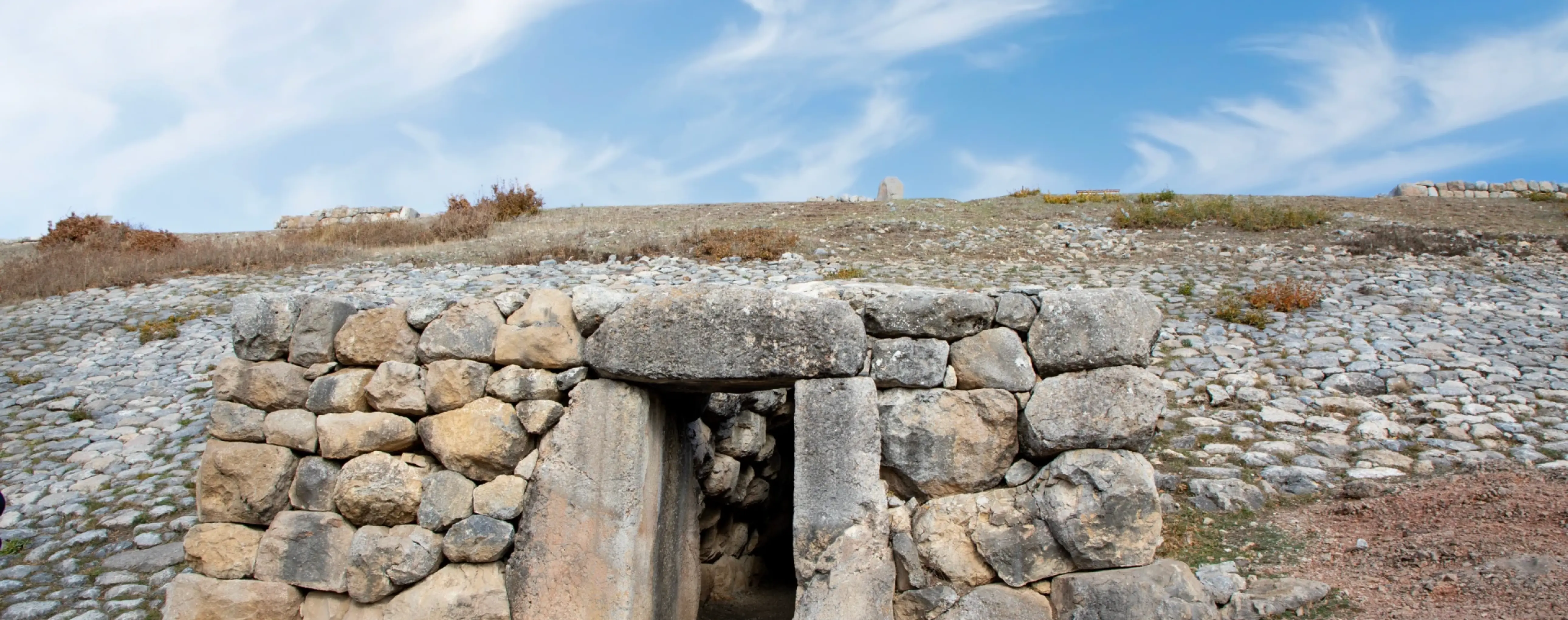
Photos of the ruins of Hattusa
Guided tours, popular attractions, and top-rated hotels across the continent


