
Rumeli Hisari Fortress
Rumeli Hisari Fortress in Istanbul on the Bosphorus Shore
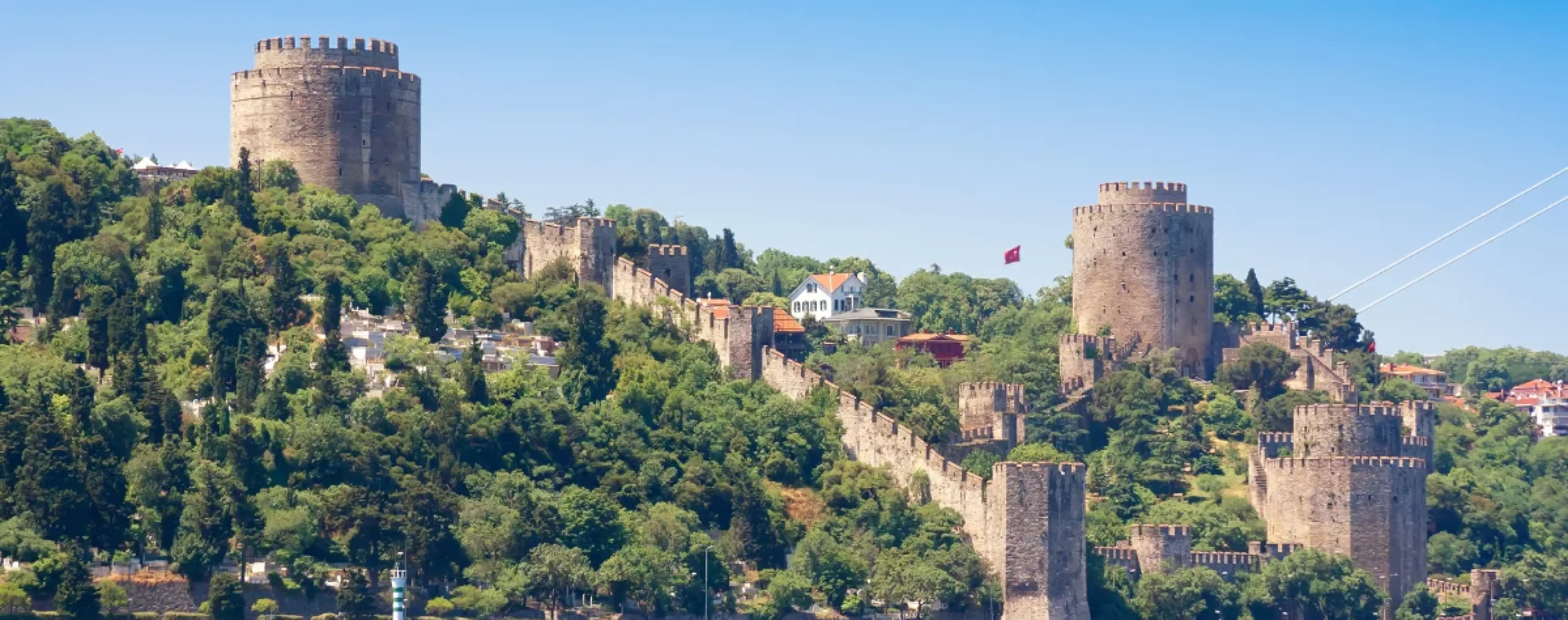
Rumeli Hisari Fortress is located on the European shore of the Bosphorus in Istanbul's Sariyer district, between the neighborhoods of Bebek and Emirgan. It was built in 1452 by order of Sultan Mehmed II as part of the preparations for the siege of Constantinople. The site was chosen at the narrowest point of the strait, opposite the earlier Anadolu Hisari Fortress on the Asian shore.
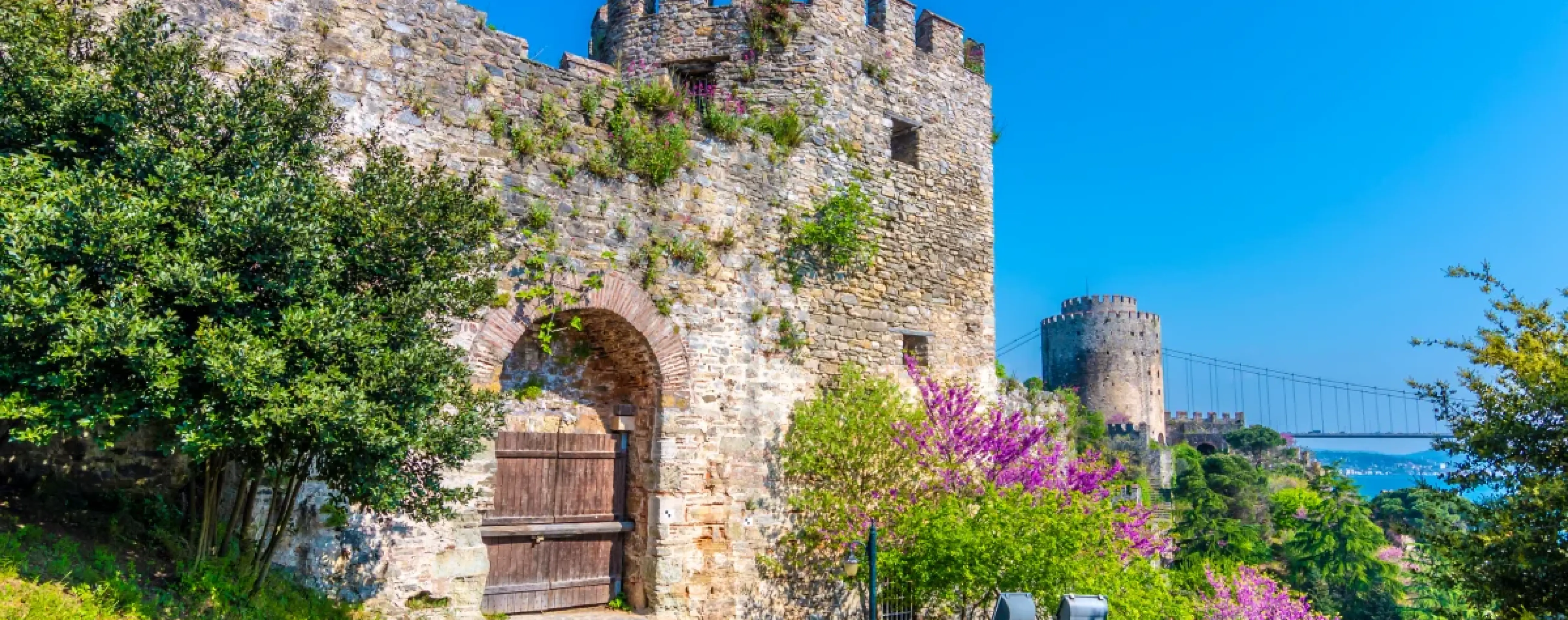
Construction took only a few months, which is considered a very short time for such a fortification. The complex includes massive walls, three large towers, and a number of smaller towers connected to each other. Inside the fortress were garrison quarters, storage rooms, cisterns, and a mosque, of which the minaret has survived.
The main task of Rumeli Hisari was to control navigation on the Bosphorus. The fortress helped block the movement of ships and strengthened Ottoman control over the strait on the eve of Byzantium's fall. The name Bogazkesen is usually associated with the meaning "cutting through the strait," which well reflects its strategic purpose.
After the conquest of Constantinople, the fortress gradually lost its original defensive role and was used differently in various periods, including as a place of imprisonment. In the 20th century, it was restored and opened to visitors. Today, Rumeli Hisari is of interest as a well-recognized monument of Ottoman military architecture and as a viewpoint with views over the Bosphorus.
Rumeli Hisari Fortress on the map
Istanbul, Sariyer: Fortresses and castles
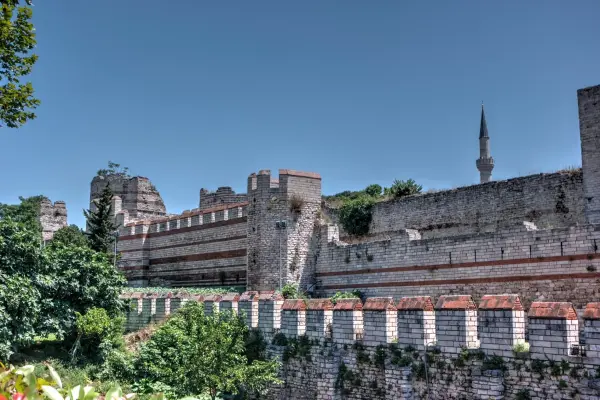
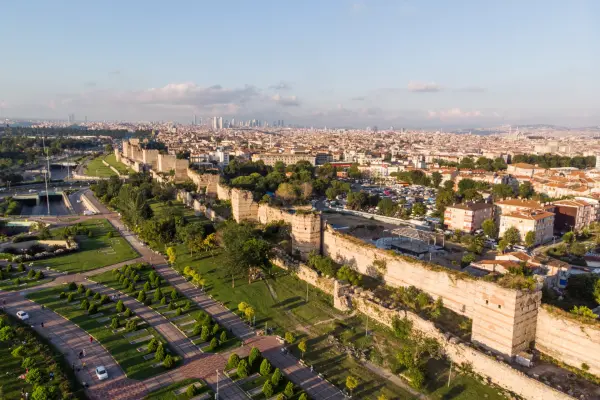
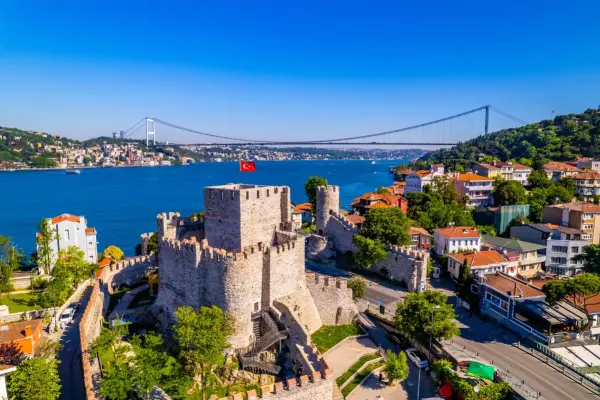
Theodosian Wall, The City Walls of Istanbul, Anatolian Fortress Anadolu Hisari, Sile Castle
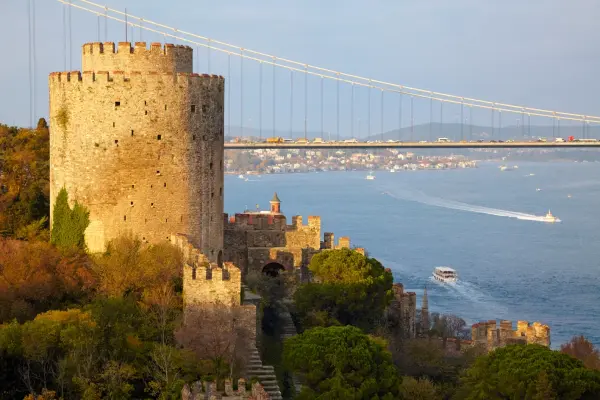
Rumeli Hisari Fortress - layout and panoramic views
The walls and towers reflect the fortification layout and open up views of the Bosphorus.
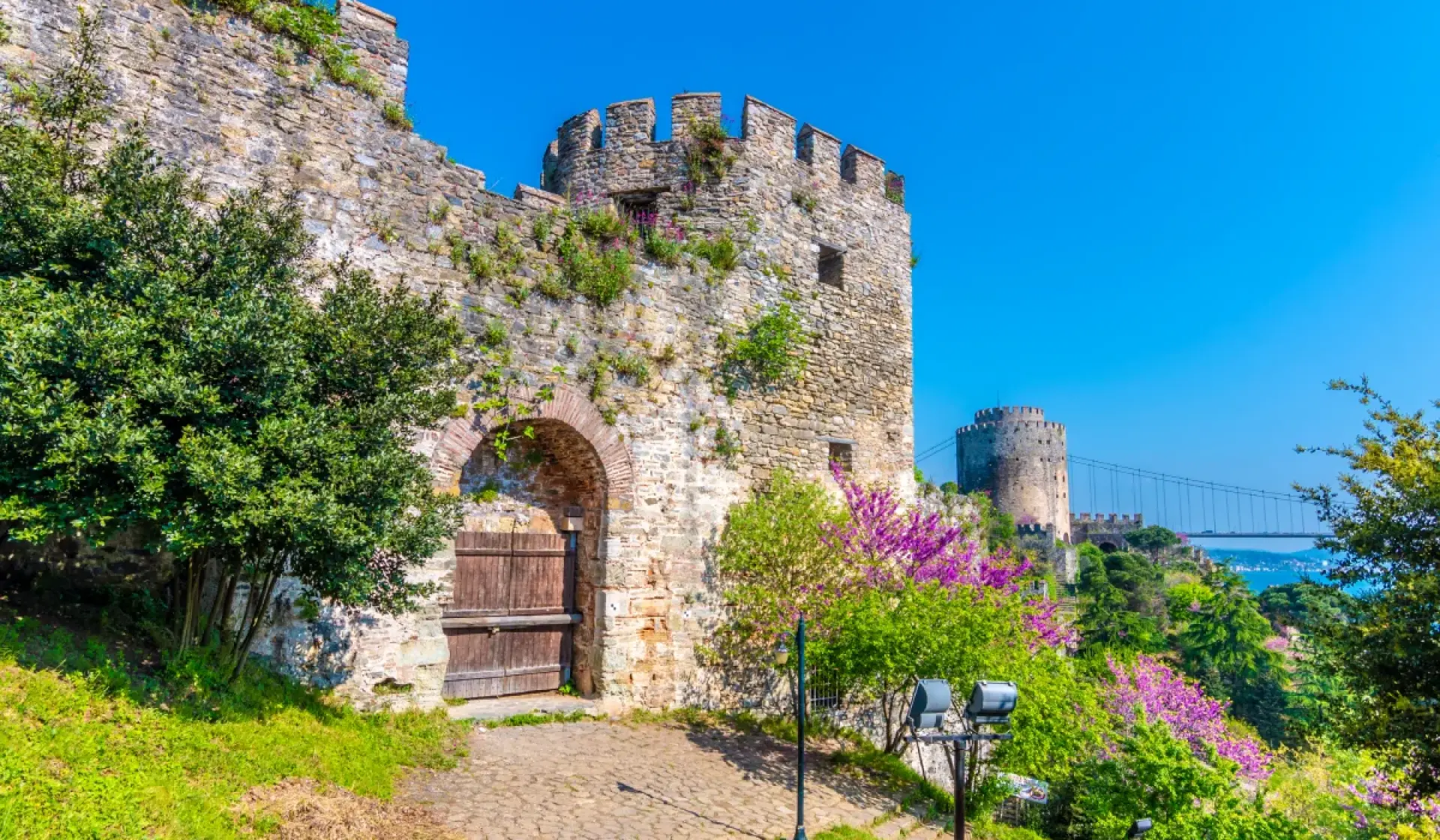
Medieval walls above the narrow section of the Bosphorus
On the grounds of the fortress, you can see massive stone walls, inner passageways, towers of different shapes, and the remains of historic structures. The terrain here is steep, so the walk includes inclines and stairs. From different points, there are wide views of the Bosphorus, the 15 July Martyrs Bridge, and the Asian shore.
The visit is especially interesting for those who want to better imagine how Ottoman fortifications used the features of the landscape. Even without a large number of surviving inner buildings, the layout of the fortress is still quite clear: you can see how the towers were connected to the walls and how the approach to the strait was controlled. In the warm season, part of the space is also used as an open-air venue for cultural events.
Nearby are the Bebek and Emirgan waterfronts, Emirgan Park, and the Anadolu Hisari Fortress on the opposite shore, which can be easily viewed during a walk along the water. You can get here by bus or taxi along the European Bosphorus waterfront from central Istanbul.
Best tours and travel experiences across the continent

Photos of Rumeli Hisari
Guided tours, popular attractions, and top-rated hotels across the continent


