
The City Walls of Istanbul
The City Walls of Istanbul in the Fatih District
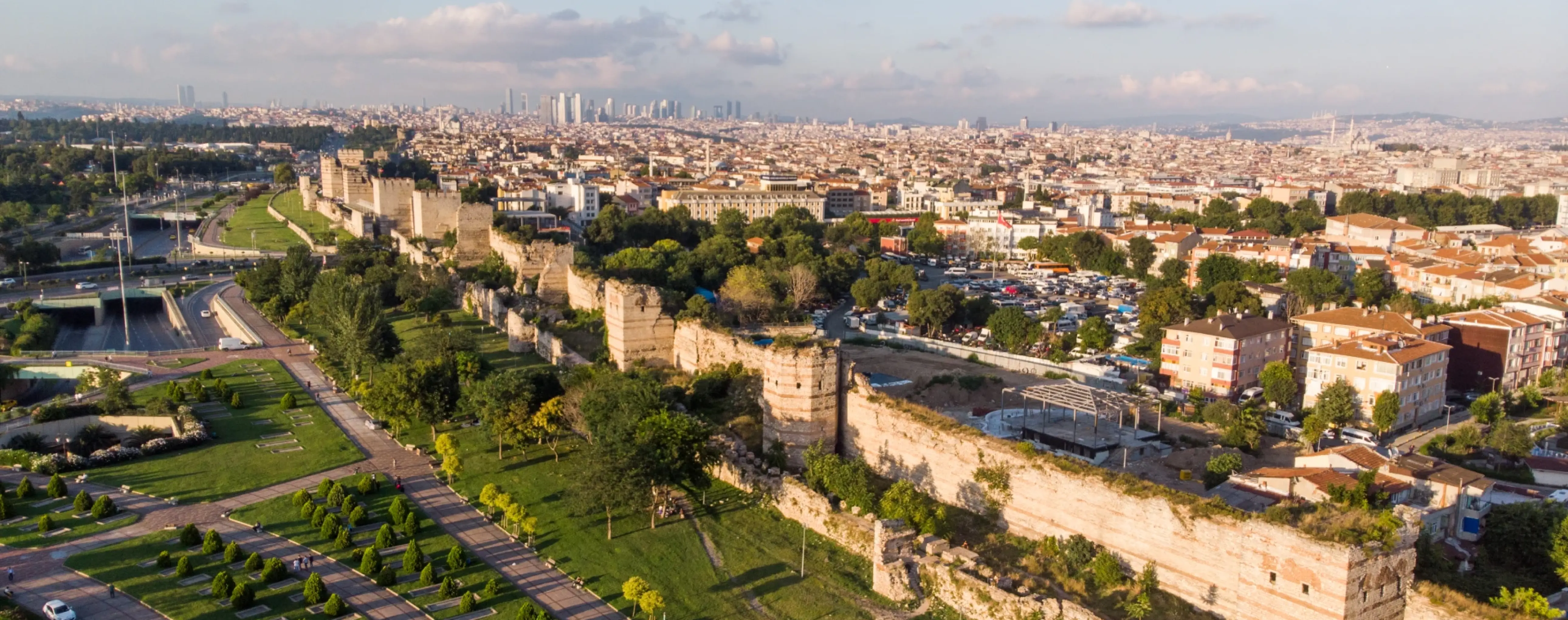
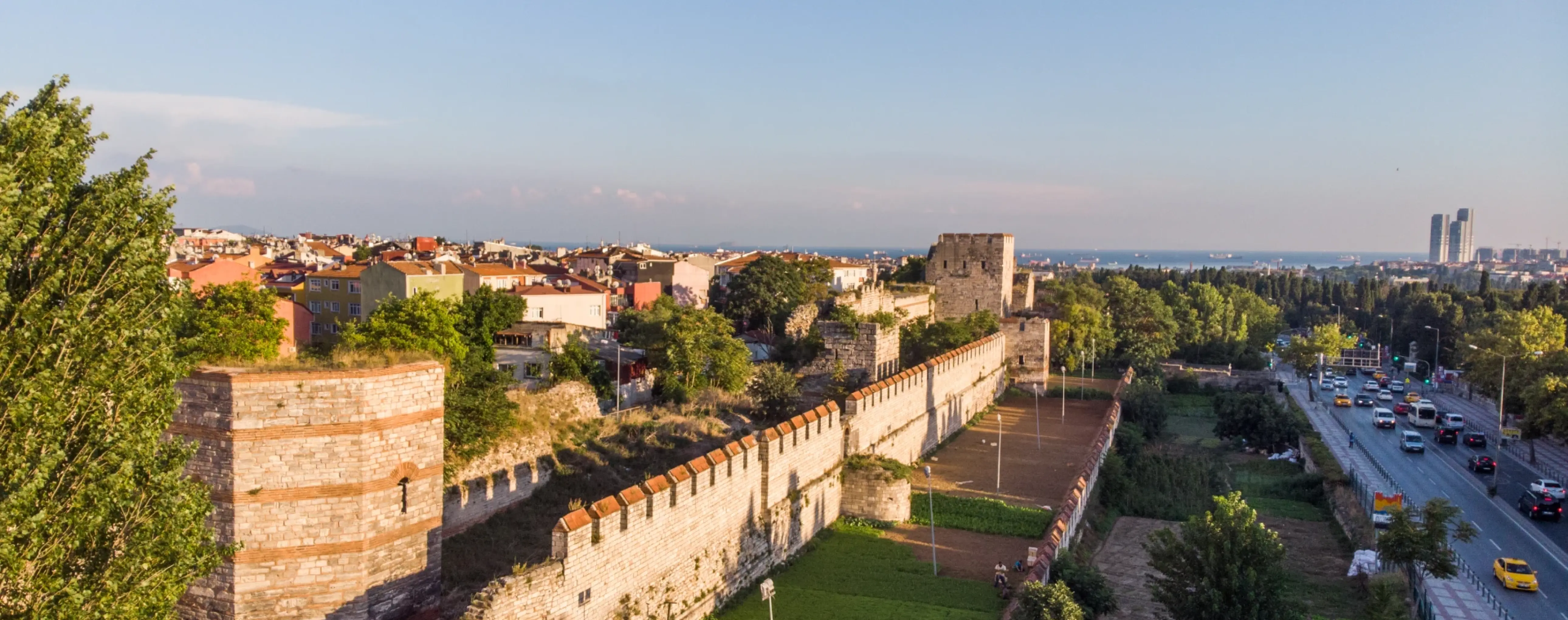
The City Walls of Istanbul are the largest surviving line of land fortifications of Byzantine Constantinople. They run along the western side of the city's historic center, in the Fatih district, from Yedikule on the Sea of Marmara to Ayvansaray on the shore of the Golden Horn. This section is about 6.5 km long, and it clearly shows how the defensive perimeter of the capital of the Eastern Roman Empire was arranged.
The main complex of walls was built in the first half of the 5th century under Emperor Theodosius II. The system included inner and outer lines of defense, towers, and a moat, making it one of the most sophisticated fortifications of its time. After earthquakes and sieges, the walls were repeatedly repaired and reinforced, so traces of different periods are visible in their masonry.
For many centuries, these fortifications protected Constantinople from attacks by land. It is here that the scale of the city, which long remained one of the most important centers of the Mediterranean, is especially vividly perceived. For travelers, the walls are interesting not only for the history of sieges and defense, but also for the chance to see a rare example of late antique and medieval military architecture in an urban setting.
Today, both restored and partially ruined sections remain along the line of fortifications. The walls are part of the UNESCO World Heritage site "Historic Areas of Istanbul." A walk along them makes it possible to combine viewing the monument with visiting less touristy neighborhoods of the historic center and to see Istanbul beyond the usual routes around Sultanahmet Square.
The City Walls of Istanbul on the map
Istanbul, Zeytinburnu: Fortresses and castles
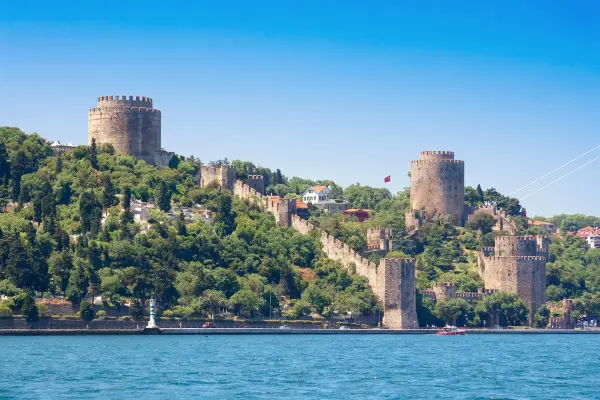
Theodosian Wall, Rumeli Hisari Fortress, Yedikule Fortress, Yoros Genoese Castle
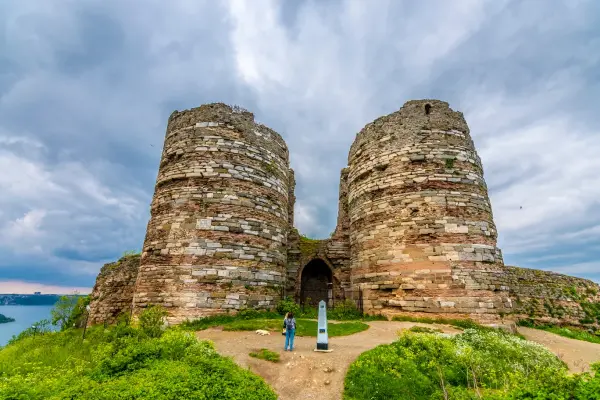
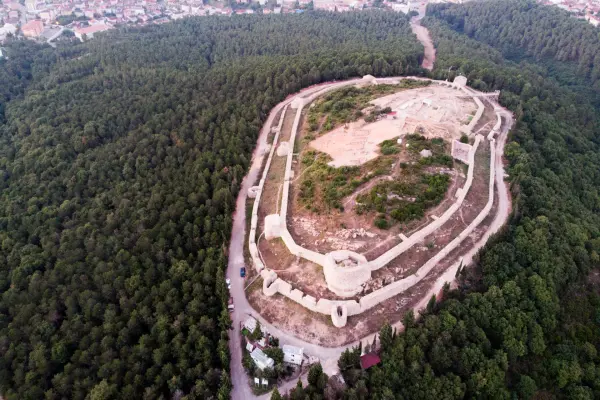
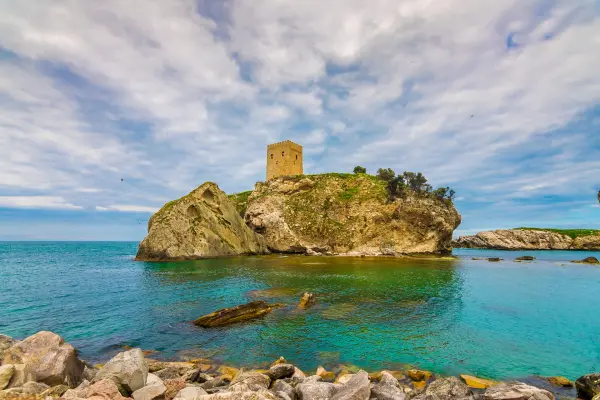
The City Walls of Istanbul - fragments, gates, and routes
A walk along the walls reveals the structure of the city's defenses and traces of different periods.
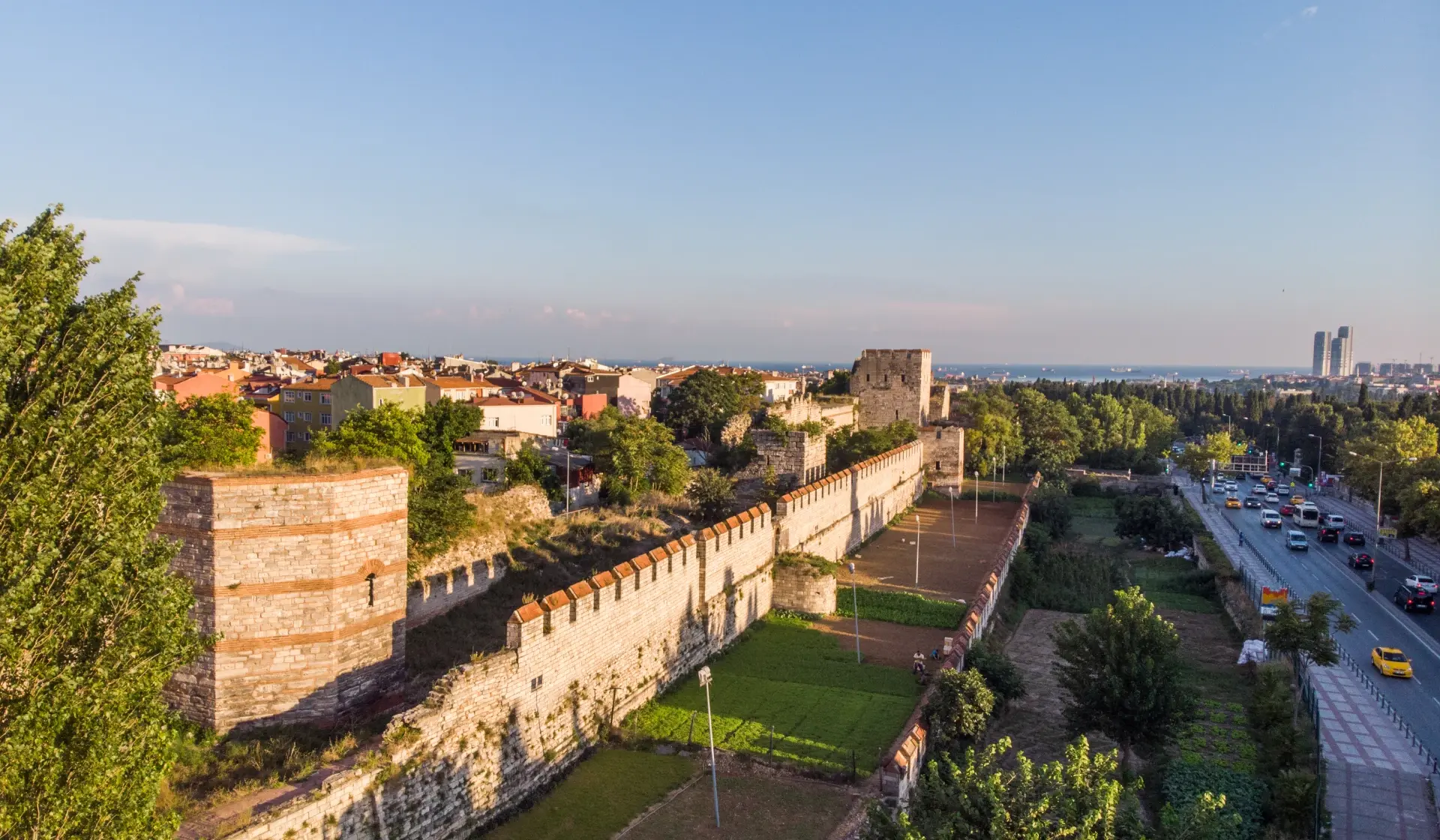
A double line of defense with towers and traces of different periods
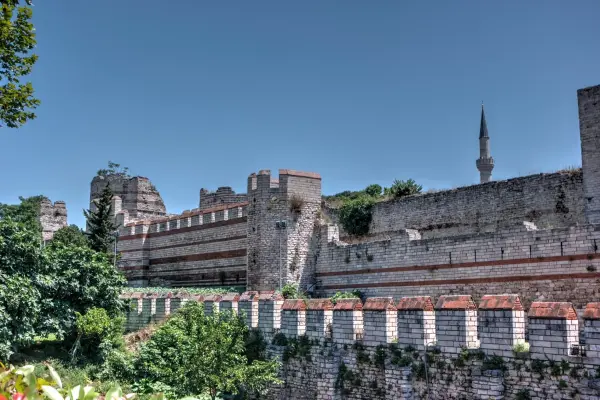
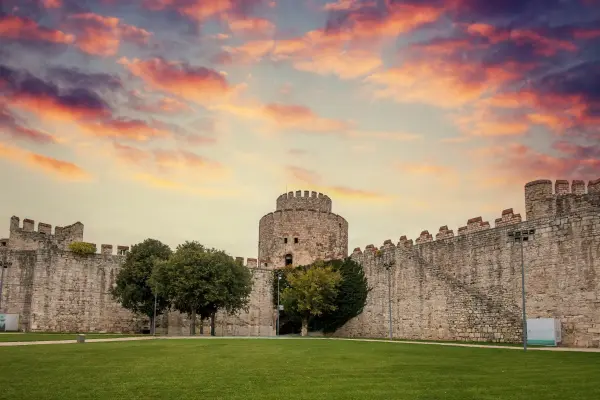
The best way to appreciate the walls is not from a single point, but during a walk along individual fragments. In different sections, you can see massive towers, parts of the outer wall, the space of the former moat, and gates through which old roads led into the city. The surviving fragments vary in condition: in some places the masonry has been carefully restored, while in others cracks, losses, and later alterations are visible.
One of the most famous stretches is near Yedikule, where the walls connect with the fortress by the Sea of Marmara. The sections closer to the Topkapi and Edirnekapi gates are also interesting, as they make it easy to imagine the scale of Constantinople's land defenses. It is worth choosing comfortable shoes for the visit: the route runs along busy streets, in places over uneven surfaces, and access onto the walls themselves is not possible everywhere.
Along the way, you can see old gates, towers of different shapes, and wide areas between the lines of fortifications, where the structure of the defense is especially clear. Nearby are Yedikule Fortress, the Chora Church - now Kariye Mosque, as well as the Balat and Fener districts, which are often included in a walk through this part of the city. The easiest way to get there is by tram, bus, or taxi to one of the sections in the Fatih district - for example, to Yedikule, Topkapi, or Edirnekapi.
Best tours and travel experiences across the continent

Photos of the city walls
Guided tours, popular attractions, and top-rated hotels across the continent


