
Mugla City Turkey Travel Guide
Mugla City, Turkey
Mugla City is an inland settlement in the Aegean Region of Turkey and the provincial capital of Mugla Province. In southwestern Turkey, it sits in a hilly basin between slopes and valleys rather than on the coast. For visitors, that means a more urban, local setting, with many central streets on an incline and walking routes that often include uphill sections.
Mugla City is known for its traditional whitewashed houses with distinctive chimneys, a defining feature of the city. Key sights include Saburhane, one of its best-known historic quarters, along with Mugla Museum, Kursunlu Mosque, the Arasta area, and Saatli Kule. Most visitors come for a short cultural stop or as part of a broader trip focused on the inland side of Mugla Province rather than its beach resorts.
Mugla City is most commonly reached by road and serves as a road and bus hub for travel to places such as Marmaris, Fethiye, Akyaka, and the Bodrum region. There is no major airport in the city itself, so most visitors arrive via regional airports such as Dalaman or Milas-Bodrum and continue by road. Intercity buses are one of the main ways to get there.
Mugla City on the map
Mugla City: Attractions, interesting places for excursions
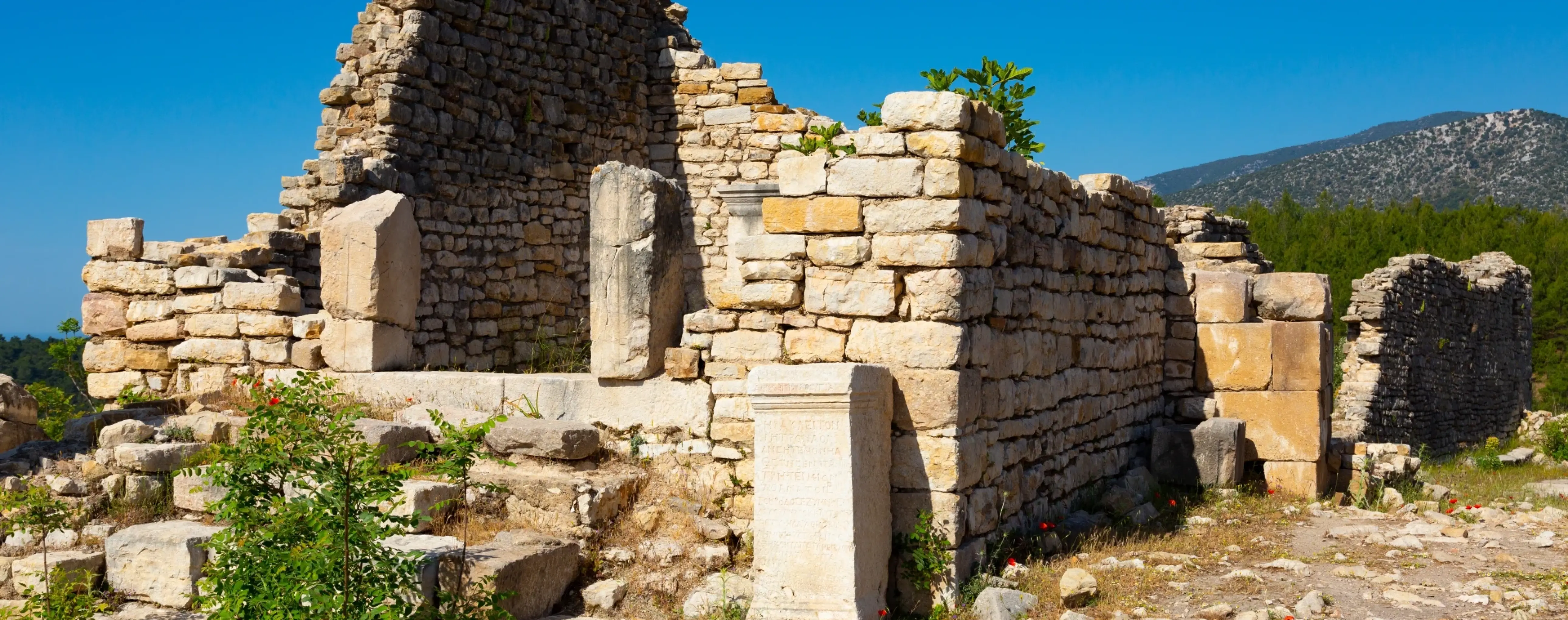
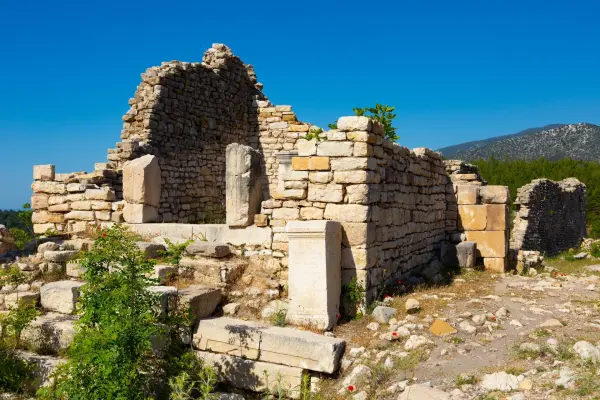
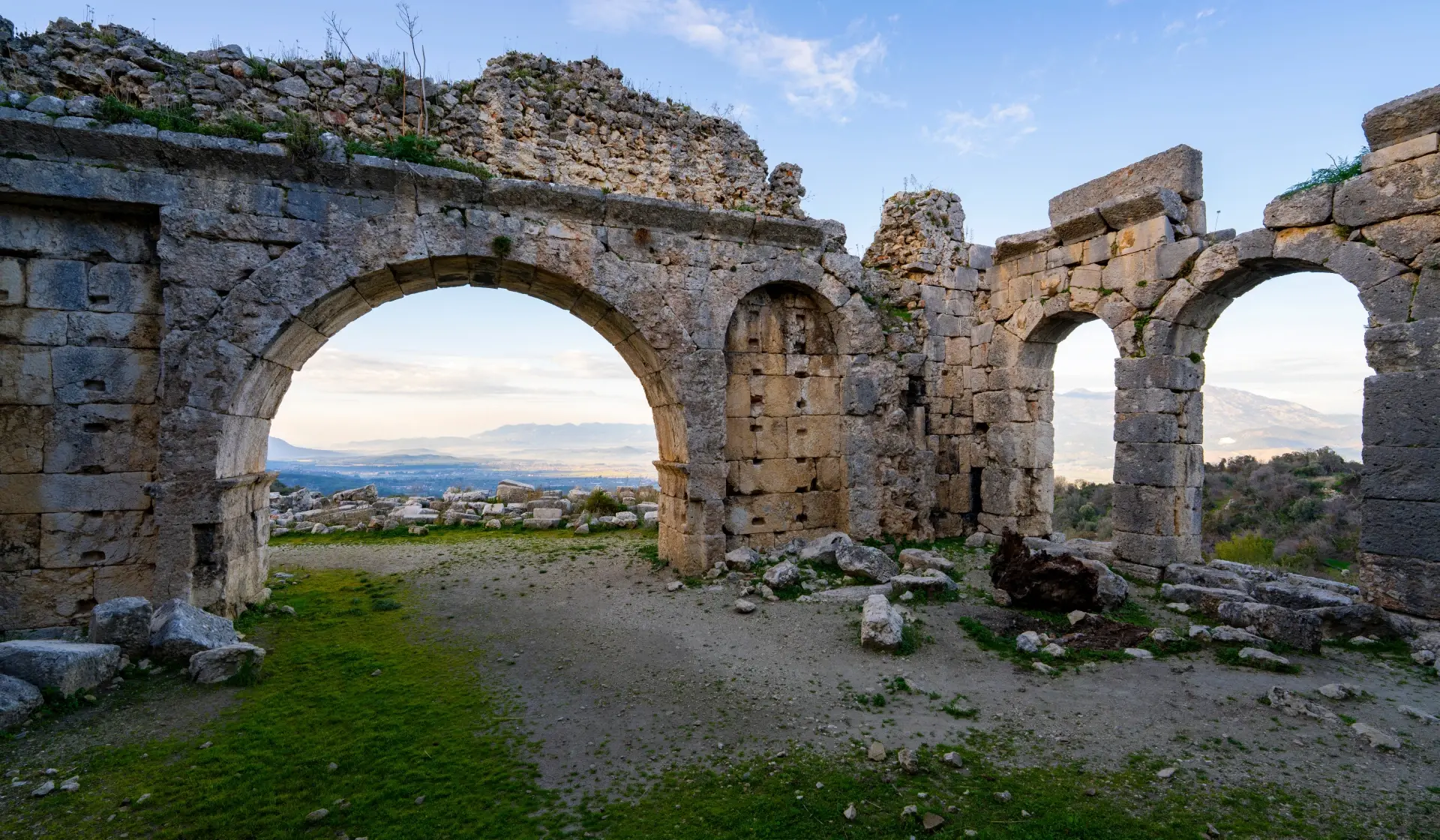
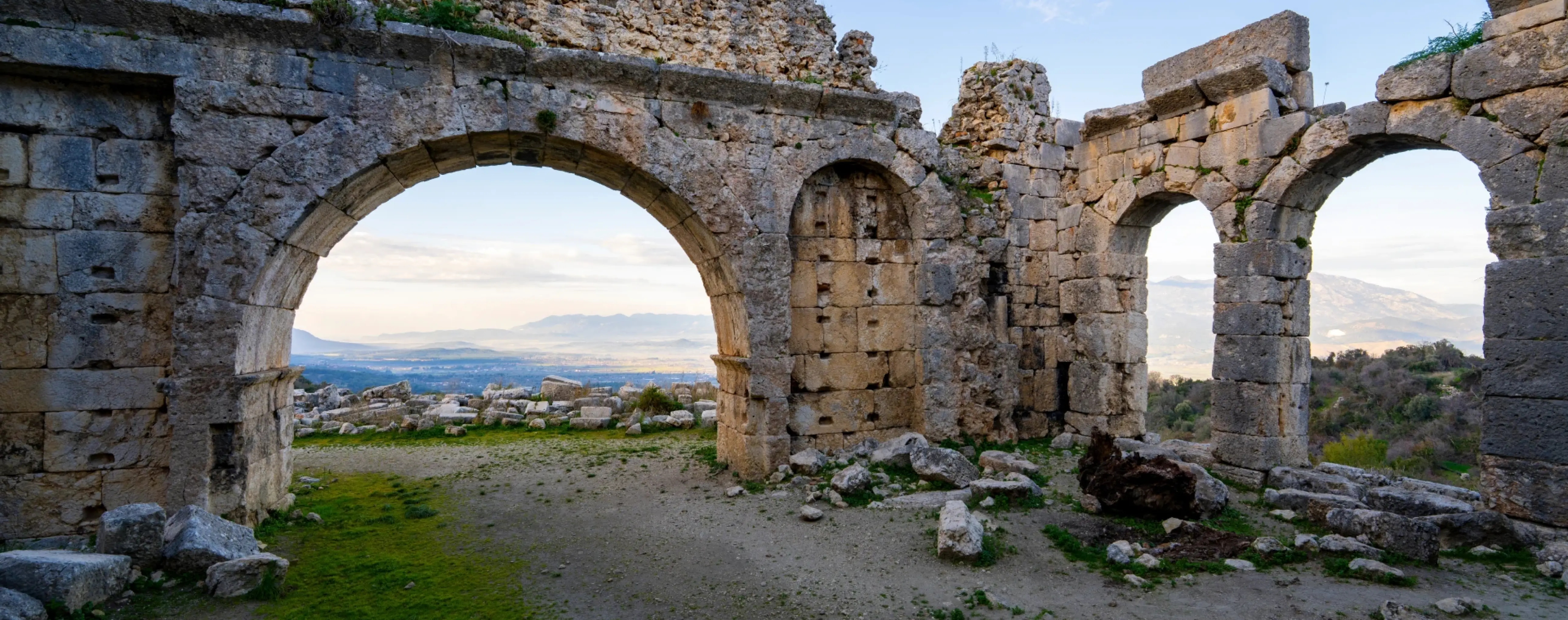
Ruins of Ancient Lycia
Mugla City attractions and central sights
Whitewashed houses, steep lanes, and tea houses in a hilly basin
Main sights and local character
The main places to visit in Mugla City are concentrated in the center and can easily be combined on foot. Saburhane is one of the key areas for seeing older Mugla houses and narrow streets. Mugla Museum is an important stop for local history and archaeology, while Kursunlu Mosque and Saatli Kule stand out as notable historic and civic landmarks. The Arasta and the surrounding central streets are also among the main attractions for experiencing the city's traditional commercial core.
The city has a local, administrative atmosphere that sets it apart from the better-known coastal resorts of Mugla Province. Its hilly basin setting gives many streets a sloping layout, but walking is practical in the center for linking the old quarters, museum, mosque area, and shopping streets. The built environment combines older streets and traditional houses with an everyday urban character.
Beyond the main sights, visitors spend time in everyday Turkish restaurants, lokantas, bakeries, and tea houses rather than resort-style dining areas. The central commercial streets and the Arasta are used mainly by locals, making them good places to observe daily city life. Evening activity is limited compared with coastal resort towns, with nightlife centered mostly on cafes and modest local venues.
District overview – facts & data for travelers
Best tours and travel experiences across the continent

Mugla City photos
Guided tours, popular attractions, and top-rated hotels across the continent


