
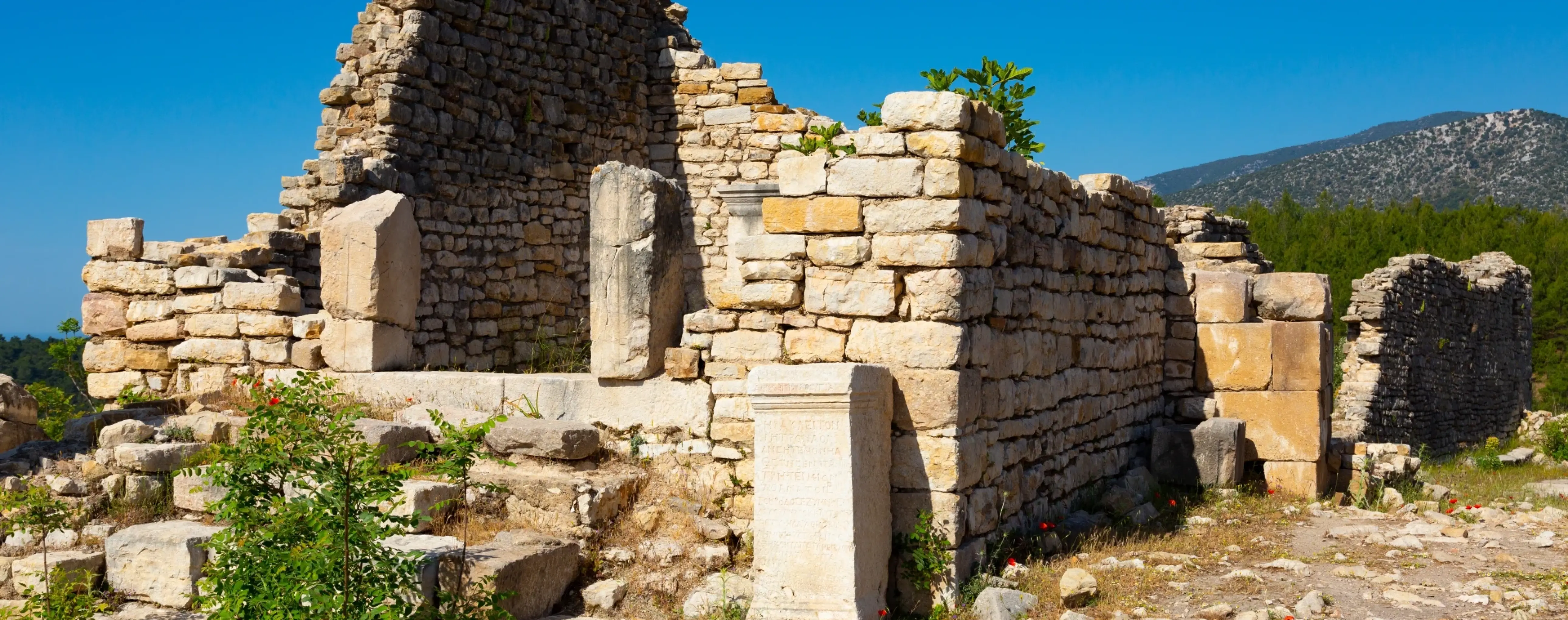
Ruins of Ancient Lycia
Ruins of Ancient Lycia in Mugla City, Turkey
The Ruins of Ancient Lycia in the Mugla City area are associated with the historical region in southwestern Asia Minor that occupied part of the territory of the modern province of Mugla and neighboring Antalya. Today, this name usually refers to the surviving monuments of ancient Lycia - the ruins of cities, rock tombs, stone sarcophagi, theaters, and sections of old roads scattered across the coastal and mountainous areas of the region.
Lycia is known above all for its funerary monuments. Here, tombs with facades resembling temples and residential houses were carved into the rocks, while freestanding sarcophagi were often placed on high bases. These structures help us understand local architectural traditions and ideas about status, memory, and the afterlife.
In the 1st millennium BCE, Lycia was an independent cultural region with its own language, writing system, and political alliances. Later, it was part of the Achaemenid Empire, Hellenistic states, the Roman Empire, and Byzantium. Thanks to this, the monuments of the region clearly show a combination of local traditions with Greek and Roman influences.
For tourists, the ruins of Ancient Lycia are interesting not only as archaeological sites, but also as part of the historical landscape of southwestern Turkey. Here, you can see traces of ancient settlements and necropolises, imagine the layout of ancient cities, and gain a better understanding of the history of the coast between Mugla and the Mediterranean Sea.
Ruins of Ancient Lycia on the map
Ruins of Ancient Lycia and monuments of ancient architecture
Traces of Lycian cities, tombs, and old roads have been preserved here.
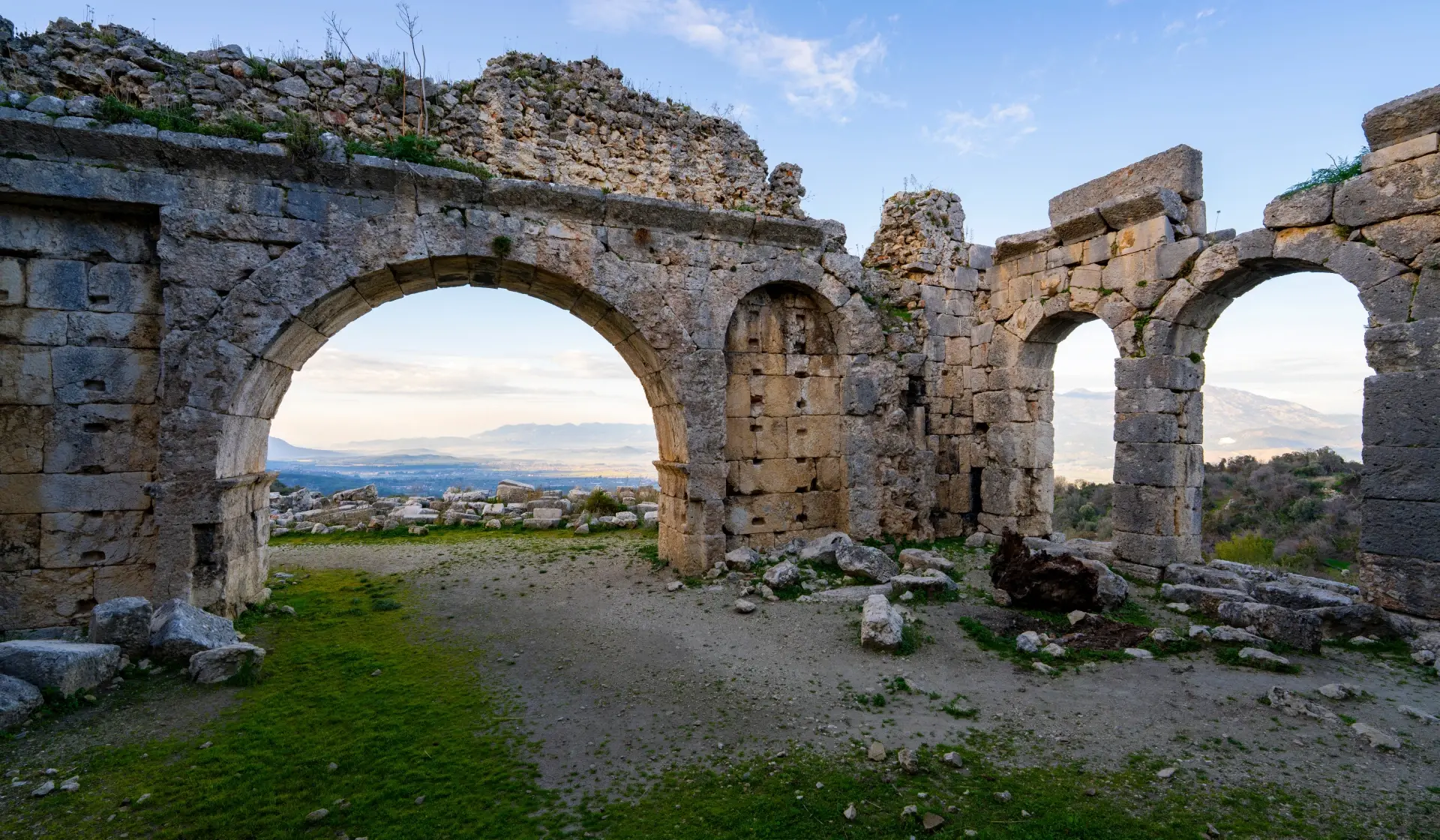
Rock tombs, sarcophagi, and traces of ancient cities
At Lycian monuments, visitors usually pay attention to rock-cut burial chambers, the remains of fortress walls, fragments of theaters, columns, and stone masonry. In some places, necropolises, individual sarcophagi, and terraces of ancient buildings are clearly visible. Even partially preserved ruins make it possible to see how ancient settlements adapted to the mountainous terrain and proximity to the sea.
Exploring such places is especially interesting for those who want to compare different eras within a single region. In the architecture, you can notice local forms, as well as Greek and Roman features that appeared in later periods. On stone surfaces, details of facades, reliefs, and inscriptions are sometimes preserved, giving an idea of the language and funerary customs of ancient Lycia.
When visiting, it is worth keeping in mind that many ruins are located outdoors, on uneven ground and without continuous shade, so comfortable footwear and a supply of water are useful at any time of year. Near the Lycian monuments in Mugla Province, there are often other ancient sites, coastal routes, and viewpoints that can be included in a single trip around the Mugla area.
These places are usually reached from the city of Mugla by car, tour transport, or local buses, depending on the specific archaeological site. Before the trip, it is best to уточнить which particular complex of ruins is meant and what the access conditions are on site.
Best tours and travel experiences across the continent




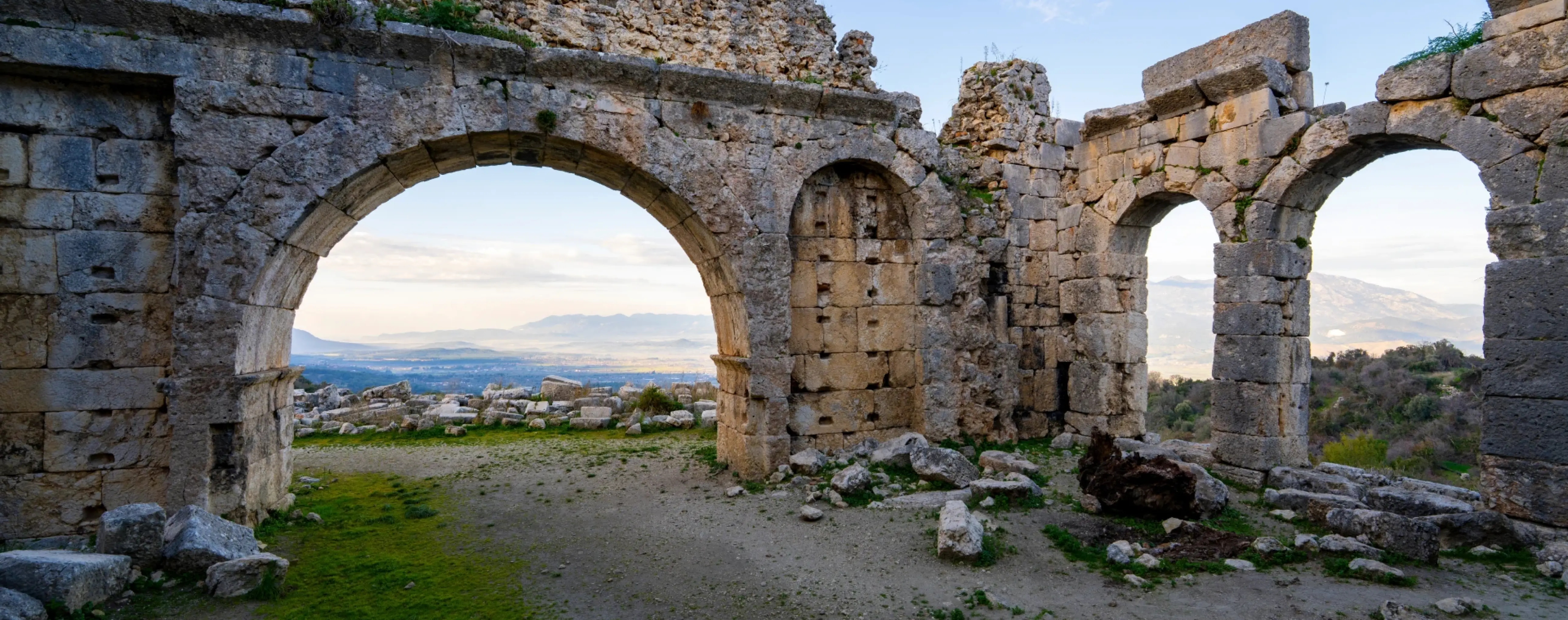
Photos of Lycia
Guided tours, popular attractions, and top-rated hotels across the continent


