Mugla Turkey travel guide Saburhane
Mugla, Turkey
Mugla lies in southwestern Turkey, in the country's Aegean Region. It is an inland city rather than a coastal one, set back from the Aegean and Mediterranean resort coasts of Mugla Province. There is no waterfront in the city itself, and its setting is distinctly hilly, with the city spread among hills.
What defines Mugla is not large monumental remains but a preserved traditional urban fabric and clear Ottoman-era elements. Kurshunlu Mosque stands as an Ottoman religious landmark, while Saatli Kule serves as a central civic marker. Traditional Mugla houses, with their whitewashed walls, tiled roofs, and distinctive chimneys, remain an important part of this historic fabric. Together, they shape a city center experienced through traditional streets, historic houses, mosque architecture, and civic heritage.
Mugla suits a trip built around culture, walking, and nature in a provincial inland setting. It works well for a holiday or travel guide itinerary focused on the historic center, traditional architecture, and a short nearby nature outing rather than beaches. The city can also be added as a historic inland stop within a wider journey through Mugla Province.
The key visitor areas are Saburhane, the Arasta area, and the broader historic center. Saburhane is the best-known historic quarter, with narrow streets and old Mugla houses, while the Arasta area retains the atmosphere of a traditional bazaar. Walking is the most practical way to experience these central districts, since many points of interest lie close together. For access, most visitors use Dalaman Airport as the main air gateway and continue by road to the city, which also functions as a transport node.
Mugla has hot, dry summers. Because of its inland elevation, conditions are cooler than in many nearby coastal resorts, while spring and autumn are generally the most comfortable seasons for walking and sightseeing. These are the best periods to visit. Mid-summer is less comfortable for visitors sensitive to heat, and winter is cooler and wetter.
Mugla on the map
Mugla: Attractions, interesting places for excursions
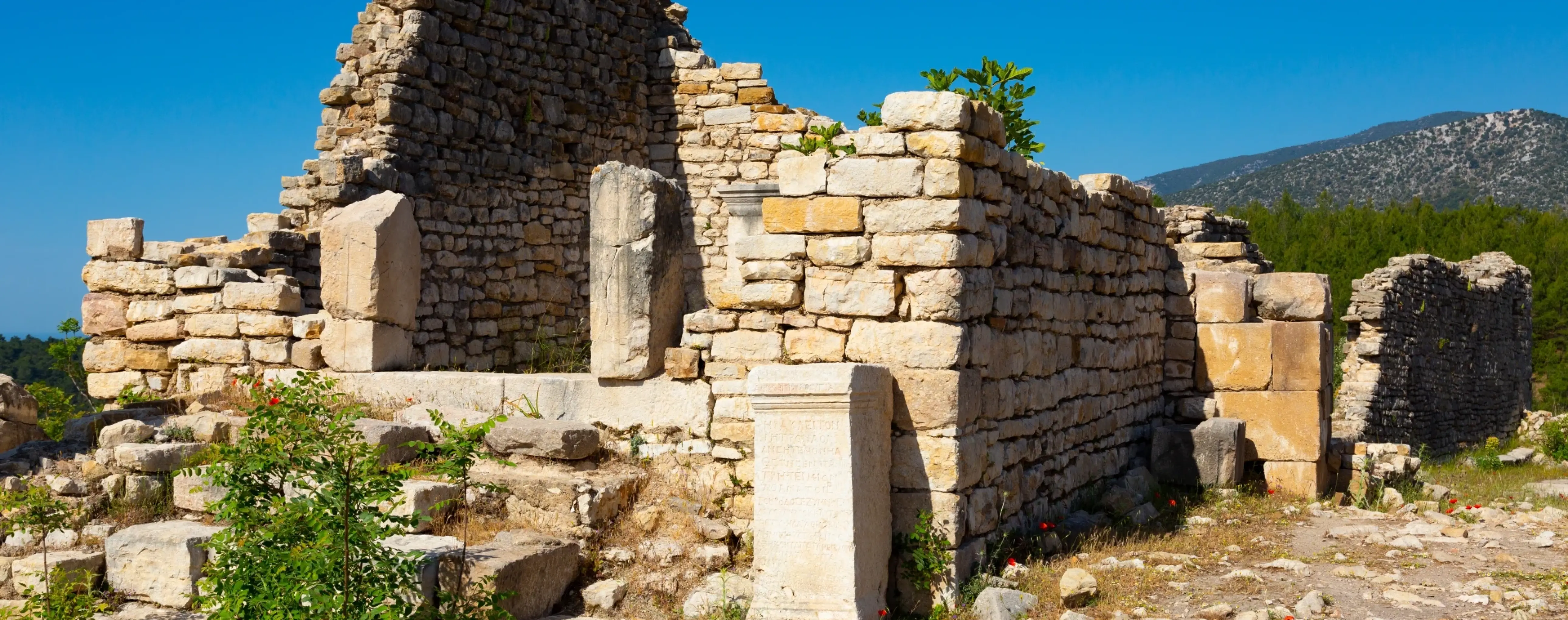
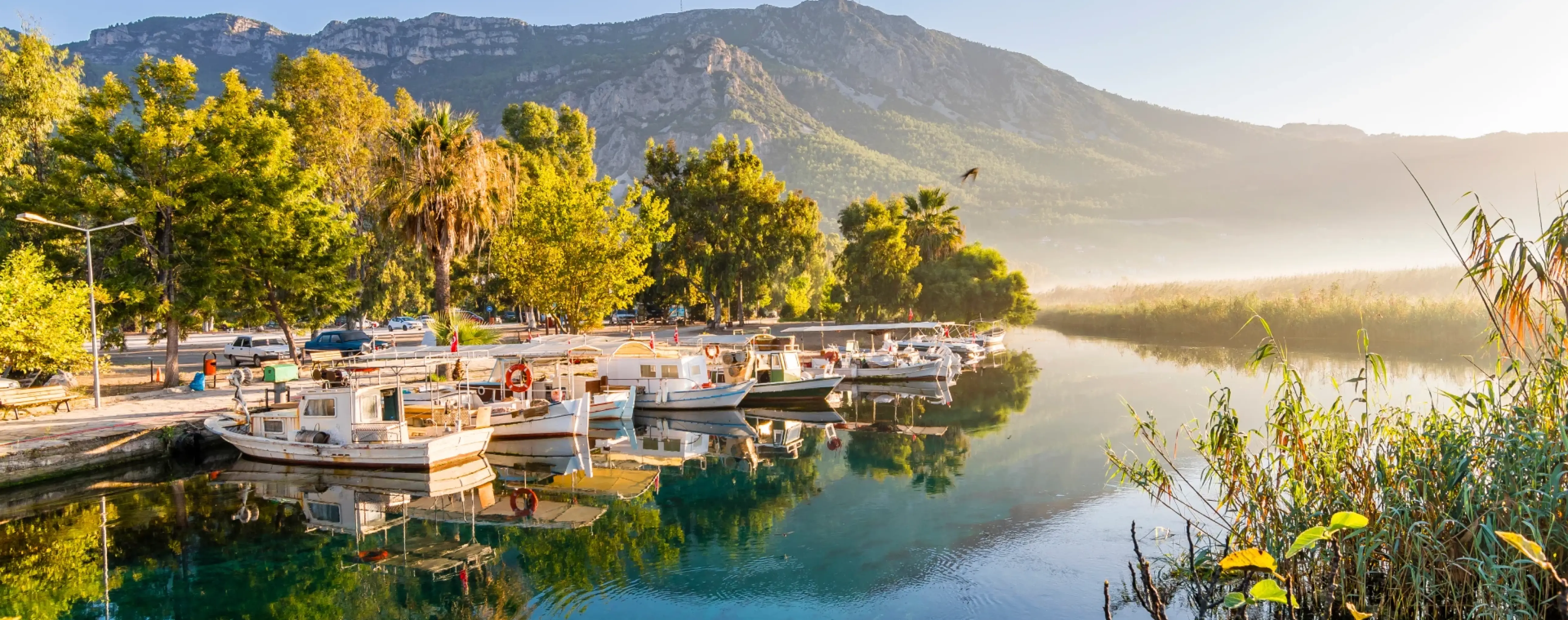
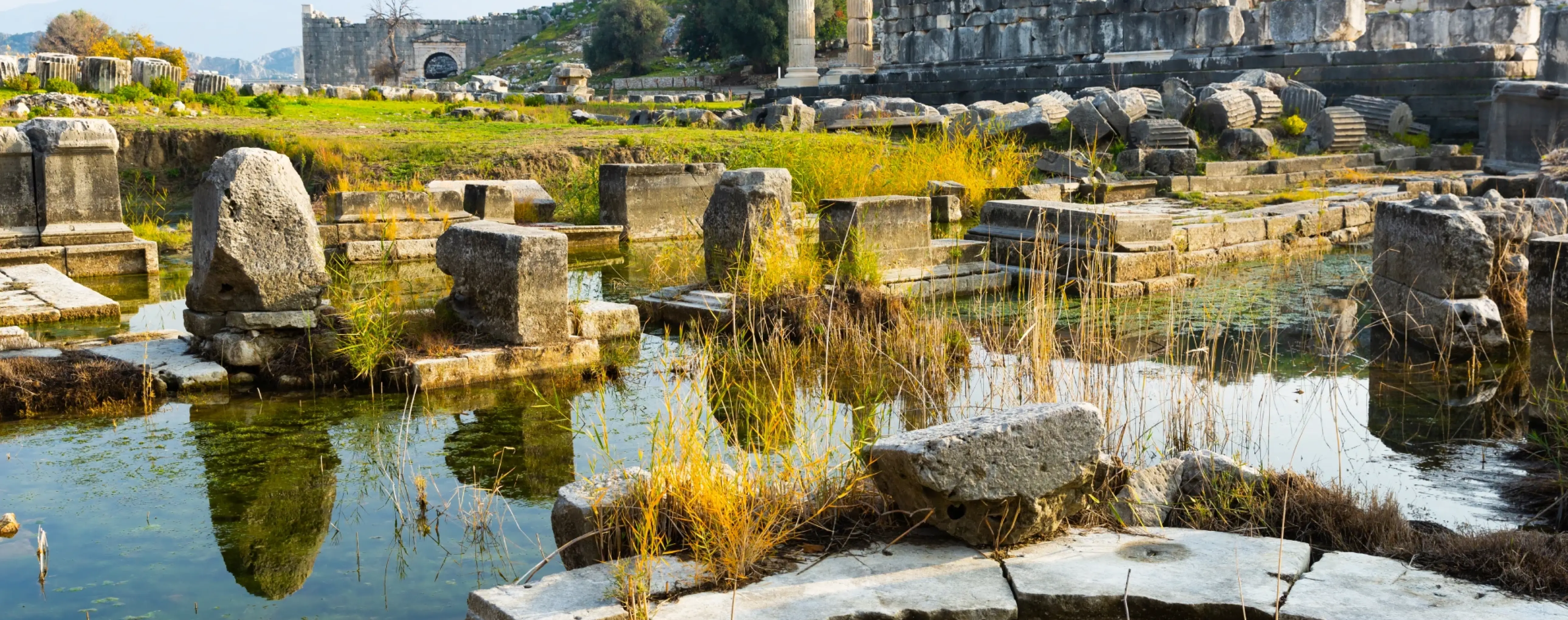
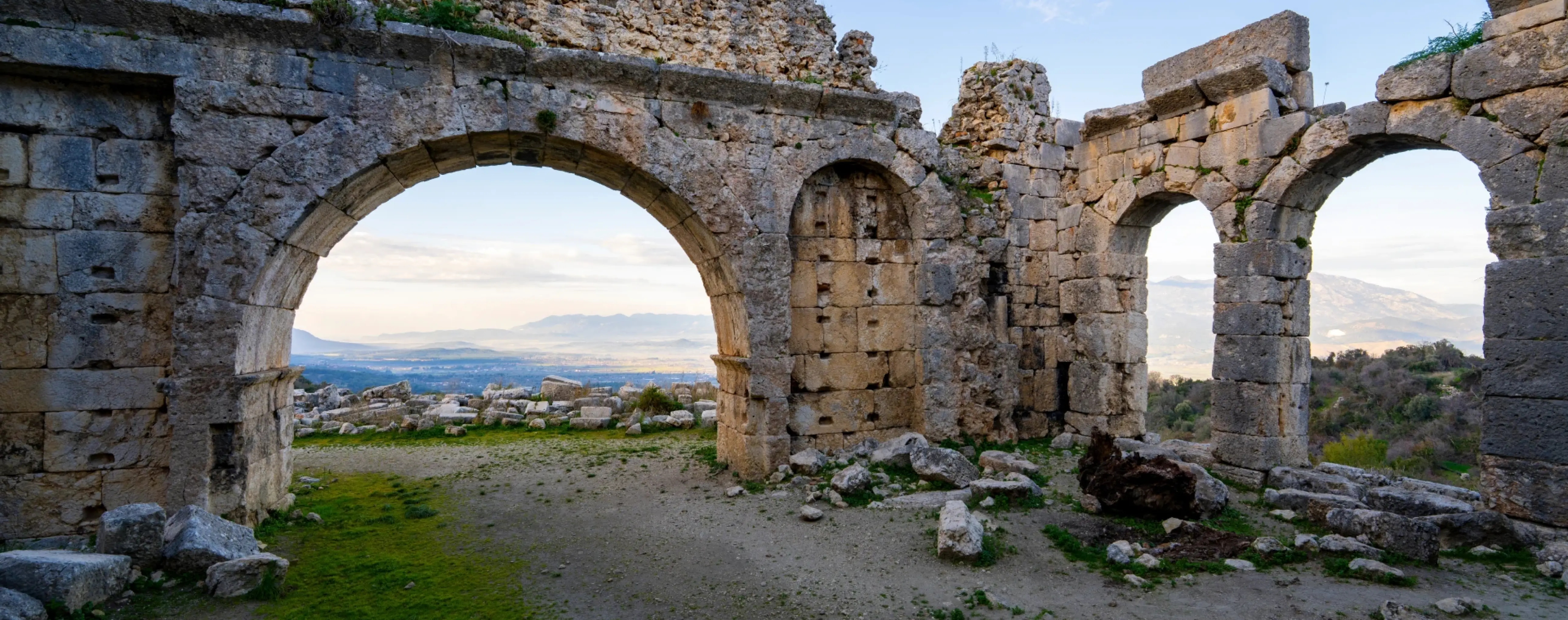
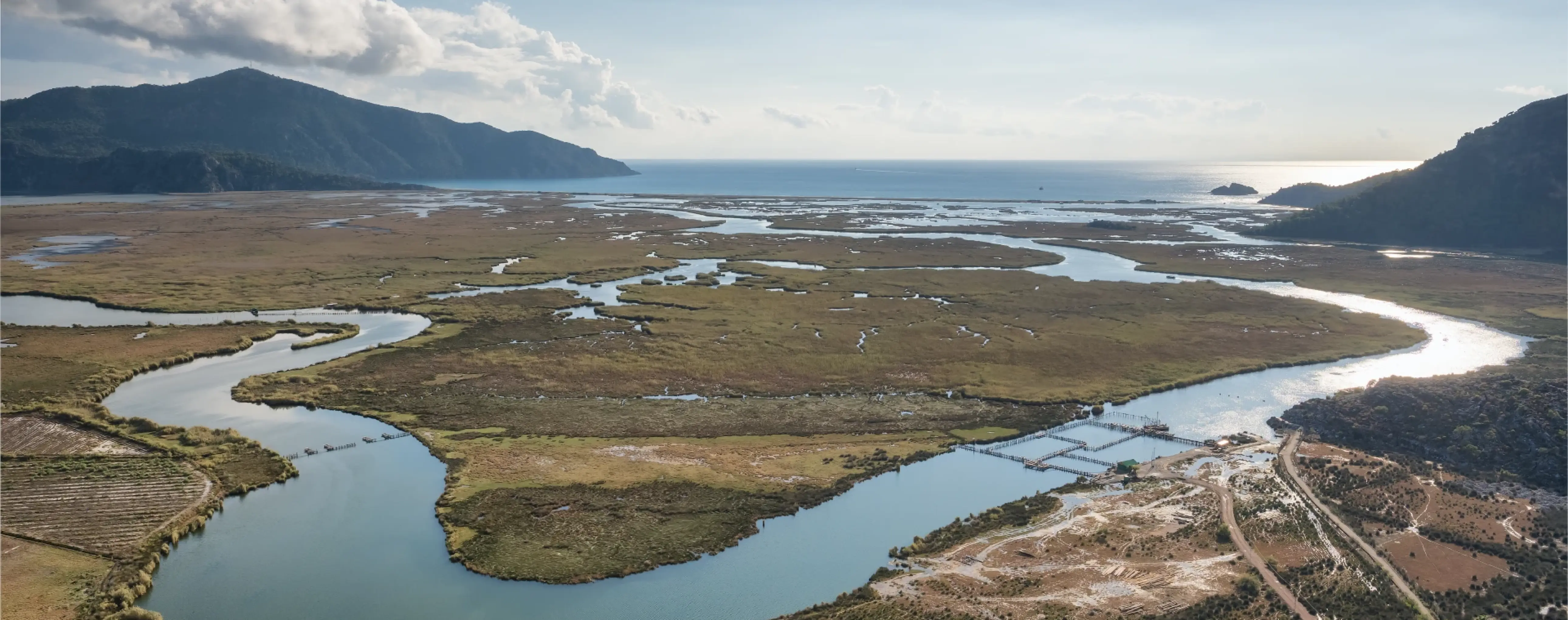
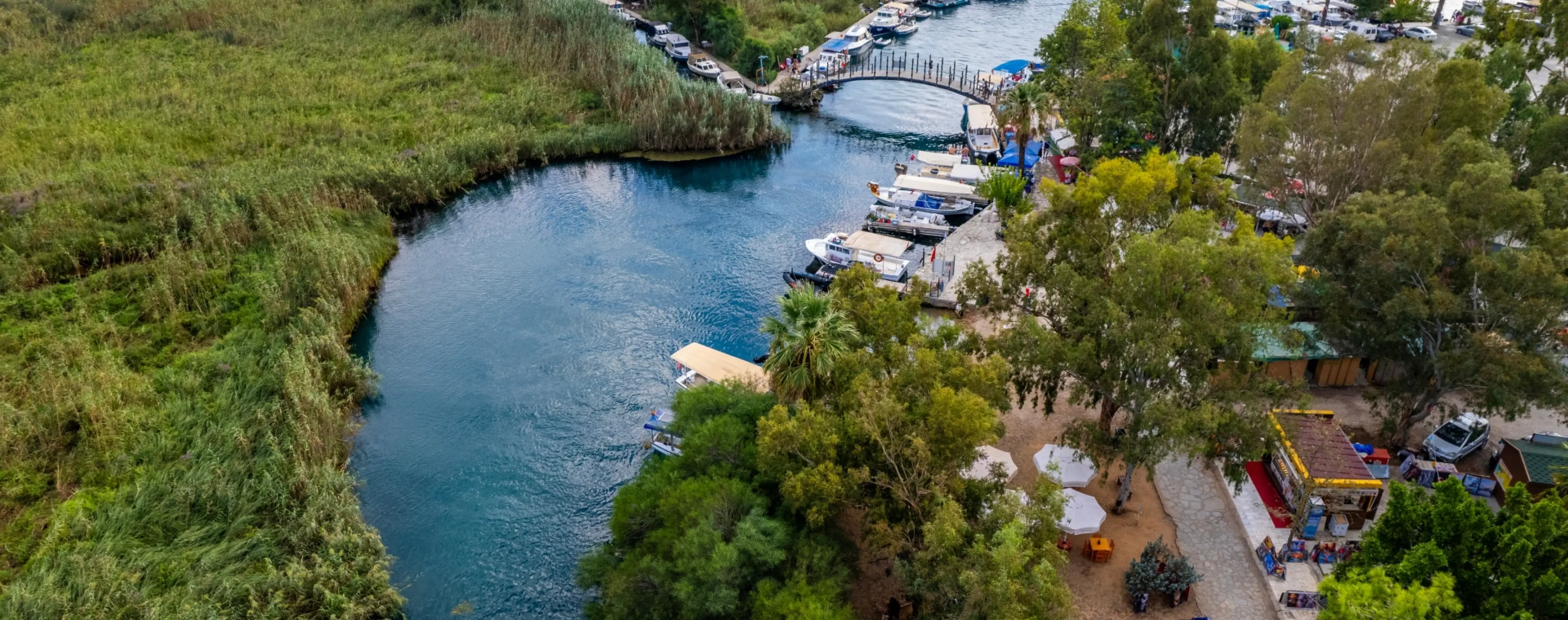
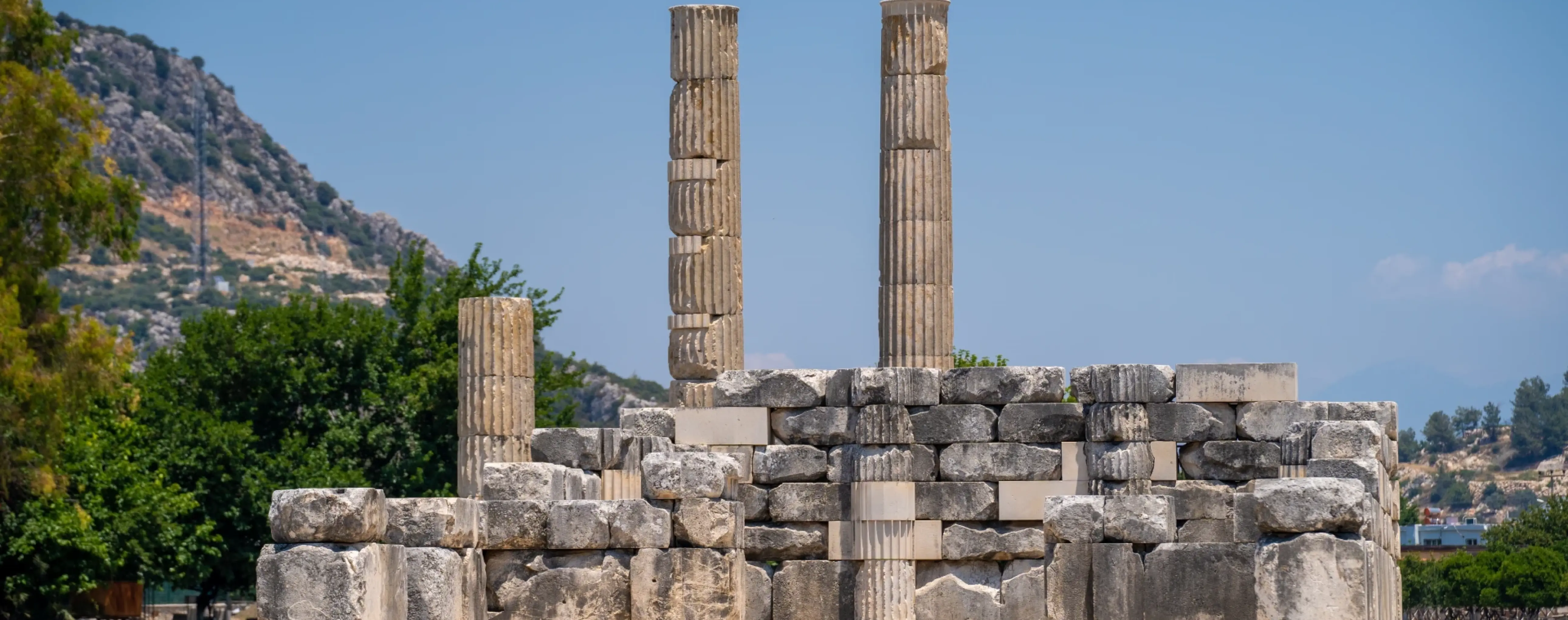
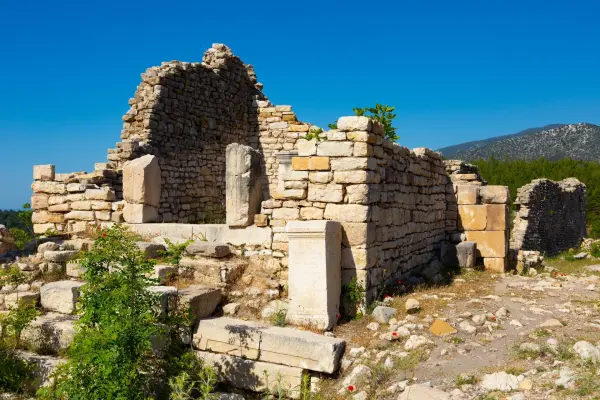
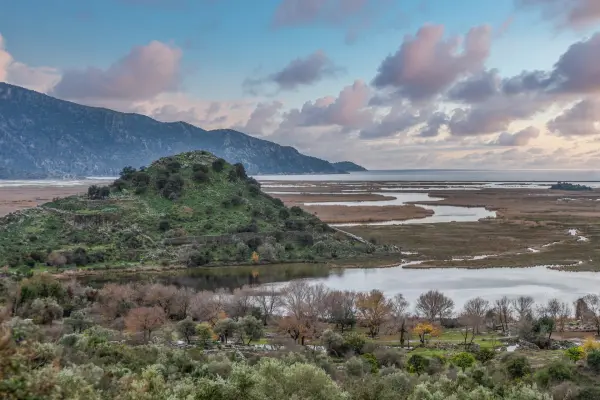
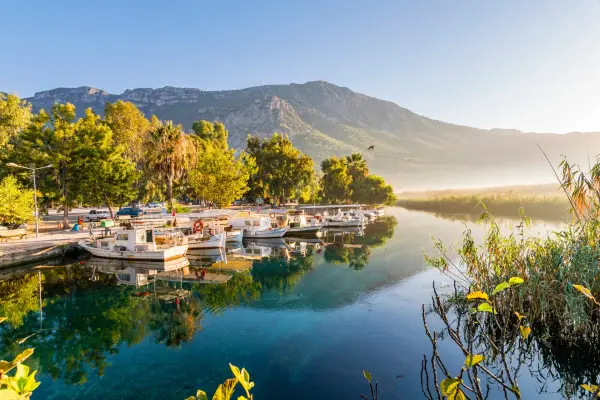
Temple of Apollo, Ruins of Ancient Lycia, Dalyan River, Akyaka Town
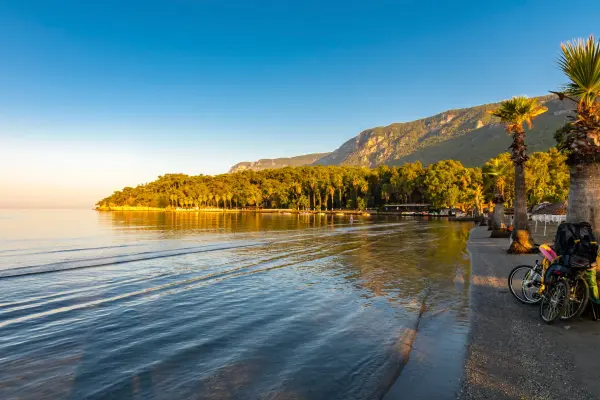
Mugla: Popular Districts
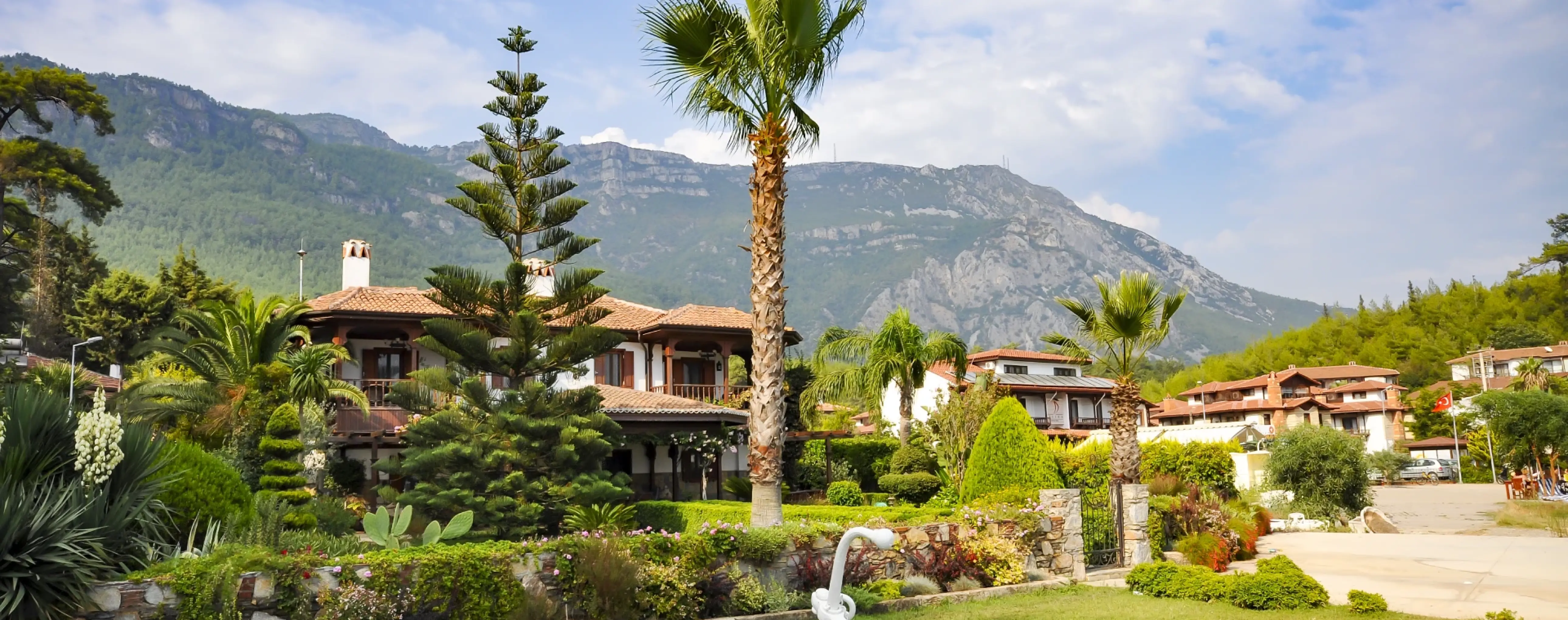
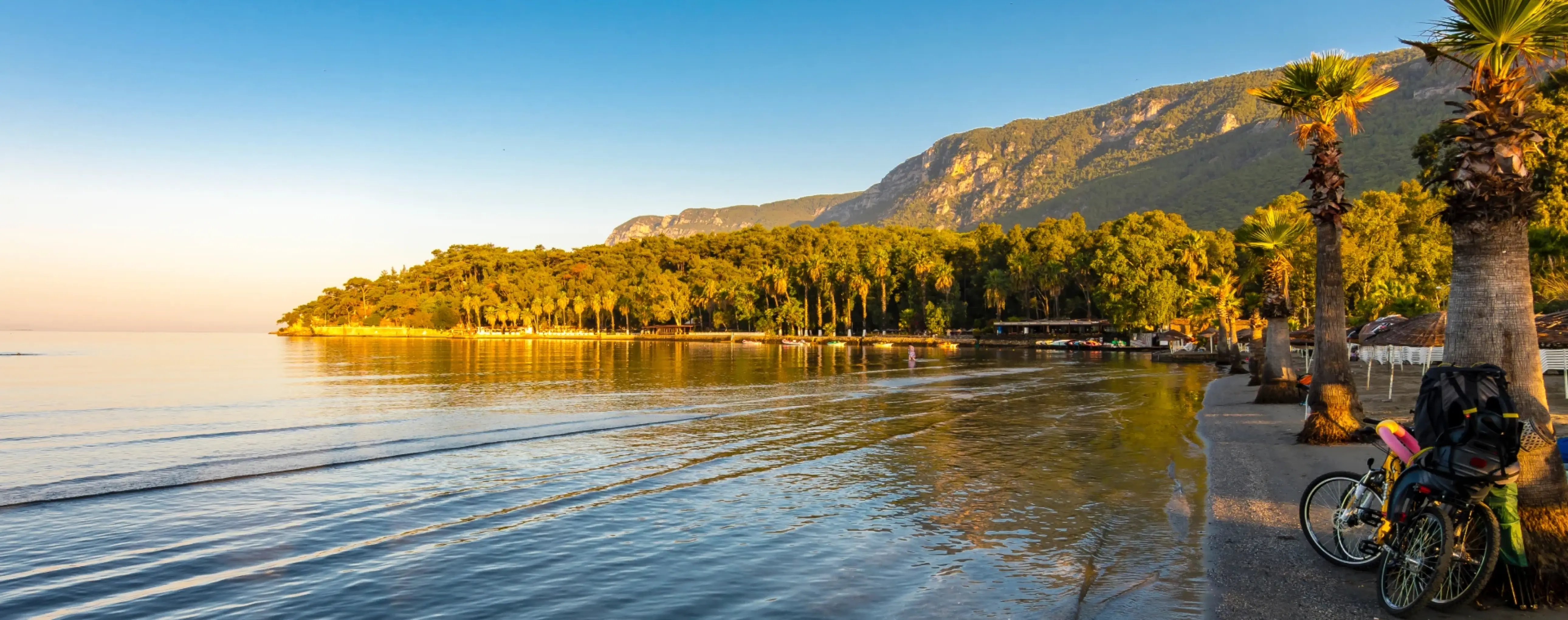
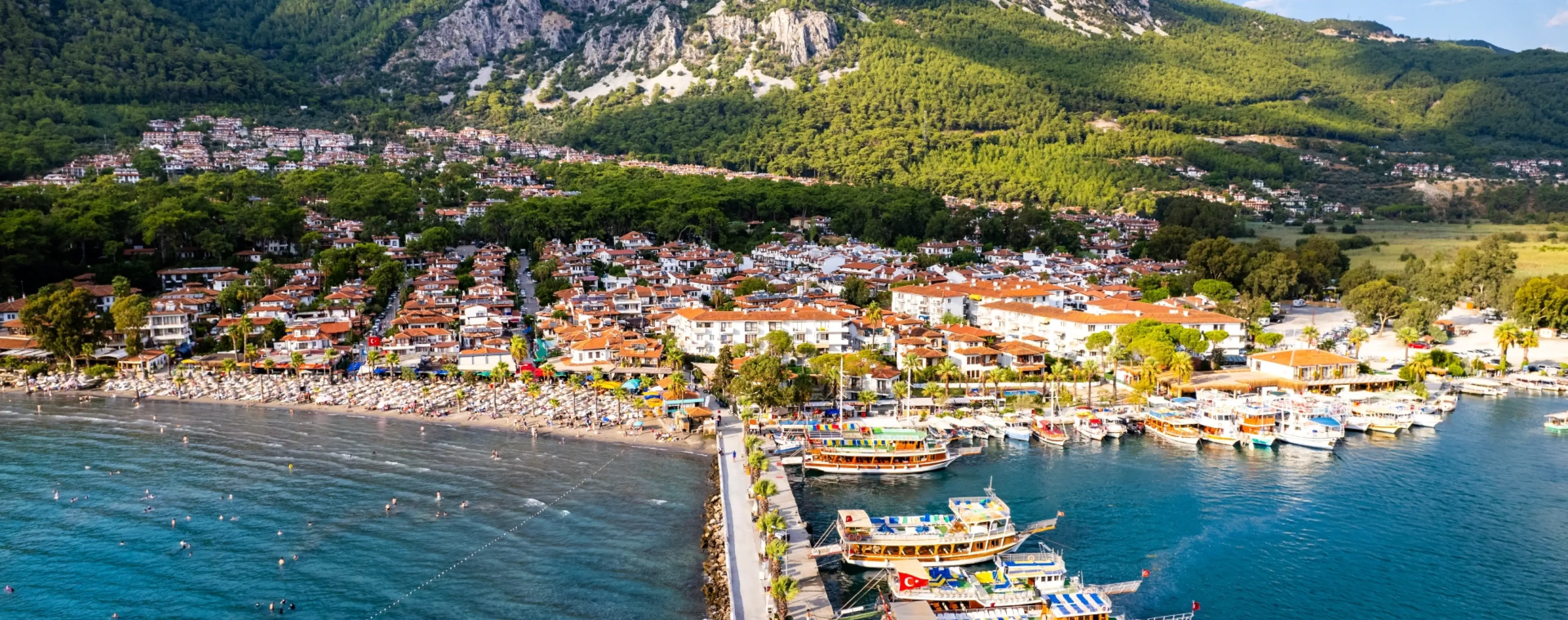
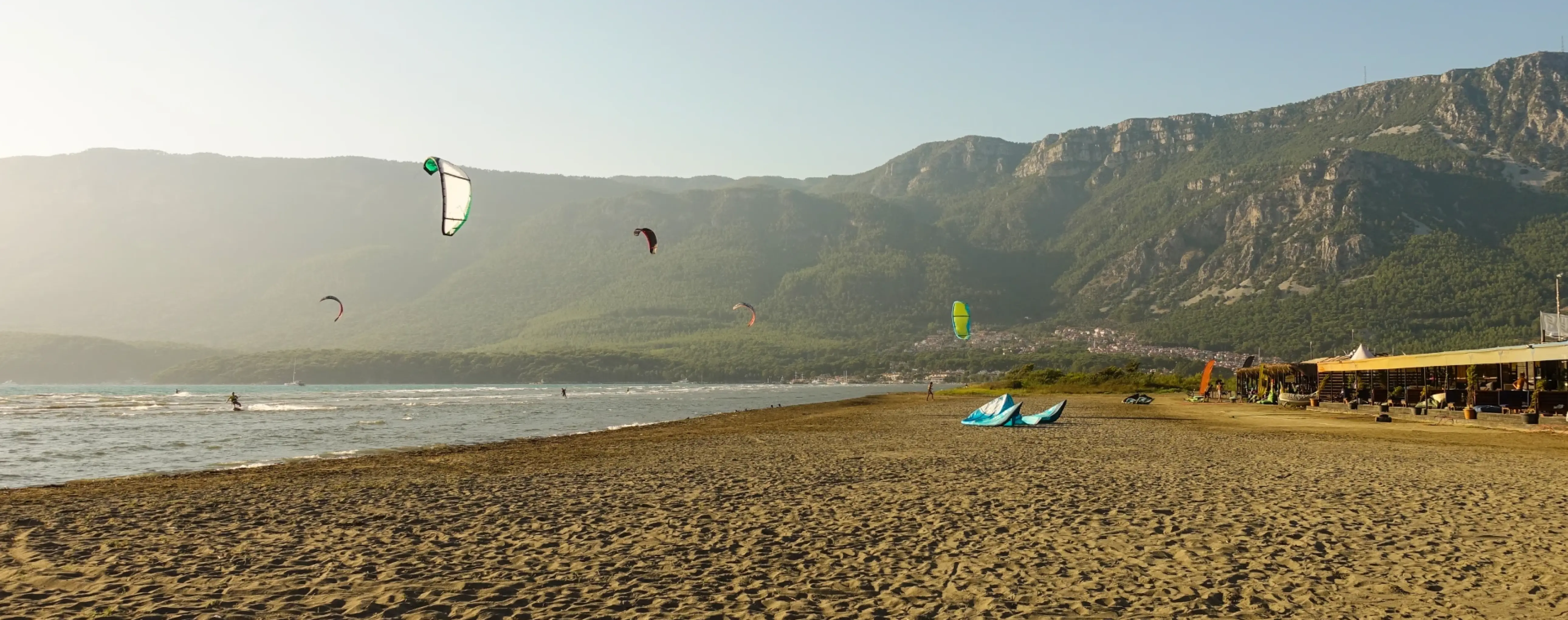
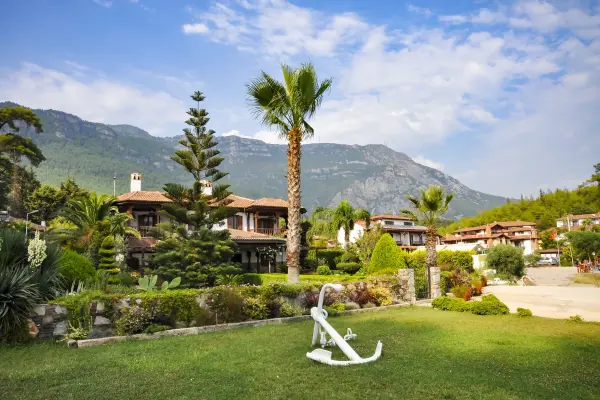
Gokova, Mugla City, Akyaka

What to see in Mugla, from Saburhane to Karabaglar Yaylasi
Ottoman streets, whitewashed houses, and a hillside bazaar rhythm
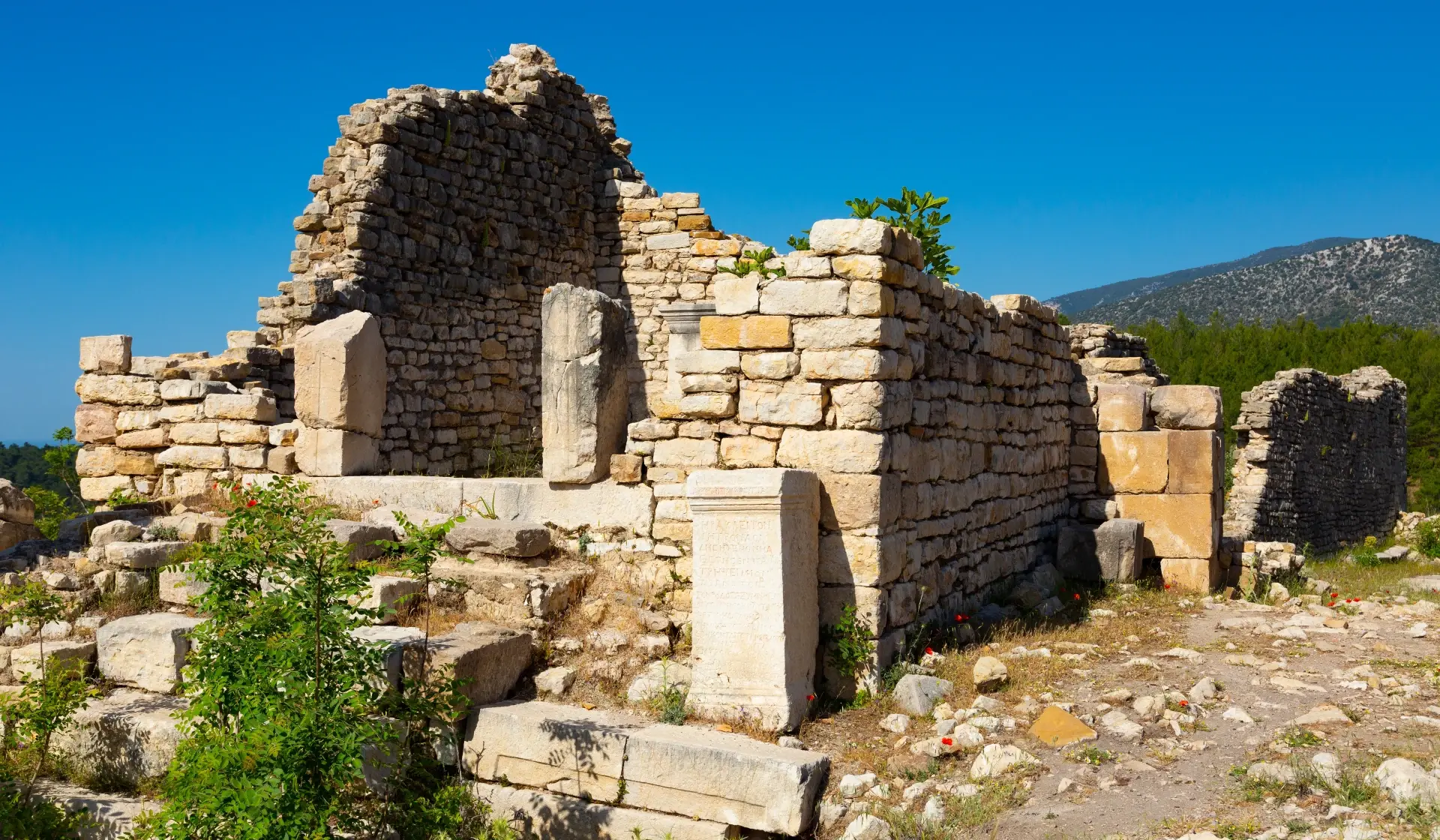
Walking Mugla's historic center and Saburhane
In Mugla's historic core, narrow streets, preserved traditional urban fabric, and old Mugla houses define the experience. These houses, with whitewashed walls, tiled roofs, and distinctive chimneys, are especially associated with Saburhane, the city's best-known historic quarter. Nearby, the Arasta area preserves the atmosphere of a traditional bazaar within the center. Kurshunlu Mosque represents Mugla's Ottoman-era religious layer, and Saatli Kule remains a recognizable civic landmark in central Mugla.
Mugla Museum is the city's main museum stop and matters most to visitors interested in local archaeology and regional history. Near the city, Karabaglar Yaylasi is the principal natural feature and is linked to Mugla's long-standing summer retreat tradition. Mugla itself is inland rather than seaside, so the city has no waterfront or marina function.
Typical things to do include walking through the historic streets of Saburhane, exploring the Arasta bazaar area, visiting Mugla Museum, and seeing Kurshunlu Mosque and Saatli Kule, before adding a short outing to Karabaglar Yaylasi. Dining focuses on local Turkish restaurants and regional Aegean cooking rather than resort-oriented international dining. Mugla kofte and cokelek are widely recognized local specialties associated with the area.
City Details
City overview – facts & data for travelers
Best tours and travel experiences across the continent

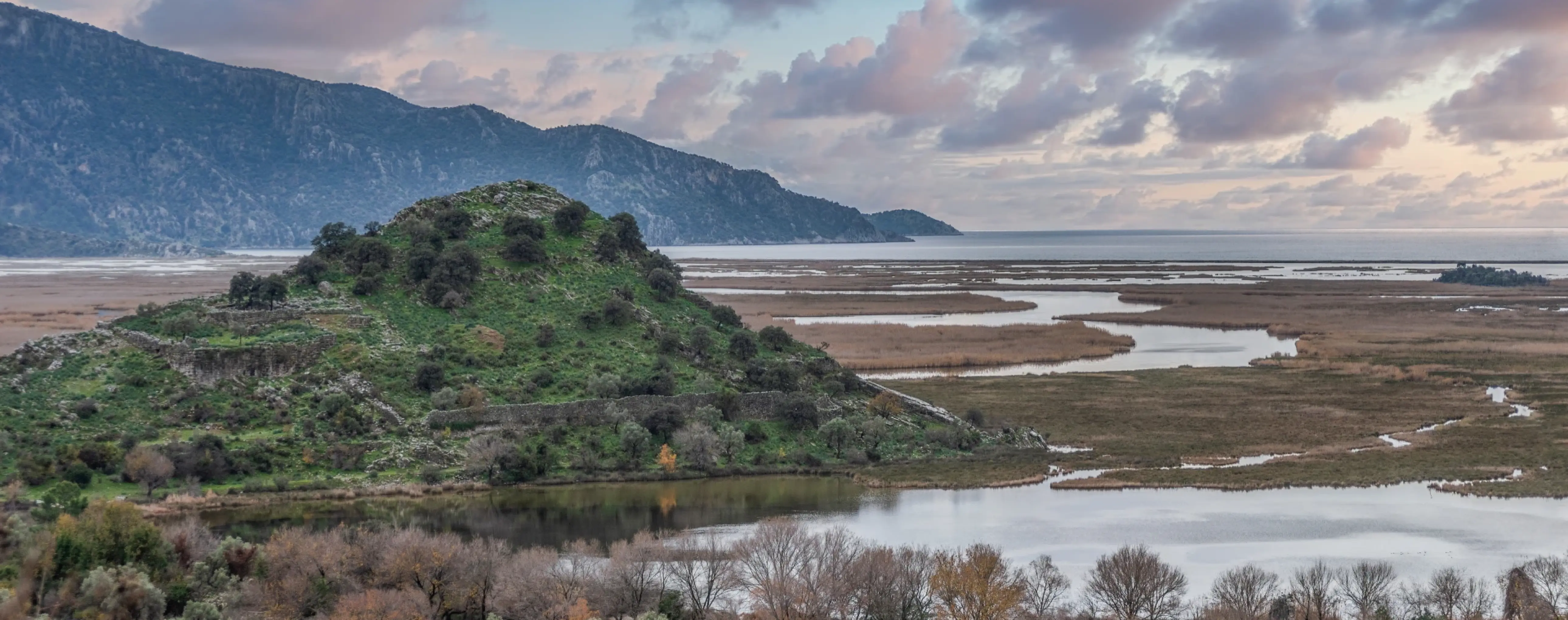
Mugla photos
Guided tours, popular attractions, and top-rated hotels across the continent